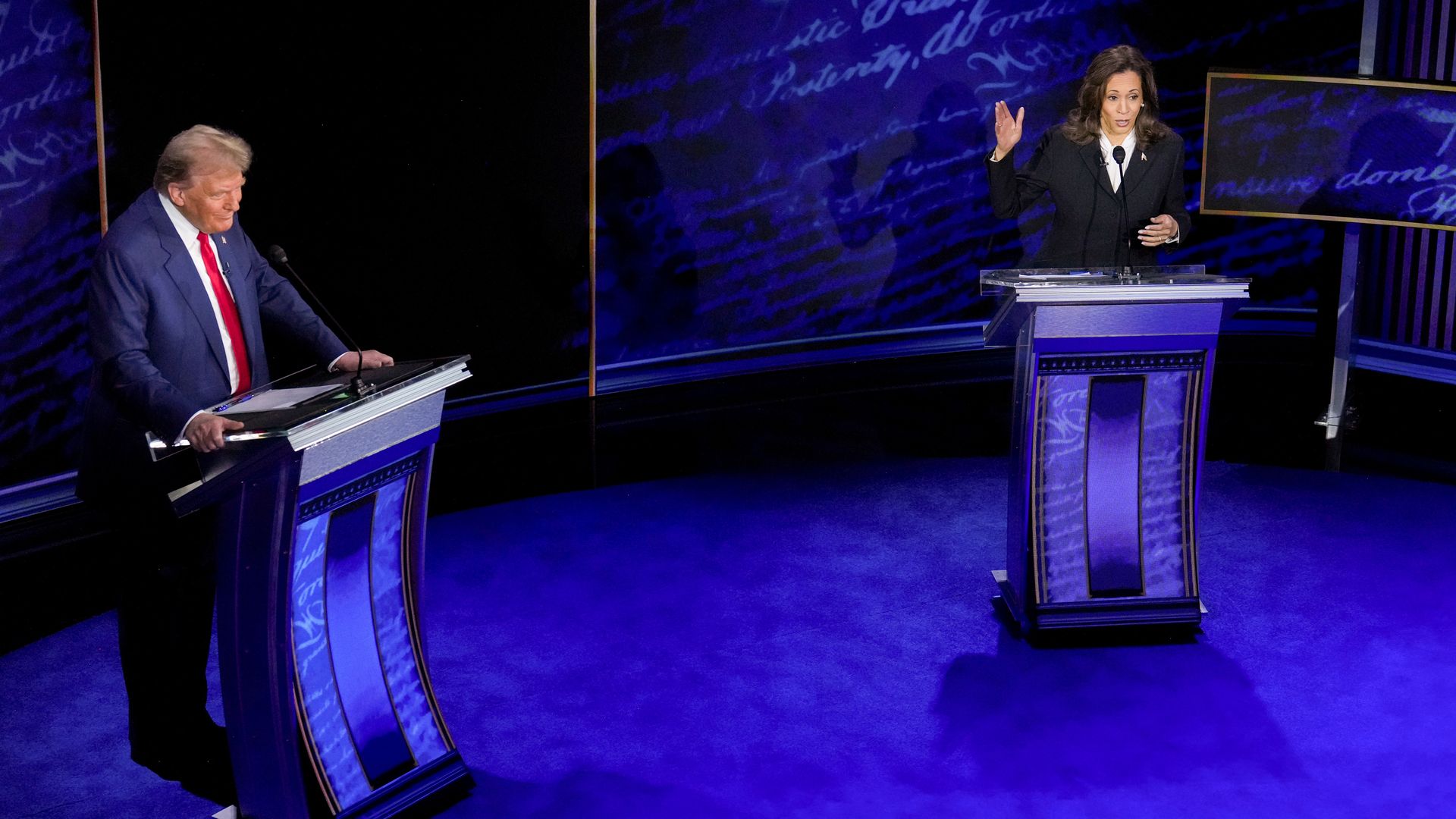
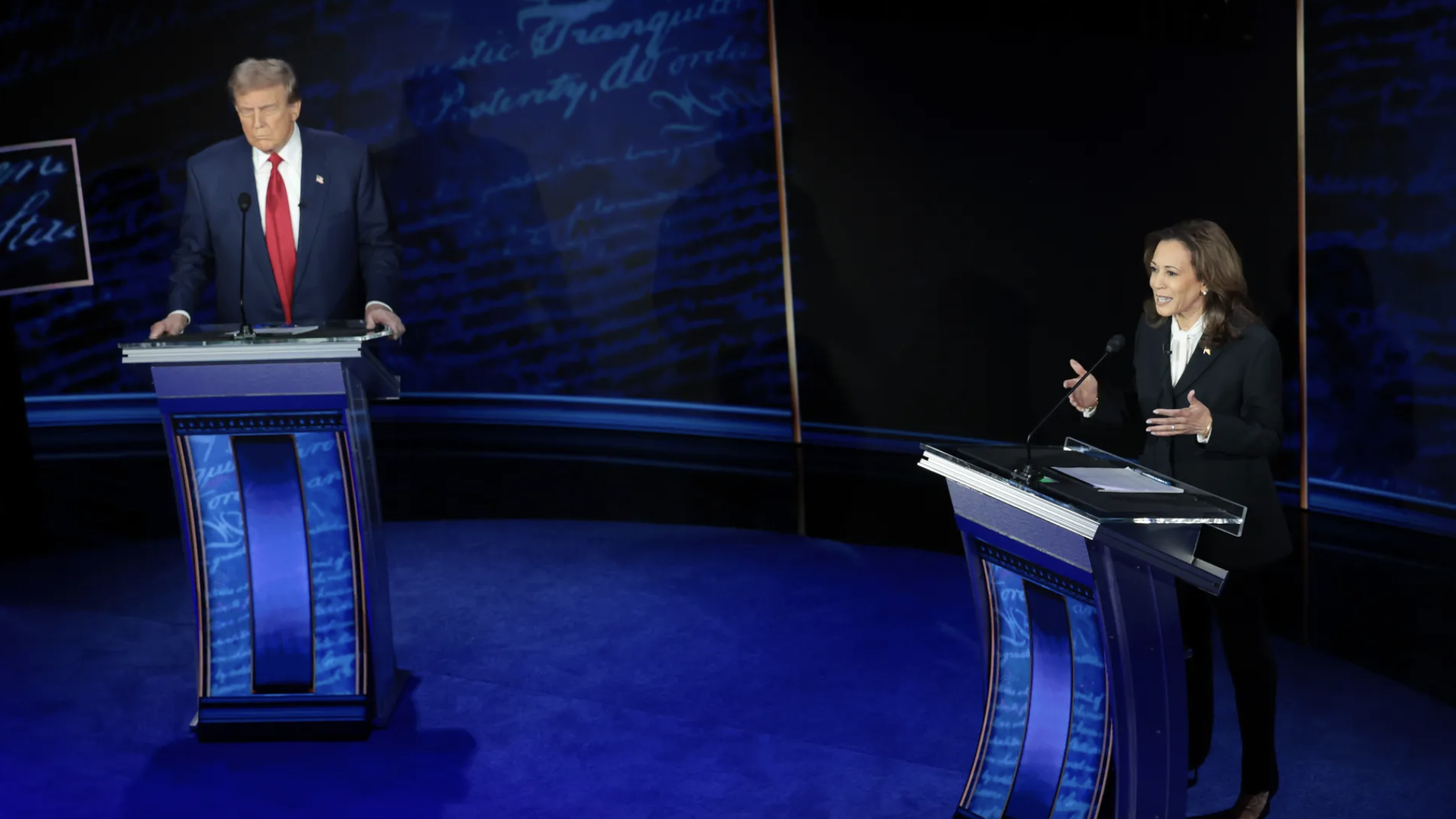
Roughly 67 million people watched former President Trump and Vice President Kamala Harris' first presidential debate, per Nielsen — a significant uptick from the 51 million that watched the debate between the GOP nominee and President Joe Biden in June.
Why it matters: Packed with viral moments, the event marked the first time Americans could see Harris go head-to-head with Trump and debate as a presidential candidate.
Orange will literally be the new black next spring, based on runway trends during New York Fashion Week, which ends today.
What they're wearing: Simkhai, Nanushka, Ulla Johnson and 3.1 Phillip Lim were among labels that featured orange hues, per the Zoe Report.
Bold patterns and silhouettes were also a common theme, particularly from Alaia and Diotima, as spotted by the New York Times' Vanessa Friedman.
The big picture: Yes, New York puts on a good show and is an iconic backdrop for designers, but all the buzz belies the reality of an industry in decline.
The number of people working in fashion-related fields in the city has fallen by nearly 30% from a decade ago as manufacturing moves abroad and costs to produce shows have skyrocketed.
The price of bitcoin began falling during the U.S. presidential debate Tuesday night, losing almost 4% by the time it hit a low Wednesday morning.
Why it matters: Bitcoin has been seen as a proxy bet on the election, with traders assuming a win for Former President Donald Trump would boost the price of the oldest cryptocurrency.
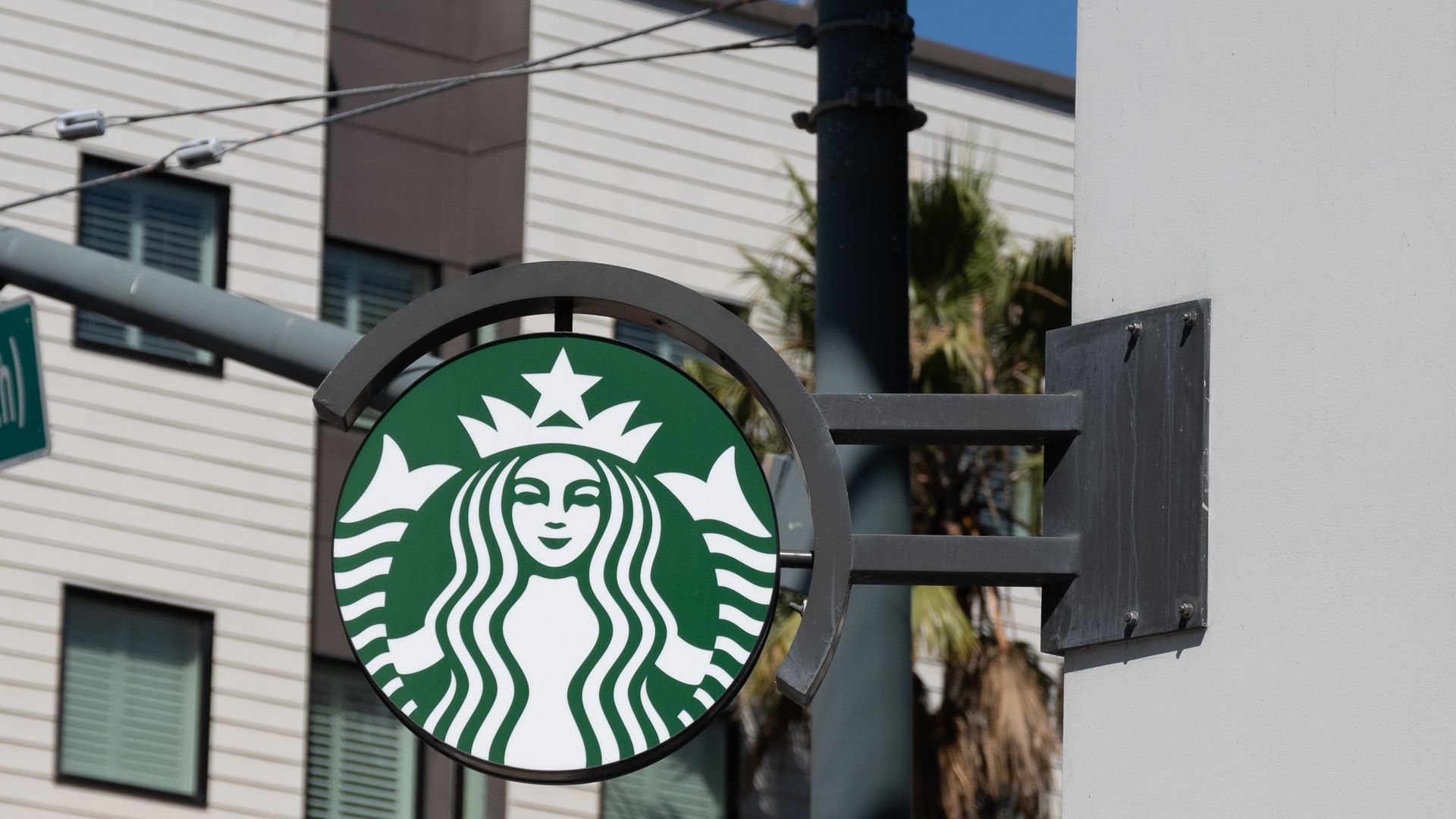
New Starbucks CEO Brian Niccolis outlining a plan to bring the company back toits roots, acknowledging that the chain has lost its way.
Why it matters: The former Chipotle boss is under pressure to deliver a turnaround at Starbucks with the coffee giant reeling from a slowdown in sales and facing pressure from activist investors.
Long wait times and supply chain issues have been dogging Starbucks in the post-Howard Schultz era.
Driving the news: Niccol released a letter Tuesday outlining his plans for Starbucks in his first 100 days and detailing what he views as the company's missteps before he joined.
The prediction market for the U.S. presidential election sprang to life Tuesday night during the debate between Vice President Kamala Harris and former President Donald Trump.
What happened: Before the debate began, bettors on the blockchain-based prediction market, Polymarket, solidly favored Trump — but Harris' performance moved the odds to a tie by the end of the face-off.
Why it matters: The August data is the latest evidence that the inflation crisis is over, as the Federal Reserve looks to lower interest rates as soon as next week and take some pressure off the economy.
America's biggest banks are going to face tougher rules eventually, but not nearly as restrictive as regulators wanted.
Why it matters: After the biggest lobbying campaign in recent memory, legal threats, and surprising political allies, the industry defeated the initial slate of regulations known as Basel III Endgame.
Conservatives attacked ABC News moderators David Muir and Linsey Davis for fact-checking Tuesday's debate in real-time, arguing they were one-sided against former President Trump and in favor of Vice President Kamala Harris.
Why it matters: ABC's decision to fact-check the debate stood in contrast from CNN, which opted not to hold candidates to account for their falsehoods in real-time on stage in June.
The Money Game, a fresh docuseries on the new world of "name, image and likeness" rights in college sports, co-produced by Axios Entertainment, dropped Tuesday on Prime Video.
Why it matters: Big-money deals around NIL are changing the lives of star NCAA athletes — and the series is a fascinating look at the scale of the business operation now embedded within the nation's biggest sports universities.
New Starbucks CEO Brian Niccol is outlining a plan to bring the company back toits roots, acknowledging that the chain has lost its way.
Why it matters: The former Chipotle boss is under pressure to deliver a turnaround at Starbucks with the coffee giant reeling from a slowdown in sales and facing pressure from activist investors.
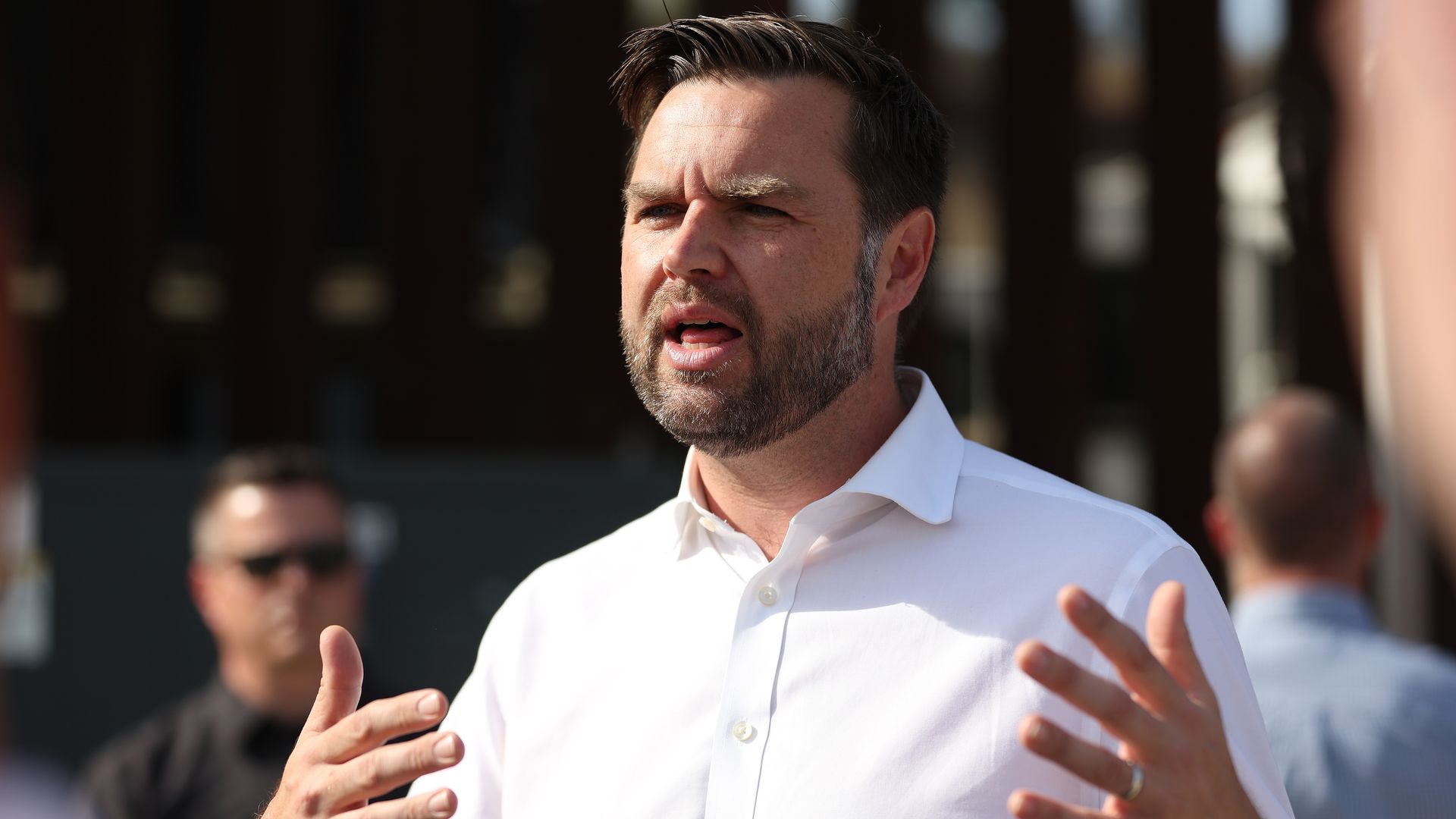
White House National Security spokesperson John Kirby condemned "dangerous" false claims shared by a number of Republican officials, including GOP nominee Sen. JD Vance (R-Ohio), that Haitian immigrants are killing and eating pets in an Ohio town.
The big picture: The rumors spread rampantly on social media — amplified by several lawmakers and public figures criticizing Vice President Kamala Harris' record on the border — but Springfield, Ohio, officials have said they received no credible reports substantiating the accounts.
The New York Times Tech Guild, which represents more than 600 staffers, on Tuesday voted to authorize a strike in protest of stalled contract negotiations with The Times' management, sources confirmed to Axios.
Why it matters: The guild, which was formed in 2022, has yet to secure a contract after more than two years of bargaining.
Peter Kafka, a veteran media and technology journalist, is reviving his old "Recode Media" podcast under a new name, "Channels," with the Vox Media podcast network, he told Axios in an interview.
Why it matters: Kafka's podcast was considered a must-listen for media and technology insiders for nearly eight years. When he left Vox Media last fall for Business Insider, no long-form interview show that catered to the same audience replaced it.
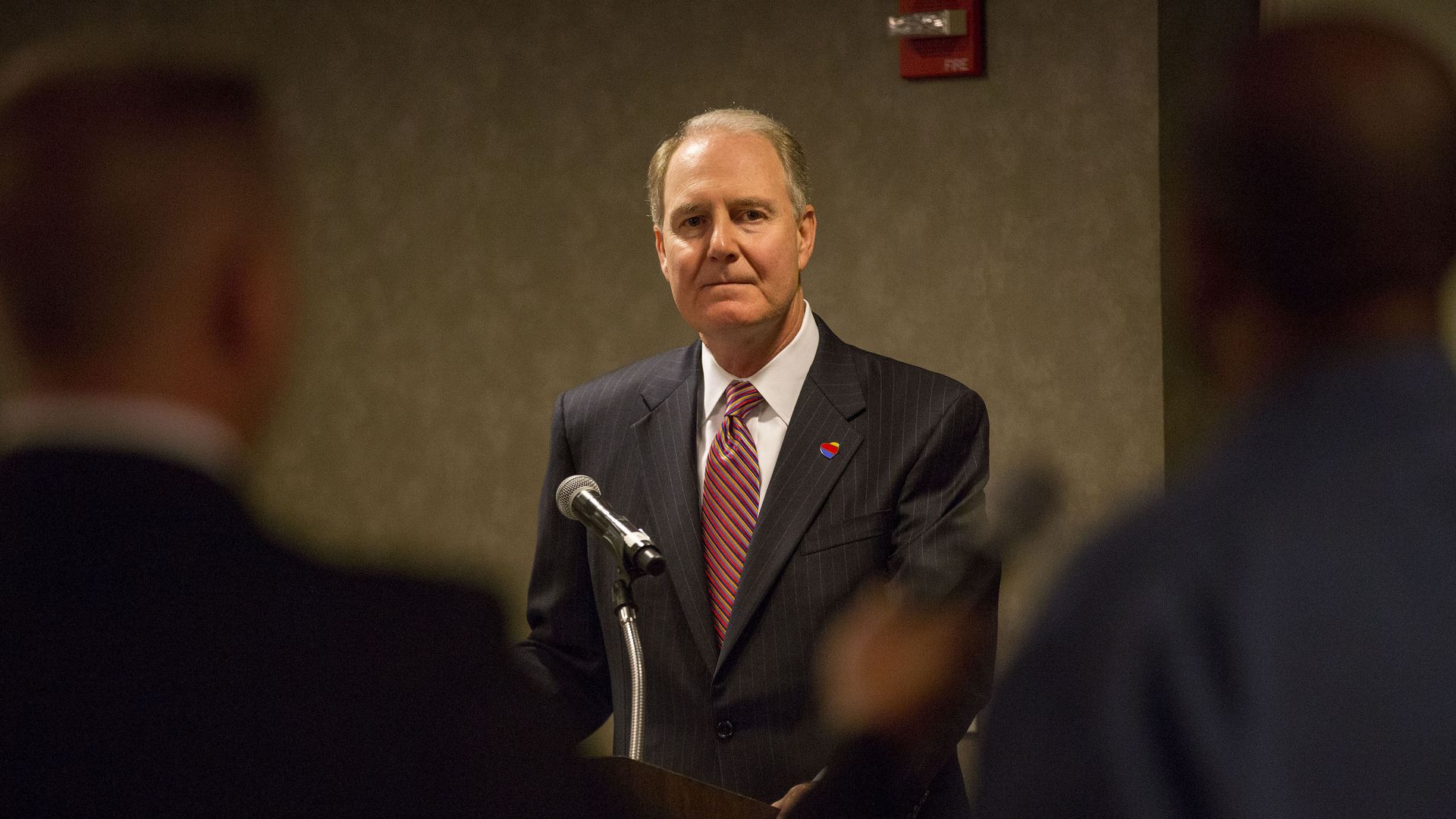
Southwest Airlines said chairman Gary Kelly plans to retire next year, as the company listed a host of corporate governance changes amid a heap of pressure from an activist investor .
Why it matters: Southwest's board-level moves appear to be a step forward in its engagement with Elliott Management, though the hedge fund is known to stay in a fight until it gets what it wants.
Selena Gomez last week was fêted by Bloomberg for becoming a billionaire, based primarily on the $2 billion valuation for her cosmetics company, Rare Beauty.
But there's a small problem: Rare Beauty isn't yet worth $2 billion, more than six months after hiring bankers to find a buyer at that price. And now the sale process is on hold, according to multiple sources.
Candid Therapeutics, a San Diego-based biotech focused on T cell engagers, raised $370 million co-led by Venrock, Fairmount, TCGX, and venBio Partners.
Why it matters This is a big bet that bispecifics are superior to cell therapy when it comes to treating autoimmune disease, by an entrepreneur who sold his last startup for over $4 billion.
A group of well-known media leaders and philanthropists have teamed with the American Journalism Project (AJP) to raise $15 million for a new, Los Angeles-based local news initiative.
Why it matters: The local news ecosystem in LA, the second-largest city by population in the U.S., has been decimated in recent years by layoffs and cutbacks related to business challenges.
SpaceX's Polaris Dawn mission launched aboard a Falcon 9 rocket from NASA's Kennedy Space Center in Floridaearly Tuesday morningfor a historic, high-risk operation.
Why it matters: The four-member civilian crew's mission features an attempt at the first-ever commercial spacewalk — around 430 miles above Earth.
A growing "green skills gap" is akin to the shortage of tech workers at the onset of the 2000s Internet boom, according to a new analysis from OnePointFive first shared with Axios.
Why it matters: The report spotlights a human resources challenge to achieving a net zero future. It shows the gap stems from a "hiring and skills misalignment."
"Election markets are coming!" That was the message splashed across the prediction market Kalshi homepage on Monday, along with a note saying, "Election markets are now legal for the first time in 100 years."
Why it matters: At stake is the ability of the general public to profit from election outcomes — and, if you believe the U.S. government, the integrity of U.S. elections themselves.
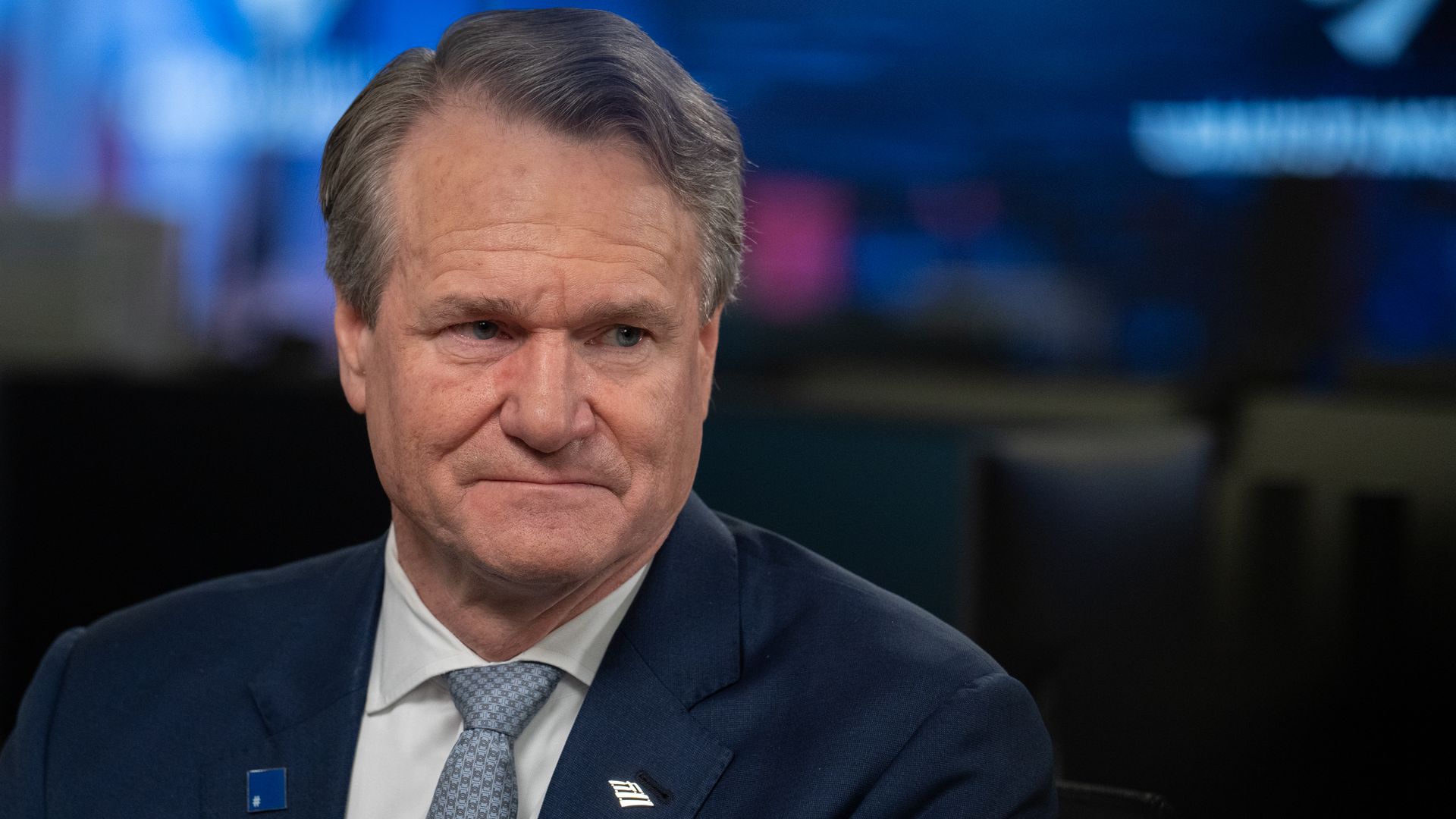
Bank of America CEO Brian Moynihan says the ideal time for political leaders to address the nation's ballooning budget deficits is now — while the economy is on solid footing.
Why it matters: "We need our eyes and stomach aligned as a country. We've got to balance the budget like anybody, any company, any person, any household," Moynihan tells Axios.