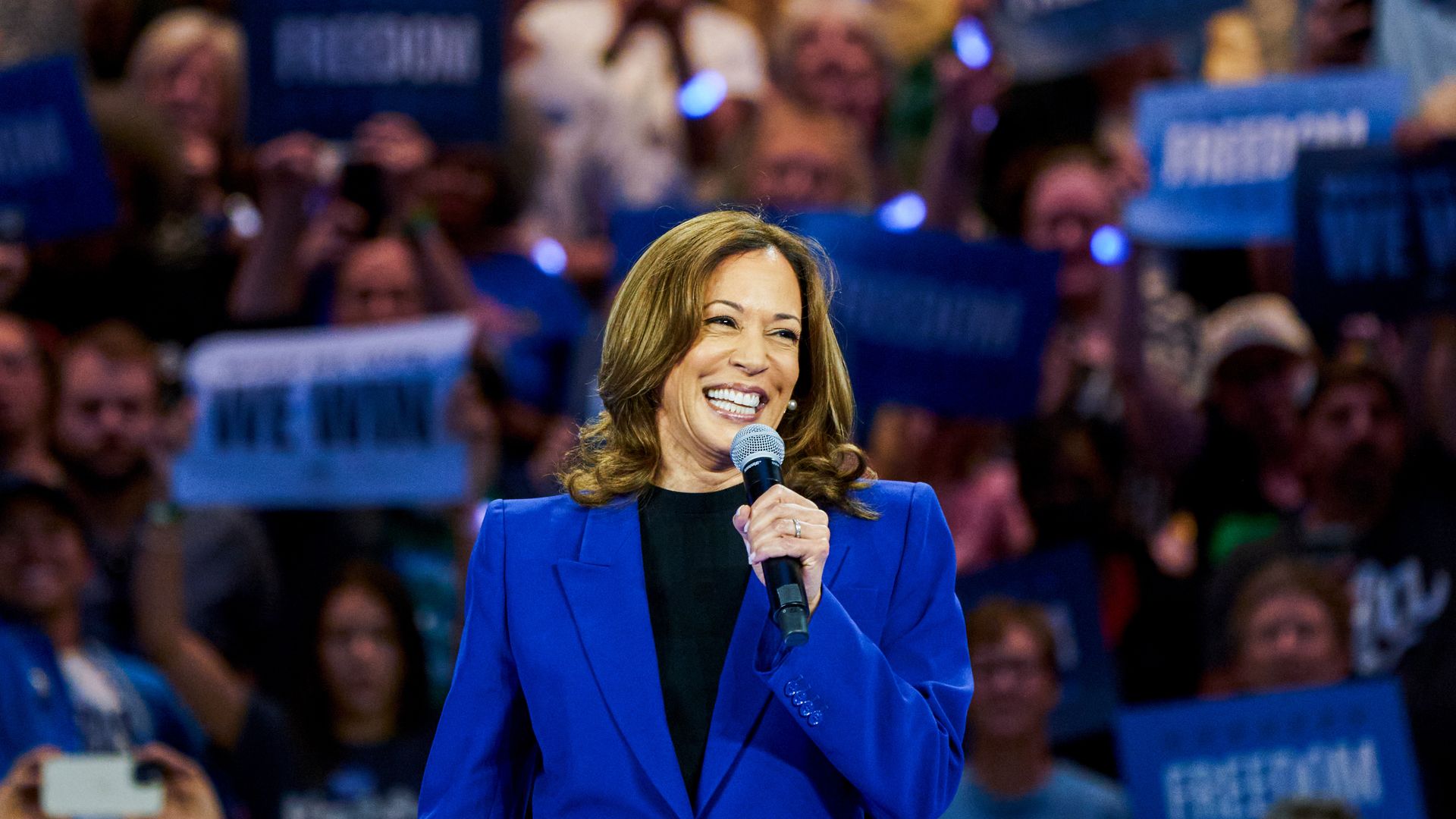
Vice President Kamala Harris and her running mate, Minnesota Gov. Tim Walz, will sit for a joint interview with CNN that airs Thursday and is sure to be deeply scrutinized by media outlets nationwide.
Why it matters: This is Harris' first in-depth interview since she launched her presidential campaign.
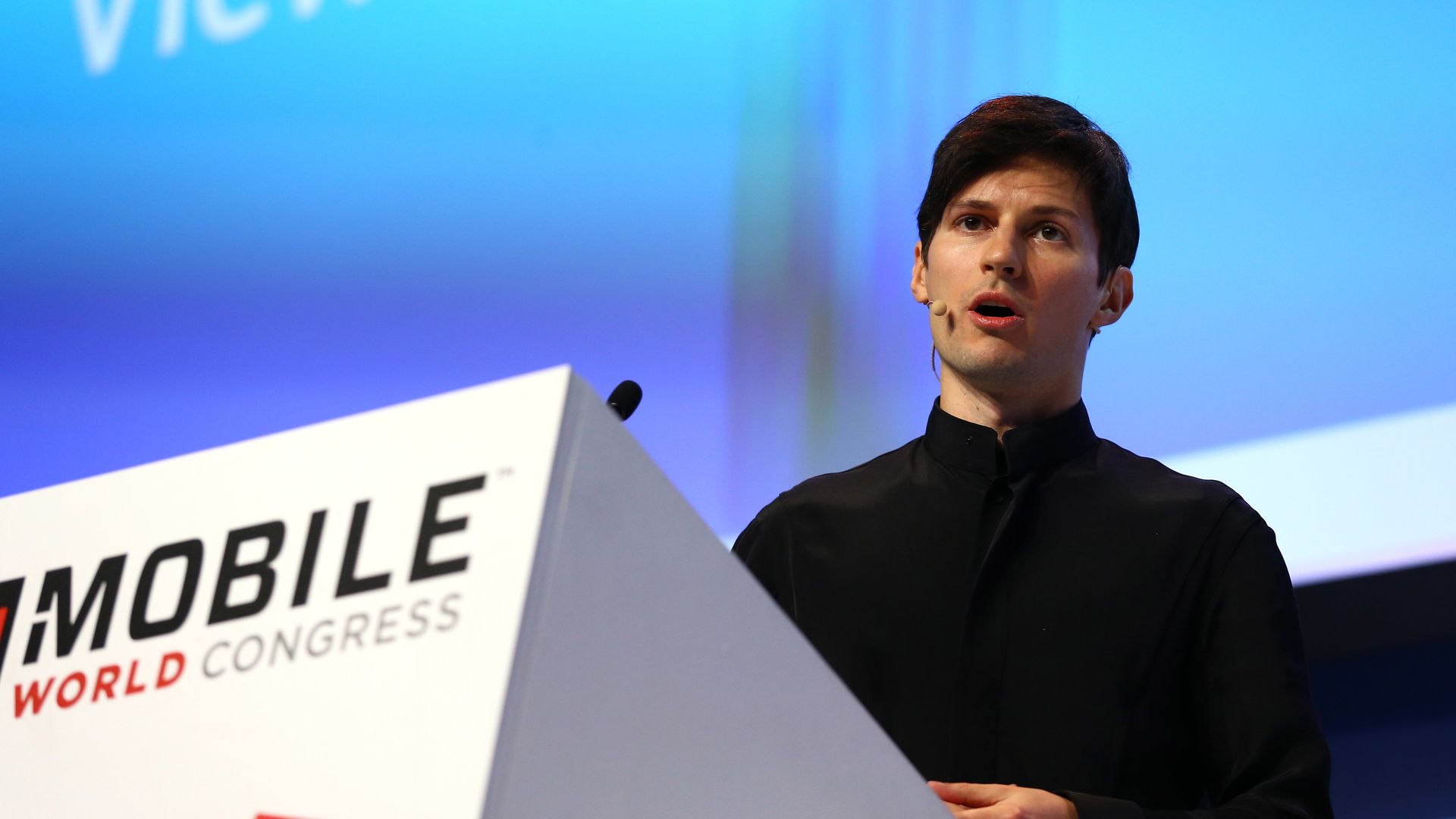
Telegram CEO Pavel Durov's arrest in France this weekend and charges issued Wednesday have put the platform's content moderation policies and its creator's role in them back in the spotlight.
Why it matters: The case could become a free speech rallying cry while setting a precedent for other social media executives.
Nvidia, the most important stock in the world according to many on Wall Street, handily beat expectations Wednesday afternoon in an earnings report that reflects rising investments in AI across broad parts of the economy.
Why it matters: The company has become synonymous with AI, but that doesn't mean it can relax. Peers, startups and even its own customers are increasingly trying to encroach on its territory.
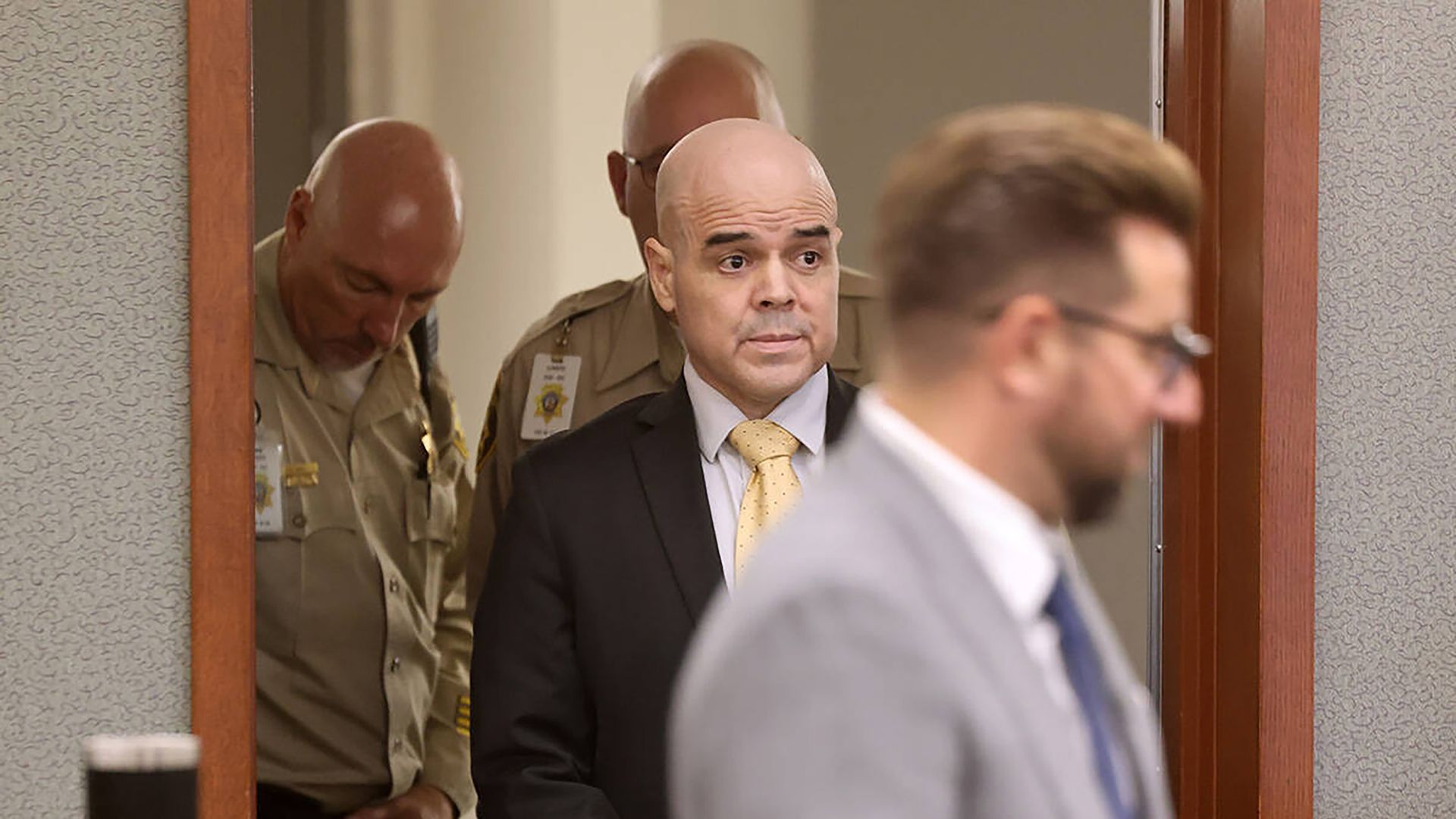
Former Las Vegas county politician Robert Telles was found guilty Wednesday of murdering a local journalist who had written critically about him.
The big picture: The 2022 murder ofLas Vegas Review-Journal reporterJeff German underscored growing concerns about press freedoms in the U.S., especially at the local level.
Several major companies are no longer publicly committing to a longstanding corporate pledge to provide a beneficial work environment to LGBTQ+ employees.
Why it matters: It's a concrete sign of how the anti-DEI movement is roiling corporate America.
The Securities and Exchange Commission (SEC) has served the best known marketplace for non-fungible tokens, OpenSea, with a notice that it is likely to sue it for securities law violations, according to the company.
Why it matters: The SEC has sued the makers of NFTs before, but now it's going after the leading place where buyers and sellers of digital collectibles meet up and trade.
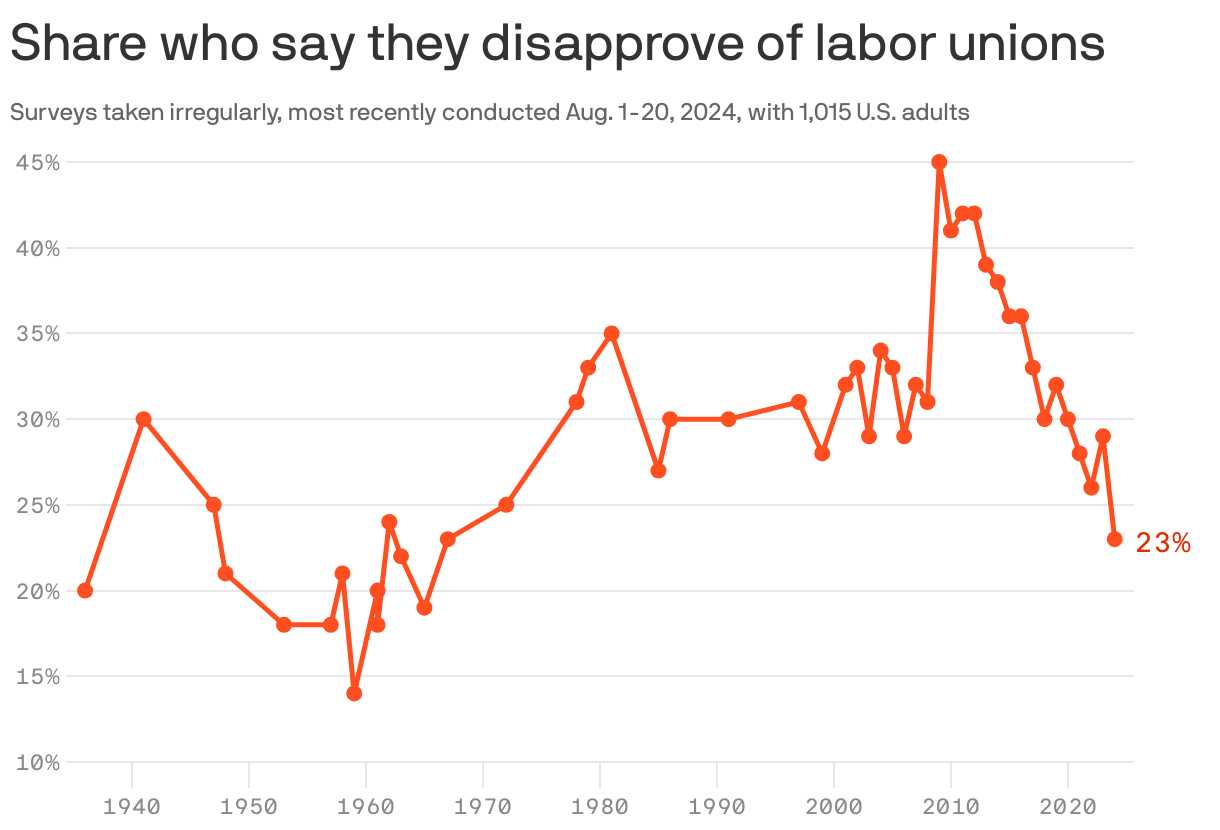
The share of Americans who say they disapprove of labor unions hasn't been this low since September 1967, per new Gallup data.
Why it matters: Unions have seen a resurgence in recent years, with an uptick in strikes and organizing efforts, helped along by more positive public sentiment and, until recently, a strong labor market that emboldens workers to push for more from their employers.
Checkout tech company Bolt Financial is just days away from learning if it persuaded enough investors to sign off on a Hail Mary fundraising round that would reinstall controversial founder Ryan Breslow as CEO.
The latest: There are new questions about one of its potential new partners, called The London Fund.
A California effort to regulate AI has divided the tech world, with some trying to squelch what they see as overreach by a single state and others supporting the bill.
The big picture: The move comes as regulators in Europe have again taken the lead on legislation but Congress has yet to act, putting U.S. states in the driver's seat.
The next generation of comedy stars are getting exposure in an unconventional way: by doing stand-up shows in Philadelphia backyards.
The big picture: Viral videos of"Don't Tell Comedy" sets have accelerated the careers of comedians like Ralph Barbosa, Susan Rice, Katherine Blanford, Alec Flynn and Lea'h Sampson.
Pumpkin spice returns to Dunkin' Wednesday, the chain's latest fall menu launch in seven years.
Why it matters: The late arrival comes six days after Starbucks' earliest PSL debut and is a reversal from the trend of seasonal products launching early.
Donald Trump's campaign promises would send the national debt soaring much faster than Kamala Harris' would, per two new analyses from the Penn Wharton Budget Model. Both of them increase the deficit relative to the current baseline.
Why it matters: When the government gives money to individuals and businesses, as both candidates propose, that's good for the recipients, and broadly good for economic growth, but it also accelerates the growth of the national debt, which is already at worrisome levels.
An anti-censorship movement born from the chaos of COVID and cultivated on platforms like X is increasingly aligning with the Trump campaign — and scoring some big wins.
Why it matters: Championed by Elon Musk, Robert F. Kennedy Jr. and disaffected liberals, this loose network of dissenters views censorship — real or perceived — as the existential question of the 2024 election.