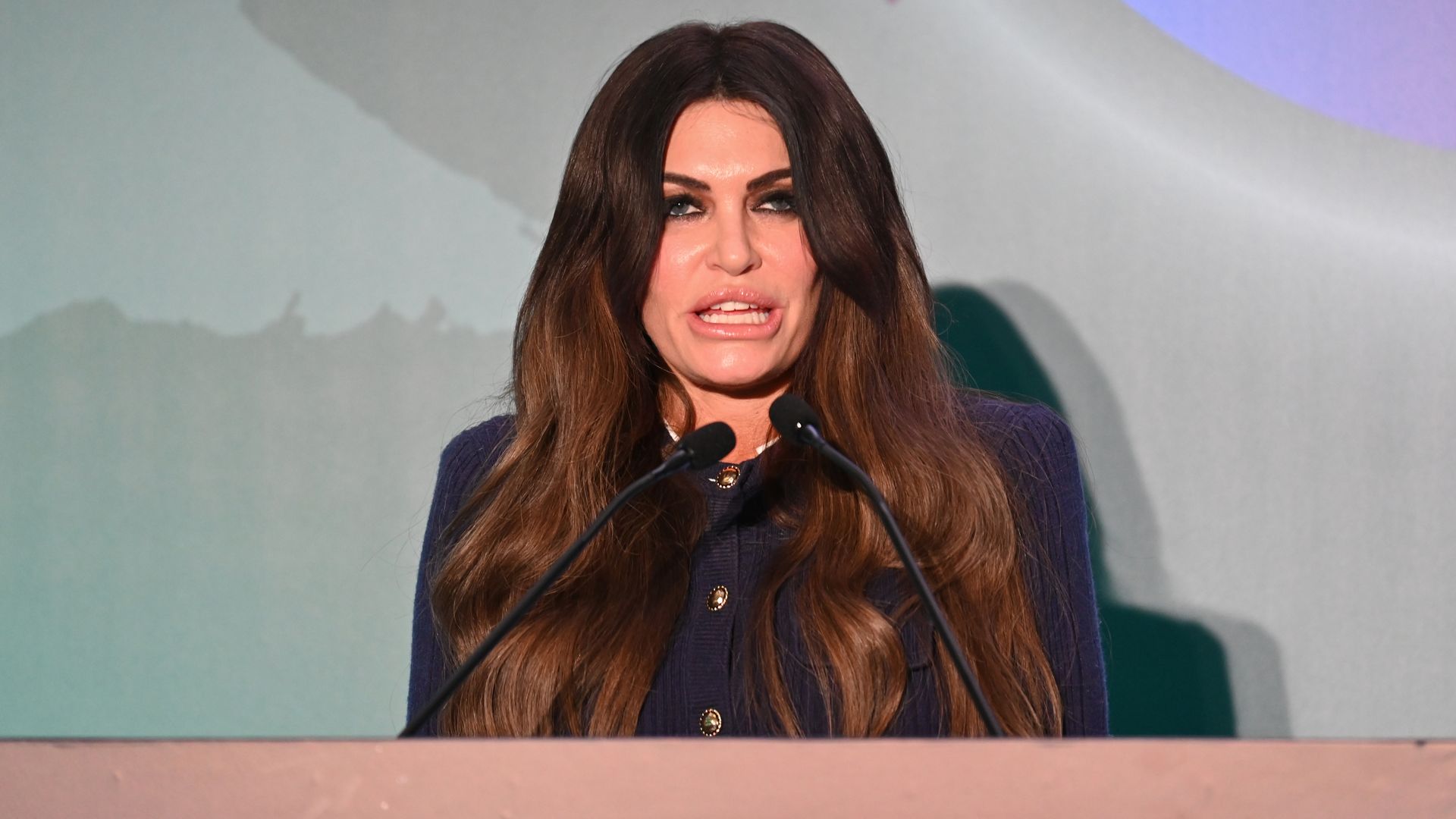
President Trump told reporters Monday his administration is "looking at" the possibility of firing U.S. Ambassador to Greece Kimberly Guilfoyle.
Why it matters: The president's comments follow a series of Wall Street Journal reports alleging that Guilfoyle used her political connections to seek financial favors and promote private business interests.
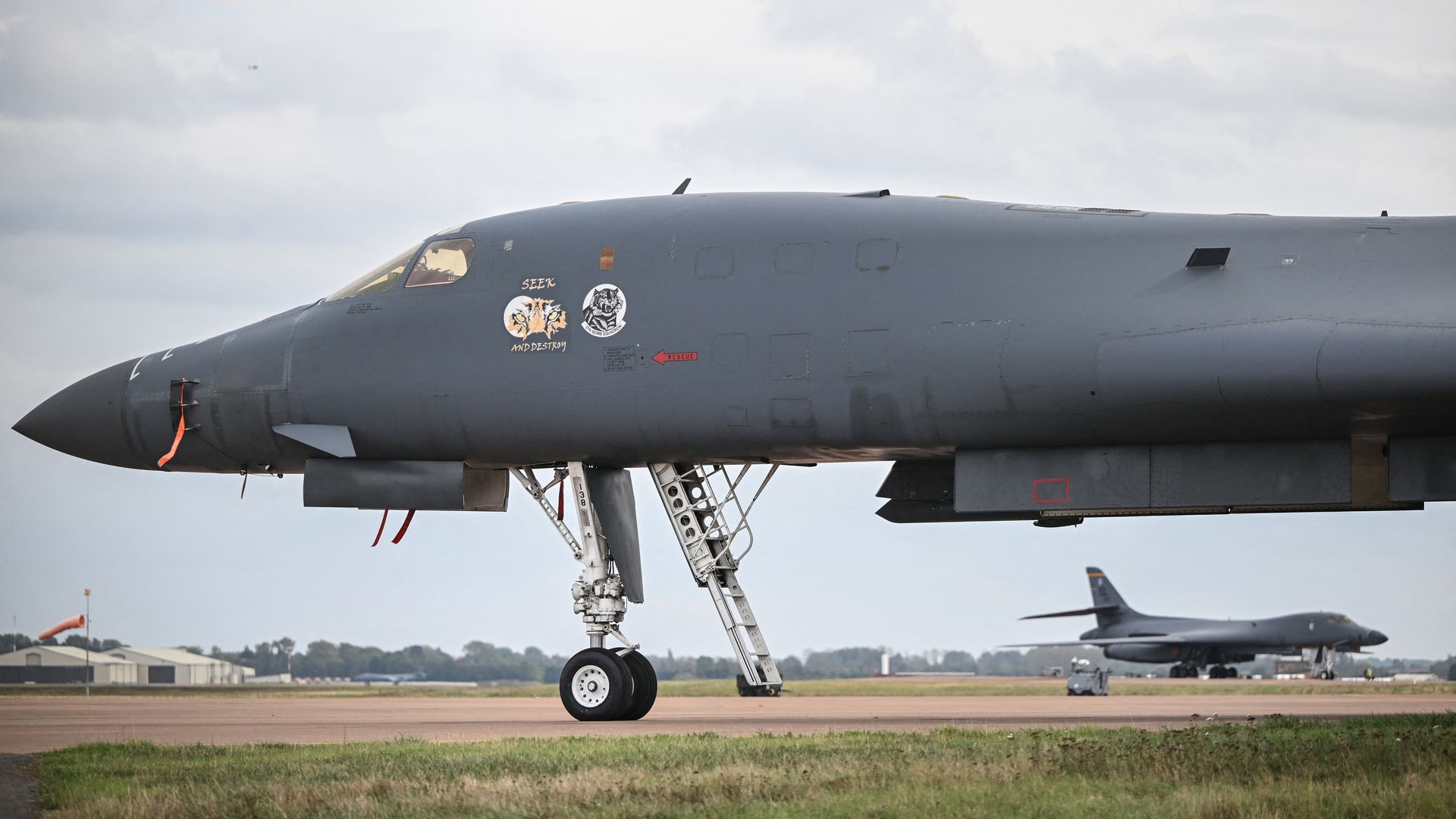
British Prime Minister Andy Burnham told the U.K. House of Commons Monday that Iran's Revolutionary Guard was "almost certainly" behind the suspected plot to attack the RAF Fairford base where U.S. bombers were stationed.
Republicans already saddled with Trump's unpopular policies in the midterms now face another awkward choice: whether to back his diesel deal with a dictator many of them despise.
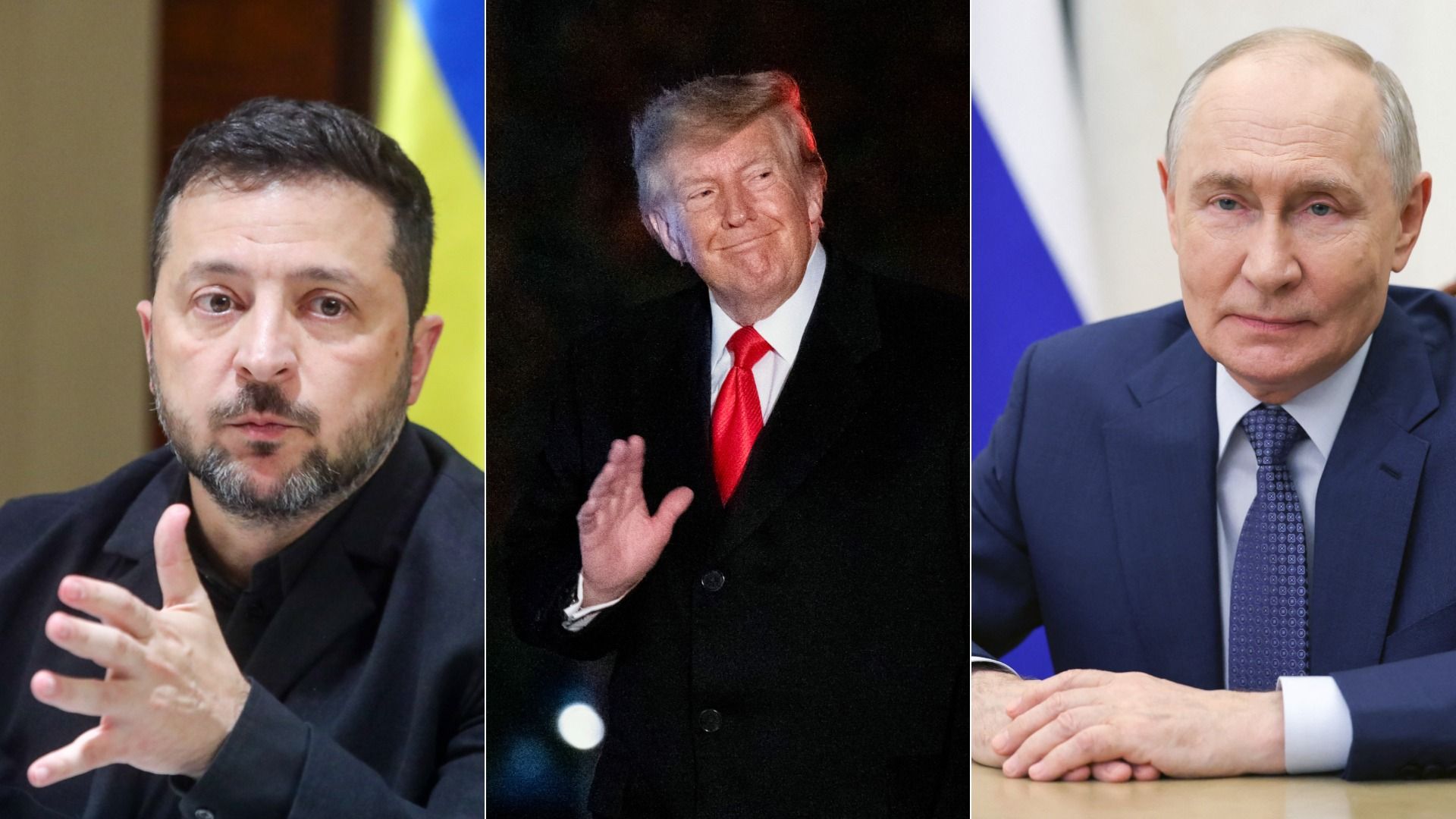
Why it matters: The agreement President Trump struck with Russian President Vladimir Putin Friday is designed to ease the cost of living for U.S. consumers. But Republicans who pleaded for help with fuel prices now face a fresh dispute over Russia, with energy analysts questioning whether the deal will deliver the relief Trump is promising.
The big picture: With three weeks until Election Day, Republicans are trying to answer voter anger while keeping up with a president whose proposed fixes keep becoming political liabilities of their own.
Trump's decision to lock arms with Putin adds another complication.
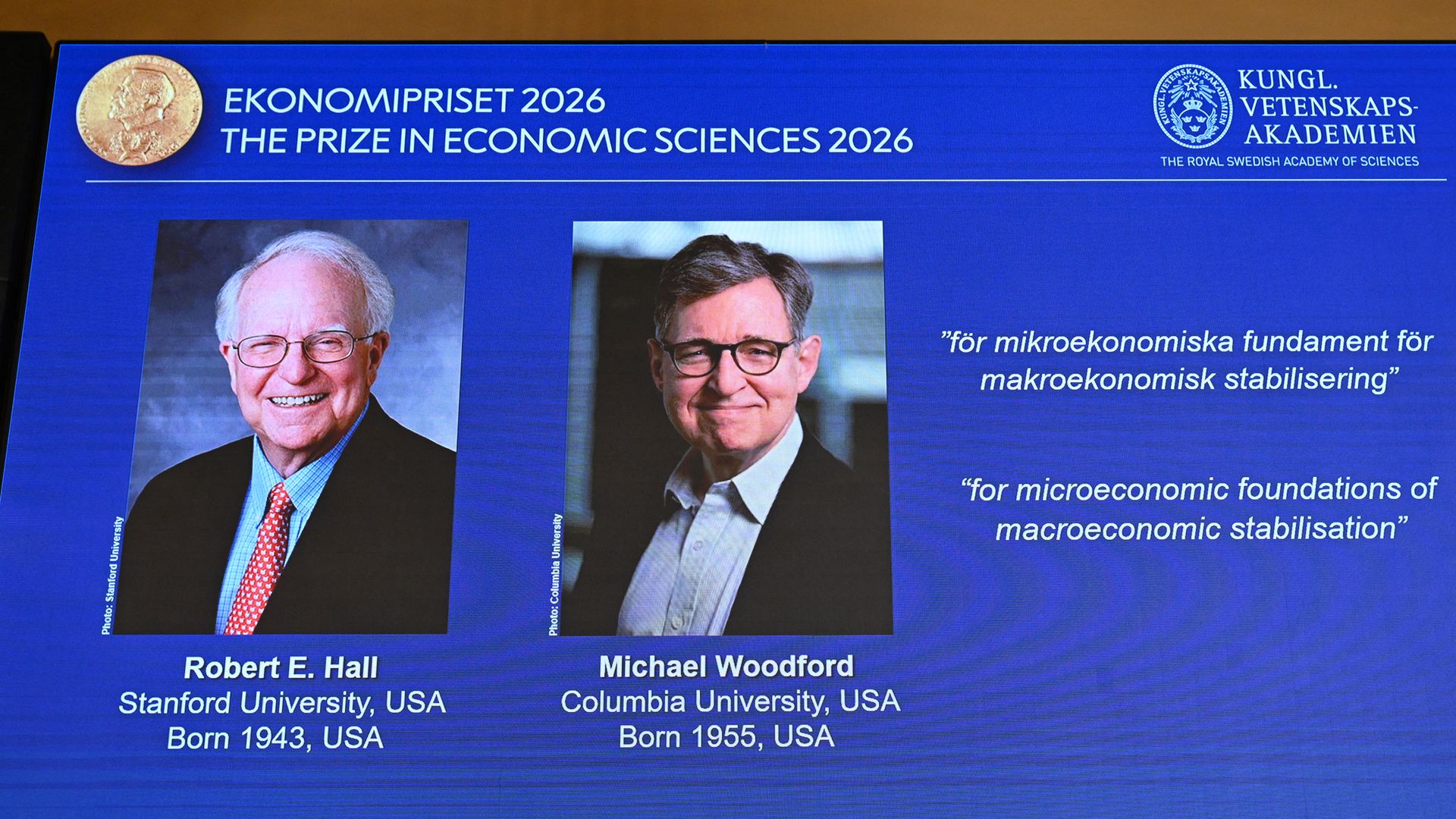
Stanford University's Robert E. Hall and Columbia University's Michael Woodford won the Nobel Prize in economics for research on how policymakers can stabilize economies, the Royal Swedish Academy of Sciences said on Monday.
Why it matters: Their work helped shape how central banks set interest rates and communicate policy. The win comes as those institutions fight energy-driven inflation and risks to economic growth.
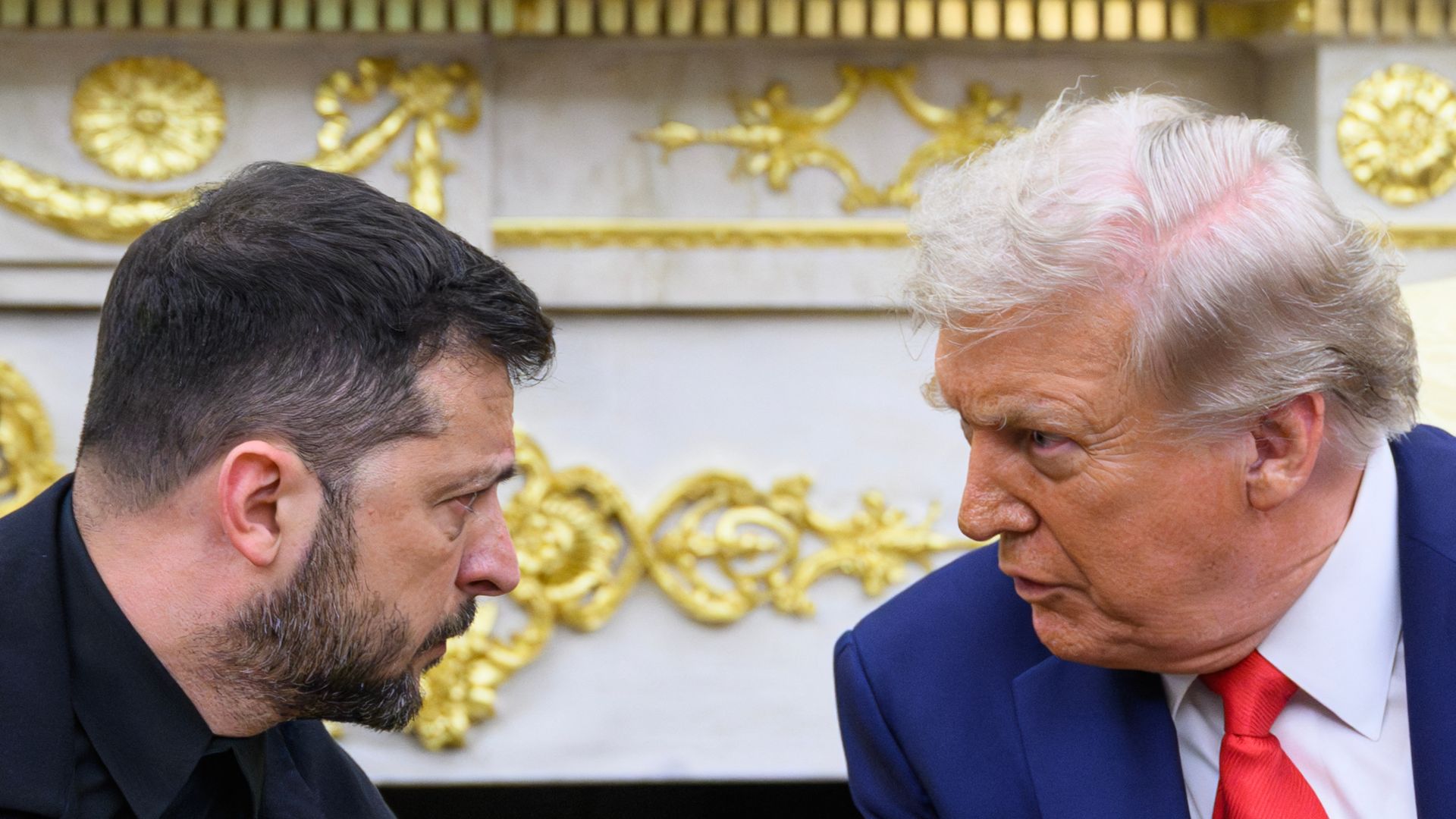
President Trump's announcement Sunday about an "energy ceasefire" between Russia and Ukraine referred to a potential deal that includes each side stopping attacks on oil refineries — and he expects Volodymyr Zelensky to abide by it, a White House official said.
The official said if attacks on oil refineries cease, a deal to stop hitting power plants and energy grids could come next.
President Trump claimed Sunday that Russia and Ukraine agreed to an "energy ceasefire" and will halt attacks on each other's energy facilities.
Ukrainian President Volodymyr Zelensky tells Axios the announcement "was news for me. But if Russians agree to an energy ceasefire, Ukraine will agree."
Why it matters: An "energy ceasefire" would be a dramatic diplomatic breakthrough ahead of the winter. It remains unclear if Russia indeed agreed to stop the strikes.
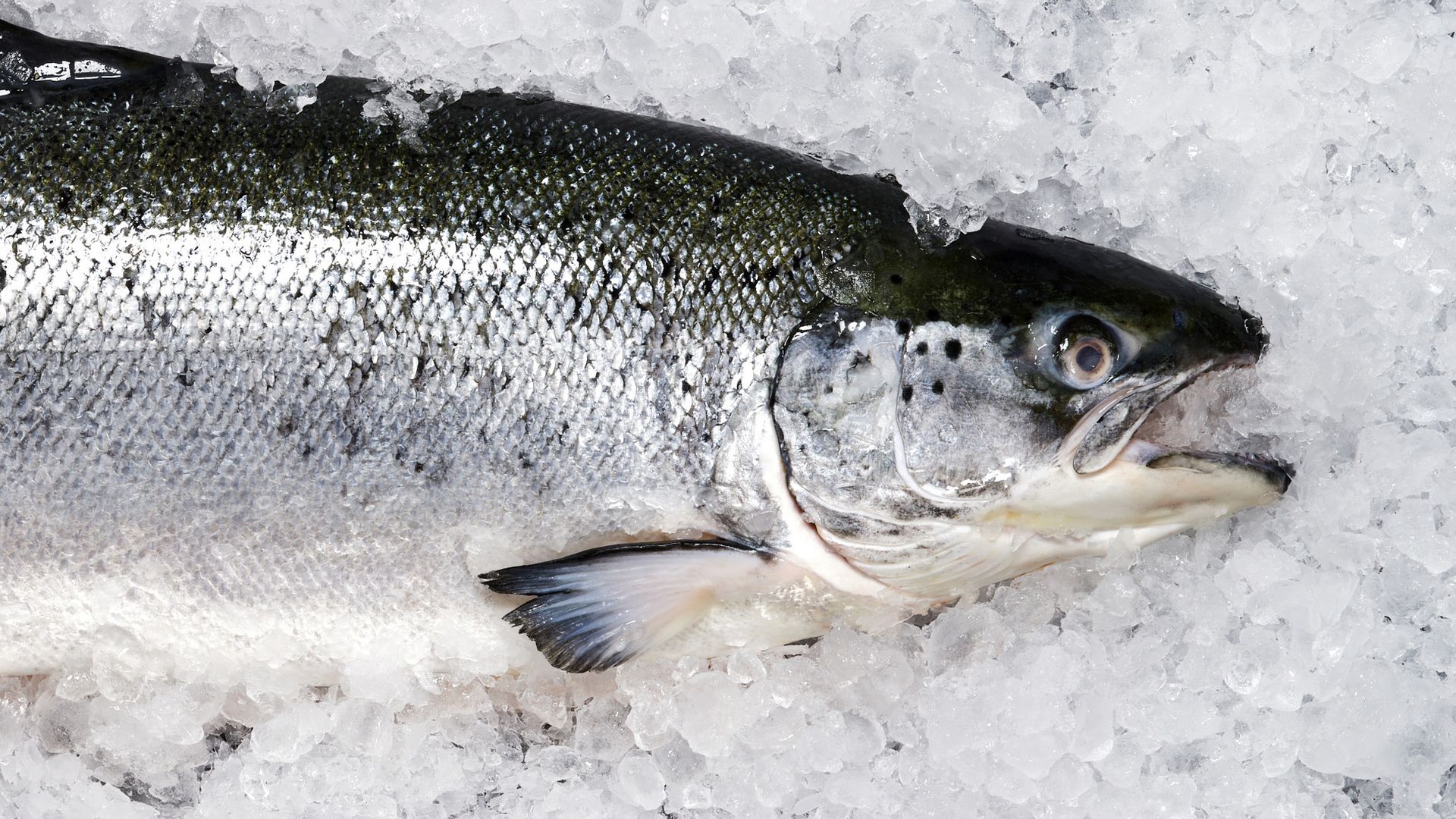
Ian Urbina — a former New York Times reporter who now runs a journalism nonprofit, The Outlaw Ocean Project — is unveiling a five-year, 70+-reporter investigation that found the seafood on your plate can be downstream from "forced labor, rancid waste, harmful chemicals."
"The inspiration was to delve deeper into the hidden portion of an especially opaque supply chain — seafood — and reveal all the hidden crimes or concerns that precede our food," Urbina, who's based in Washington, told me.
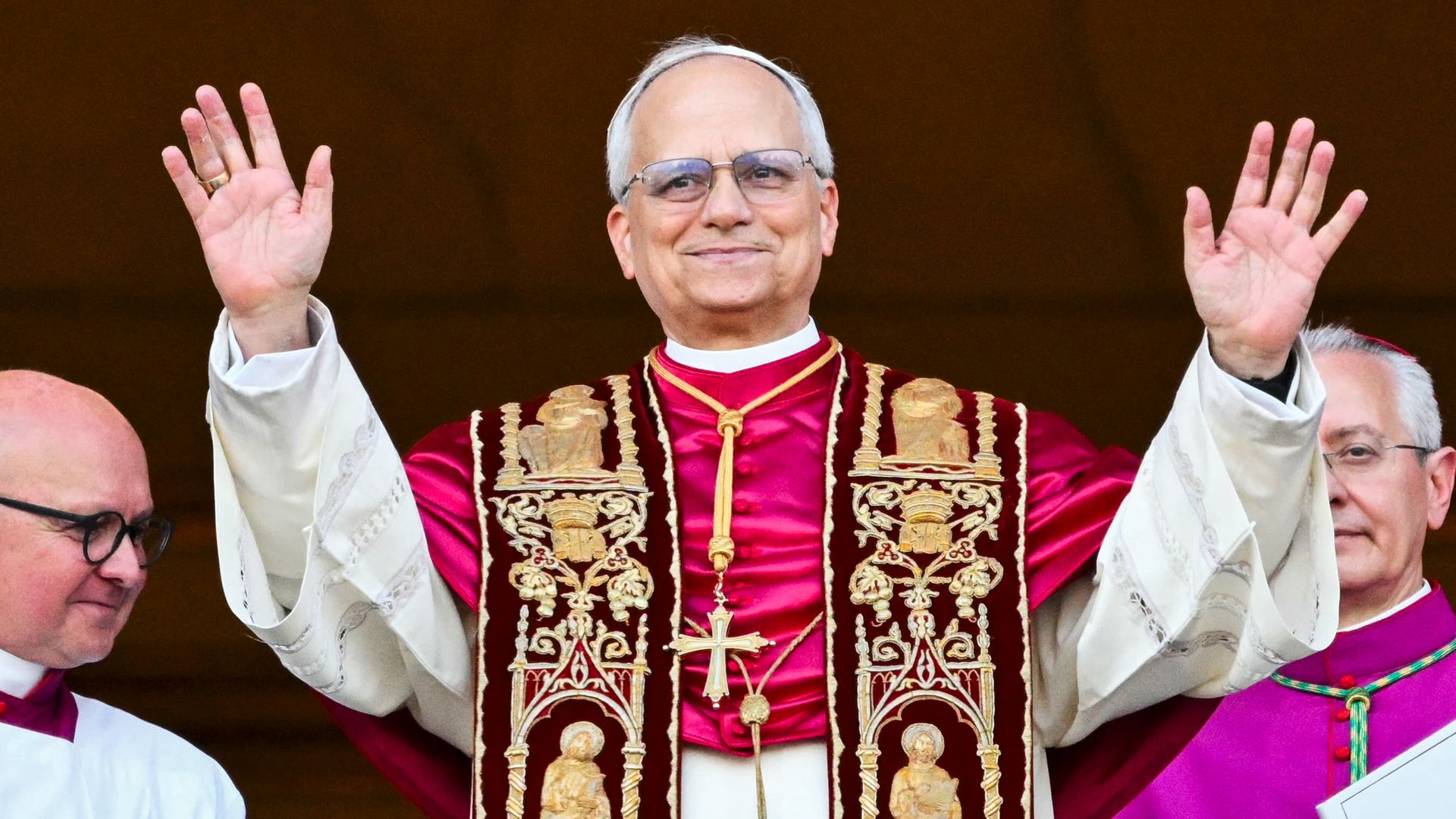
Pope Leo said Sunday tests had discovered a nodule in his lung, which he will have removed surgically this week.
The big picture: The first American pontiff, aged 71, is less than 18 months into a papacy that has been defined by public stances at odds with the White House, including clashes over immigration and deep skepticism about AI.