5-year probe by a journalistic nonprofit: "Dirty secret behind the farmed fish you eat"

Add Axios as your preferred source to
see more of our stories on Google.
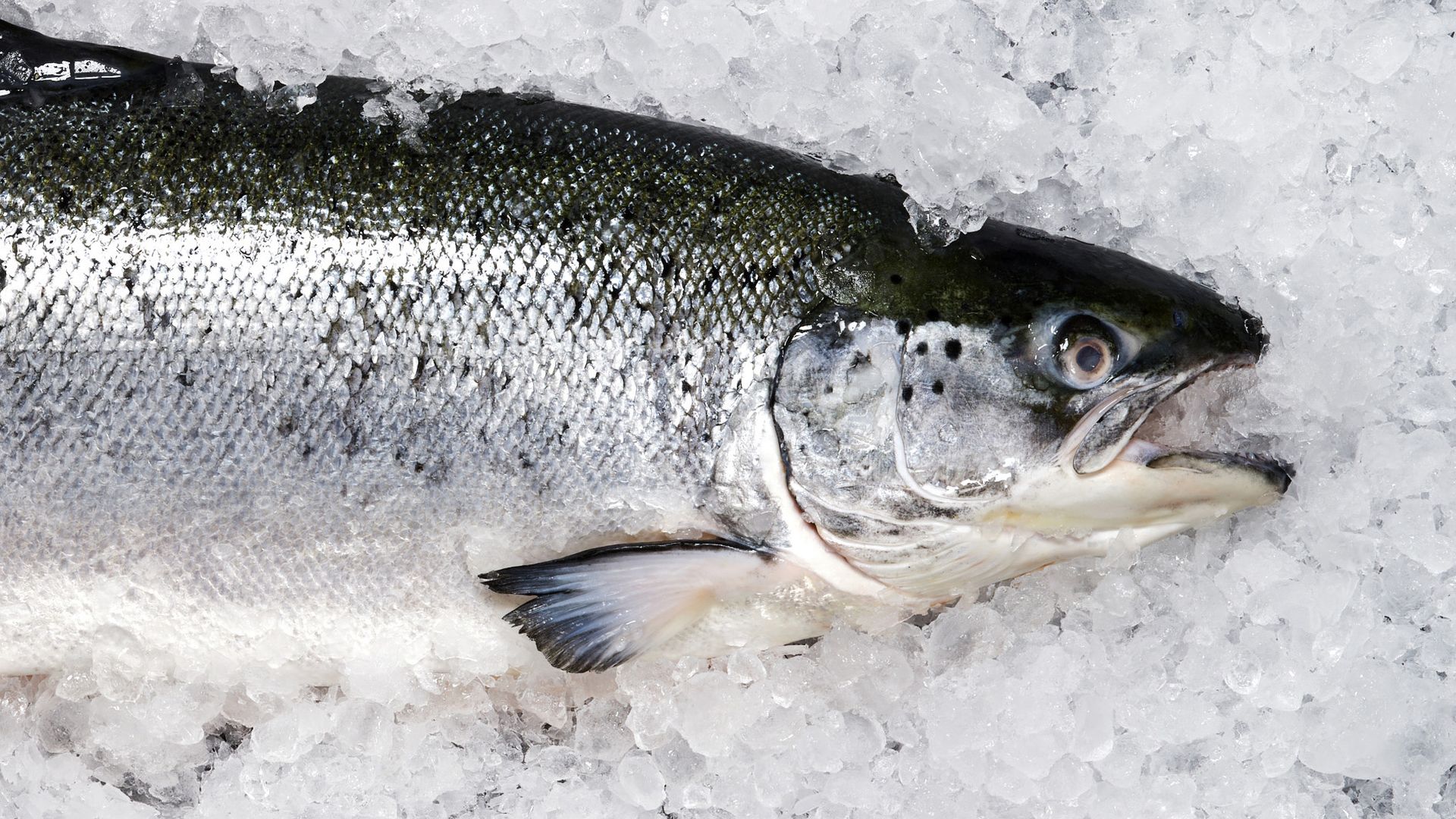
Photo courtesy The New York Times Magazine
Ian Urbina — a former New York Times reporter who now runs a journalism nonprofit, The Outlaw Ocean Project — is unveiling a five-year, 70+-reporter investigation that found the seafood on your plate can be downstream from "forced labor, rancid waste, harmful chemicals."
- "The inspiration was to delve deeper into the hidden portion of an especially opaque supply chain — seafood — and reveal all the hidden crimes or concerns that precede our food," Urbina, who's based in Washington, told me.
Why it matters: Urbina told Axios that he hopes the seafood industry "will begin being more transparent and accountable about their supply chains." He wants diners and shoppers to "think more about how the price of seafood isn't [solely] what we see on the menu."
- And he wants governments of advanced economies to "reckon with how they are offsetting costs largely onto [developing] countries."
Key findings: Over the past 60 years, the amount of fish we eat has doubled, Urbina reports for The New York Times Magazine in a piece titled, "The Dirty Secret Behind the Farmed Fish You Eat" (gift link).
- To ease pressure on oceans, humans turned to aquaculture — or fish farming — and today, more than half the seafood we eat comes from these farms rather than the ocean.
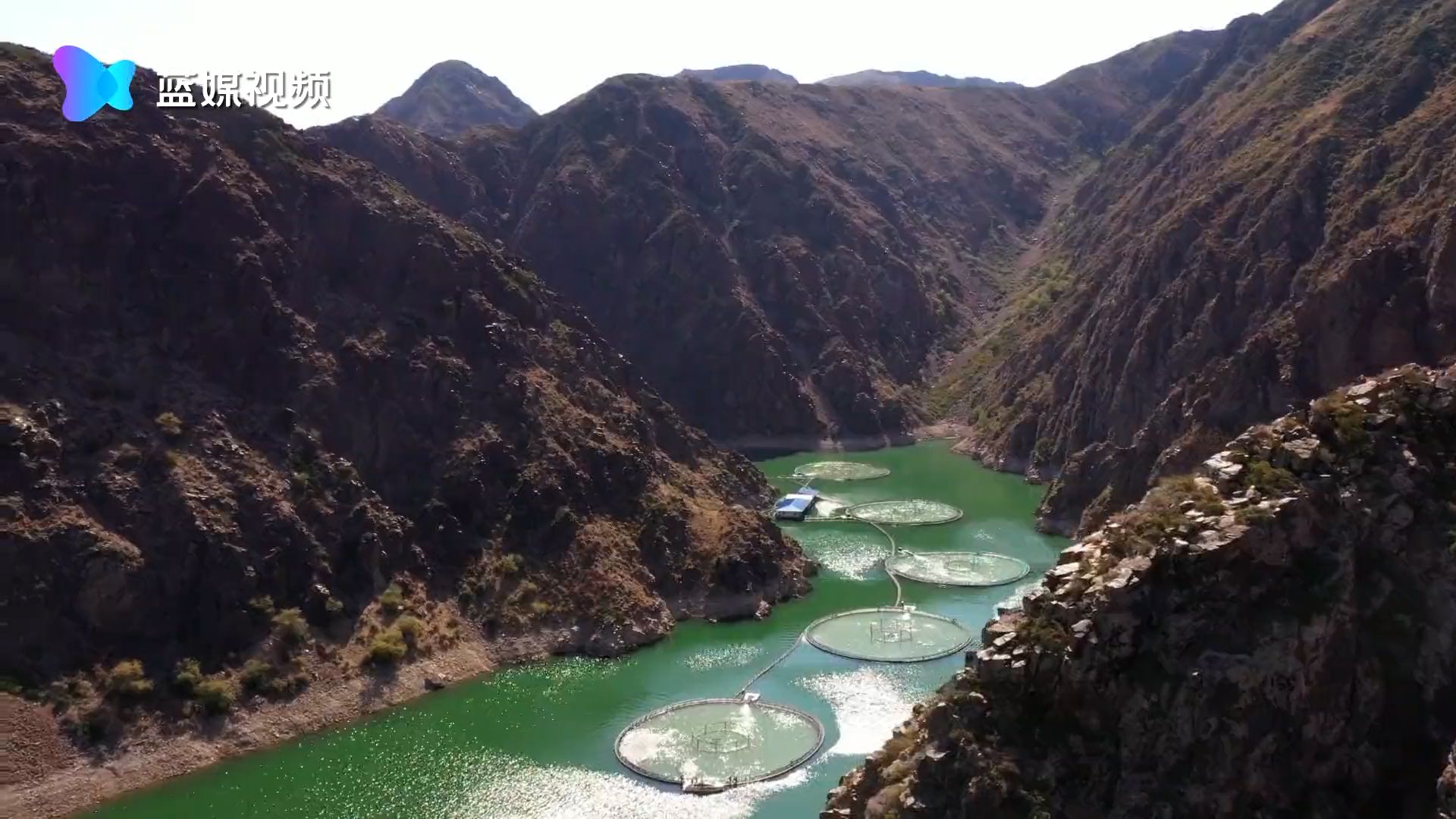
- But there's a catch: Those farmed fish are fed with smaller fish taken from the ocean. That means vast amounts of wild fish are caught to sustain the booming aquaculture industry.
Stat du jour: "A fifth of all fish pulled from the world's oceans is now put to uses other than human consumption — mostly to make fishmeal and fish oil," Urbina writes.
- "Some of the most popular types of seafood consumed in the United States — salmon and shrimp — are predominantly imported from farms that use fishmeal. They end up in supermarkets throughout the country ... and appear on the menus of hundreds of thousands of restaurants and cafeterias, including those on Capitol Hill where senators and members of Congress eat lunch."
Behind the scenes: Urbina took six voyages at sea, including the South China Sea, the Southern Ocean near Antarctica, and the North Atlantic Ocean. "These expeditions involved boarding fishmeal vessels to review logbooks, inspect living conditions, interview workers, and document potentially illegal practices," he told me.
- "On land, I visited fishmeal factories and aquaculture sites across Senegal, Thailand, Peru, Gambia, Vietnam, Indonesia, Cambodia, Greece and India."
What's next: The Outlaw Ocean Project has posted a "Bait to Plate" tool that Urbina hopes other reporters will use to trace seafood from ships and processing plants to downstream brands and consumers, "including what is known about possible crimes or other types of concerns within these supply chains."
- Go deeper: Read the larger investigation by an international team of journalists based at the Outlaw Ocean Project, "Food for Feed: The Price Paid Beyond the Plate" (no paywall).
- What you can do: "How to Buy and Eat Seafood Responsibly" (N.Y. Times gift link).
