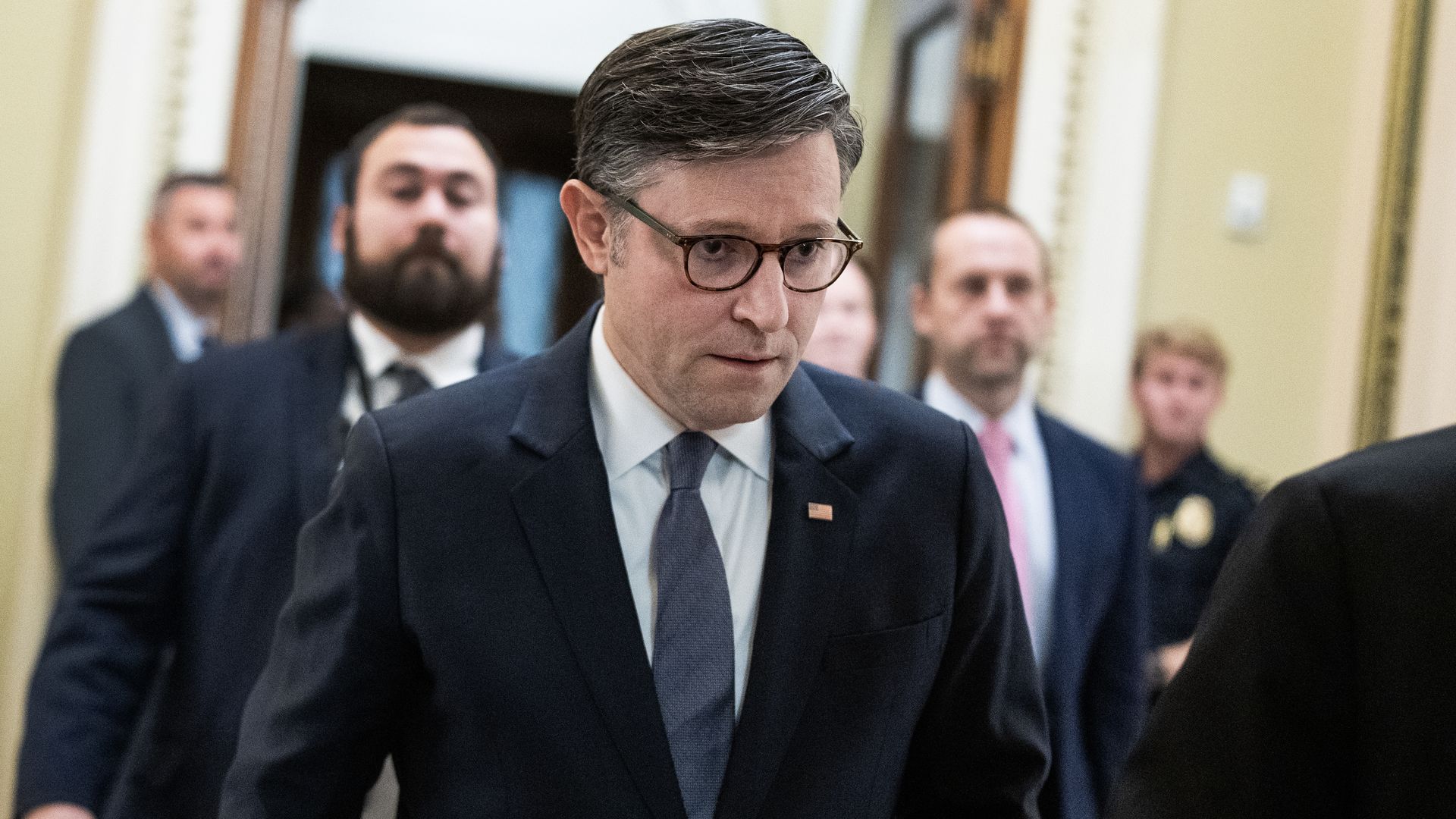
House Republicans are pressuring the Senate to advance their reconciliation package as President Trump pushes for quick action.
Why it matters: The roughly $95 billion package is House Republicans' latest effort to enact Trump's priorities without Democratic votes using the reconciliation process.
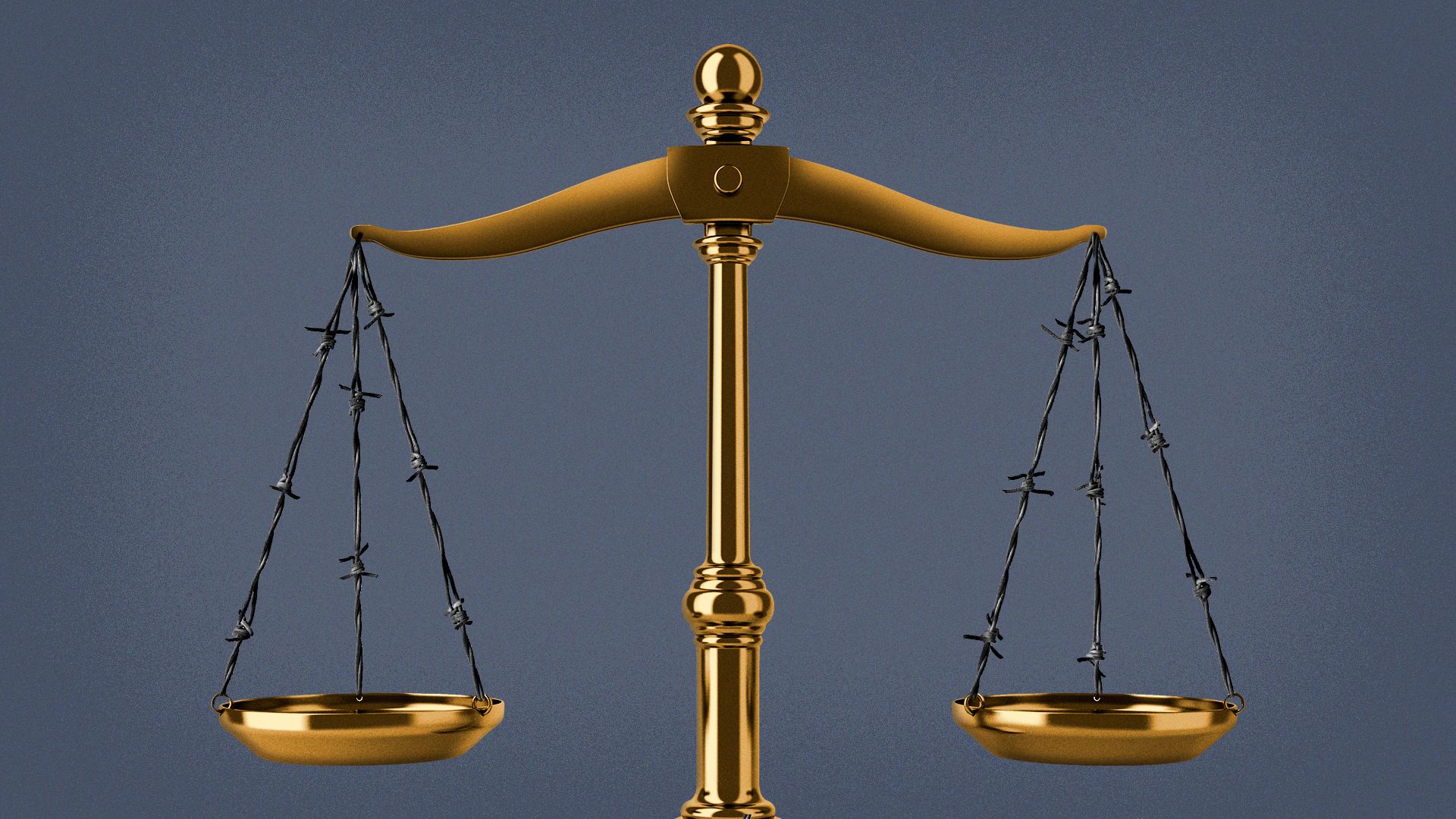
Legal protections for hundreds of thousands of Haitians and Syrians in the U.S. have ended after the Supreme Court upheld the termination of their Temporary Protected Status, a ruling that could reshape the program's future.
The big picture: The justices limited courts' ability to review Homeland Security's TPS decisions — making challenges harder and leaving hundreds of thousands of people at risk of losing legal status, work authorization and protection from deportation.
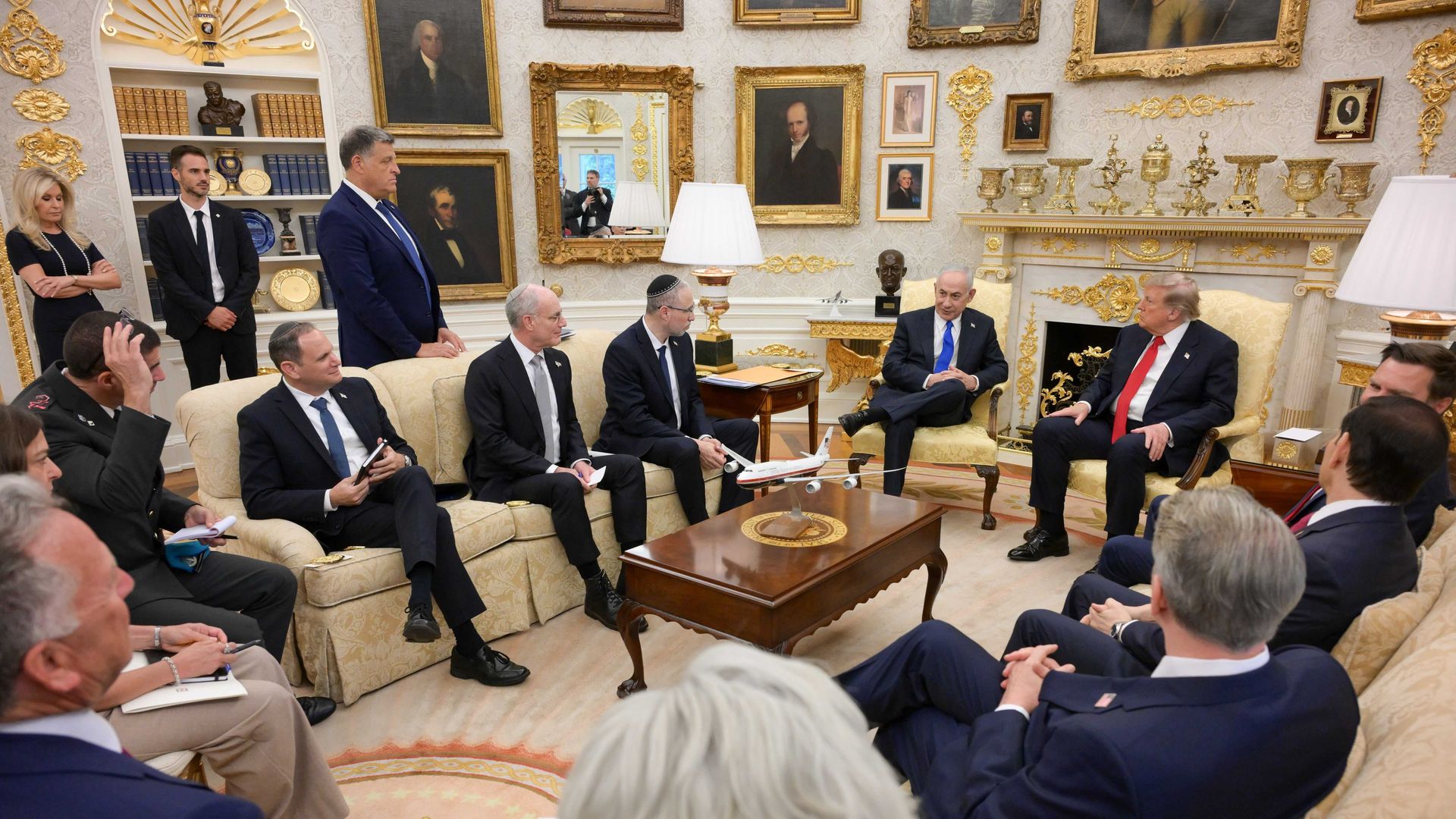
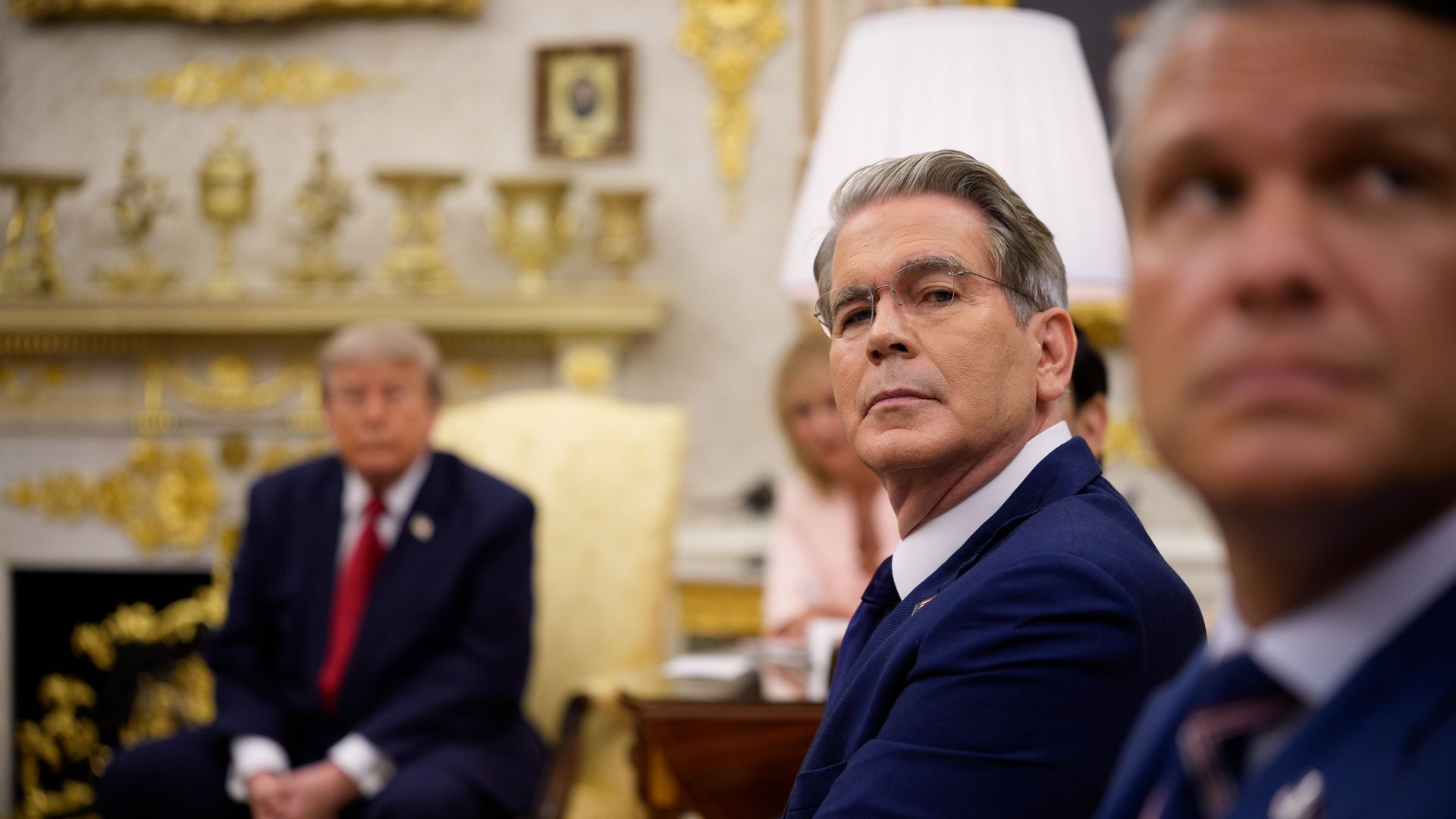
President Trump and Israeli Prime Minister Benjamin Netanyahu met in the Oval Office Tuesday for a "productive" 90-minute session on the Iran war — free of any public sign of tensions that have marked their relationship over the past several weeks.
Why it matters: The meeting could have gone the other way, given Trump's frustration with the Israeli leader over the war, which he even alluded to publicly shortly before Netanyah arrived at the White House. The fact that both sides described it as positive is a win for Bibi.
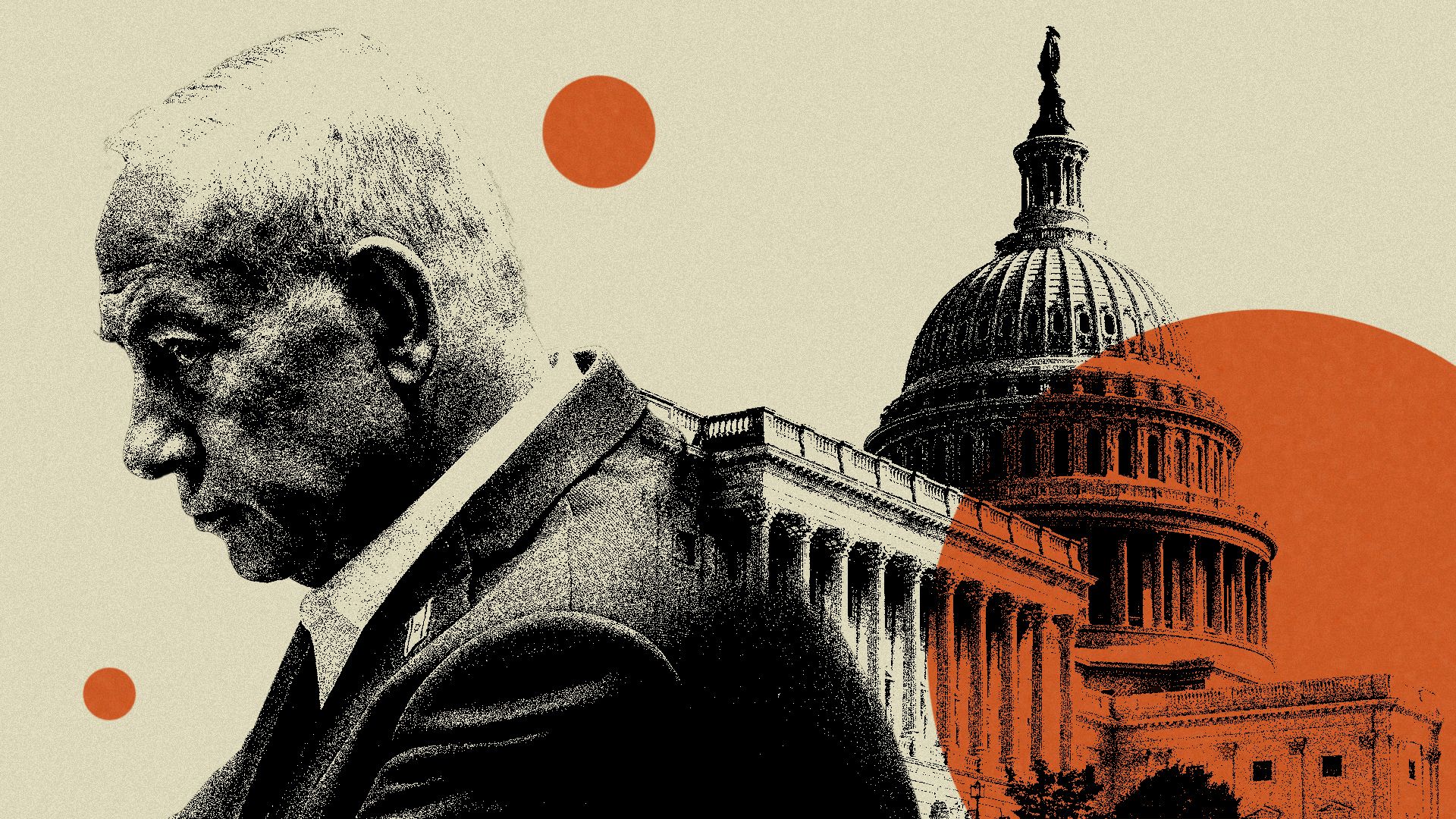
Benjamin Netanyahu will meet with Donald Trump in the Oval Office Tuesday for the eighth time since the president returned to office. But the Israeli prime minister arrives at the White House weaker and less influential than the previous seven times.
Why it matters: On Feb. 28, Trump and Netanyahu went to war together and it looked like there was no daylight between them. But exactly five months later, their interests have diverged more than ever — and bad blood and frustration have deepened as they've grown suspicious of each other's intentions.
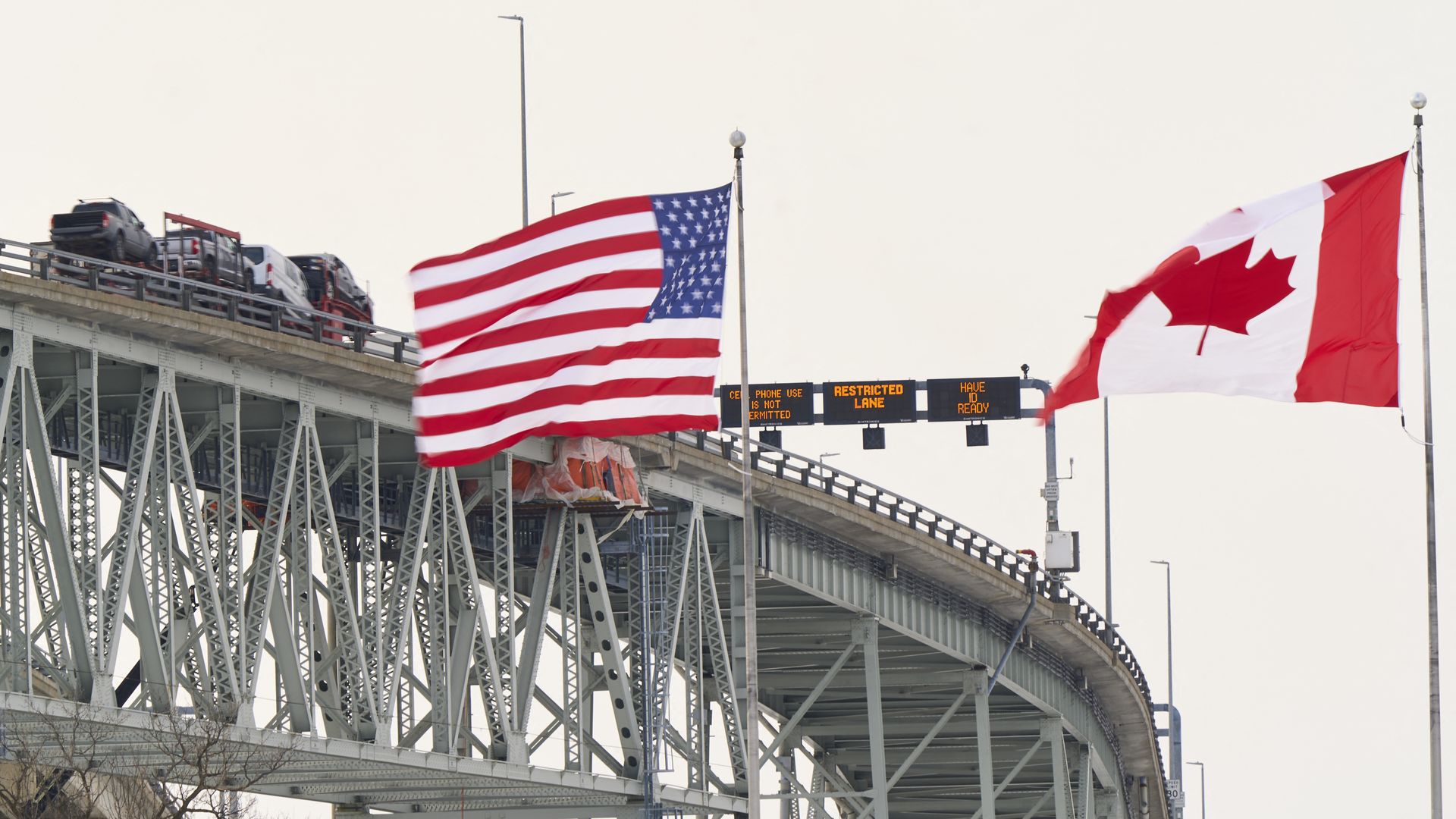
Canadian travel to the U.S. fell 25% last year, according to a new Canadian government report, which says early 2026 data show the decline has persisted.
Why it matters: The report provides some of the clearest measures yet of the economic cost to the U.S. tourism industry after trade tensions, tariffs and President Trump's repeated "51st state" comments led many Canadians to vacation elsewhere.
President Trump's economic assault on Iran has drawn a fraction of the attention devoted to his bombing campaign, even as senior U.S. officials believe it may ultimately do more damage to the regime in Tehran.
Why it matters: U.S. intelligence and open-source media reports point to a deepening economic crisis inside Iran, including gasoline shortages in one of the world's most oil-rich countries.
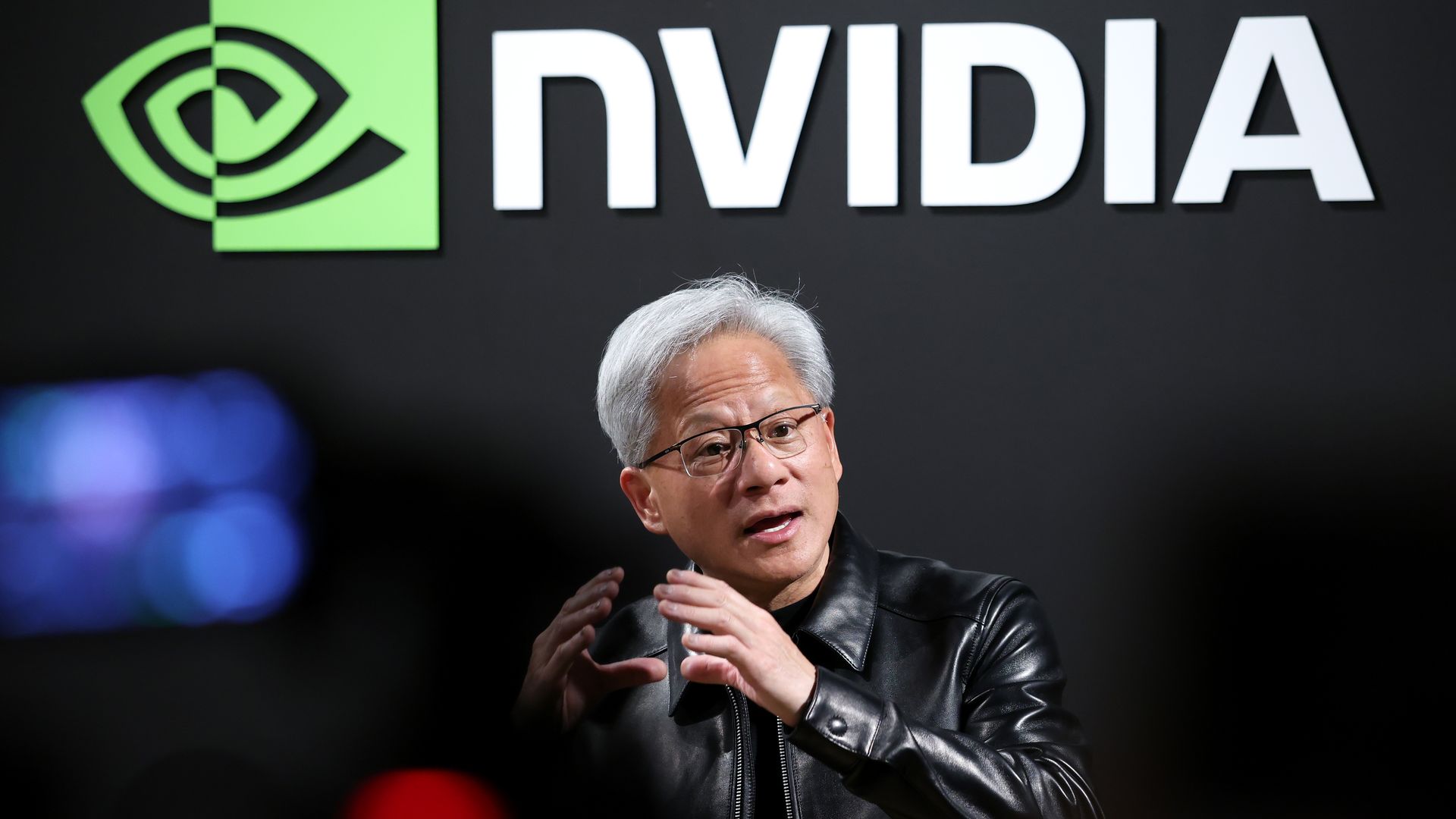
Nvidia appears poised to tighten its ties with OpenAI as it reportedly explores a deal to backstop financing for a massive data center to power the ChatGPT maker's ambitions.
Why it matters: The potential deal underscores the swift pace of the AI economy, but it also renews concerns that the increasingly "circular" nature of AI deals could create systemic financial risks.
Nvidia shares tumbled 4.5% in late morning trading.
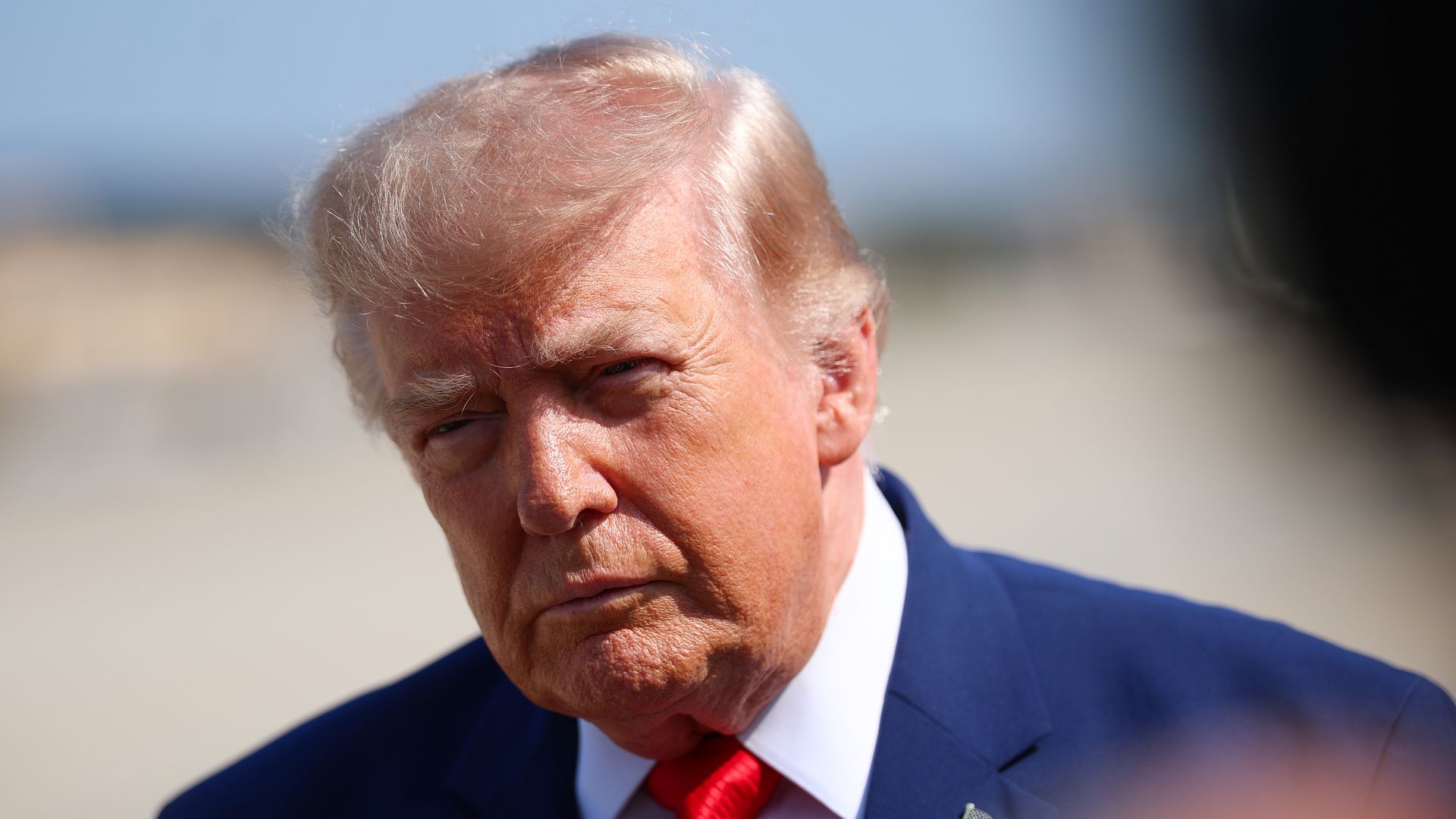
President Trump told Axios on Monday that he decided to pause U.S. strikes on Iran in order to give negotiations another chance, but stressed that he could order a return to expanded military operations if diplomacy fails.
Why it matters: The current negotiations are focused on a new deal that would reopen the Strait of Hormuz and relaunch talks on a comprehensive nuclear deal.
Kuwait's government has signed a $16 billion crude oil pipeline deal with North American private equity firms Blackstone, Brookfield Asset Management, and KKR.
Why it matters: This comes amid attacks on Kuwait's energy infrastructure by Iran, in retaliation for U.S. strikes.