SCOTUS lets Trump end protected status for Haitians, Syrians

Add Axios as your preferred source to
see more of our stories on Google.
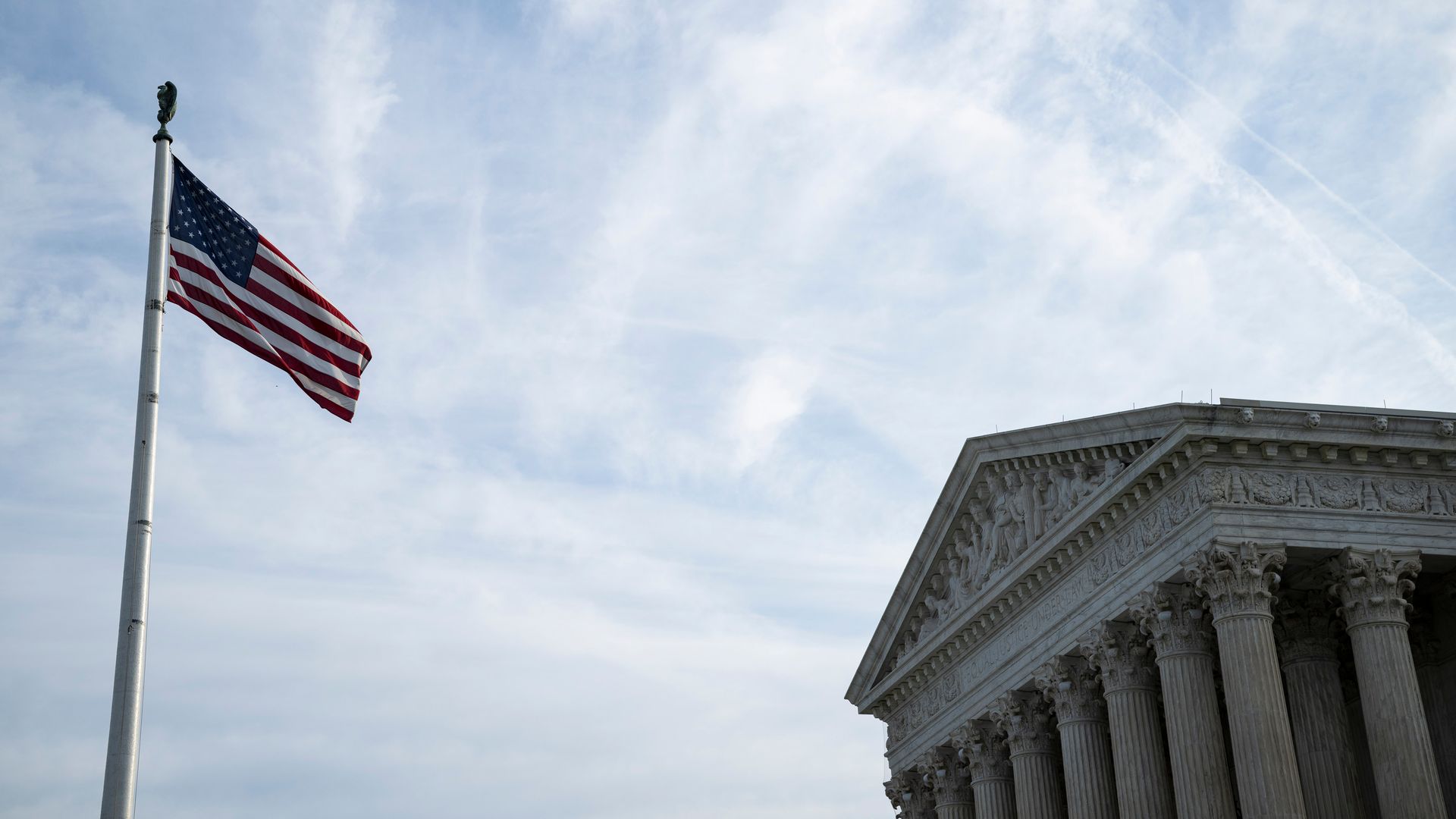
Photo: Graeme Sloan/Bloomberg via Getty Images
The Supreme Court's Thursday ruling allowing the Trump administration to strip immigrants' Temporary Protected Status throws the future of thousands of families in Massachusetts into doubt.
The big picture: Massachusetts is home to nearly 37,000 TPS holders, including 22,000 Haitians and others who fled violence and instability in their home countries.
- Business leaders and immigration advocates have said such a ruling could not only upend the lives of thousands of families statewide, but exacerbate job shortages in health care, construction and other high-demand roles.
Driving the news: The court ruled, 6-3, that Syrian and Haitian nationals aren't entitled to orders delaying the termination of protected status during legal fights against the government's efforts to wind down the program.
- The majority ruling, written by Justice Samuel Alito, states that the 1990 statute creating TPS shields it from judicial review except for potential constitutional violations.
- Alito also wrote that because the plaintiffs didn't prove that "racial animus" was likely a motivator for the Trump administration to end TPS, "they are not entitled to interim relief on their equal protection claim."
- They remanded the case to lower courts, who will give the ultimate judgment, but they can only rule on arguments related to constitutional questions and the Supreme Court wrote that plaintiffs likely wouldn't prevail on those arguments alone.
Yes, but: Justice Elena Kagan's dissenting opinion argues that the court can weigh in on whether the Trump administration followed the steps required under the TPS statute.
- Then-Department of Homeland Security Secretary Kristi Noem didn't consult all of the appropriate agencies, Kagan wrote, by not getting a response about the safety conditions in Haiti and Syria before terminating their designations.
- In response to the racism claims, Kagan listed several instances contradicting the majority ruling, including President Trump's remarks calling Haiti a "shithole country," "filthy, dirty, [and] disgusting" and claiming that Haitians are "eating the dogs" and "poisoning the blood" of the country.
Zoom in: In Boston, state and local officials urged employers not to rush to dismiss employees with TPS when they still have valid work permits.
- Gov. Maura Healey shared updated guidance Thursday afternoon for employers.
What they're saying: "We are tearing families apart with this decision. We are tearing apart our workplaces, our economies," said Boston City Councilor Ruthzee Louijeune, who is Haitian American, at a State House press conference.
- The United Way of Massachusetts Bay plans to provide resources TPS recipients who lose their status and work permits.
The other side: "The T in TPS stands for temporary, yet many of these designations became de facto amnesty," Department of Homeland Security general counsel James Percival wrote on X.
- "This is a win for the rule of law and common sense."
By the numbers: The majority of New England's TPS population lives in eastern Massachusetts, per a recent UMass Boston report.
Context: Some arrived after the 2010 earthquake in Haiti or more recently as temporary parolees.
- Others were already living in the United States when the protections were designated.
- While the case focused on Haitian and Syrian TPS holders, it has ramifications for the nearly 1.3 million TPS recipients living in the United States from El Salvador, Ukraine, Somalia and other countries.
- TPS has given them protections from deportation and work permits for up to 18 months at a time, requiring them to renew those protections each time.
- Many have raised children and started businesses in Massachusetts, but there's no direct path for a TPS holder to obtain a green card and then citizenship.
Threat level: Haitians losing TPS stand to return to a country marred by political instability, gang violence, displacement and extreme weather exacerbating the humanitarian crisis.
- Haiti's national team had to practice outside of the country because of its conditions, and the U.S. has extended its ban on flights to Port-au-Prince until September.
- "It's baffling that the government would actually order people to go back to a country that they have determined is unsafe," says Jeff Thielman, president and CEO of the International Institute of New England.
- IINE staff have already started getting calls from concerned clients, he added.
What's next: Haitian TPS holders still have protections, at least until the lower courts review the case again and rule on the matter.