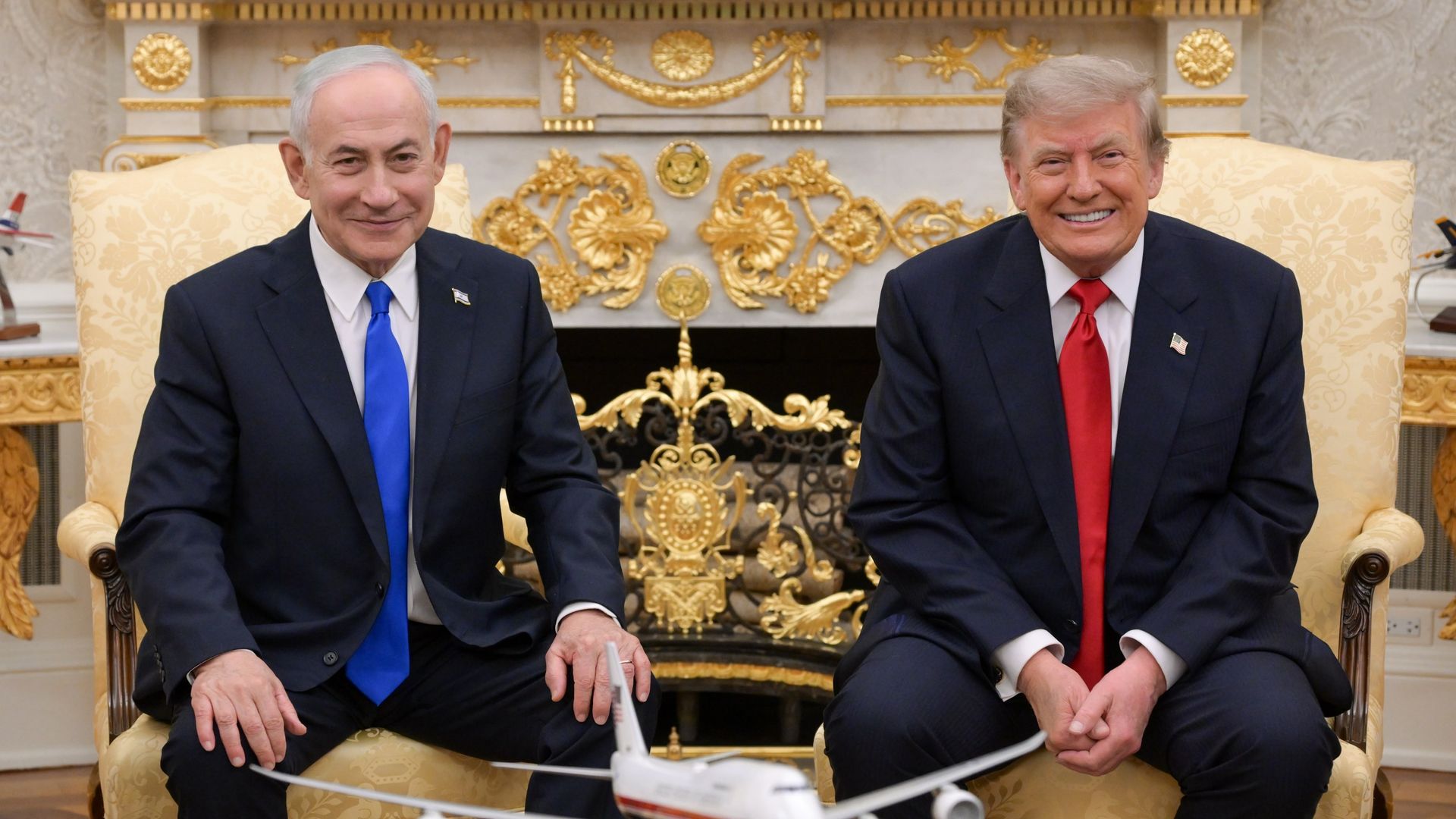
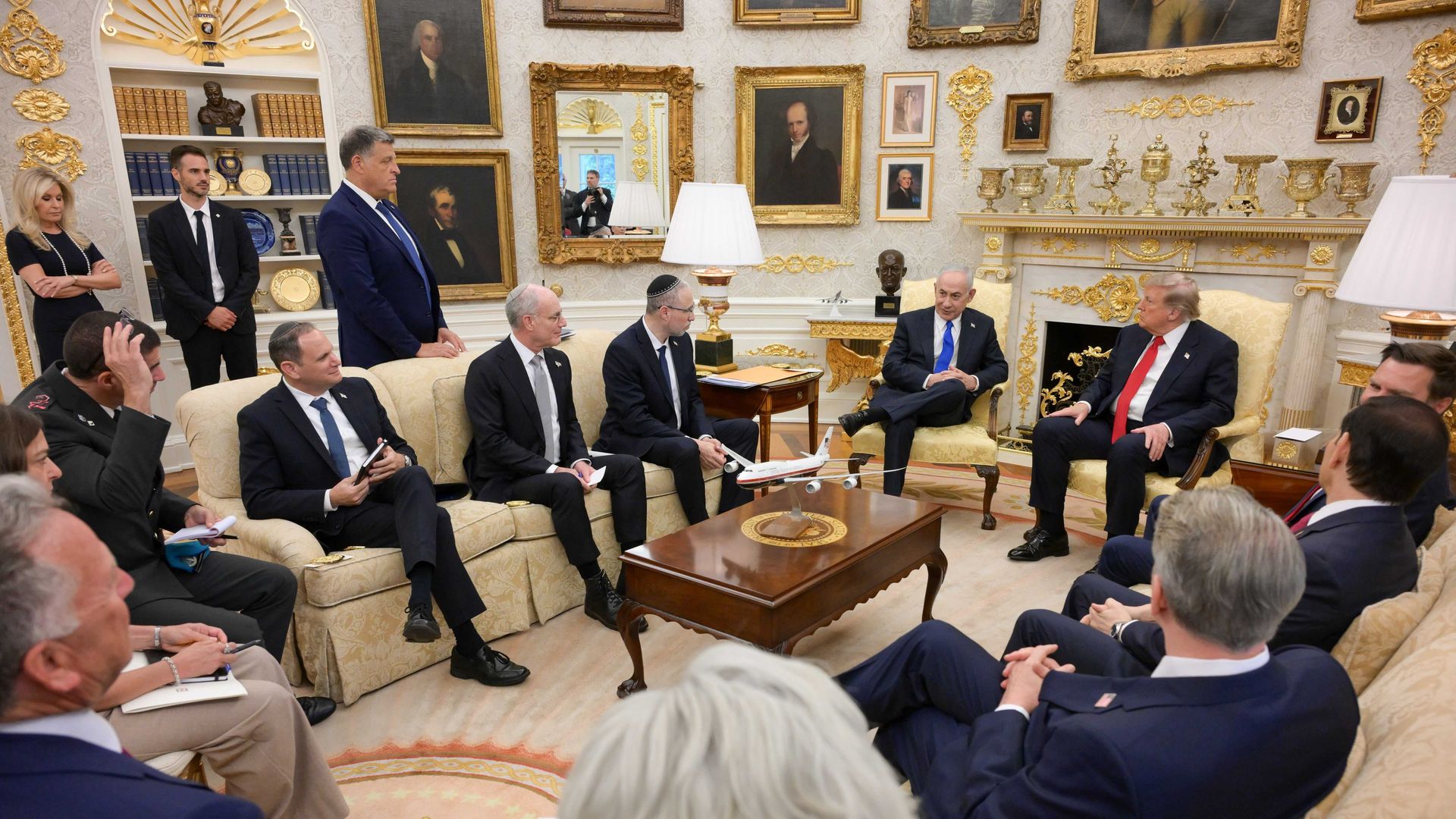
Israeli Prime Minister Benjamin Netanyahu expressed skepticism during his meeting with President Trump about the chance of a deal with Iran and discussed increasing economic pressure on Iran "through kinetic and non-kinetic means," a senior Israeli official said in a briefing with reporters.
Why it matters: Tuesday's meeting was the first between Netanyahu and Trump since the start of the war on Feb. 28. It came as Trump is still trying to reach a deal with Iran but also considering a return to major combat operations.
FIFA, global soccer's governing body and World Cup organizer, is seeking to raise up to $4.2 billion for a new commercial subsidiary at a $20 billion valuation led by Joshua Kushner's Thrive Eternal.
Why it matters: This would be the first time FIFA has ever sought outside investment.
Investors are rethinking their fondness for AI picks and shovels: the chipmakers, particularly memory makers, that make up the backbone of the new tech buildout.
Why it matters: The chip stock frenzy pushed the U.S. market to all-time highs earlier this year.
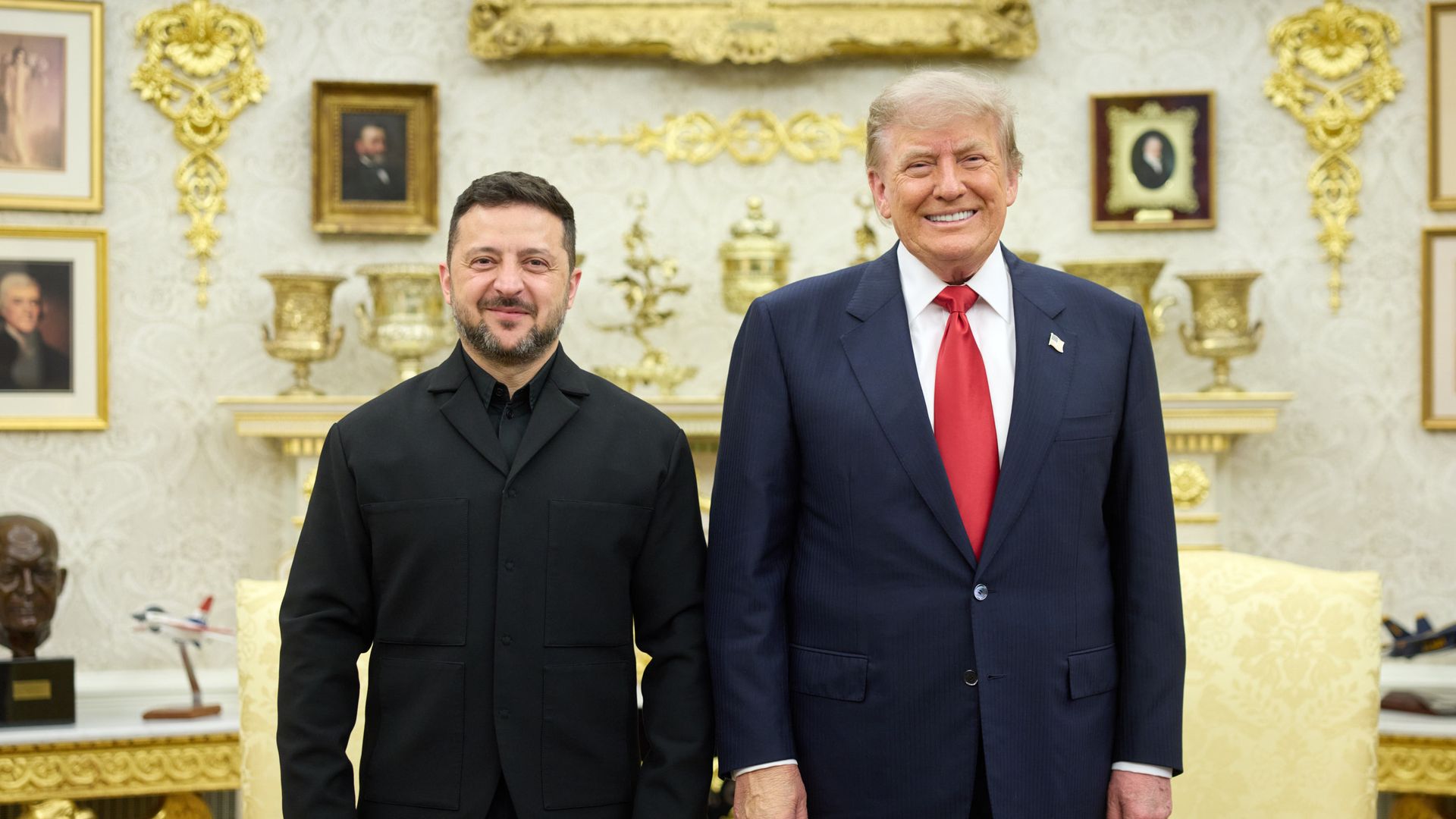
Ukrainian President Volodymyr Zelensky told Axios in an interview Tuesday that he asked President Trump for an emergency "winter package" of Patriot air defense interceptors to help thwart Russian attacks on Ukrainian energy infrastructure.
Why it matters: Ukraine's stockpiles of the interceptors have been almost depleted, and without them the country can't defend itself against ballistic missiles. It was the reason Ukraine couldn't stop recent Russian attacks on Kyiv.
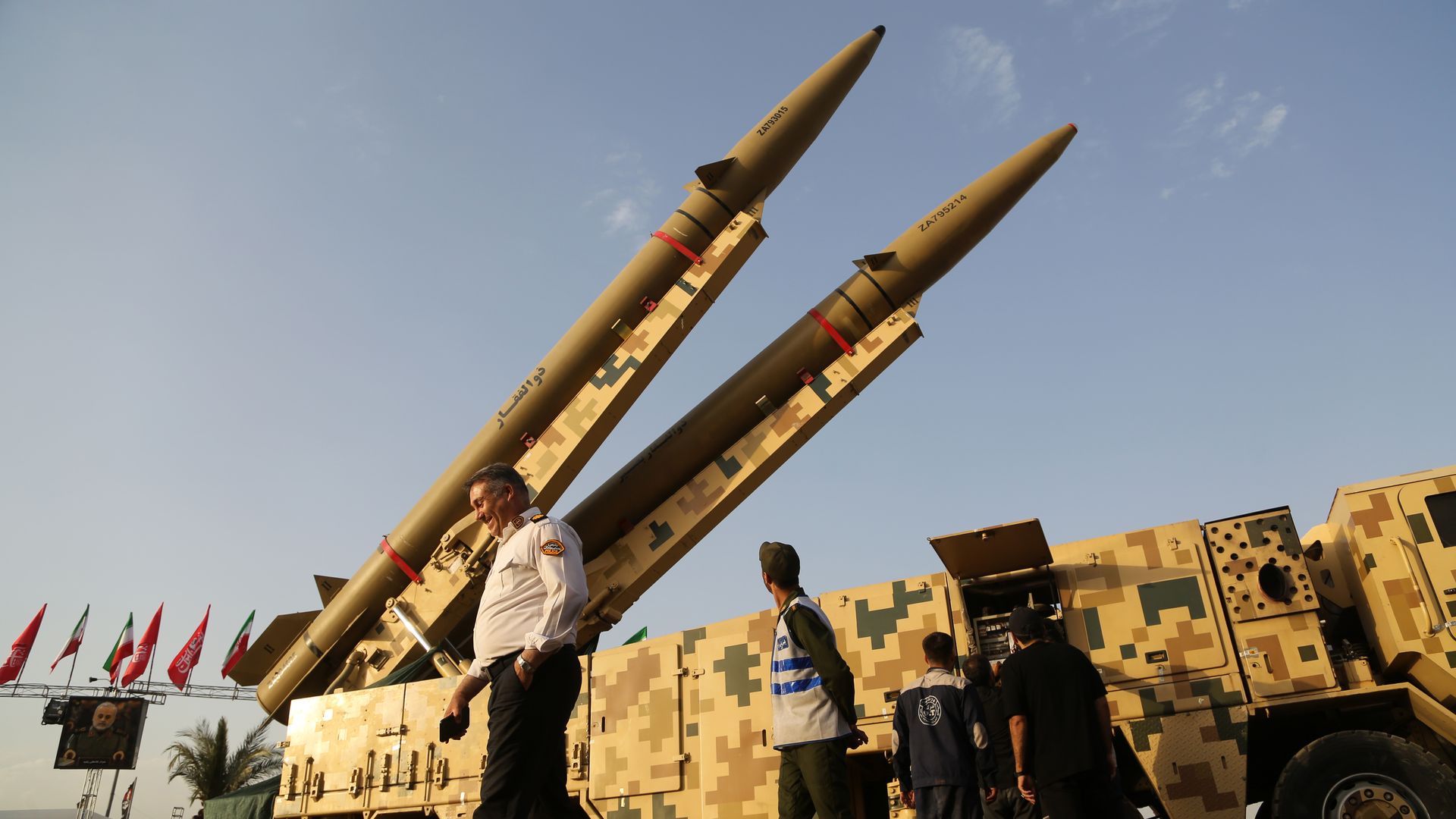
Iran launched multiple ballistic missiles toward a U.S. military base in Jordan on Tuesday in what U.S. Central Command described as an "attempted surprise attack."
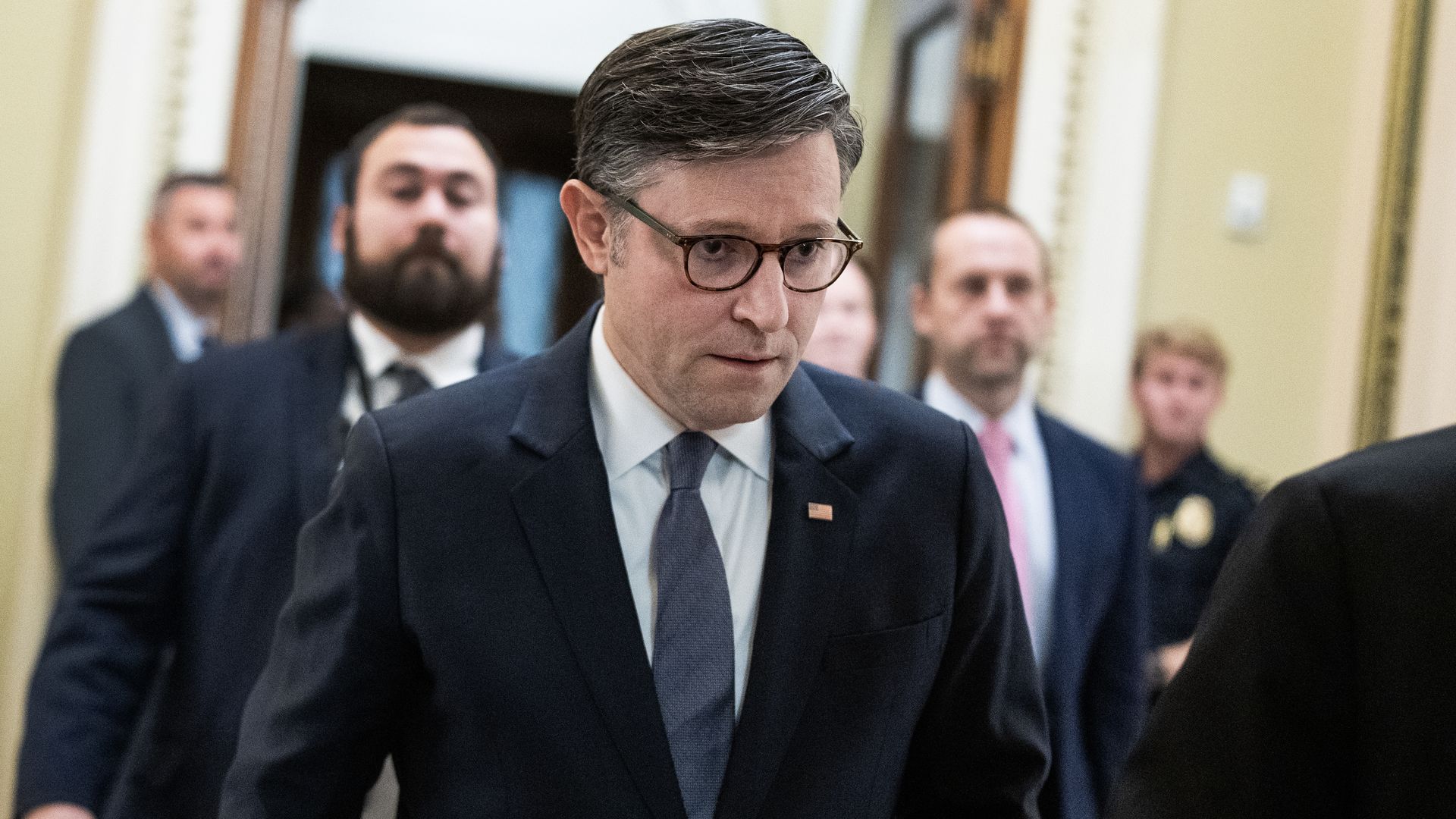
House Republicans are pressuring the Senate to advance their reconciliation package as President Trump pushes for quick action.
Why it matters: The roughly $95 billion package is House Republicans' latest effort to enact Trump's priorities without Democratic votes using the reconciliation process.
Legal protections for hundreds of thousands of Haitians and Syrians in the U.S. have ended after the Supreme Court upheld the termination of their Temporary Protected Status, a ruling that could reshape the program's future.
The big picture: The justices limited courts' ability to review Homeland Security's TPS decisions — making challenges harder and leaving hundreds of thousands of people at risk of losing legal status, work authorization and protection from deportation.
President Trump and Israeli Prime Minister Benjamin Netanyahu met in the Oval Office Tuesday for a "productive" 90-minute session on the Iran war — free of any public sign of tensions that have marked their relationship over the past several weeks.
Why it matters: The meeting could have gone the other way, given Trump's frustration with the Israeli leader over the war, which he even alluded to publicly shortly before Netanyah arrived at the White House. The fact that both sides described it as positive is a win for Bibi.
Benjamin Netanyahu will meet with Donald Trump in the Oval Office Tuesday for the eighth time since the president returned to office. But the Israeli prime minister arrives at the White House weaker and less influential than the previous seven times.
Why it matters: On Feb. 28, Trump and Netanyahu went to war together and it looked like there was no daylight between them. But exactly five months later, their interests have diverged more than ever — and bad blood and frustration have deepened as they've grown suspicious of each other's intentions.