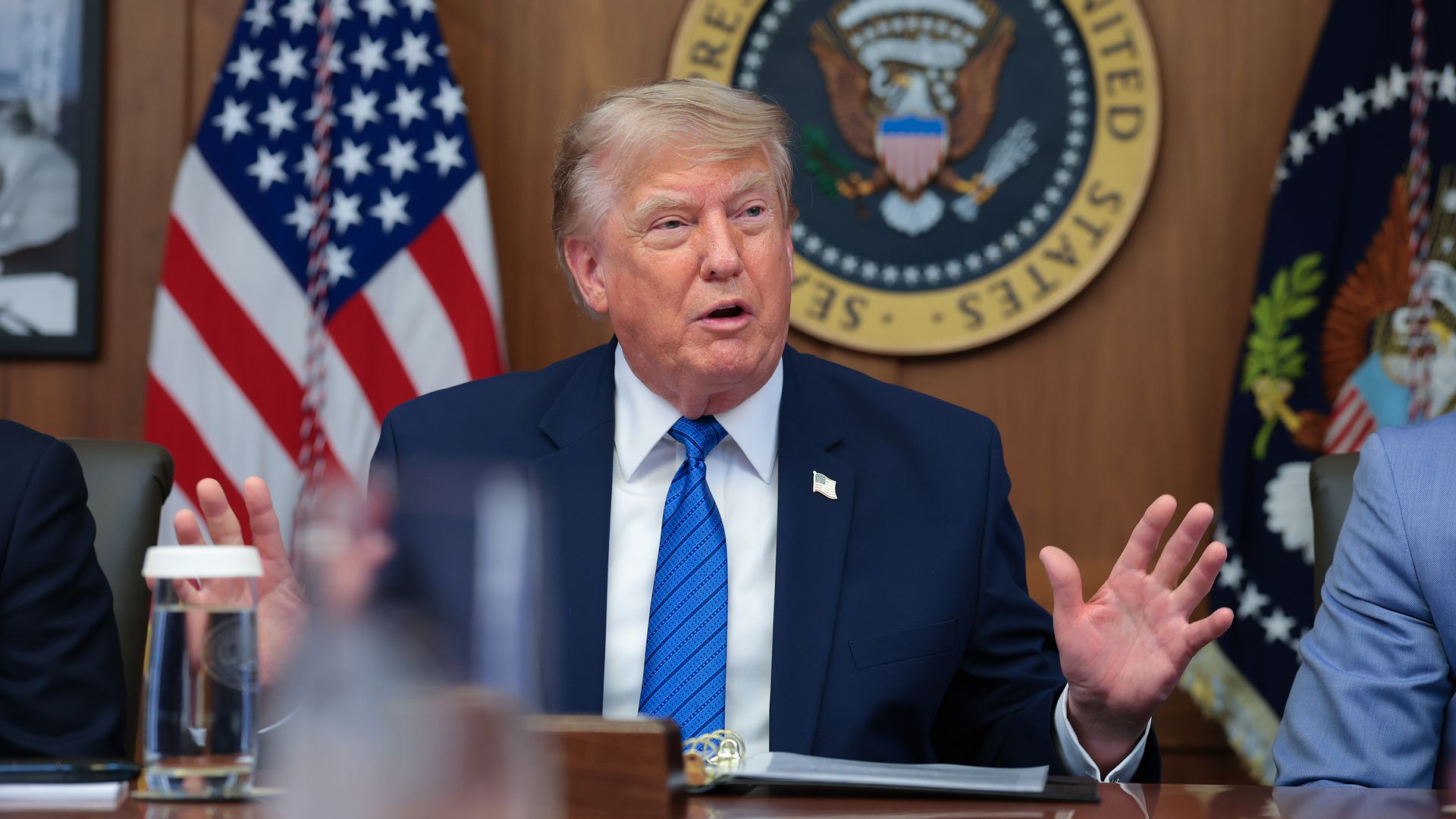
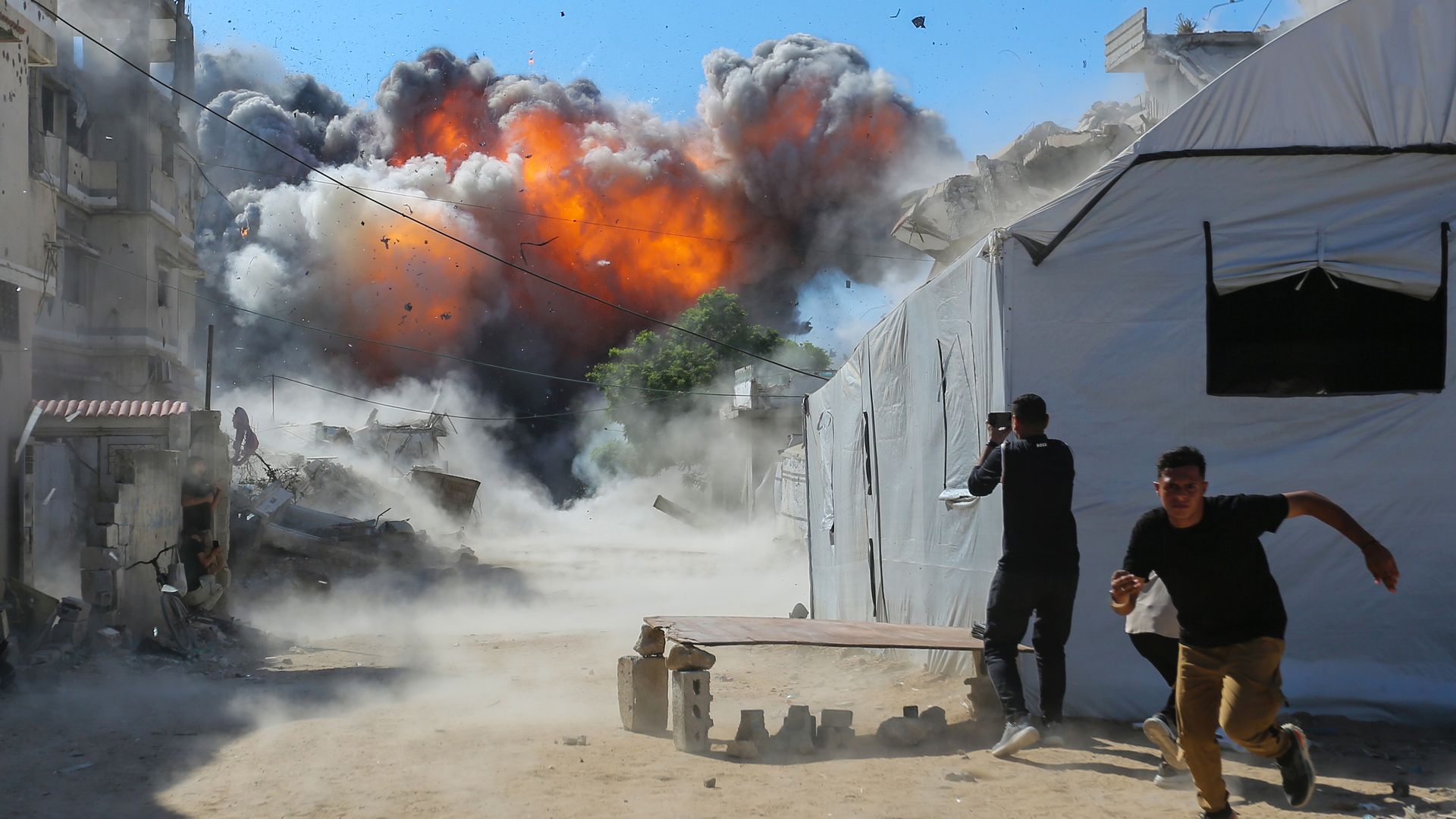
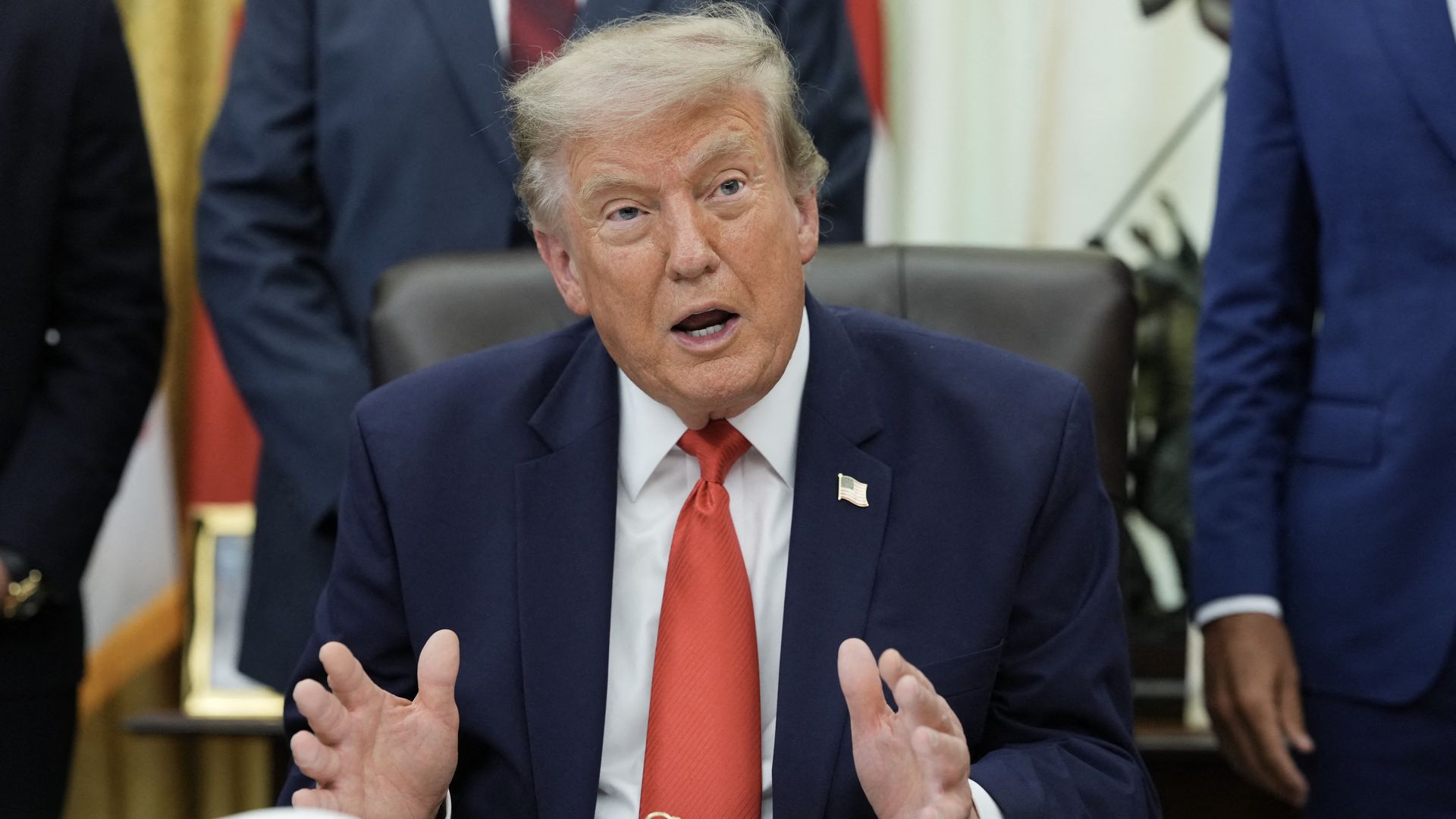
President Trump is seriously considering launching attacks against energy targets in Iran in the next few days, but hasn't given final orders to do it, a U.S. official told Axios on Friday.
Why it matters: A new U.S. bombing campaign in Iran against energy and infrastructure targets would be aimed at trying to get the Iranians to agree to the United States' terms in ongoing ceasefire negotiations.
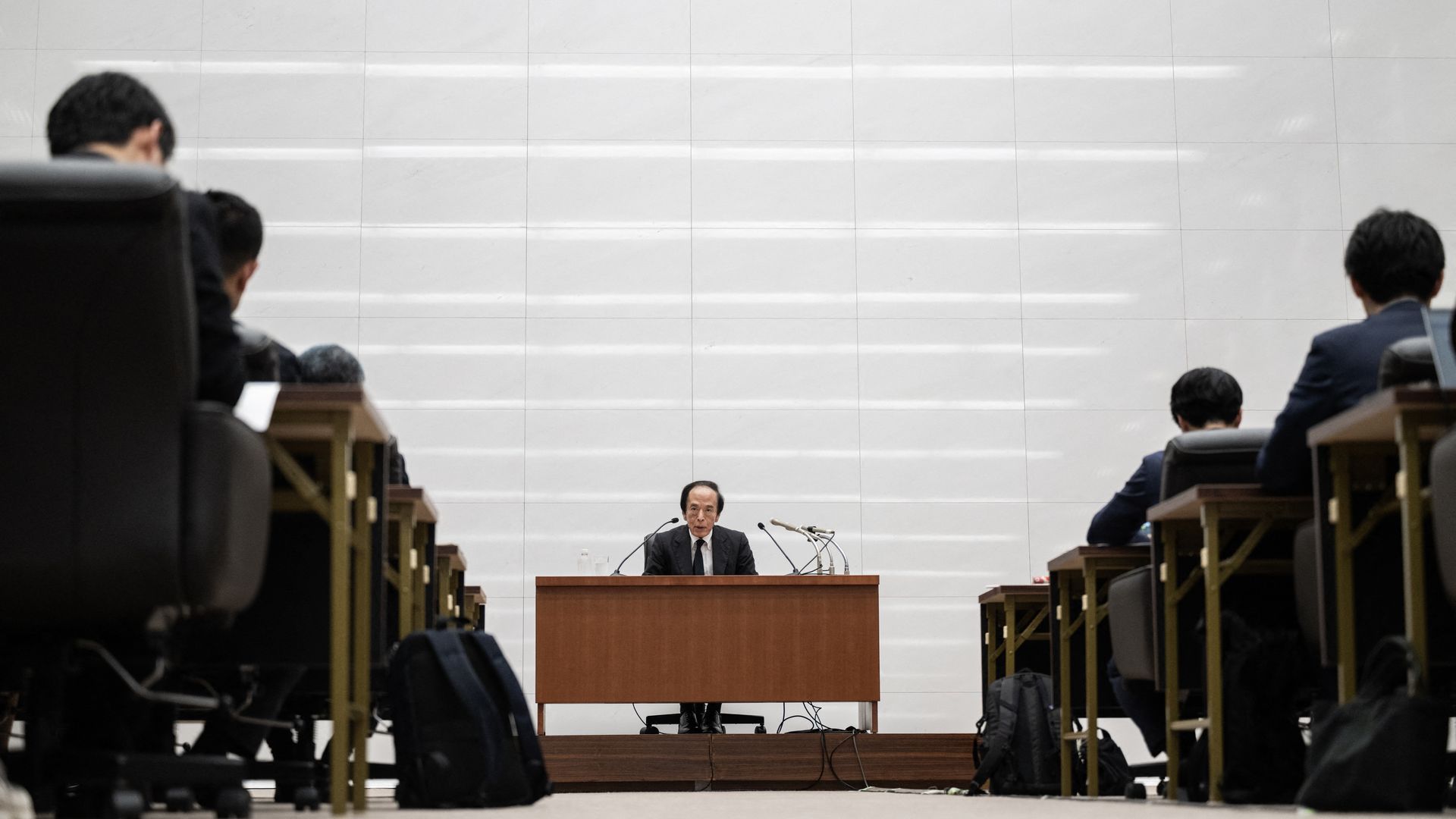
Concluding a busy week in central bank land, the Bank of Japan elected to leave interest rates unchanged overnight Thursday. But its communications were in sharp contrast to the Fed's from Wednesday.
Driving the news: The bank left its target policy rate at 1% as Bank of Japan governor Kazuo Ueda pledged that it will not fall behind the curve on its interest rate policy, one of several comments that signal more interest rate increases might be on the way.
It adds up to a sign that a rate hike in the months ahead is more likely.
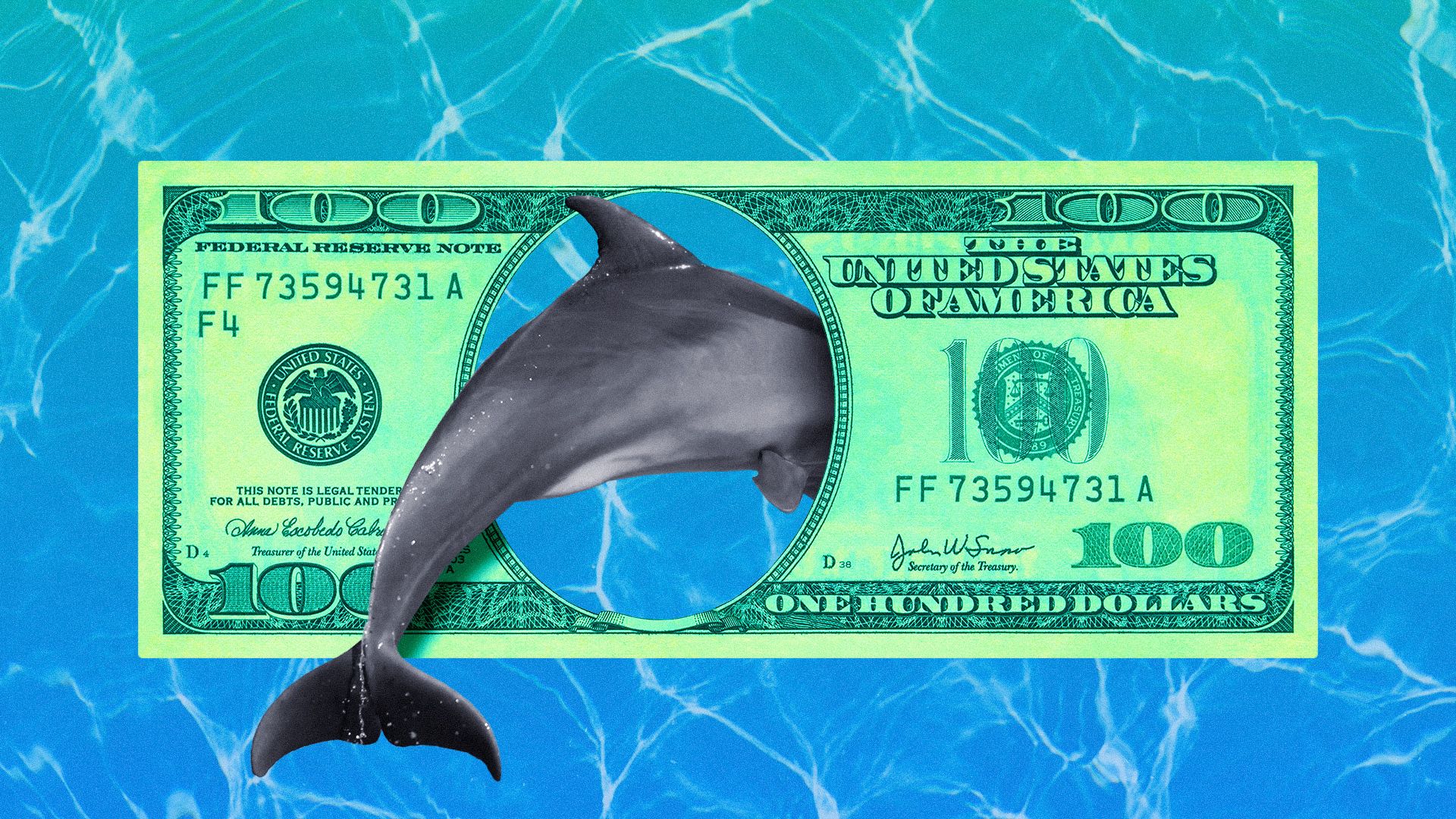
Delaware court fights over M&A are ordinary. Unless the parties are fighting over dozens of dolphins.
Driving the news: Creditors for The Dolphin Company, once one of the world's largest aquatic park operators, have asked a bankruptcy court judge for permission to sell its Mexican assets for $20 million to the company's current management.
Included would be 87 bottlenose dolphins, plus eight manatees, and six sea lions.
President Trump announced Thursday that his Board of Peace had reached an agreement with Hamas to disarm and transfer civilian and security control of Gaza to a new Palestinian technocratic government.
Why it matters: If implemented, the agreement would represent a dramatic breakthrough in Trump's 20-point Gaza peace plan and clear the way for reconstruction of the devastated enclave.
Treasury Secretary Scott Bessent and U.S. Trade Representative Jamieson Greer held a high-level video call with China's vice premier to prepare for the September visit of its president, Xi Jinping, Axios has learned.
Why it matters: The call sets the stage for President Trump and Xi to sign future trade deals between the U.S. and China. But there are tensions.
The big picture: The coordinated campaign underscored a growing — and concerning — trend of cyberattacks targeting state and local agencies and services.
Such an "act of aggression" from the Iranians would come at a tense point in the conflict with the U.S., the Times writes.
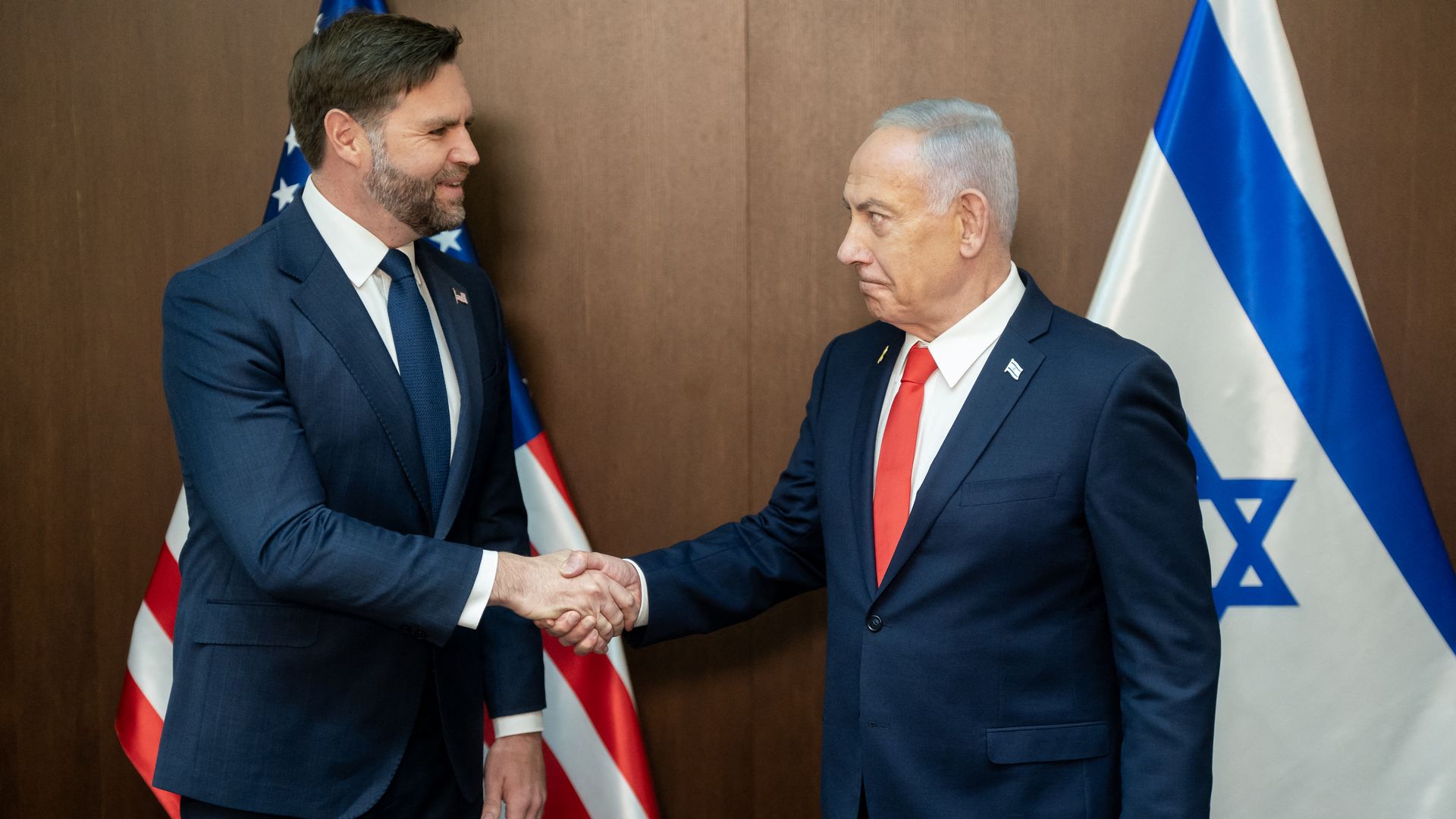
Vice President Vance and Israeli Prime Minister Benjamin Netanyahu held a "direct" conversation about their differences in a one-on-one meeting in Washington on Tuesday evening, Israeli and U.S. officials said.
Why it matters: Vance has been the most Netanyahu-skeptical voice in Trump's inner circle since the beginning of the war. As the war dragged on, he became increasingly critical of the Israeli prime minister.
The U.S. economy grew at a 1.5% annualized rate in the second quarter, the government said on Thursday, capturing a three-month stretch shaped by the Middle East conflict and a surge in energy prices.
Why it matters: Consumer spending and business investment fueled by AI spending remained the economy's standout growth engines in the spring.
The Iran war has revealed China's enormous power over global oil prices, thanks to its position as the world's largest buyer.
Why it matters: China's reaction to the oil shock — by substantially withdrawing from buying on world markets — helped prevent the worst of the price spikes that experts thought would follow from the effective closure of the Strait of Hormuz.
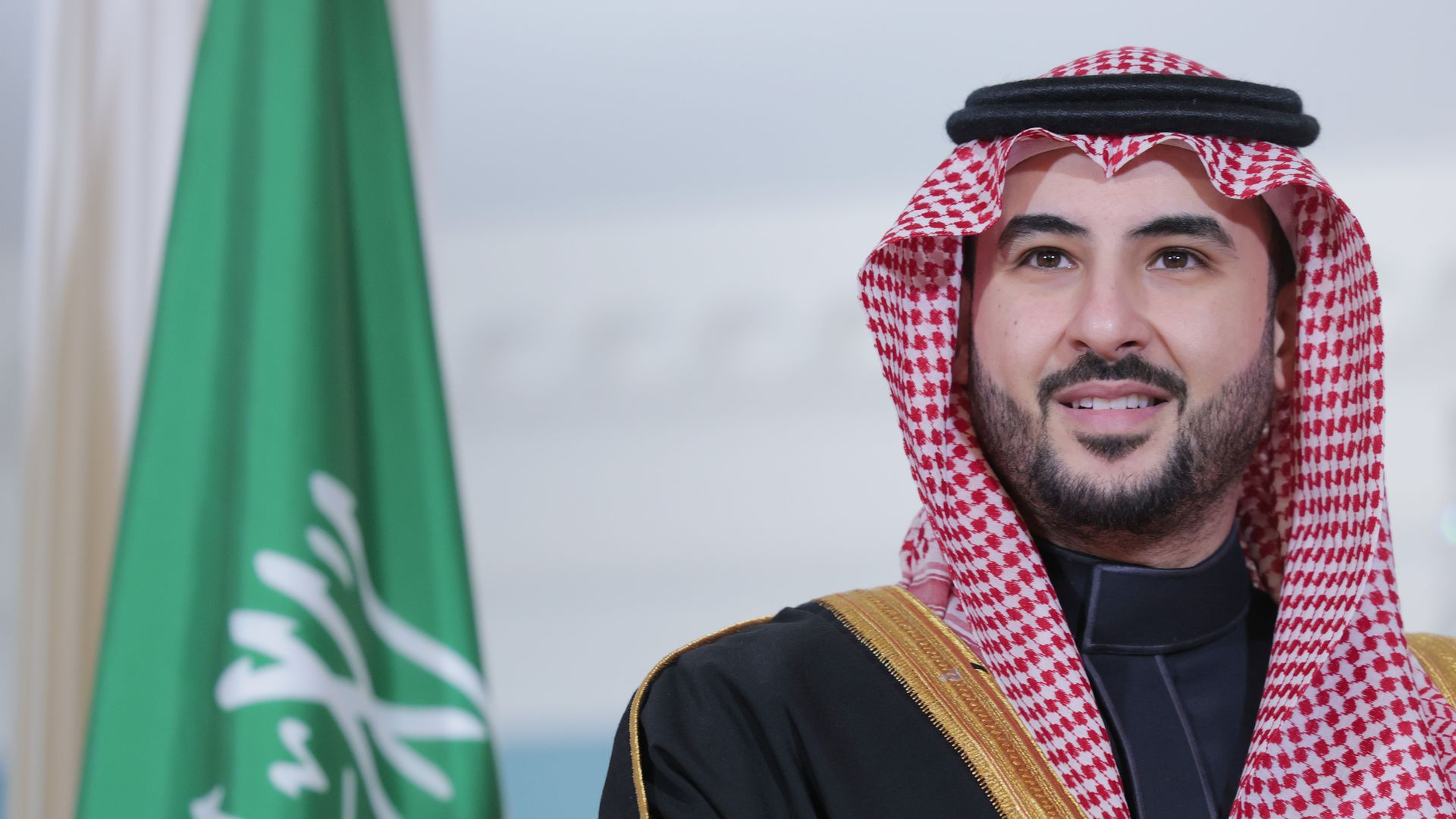
President Trump met Wednesday with Saudi Defense Minister Prince Khalid bin Salman, a U.S. official and another source with knowledge of the meeting told Axios.
The meeting was added to the Saudi minister's itinerary after he met with Vice President Vance and told him that Saudi Arabia favors de-escalation with Iran — despite this week's joint U.S.-Saudi strike on pro-Iranian militias in Iraq, a source familiar with the matter said.
Why it matters: The source said the purpose of the meetings was to deliver a message from Crown Prince Mohammed bin Salman (MBS) about the war with Iran and the situation in the region.
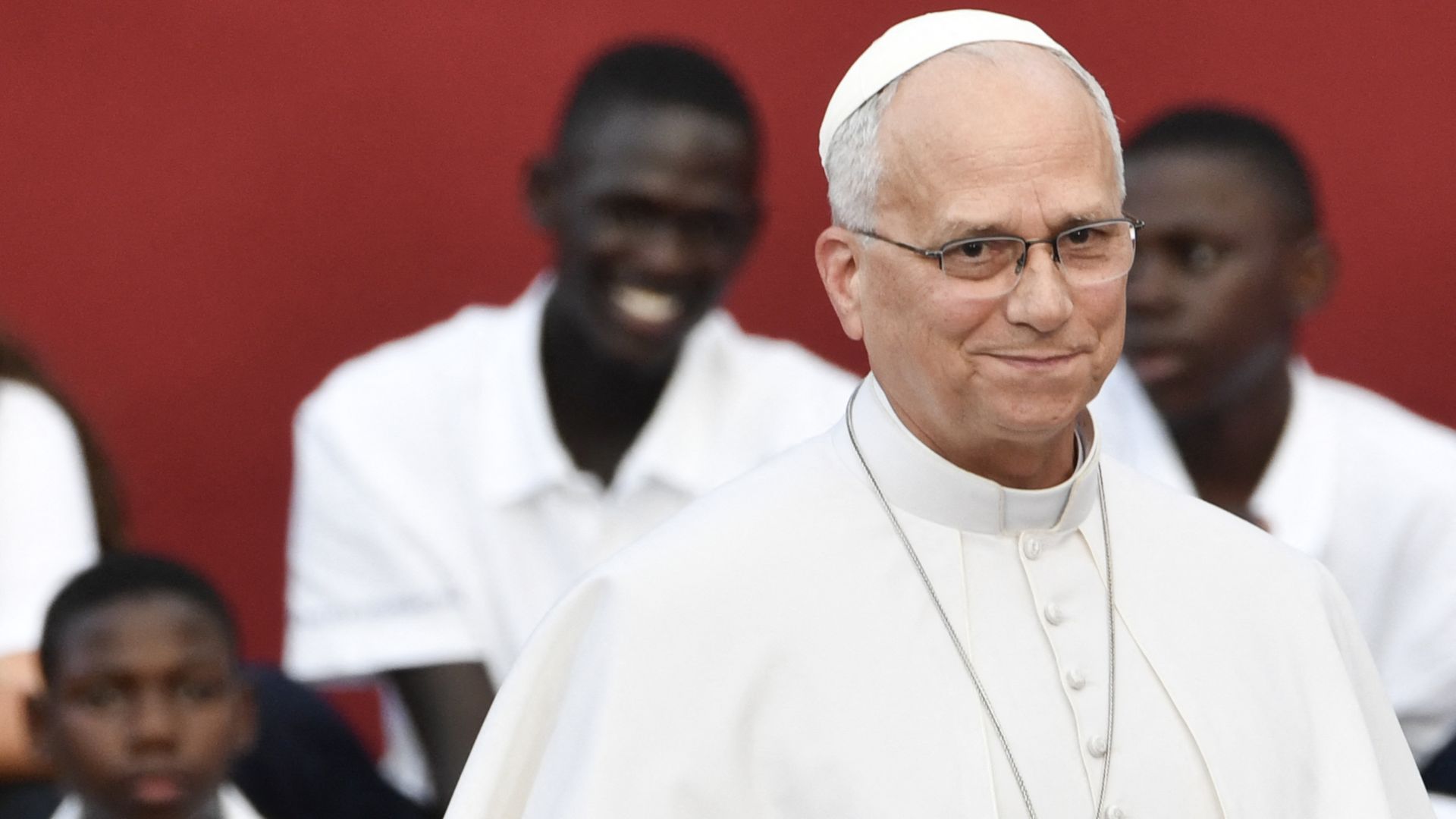
Pope Leo XIV plans to visit the U.S. "soon," the Chicago-born pontiff said in an interview with NBC News that aired Wednesday evening.
The big picture: The first U.S.-born pope told NBC's Tom Llamas during the interview that he loves "so many things" about America as he revealed he was just looking at his calendar for the next couple of years and confirmed people will see him in the U.S. "soon."