A group of congressional Republicans is urging the U.S. International Trade Commission to enforce U.S. patent rights in a case involving Taiwan Semiconductor Manufacturing Co., according to a letter exclusively obtained by Axios.
Why it matters: This escalates a fight over whether the world's largest chip manufacturer, TSMC, should receive special consideration because of its role in providing the U.S. the chips necessary to stay ahead in the global AI race.
OpenAI has banned China-linked accounts that used ChatGPT to draft social media influence campaigns targeting U.S. debates over tariffs and AI data centers, the company said Wednesday.
Why it matters: The campaigns don't appear to have been effective, but they show how pro-China actors are testing AI tools to amplify existing political and economic divisions in the U.S.
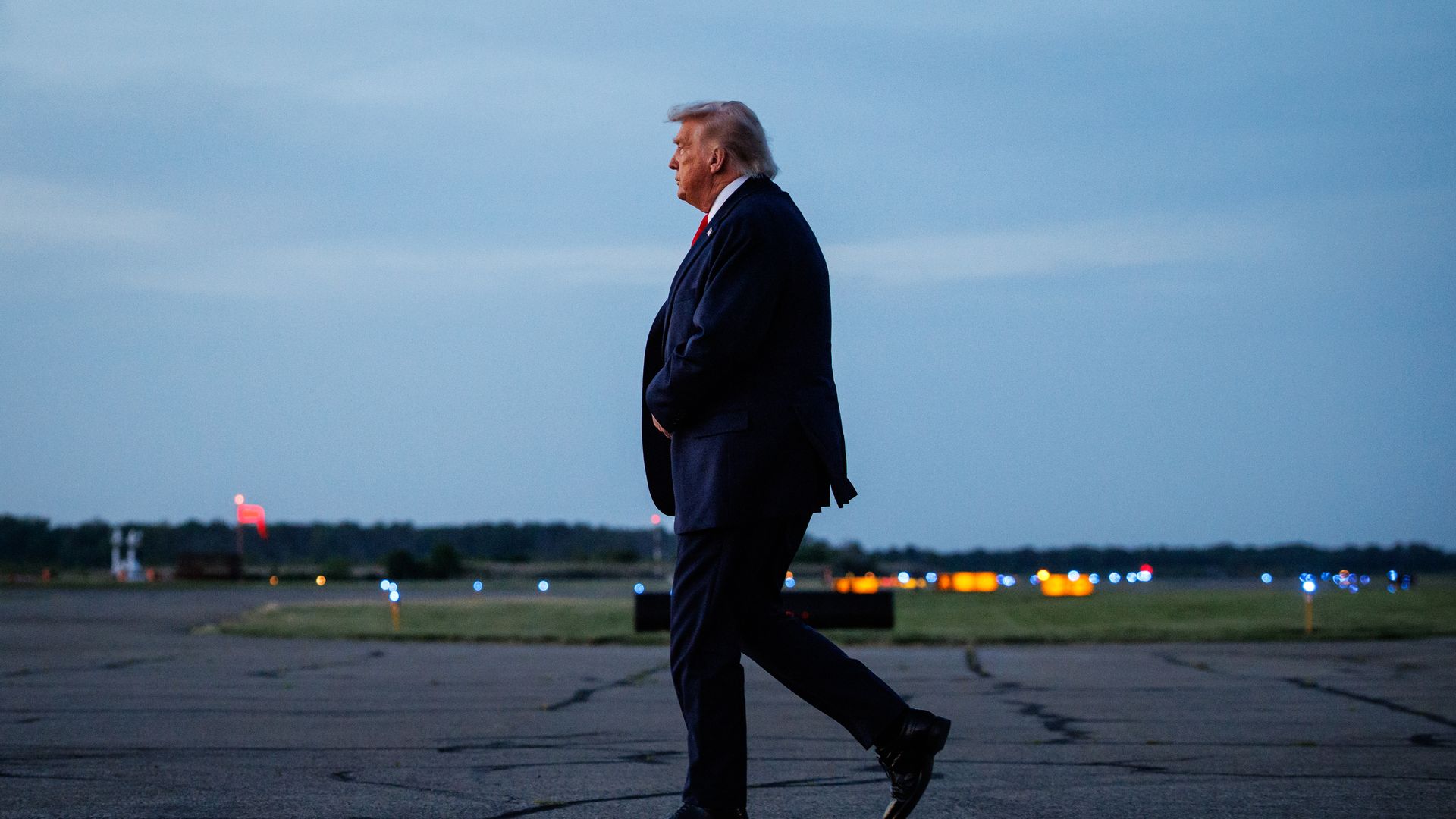
The trigger for President Trump's strikes on Iran was the downing of a U.S. helicopter, but behind the scenes Trump had been growing more and more frustrated over nearly two weeks of waiting for an Iranian response to his latest offer that still has not arrived.
Why it matters: The strikes on Tuesday evening were intended to restore some leverage, but be calibrated such that no one would be killed and the possibility of a deal would not be foreclosed, a senior U.S. official told Axios.
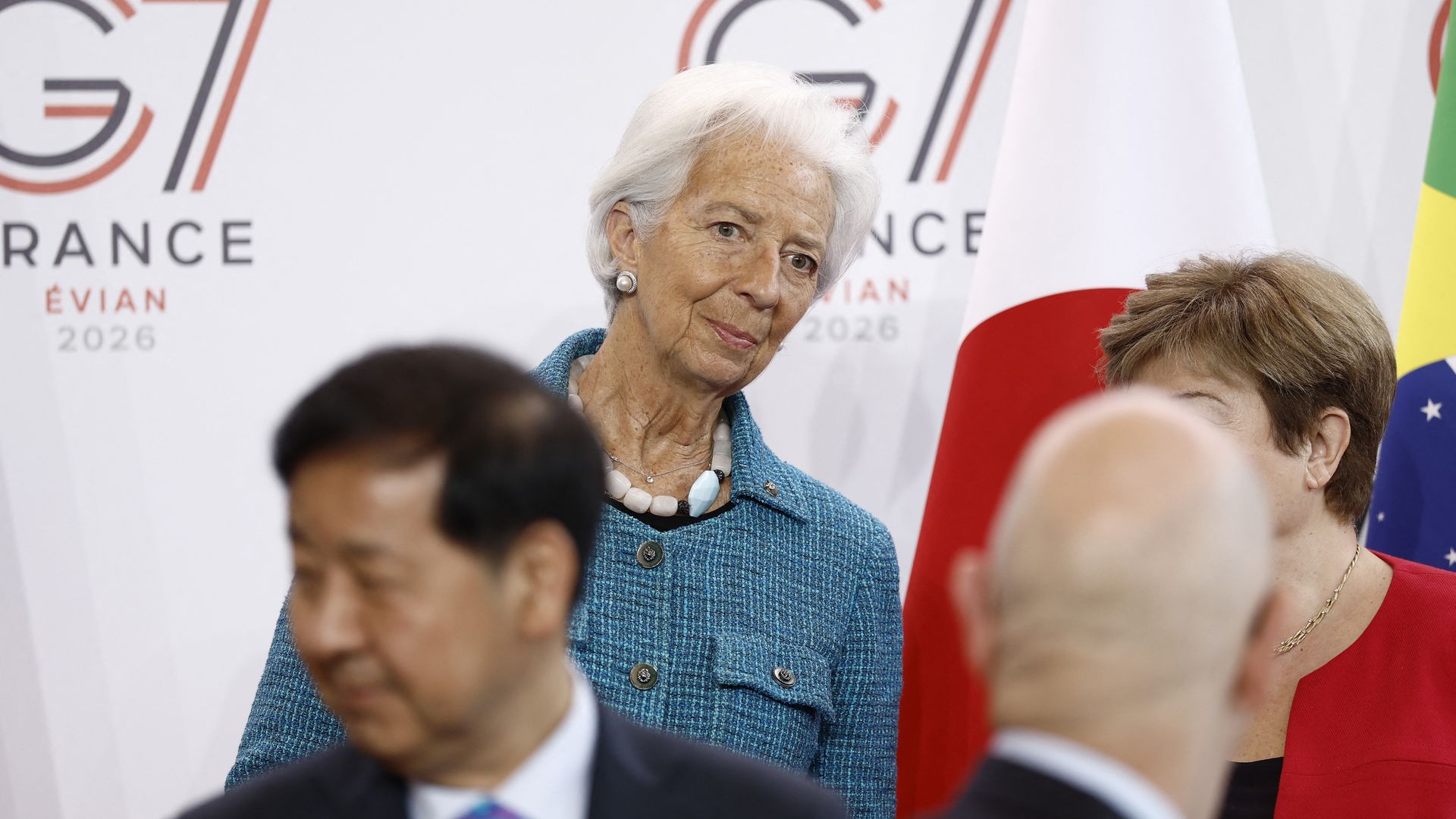
Two of the world's most important central banks appear poised to raise interest rates in the coming days, as policymakers look to get ahead of the energy price surge translating into broader inflation.
Driving the news: The European Central Bank's policy committee meets Thursday and is expected to raise its main deposit rate to 2.25%, from 2%, which would be its first rate increase in three years.
Inflationhit the highest rate in over three years in May, as the economic fallout from the Iran conflict ripples through the U.S. economy.
Why it matters: Inflationary pressures tied to the war keep building, squeezing household budgets and raising the risk that interest rates stay higher for longer.
With the Iran war now over 100 days old, here's the latest rolling snapshot of how it's driving changes in energy markets.
The big picture: Global oil use is going down (in the short term), UN climate officials are using the crisis to push for clean energy, and coal is getting more use in the Asia-Pacific region.
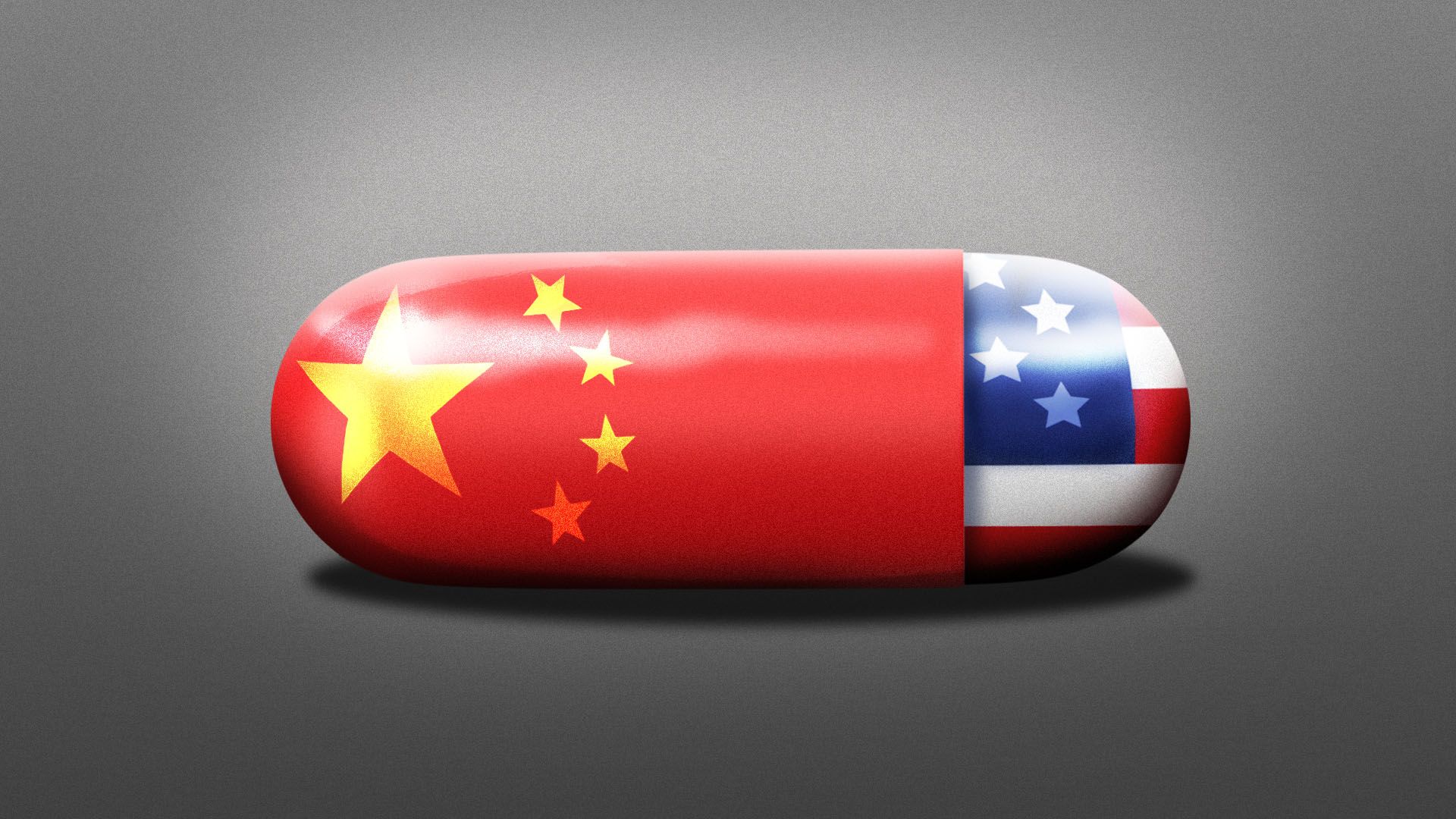
U.S. drug development is heavily dependent on China — and Washington is not keeping up with the whole-of-government response many experts say is needed to change that. Why it matters: The U.S. is being held back by vulnerabilities like fragile supply chains for generic drugs and the lack of a cutting-edge biotech infrastructure.
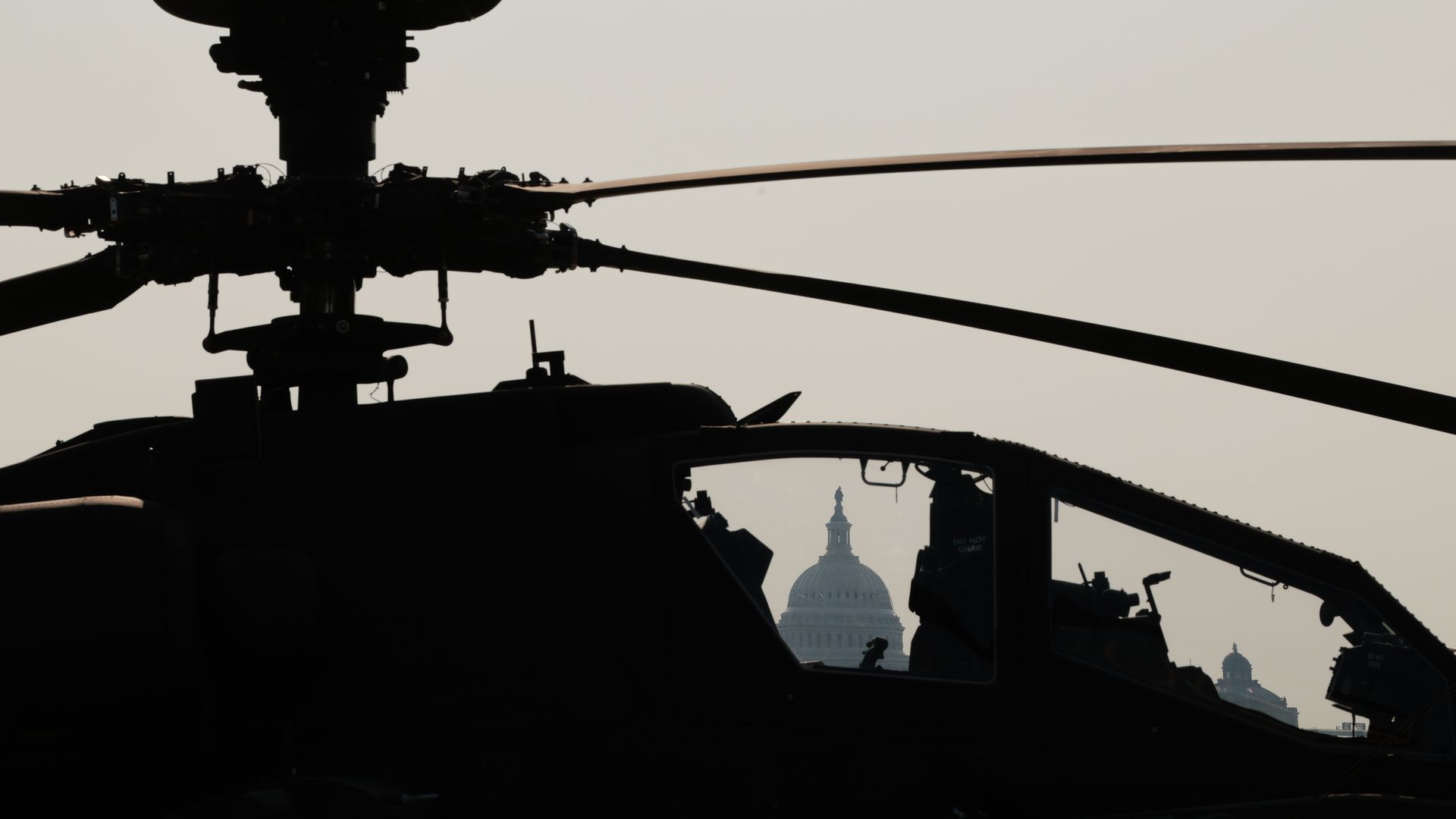
The U.S. launched a series of strikes against Iran on Tuesday evening in response to Iran's downing of a U.S. helicopter, with Iran's military announcing retaliatory strikes targeting U.S. bases in the region.
The big picture: The latest exchange carried the risk of military escalation with Iran even as President Trump is seeking a deal to end the war.
President Trump said the U.S. military has determined that Iran shot down the U.S. helicopter that crashed on Monday in the Strait of Hormuz and pledged a military response.
Why it matters: The incident took place amid U.S.-Iranian negotiations and just a day after Trump brokered a renewed ceasefire between Iran and Israel. It could ignite a fresh round of escalation.
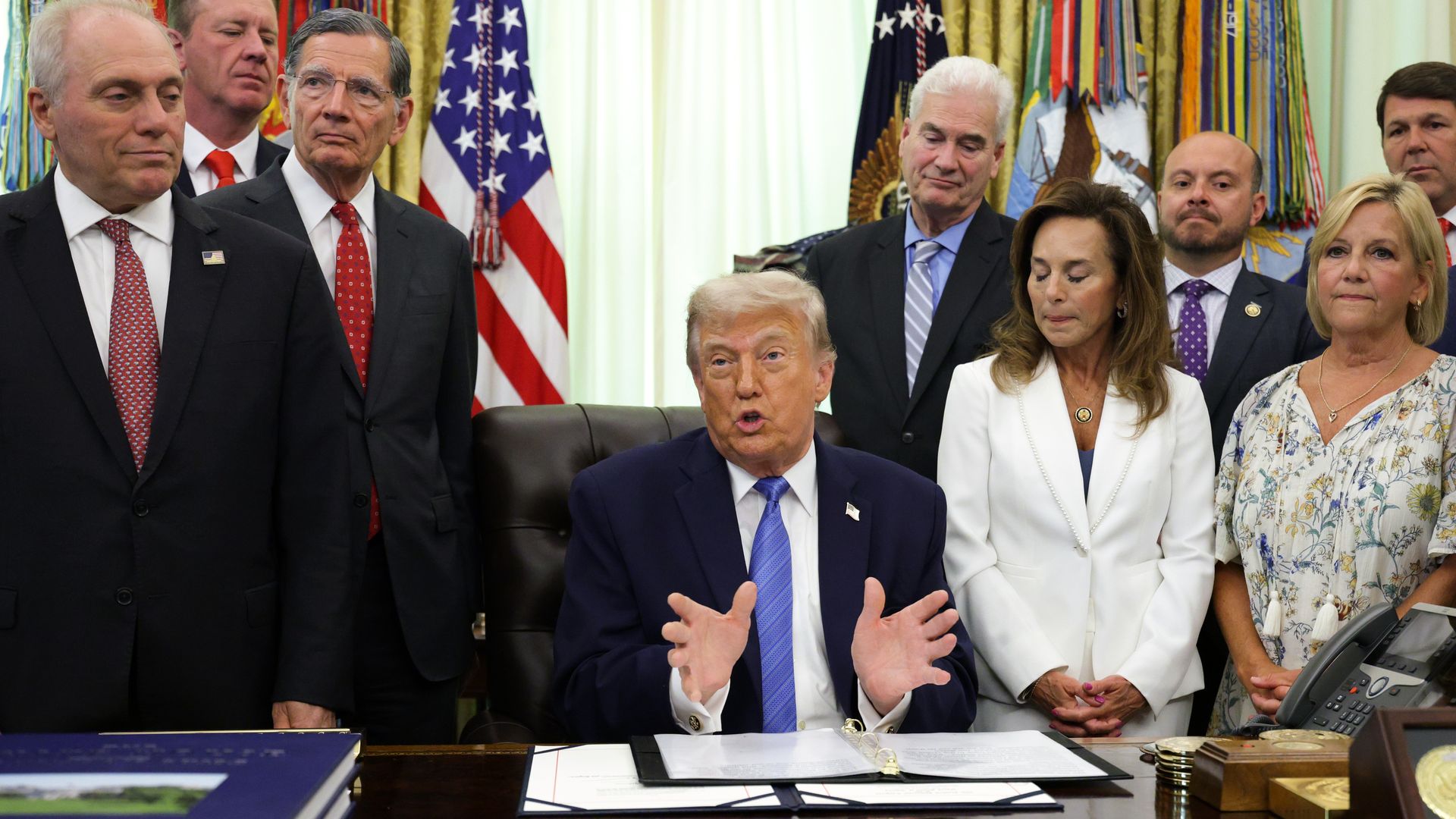
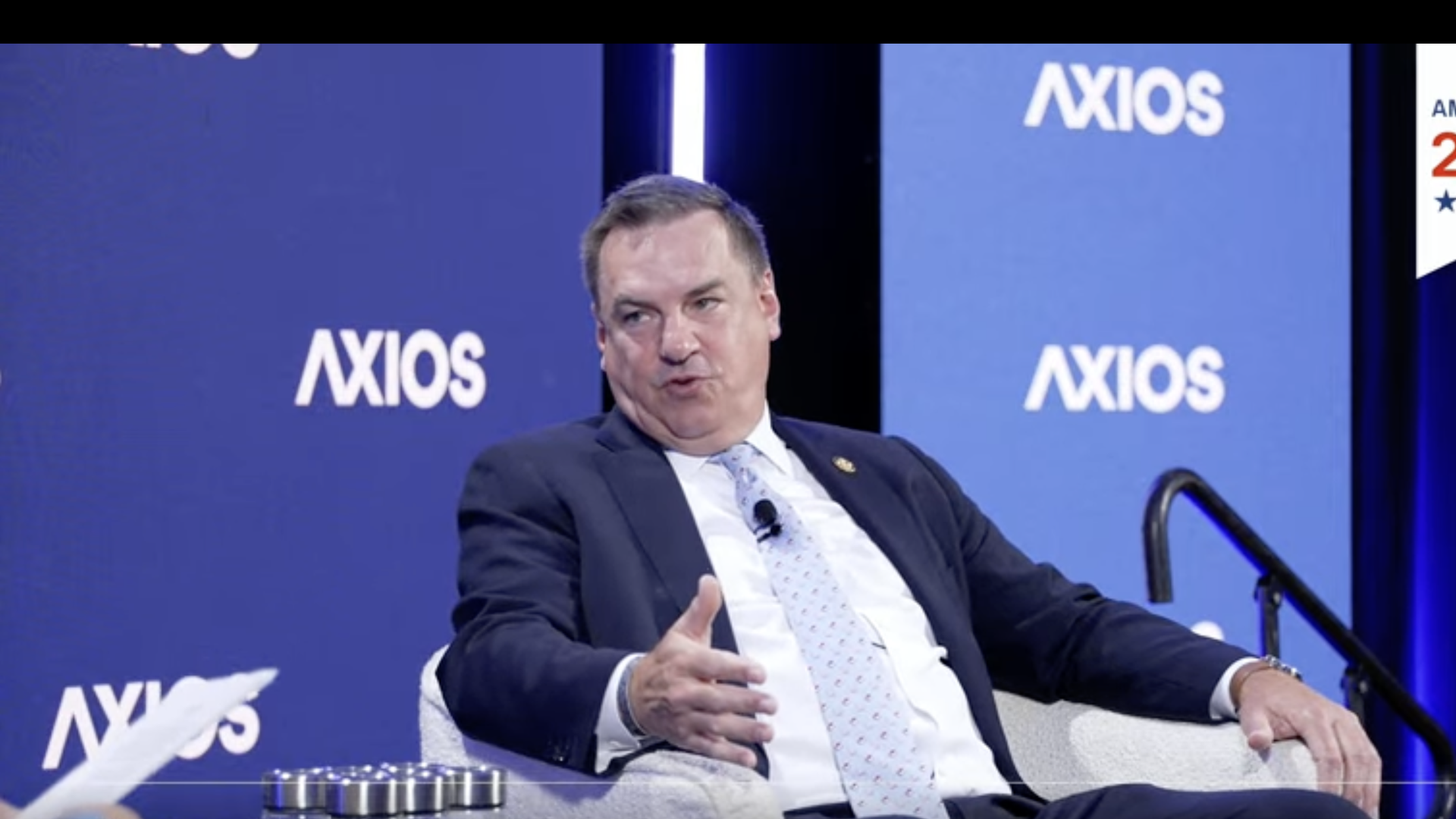
President Trump's comment that he doesn't "care" about midterms has been misinterpreted,National Republican Congressional Committee chairman Rep. Richard Hudson said Tuesday at Axios AM Live.
Why it matters: The president's war in Iran has jacked up prices, and there is growing concern that his unfulfilled promise to address cost-of-living issues could cost Republicans the Senate and the House.
The Trump administration, fearing that international travel could accelerate the spread of Ebola as the World Cup hits America, is pressuring Europe to dramatically shift its strategy for preventing infections, sources tell Axios.
Why it matters: Top Trump aides are frustrated with Europe's limited travel restrictions and want it to abandon the World Health Organization's Ebola playbook in favor of Washington's tighter rules, a senior official said.