A new State Department report accuses Iran, Russia and China of incorporating antisemitic narratives, threats and attacks into operations in both the physical and cyber domains.
Why it matters: The report, which was transmitted to Congress on May 26, is likely to increase pressure on the Trump administration to treat attacks on Jewish communities as part of a broader foreign interference challenge rather than isolated incidents of extremism.
The past 24 hours underscored the risk of the U.S. once again becoming ensnared in major combat operations in the Middle East, despite President Trump clearly wanting out.
On Monday, Trump nudged Israel and Iran back from the brink, but it's unclear for how long.
Why it matters: 100 days into the conflict, Trump still has not secured an elusive deal to end the war and spent the last 24 hours scrambling to avoid its full-scale resumption.
President Trump called on Israel and Iran to "immediately stop shooting" in a post on Truth Social on Monday.
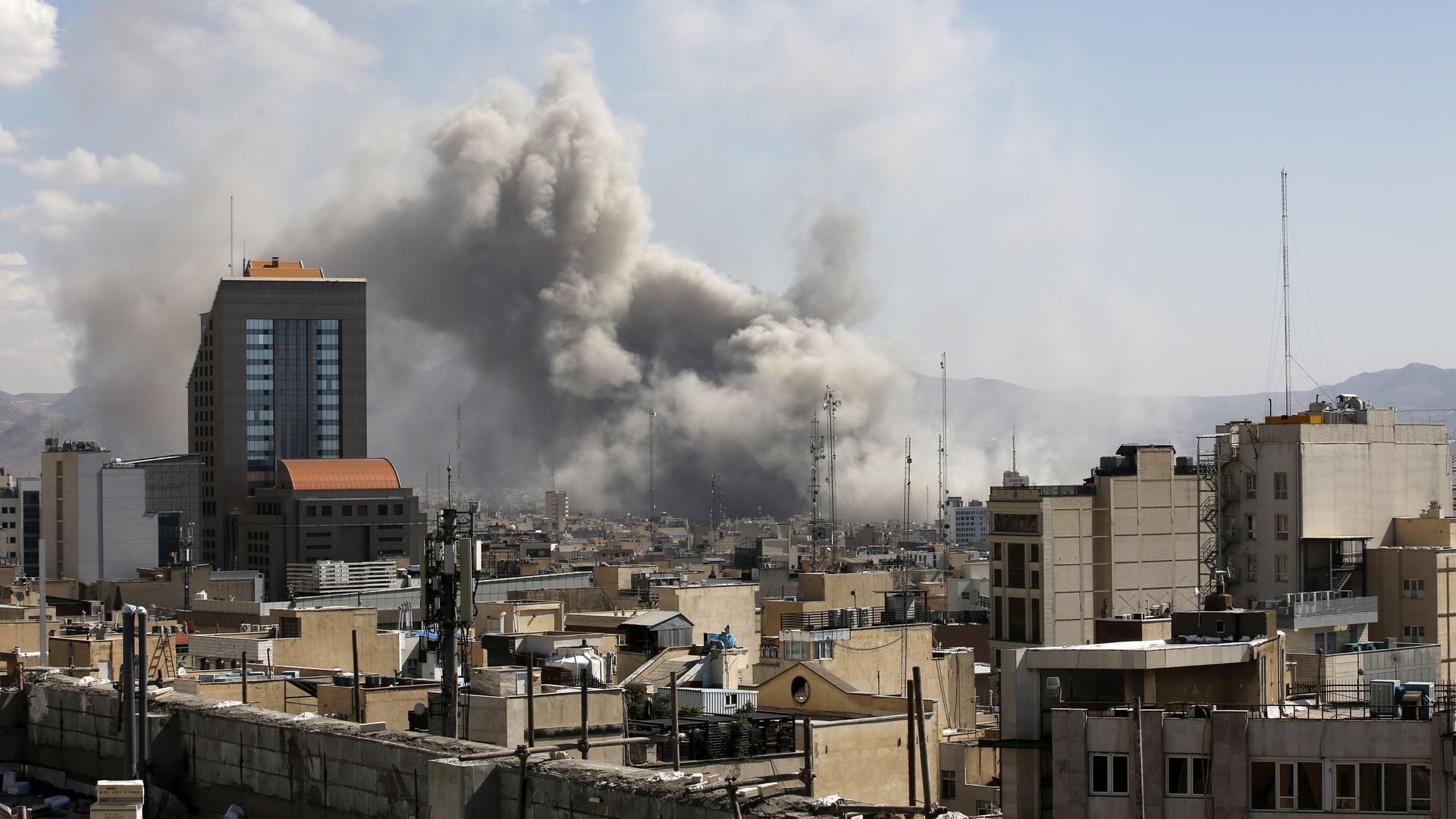
Why it matters: The war between Israel and Iran resumed on Sunday after Israeli Prime Minister Benjamin Netanyahu defied Trump's request to stand down. Israel struck Tehran and other cities after Iran launched missiles toward Israel.
The Israeli Air Force conducted strikes on military targets in central and western Iran on Monday morning local time, the Israel Defense Forces said in a statement.
Why it matters: The strikes, in retaliation for an Iranian missile attack against Israel, mark a new phase in a growing escalation that started on Sunday morning. This is the first time Israel has struck Iran since the April 8 ceasefire.
President Trump told Israeli Prime Minister Benjamin Netanyahu Sunday not to retaliate against Iran's missile attack and allow more time for diplomacy, according to a senior U.S. official and an Israeli source familiar with details of the call.
Why it matters:Trump's effort to restrain an Israeli response signals his administration's push to keep escalating Israel-Iran tensions from derailing ongoing U.S. negotiations with Tehran.
A growing number of Jewish Democrats tell Axios they feel shunned — like unwelcome strangers in their own party.
Why it matters: They warn that the constant and escalating hostilities over Israel's actions in Gaza have at times veered into hostility toward Jewish Americans that could hurt Democrats in 2028.
President Trump will call Israeli Prime Minister Benjamin Netanyahu and press him not to retaliate for Iran's missile attack, Trump tells Axios.
"I am going to call Bibi right now and tell him not to retaliate. Each of them had their fun. Israel had its strike, and Iran had its strike. We don't need another one," Trump said.
Why it matters: The ceasefire in the Middle East is teetering after Israel struck Beirut and Iran fired multiple waves of missiles in response.
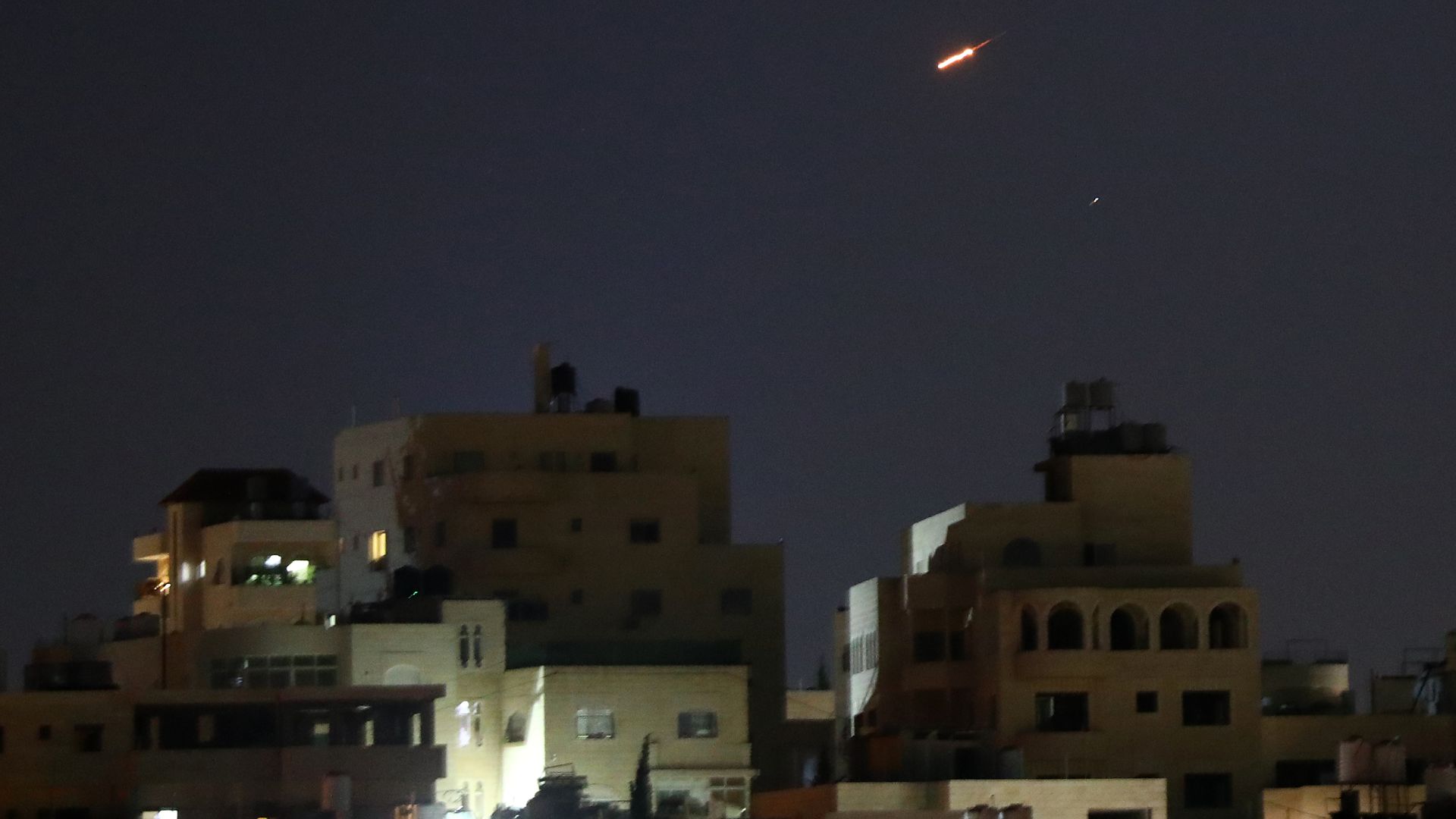
Iran launched missiles at Israel on Sunday in retaliation for an Israeli strike in Beirut earlier in the day, marking the first direct Iranian missile attack since the April 8 ceasefire.
Why it matters: This marks a major regional escalation and threatens to unravel U.S.–Iran negotiations and reignite the war.
Israel struck Beirut's southern suburbs Sunday in retaliation to a Hezbollah missile attack on northern Israel, Israeli officials said.
Why it matters: Iran threatened last week to launch a missile attack against Israel if it attacks Beirut, while the U.S. has backed Israel's right to self-defence. Such a move could unravel U.S.–Iran negotiations and reignite the war.
President Trump abruptly ended a wide-ranging "Meet the Press" interview Sunday after defending potential payouts for people prosecuted over Jan. 6 and warning slow Iran talks could restart U.S. military action.
Why it matters: The NBC interview captured two fights likely to follow Trump this week: the scope of his Iran operation, and whether taxpayer money should go to people he casts as victims of political prosecutions.
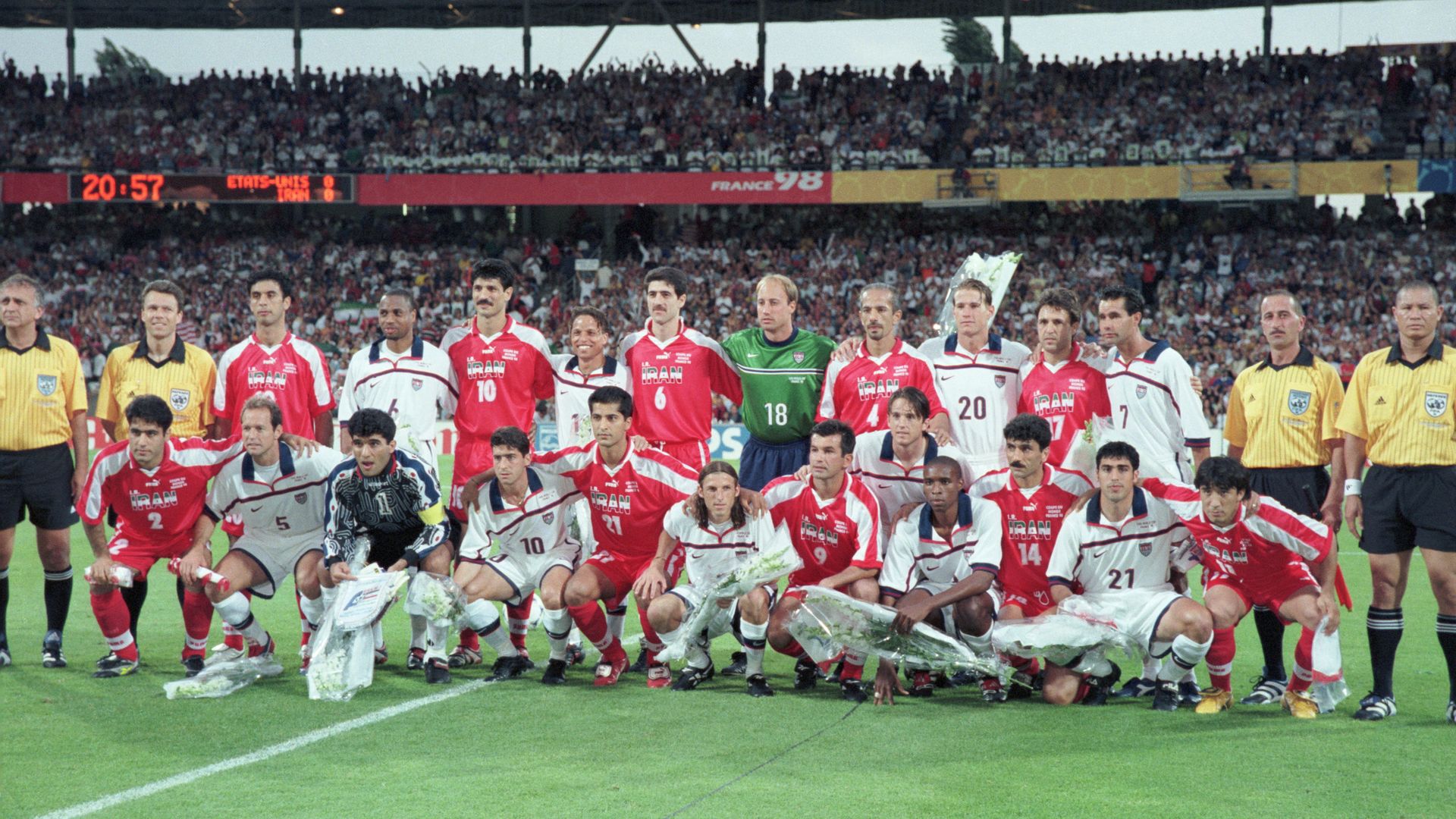
The U.S.-Iran war is forcing FIFA to navigate a diplomatic and logistical mess before the World Cup even kicks off Thursday.
Why it matters: Iranians are largely banned from traveling to the U.S. right now, while Iran's national team will face an exhausting itinerary each time it plays on U.S. soil.