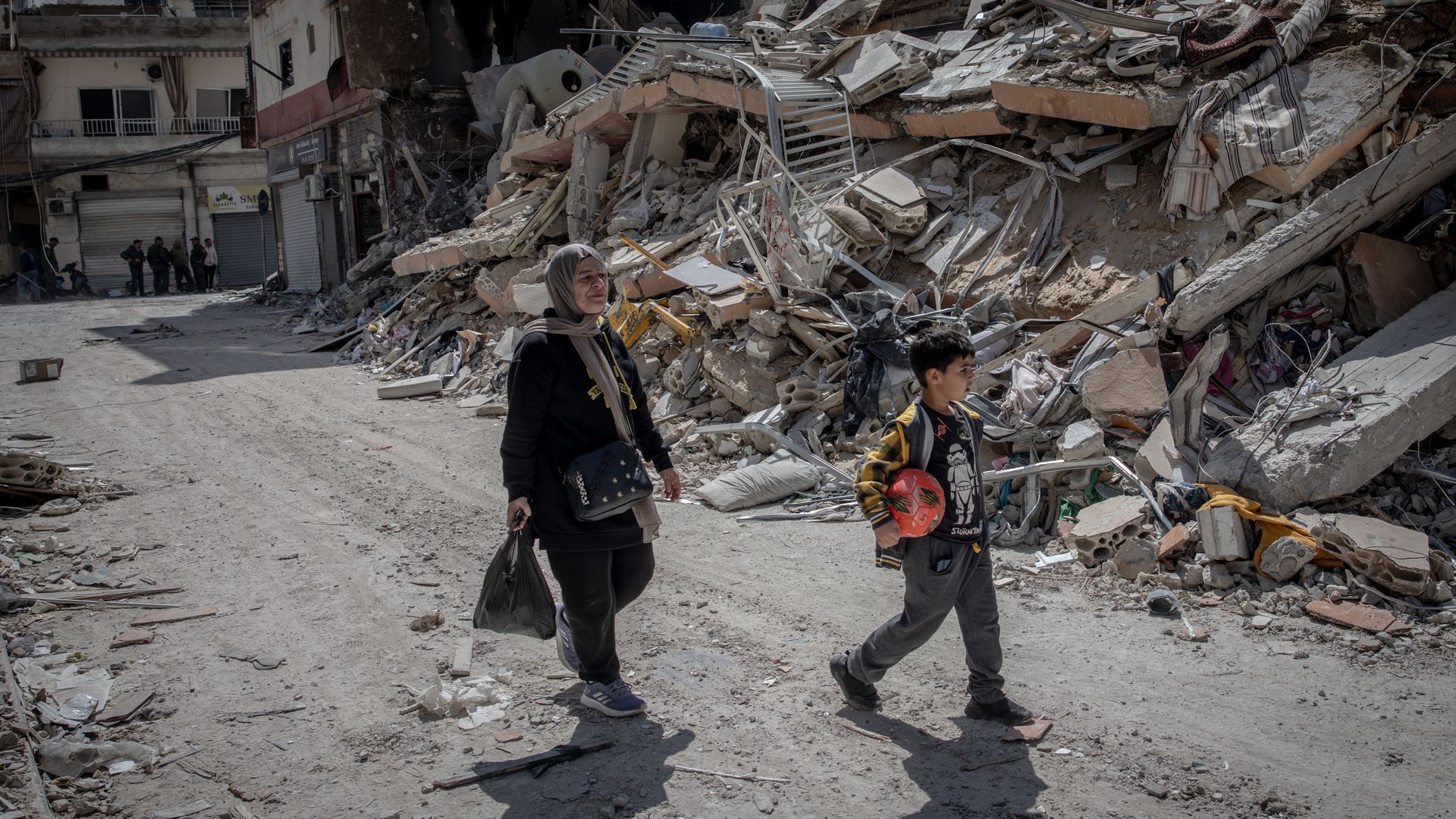
The Lebanese government and the Trump administration have asked Israel for a "pause" in its attacks against Hezbollah before direct negotiations between Israel and Lebanon begin next week, according to two sources with knowledge.
Why it matters: The Israeli offensive in Lebanon has become a sticking point in the negotiations between the U.S. and Iran, which claims Israel is violating the ceasefire. The U.S. denies Lebanon was covered by the ceasefire, but has asked Israel to deescalate.
As high as those oil prices flashing on TV are, underlying market conditions are even worse — and so is the unfolding global economic pain.
Why it matters: Headline-grabbing futures prices — bets on where oil prices are headed — are far below the cost of increasingly scarce physical shipments.
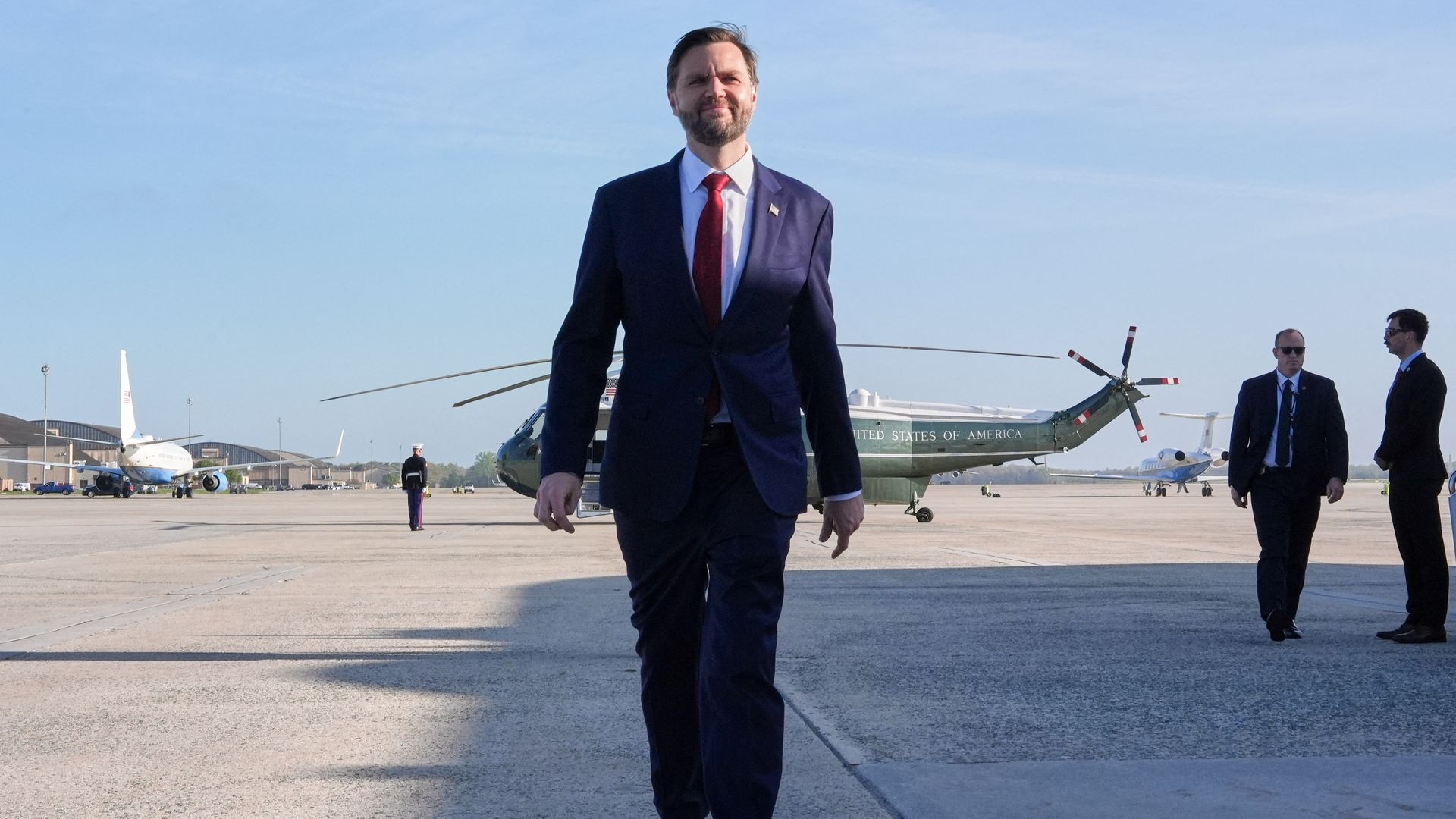
Vice President Vance left Friday for Pakistan and the biggest challenge of his career: negotiating a deal with Iran to solve the nuclear dispute and end the war.
"This is a big deal for JD. He is going to the Super Bowl," one U.S. official told Axios.
Why it matters: While the meeting itself is historic — the most high-level engagement between U.S. and Iranian officials since 1979 — the chances for success appear low. Both sides know the risk of failure is renewed war, but have clashing visions for peace.
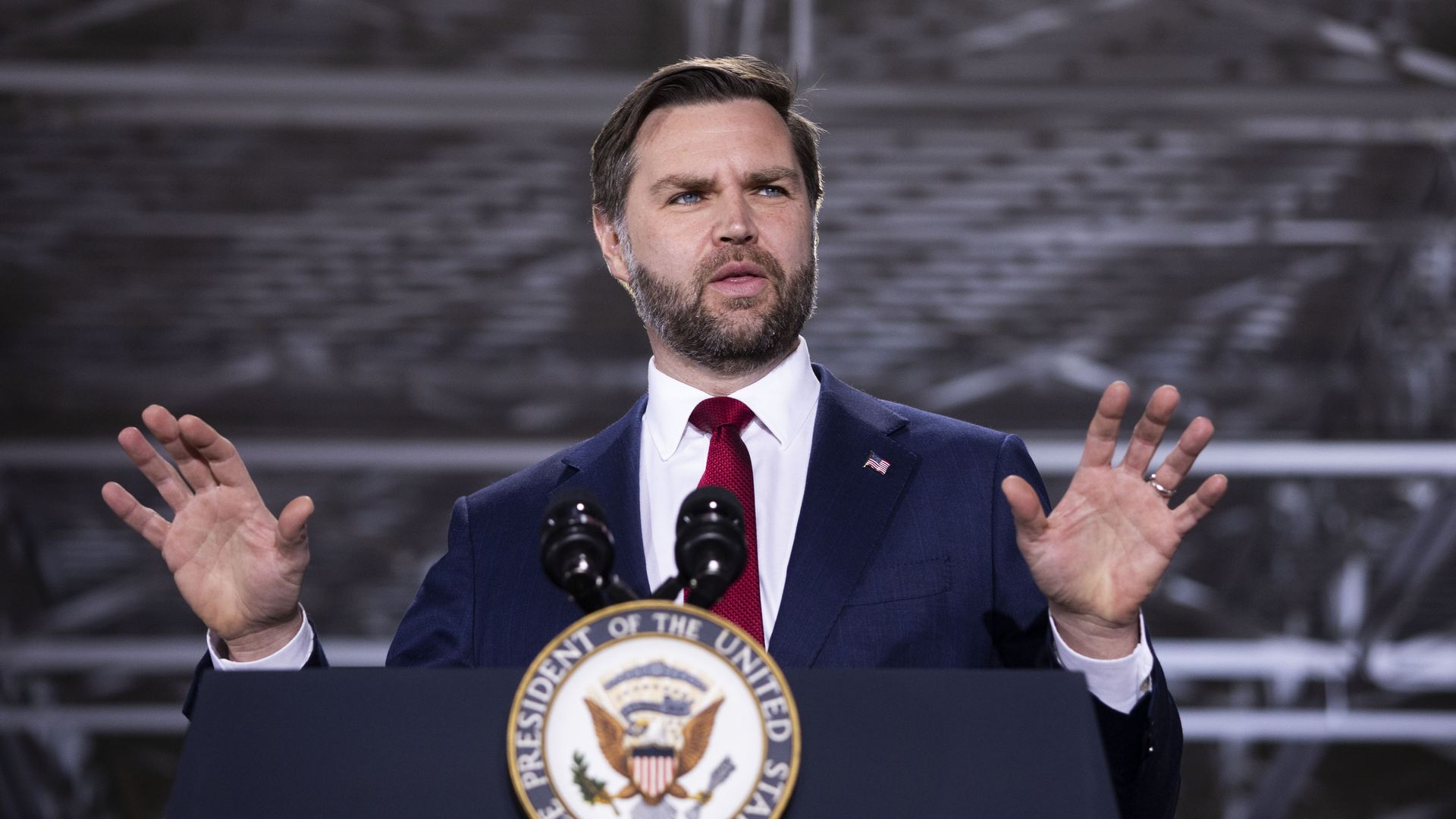
Vice President JD Vance will lead the U.S. team in Iran peace talks when negotiations begin in Pakistan on Saturday.
Why it matters: Vance has been one of the most active vice presidents in recent memory throughout Trump's second term, taking a leading role in conversations with Europe and becoming the face of certain domestic policies. Brokering a peace deal with Iran might be his biggest challenge yet.
March's inflation numbers had one story: the Iran war-driven energy price surge that almost single-handedly explains the fire-hot report.
The worst of the inflation surge in other categories — airfares, groceries and more — is yet to come.
Why it matters: The report captures the first wave of the Iran war's inflationary fallout. Energy shocks transmit through the economy in a sequence that will take more time to play out.
President Trump can't abandon NATOon his own, but he can still turn the relationship toxic as he rails at American allies who sat out his Iran war.
The big picture: America has been the backbone of the transatlantic alliance since 1949, but experts warn Trump's rhetoric and behavior threaten to undermine NATO's mutual trust even if the U.S. remains a member.
U.S. inflation surged in March as the effects from the Iran war hit consumer wallets: The Consumer Price Index rose 0.9%, the biggest monthly increase since 2022, while the annual measure climbed to its highest level in two years.
Why it matters: The first inflation report of the war era captures the higher costs Americans faced last month — with knock-on effects still reverberating through the economy.
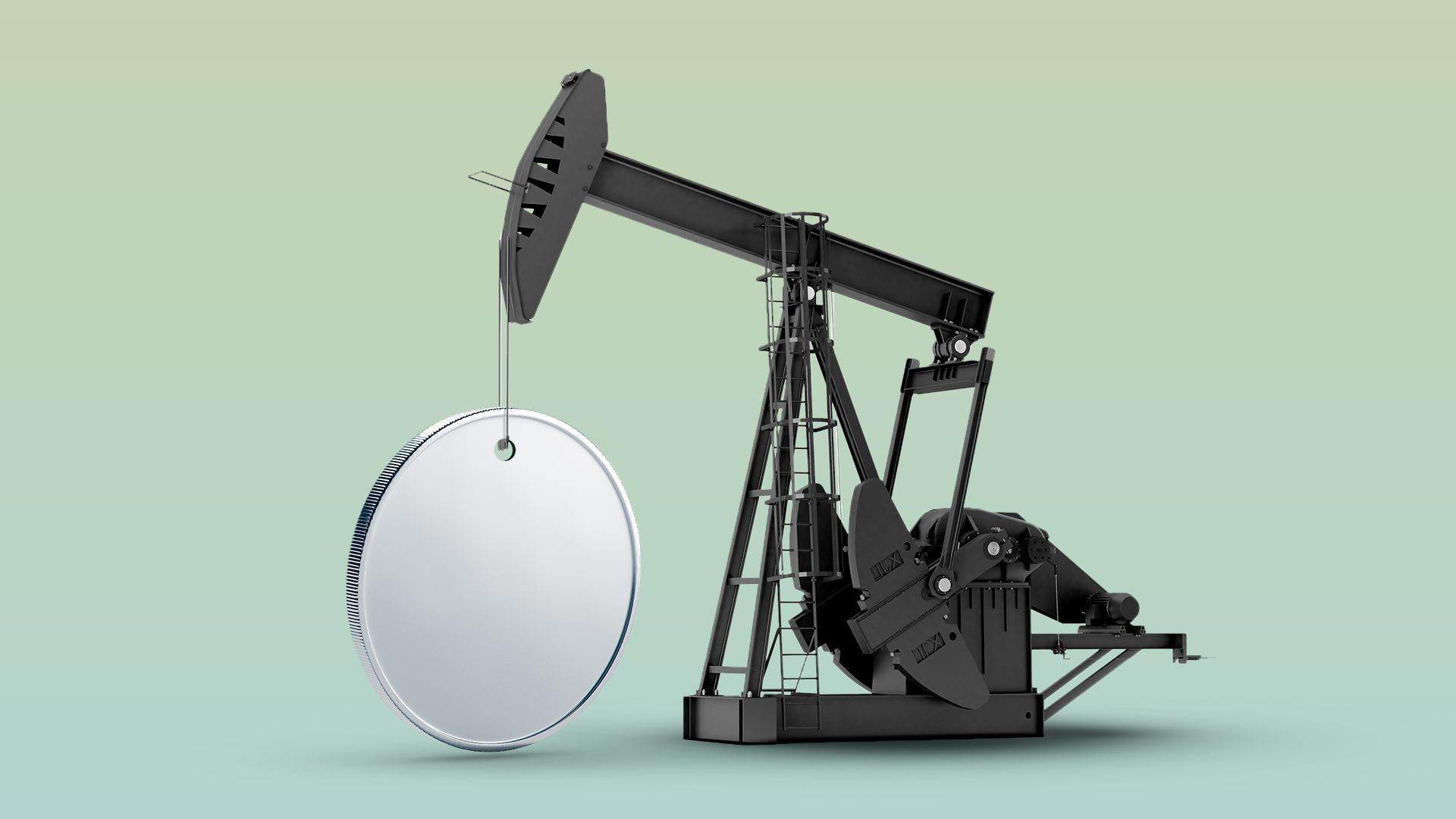
The fate of the "petrodollar" hangs in the background of the energy shock from the Iran war.
How it works: The term refers to the fact that oil trades globally in dollars: billions and billions of them spent every day all around the world.
The oil market creates a permanent, built-in global demand for dollars.
It's a big reason the U.S. currency sits at the center of the world financial system.
"When you think about the dollar as the world's dominant currency, the petrodollar is right at the heart of that," says Edward Fishman, author of "Chokepoints" and director of the Center for Geoeconomics at the Council on Foreign Relations.
The intrigue: There are a few risks now. Iran currently sells oil priced in the Chinese currency, the yuan, and if sanctions lift, it could start selling even more oil that is not denominated in dollars.
Plus, Iran is also seeking to charge a toll on traffic through the Strait of Hormuz.
There's talk of the toll being charged in yuan or crypto.
A non-dollar toll would be a threat to the petrodollar system, says Fishman.
Zoom in: There's a lot of nervousness among global companies trying to navigate the situation in Iran, says Safiya Ghori-Ahmad, senior director with APCO Worldwide, a public affairs and strategic communications firm.
"What that leads to over time is diversification away from the dollar."
Yes, but: It's something that economists have warned about for a long time, but for the moment the dollar dominates the oil market and economy. No one is saying this would change overnight.
Iran may even be seeking to toll the strait in order to get more dollars, Brad Setser, a senior fellow at the Council on Foreign Relations, tells Axios.
The bottom line: This is a defining moment for "Pax Dollar," says Ken Rogoff, the Harvard economist and former chief economist at the International Monetary Fund who warned that the U.S. ripping up trade agreements could destabilize the dollar in a recent book, "Our Dollar, Your Problem."
What's happening now, he says, is more momentous: "This is really bigger than 'Liberation Day.'"
President Trump sounded ready to dismiss top intelligence chief Tulsi Gabbard until he got an earful last week from one of his oldest friends and advisers, Roger Stone, Axios has learned.
Why it matters: Trump was displeased with Gabbard when she didn't wholeheartedly endorse the Iran war during her recent testimony to Congress about threats to the U.S., according to five advisers and confidants who spoke with the president.