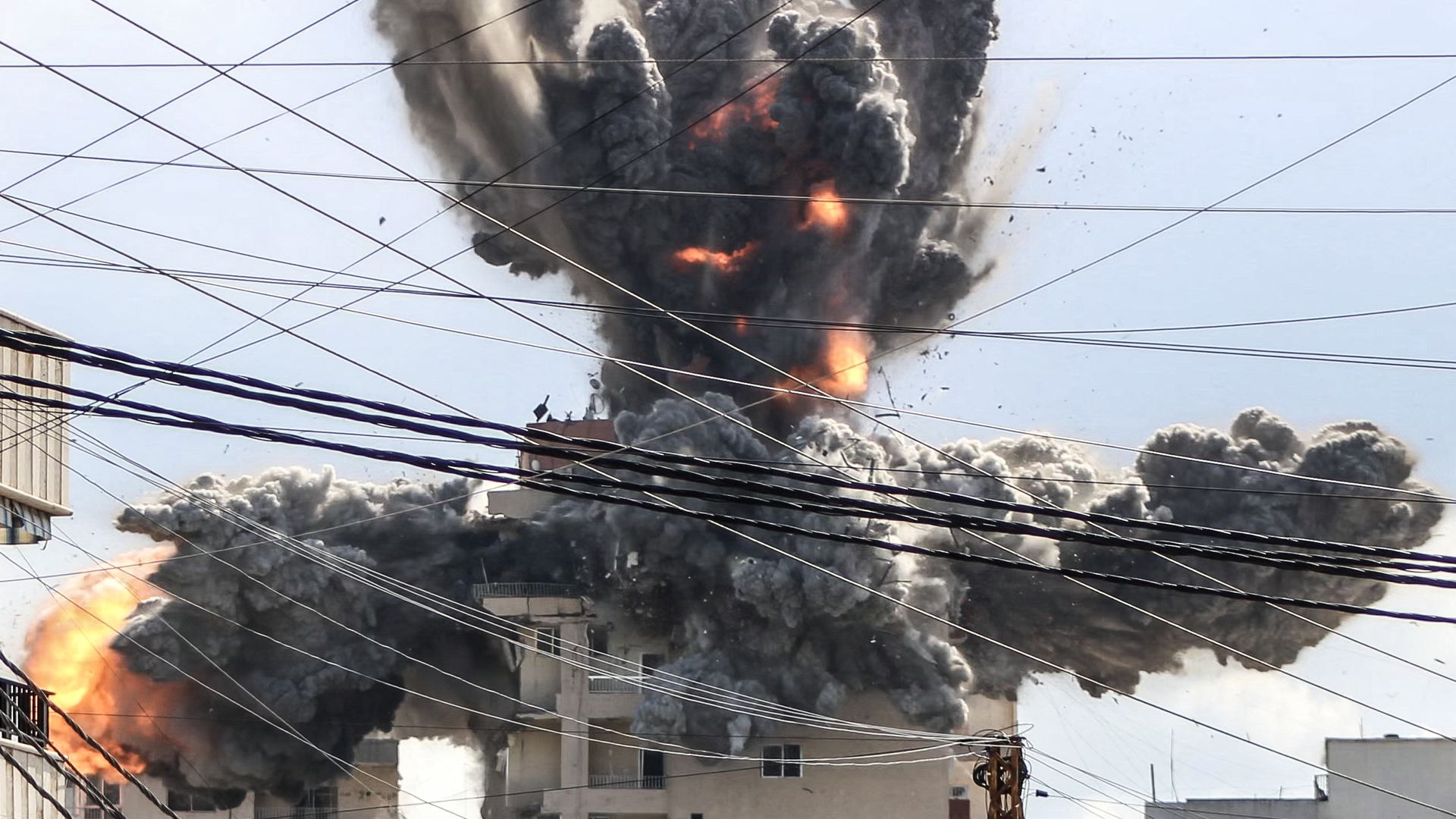
Vice President Vance said Wednesday Israel has proposed to restrain itself when it comes to strikes in Lebanon as long as the negotiations between the U.S. and Iran are taking place.
Why it matters: The Israeli military's renewed attacks in Lebanon posed an immediate challenge to the stability of the ceasefire and led Iran to threaten to pull out of negotiations with the U.S. planned for Saturday. At least 254 people have been killed in Israel's strikes, according to Lebanese Civil Defense.
Vice President JD Vance will head the U.S. negotiating team for the peace talks with Iran on Saturday, White House press secretary Karoline Leavitt said on Wednesday.
Why it matters: It's the highest level meeting between the U.S. and Iran since the 1979 Islamic revolution, as ceasefire negotiations hit a crucial tipping point that could lead to the resumption and escalation of the war if the high-stakes talks fail.
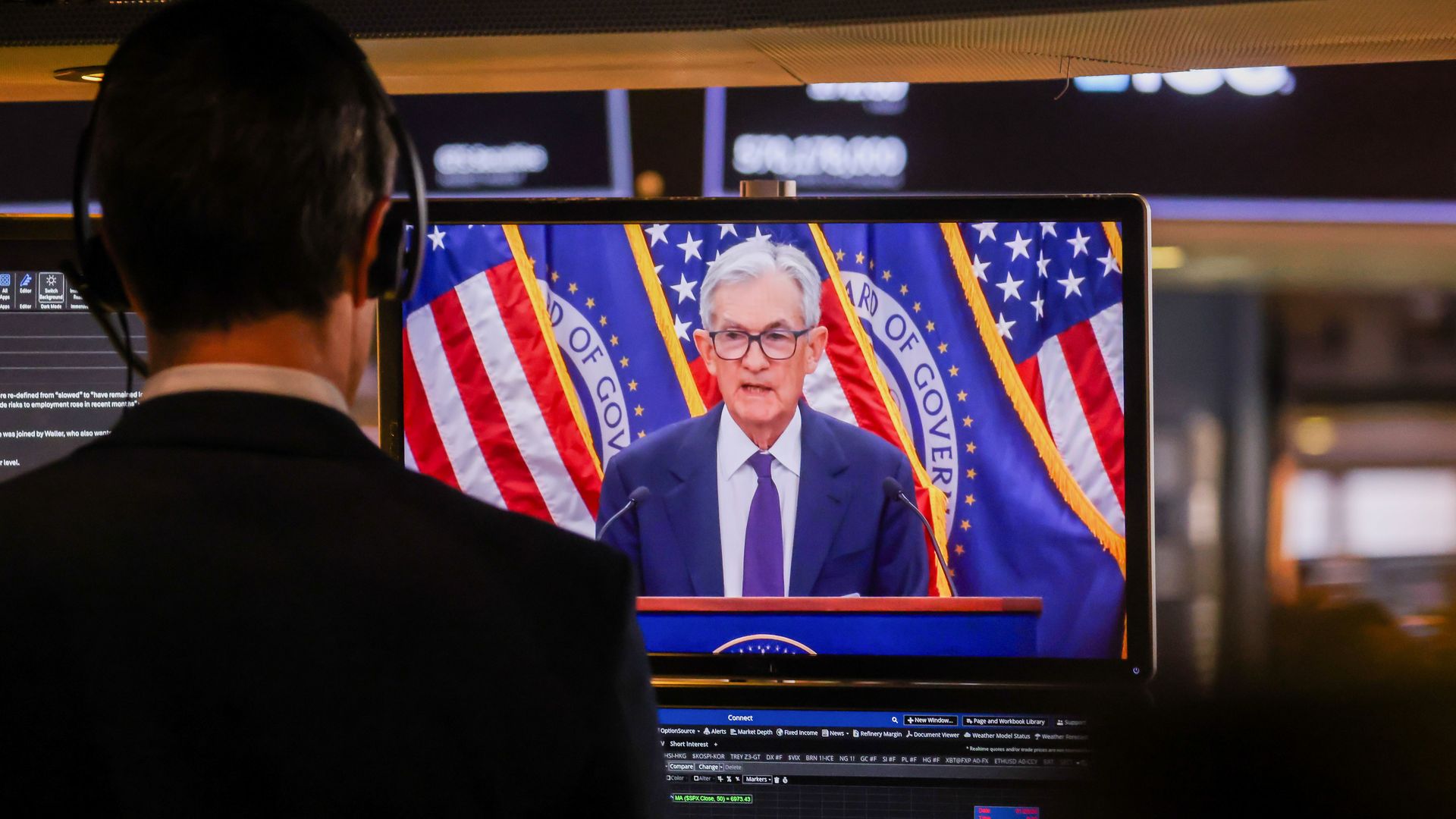
Some Federal Reserve officials wanted to keep interest rate increases on the table, given the stubborn inflation that was set to be amplified by the Iran war, according to minutes from the central bank's March 17-18 policy meeting, released Wednesday.
Why it matters: Even as many officials see rate cuts down the line, the prospect of increasing rates highlights the uncertainty about the path of borrowing costs this year.
Airline stocks surged Wednesday as a ceasefire in the Iran war eased fears of a prolonged fuel shock and Delta signaled that travel demand remains strong.
Why it matters: The spike in jet fuel prices has sparked fears of a slowdown in travel as ticket prices rise — but Delta's projections suggest travelers will be resilient.
The U.S., Israel and Iran agree that a ceasefire is now in effect, but they're contradicting each other and themselves in terms of what's actually been agreed to and what happens now.
Why it matters: Those differences will have to be reconciled at the negotiating table, beginning on Saturday in Islamabad. One thing everyone agrees on is that there is no guarantee this war is actually over.
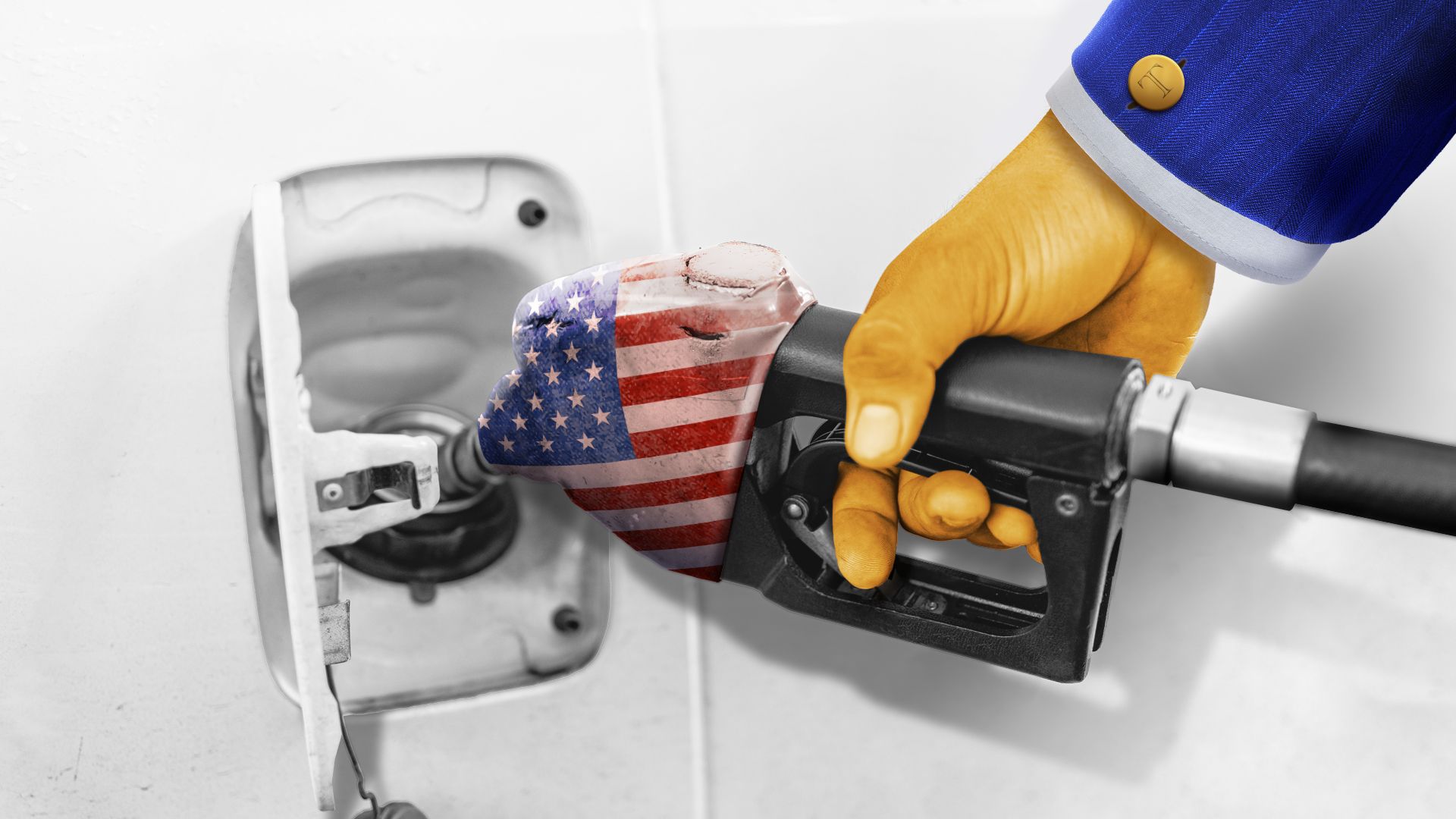
Gasoline prices could start reversing nationally in the next two days by dropping a few cents daily, GasBuddy head of petroleum analysis Patrick De Haan said Tuesday night.
Why it matters: Average U.S. gas prices have climbed more than 70 cents over the past month due to the Iran conflict, presenting a worsening political headache for President Trump.
The U.S. and Iran agreed to a two-week ceasefire Tuesday night — with a commitment to open the Strait of Hormuz — and oil prices plunged, the biggest one-day fall for Brent crude since the 1991 Gulf War.
Why it matters: Investors seemed to see it coming, even as many others agonized over President Trump's threat to eliminate Iran's "civilization," and stocks barely flinched Tuesday, just as they have declined only modestly since the war started.
Untangling the largest disruption in oil market history won't happen quickly or easily — and that means continued high prices and scarcity in major importing countries.
Why it matters: A big thing to watch following the U.S.-Iran ceasefire deal is whether it gives tanker owners enough certainty to begin resumption of large-scale traffic of oil, petroleum products and other commodities through the Strait of Hormuz.
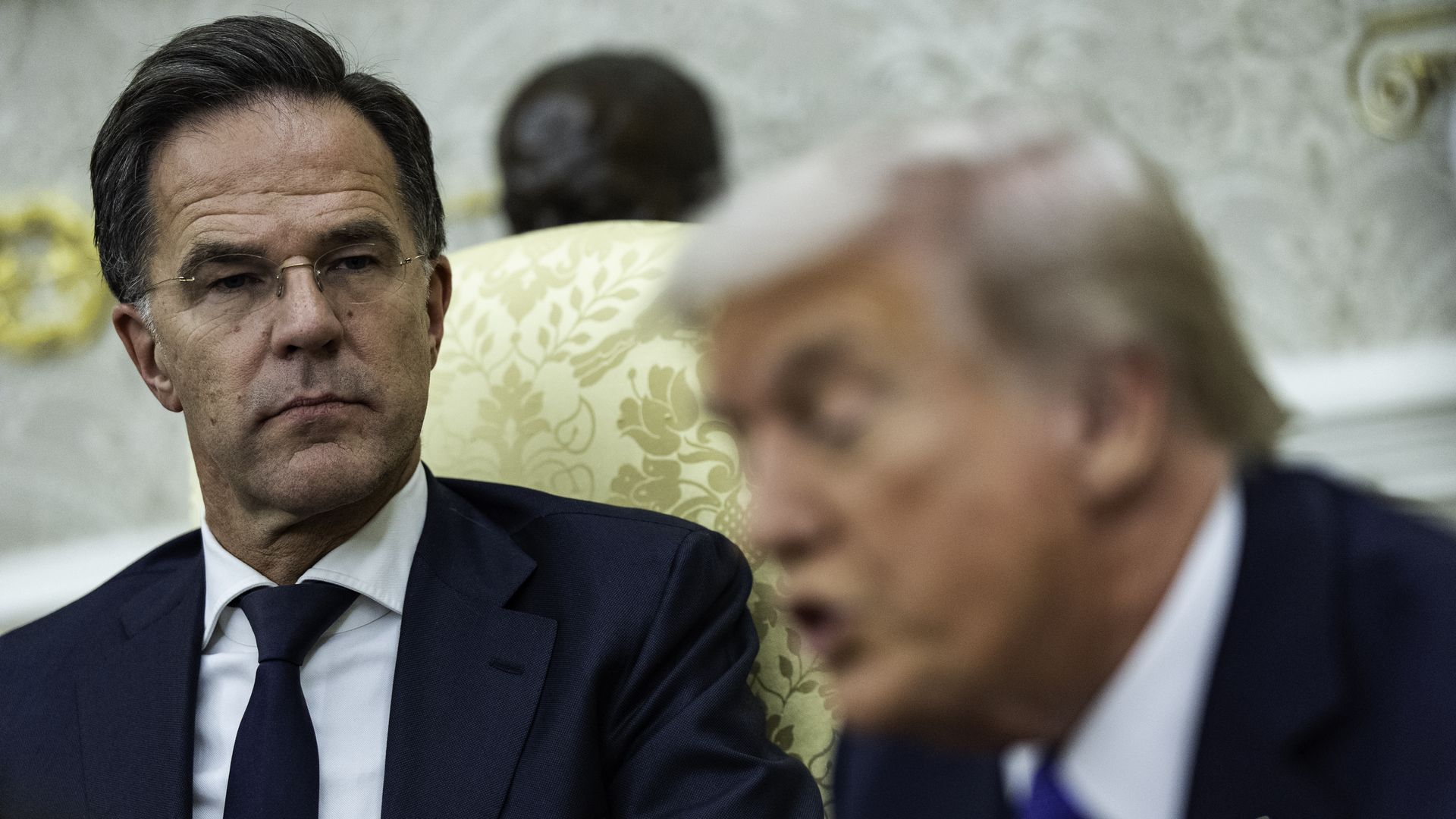
NATO chief Mark Rutte returns to Washingtonthis week, facing fresh doubts about the alliance inside the White House and on the Hill.
Why it matters: His relationship with President Trump will be put to the test, as the geopolitical stakes — the near-future of the transatlantic bond, ongoing war in the Middle East, gas-price gloom, European rearmament and more — ratchet up.
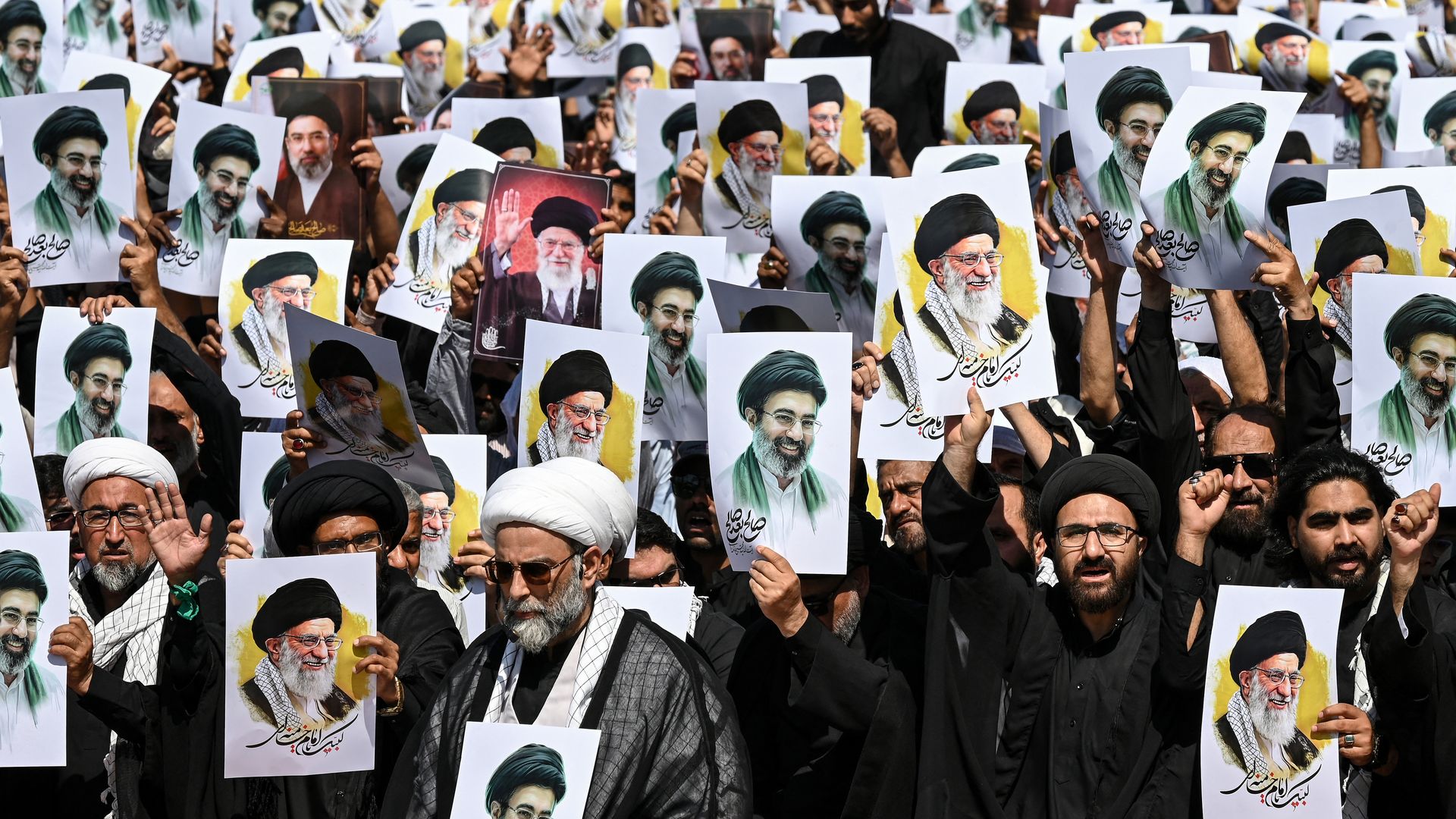
Officials in the U.S. and Israel learned of an intriguing development on Monday, with President Trump's ultimatum looming: Supreme Leader Mojtaba Khamenei had instructed his negotiators, for the first time since the war began, to move towards a deal, according to an Israeli official, a regional official and a third source with knowledge.
The big picture: As Trump was publicly threatening total annihilation, there were signs of diplomatic momentum behind the scenes — though even sources close to Trump didn't know which outcome to expect right up until a ceasefire was announced.
Crude oil prices dropped sharply Tuesday evening, falling well under $100 per barrel after President Trump said the U.S. agreed to a two-week ceasefire with Iran that Pakistan had proposed.
Why it matters: Apart from COVID, it's the biggest one-day free fall in oil prices since the 1991 Gulf War.