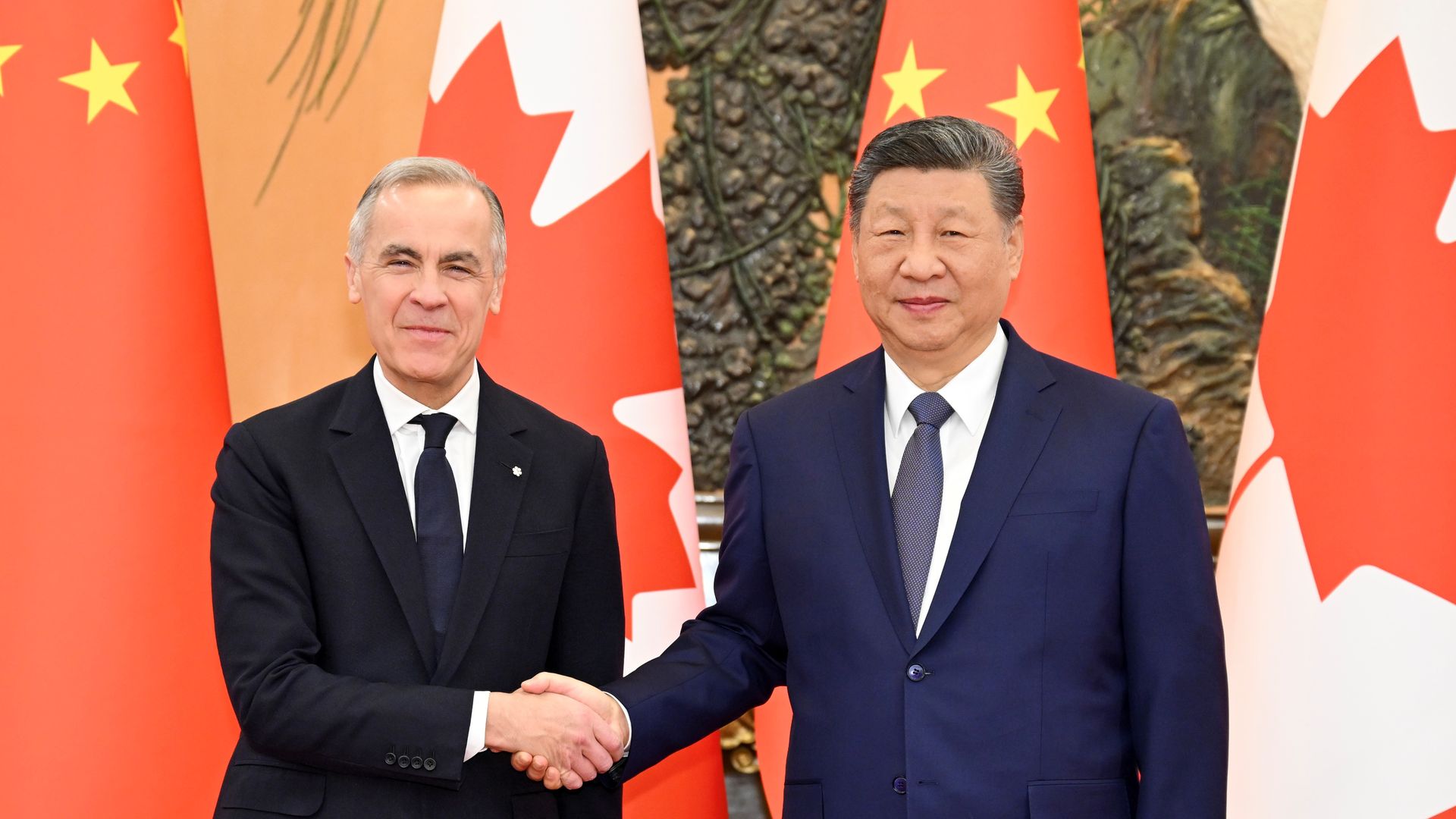
Canadian Prime Minister Mark Carney's decision to ease trade tensions with China is the latest sign that U.S. allies squeezed by Trump-era tariffs are recalibrating — and in some cases, drifting closer to Beijing.
Why it matters: President Trump's tariff-driven trade strategy is accelerating efforts by U.S. partners to hedge and diversify, creating openings for China as countries manage retaliatory trade fallout.
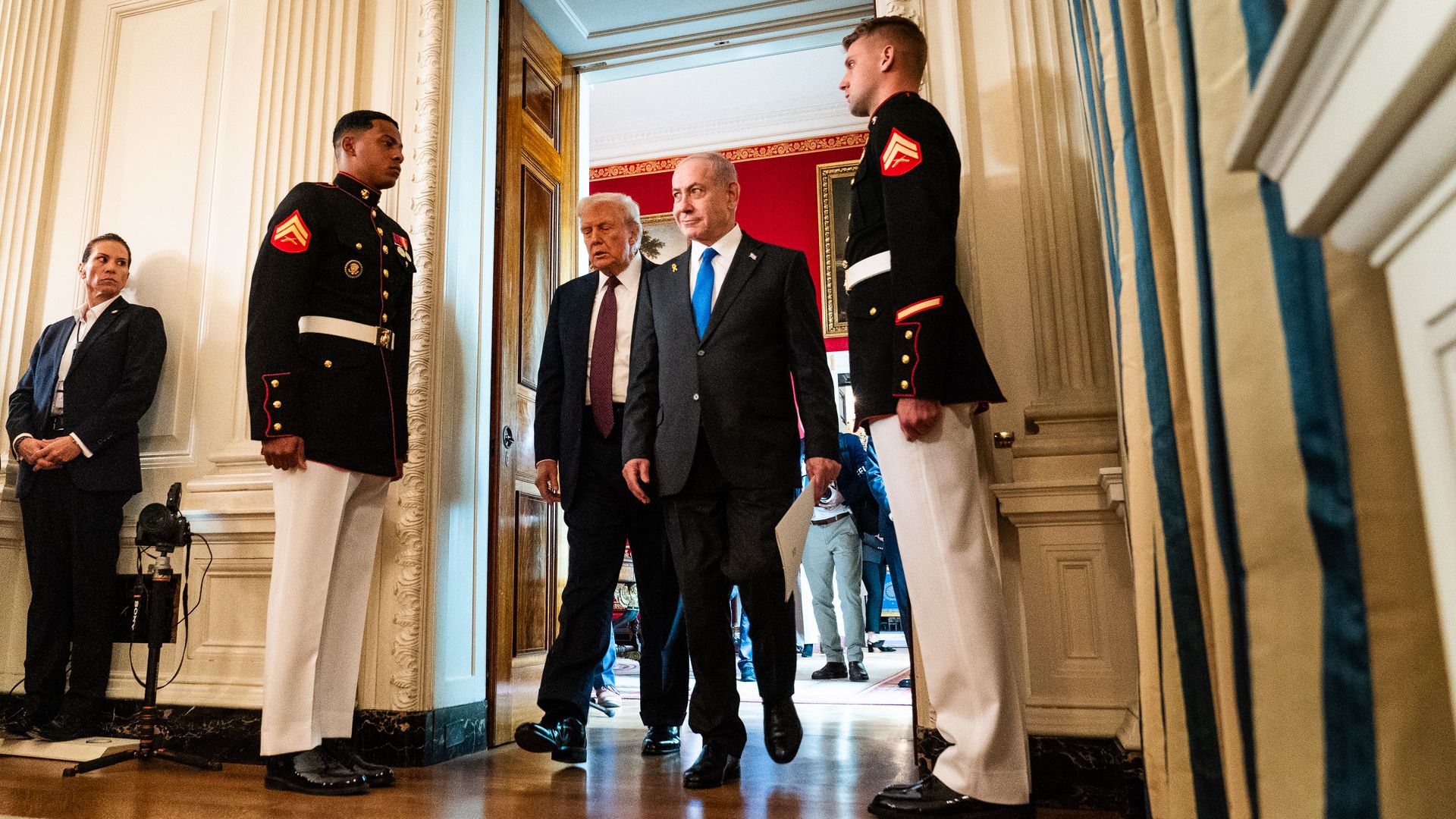
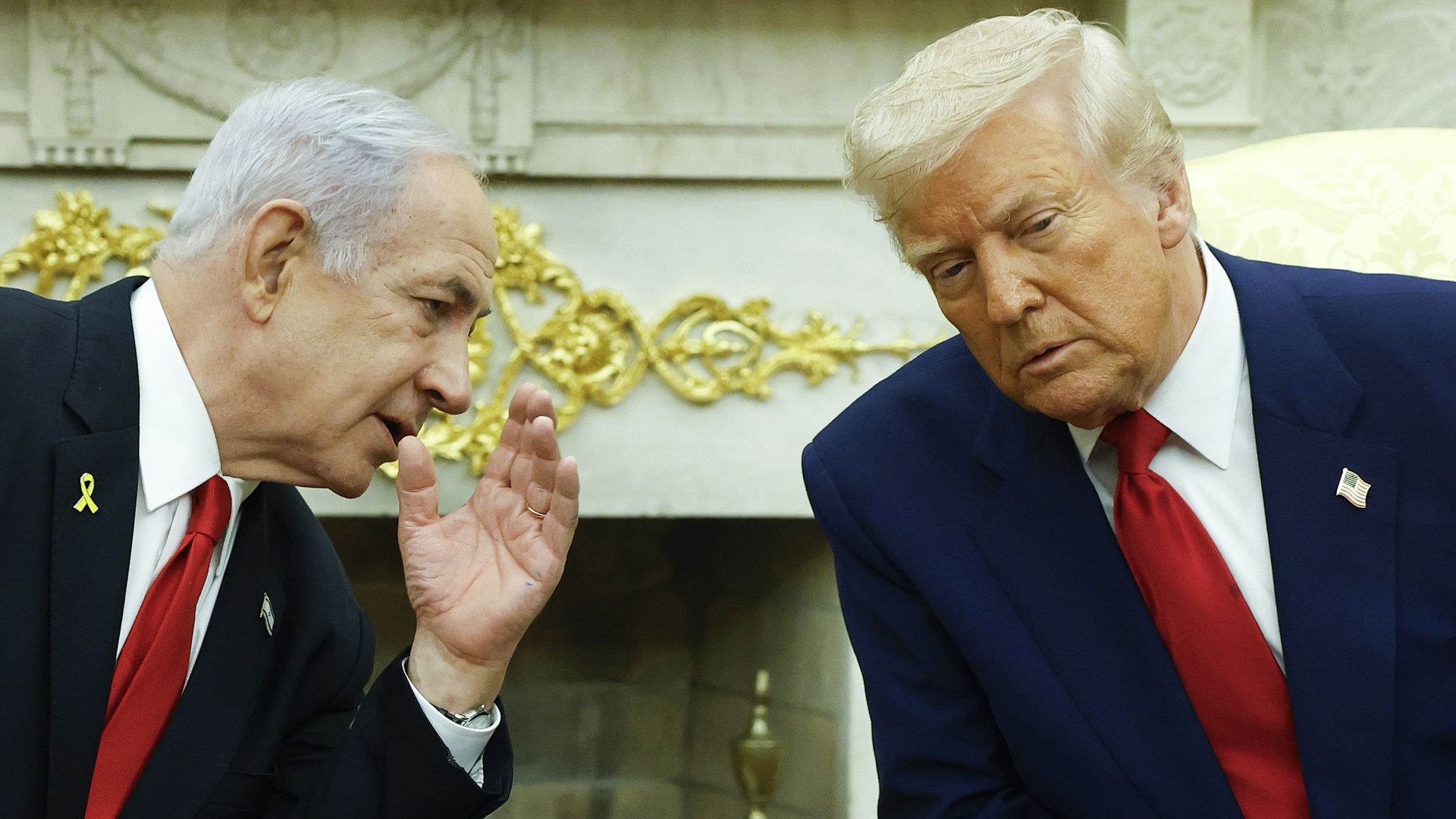
President Trump spoke with Israeli Prime Minister Benjamin Netanyahu by phone Thursday evening to discuss the situation in Iran, according to two sources with knowledge of the call.
Why it matters: It's their second call in two days as Trump reviews his options for a possible military strike or diplomatic negotiations with an Iranian regime rocked by widespread protest and upheaval.
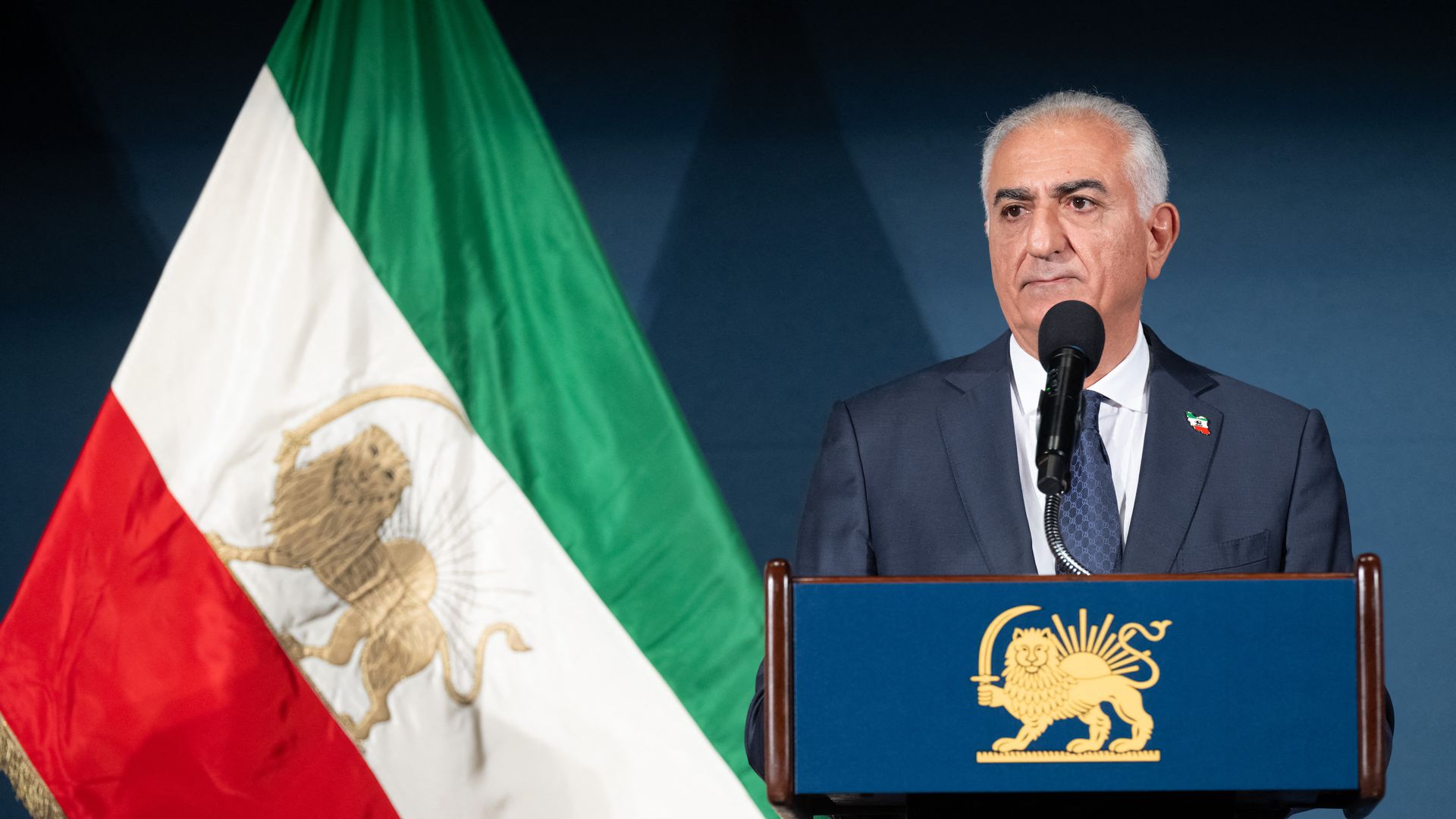
Reza Pahlavi, the exiled former crown prince of Iran, said Friday that the Iranian protesters are risking their lives and placing their trust in President Trump to intervene to help them.
Why it matters:Trump repeatedly threatened to intervene if Iran killed protesters and promised that help was on the way. But he has delayed his decision as aides and allies like Israel express doubts that U.S. airstrikes would actually challenge the stability of the regime.
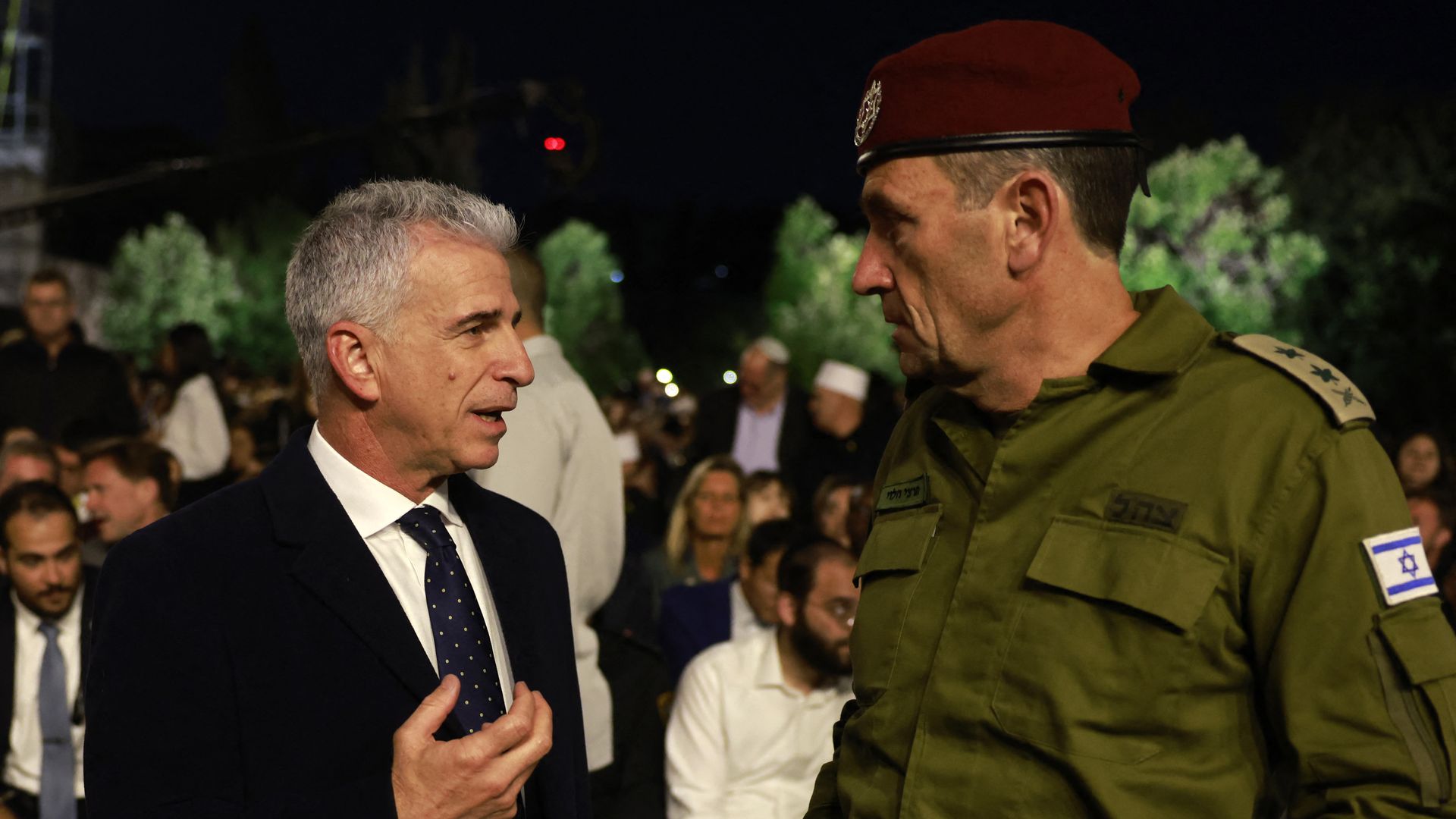
The director of Israel's Mossad spy agency, David Barnea, arrived in the U.S. on Friday morning for talks on the situation in Iran, according to an Israeli source and another source with knowledge of the meeting.
Why it matters: Barnea's visit is part of the consultations between the U.S. and Israel over the protests in Iran and possible U.S. military action in response to the regime's crackdown.
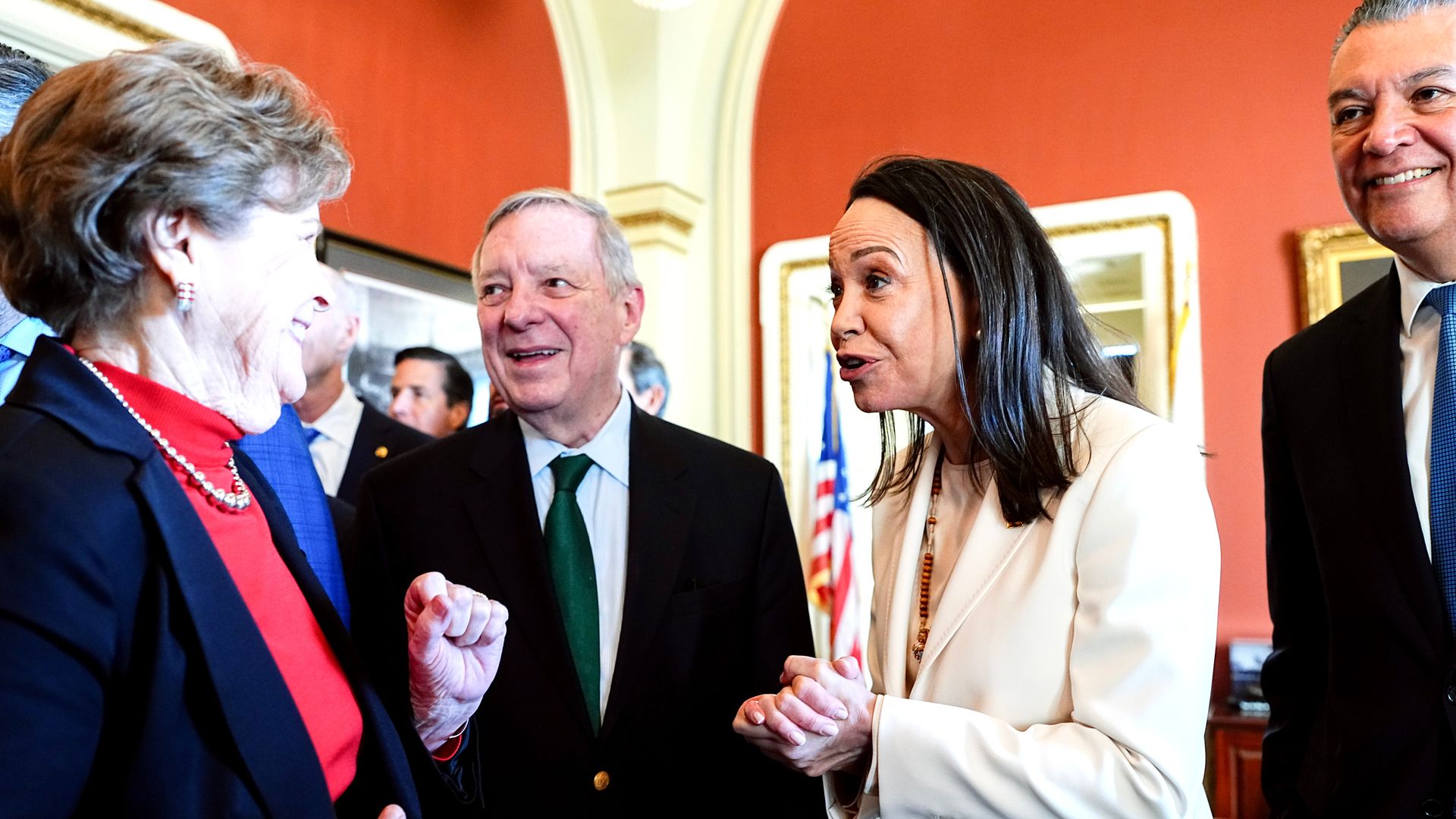
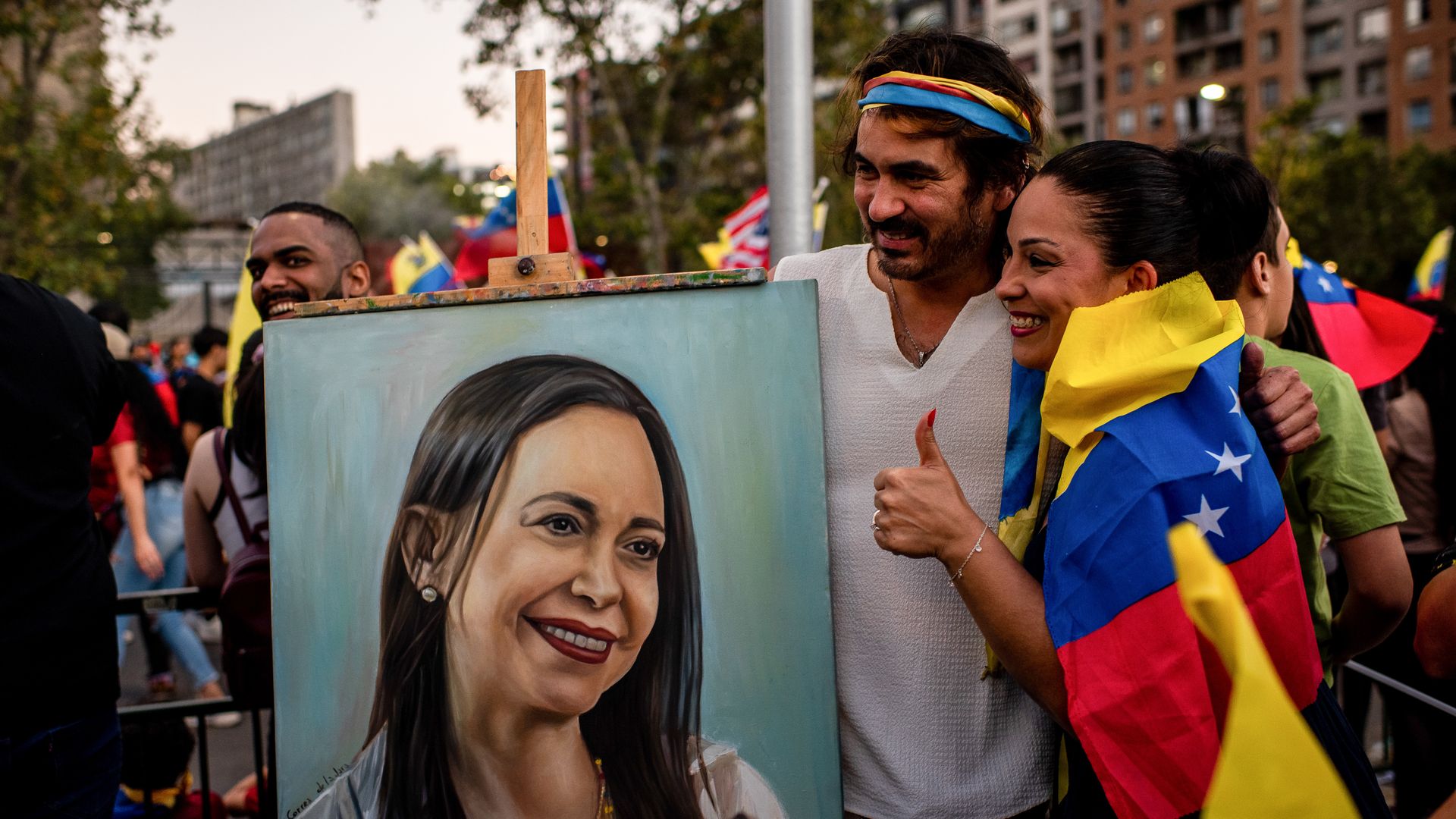
Senators left a meeting Thursday with Venezuelan opposition leader María Corina Machado with plans to visit her country — but differing views on when she should return herself.
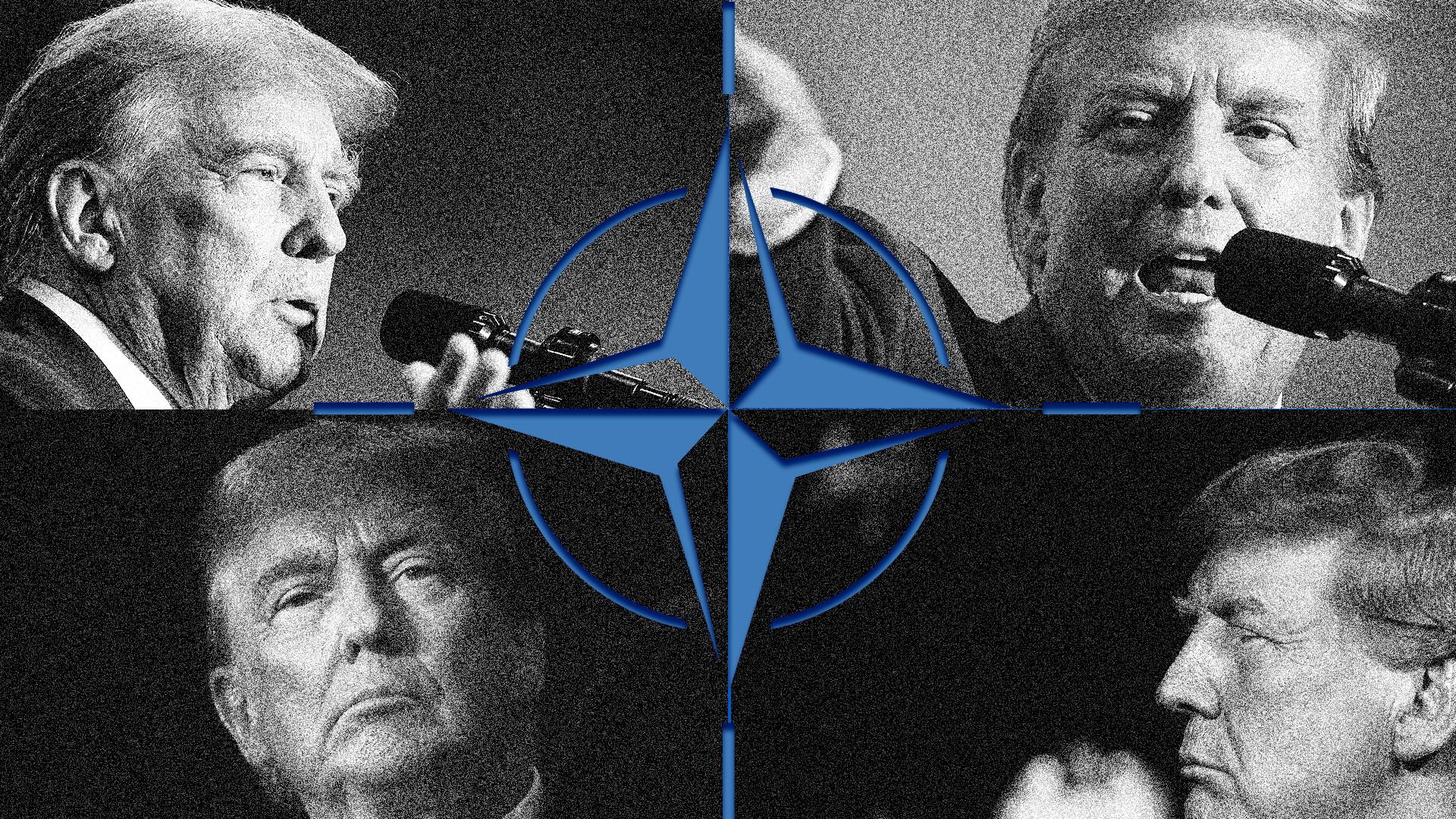
NATO allies are increasing their military presence in Greenlandagainst the backdrop of a growing threat: President Trump's takeover push.
Why it matters: Europeans say the military buildup is meant to counter general Arctic threats, but U.S. aggression towards a NATO-backed ally creates a relatively unprecedented scenario: planning to repel an attack from within.
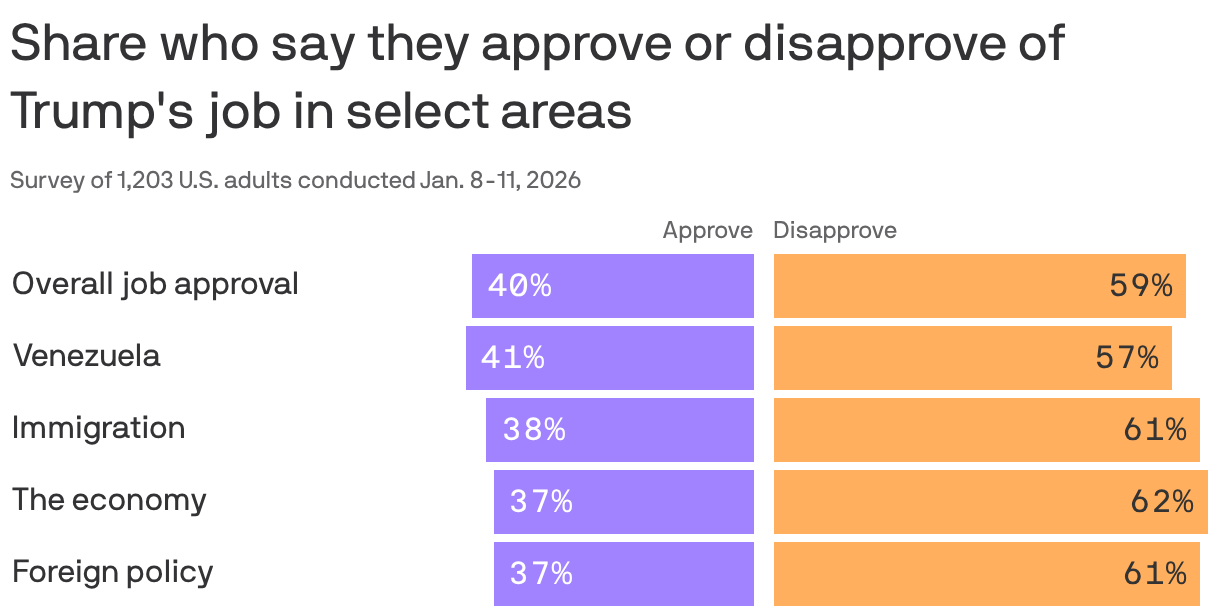
President Trump won over many voters in the 2024 election with his hardline stances on immigration, an assertive foreign policy and promises to strengthen the economy.
Why it matters: Those same policies are now creating political headwinds, as polling shows broad opposition to how he has handled many of his second-term initiatives.
President Trump is delaying a decision on striking Iran as the White House consults internally and with allies about the timing for such an operation and whether it would meaningfully destabilize the regime, according to five U.S., Israeli and Arab sources with knowledge of the situation.
Why it matters: The military option remains firmly on the table, but Trump's decision to pause has exposed deep uncertainty — inside the administration and among allies — about the risks of a strike that punishes Iran while inviting major retaliation.
Venezuelan opposition leader and Nobel Peace Prize winner María Corina Machado is scheduled to meet President Trump on Thursday as her country's future — and her own political fate — hang in the balance.
The big picture: Ahead of the stunning U.S. raid to capture Nicolás Maduro and his wife, Machado has sought to appeal to Trump. But as the smoke cleared over Caracas, Trump held off on throwing U.S. support behind her as the country's next leader.
A bipartisan group of lawmakers will introduce new legislation Thursday to establish a $2.5 billion "Strategic Resilience Reserve" (SRR) for critical minerals, Axios has learned.
Why it matters: President Trump is bringing his prospector's pick to nearly every corner of the globe — including Ukraine, Venezuela and Greenland — in a push to boost the U.S. supply of minerals that are critical to the tech industry's growth.
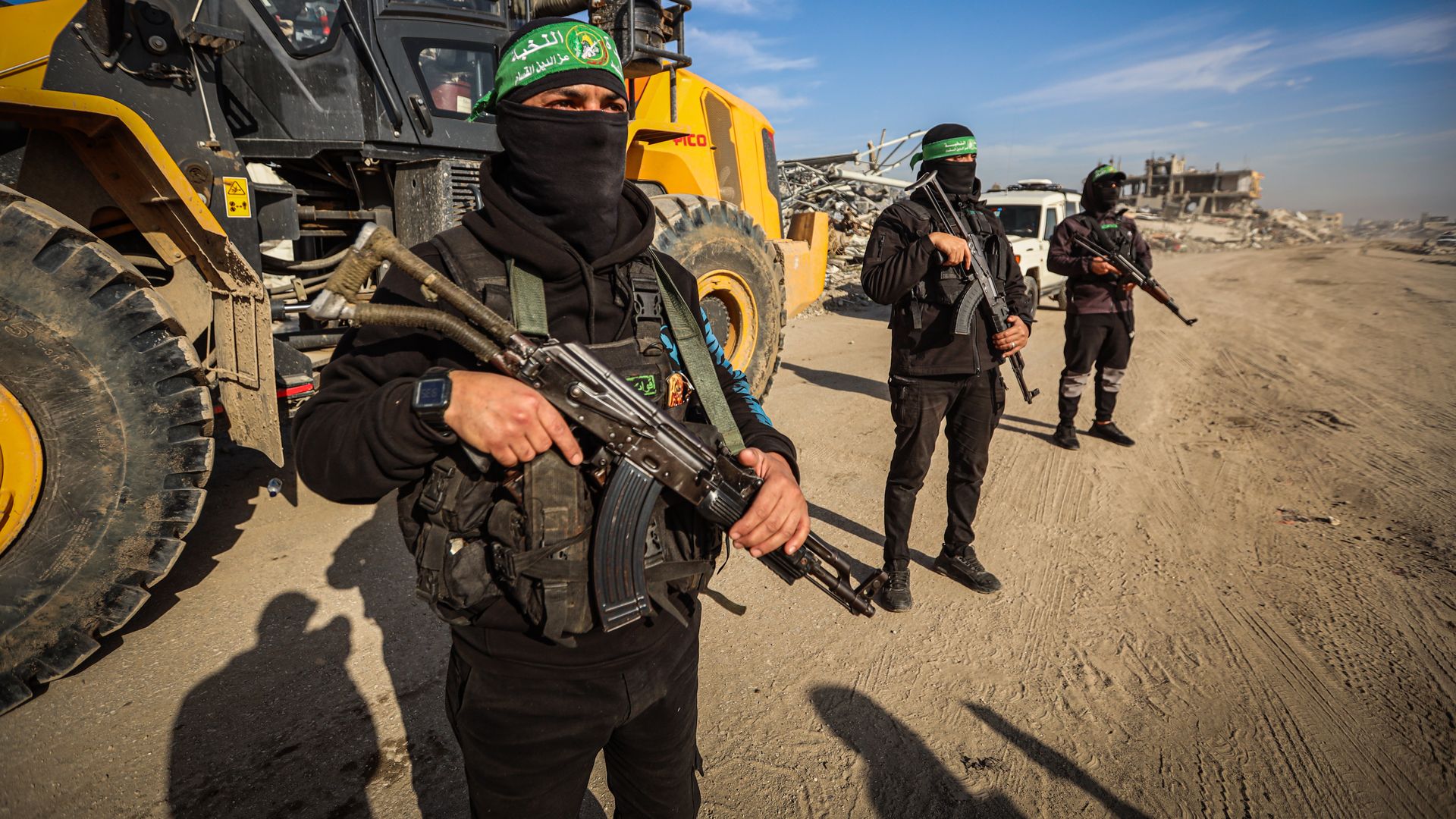
After launching "phase two" of the Gaza ceasefire deal on Wednesday, two U.S. officials insisted in a briefing with reporters that Hamas has privately signaled it's ready to accept the U.S. demilitarization plan and begin to disarm.
Why it matters: Any hope of turning the Gaza truce into lasting peace depends on Hamas giving up its weapons, and on Israel pulling its troops back rather than trying once again to disarm Hamas by force.