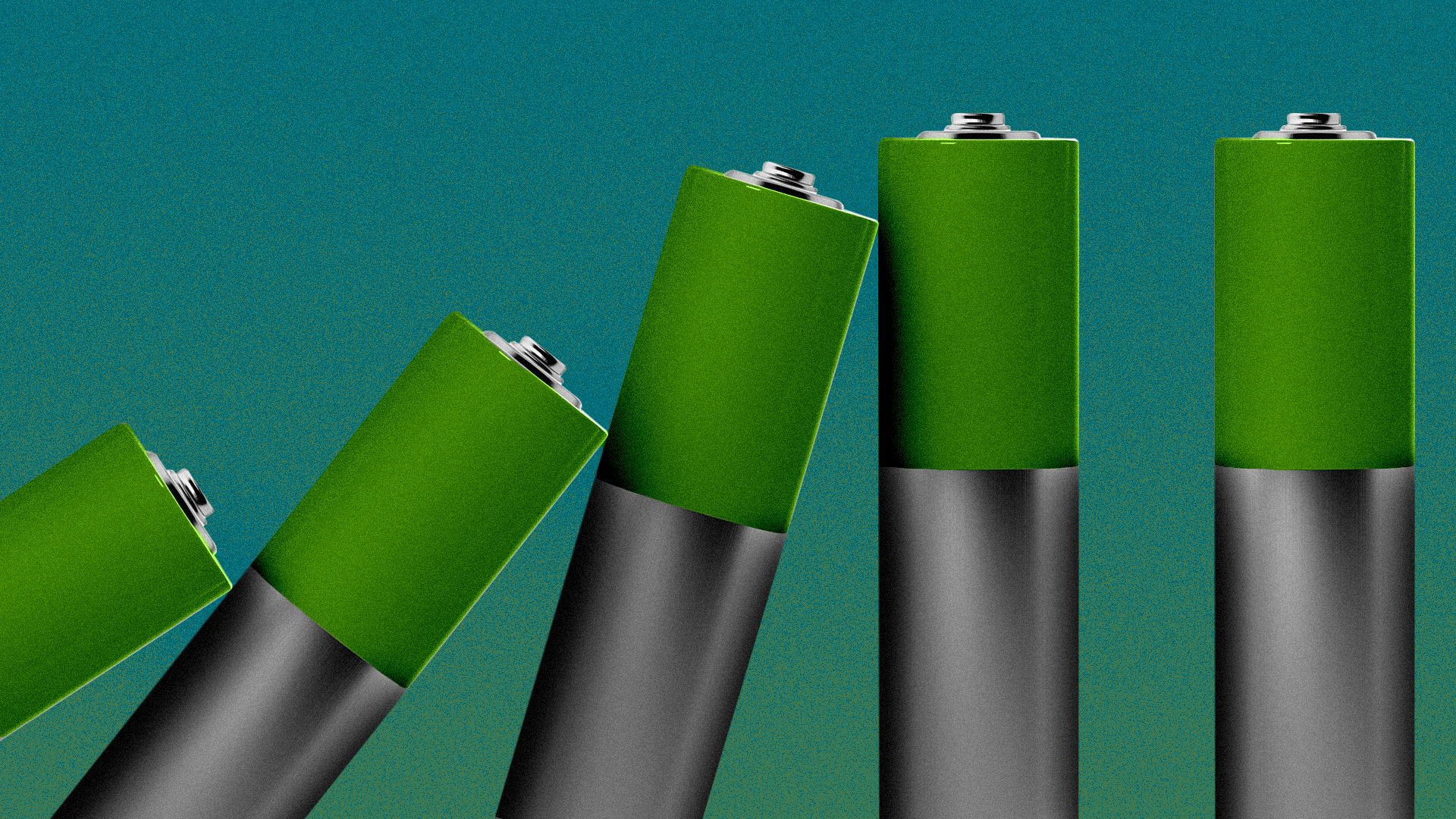
A global glut of lithium prompted a Chinese battery company to suspend production at a massive mine, triggering a rise in commodity prices and a jump in stock prices of lithium companies.
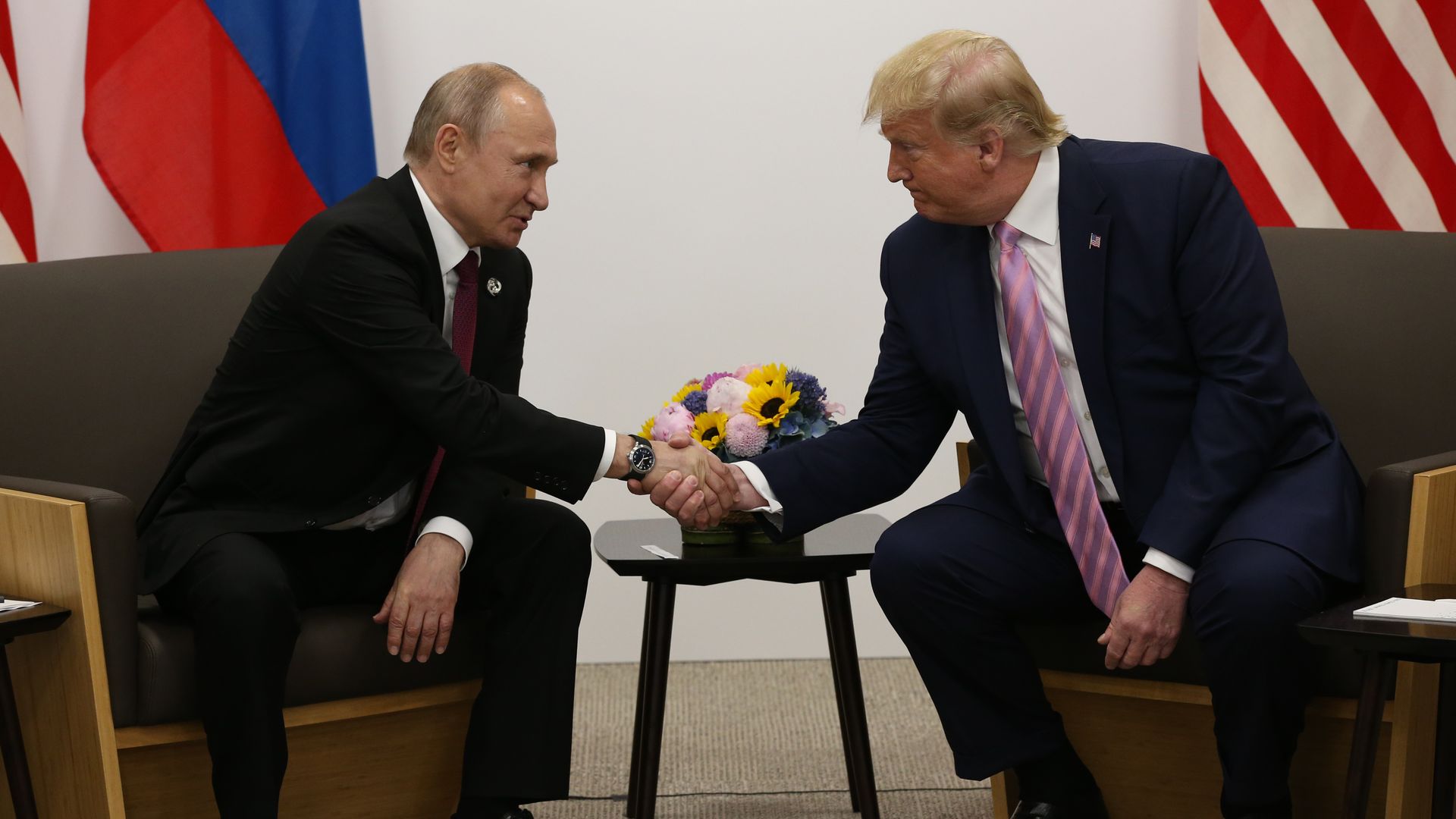
President Trump said Monday that he expects Russian President Vladimir Putin to come to their meeting in Alaska on Friday with specific proposals for a deal to end the war, which he will then pass on to Ukrainian President Volodymyr Zelensky with a recommendation to make peace or "keep fighting."
Why it matters: Trump suggested he's ready to negotiate with Putin about who gets what parts of Ukraine after the war, and even said he would "try to get some... territory back for Ukraine."
President Trump stopped short of directly endorsing Israel's plans to attack and occupy Gaza City in a brief phone interview with Axios on Monday, but said he didn't believe Hamas would release the hostages unless the situation changed.
Why it matters: Some of Israel's top military commanders oppose the planned offensive in part out of fear that it will put Israeli hostages in danger. Trump argued it was always going to be "very rough to get them," because Hamas "are not going to let the hostages out in the current situation."
The trade war is approaching the end of the beginning — but market watchers say there's still a long list of unanswered questions that investors and businesses need to be resolved.
Why it matters: After months of on-and-off-and-back-on, tariffs seem firmly in place now, but that's still not helping executives gain the certainty they crave.
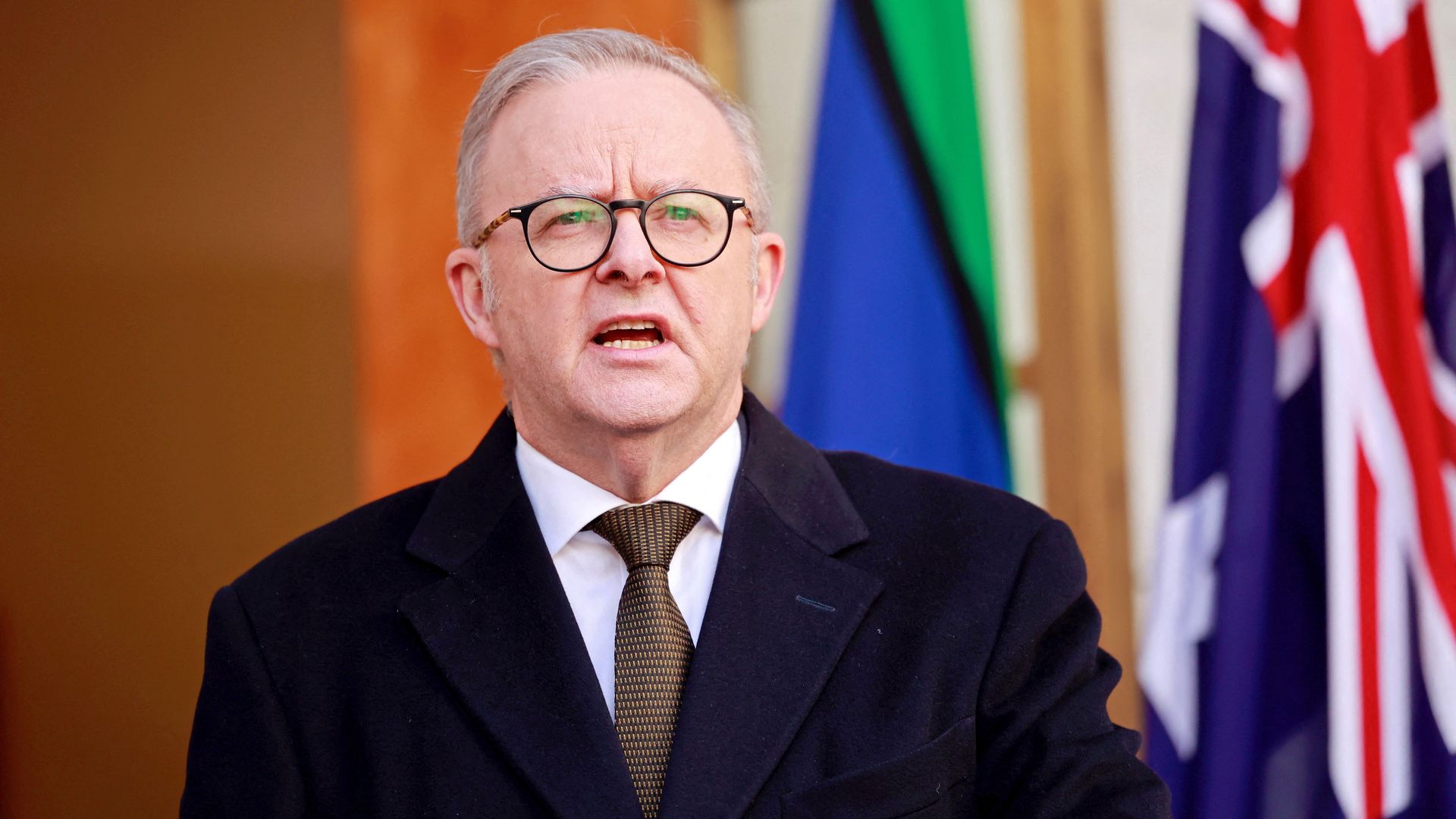
Australia will recognize a Palestinian state in September, Prime Minister Anthony Albanese announced Monday.
The big picture: The announcement that follows pledges from the leaders of countries including Canada and France to also recognize Palestinian statehood at September's UN General Assembly came soon after it emerged that Secretary of State Marco Rubio had spoken with Australian Foreign Minister Penny Wong, who stood alongside Albanese when he revealed the plan.
The U.S. government will levy a 15% fee on some of Nvidia's and AMD's chip sales to China as a condition of granting them export licenses to sell in the country, a Trump administration official confirmed to Axios.
Why it matters: While export controls for sensitive products are nothing new, charging a company 15% of its revenue to sell a particular product to a particular country is unprecedented.
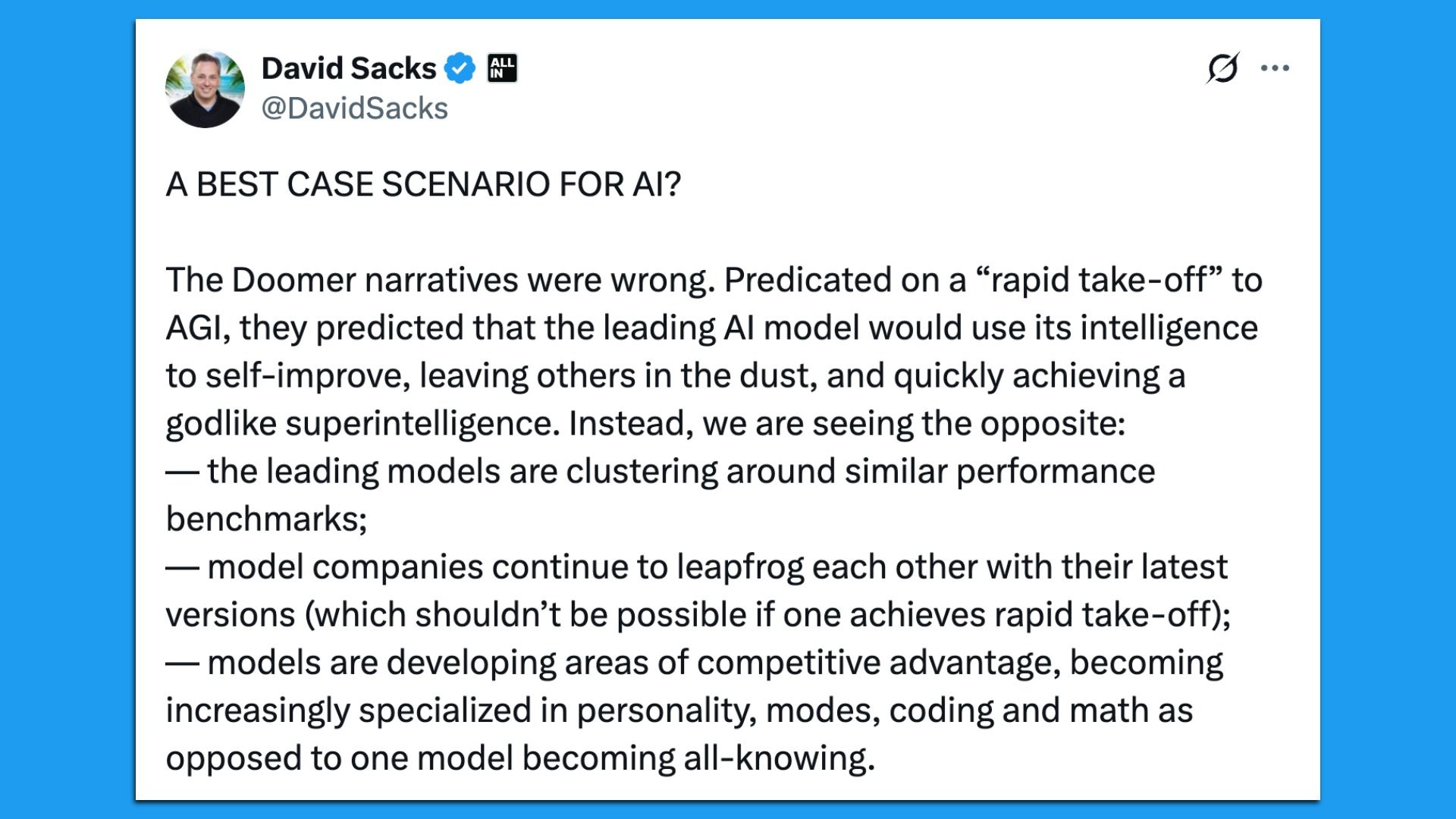
David Sacks — famed tech founder & investor, co-host of the "All-In Podcast" ("The Rainman") and now White House special adviser for AI & crypto — declared Saturday on X that "Doomer narratives were wrong" about AI.
Why it matters: The big takeaway from Sacks' post is that the fear of one AI frontier model dominating all now looks far-fetched, since high-performing competing models are diffusing power.
"The AI race is highly dynamic so this could change," Sacks wrote. "But right now the current situation is Goldilocks":