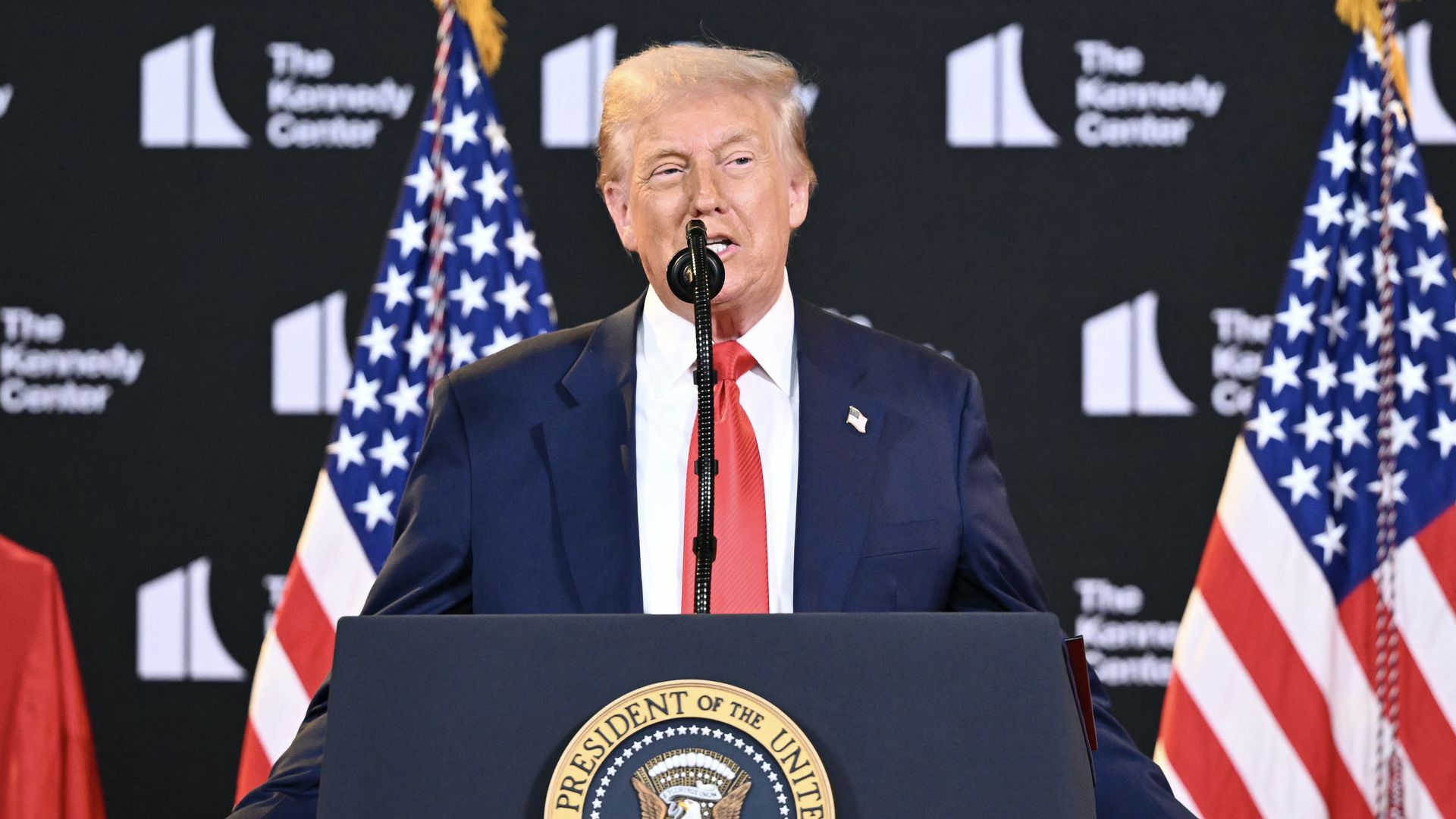
President Trump said Wednesday that Russian President Vladimir Putin must agree to a ceasefire at their summit on Friday or face "very severe consequences."
Why it matters: Trump had previously downplayed the likelihood of major breakthroughs in Alaska, calling it a "feel-out meeting." Now he's a set a concrete objective — and one Putin has repeatedly rebuffed up to now.
President Donald Trump downplayed the significance of Russia's reported involvement in a hack of the U.S. federal court filing system during a press conference Wednesday.
"Are you surprised?" he told a reporter. "They hack in, that's what they do. They're good at it."
Why it matters: These are Trump's first comments about the recently reported cyberattack, and they come ahead of Trump's scheduled meeting with Russian President Vladimir Putin on Friday.
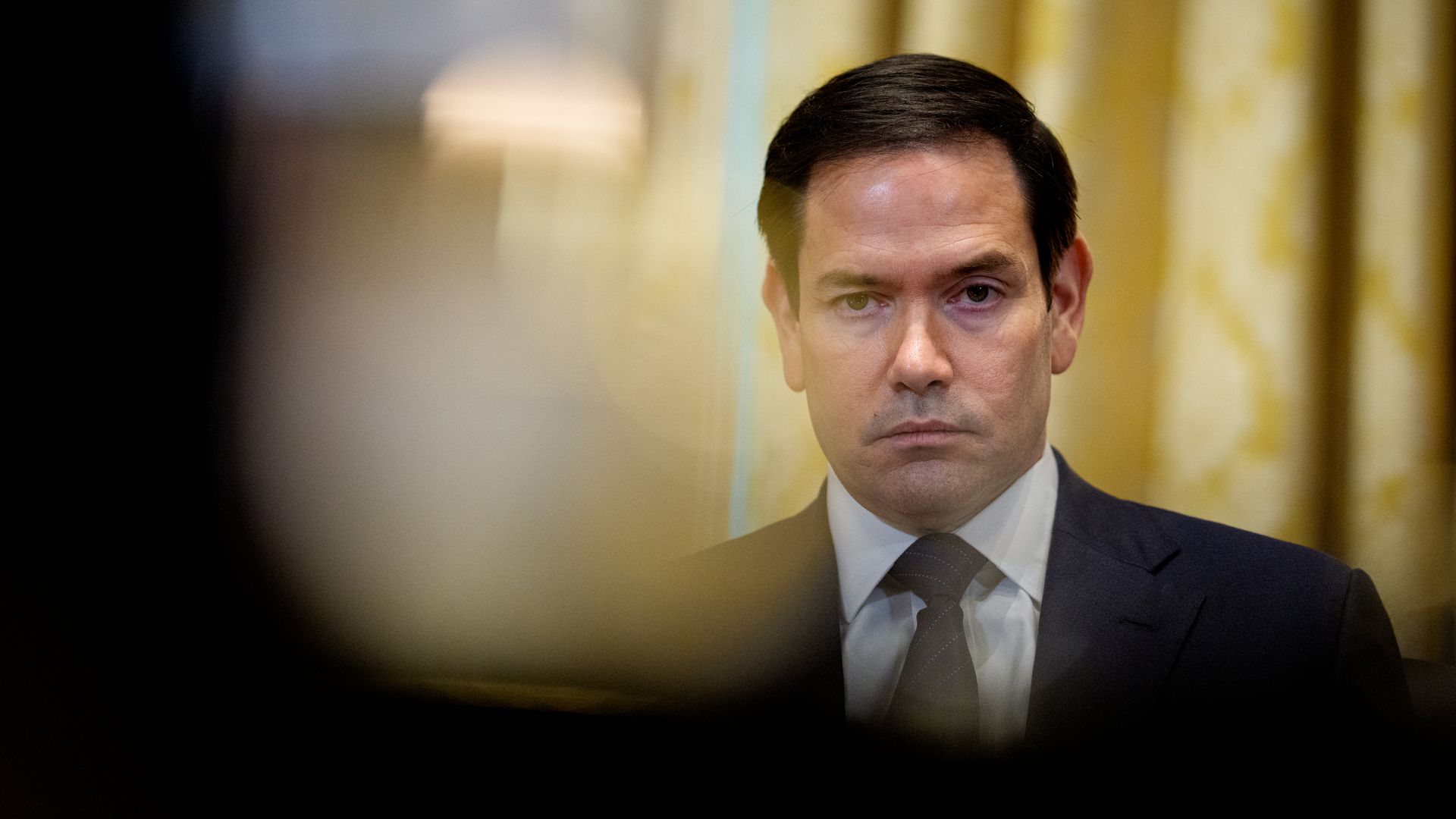
The State Department on Tuesday released its long-awaited reports on international human rights, which significantly scaled back the types of abuse outlined from years past.
The big picture: The reports, which are usually released earlier in the year, were released after a prolonged delay, per multiplereports, and the sweeping restructuring of the State Department's human rights bureau.
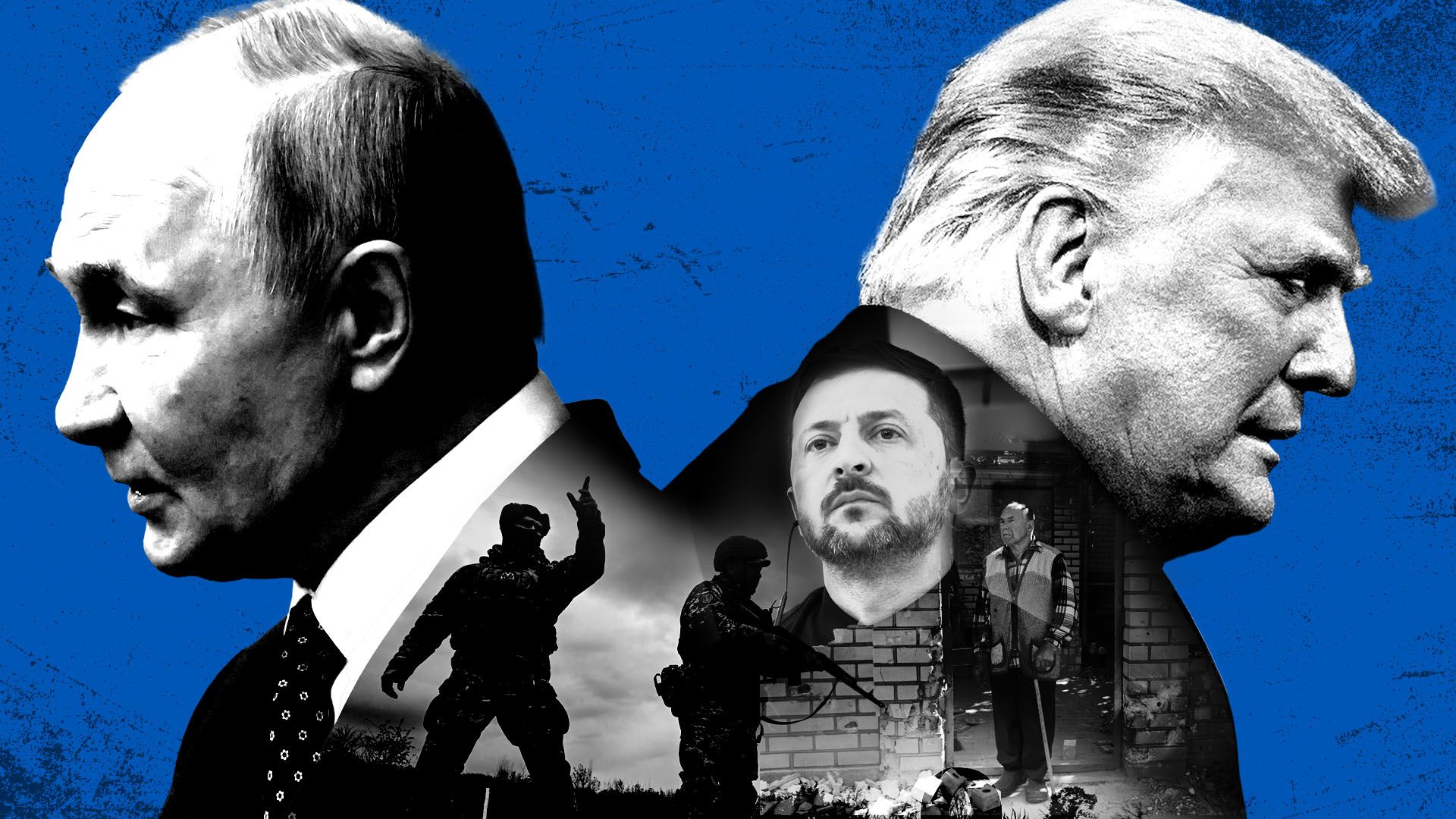
Ukrainian President Volodymyr Zelensky and his team are doing everything in their power to influence President Trump's thinking before he sits down with Vladimir Putin. His last big chance could come on Wednesday.
Why it matters: Zelensky is staring down a perfect storm: a sudden Russian battlefield breakthrough, mounting discontent at home, and a high-stakes summit in Alaska on Friday that could back him into a diplomatic corner.
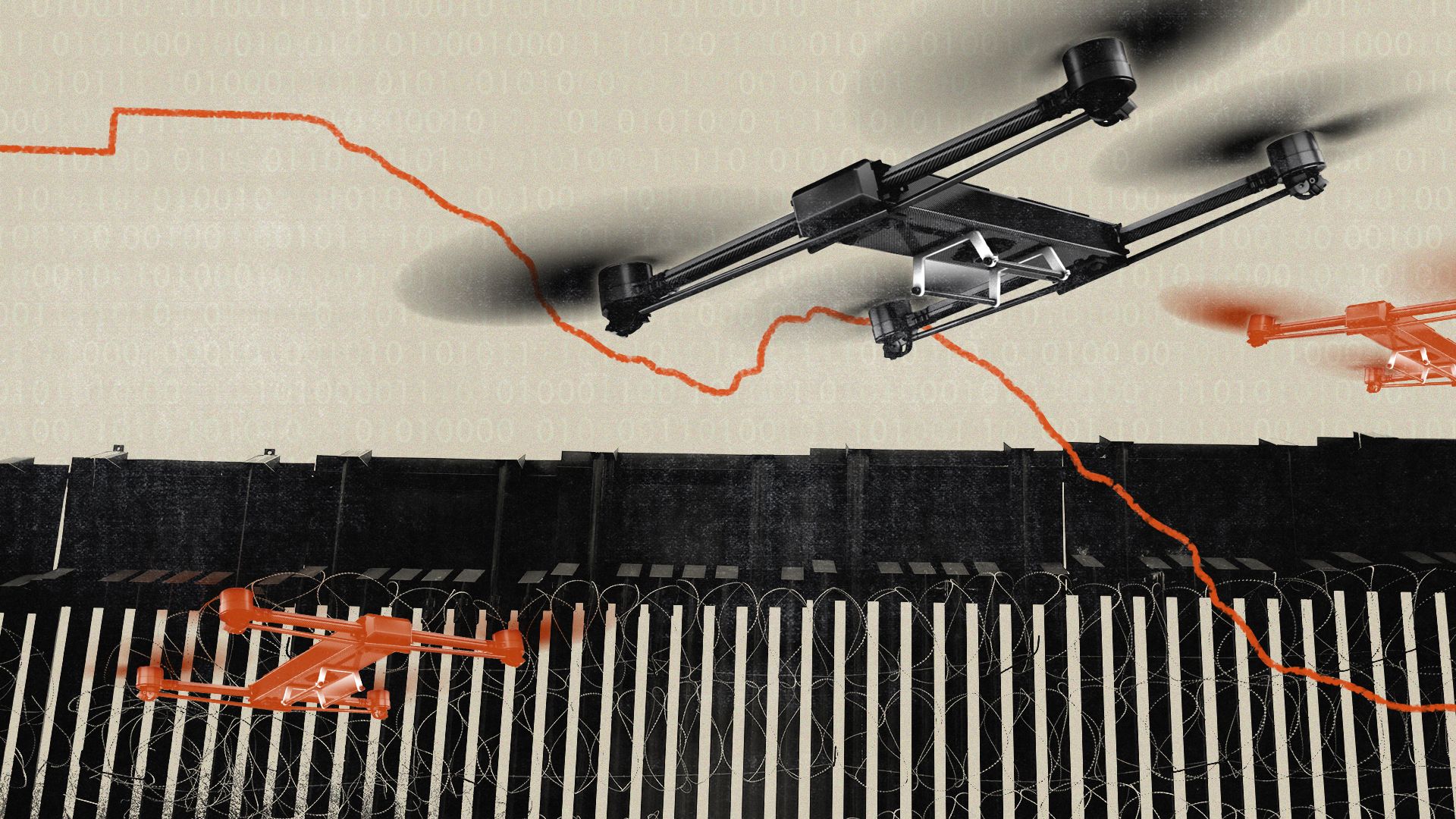
On the U.S. side of the southern border, local law enforcement officials have begun using AI-programmed drones to locate drug traffickers and migrants.
On the Mexico side, drug cartels are using their own drones to stake out desert areas in the U.S. to smuggle their products.
Why it matters: The U.S. government — whose own patrol drones help create what it calls a "virtual wall" — has long fueled the tech war along the border. But now even small local agencies are stepping into this arms race against cartels and illegal immigration.
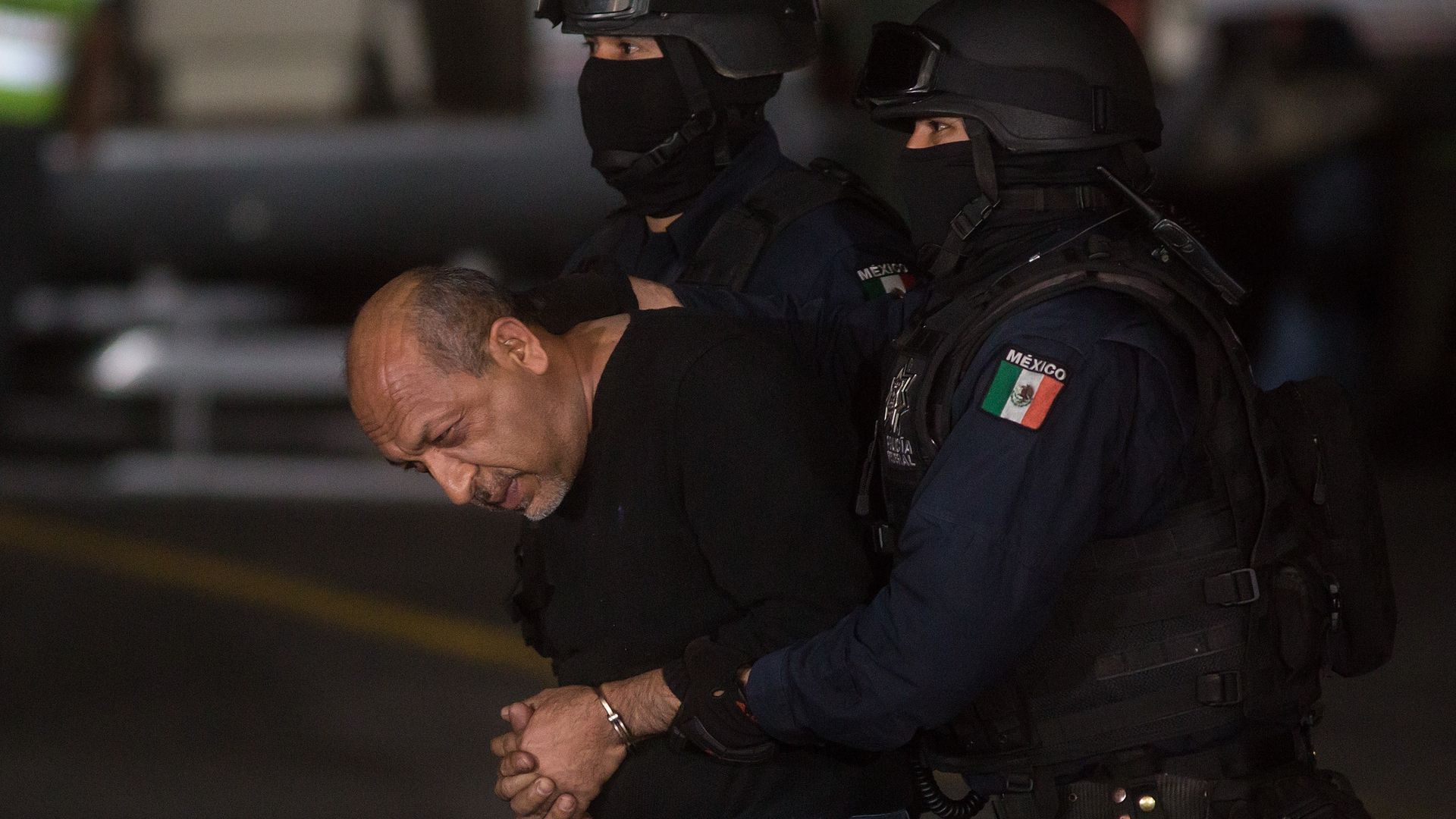
Mexico extradited 26 suspected high-ranking drug traffickers to the U.S. on Tuesday — including several linked to groups the Trump administration has designated as global terrorist organizations like the Sinaloa Cartel, per the Department of Justice.
The big picture: The extraditions come after months of pressure from President Trump, who has threatened to hit Mexico with hefty tariffs if Mexican officials don't do enough to stop the flow of drugs.
There's a new fear among investors and CEOs: flying blind on investments without sufficient data on the economy's health.
Why it matters: The U.S. government produces some of the world's premiere economic data. The future of those indicators looks murkier than ever, with no private sector source readily available to replace them.
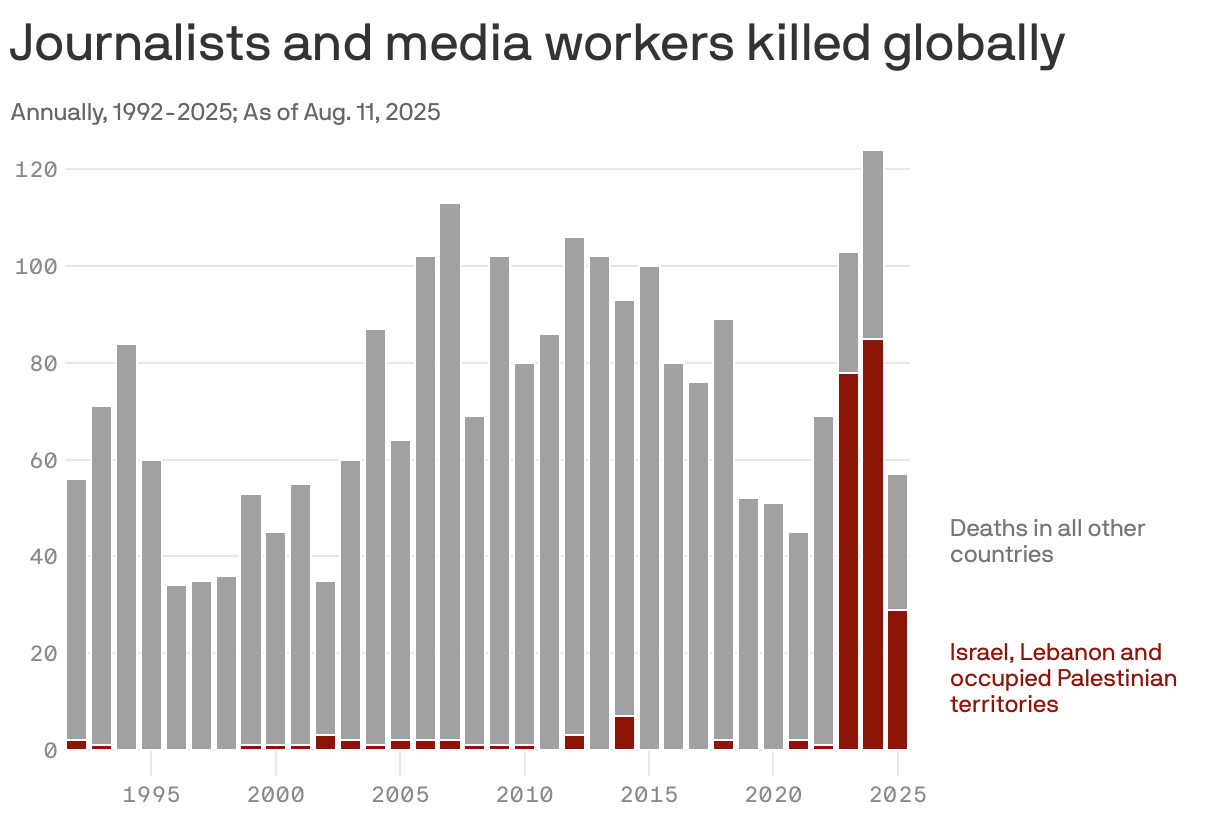
Data: Committee to Protect Journalists; Chart: Axios Visuals
The killing of six journalists in Gaza by Israeli forces over the weekend sparked an outcry from press freedom experts who argue the deaths were unnecessary and only add to the grim totality of what's become the deadliest conflict for journalists in recent history.
Why it matters: Since the conflict began with Hamas' terrorist attack on Israel on Oct. 7, 2023, the vast majority of journalists killed globally (67%) have been in Israel, Lebanon and occupied Palestinian territories, per the Committee to Protect Journalists.
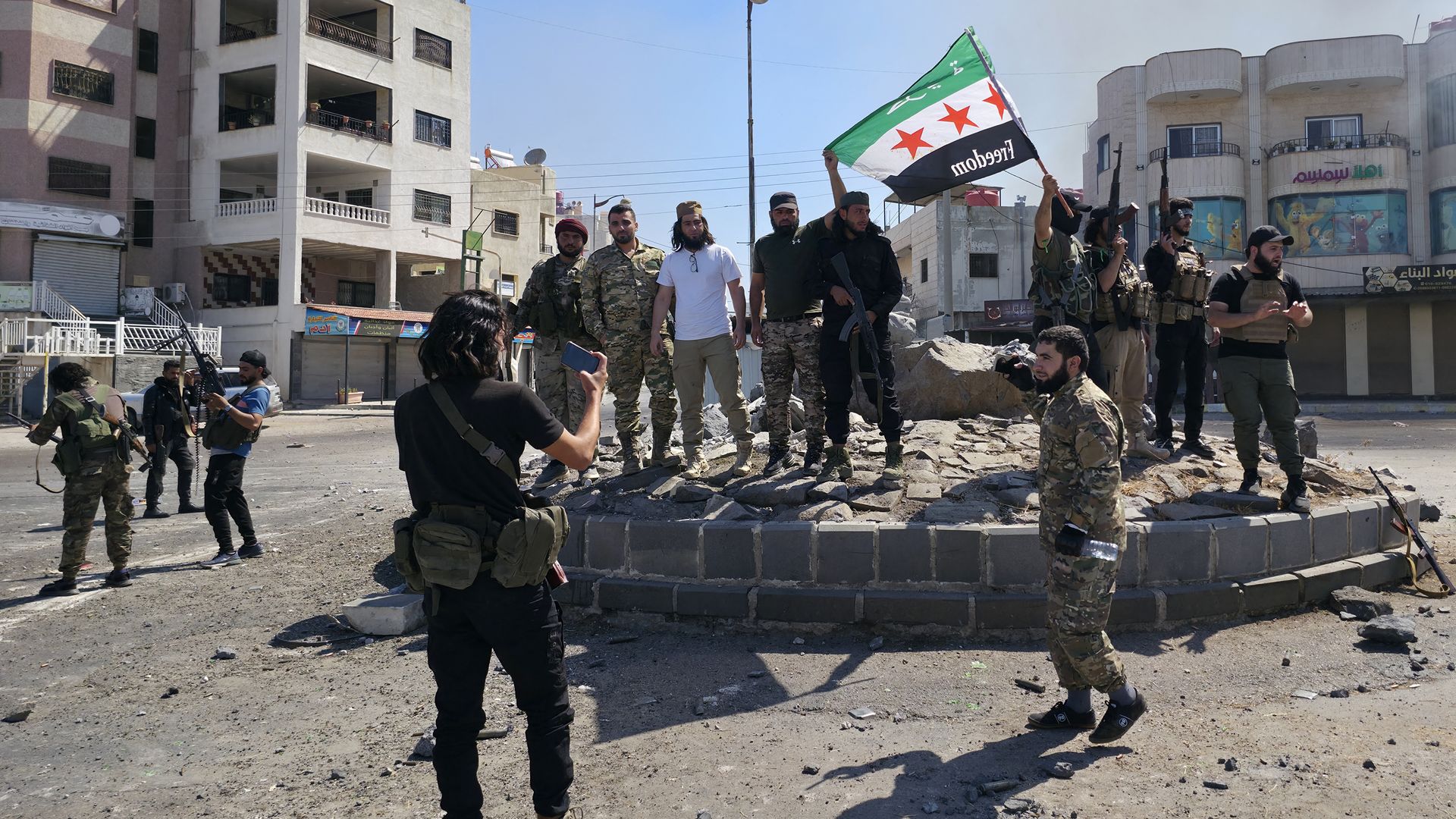
The Trump administration is trying to broker a deal for a humanitarian corridor to run between Israel and the city of Suwayda in southern Syria to deliver aid to the Druze community there, one U.S. official and two Israeli officials tell Axios.
Why it matters:Israel bombed Syria last month amid violent clashes in Suwayda, claiming it was acting to defend Syria's Druze population in solidarity with Israel's own Druze minority.