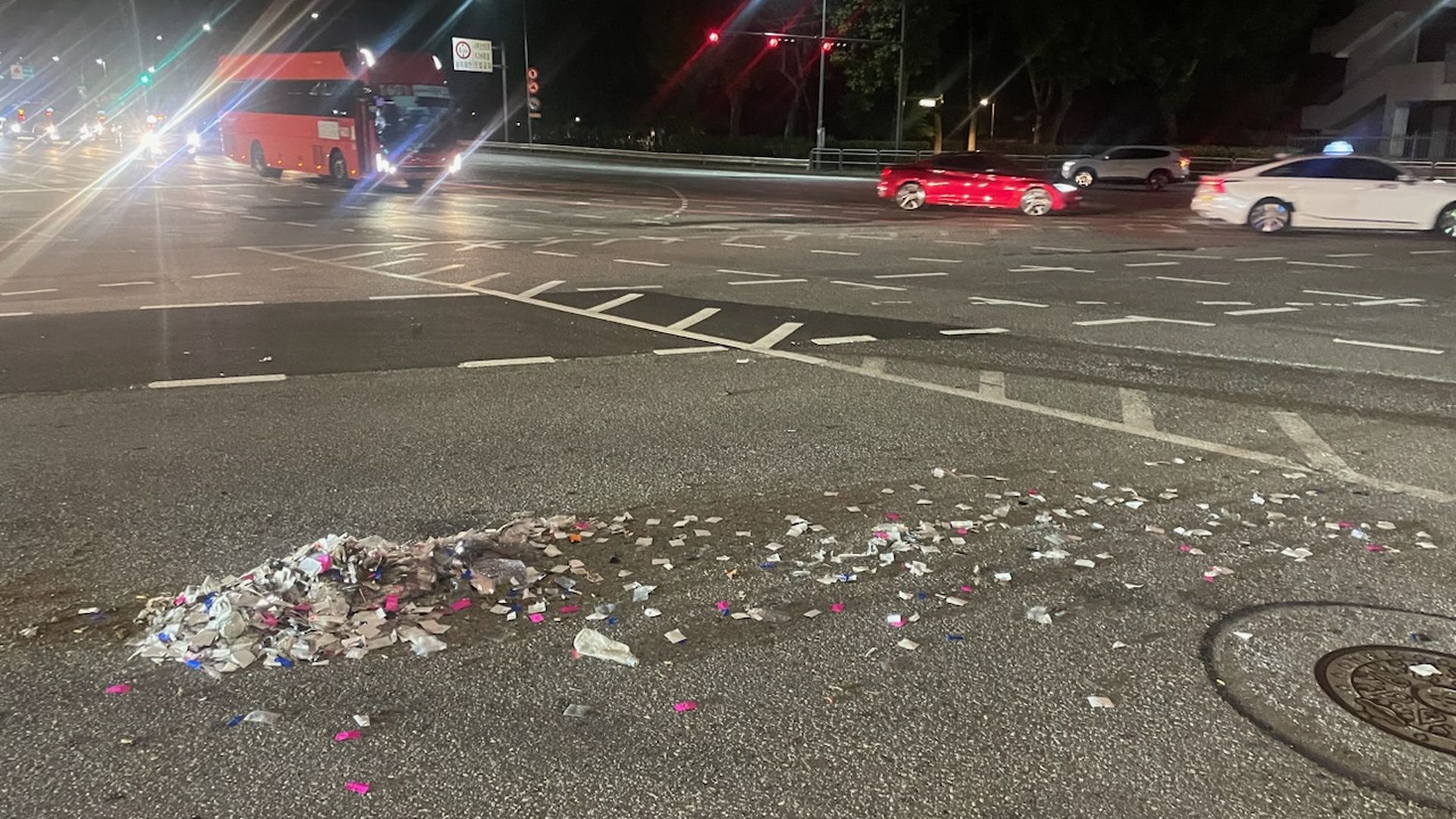
North Korea floated hundreds of bags of trash into South Korea overnight, Seoul's military said on Wednesday.
Why it matters: North Korea said the bags of trash were in retaliation for balloons carrying leaflets launched into the North by activists in the South.
This election year could be turned on its head by an international crisis — and it won't necessarily come in the Middle East.
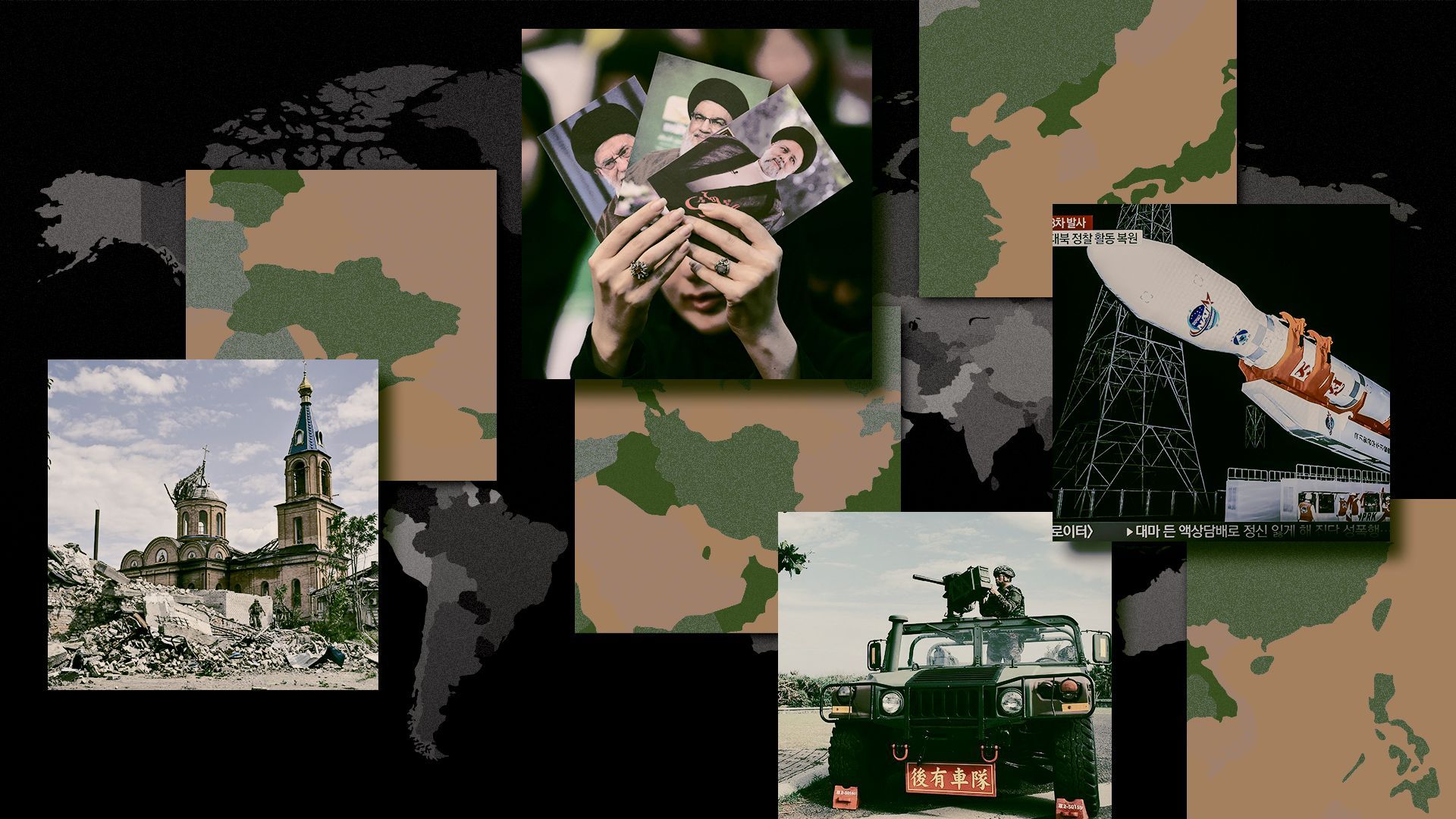
Why it matters: The war in Gaza continues to attract the attention of the world and President Biden's foreign policy team. But the past few days have also been peppered with worrying headlines from other global hotspots like Taiwan, North Korea, Ukraine and Iran.
The second U.S. congressional delegation to visit Taiwan this week arrived on the self-governing island Wednesday for a meeting with Taiwan's new President Lai Ching-te.
Why it matters: The show of support from the delegation, headed by Sens. Dan Sullivan (R-Alaska) and Tammy Duckworth (D-Ill.), comes despite complaints from Chinese officials about the earlier visit that Rep. Michael McCaul (R-Tex.) led days after China's military held drills around the island it claims is part of its territory to protest Lai's inauguration.
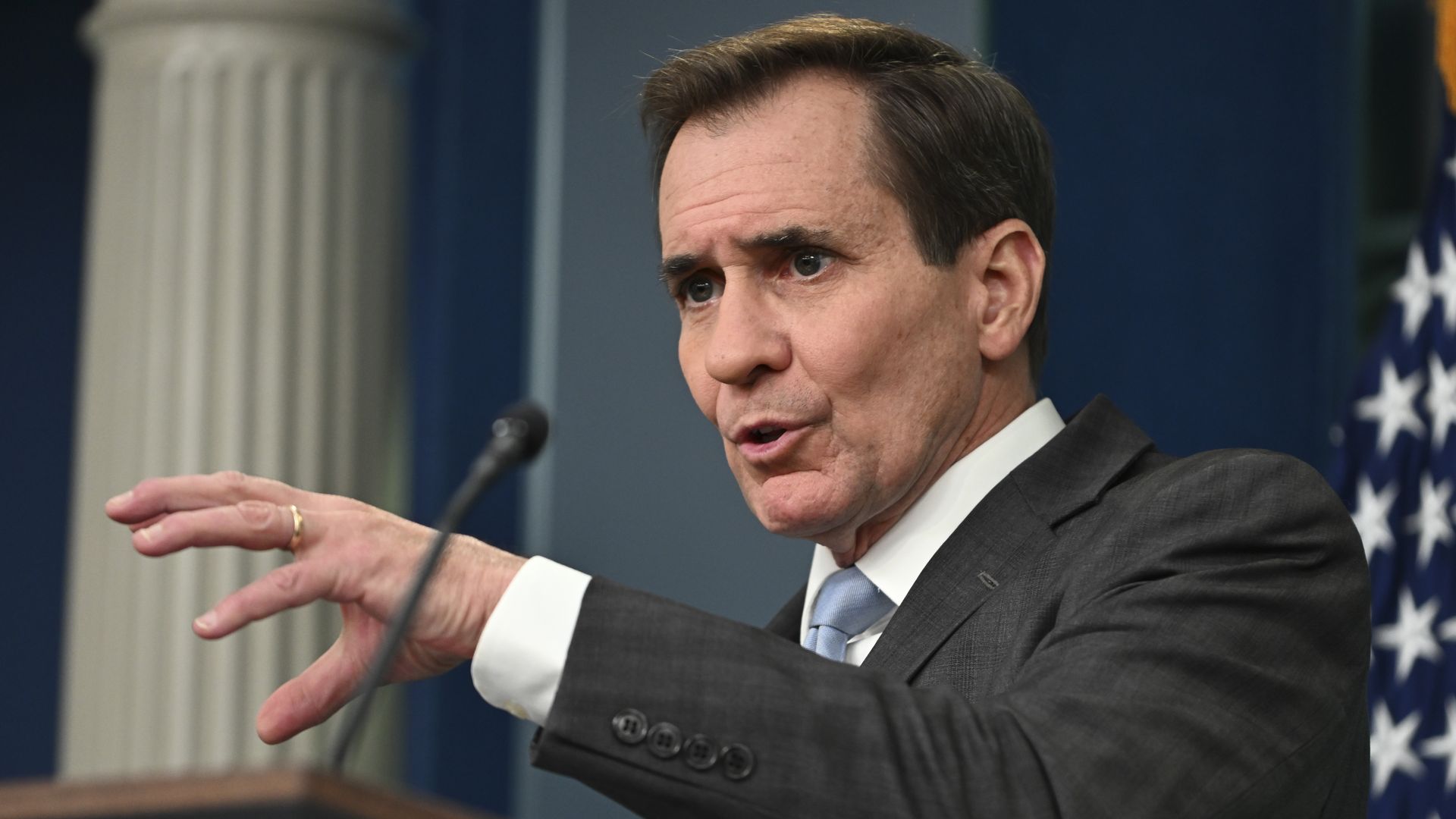
The Biden administration on Tuesday said it opposes sanctions being pushed by Republicans in Congress against the International Criminal Court in response to its prosecutor's decision to seek arrest warrants against Israeli leaders over the war in Gaza.
Why it matters: The White House and the State Department have been conducting consultations with Republicans and Democrats in the House and the Senate over possible action against the ICC.
The big picture: After the Biden administration instituted the ban in an attempt to keep the conflict from escalating, calls to remove the embargo have been growing from U.S. lawmakers, the NATO Parliamentary Assembly and Ukrainian President Volodymyr Zelensky.
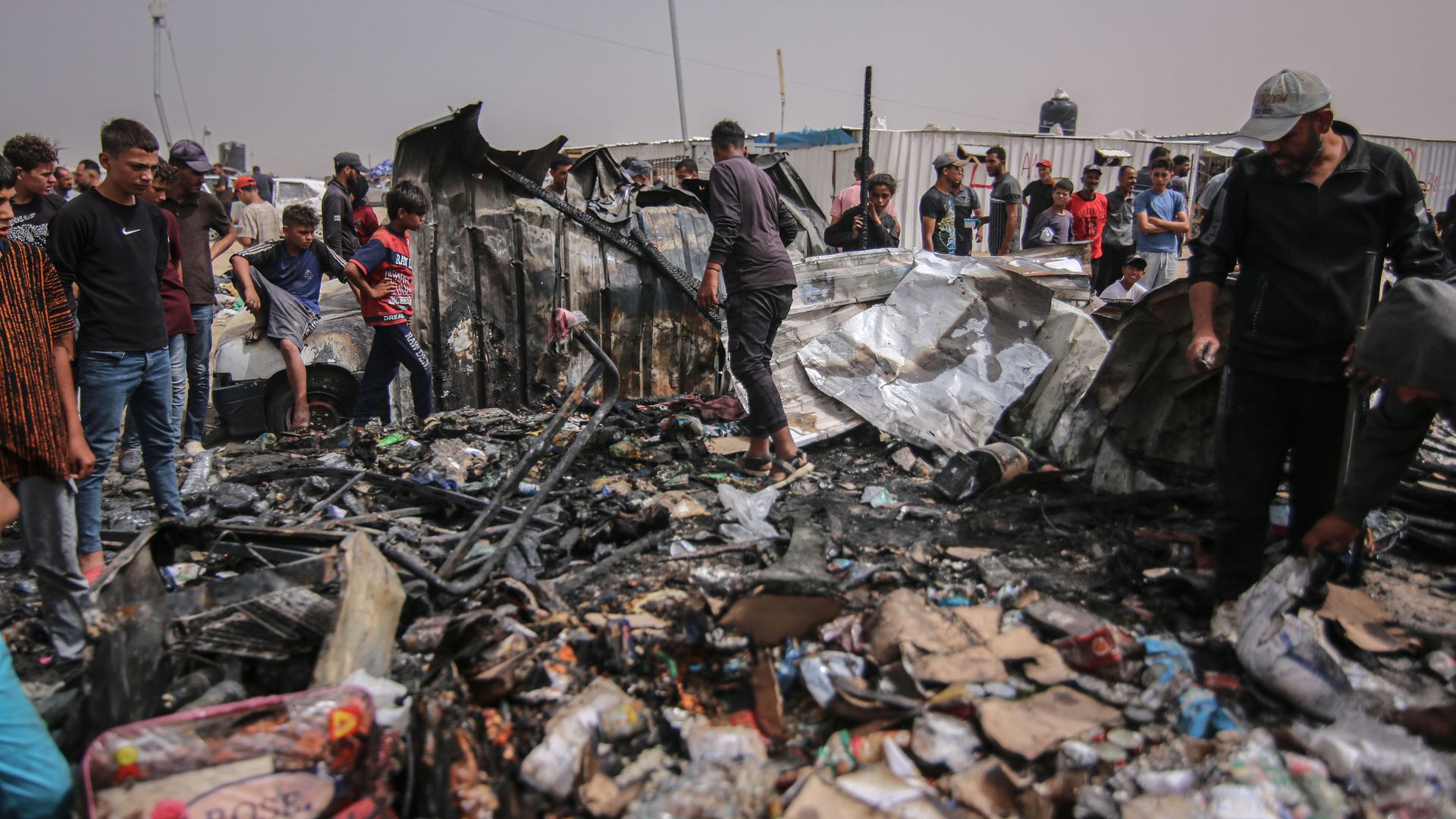
The Israeli military claimed on Tuesday that the munitions it dropped near a tent camp in Gaza were insufficient to directly cause the large fire that killed at least 45 displaced Palestinians on Sunday, and that a secondary explosion — possibly of a weapons cache — likely caused the blaze.
Why it matters: The airstrike was the deadliest attack on Rafah since Israel began its offensive in the city in early May. The Biden administration is now assessing whether strike was a violation of President Biden's "red lines" over Israel's operations in Rafah.
The U.S. Department of Justice has sued two more states this month to prevent them from implementing new state laws targeting immigrants.
Why it matters: The lawsuits against Iowa and Oklahoma — in addition to one against Texas — signal that the Biden administration is taking an aggressive stance against states taking immigration matters into their own hands.
Economists are debating how AI might reshape the U.S. job market and boost productivity growth in the decades ahead. But a new paper finds that such benefits will be harder to match across the Atlantic.
Why it matters: The result might be a widening divide in innovation and economic outcomes between the U.S. and continental Europe.
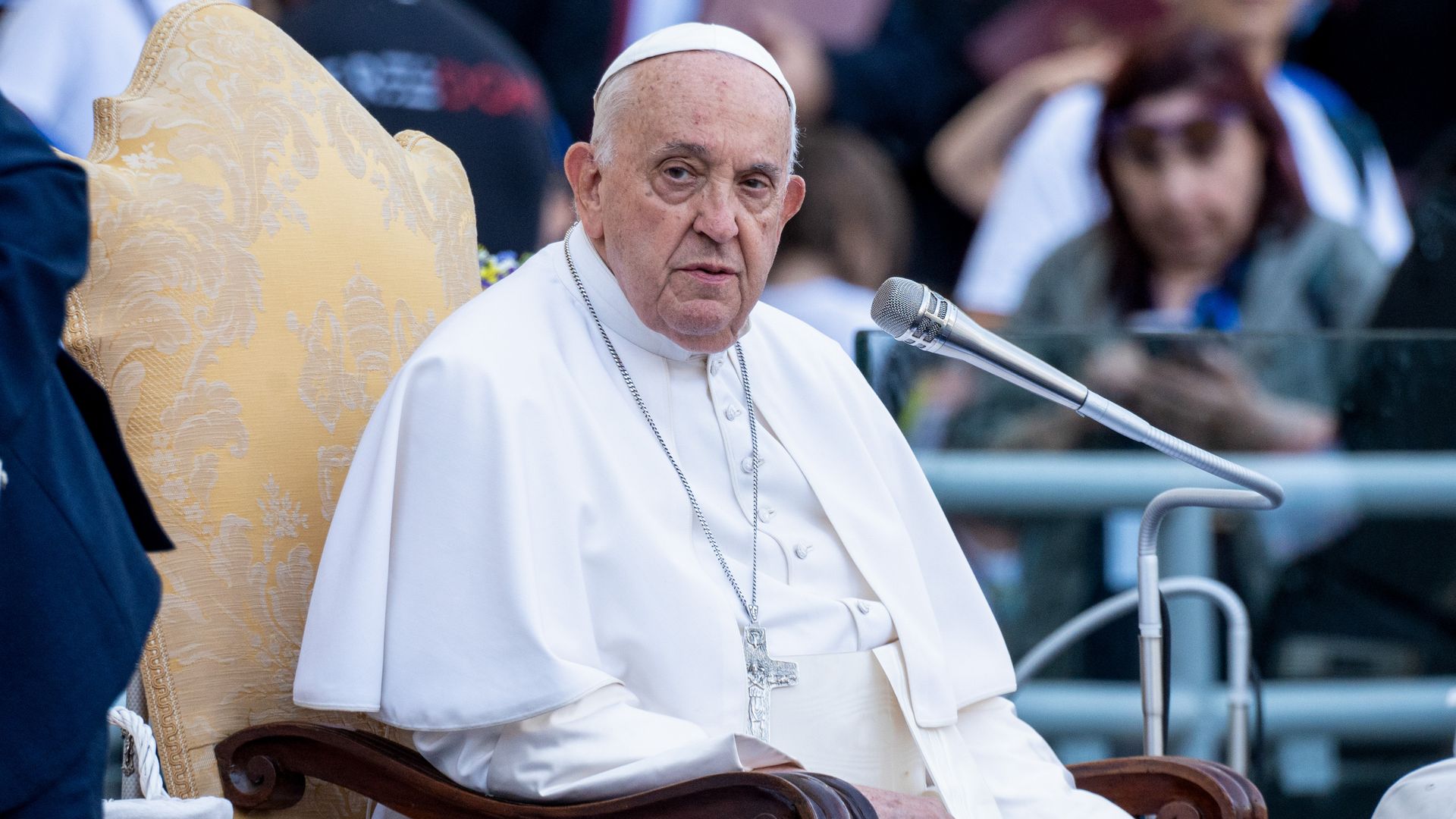
Pope Francis apologized on Tuesday after reports surfaced that he used a derogatory term to refer to gay men during a recent closed-door meeting.
Why it matters: Italian media on Monday quoted unnamed bishops who said Francis used the term while answering whether openly gay men should be allowed to enter seminaries and be ordained priests, per AP.
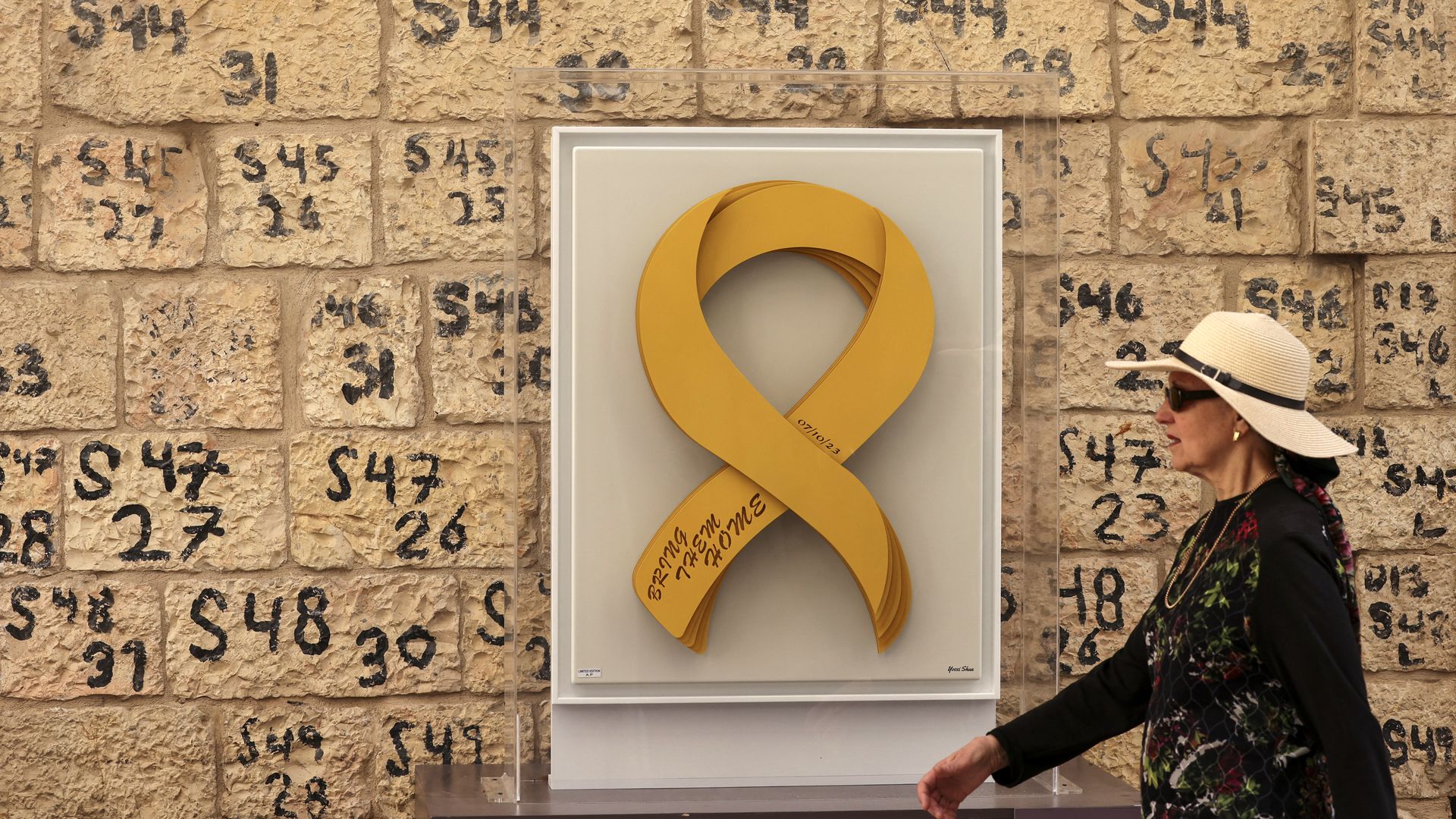
Israel gave Qatar, Egypt, and the U.S. on Monday an official written, updated proposal for a possible deal to release hostages held in Gaza that could lead to a temporary ceasefire, according to two sources with knowledge of the negotiations.
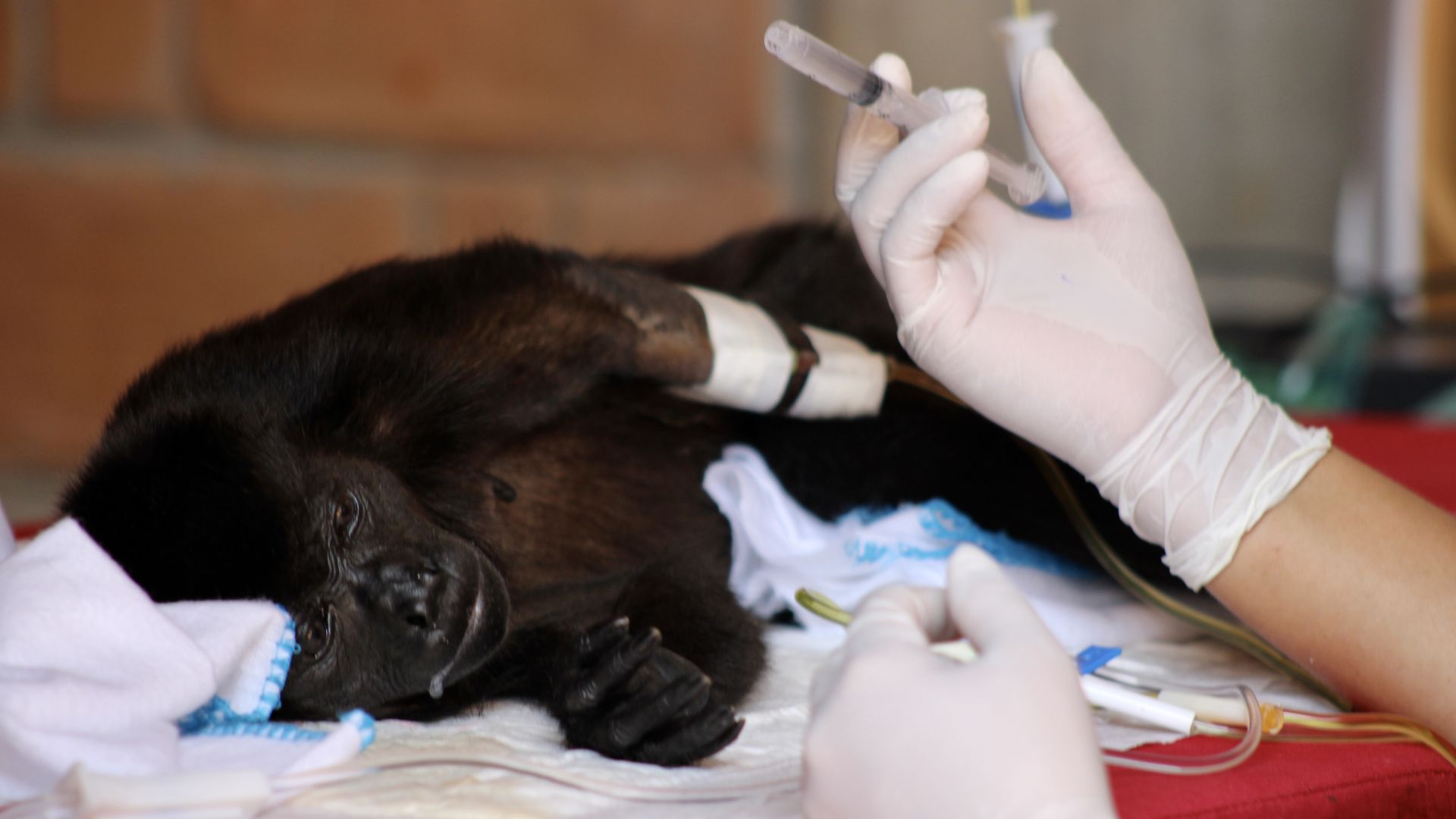
Mexico is facing the triple threats of a searing heat wave, drought and in the nation's capital water shortages that experts say are being amplified by climate change.
The big picture: The heat dome that's parked over the country has resulted in the deaths of dozens of people and animals from heat stroke and dehydration.