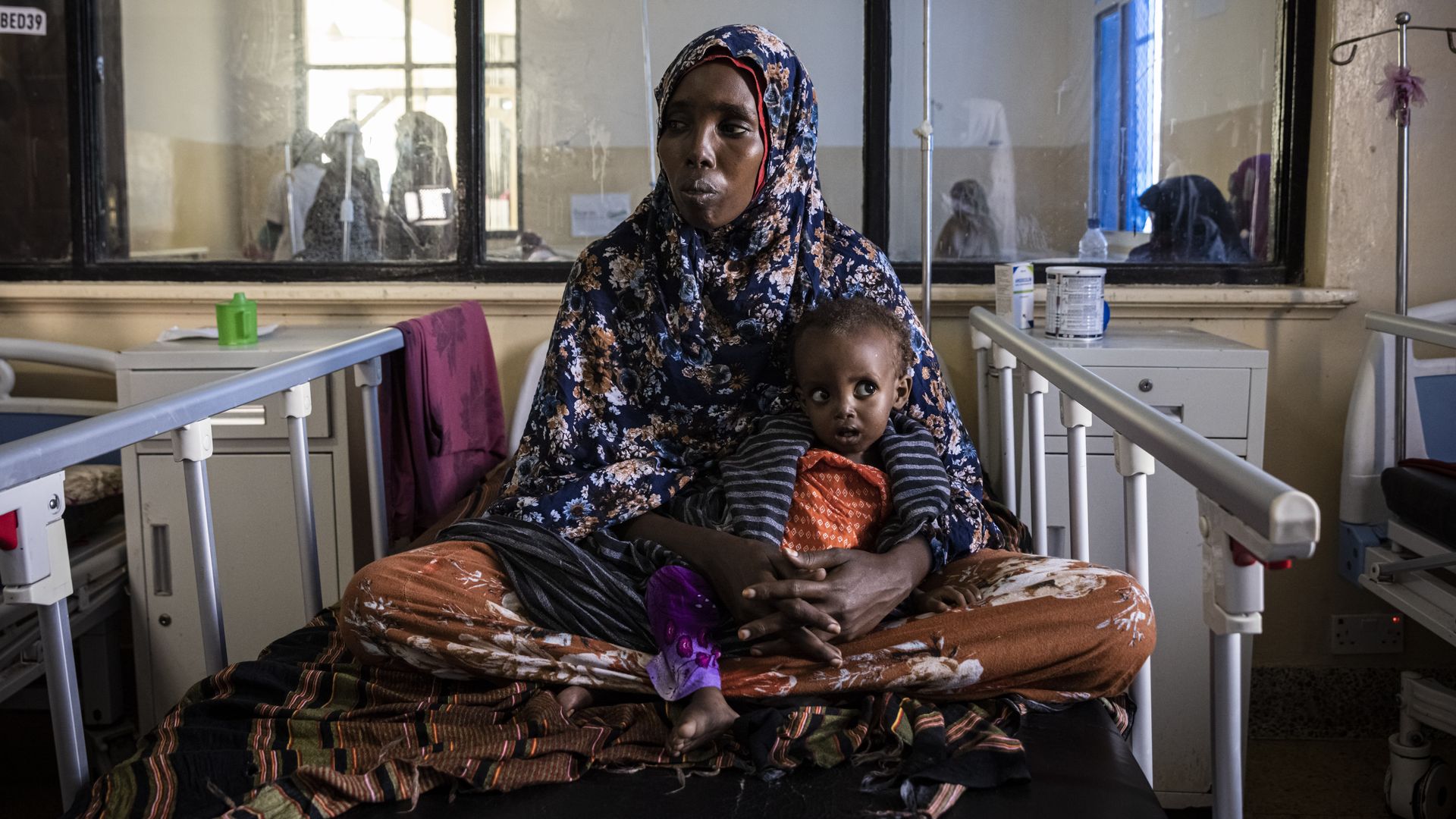
Famine is expected to be declared in parts of Somalia later this year, the UN warned Monday, as millions in the drought-stricken country face "catastrophic" levels of hunger and malnutrition.
What they're saying: "Famine is at the door, and today we are receiving a final warning," UN aid chief Martin Griffiths told reporters.
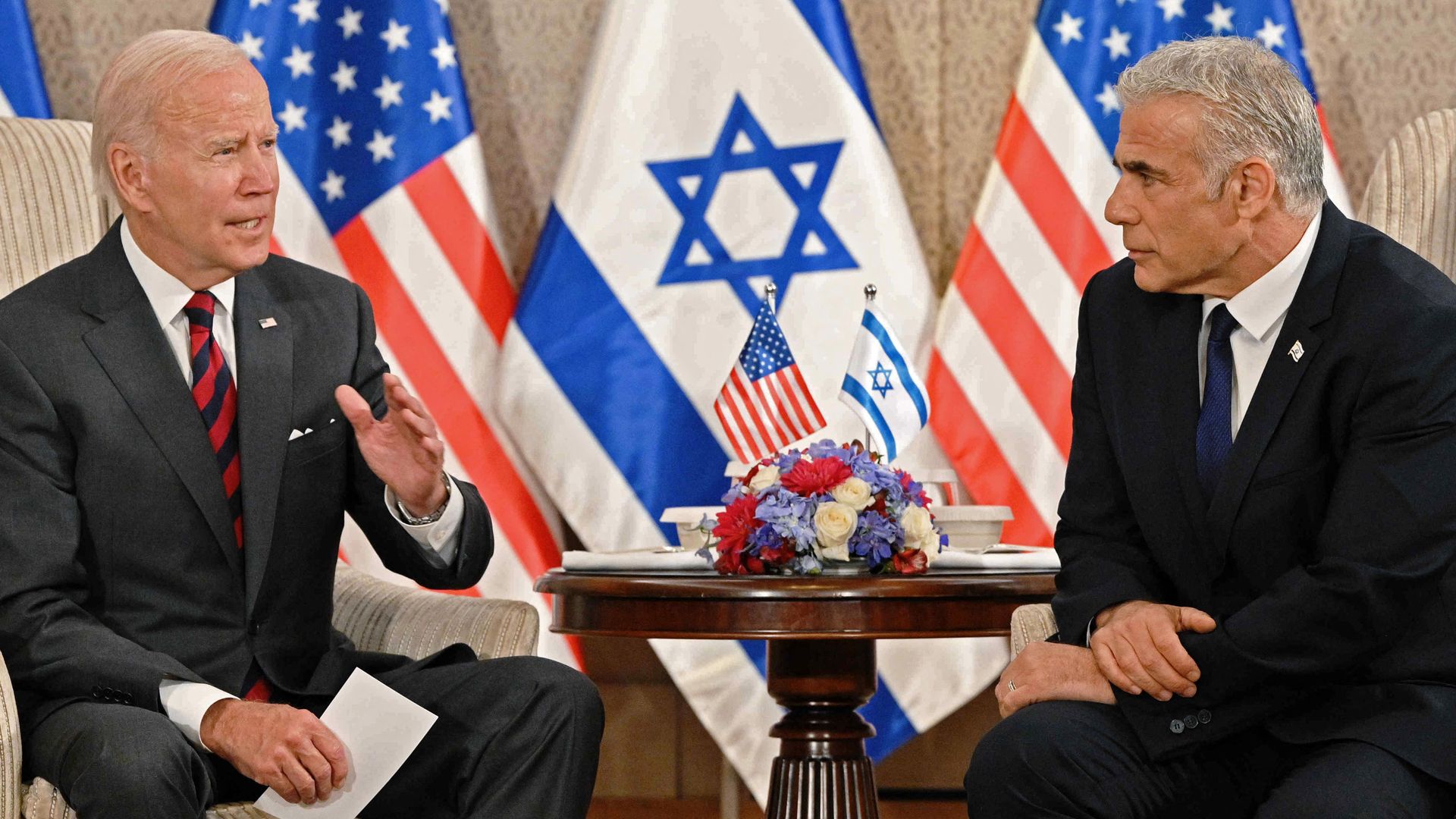
President Biden made clear in his phone call with Israeli Prime Minister Yair Lapid last week that the U.S. “will not tie Israel's hands” and prevent it from acting against Iran, U.S. ambassador to Israel Tom Nides said at a press conference in Jerusalem on Monday.
Why it matters: The Israeli government opposes a U.S. return to the Iran nuclear deal, and has made clear it will not be bound by a restored deal.
OPEC and its allied producers on Monday agreed to reduce oil production by 100,000 barrels per day amid concern regarding falling oil prices and lingering fears of a global recession.
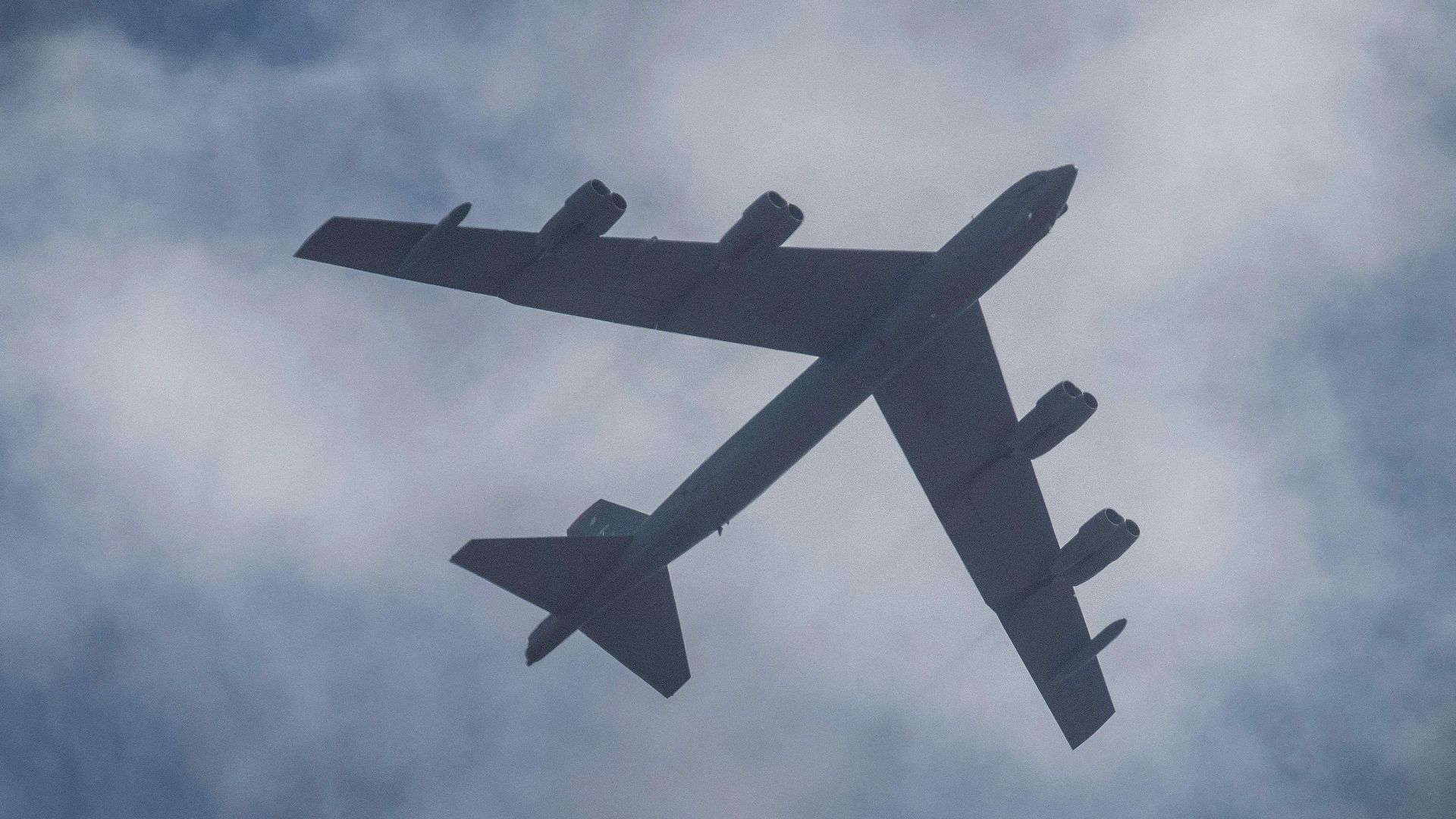
Two U.S. B-52 bombers flew a mission over the Middle East on Saturday in an apparent show of force in the region, the fourth of its kind this year, the U.S. Air Force announced Sunday.
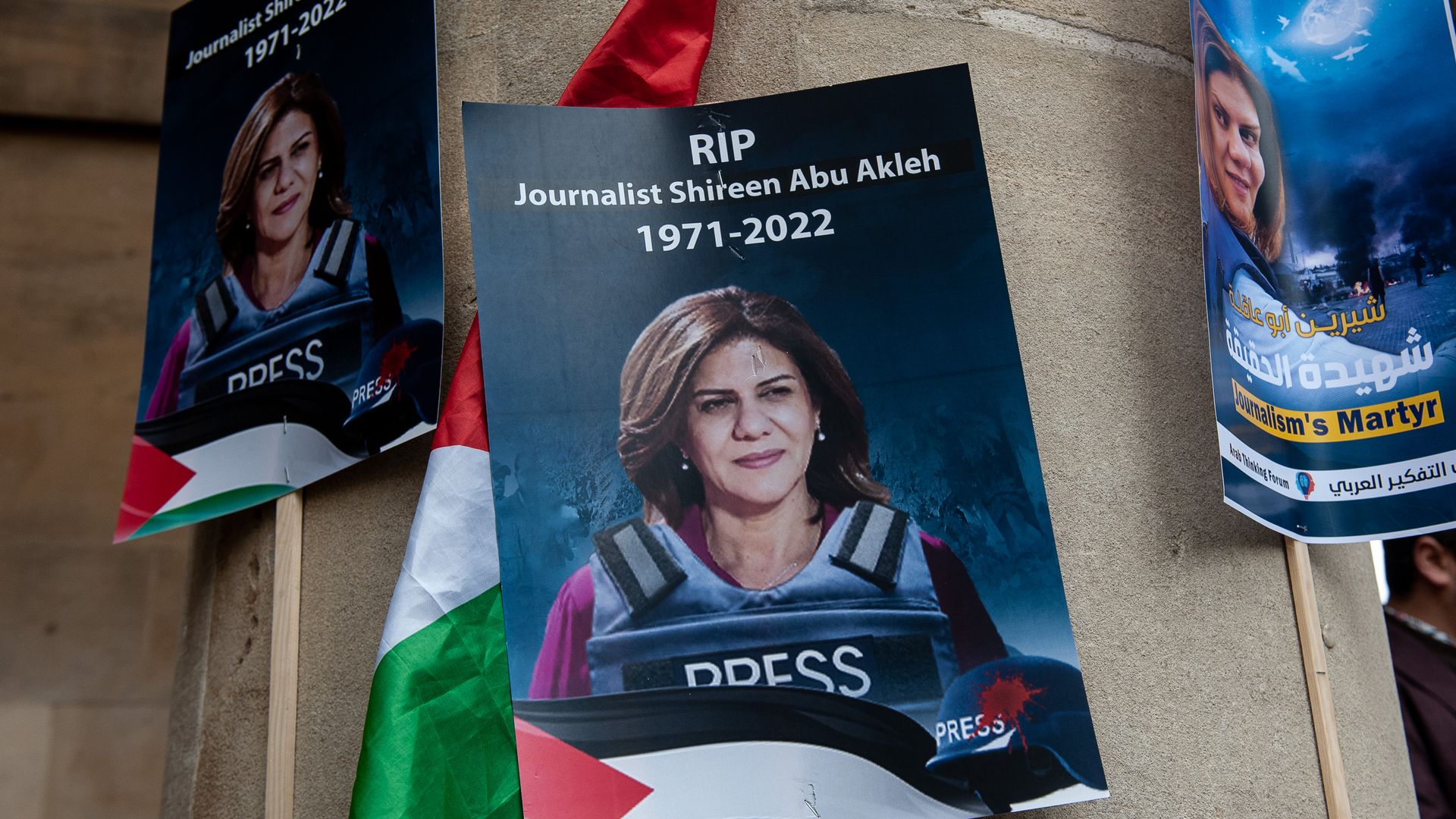
The final conclusion of an Israel Defense Forces (IDF) investigation into the killing of Shireen Abu Akleh is that the Palestinian American journalist was most likely killed in "unintentional fire" from an Israeli soldier who did not realize she was a journalist, a senior IDF officer briefed reporters on Monday.
Why it matters: The findings are a shift from the IDF's initial position that it was not possible to know who shot Abu Akleh, and align with the conclusions of a U.S. probe.
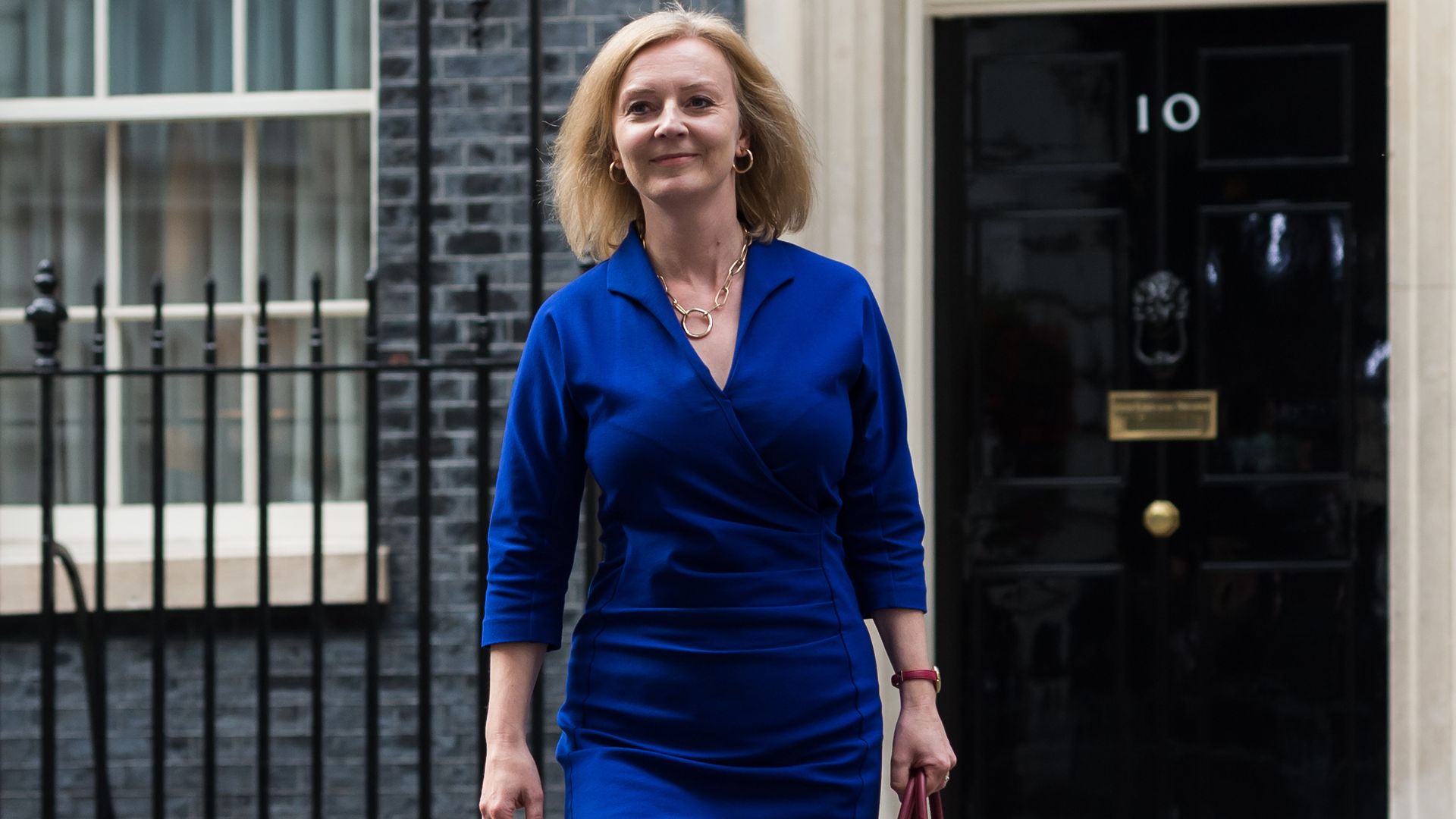
Liz Truss was announced Monday as the winner of the Conservative Party leadership election and thus the U.K.'s next prime minister, defeating former chancellor Rishi Sunak by a 57% to 43% margin.
Why it matters: In her current role as foreign secretary, Truss has made headlines for her hawkish approach to relations with the EU and the war in Ukraine. She's also vowed to slash taxes, despite the rocky state of the U.K.'s finances. She will be the third woman to serve as prime minister.
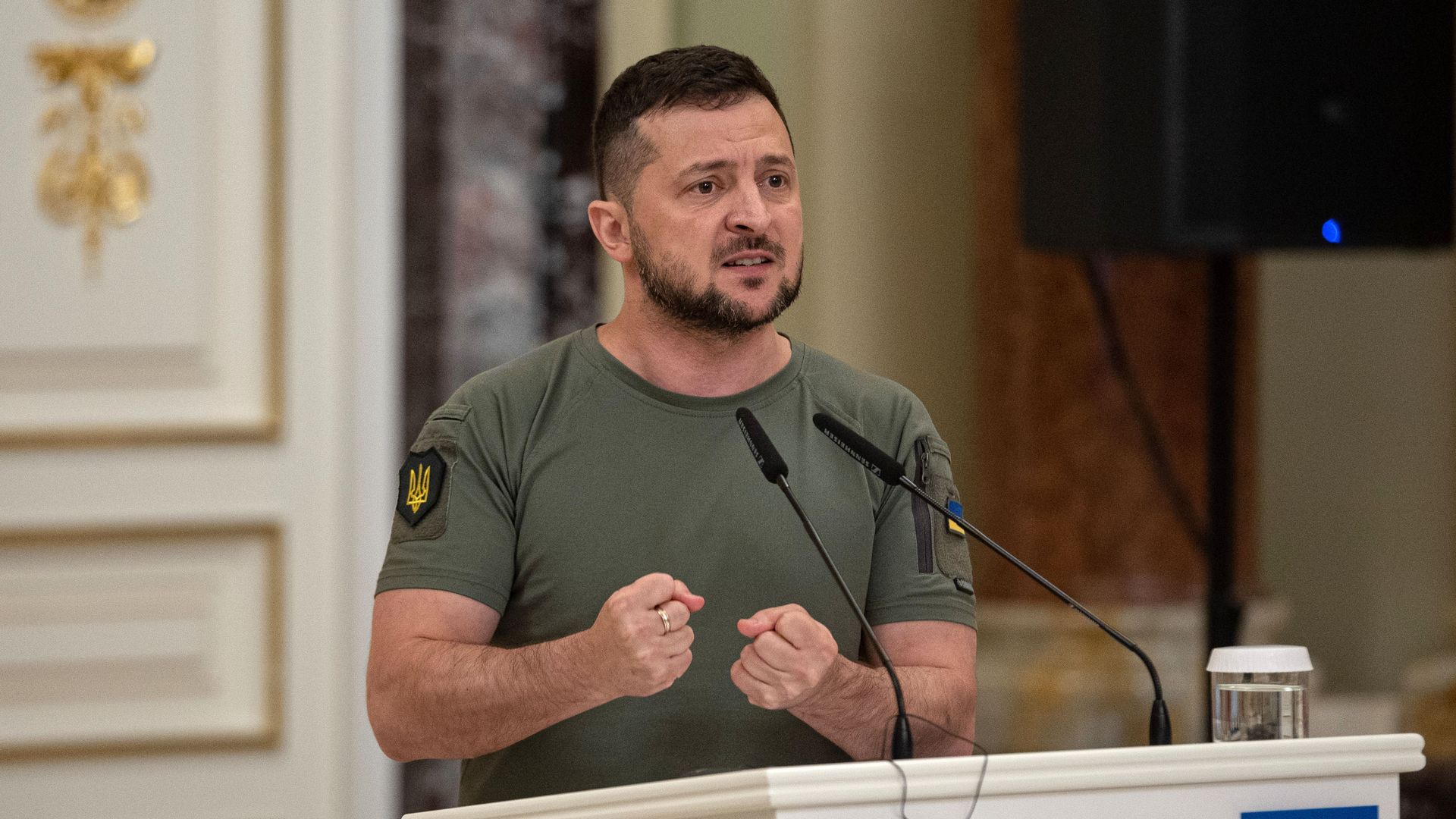
Ukrainian President Volodymyr Zelensky said during an ABC News interview shared Sunday that Russia's occupying forces were using Europe's largest nuclear power plant as a "weapon."
What he's saying: Zelensky said in the interview airing Monday that the threat of Russian forces occupying the Zaporizhzhia Nuclear Power Station in southeastern Ukraine and its six reactors was akin to "six Chernobyls" — a reference to the 1986 nuclear disaster in the northern region of Soviet Ukraine.
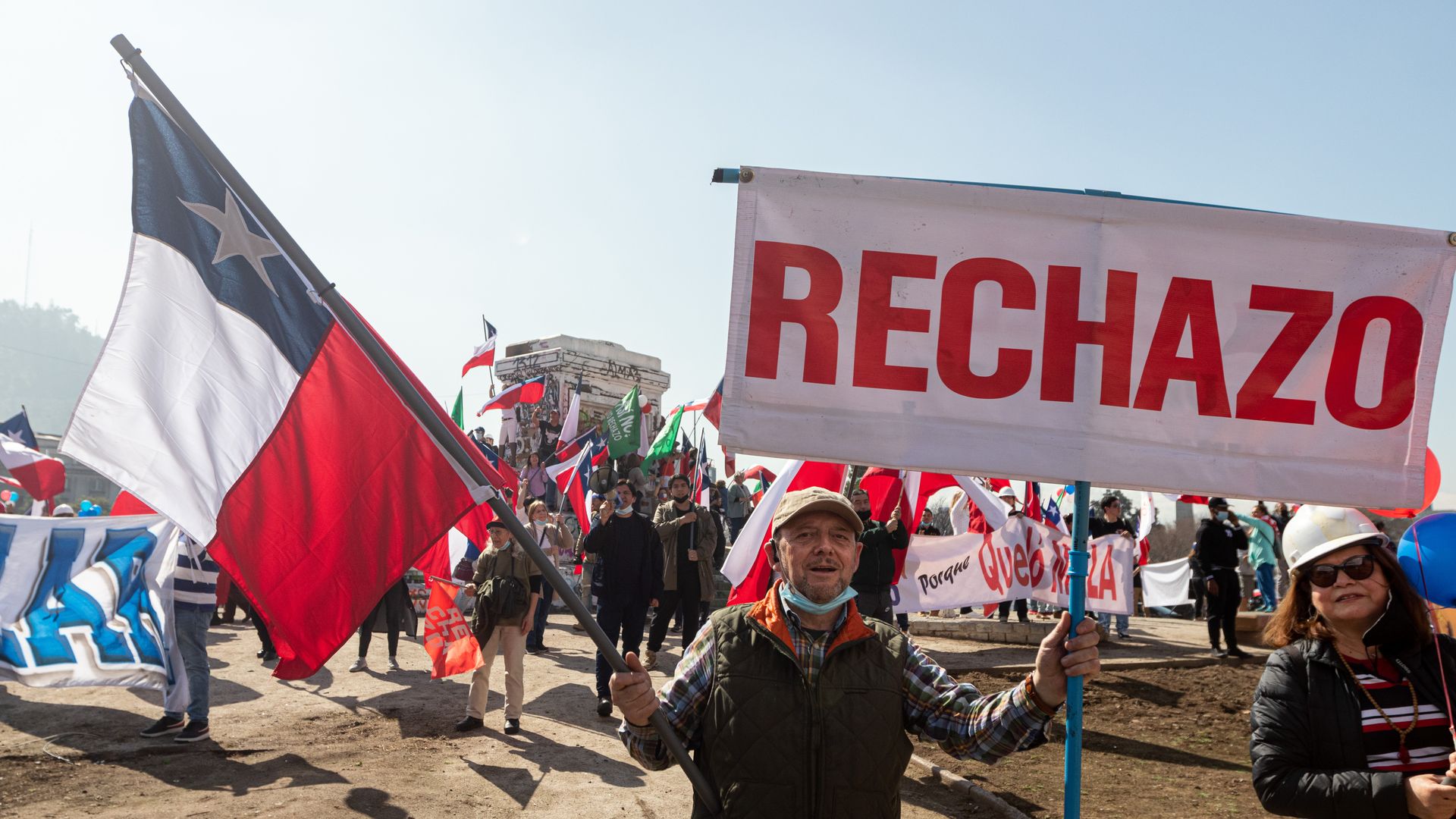
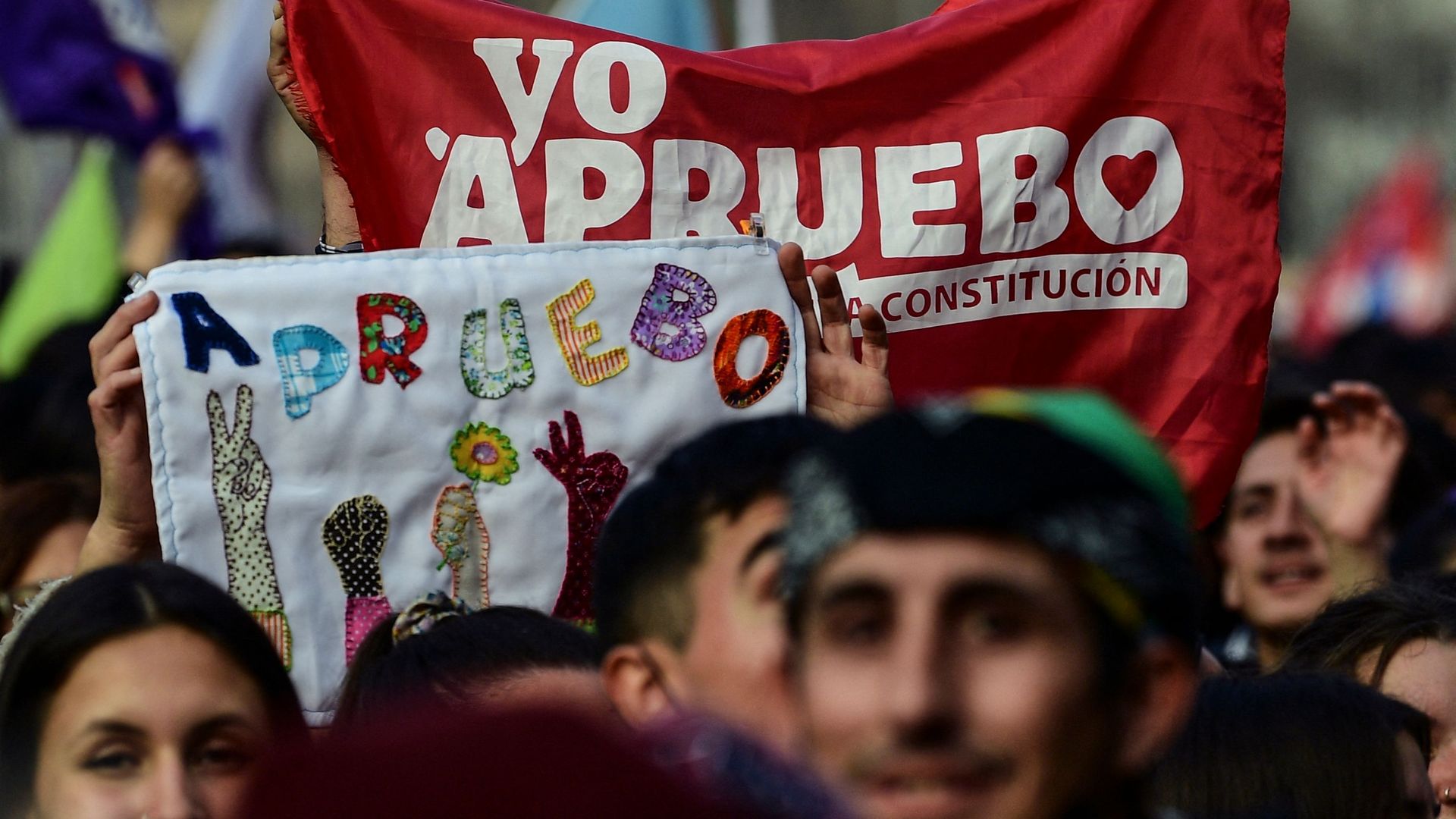
Voters in Chile on Sunday rejected a progressive constitution that would have drastically changed the country.
Why it matters: It's a major blow to leftist President Gabriel Boric and his supporters who championed the draft text, which would have enshrined reproductive, education, housing and Indigenous rights.
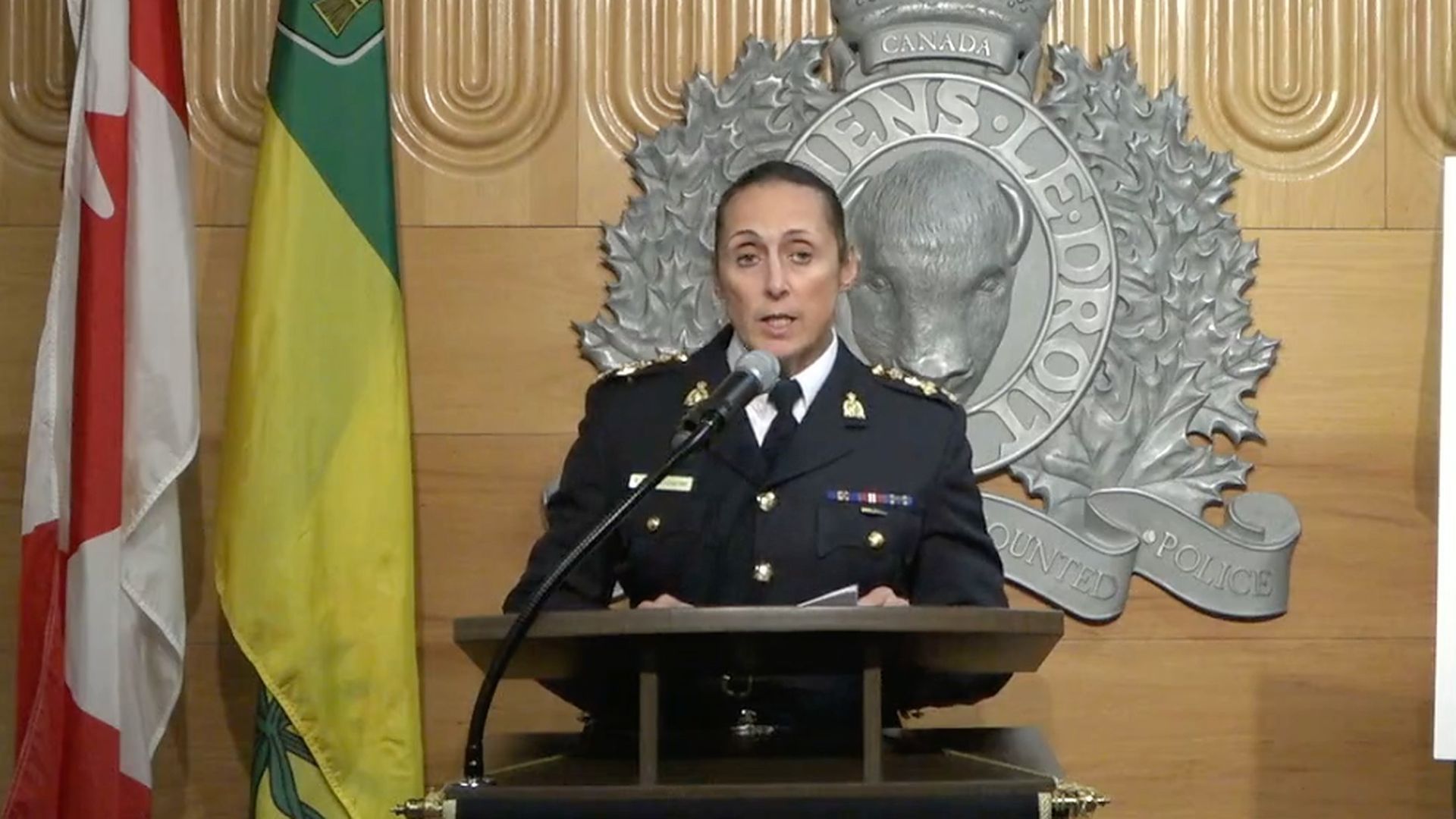
Canadian police said they're searching for two "armed and dangerous" men suspected in stabbing attacks across Saskatchewan province that left 10 people dead and 15 others wounded on Sunday.
Driving the news: Rhonda Blackmore, the assistant commissioner of the RCMP Saskatchewan, said at a briefing that the stabbings occurred in 13 locations across James Smith Cree Nation and the village of Weldon, northeast of Saskatoon.
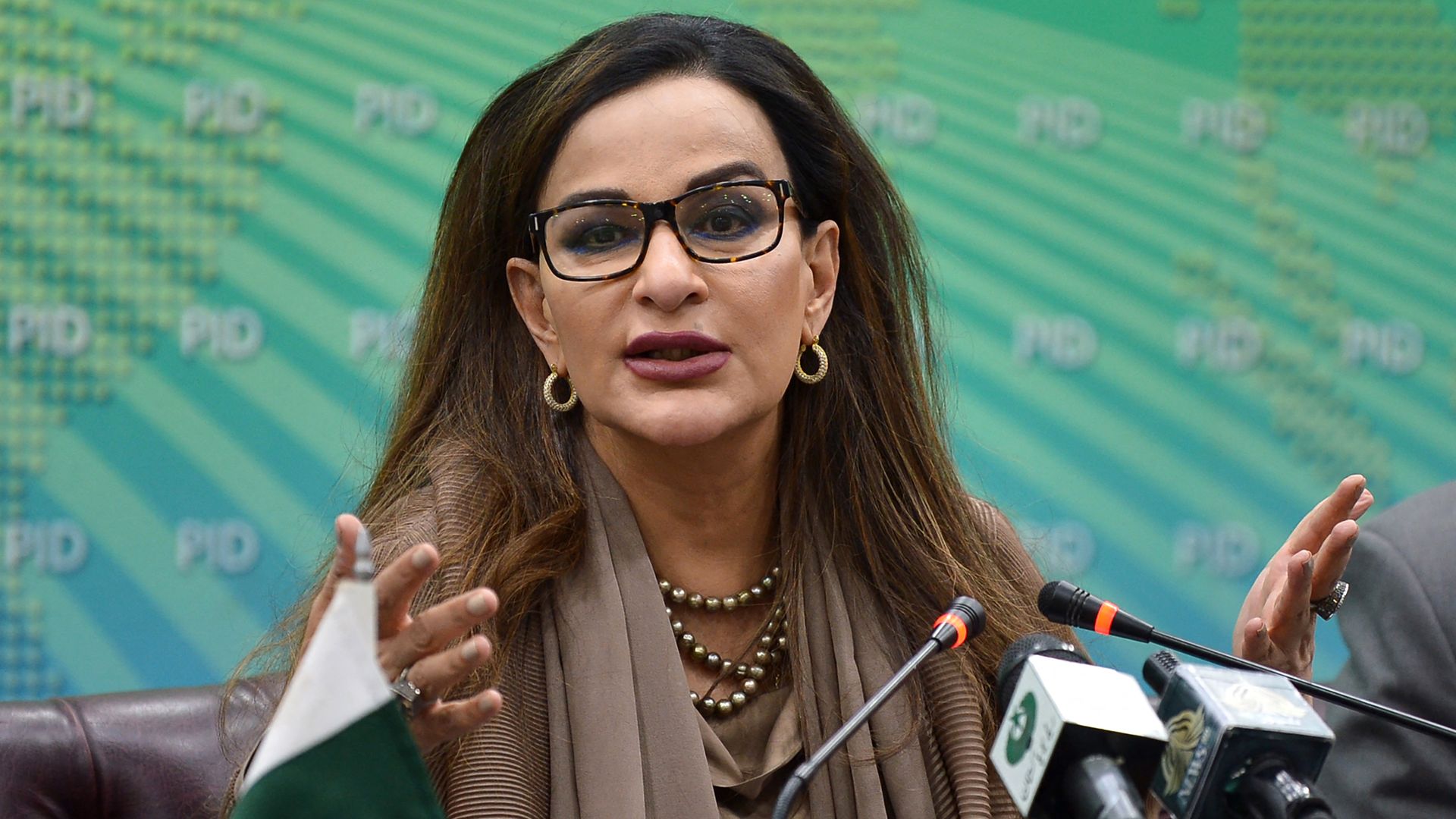
Pakistan’s minister for climate change called for rich countries to pay reparations to their counterparts facing climate disasters for contributing the brunt of emissions that have led to global warming.
Why it matters: Sherry Rehman's suggestion, made in an interview with the Guardian out Sunday, comes as Pakistan has pleaded with the international community for an “immense humanitarian response” as it suffers from unprecedented flooding that has left more than 1,250 people dead.
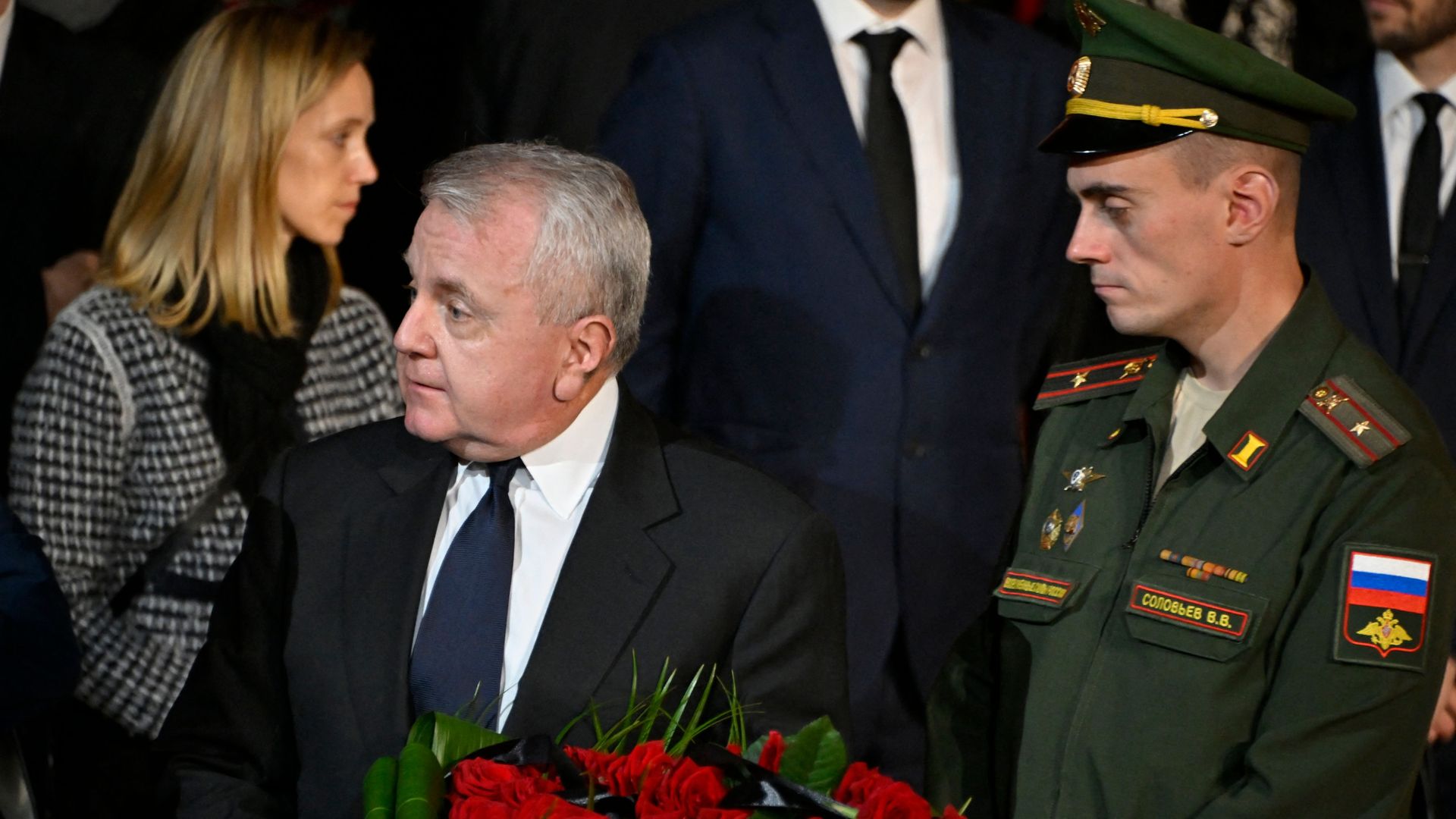
The U.S. ambassador to Russia, John Sullivan, has left his post and will retire, the U.S. Embassy in Moscow announced on Sunday.
Why it matters: The news came as an abrupt surprise as Sullivan, who has served in the role since 2019, had given no prior public indication of planning to depart from his position.
Chileans are heading to the polls Sunday to vote on a proposed constitution that if adopted would usher in one of the most progressive constitutions in Latin America — and the world.
The big picture: Holding a vote on a new constitution garnered widespread support two years ago, but since its drafting, that support has dwindled amid what experts say is an abundance of misinformation, frustration over the process and uncertainty surrounding what's actually included in the proposed document.