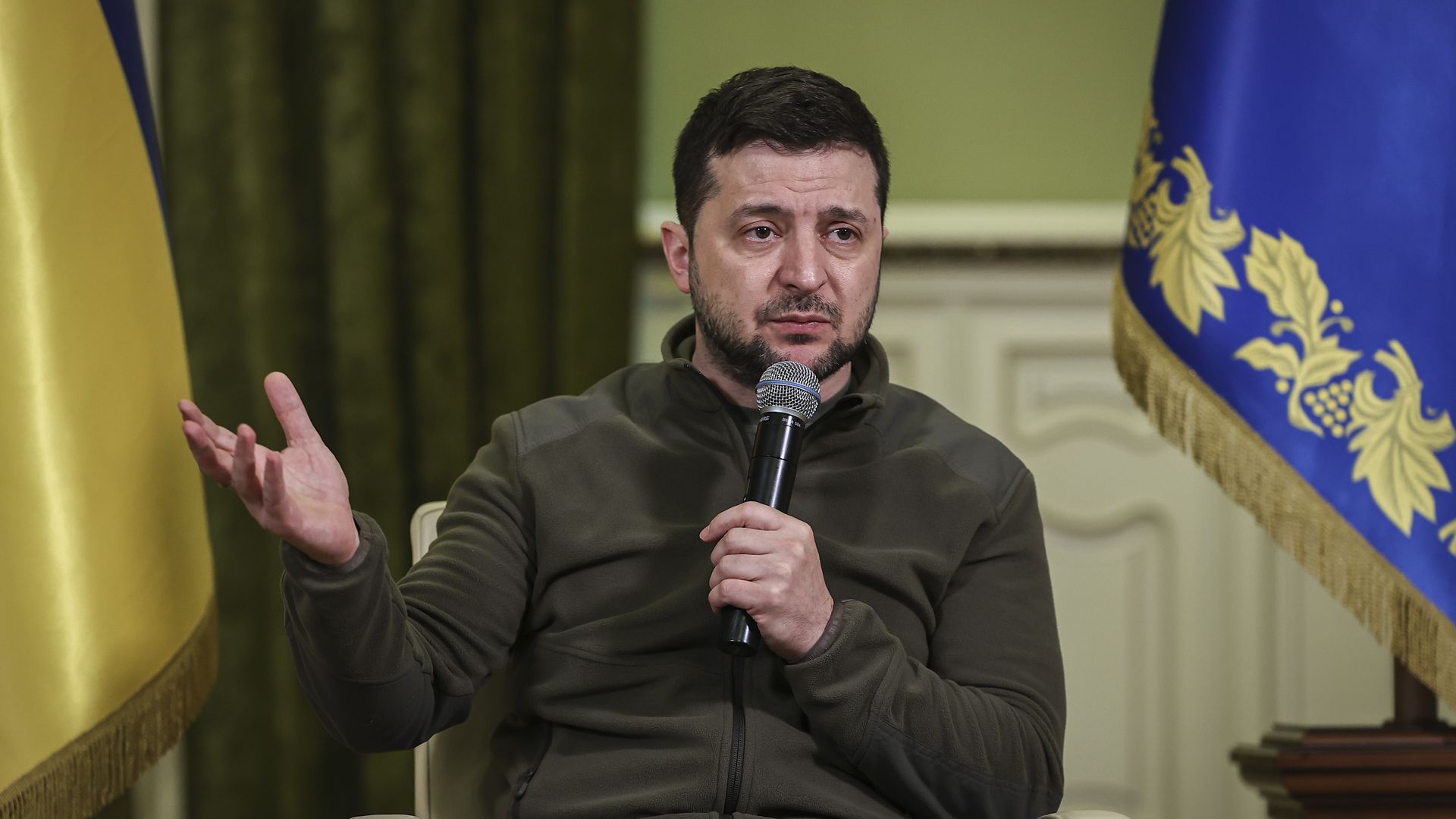
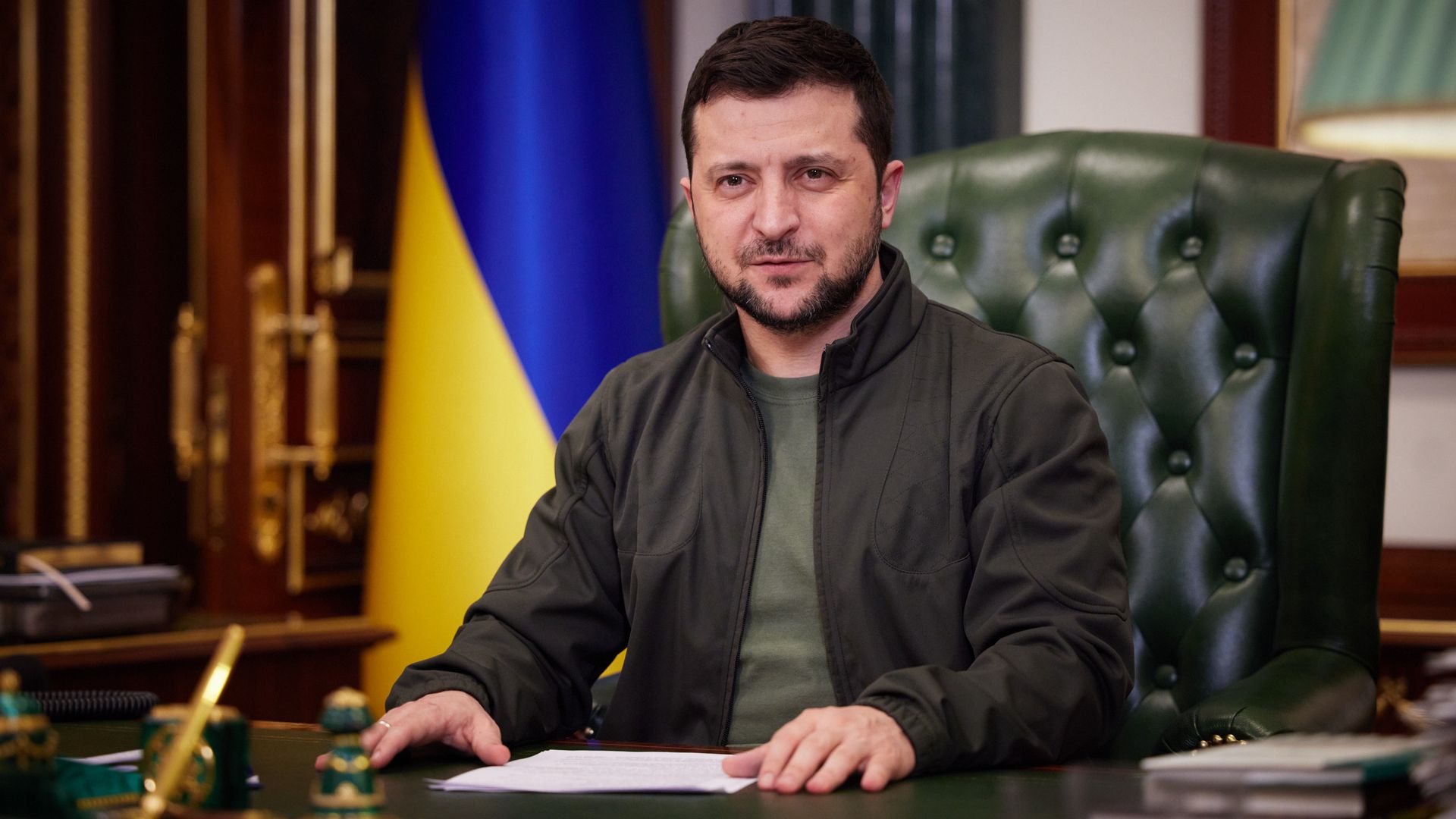
Ukrainian President Volodymyr Zelensky called on the world to stage a global protest against Russia on March 24, one month after Russian troops invaded Ukraine.
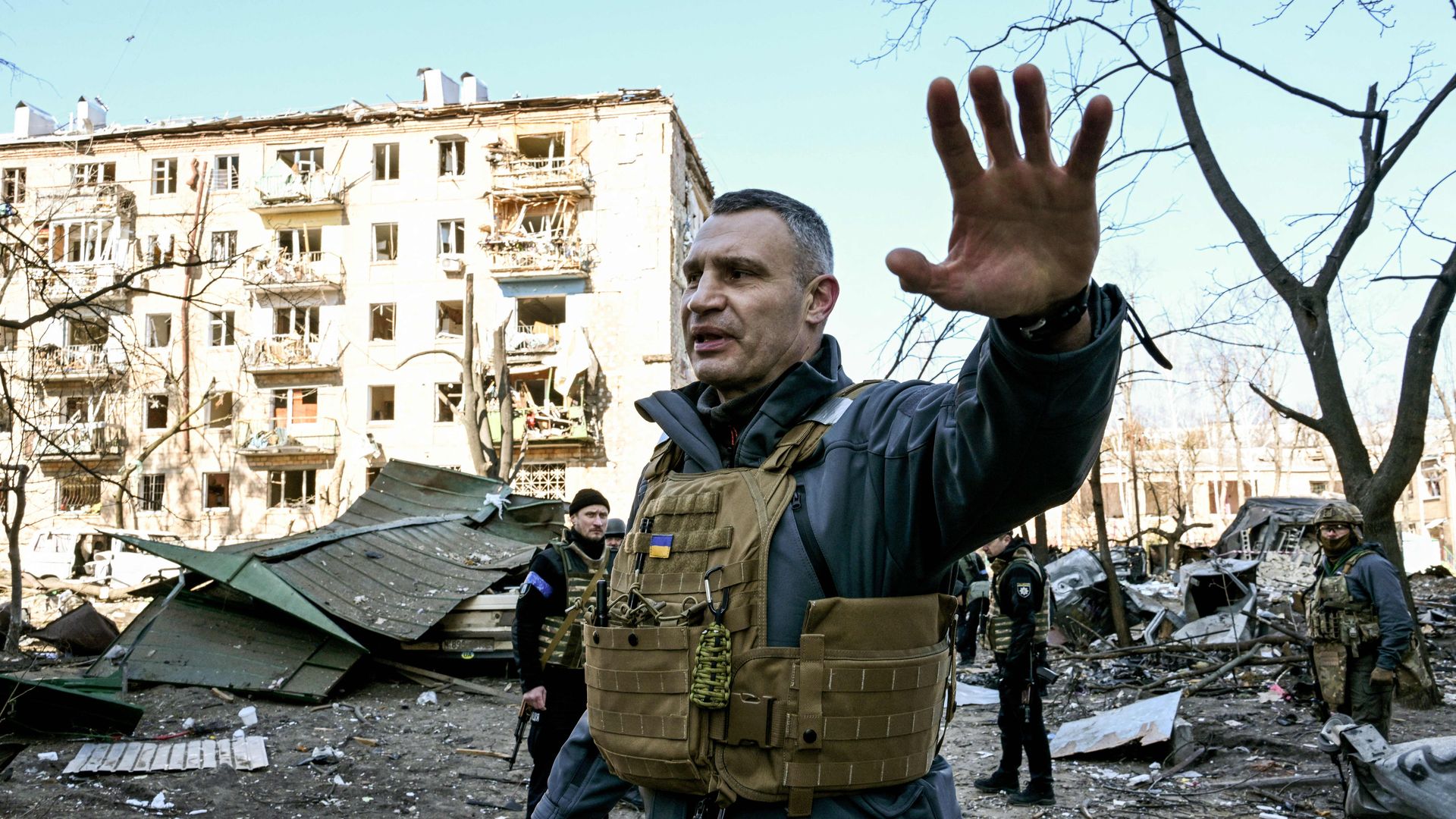
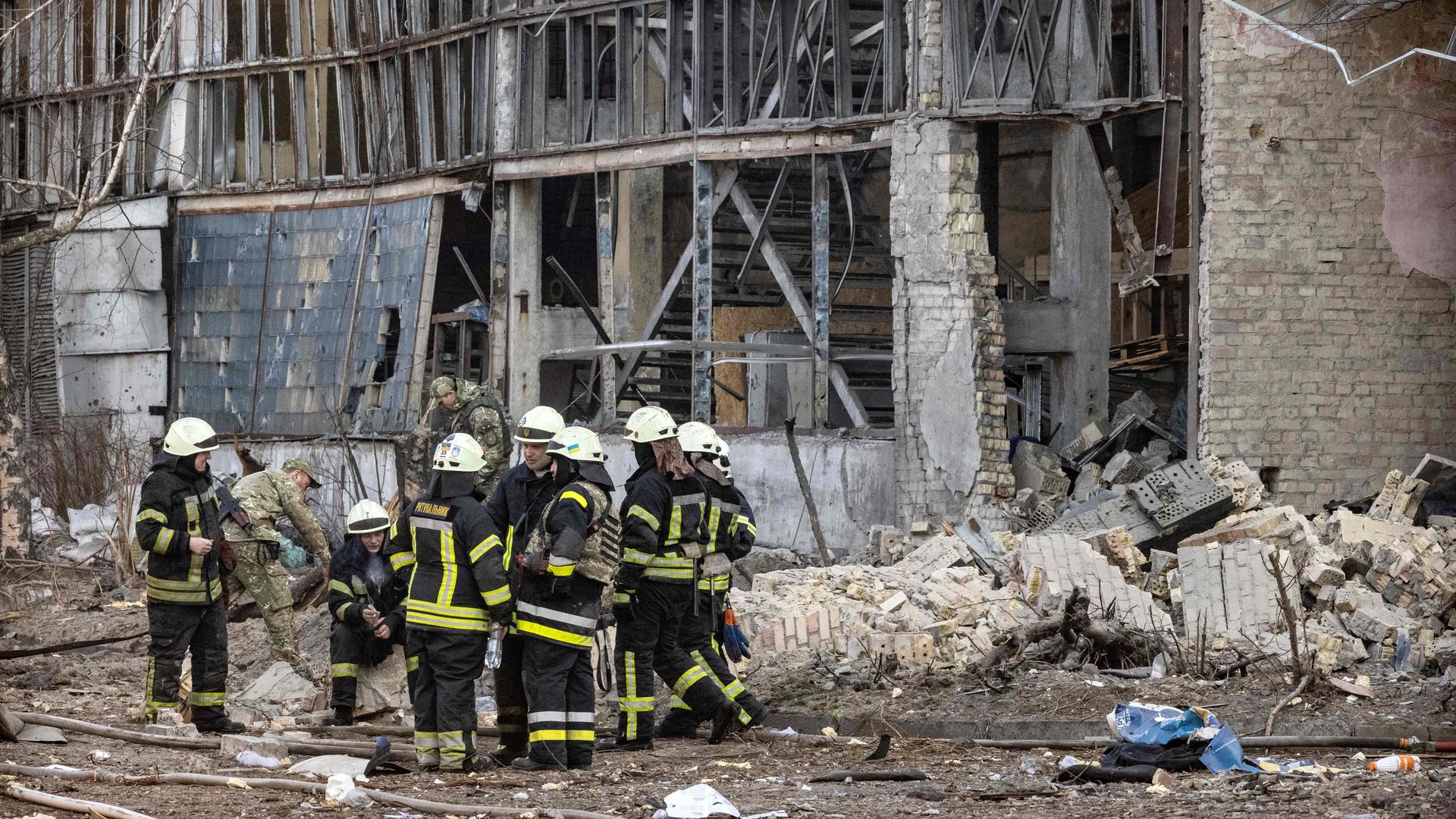
The big picture: Last month, Russian forces crossed the Ukrainian border by land, air and sea from Russia, Belarus and Crimea. Hundreds of civilians have died along with thousands of troops.
Russian forces northeast and east of Kyiv have been pushed back to about 55 kilometers (approximately 34 miles) outside the capital, while other troops 15 to 20 kilometers (about 10 miles) northwest of Kyiv appear to be "digging in" and establishing "defensive positions," a senior U.S. defense official told reporters Wednesday.
Why it matters: Russia's advance on Kyiv has been stalled for weeks, and there are now indications that Ukraine's counteroffensive is showing success. That could cause Russia to re-evaluate its strategy as the Kremlin becomes desperate for momentum to force Ukraine to offer concessions at the negotiating table.
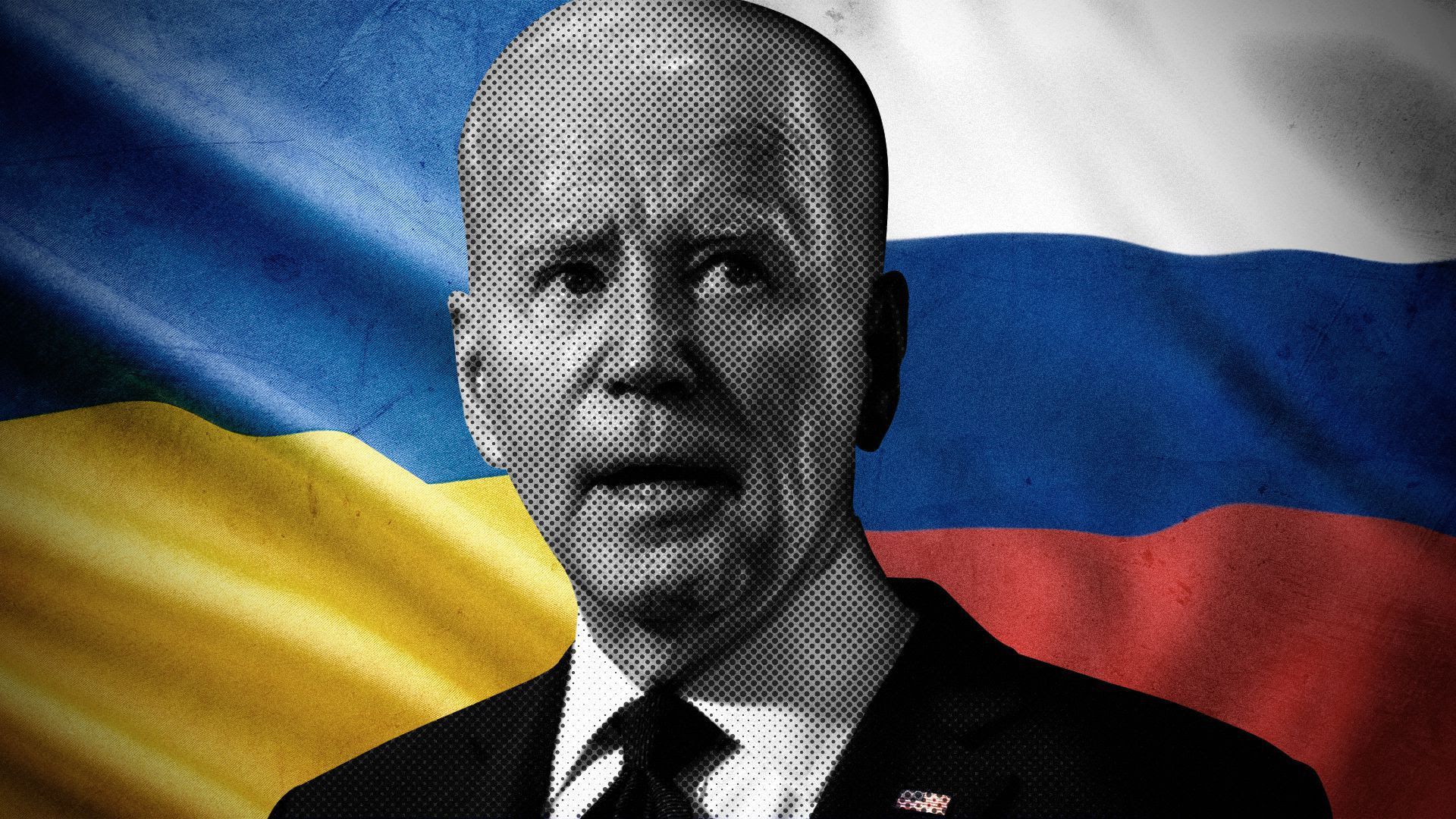
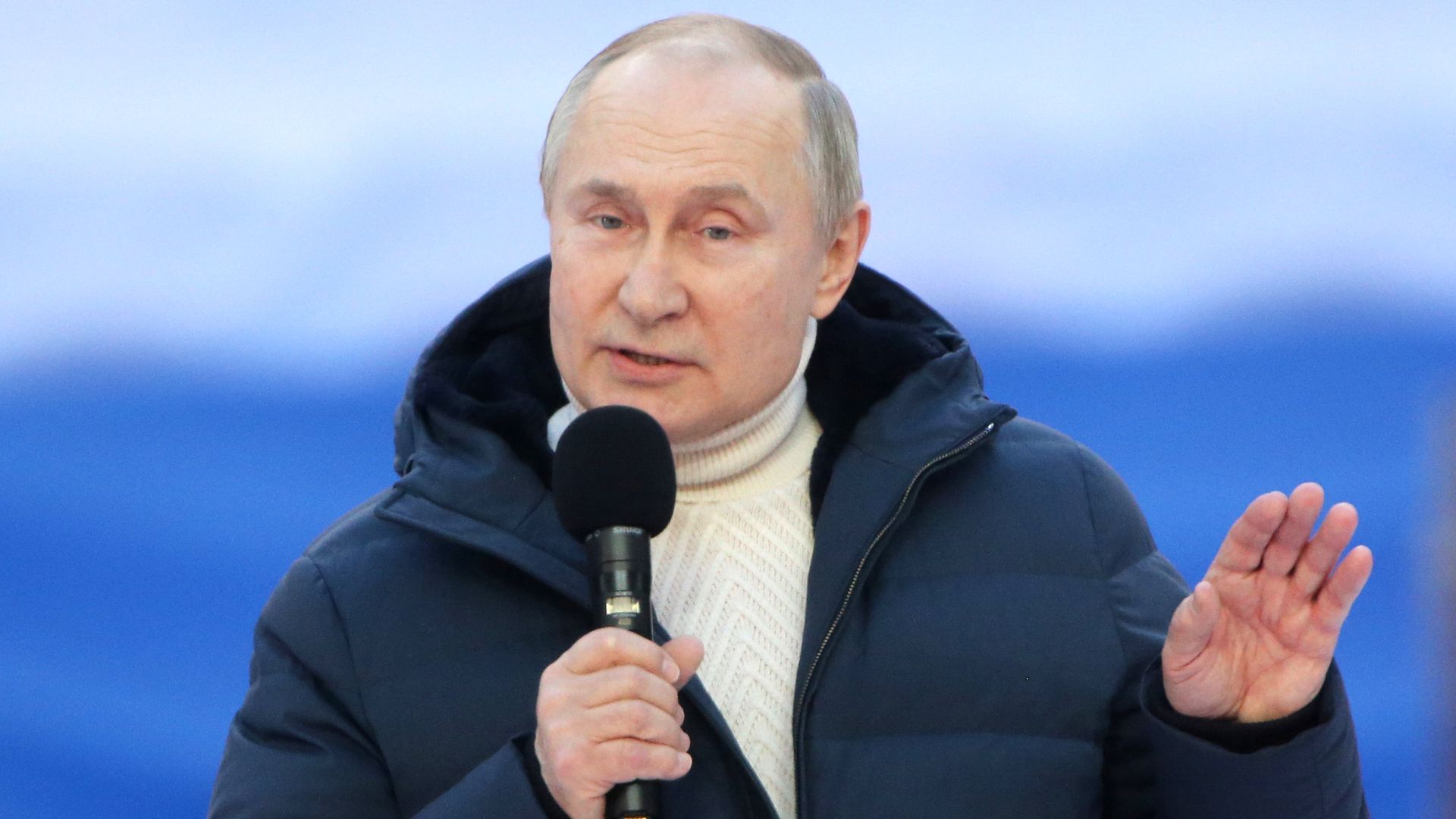
President Biden has called Vladimir Putin a "war criminal," and allegations of war crimes by Russia in Ukraine are mounting,including in the city of Bucha.
The big picture: War crimes have been historically hard to investigate, and often they're even more challenging to prosecute. But cases have delivered justice to victims worldwide, and experts say the evidence against Russia in Ukraine could amount to formal war crime charges in the near future.
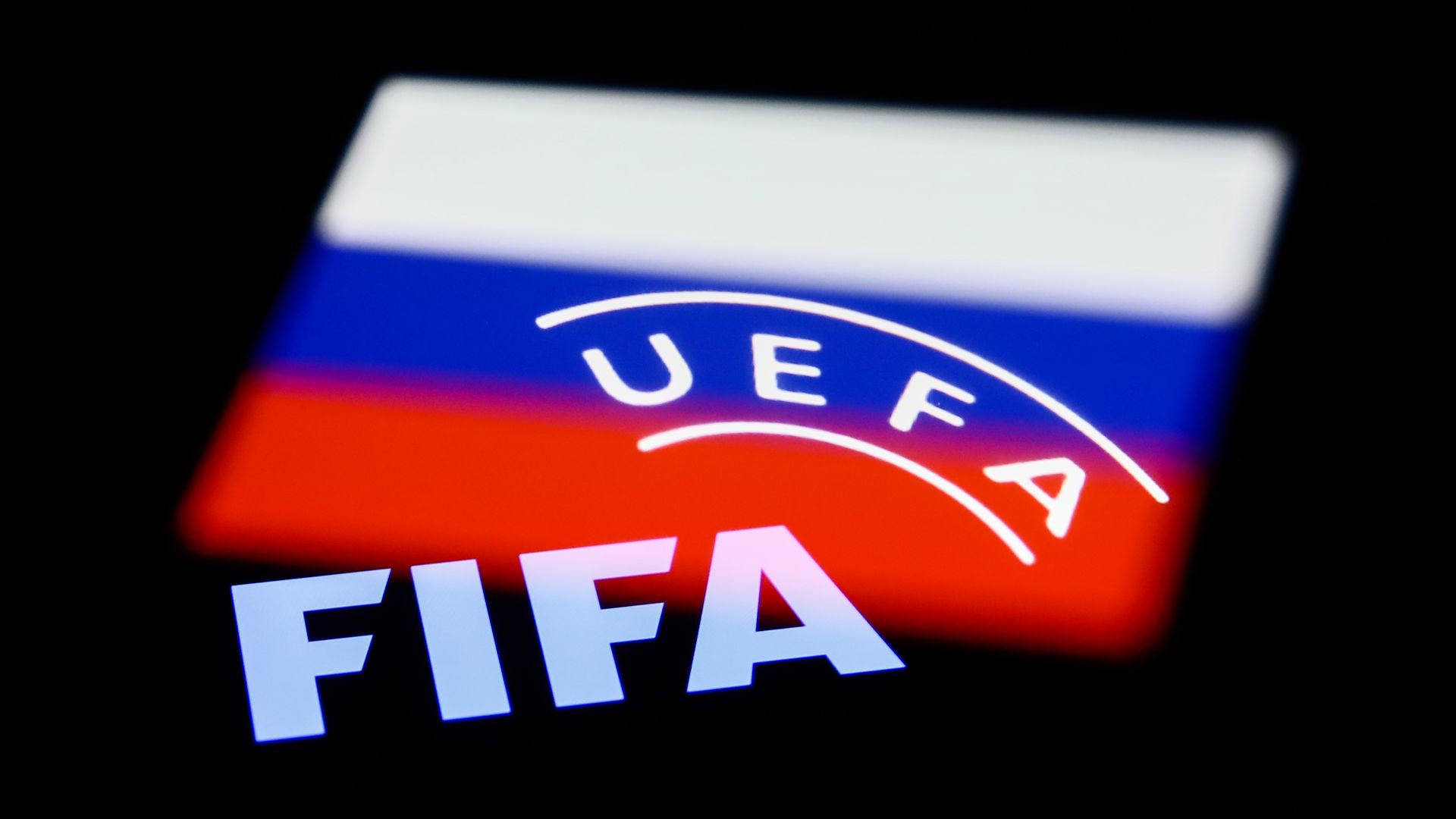
Russia's soccer governing body launched a bid to host UEFA's European Championships on Wednesday — a month after the continental organization, along with FIFA, suspended Russia from competing in international competitions.
Driving the news: The Russian Football Union's executive committee on Wednesday decided to “support the decision to declare interest” in hosting the 2028 and 2032 tournaments, it said in a statement, according to AP.
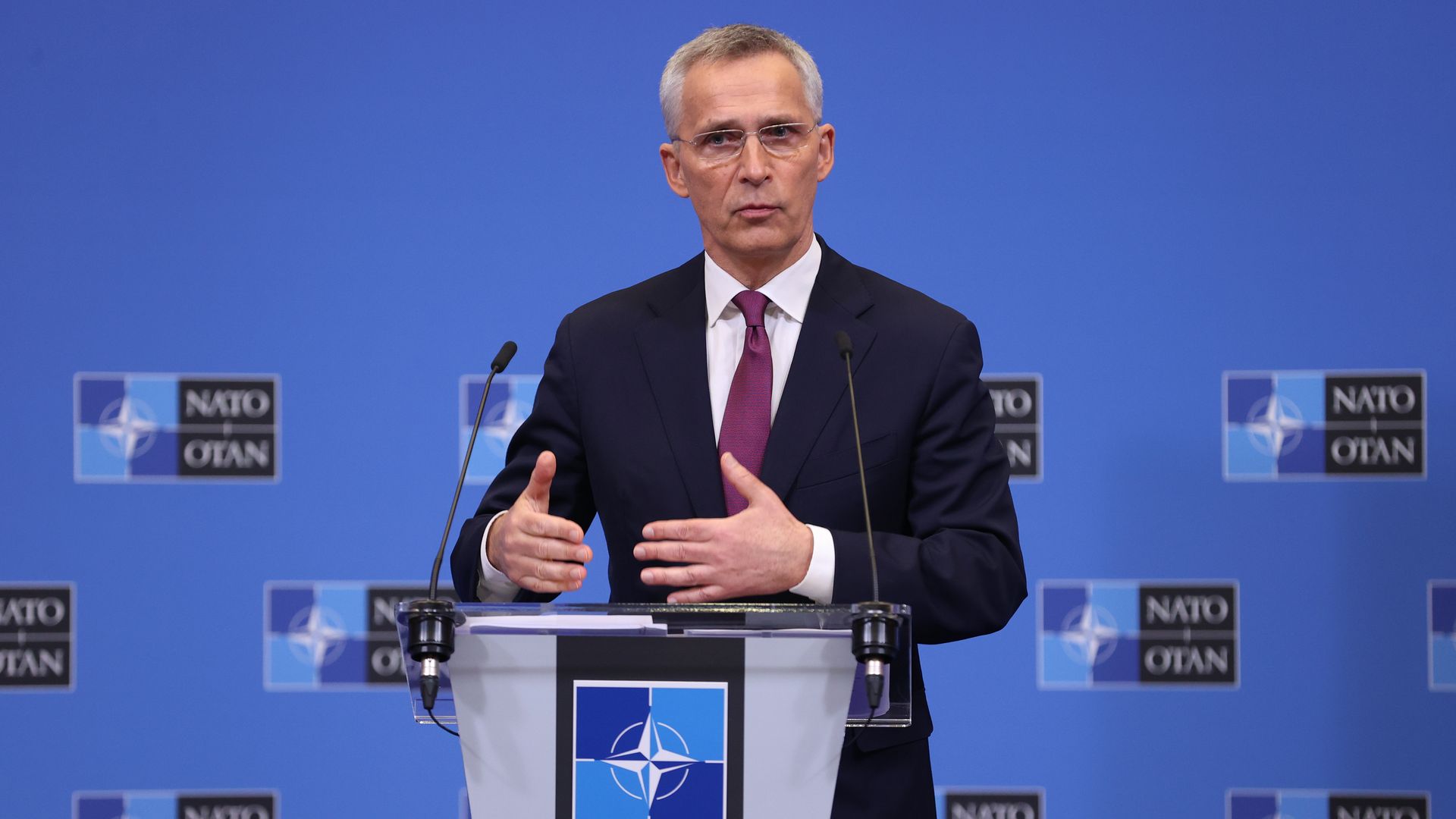
NATO will agree at a summit on Thursday to significantly bolster its troop presence on its eastern flank, Secretary General Jens Stoltenberg told reporters at a press conference on Wednesday.
State of play: The deployment will consist of four new battle groups in Bulgaria, Hungary, Romania and Slovakia. Stoltenberg said he expects leaders at Thursday's emergency summit in Brussels — which Biden will attend — to OK strengthening "NATO’s posture in all domains."
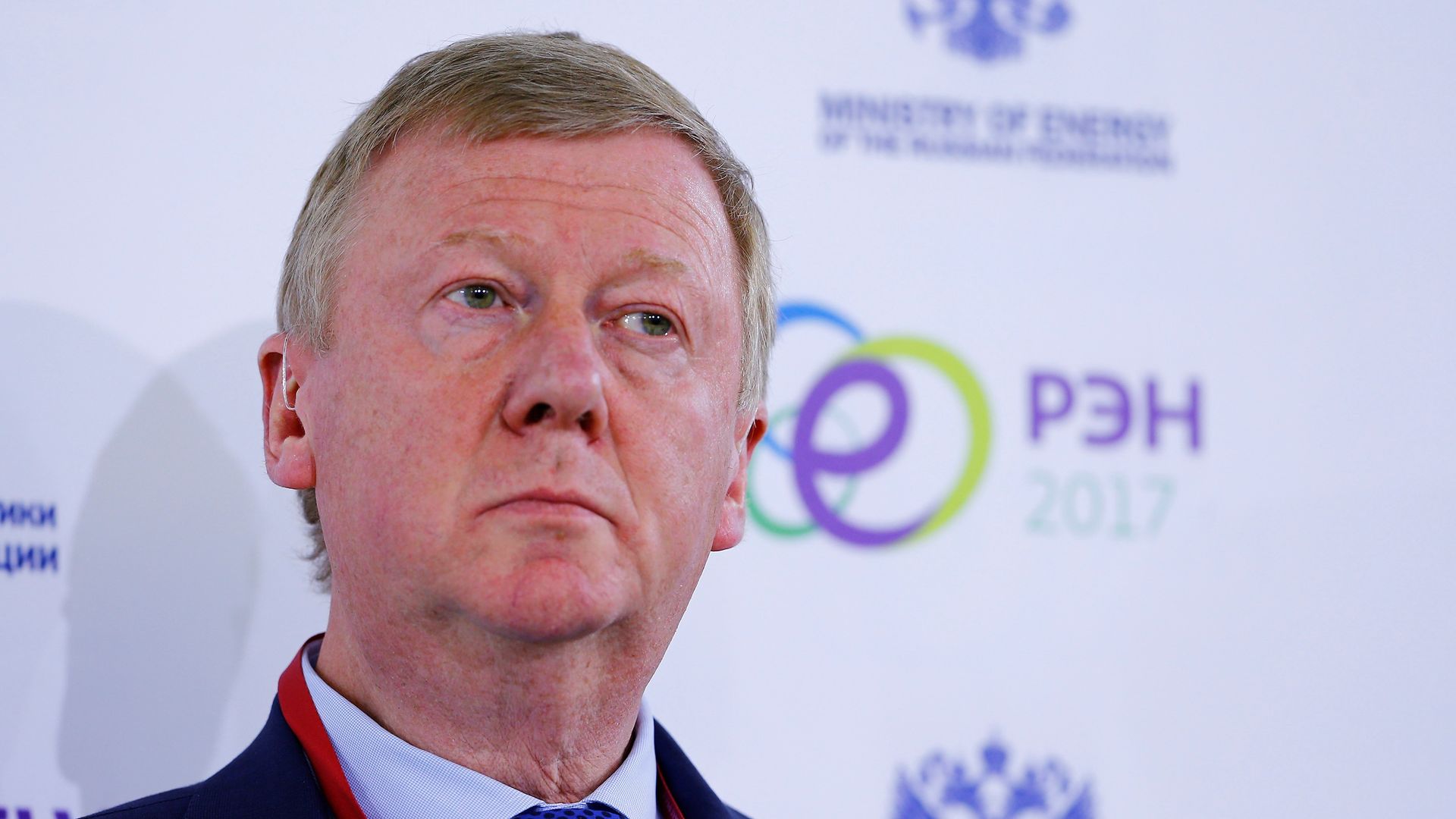
Anatoly Chubais, Vladimir Putin's appointed climate envoy, resigned from his position and left the country, Kremlin spokesperson Dmitry Peskov said Wednesday.
Why it matters: Chubais, who became a prominent economic reformer after the fall of the Soviet Union, resigned and fled in protest over Russia's unprovoked invasion of Ukraine, becoming the most senior Russian official to do so, Bloomberg first reported.
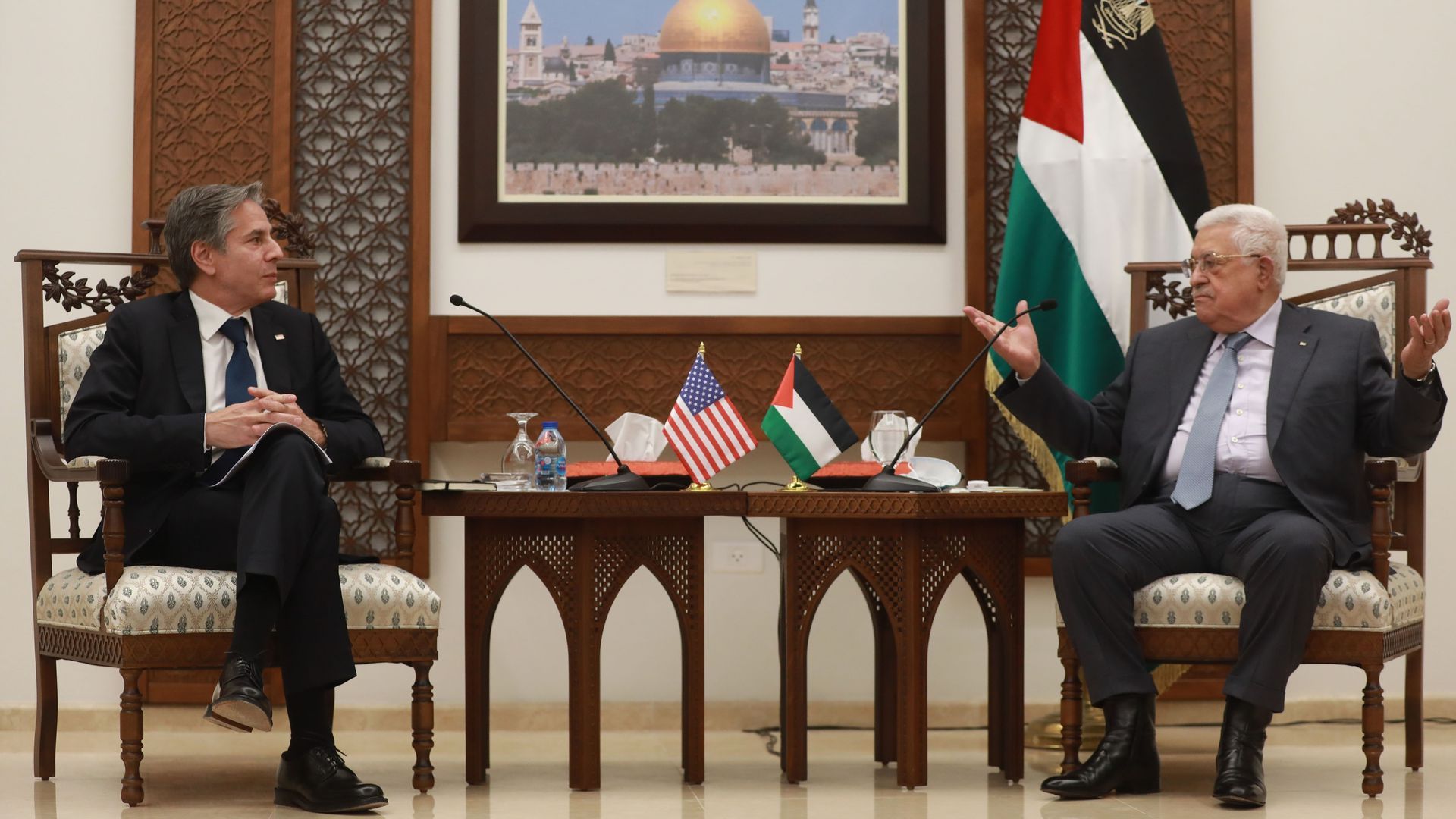
Secretary of State Tony Blinken is expected to travel to the Middle East next week after he joins President Biden’s trip to Brussels and Poland, four U.S. and Israeli officials tell me.
Why it matters: Blinken is set to arrive at a time when U.S. relations with many of its partners and allies in the region are tense. His original itinerary included stops in Saudi Arabia and the UAE, but as the dates of the trip shifted back and forth several times, those visits were dropped.
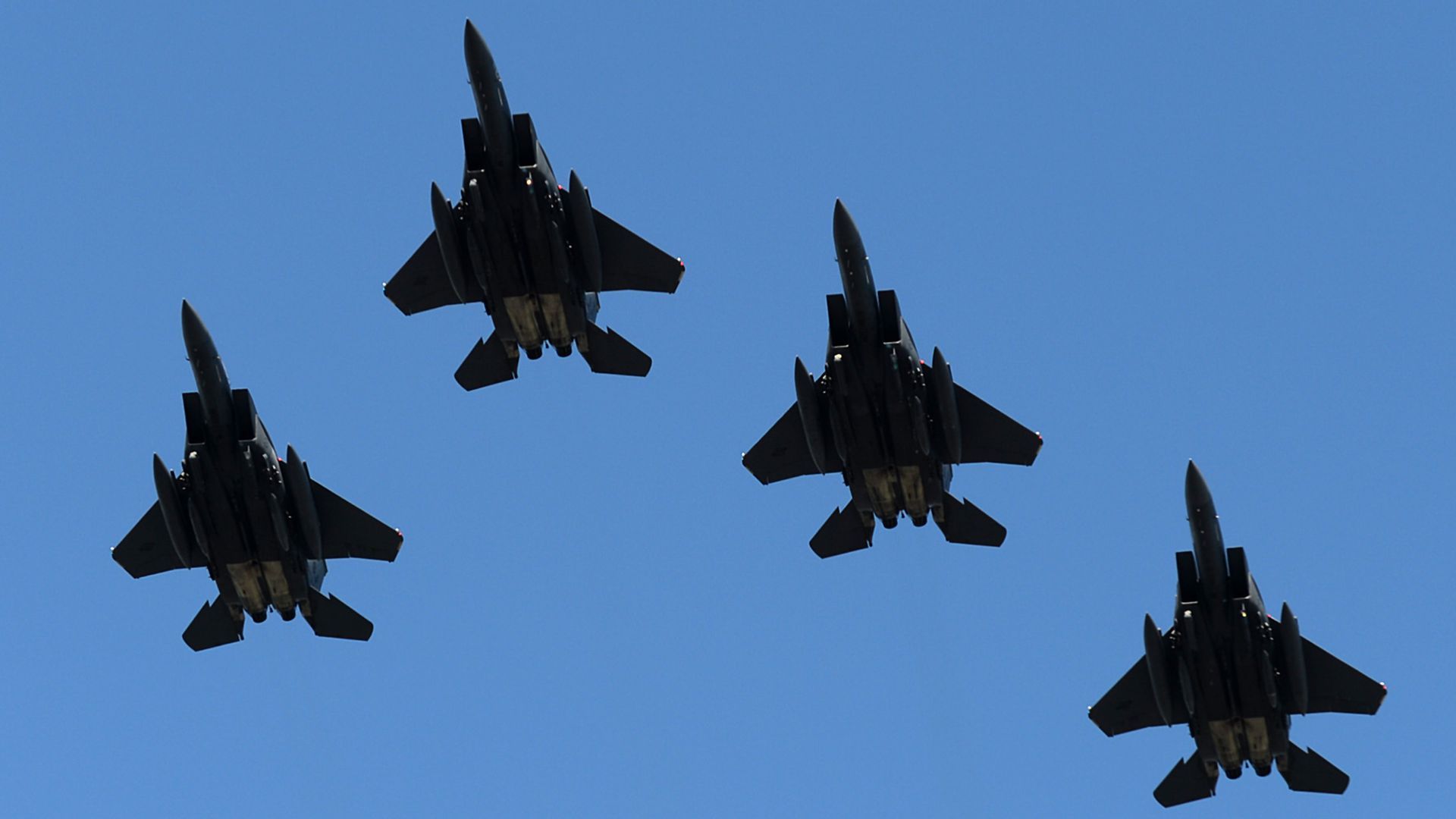
Israel is encouraging the Biden administration to approve a major arms deal with Egypt for the sale of F-15 fighter jets, two senior Israeli defense officials told Axios.
Why it matters: The Israeli lobbying efforts show the depth of the Israeli-Egyptian relationship in recent years and the efforts Israel is making to improve relations between Washington and Cairo.
State Department spokesperson Ned Price said Wednesday that an official from the U.S. embassy in Moscow found WNBA star Brittney Griner "in good condition" after they were granted consular access.
Driving the news: "We were able to check on her condition, we will continue to work very closely with her legal team, with her broader network, to see to it that she is treated fairly," Price told CNN's Poppy Harlow.
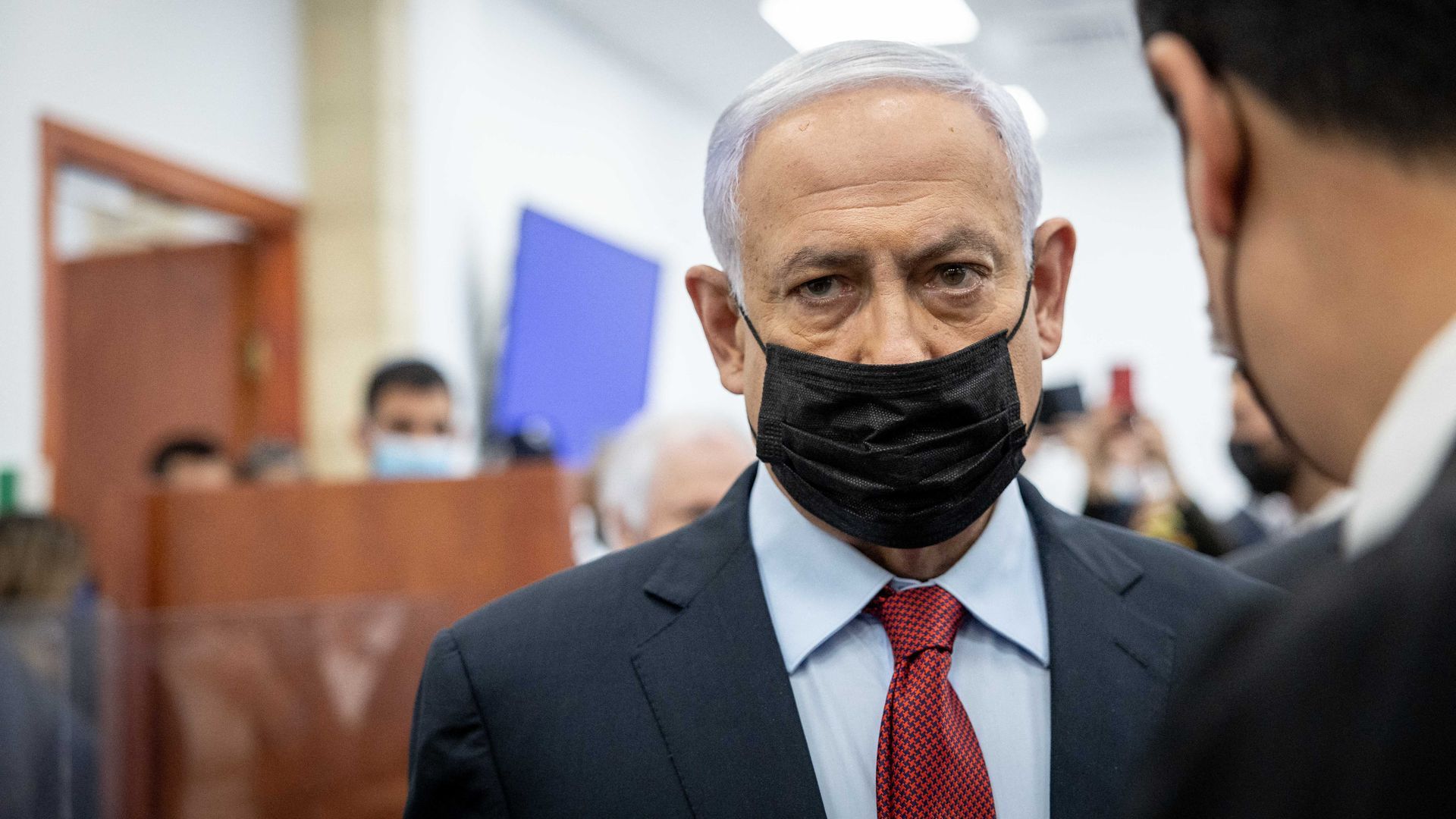
A key state witness in Benjamin Netanyahu’s corruption trial testified this morning that the former prime minister had instructed him to take regulatory action that would benefit telecommunications tycoon Shaul Elovitch.
Why it matters: The testimony concerned "Case 4000," in which Netanyahu stands accused of bribery, fraud and breach of trust for allegedly providing Israel's biggest telecom company with regulatory benefits worth hundreds of millions of dollars in exchange for favorable coverage from one of Israel's major news websites, which Elovitch also owned.
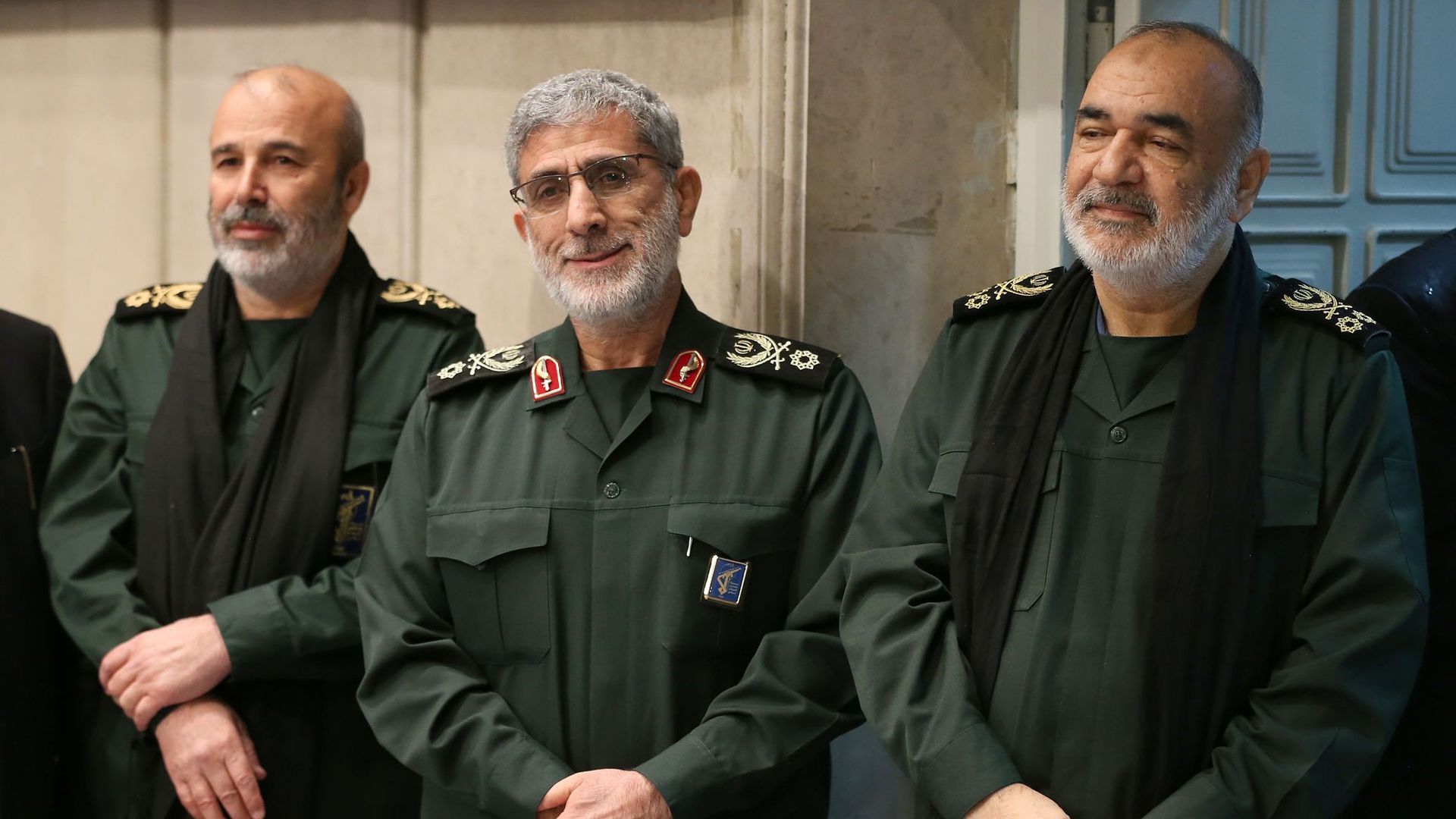
Iranian officials have not agreed to publicly commit to de-escalation in the region — a U.S. condition for removing the country's Islamic Revolutionary Guard Corps (IRGC) from a terror list, two U.S. sources with direct knowledge of the issue and one Israeli official told me.
Why it matters: An agreement to restore the 2015 nuclear deal is nearly complete, but Iran's demand that President Biden reverse former President Trump's decision to designate the IRGC as a Foreign Terrorist Organization is one of the last remaining sticking points.
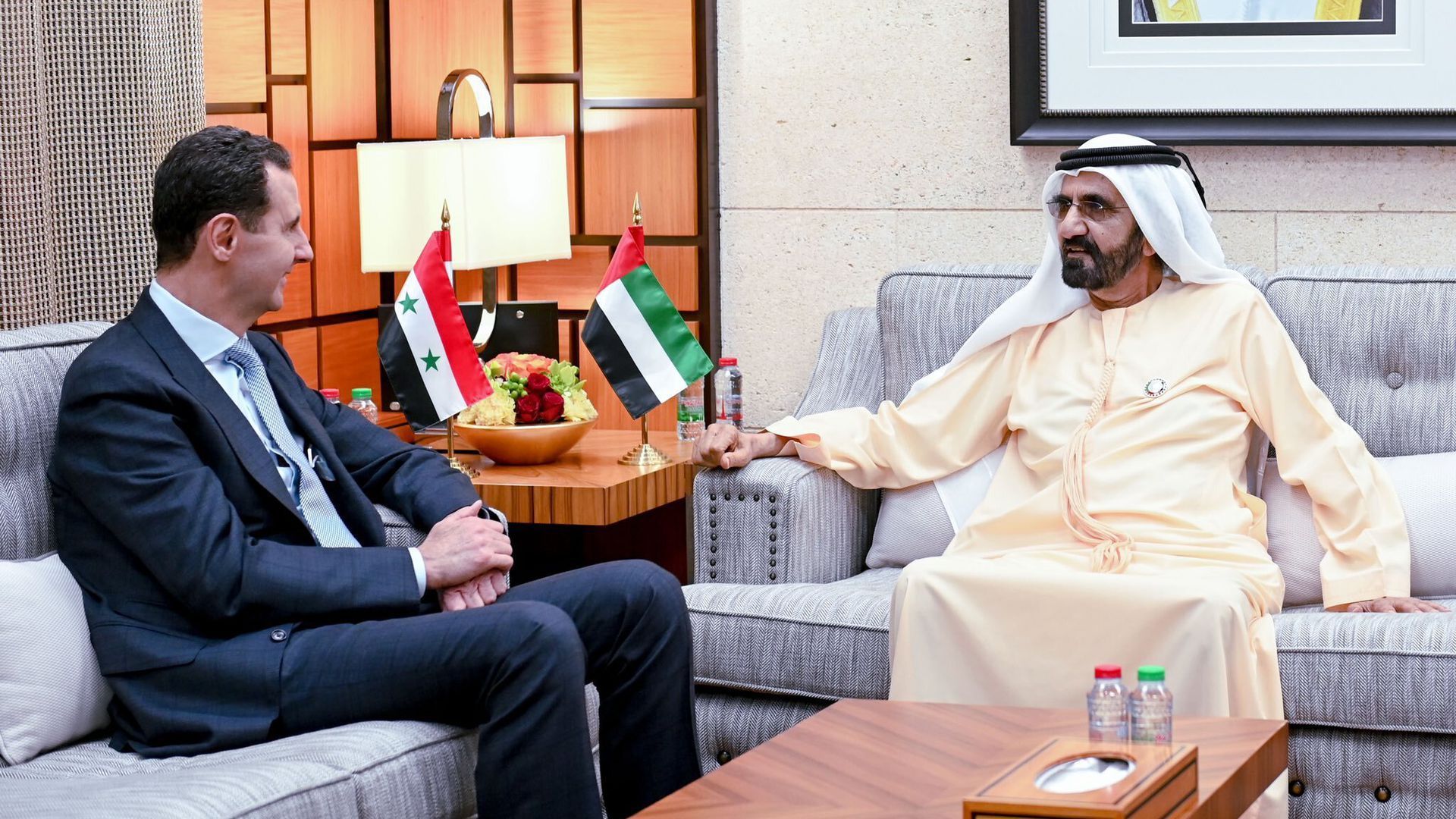
The Biden administration was caught off guard last Friday when Syrian President Bashar al-Assad visited the United Arab Emirates, two sources with direct knowledge of the issue told me.
Why it matters: Assad's visit, which was his first to an Arab country since the Syrian war erupted 11 years ago, added more tension to the already strained relations between the U.S. and the UAE.
President Biden will use meetings with European leaders this week to push new steps to curb the continent's huge reliance on Russian oil and natural gas.
Driving the news: "He will announce joint action on enhancing European energy security and reducing Europe’s dependence on Russian gas at long last," national security adviser Jake Sullivan said at the White House yesterday.
Russia appears to be making good on the interest payments it owes on tens of billions in dollar-denominated bonds — it paid some last week, and initiated another one that was due on Monday.
The big question is why Russia's paying. The main consequence of default — that you can’t borrow in the market anymore — is basically moot since sanctions have all but removed Russia from international financial markets already.
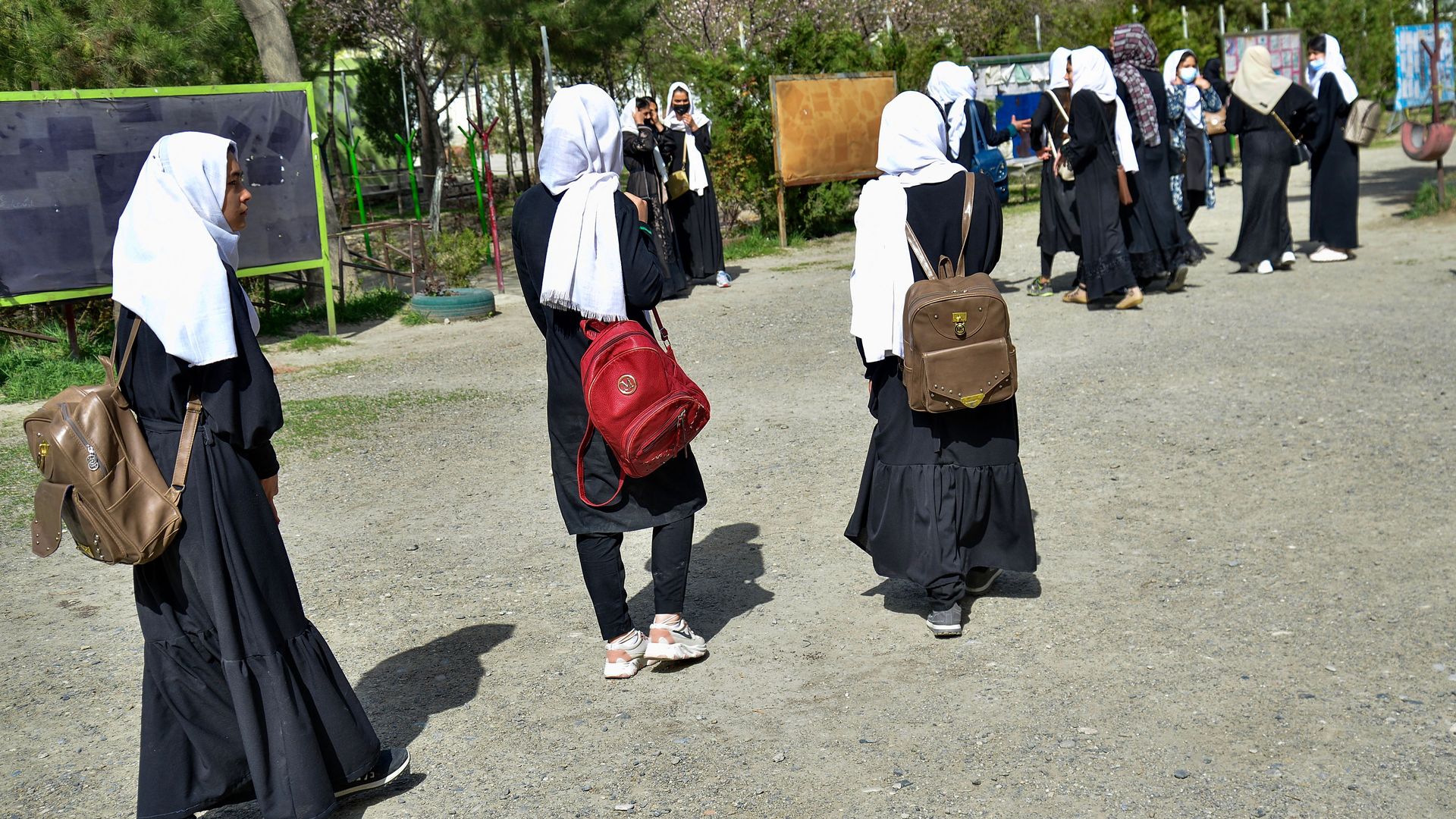
The Taliban on Wednesday went back on a long-standing pledge to let girls return to high school this week, just hours after the schools reopened, The New York Times reports.
The big picture: The U.S. and other Western countries have been pushing for girls' high schools to reopen as a condition of sending aid to Afghanistan — where around 95% of the population does not have enough to eat, per Human Rights Watch.
With President Biden flying to Brussels Wednesday for a NATO summit, his diplomacy in his first year produced big gains in overseas approval of U.S. leadership, Gallup found.
Why it matters: U.S. ratings in many countries matched or surpassed levels during the Obama years, including in Germany.
Ukrainian President Volodymyr Zelensky said in a televised address Wednesday that about 100,000 people are enduring "inhumane conditions" in the southeastern port city of Mariupol as they contend with a relentless attack by Russian forces .
What he's saying: Zelensky said Mariupol's citizens were completely blockaded by Russia's military. "No food, no water, no medicine," he said. "Under constant shelling, under constant bombing."
Russian President Vladimir Putin plans to attend this year's G20 summit in Bali, Indonesia, Russia's ambassador in Jakarta said Wednesday, per Reuters.
Driving the news: White House National security adviser Jake Sullivan told reporters on Tuesday that the U.S. would consult with allies about whether Russia should remain a member of the Group of 20 major economies after the invasion of Ukraine.
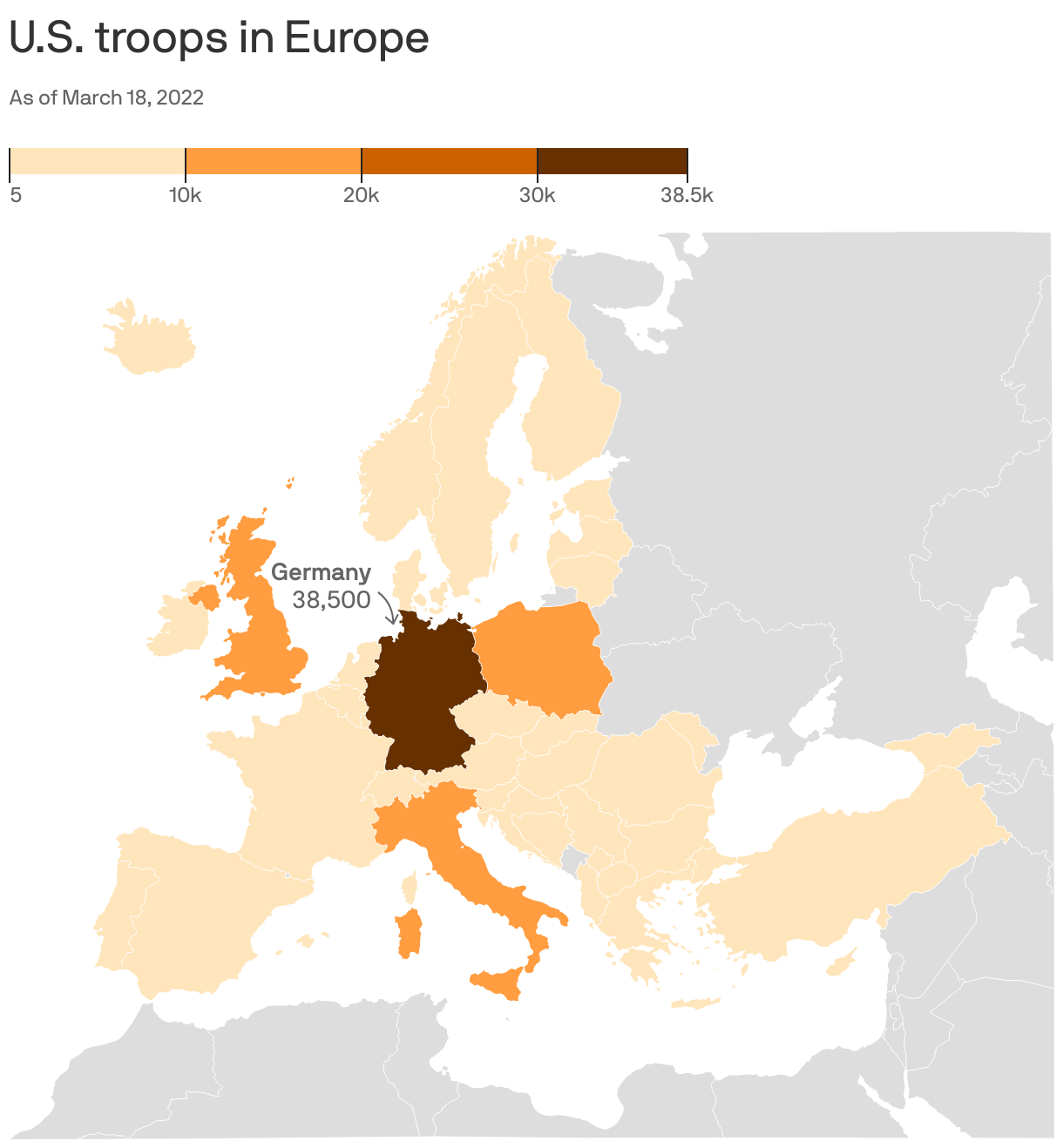
Data: U.S. European Command; Chart: Danielle Alberti/Axios
President Biden will meet Friday with U.S. troops stationed in Poland, a key NATO ally currently housing 10,500 of the 100,000 American service members now deployed across Europe.
Why it matters: Russia invaded Ukraine with a force estimated at 190,000. The last time the U.S. had 100,000 troops deployed in Europe was 2005, during the early years of the Global War on Terror, according to a history of U.S. force posture provided by U.S. European Command.