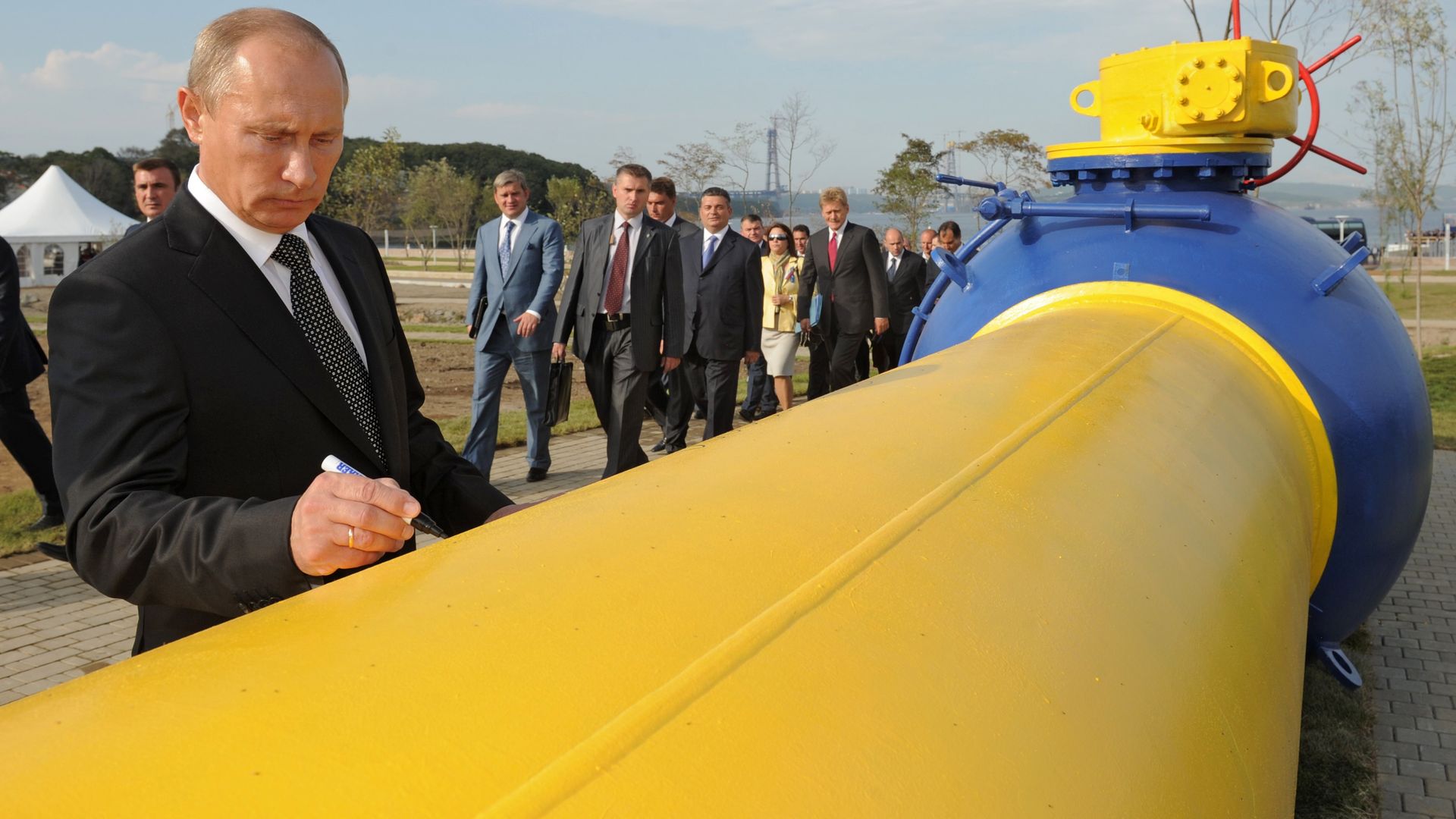
Russia didn’t cause Europe’s current energy crisis, which has seen natural gas prices spike 5x over last year, but Vladimir Putin seems intent on using it to his advantage.
Why it matters: Gas prices fluctuate with Putin's every word (they fell Thursday after he signaled supply would increase next month), and the supply crunch has been an uncomfortable reminder of Europe's reliance on Russian fuel. At least one country, Moldova, is in danger of a very cold winter if Russia turns off the tap.
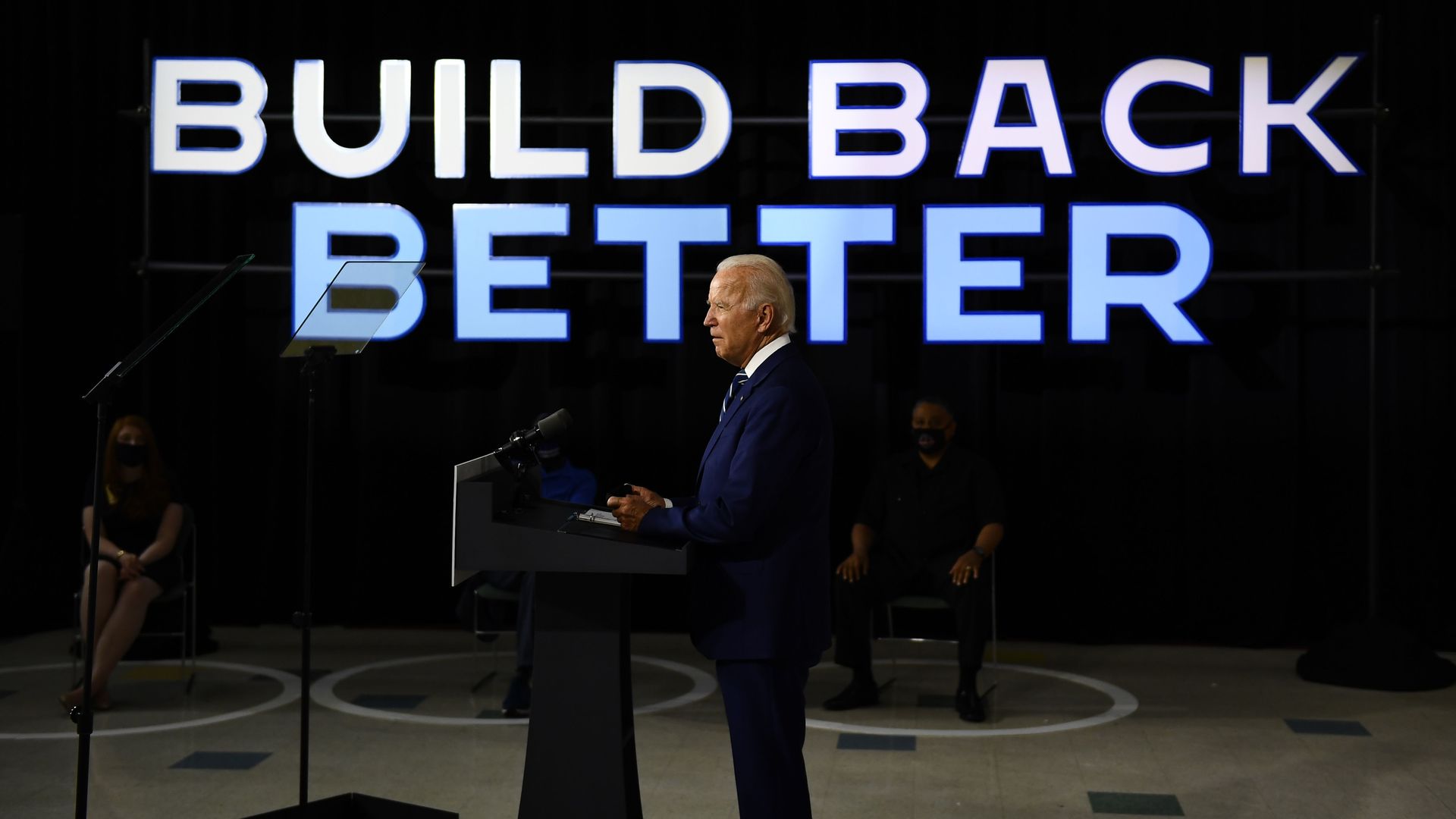
President Biden's "Build Back Better" mantra is about to take the global stage at the G20 summit in Rome.
The big picture: The global debate awaiting Biden in Rome has a lot in common with the debate he's leaving behind in Washington: whether and how to undertake a major economic restructuring with climate change and social equity at the forefront.
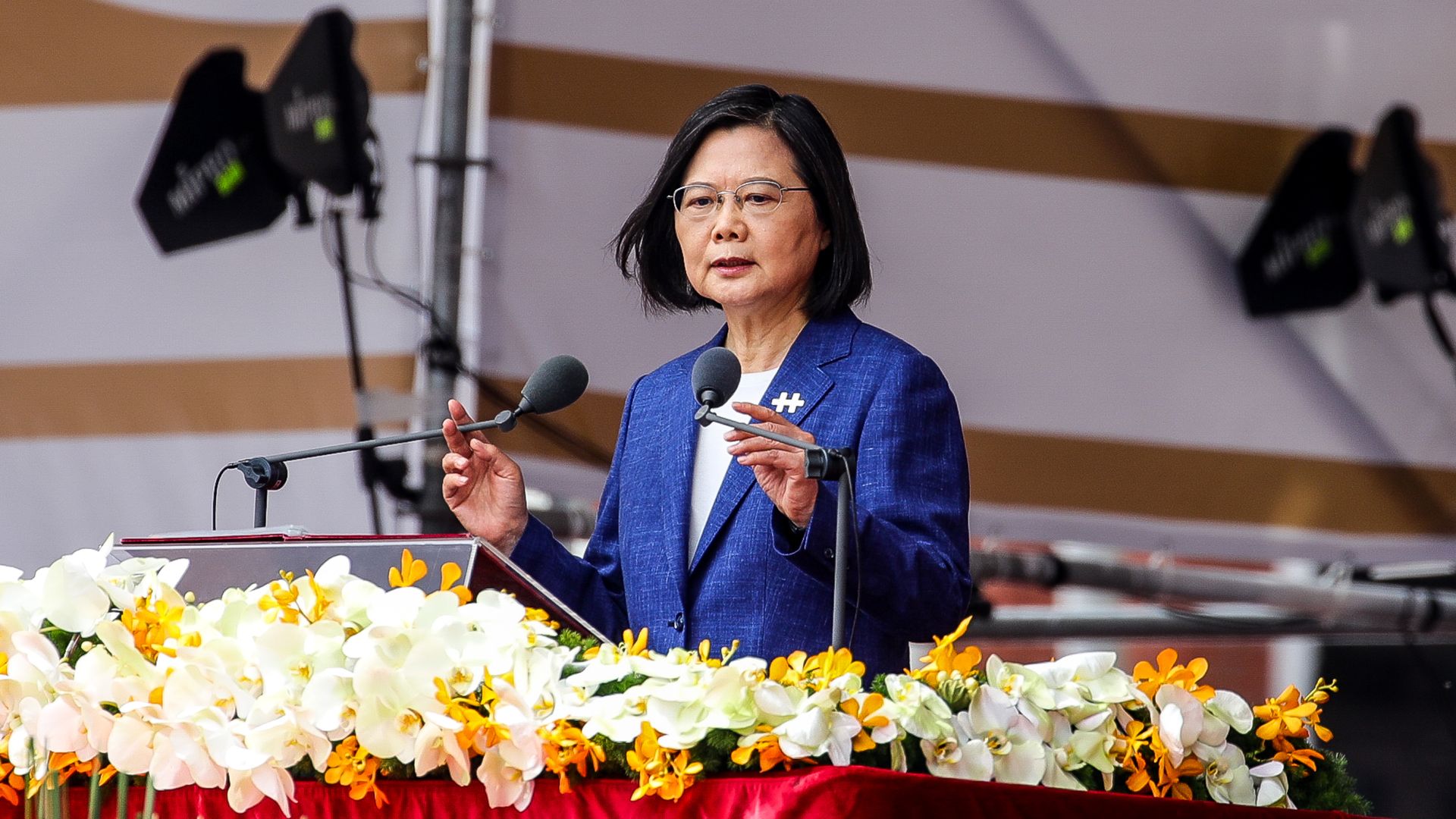
Taiwan's President Tsai Ing-wen told CNN on Thursday that a small number of American troops are on the island for training purposes and she has "faith" the U.S. would defend the democracy against a Chinese military attack.
Why it matters: This is the first time a Taiwanese leader has publicly acknowledged the presence of U.S. troops on the self-governing island since the last U.S. garrison left in 1979, when Washington switched formal diplomatic recognition to Beijing.
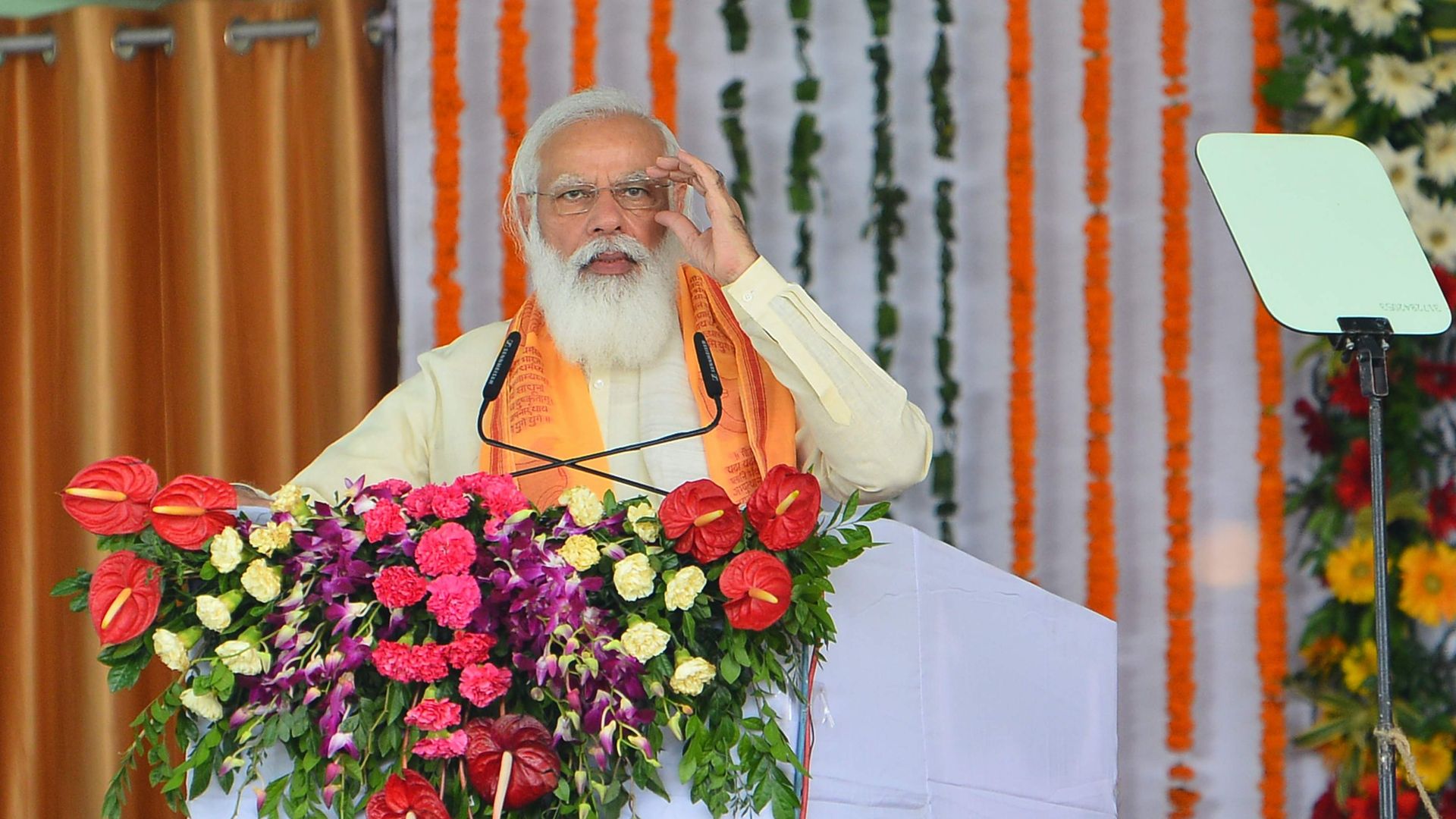
India's top environmental official on Wednesday dismissed calls to set forth a net zero carbon emissions target, arguing such goals were not the solution to the climate crisis, Reuters reports.
India's environment secretary Rameshwar Prasad Gupta's comments come ahead of the Sunday start of COP26, a key United Nations summit aimed at rallying actions to stem emissions that are on pace to bring global warming well beyond the Paris Agreement goals.
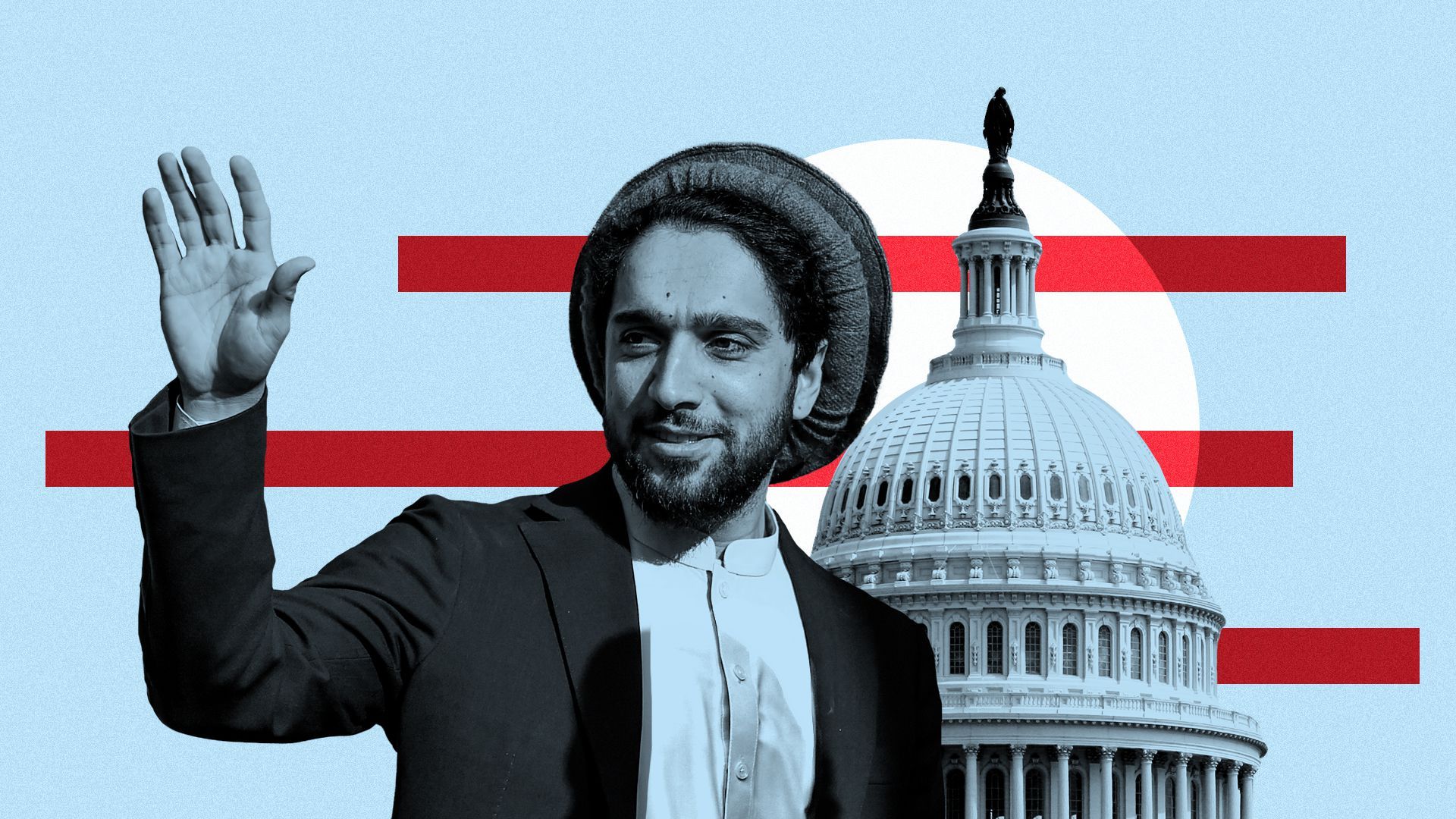
The Afghan resistance is boosting its D.C. lobbying operation, records show.
Why it matters: U.S. financial and military aid could be crucial to efforts to oppose Taliban rule in Afghanistan. But opposition forces must convince the Biden administration to stay engaged to some degree in a conflict from which the president is determined to extricate the United States.
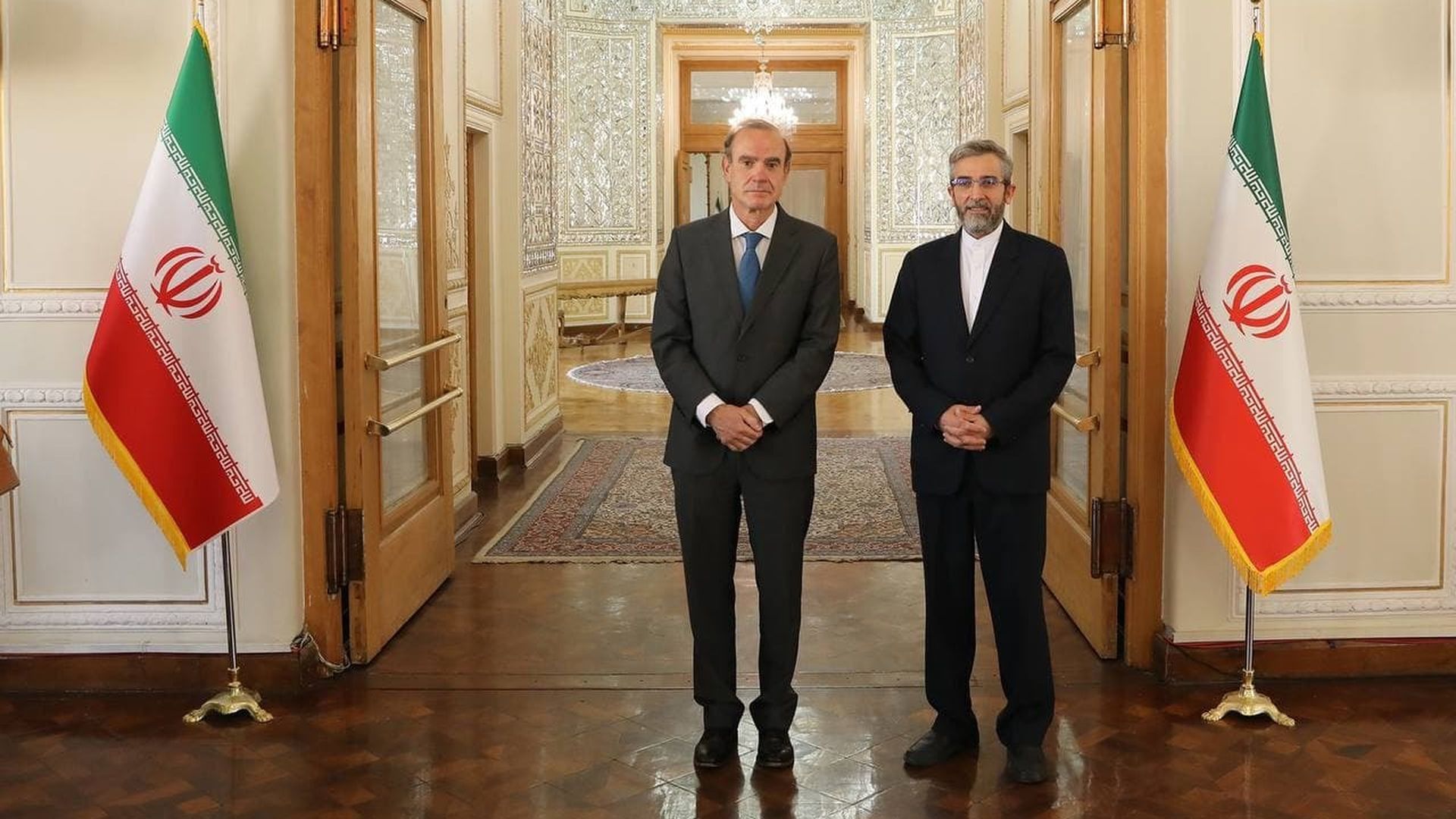
Iran's new chief nuclear negotiator said following a meeting in Brussels on Wednesday that Iran would resume negotiations in Vienna before the end of November, with the exact date to be set next week.
Why it matters: The Vienna talks have been frozen since Iran's new hardline president, Ebrahim Raisi, was elected in June. This is the most direct commitment from Raisi's government to return to the negotiating table.
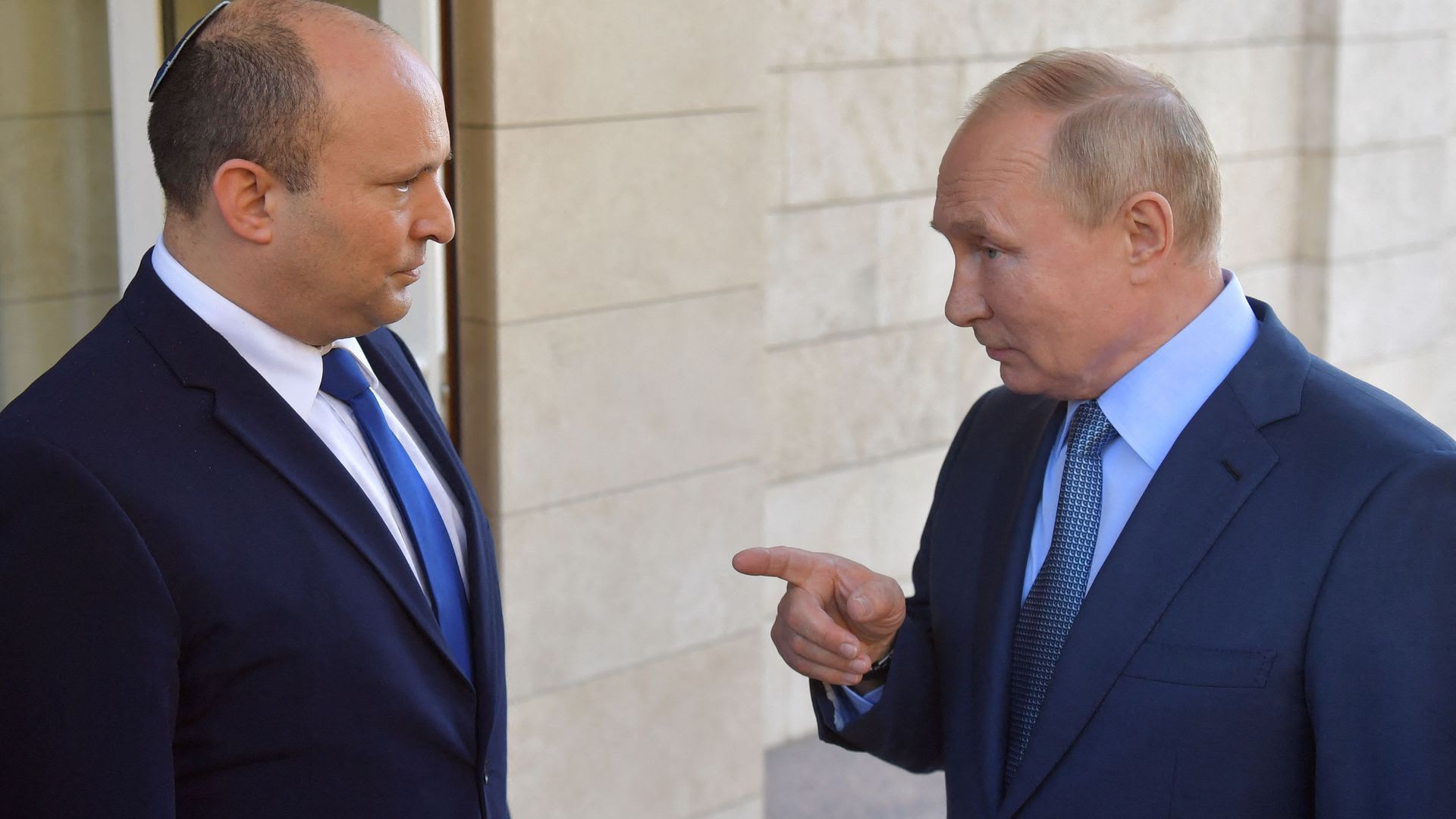
Russian President Vladimir Putin asked Israeli Prime Minister Naftali Bennett to encourage the Biden administration to ease some of its sanctions on Syria in order to allow Russian companies to take part in the reconstruction of the country, Israeli officials briefed on the talks tell me.
The big picture: The U.S. Caesar Act, which was signed into law by President Trump in Dec. 2019, imposed sanctions on several sectors of the Syrian economy, including energy and infrastructure. The law is the main deterrent for foreign companies interested in getting involved in the Syria reconstruction effort.
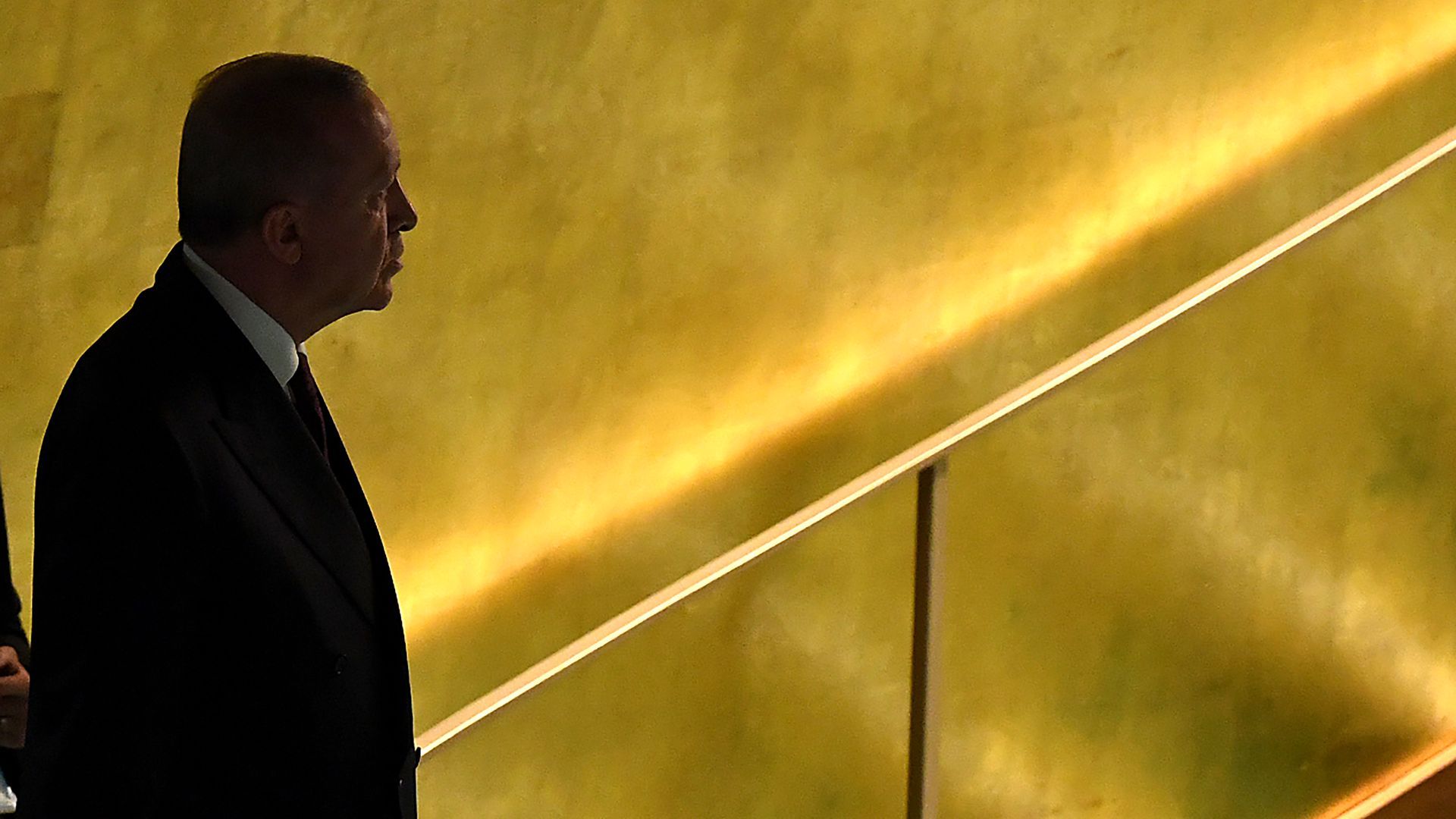
The standoff over Turkish President Recep Tayyip Erdoğan’s threat to expel 10 Western ambassadors has ended in an expensive draw with short-term political gains.
Why it matters: Erdoğan’s nationalist posturing appeared to be intended to please his voters and divert attention from domestic troubles at a time when public support for his ruling Justice and Development Party (AKP) is eroding.
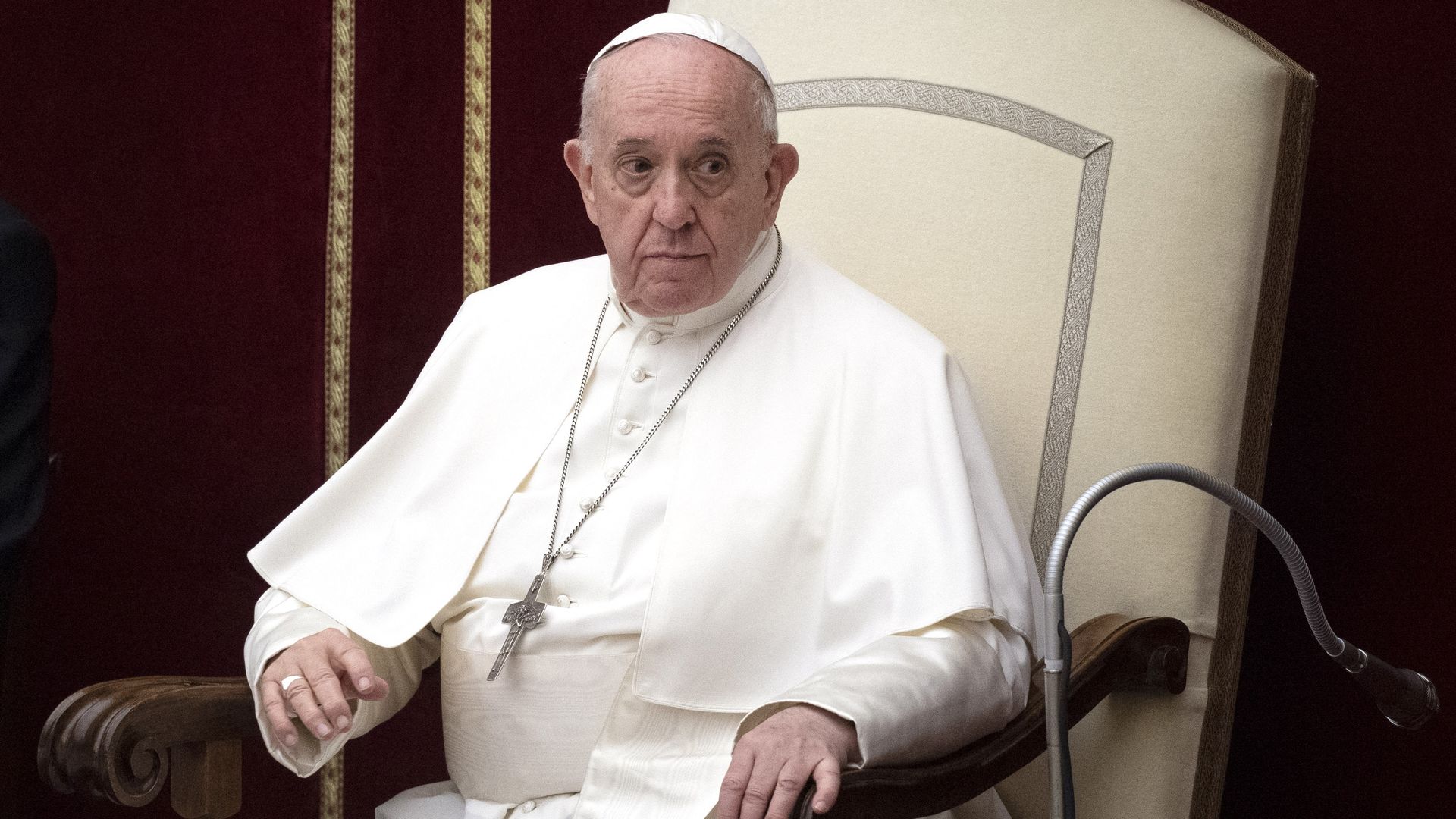
Pope Francis has agreed to visit Canada amid a growing scandal over the Catholic Church's role in the abuse of generations of the country's Indigenous children, the Vatican said Wednesday.
Why it matters: Canadian officials, including Prime Minister Justin Trudeau, have long called on the church to apologize for its role in running residential schools where Indigenous children were subjected to physical and sexual abuse.
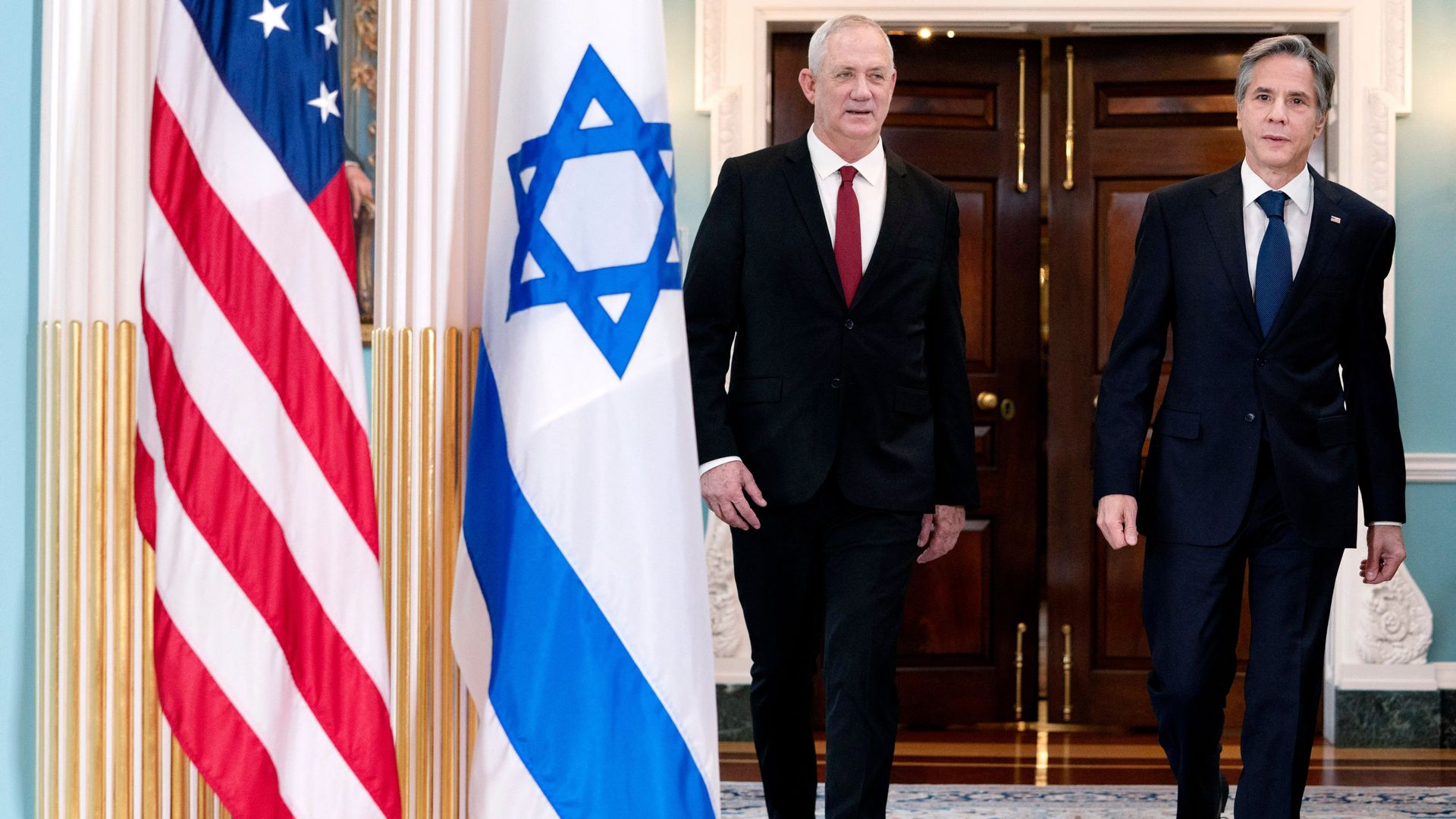
Secretary of State Tony Blinken protestedthe decision to approve 3,000 new housing units in Israeli settlements in the occupied West Bank during a tense phone call on Tuesday with Israeli Defense Minister Benny Gantz, three Israeli officials tell me.
Why it matters: This is the first time new construction in the settlements has been approved since President Biden assumed office, and the Biden administration had been privately pressing the Israeli government not to proceed.
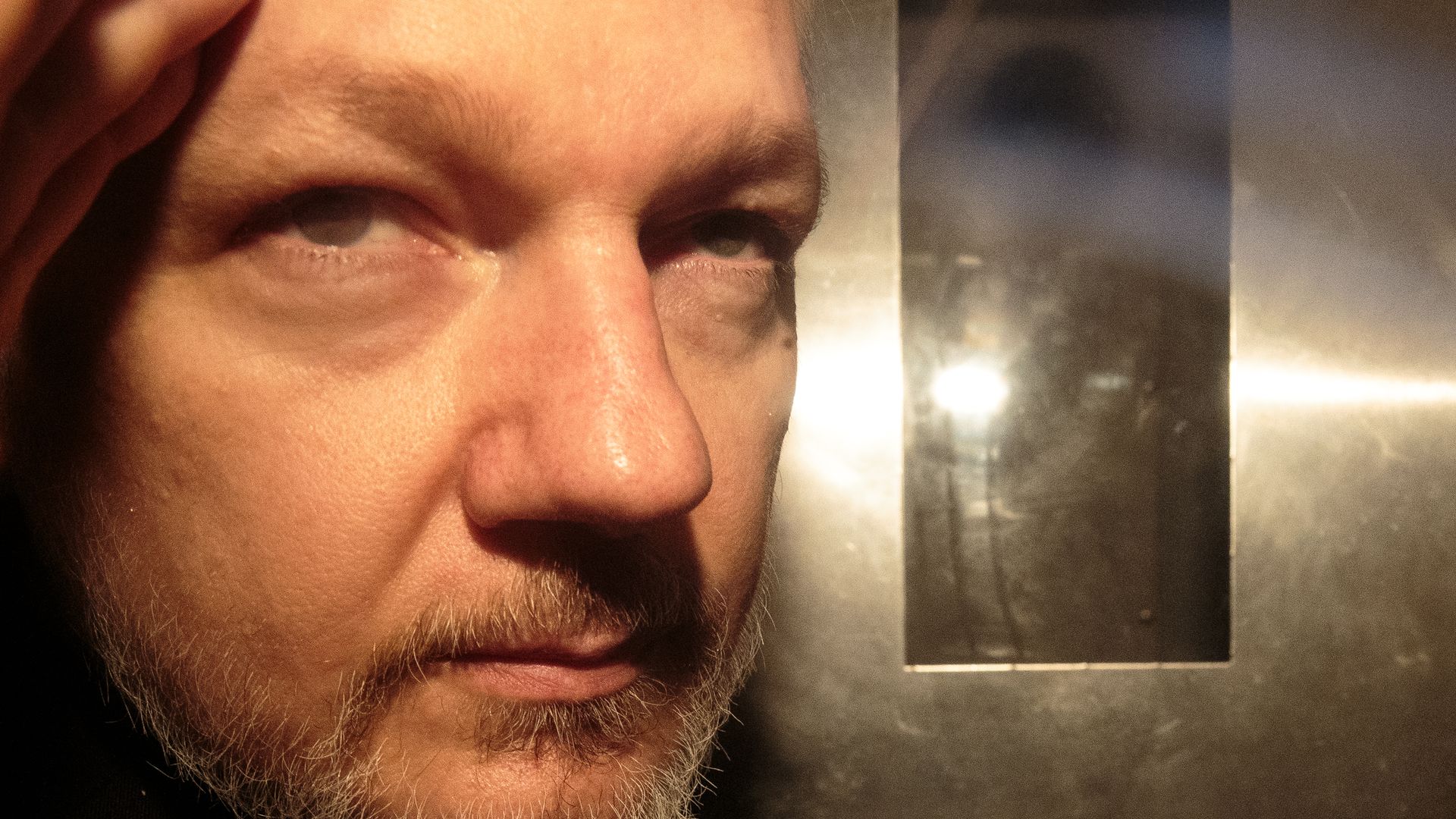
The United States asked the United Kingdom's High Court to overturn a judge's decision to prevent Wikileaks founder Julian Assange's extradition to the U.S. on espionage charges because of health concerns, according to AP.
Why it matters: If the lower court decision is overturned and Assange is ultimately extradited to the U.S., he could receive a sentence of up to 175 years in prison if found guilty of all charges in the 18-count indictment.
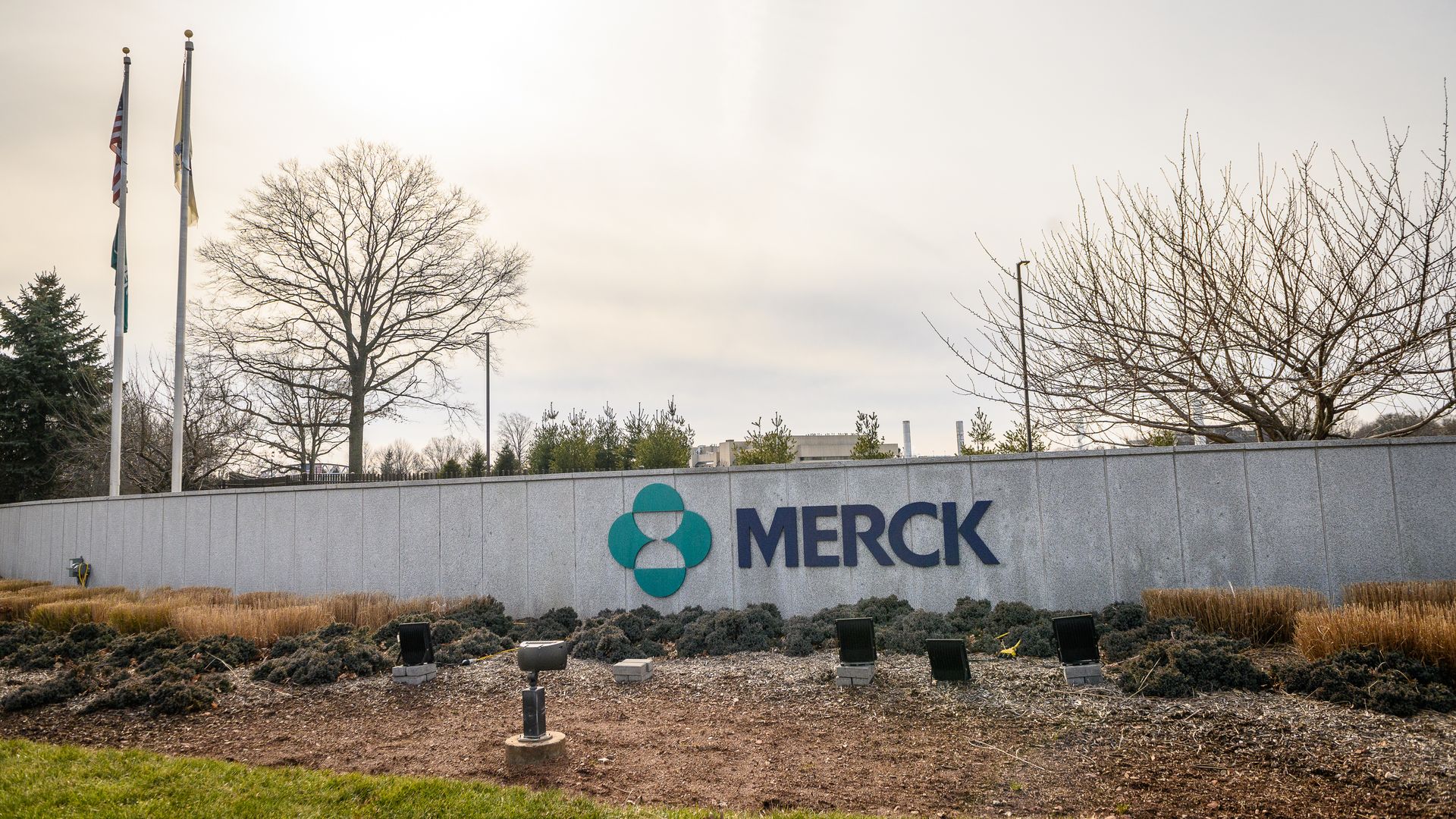
Merck said Wednesday it granted the Medicines Patent Pool, a United Nations-backed nonprofit, a royalty-free license for molnupiravir, an oral antiviral COVID-19 pill that it developed with Ridgeback Biotherapeutics.
Why it matters: The license means generic-drug companies in 105 low- and middle-income countries will be allowed to produce the experimental drug after it gains regulatory approval, which would greatly expand the availability of the medication to nations that have so far lacked access to coronavirus vaccines.
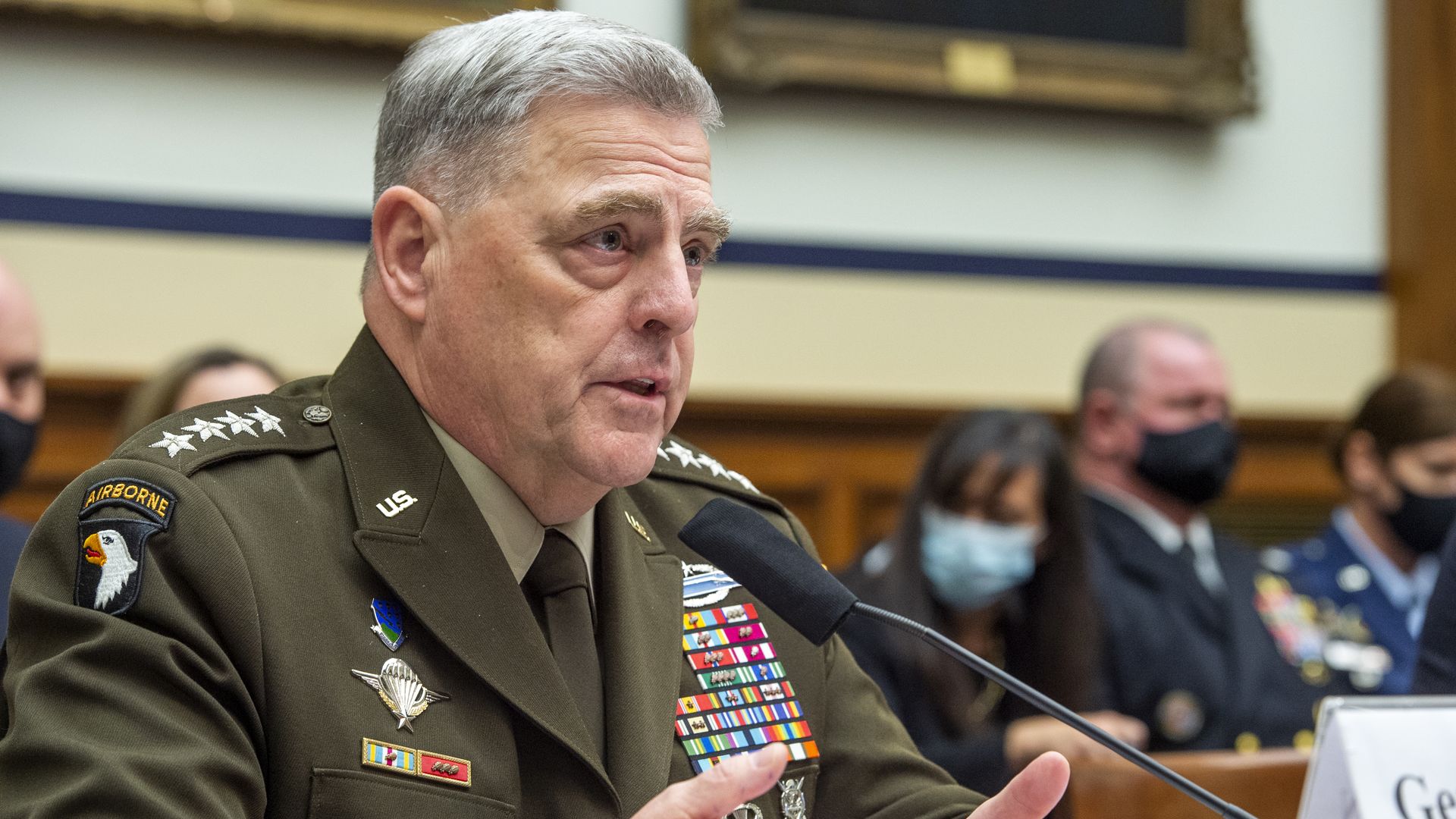
Gen. Mark Milley, the chairman of the Joint Chiefs of Staff, warned Wednesday that China's test of a hypersonic missile is "very concerning" and "very close" to the kind of "Sputnik moment" that triggered the Space Race during the Cold War.
Why it matters: The comments by America's top uniformed general underscore the depths of U.S. concerns about China's rapid military expansion and development of advanced weaponry.
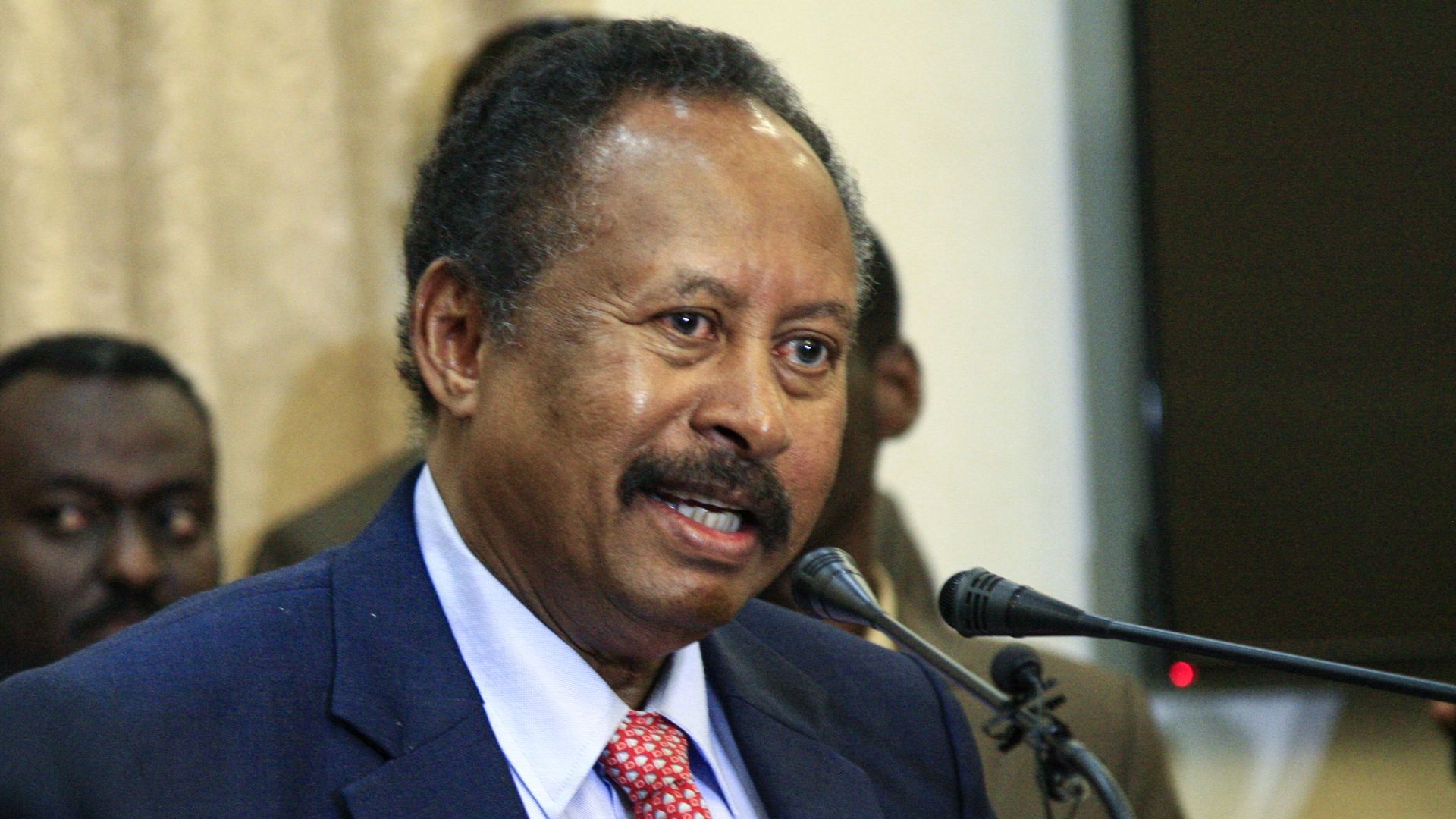
Secretary of State Tony Blinken spoke on the phone on Tuesday evening with Sudan’s Prime Minister Abdalla Hamdok after the military released him from custody.
Why it matters: Hamdok’s release was a result of pressure on Sudan’s military leader General Abdul Fattah al-Burhan from the U.S. and other countries but also from the different political parties in Sudan and massive protests in the streets.
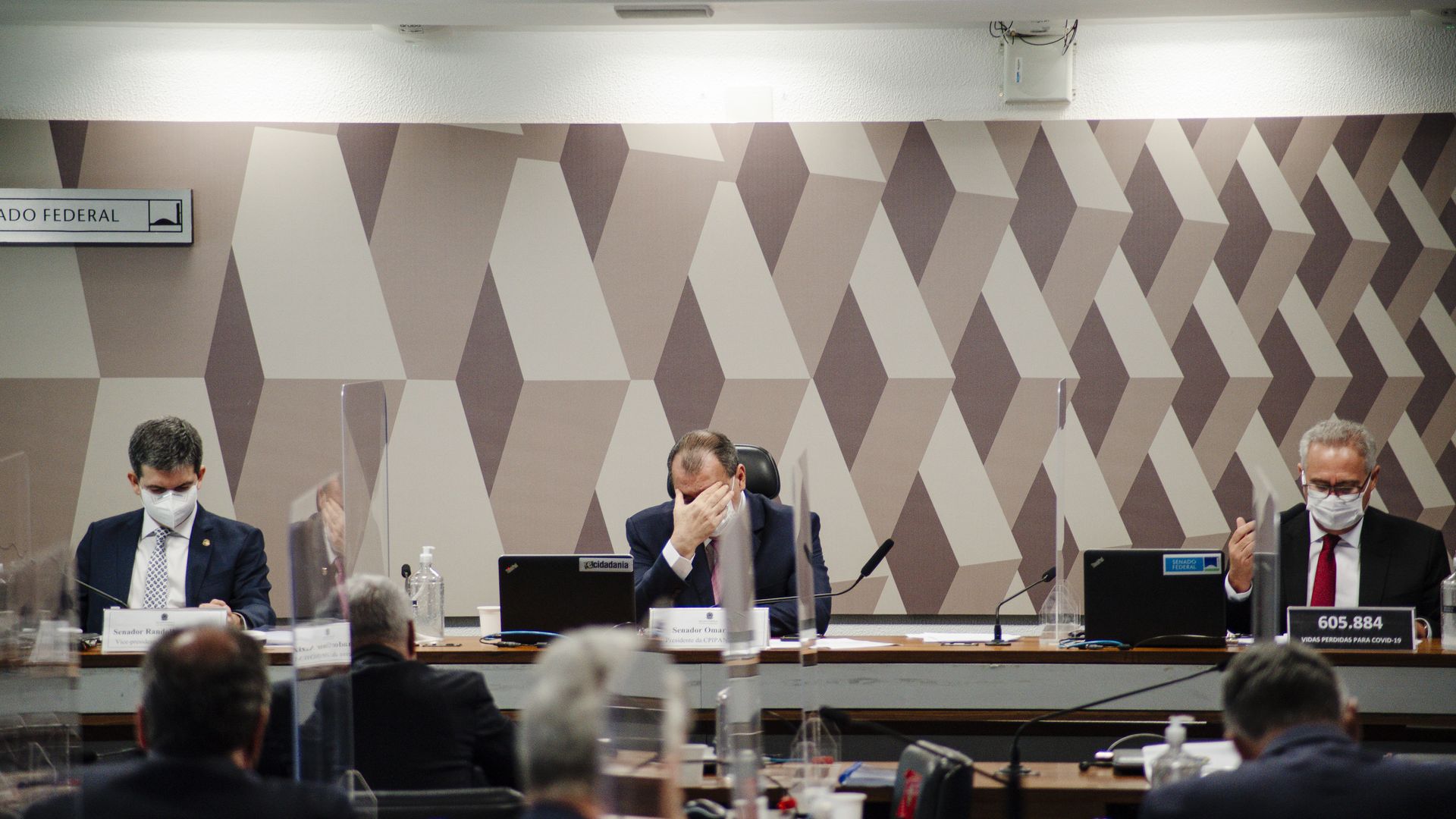
A Brazilian Senate committee Tuesday voted to approve a report recommending President Jair Bolsonaro be charged with a raft of criminal indictments, including crimes against humanity over his response to the COVID-19 pandemic, per AP.
Why it matters: Bolsonaro has become the face of a right-wing approach to the pandemic that includes repudiating vaccines and masks and resisting lockdowns and other mitigation measures. The Senate report holds him personally responsible for half of the country's 600,000 deaths.