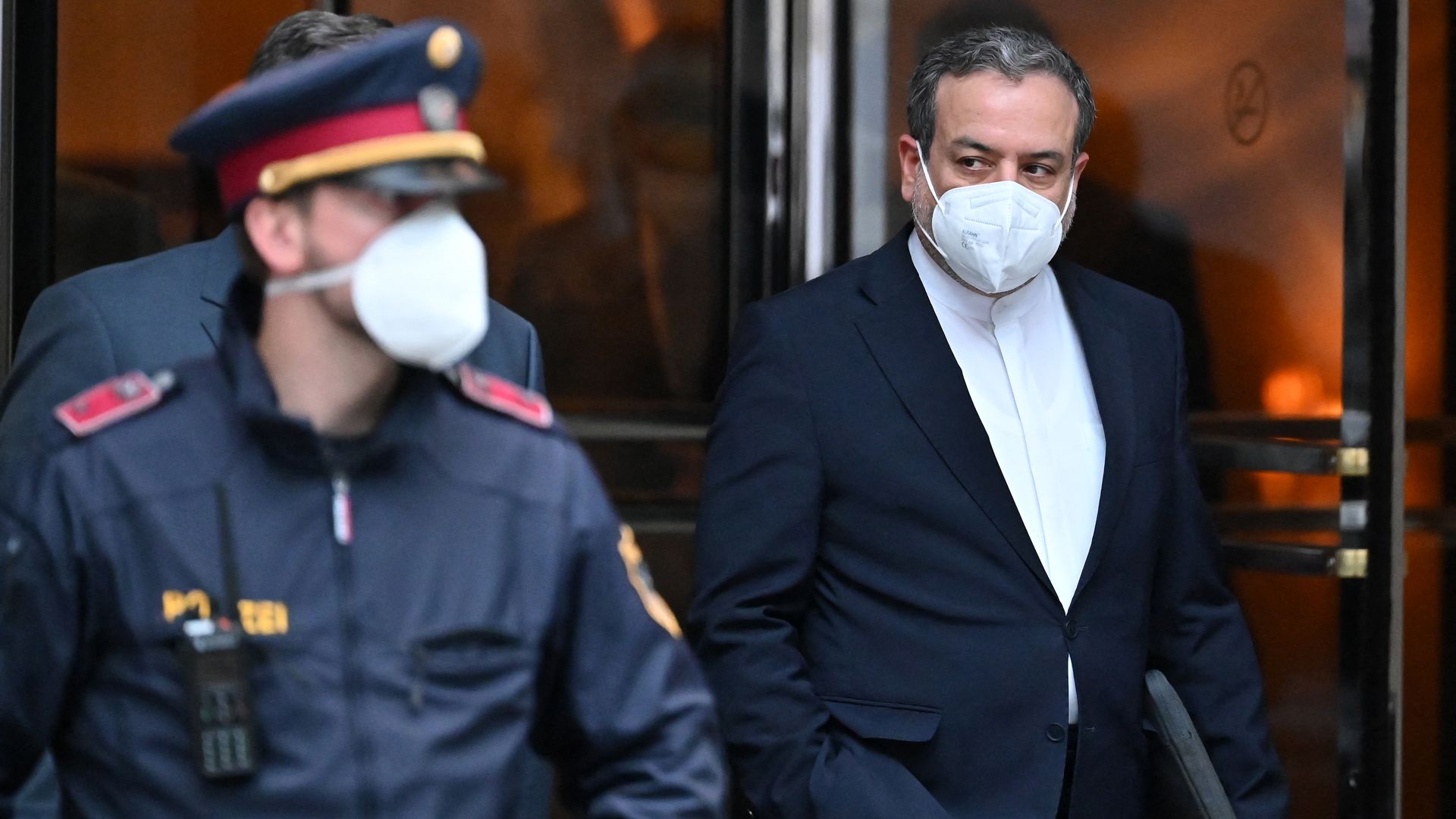
Last week's round of indirect nuclear talks between the U.S. and Iran in Vienna was the first in which progress was made on both negotiating tracks, sanctions relief and nuclear measures, U.S. officials say.
Breaking it down: The working group focusing on sanctions relief required of the U.S. to return to compliance with the 2015 nuclear deal had made steady progress in the first three rounds. But the other, focusing on the nuclear measures required of Iran, stalled due to Iran's hardline positions and the question of what happens to Iran's new advanced centrifuges, U.S. officials contend.
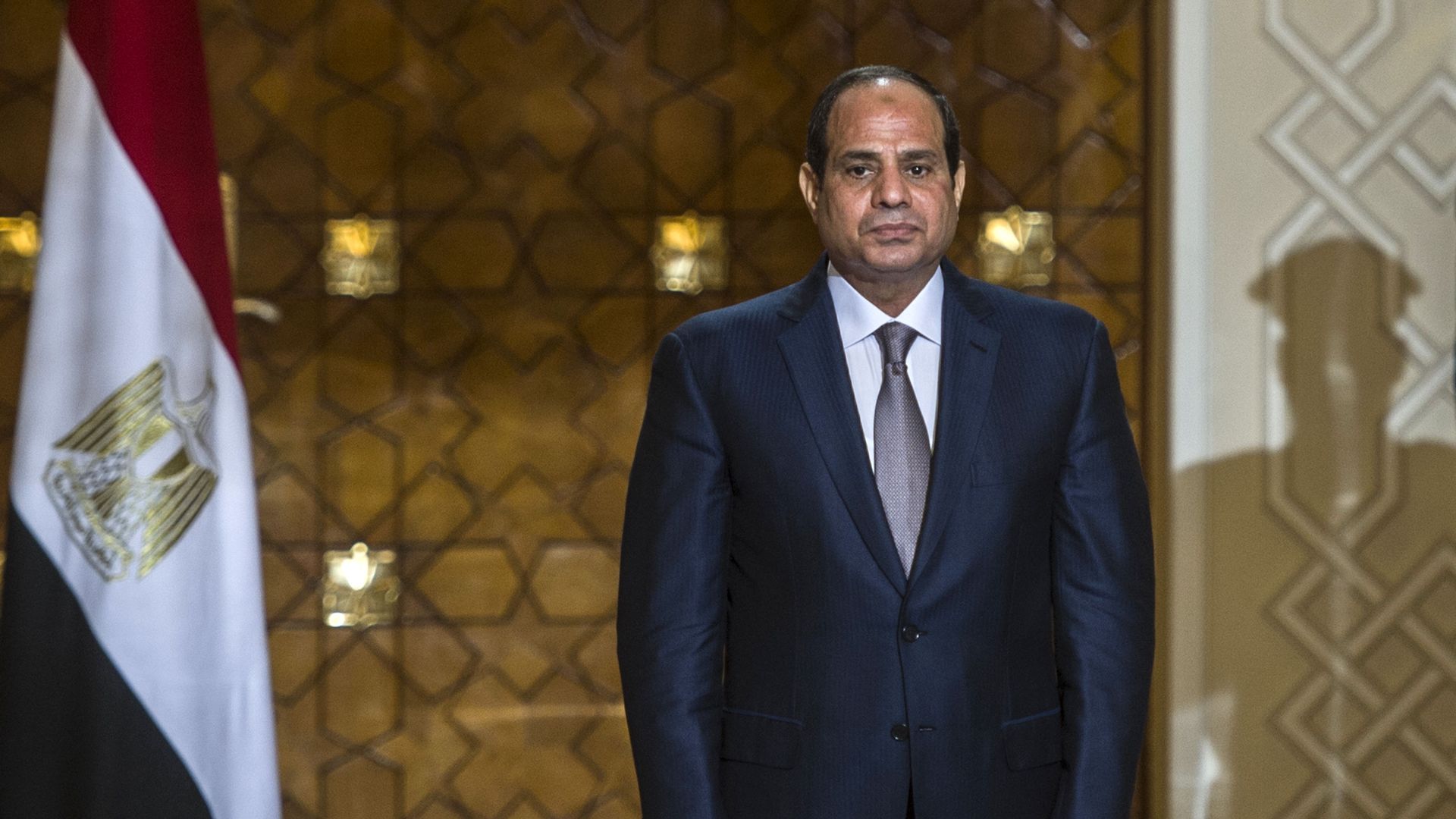
The conflict in Gaza gave Egyptian President Abdel Fattah al-Sisi a leading regional role and made him a key partner for the Biden administration in the region.
Why it matters: While Sisi was Donald Trump's "favorite dictator," President Biden signaled during the campaign that he would push strongmen like Sisi on human rights, and the new administration hardly engaged with Egypt after taking office.
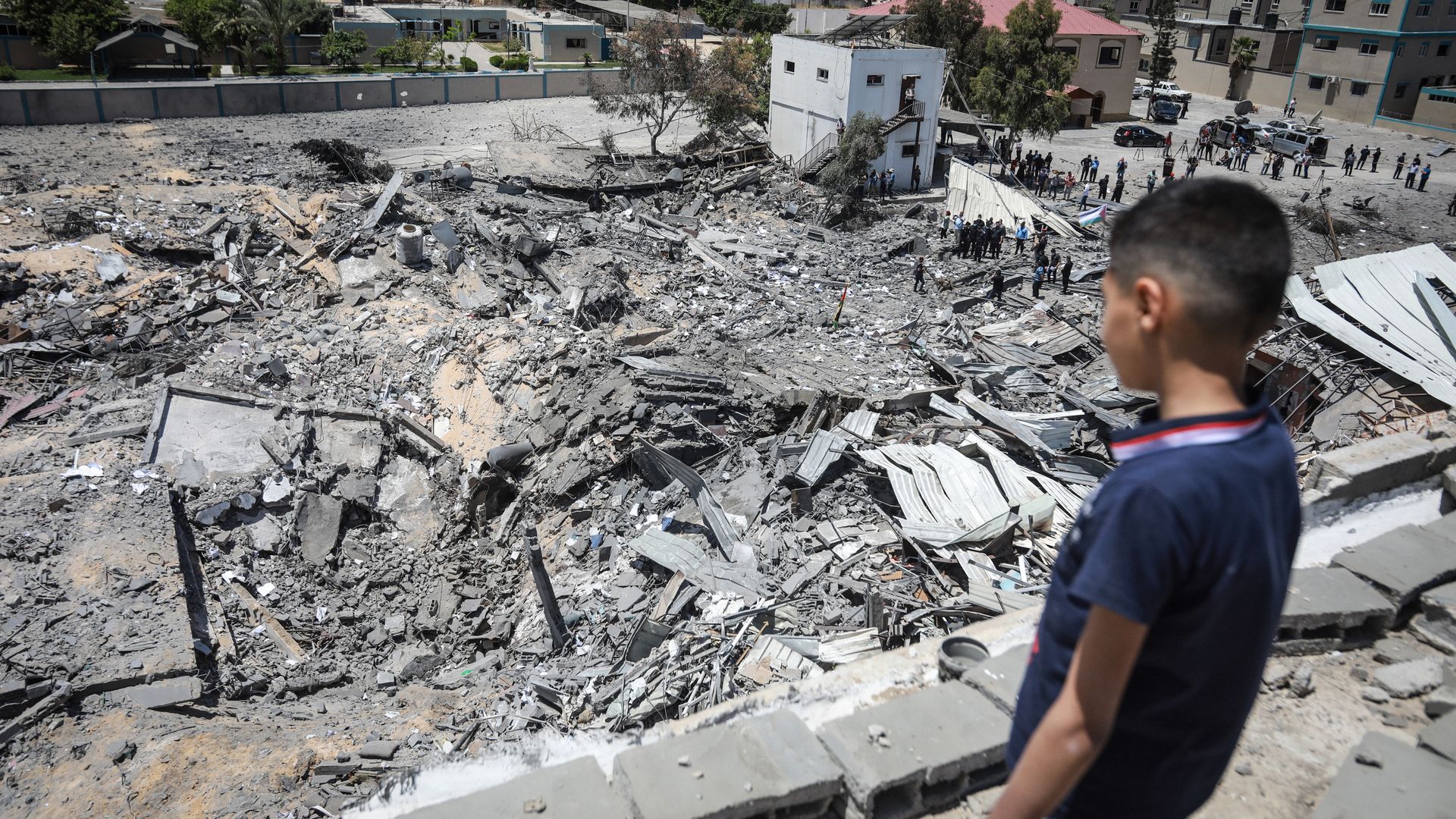
The Biden administration wants to push ahead with humanitarian aid and rebuilding in Gaza. That's easier said than done.
Why it matters: President Biden says he wants to coordinate those efforts with the Palestinian Authority, which has no influence in Gaza, and exclude Hamas, which controls the territory.
President Biden announced Wednesday he has asked the U.S. intelligence community to "redouble their efforts" to investigate the origins of the coronavirus and provide a report within 90 days that "could bring us closer to a definitive conclusion."
Why it matters: The debate over the origins of COVID-19 has been reinvigorated in recent days by previously undisclosed U.S. intelligence, first reported by the Wall Street Journal, that three researchers at the Wuhan Institute of Virology fell ill enough to be hospitalized in November 2019.
Dominic Cummings, the former chief strategist to U.K. Prime Minister Boris Johnson, delivered bombshell testimony Wednesday on the British government's early response to the coronavirus, apologizing for falling "disastrously short" in a way that cost thousands of lives.
Why it matters: Cummings, a controversial figure known as the architect behind the Brexit campaign, has become one of Johnson's most troublesome critics since resigning from government after a bitter power struggle last year.
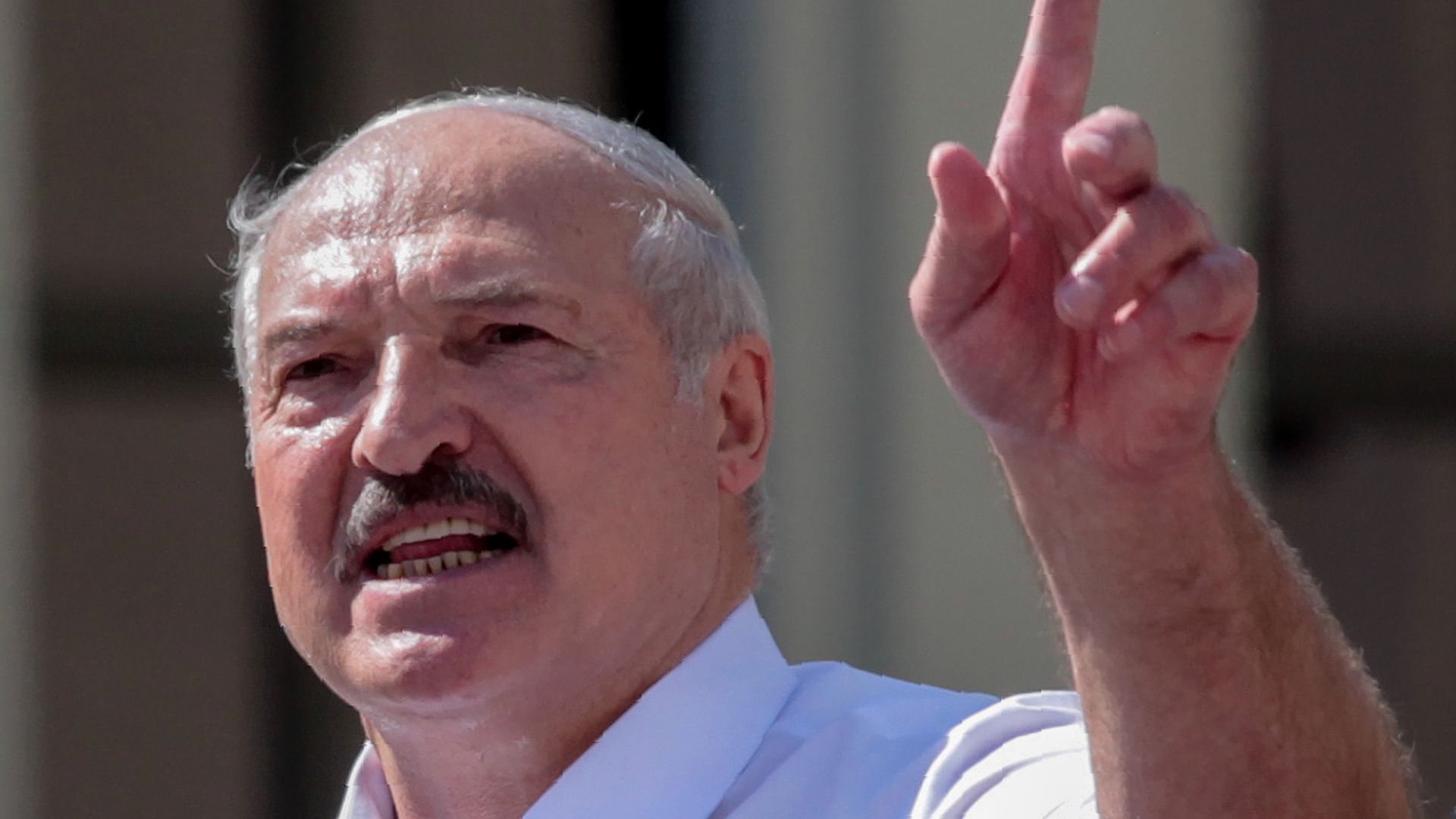
Belarus strongman Aleksandr Lukashenko, who diverted a passenger airplane carrying a journalist and government dissident on board this week, defended his actions Wednesday as necessary to quell a bomb threat, AP reports.
Why it matters: The incident, which EU leaders have called a "hijacking," has drawn international condemnation and further isolated Lukashenko, who is often referred to as "Europe's last dictator."
Bills aimed at trapping industrial carbon emissions or pulling CO2 directly from the atmosphere are piling up in Congress — and instead of the usual gridlock, some of them may actually gain momentum.
Why it matters: Scientists say that these emerging technologies, neither of which is economically available at scale, are going to be needed in potentially large amounts in order for the U.S. to go from the second-largest emitter of greenhouse gases, to a nation that absorbs more carbon than it releases.
WhatsApp filed a lawsuit against India's government in the Delhi High Court Wednesday over new rules requiring the company to make users' messages traceable.
Why it matters: The Facebook-owned encrypted messaging service says the regulations that take effect Wednesday violate users' privacy, which it argues is in breach of the country's constitution.
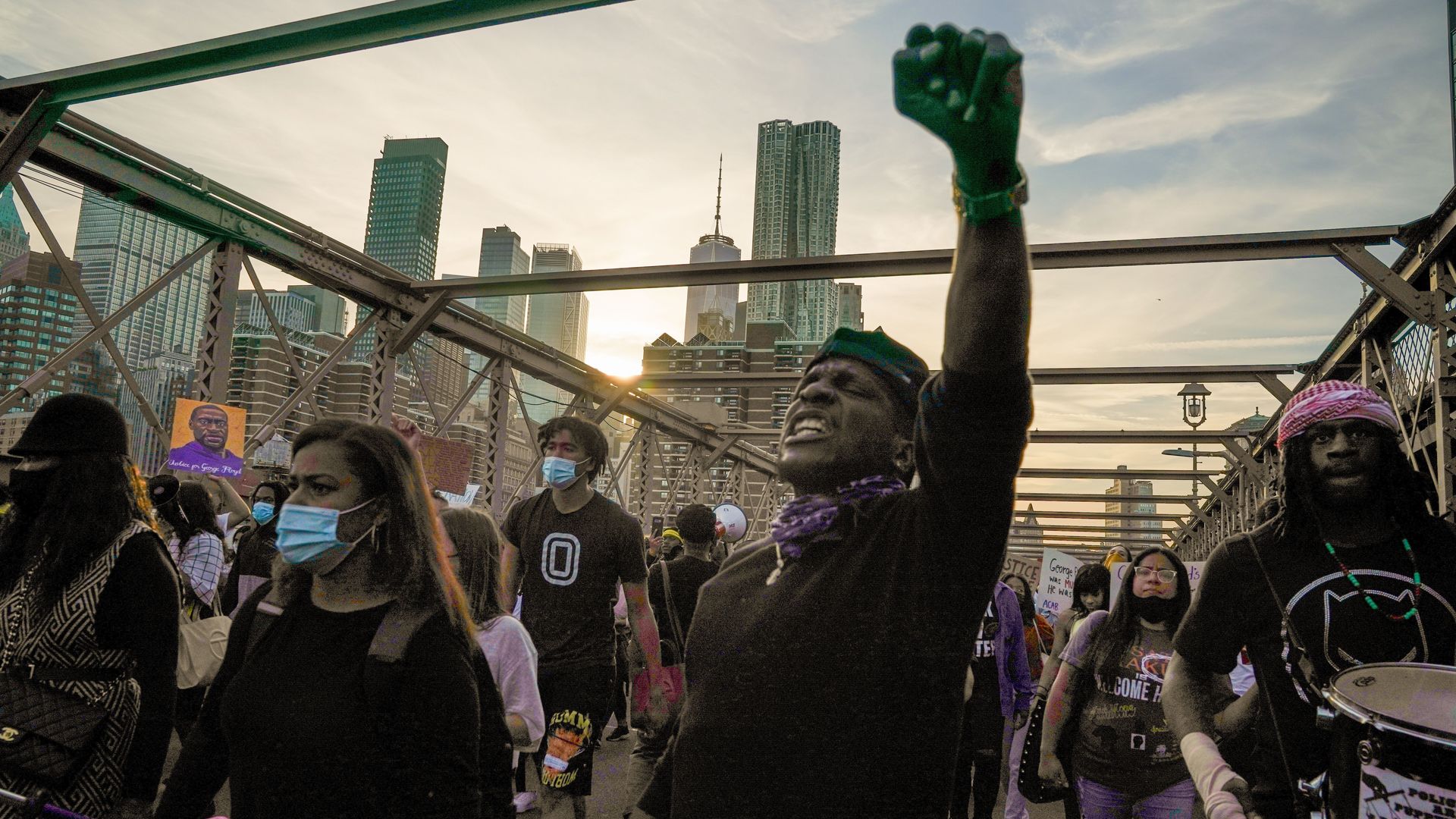
People rallied in the U.S. and across the world to mark the first anniversary of George Floyd's death.
The big picture: Derek Chauvin, a white former Minneapolis police officer, was last month convicted of Floyd's May 25, 2020, murder. Floyd's killing triggered huge protests against police brutality and racism in the U.S. and around the world. Now, his family and civil rights leaders are calling on senators to pass the George Floyd Justice in Policing Act.
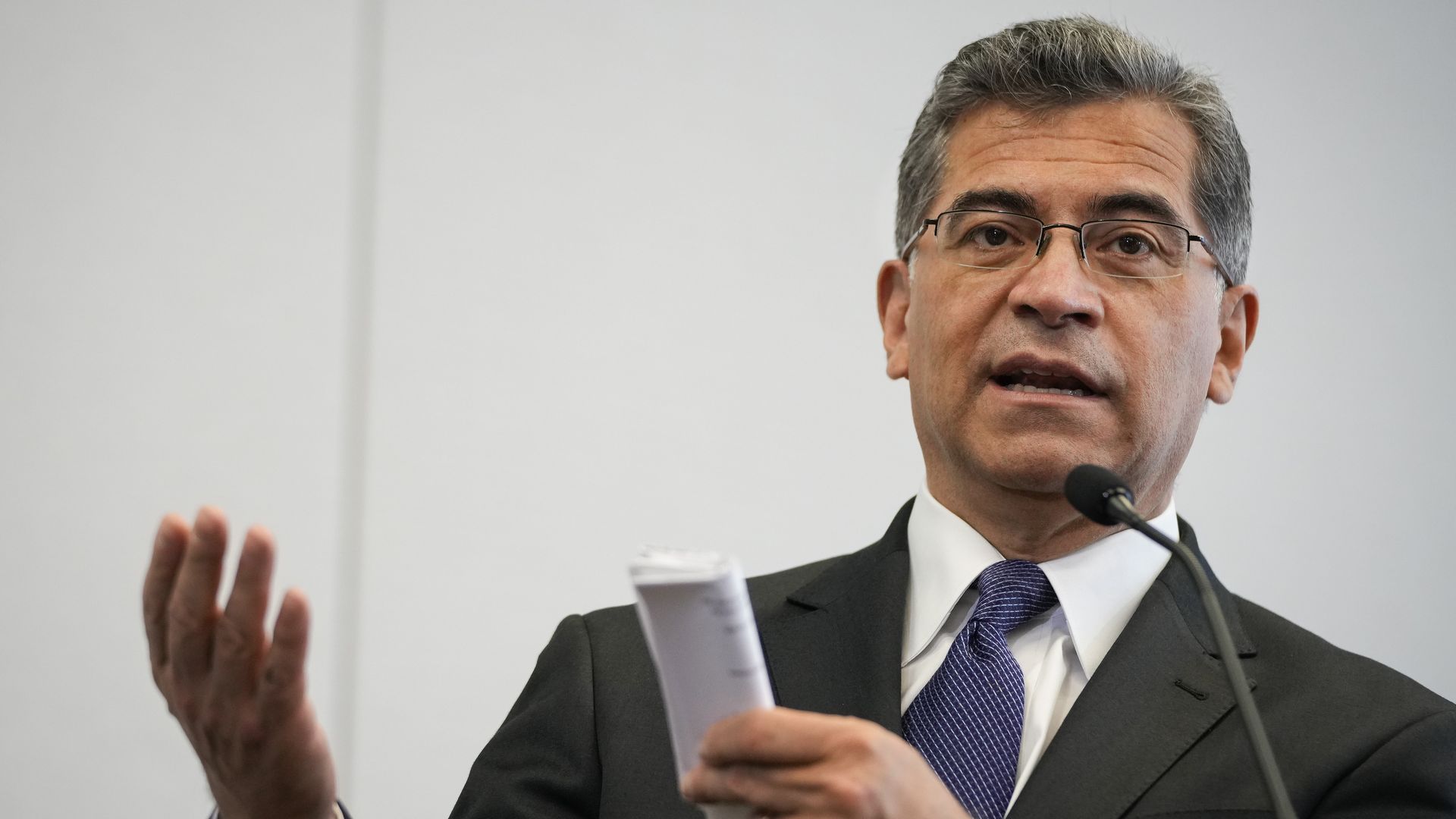
Health and Human Services Secretary Xavier Becerra told a virtual World Health Assembly meeting Tuesday there needs to be a "transparent, science-based" follow-up investigation into the origins of the COVID-19 pandemic.
Why it matters: The original investigation by a team of scientists assembled by the World Health Organization and China's government returned inconclusive findings in March and was criticized by top officials including Secretary of State Antony Blinken.
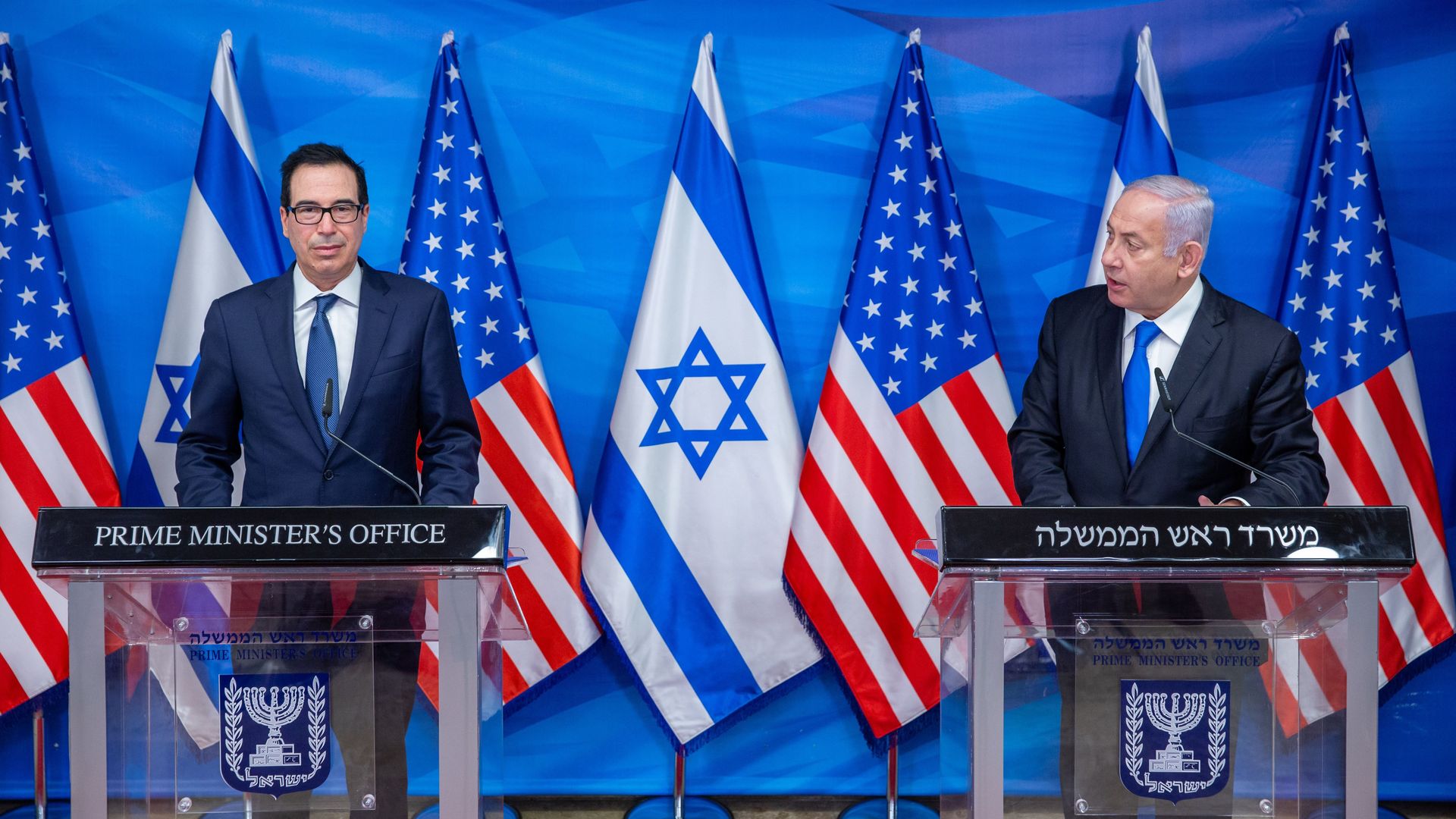
The boss of Israel's spy agency has been in private talks with former Treasury secretary Steven Mnuchin about joining his investment fund that will work with Gulf countries, two sources familiar with the conversations tell Axios.
Why it matters: Yossi Cohen, director of the Mossad, is retiring next week. But the discussions between him and Mnuchin occurred while he was still serving in his government role, which also included handling Israel's ties with Gulf countries such as Qatar and Saudi Arabia, these sources said.
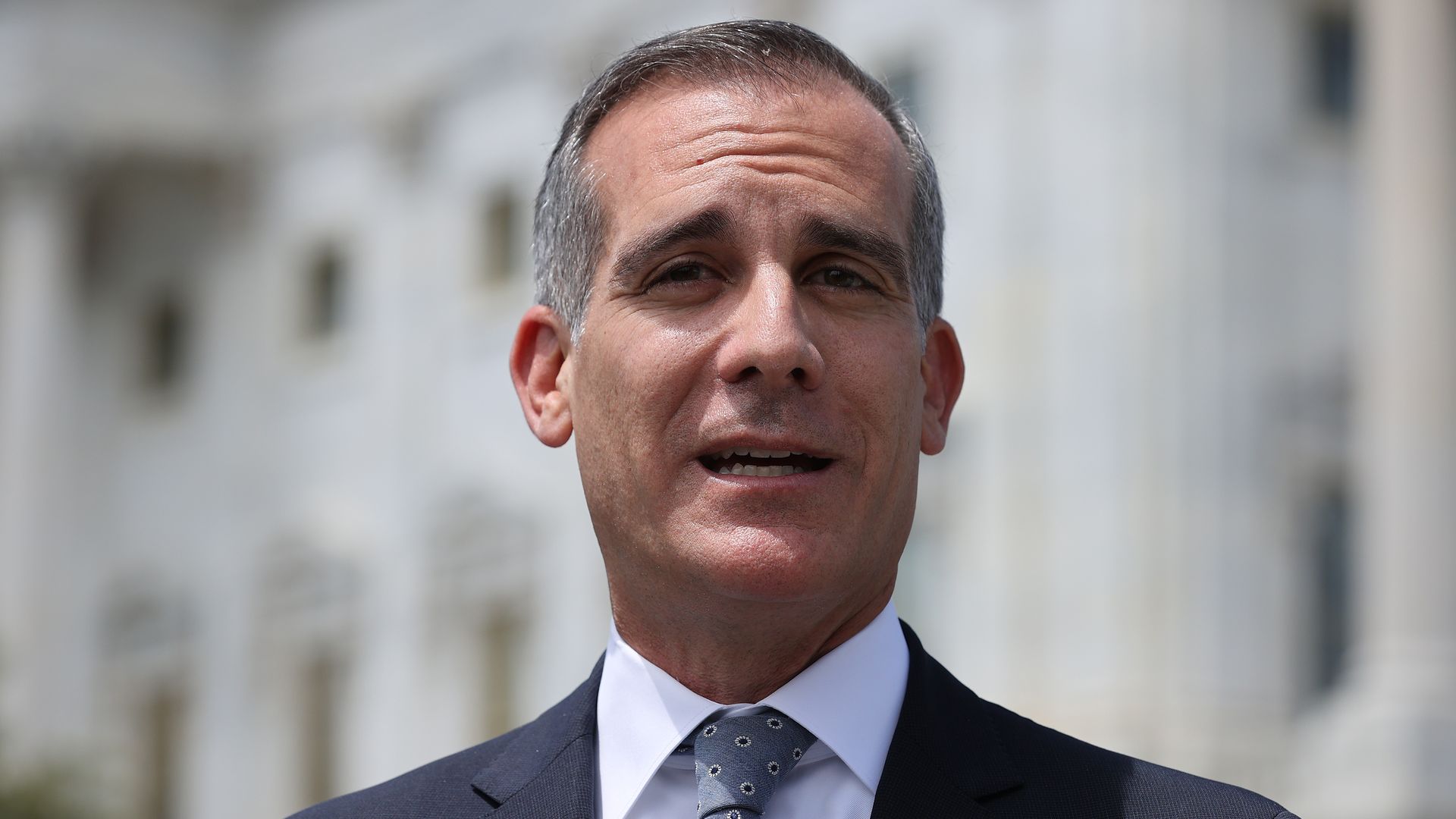
President Biden is ready to nominate Los Angeles Mayor Eric Garcetti as his ambassador to India, sending a trusted political ally to the world's biggest democracy, people familiar with the matter tell Axios.
Driving the news: Biden is planning to name his first slate of political ambassadors as soon as next week, rewarding political allies like Garcetti, as well as big-dollar donors, many of whom covet postings in elegant European capitals.
The White House is calling a second meeting this week between administration officials and Jewish advocacy groups amid pressure to respond more forcefully after a spike in antisemitic attacks in the U.S.
Driving the news: The virtual meeting set for Wednesday follows a session Monday with representatives from within the White House and other parts of the administration after some criticism for a slow initial response.




/2021/05/26/1621994265928.gif?w=3840)