We seem to have arrived at a fork in the pandemic: Pockets of the rich world are beginning to move past COVID-19, while some less-fortunate countries are facing greater danger than ever.
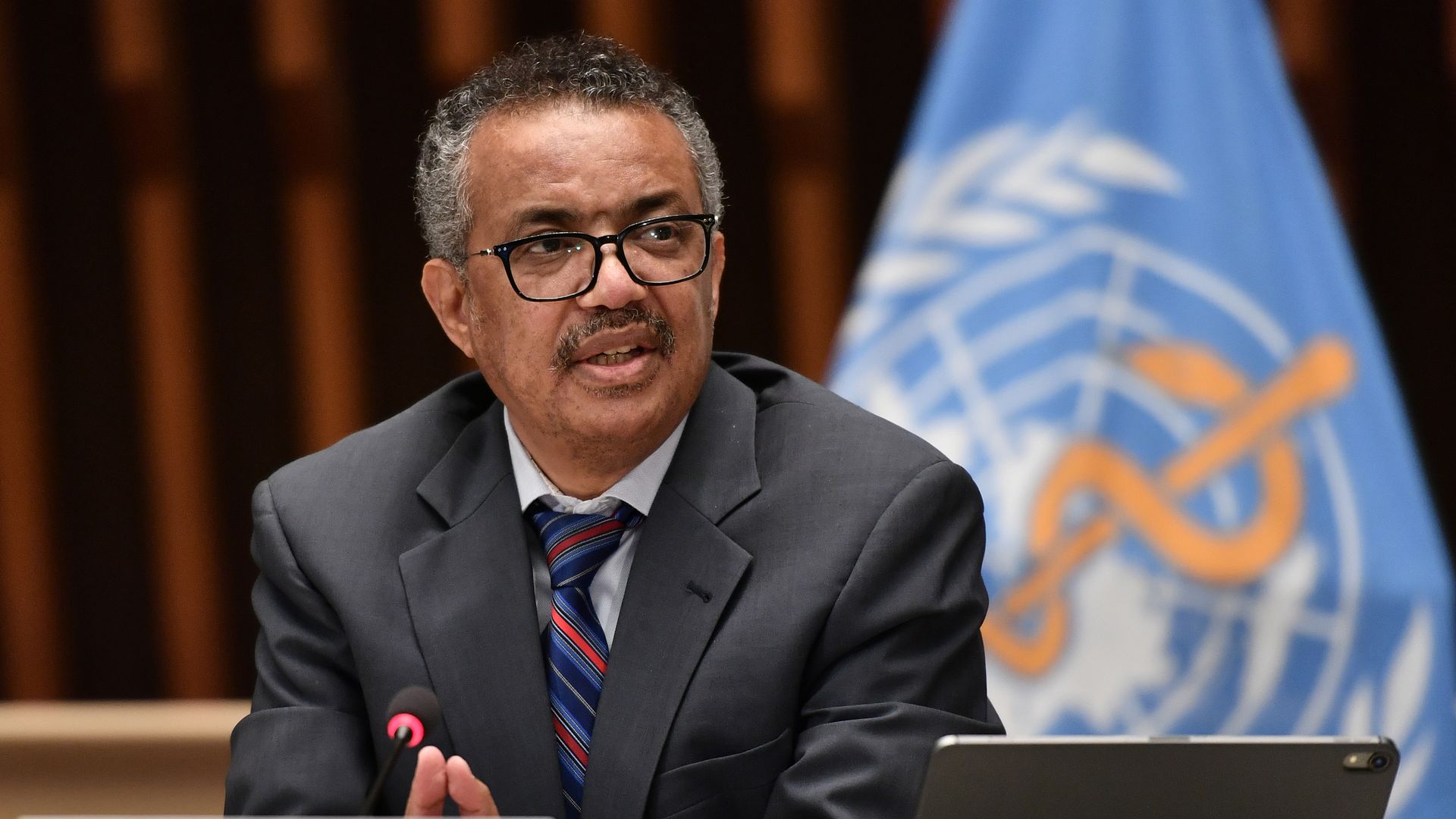
Consider this: The World Health Organization said today that more cases had been recorded globally over the last two weeks than in the first six months of the pandemic, driven largely by an unprecedented surge in India and the ongoing onslaught in Brazil.
The number of global coronavirus cases reported in the last two weeks eclipses the first six months of the pandemic, the World Health Organization (WHO) said Monday.
Why it matters: It underscores the severity of the current wave of infections in India, which surpassed 400,000 cases for the first time over the weekend, as well as a record-high number of deaths, per data from Johns Hopkins University.
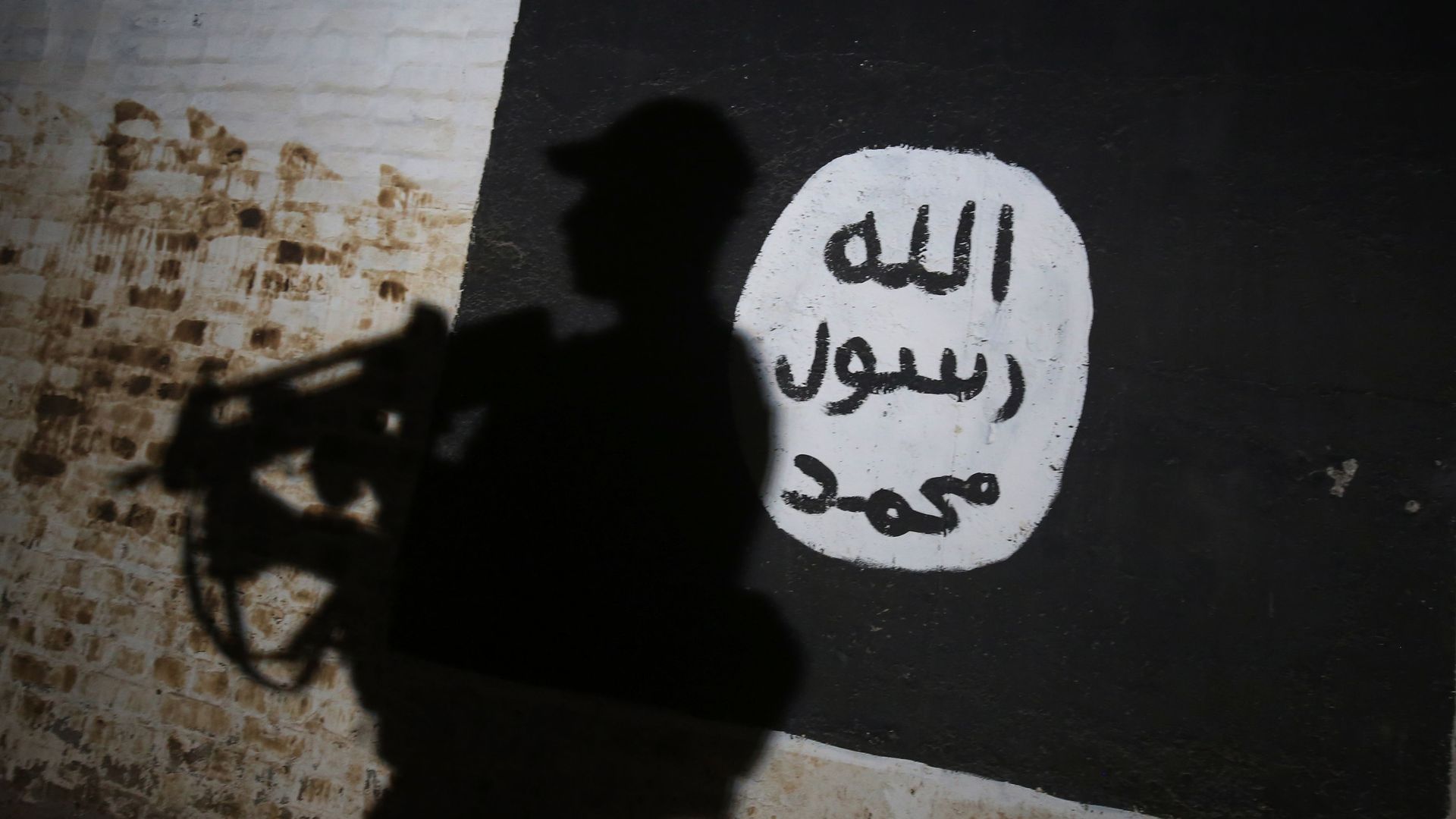
Turkish police say the alleged military head of ISIS and a close aide to the terrorist group's former leader, Abu Bakr al-Baghdadi, has been captured in Istanbul, DW reports.
State of play: The man, who has been identified only by the codename Basim, had been traveling with a fake passport and ID, according to a police statement. Reports indicate he had disappeared since the terror group was driven out of Syria in 2017.
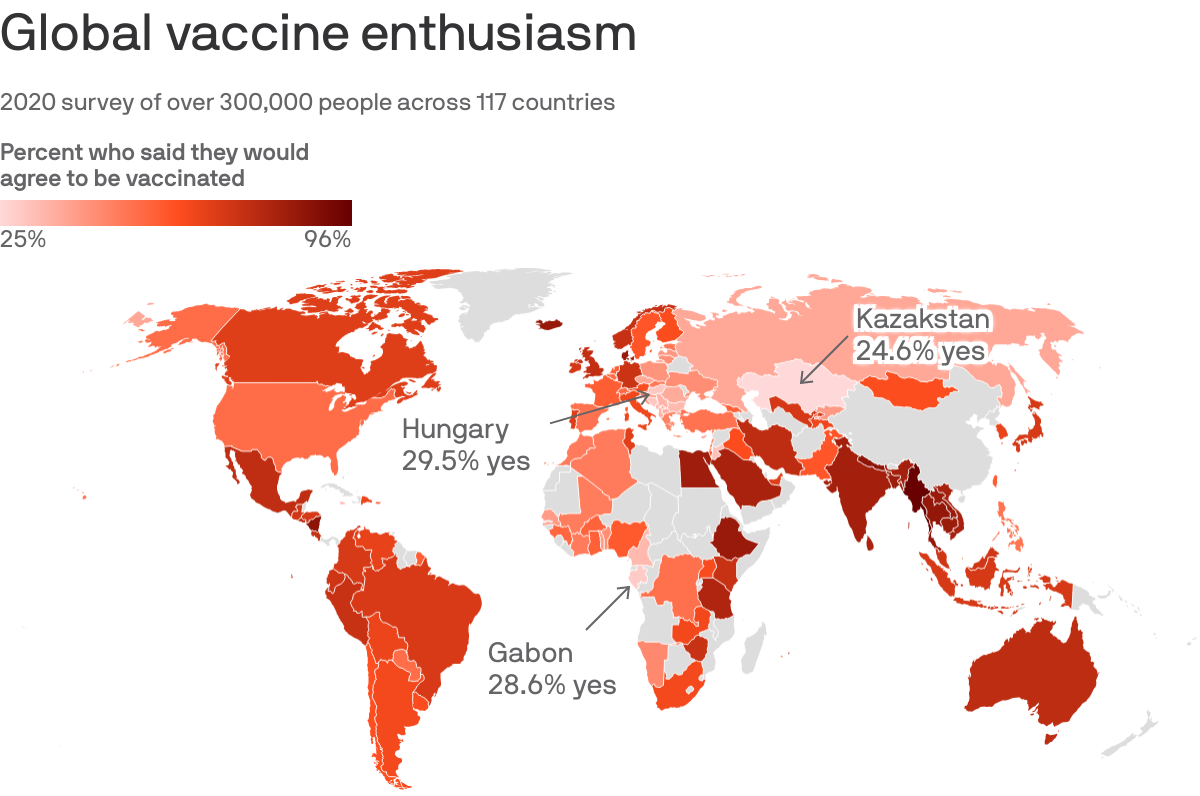
More than 1 billion adults around the world said in 2020 that they wouldn't agree to be vaccinated against the coronavirus, per new Gallup polling released Monday.
Why it matters: Only slightly more than two-thirds — 68% — of adults worldwide said they would agree to be vaccinated if a shot was available to them at no cost.
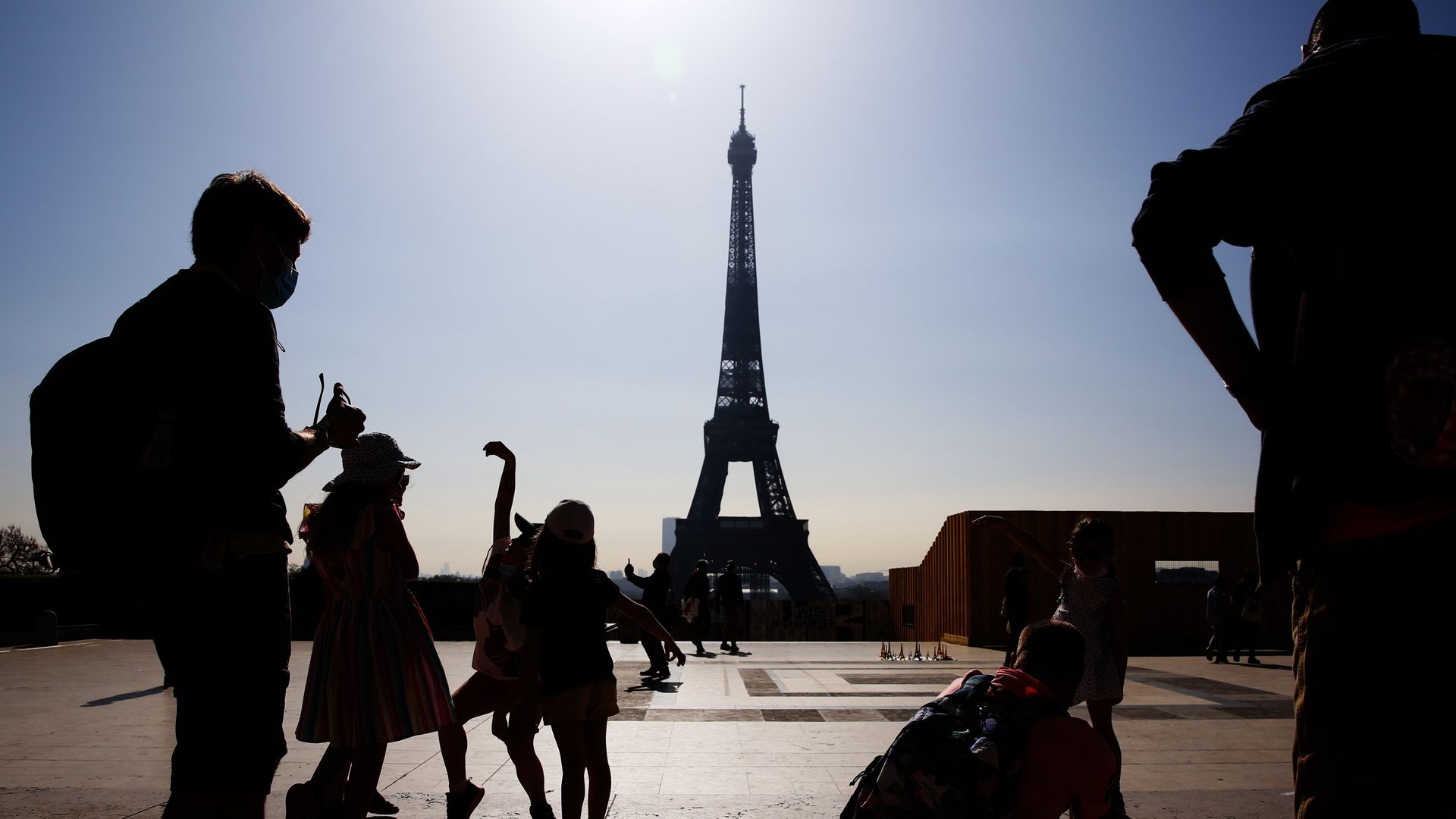
The European Commission on Monday proposed easing restrictions on non-essential travel for visitors who have been fully vaccinated against COVID-19.
Why it matters: The recommendation could be adopted by the European Union's 27 member states as early as May 5, paving the way for the return of summer travel to one of the world's most popular tourism destinations.
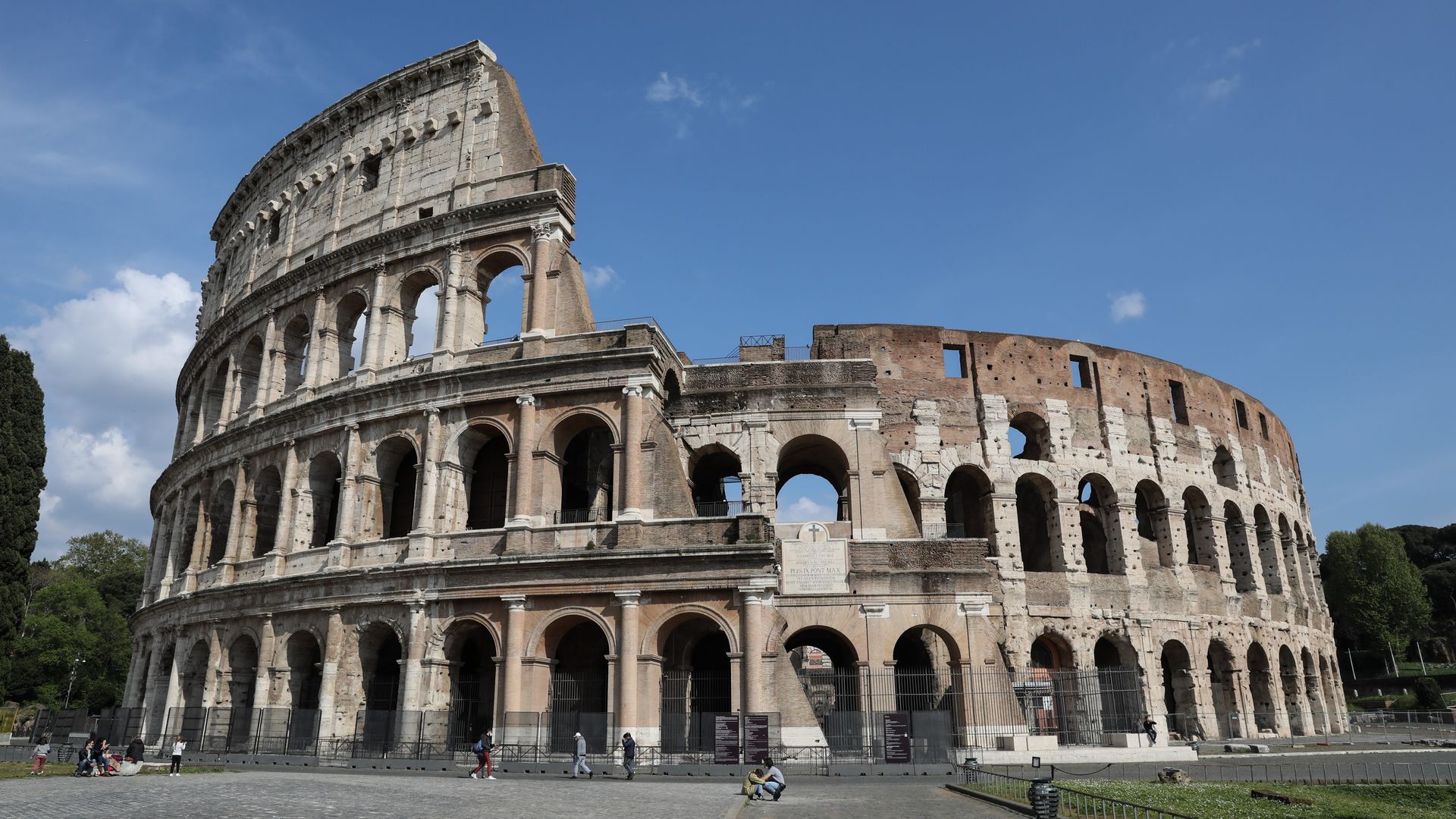
Rome's ancient Colosseum will have a floor with a gladiator's view once again in a construction project costing 18.5 million euros ($22 million), per a statement from Italy's Culture Minister Dario Franceschini Sunday.
Details: Archaeologists removed the last floor in the 19th century to examine the "labyrinth of rooms and corridors" that lay beneath the arena, Al Jazeera notes. The new floor will be sustainable and can be removed if required, per Franceschini's statement.
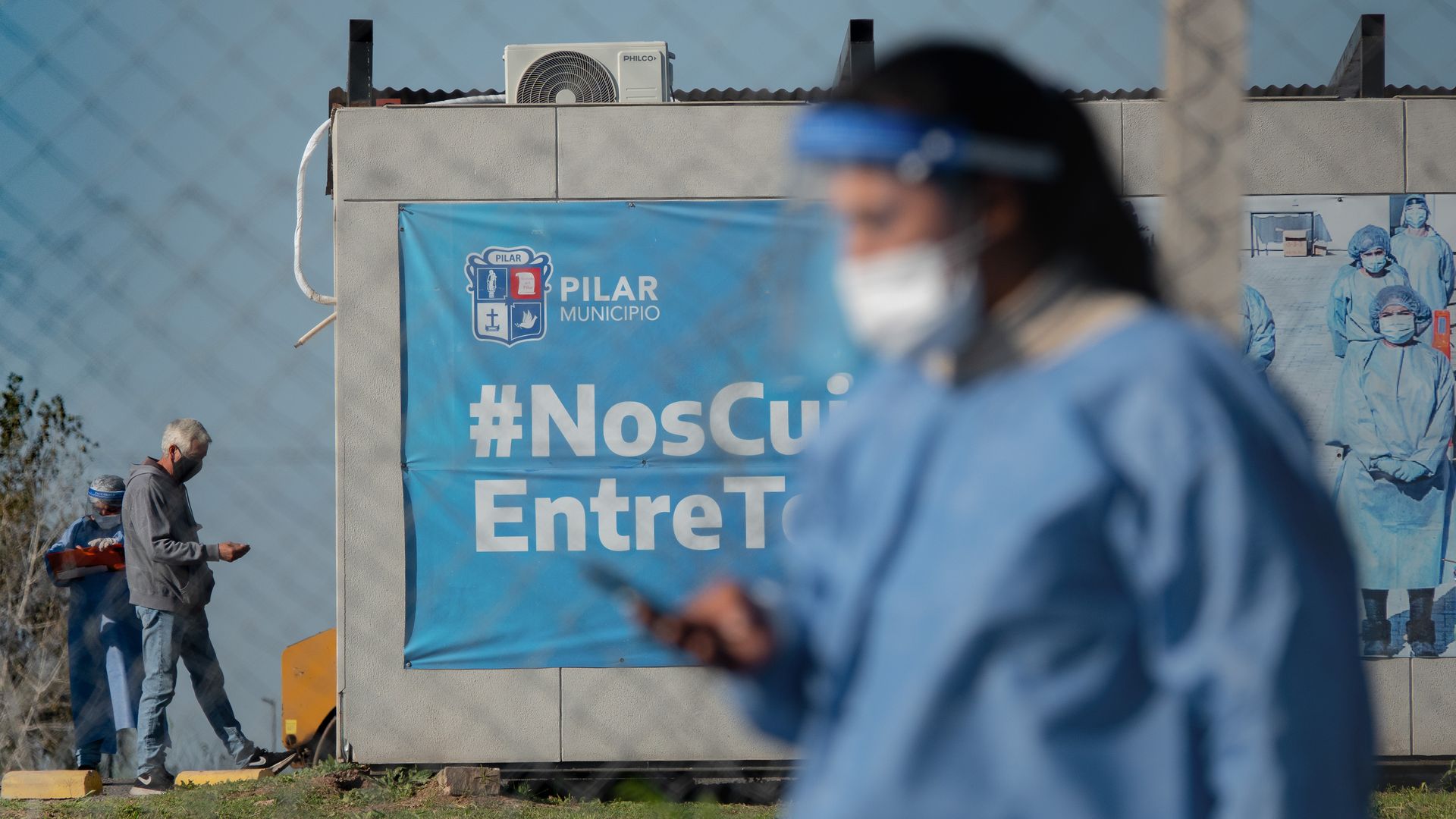
Argentina surpassed 3 million COVID-19 cases since the pandemic's start Sunday amid reports of hospitals operating at capacity.
The big picture: Argentina's government last week imposed new restrictions following new national records for cases and deaths in April. Argentine health workers told Reuters hospitals are "full" and the "stalled" vaccine rollout needed to be stepped up to curb the spread. "The health system does not support one more patient," one health worker said.
Proud Boys Canada, a far-right group added to the country's list of terrorist entities in February, announced Sunday it had dissolved itself.
The big picture: The group, founded by Gavin McInnes, a Canadian who lives in the U.S., insisted in a statement "we were never terrorists or a white supremacy group," per Reuters. Its members are among dozens charged over the U.S. Capitol riot. Several took part in a poorly attended far-right protest last month that organizers called a "white lives matter" rally.
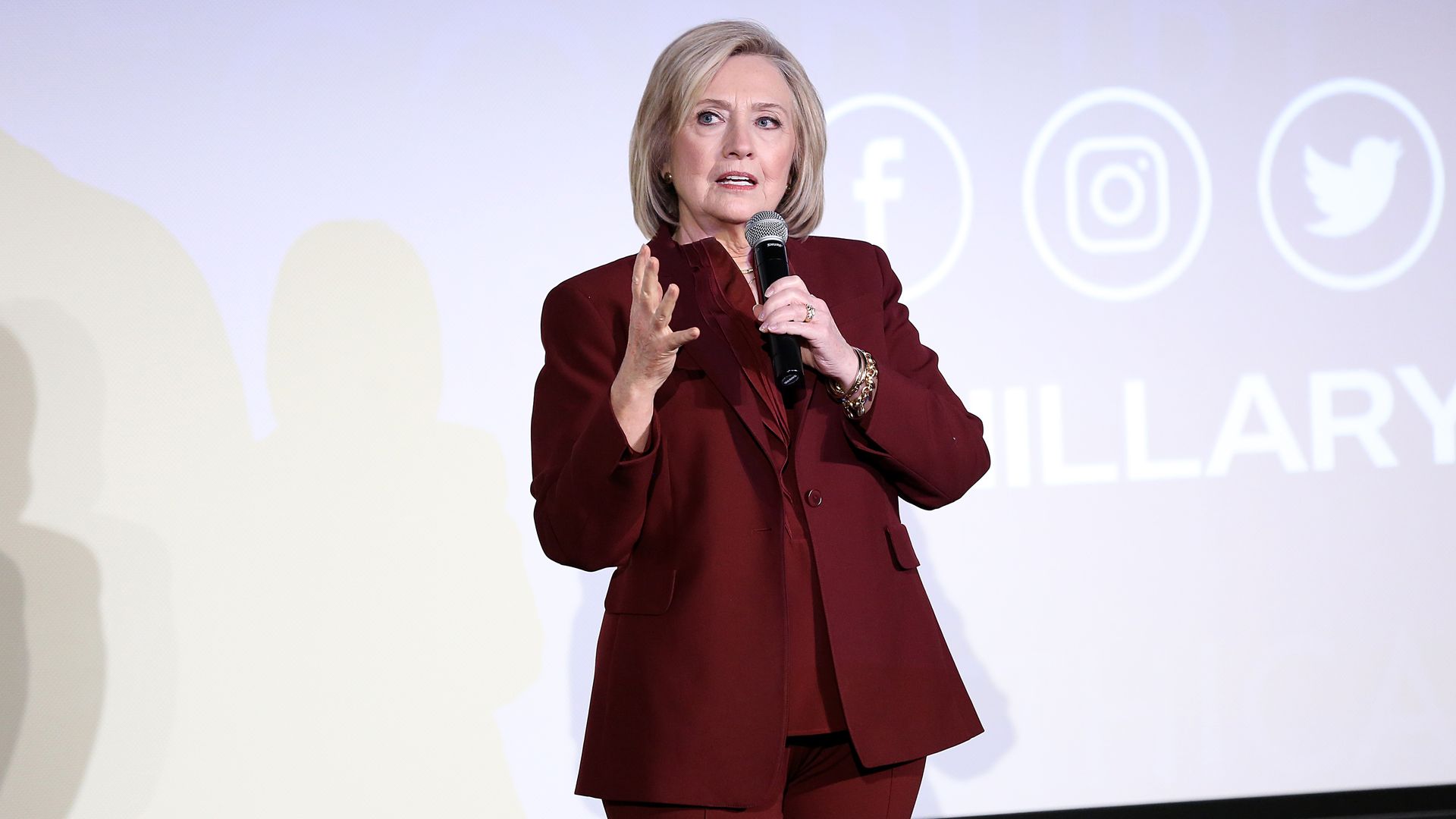
Former Secretary of State Hillary Clinton told CNN Sunday the U.S. has to focus on "two huge consequences" following President Biden's decision to withdraw American troops from Afghanistan.
Driving the news: Axios reported Friday that Clinton and former Secretary of State Condoleezza Rice expressed concern to the House Foreign Affairs Committee over the move. When CNN's Fareed Zakaria asked Clinton what she thought of the decision, she said: "Well, it's been made, and I know it is a very difficult decision."
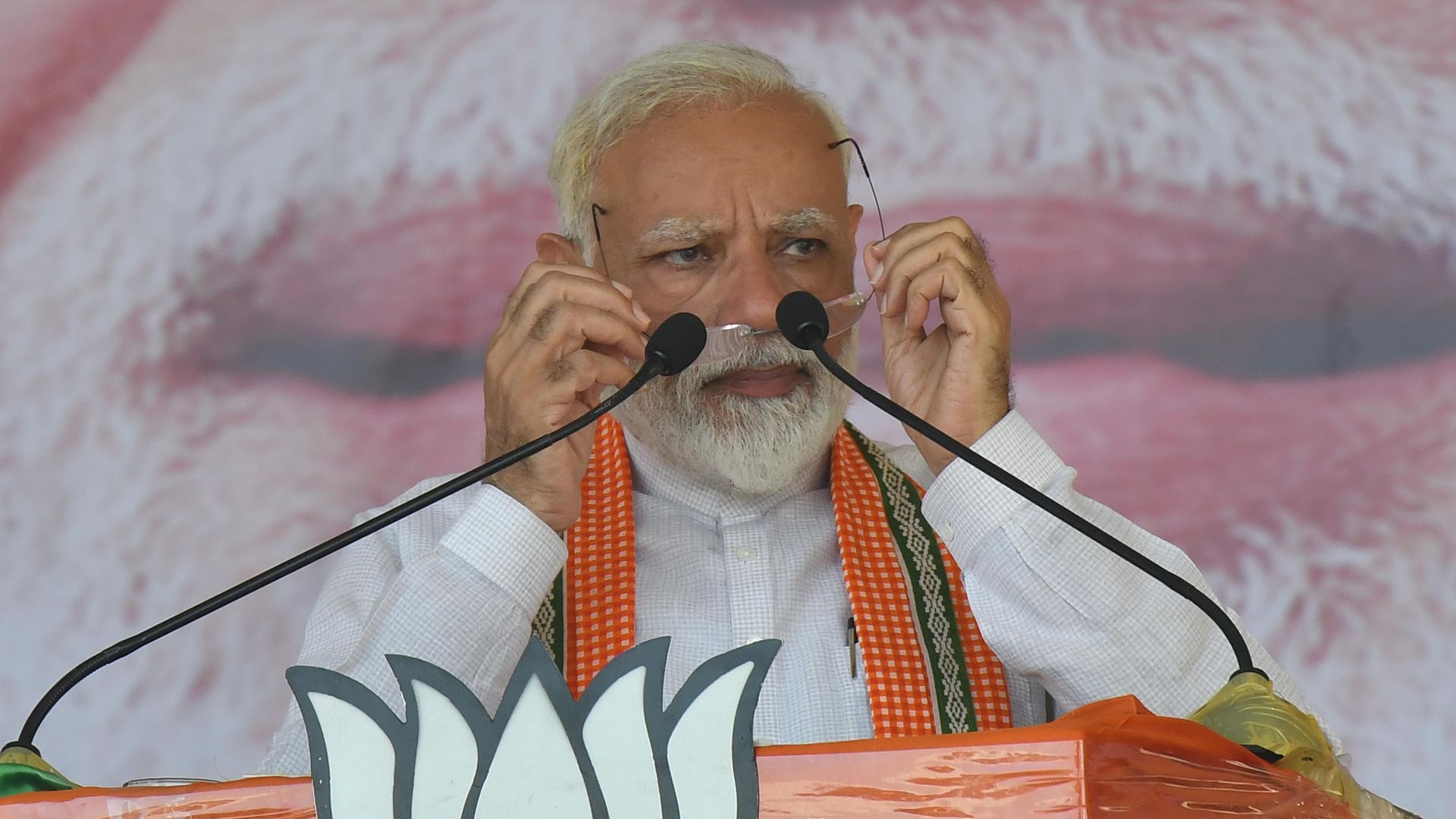
India's Prime Minister Narendra Modi's Bharatiya Janata Party (BJP) lost an election in the key state of West Bengal on Sunday.
Why it matters: Modi has been criticized for his handling of the pandemic amid a widespread oxygen shortage, record daily cases and a surging death toll, with accusations that the real numbers are much higher.
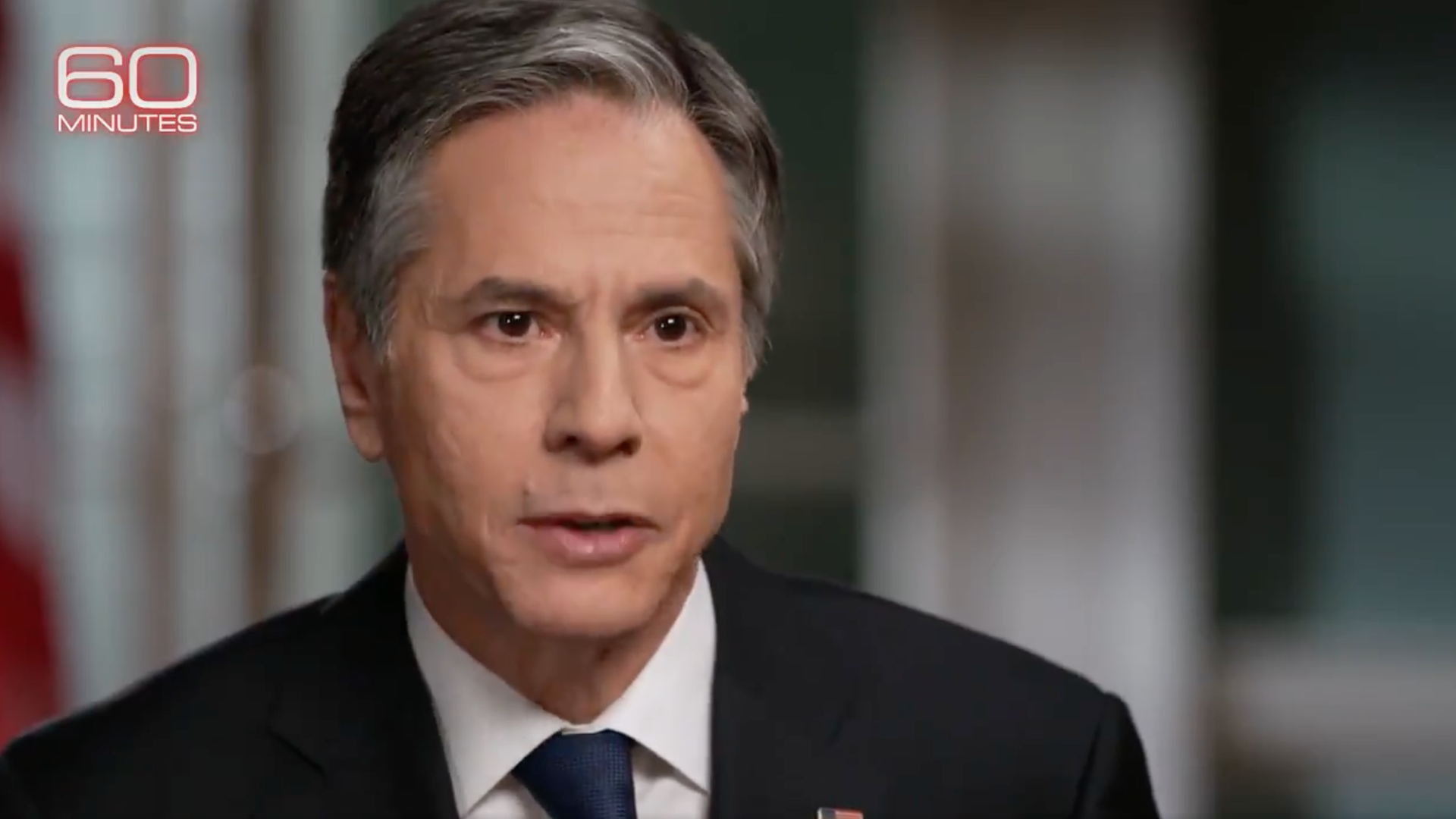
Secretary of State Antony Blinken defended the Biden administration's handling of the growing crisis at the southern border in an interview with CBS' "60 Minutes" airing Sunday.
Details: Blinken told CBS' Norah O'Donnell the "border is not open" and said the administration had "inherited a totally broken system." O'Donnell asked Blinken whether President Biden's policies, such as using his executive authority to curb deportations, had contributed to the marked increase in migrant arrivals.