Mass anti-government protests unfolded across Colombia on Wednesday, topping off a week of unrest that has left at least 24 people dead, reports The Guardian.
Why it matters: The demonstrations started as a strike against a proposed tax reform but developed into wider outcry "over poverty exacerbated by the pandemic, human rights abuses and the authorities’ heavy-handed response to protests," per The Guardian.
Senior Biden administration officials visiting the Middle East this week urged "de-escalation and diplomacy with Iran, Turkey and Qatar," an Arab official briefed on the talks told me."They just want to keep the temperature down in the region."
Why it matters: The Middle East is not a major foreign policy focus for Biden, and his goals in the region are primarily to put Iran’s nuclear program “back in a box” and avoid any further crises that will pull attention away from key challenges like China and Russia.
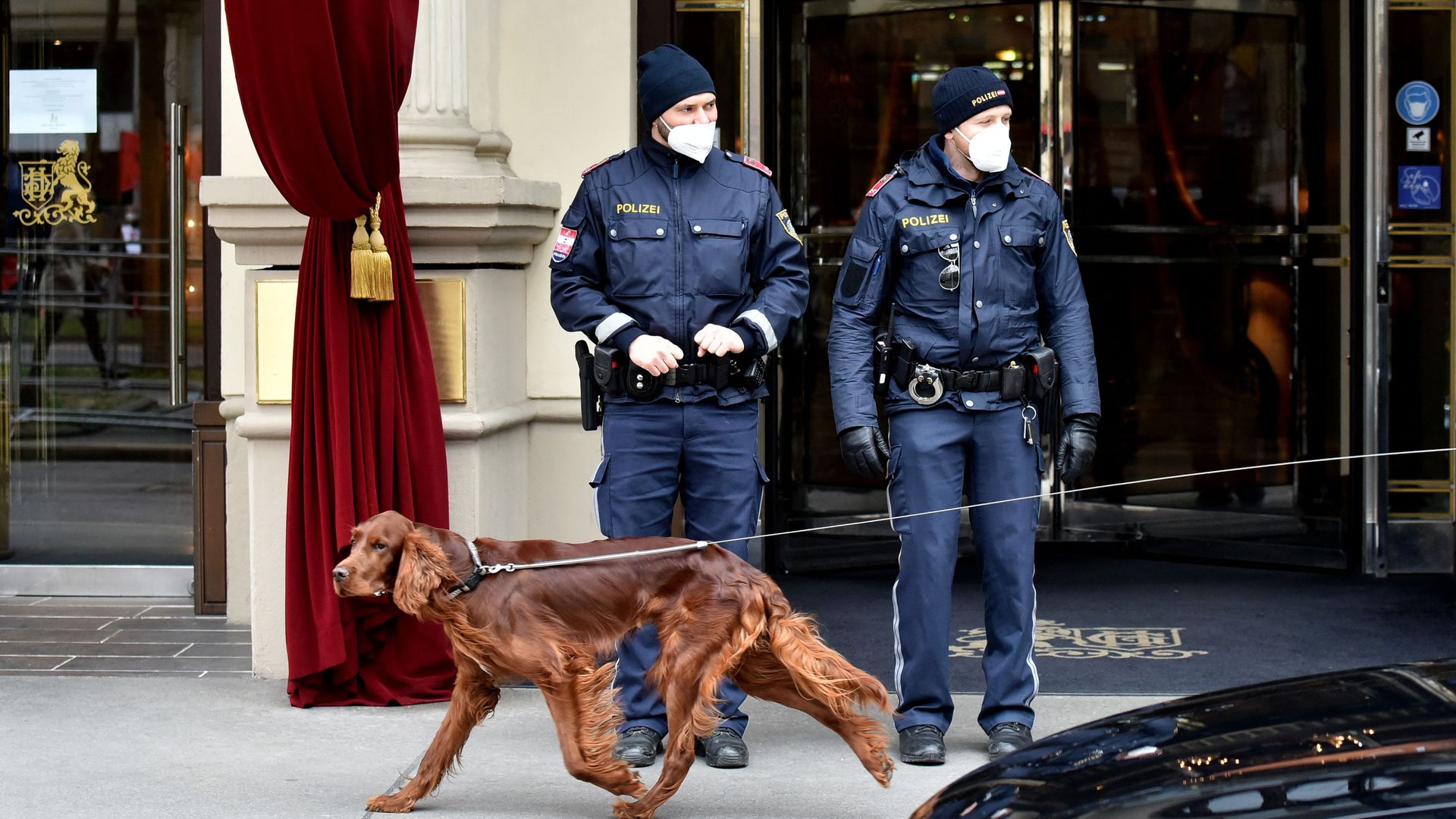
Big gaps between the U.S. and Iran over the measures needed to roll back and limit the Iranian nuclear program are stalling the Vienna talks, European diplomats and former U.S. officials briefed on the issue tell me.
What's happening: The Biden administration has said any deal to restore the 2015 nuclear accord must include a return by Iran to full compliance with its previous commitments. But that's complicated by the fact that Iran's nuclear program has advanced since 2015.
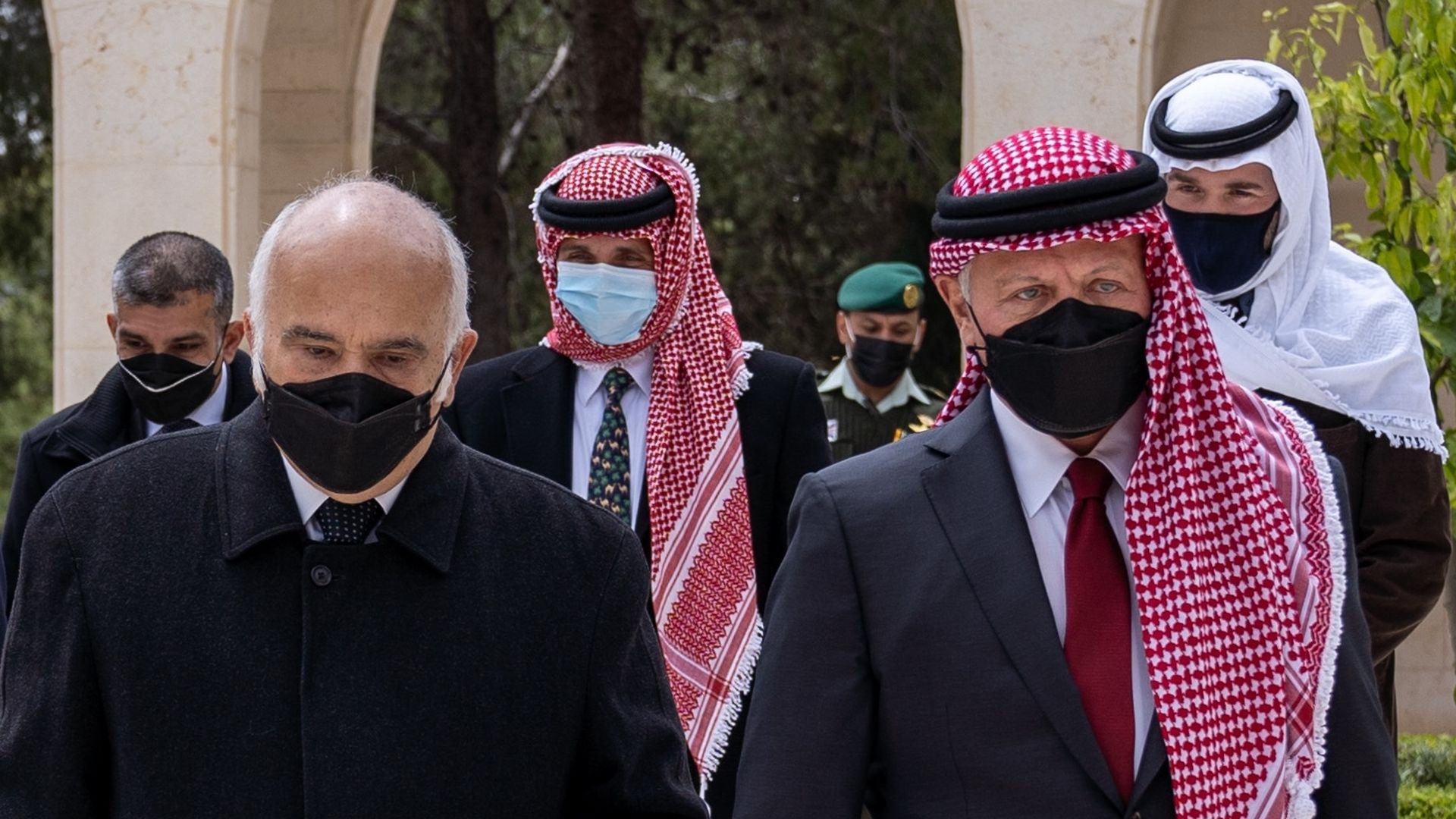
Amman, Jordan — A month after the royal family feud that rocked Jordan, internal tensions have softened but the long-term effects of the crisis are yet to be seen.
Driving the news: In the last two weeks, 16 of the 18 Jordanians arrested in the crackdown on former Crown Prince Hamzah bin Hussein and his associates have been released. Prince Hamzah was publicly accused in April of plotting to destabilize the kingdom.
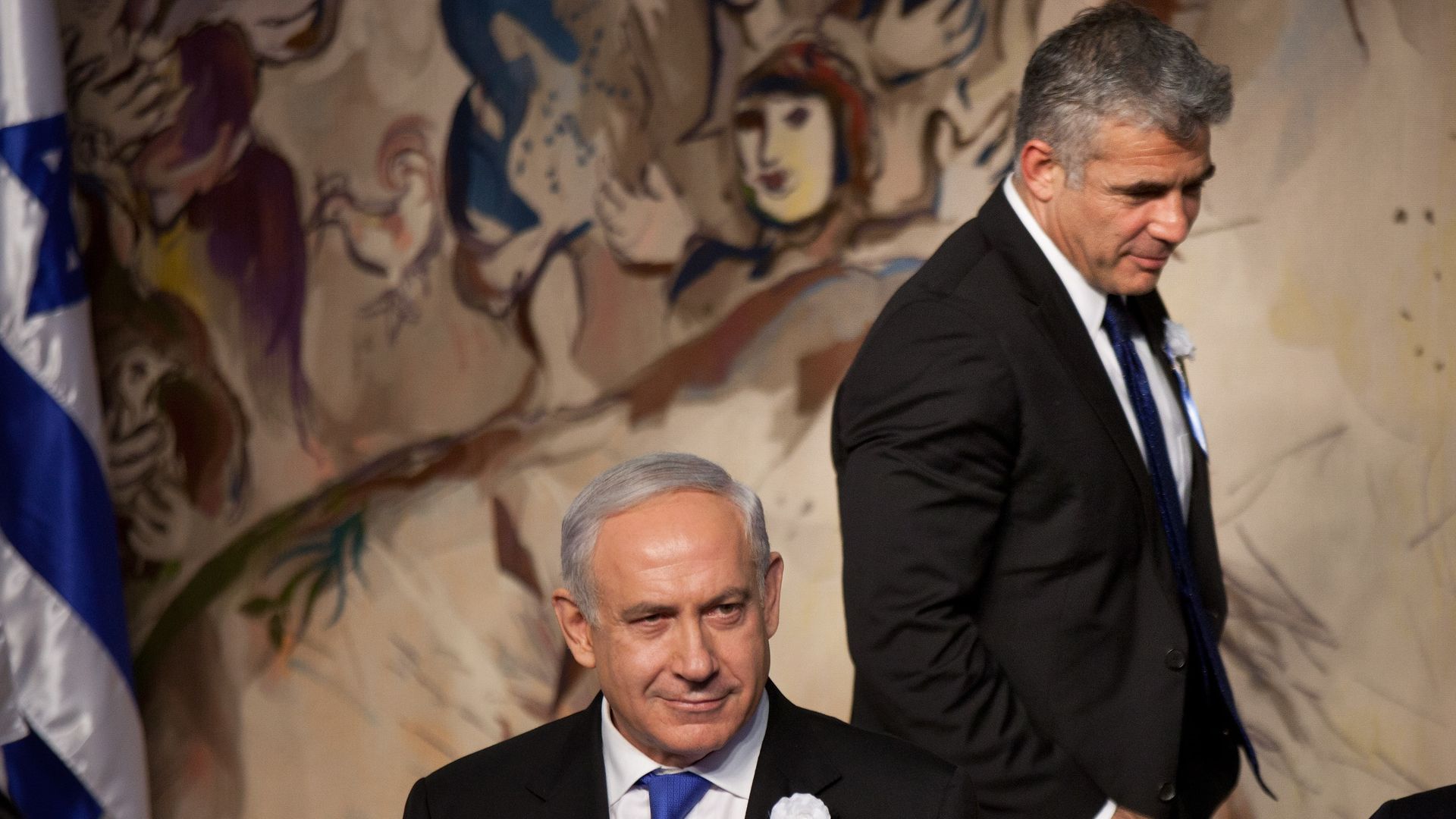
Opposition leader Yair Lapid has received a mandate from Israel's president to form a new government, putting Benjamin Netanyahu in the most vulnerable position he has faced politically since becoming prime minister in 2009.
The big picture: Netanyahu failed to form a government before his mandate expired overnight, but his rivals still have hurdles to clear before they can oust him. That means the political crisis that has gripped Israel over the last two years is far from over.
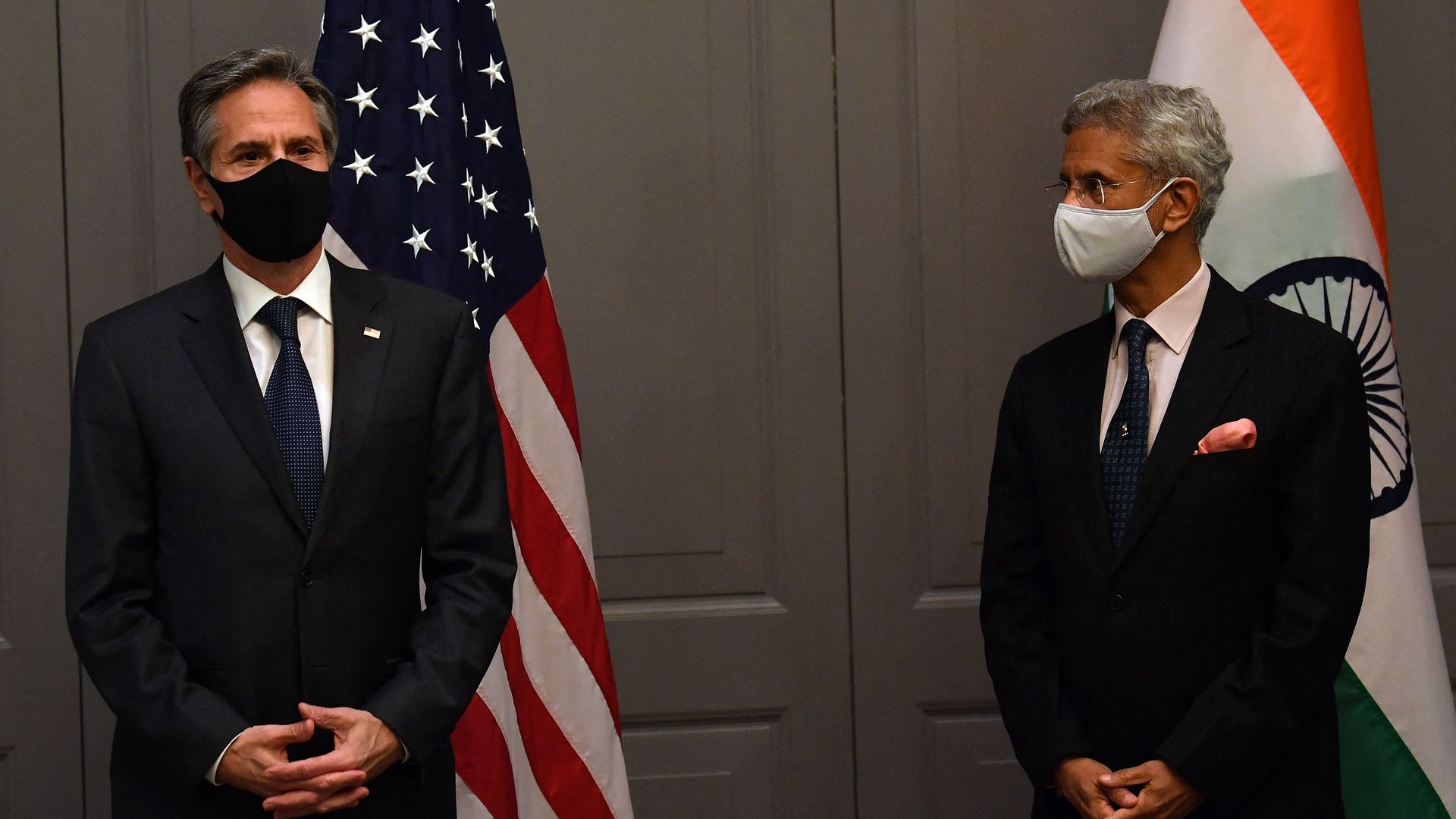
India's foreign minister Subrahmanyam Jaishankar pulled out of in-person meetings at a G7 event in London on Wednesday, citing possible exposure to people who have tested positive for COVID-19.
Driving the news: Jaishankar met in person this week with U.S. Secretary of State Tony Blinken, though delegates attending the gathering are tested daily, wear masks and observe social-distancing guidelines, according to AP.
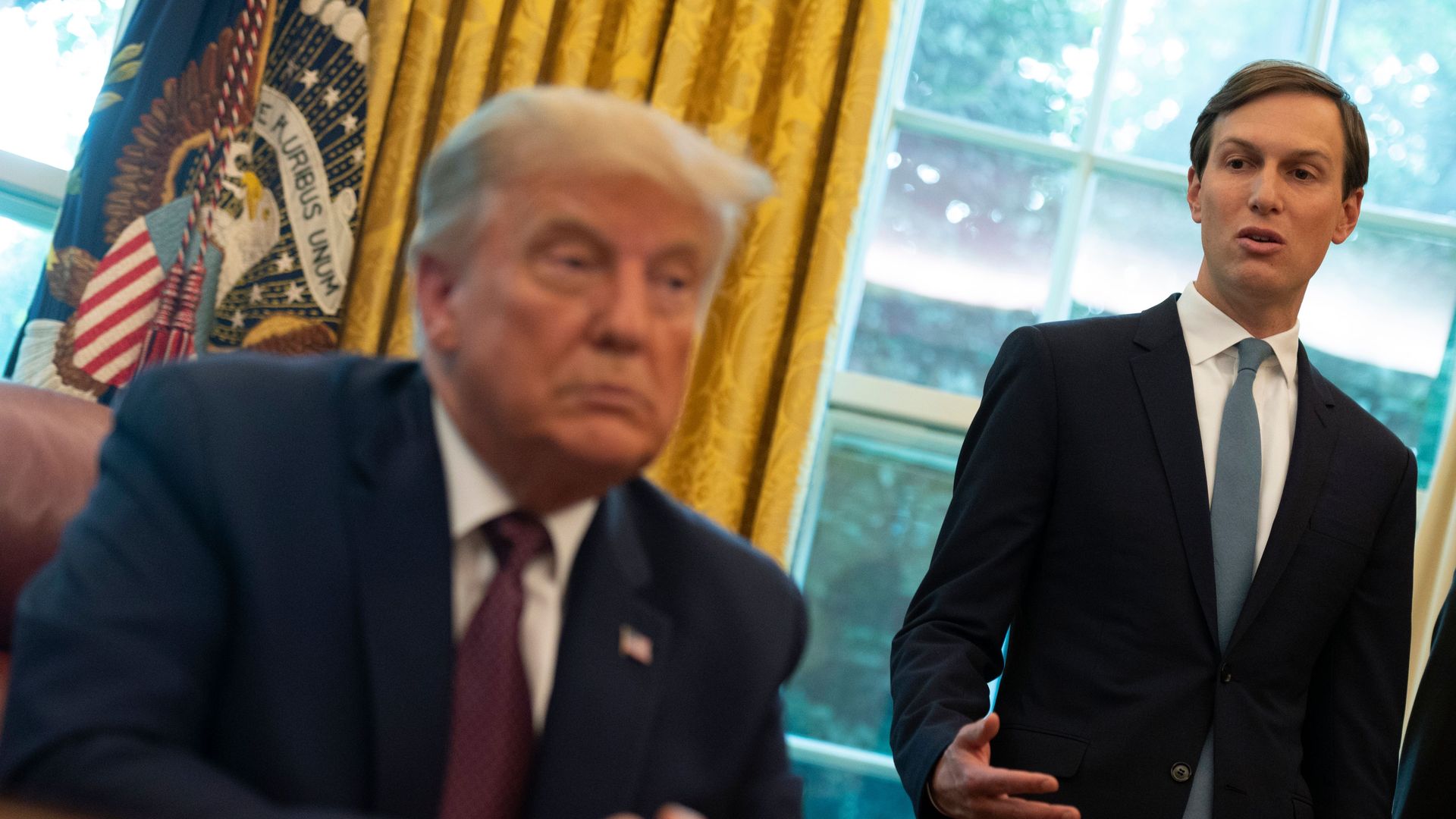
Jared Kushner is founding an organization called the Abraham Accords Institute for Peace, to work on deepening the normalization agreements he helped strike between Israel and Arab countries.
The big picture: The Abraham Accords, signed in September 2020, were arguably Trump's biggest foreign policy achievement and the biggest breakthrough for relations between Israel and the Arab world for 25 years.
The U.S. is the last major power to enter the race for global vaccine diplomacy, but still has the opportunity to win it.
Why it matters: China, Russia and other world powers began shipping vaccines all over the world months before the U.S. But they've all run into serious obstacles that leave the U.S. with an opening to become the biggest piece in the global vaccination puzzle.
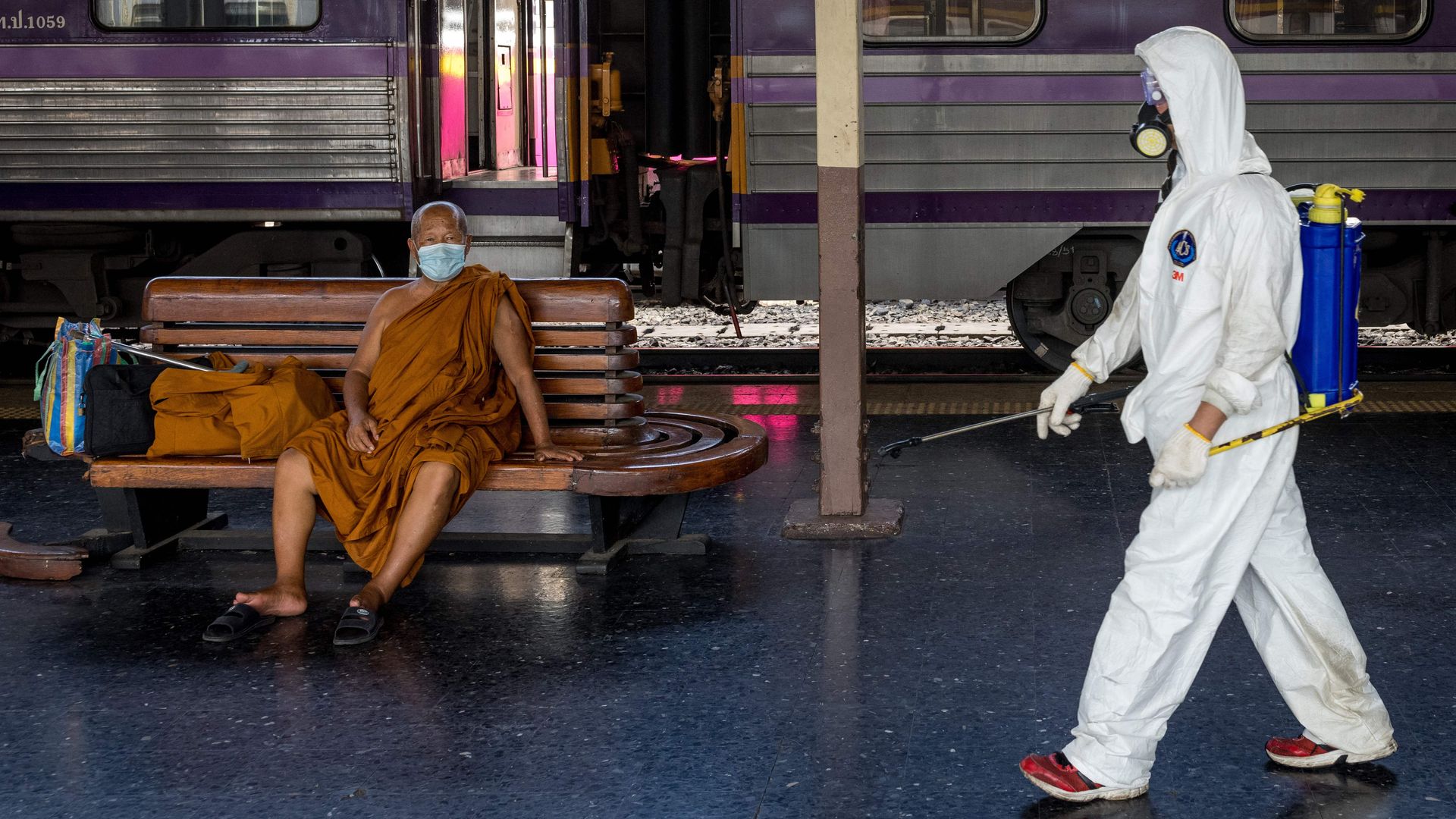
Laos, Nepal and Thailand are among several countries now facing steep surges in COVID-19 cases that threaten to overwhelm their health care systems.
The big picture: The scale may be less than India's, but a Bloomberg analysis of Johns Hopkins University data shows the percentage jump in caseloads recorded in the past month compared to the previous one in these nations is much higher than in the world's second-most populous country.