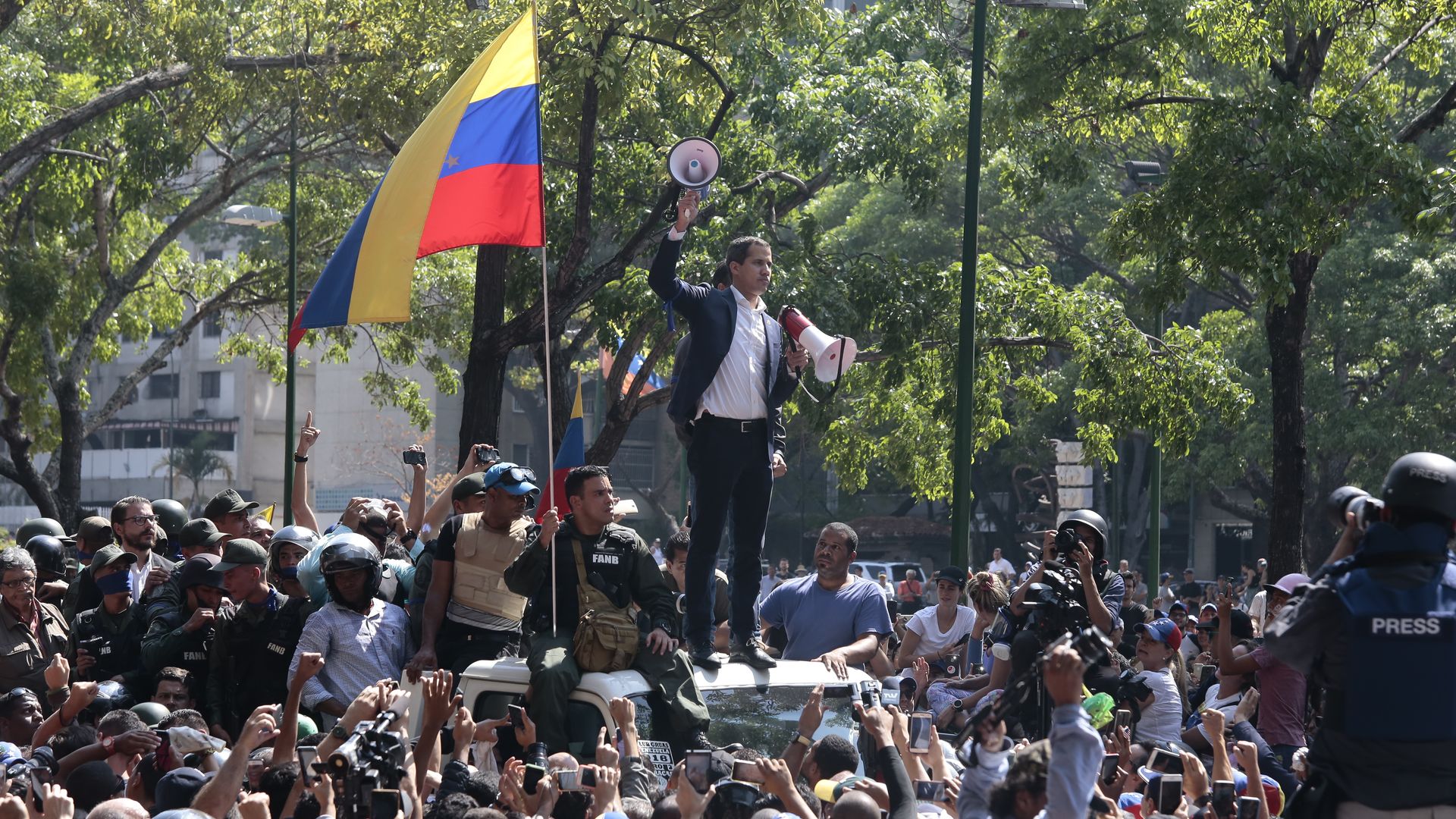
Before dawn on April 30, 2019,Juan Guaidó and Leopoldo López — Venezuela’s U.S.-backed interim president and, until that morning, the country's most prominent political prisoner — stood together and declared the end of Nicolás Maduro’s regime.
The walls were closing in. A plane, U.S. officials would claim, was waiting on the tarmac to escort Maduro to Cuba.
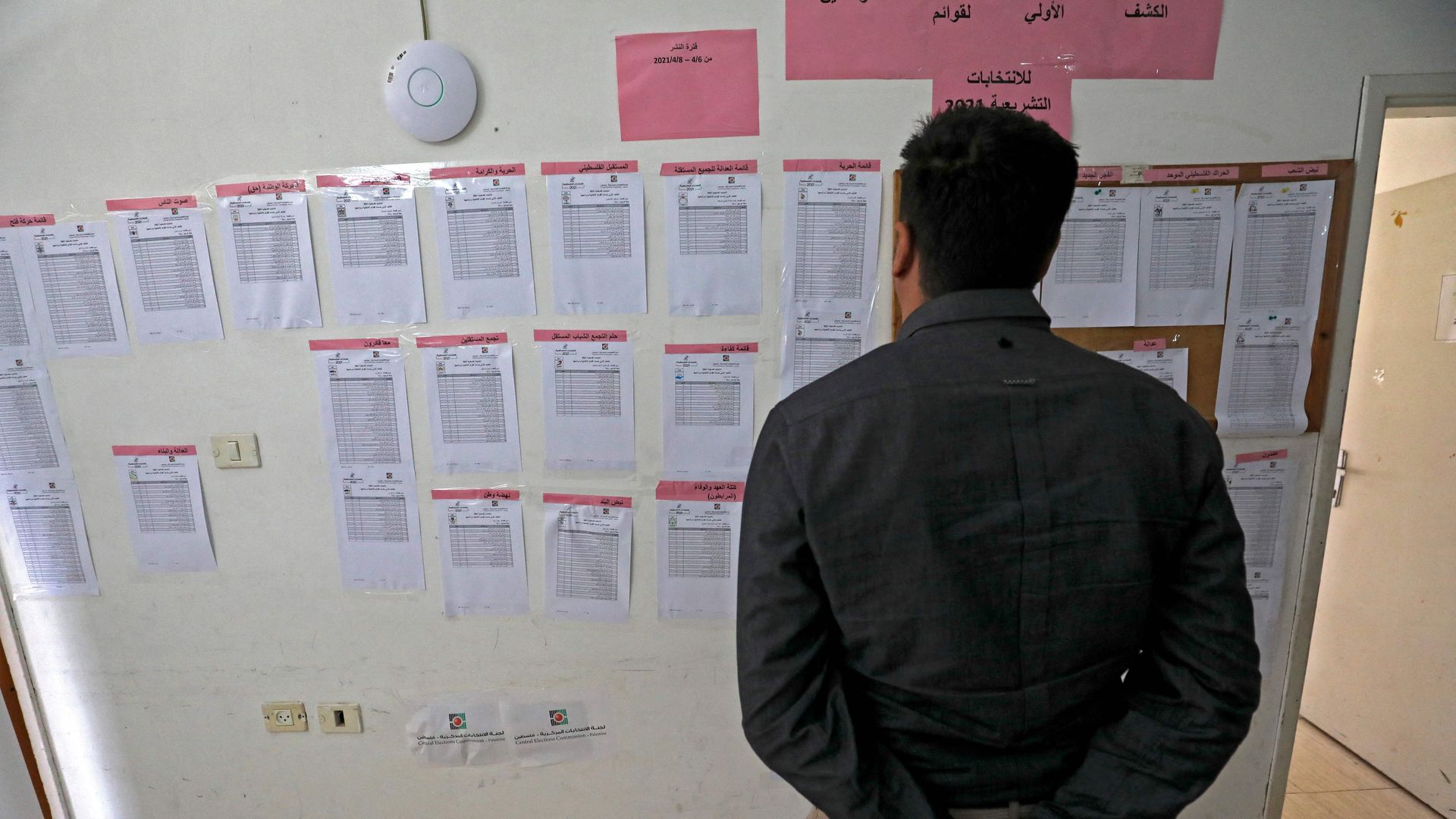
Palestinian President Mahmoud Abbas announced Thursday the indefinite postponement of parliamentary elections that had been scheduled for May 22.
Driving the news: Abbas said the delay was due to the fact that Israel had not committed to allowing Palestinians in East Jerusalem to vote. Another unspoken reason is that a split in his Fatah party has opened the door for a potential Hamas victory.
The State Department announced plans to give $310 million in humanitarian aid to cover the “immediate needs” of migrants across Central America, as part of a plan to combat the root causes of rising migration from the region.
Why it matters: Those funds will partly go through the very Central American governments that the U.S. has punished for having corrupt officials.
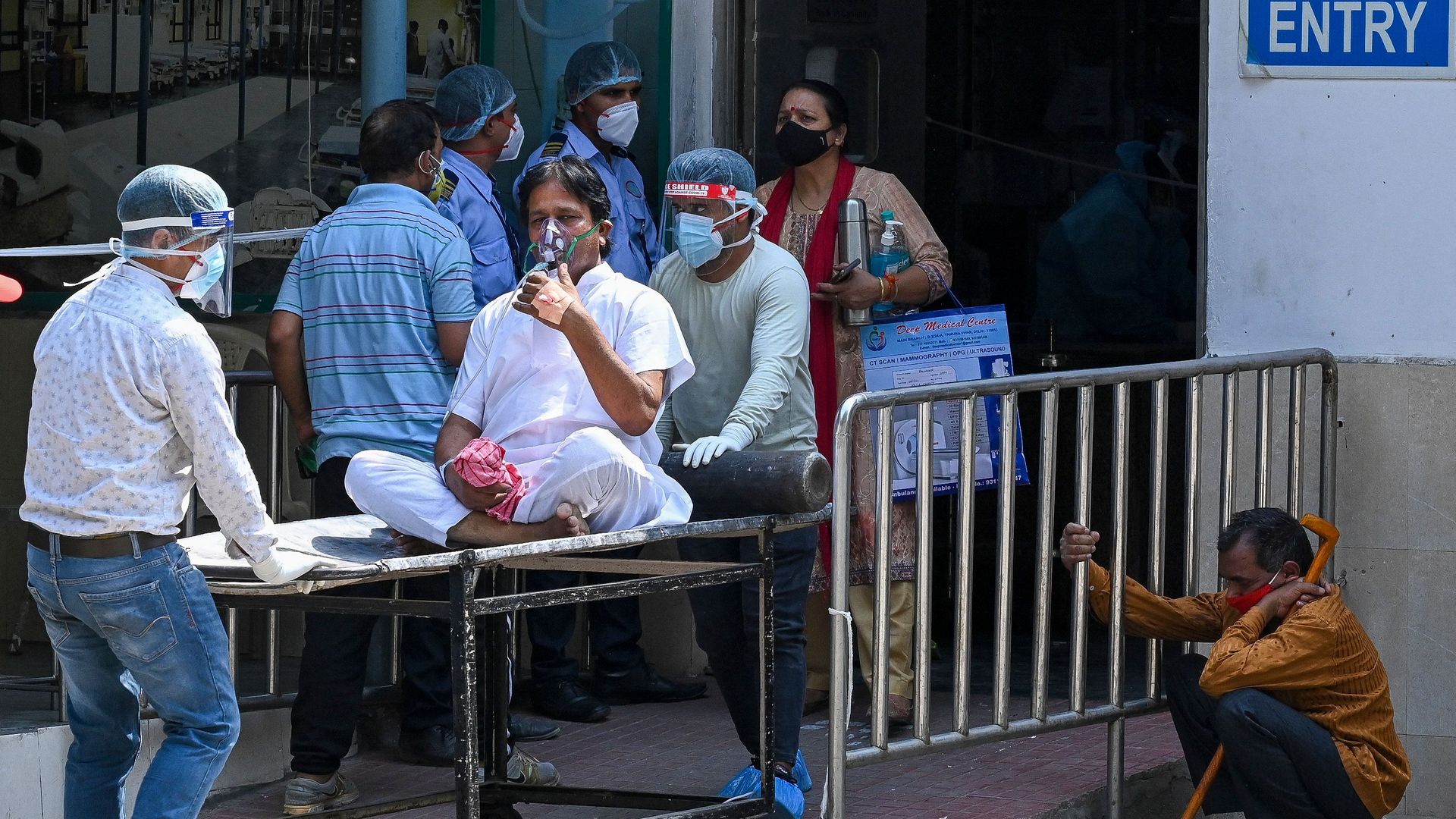
The State Department has advised U.S. citizens to leave India as soon as possible, and avoid traveling there, as coronavirus cases surge in the country amid a widespread oxygen shortage and slow vaccine rollout.
The big picture: The advisory comes as India logs daily records in new COVID cases, with hospitals and morgues overwhelmed.
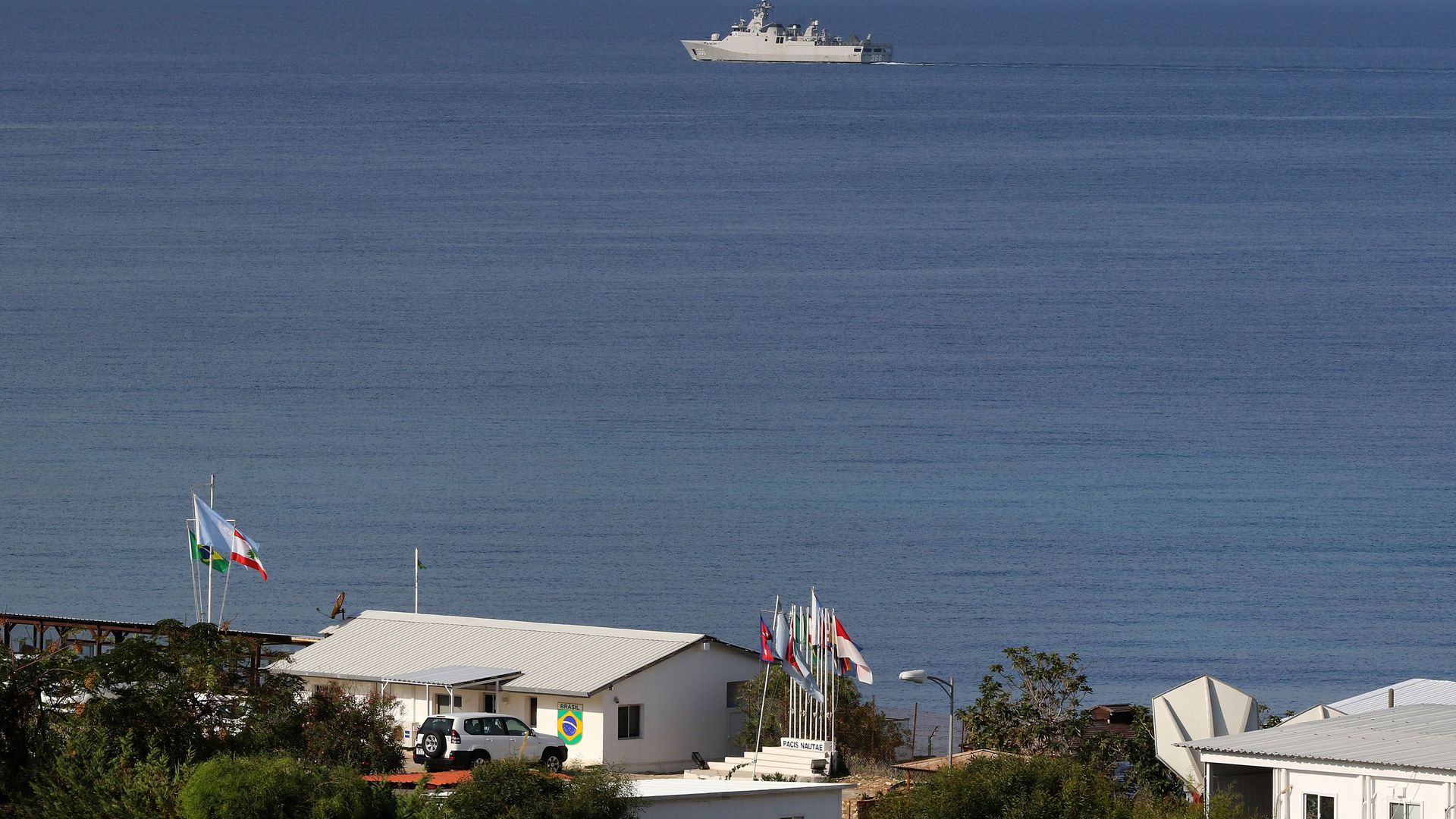
Israel and Lebanon will resume U.S.-mediated talks on their maritime borders next Tuesday after a pause of more than four month, Israeli officials tell me
Why it matters: The talks are an attempt to resolve a dispute over natural gas exploration in the eastern Mediterranean Sea. The revenues at stake could reach the tens of billions of dollars.
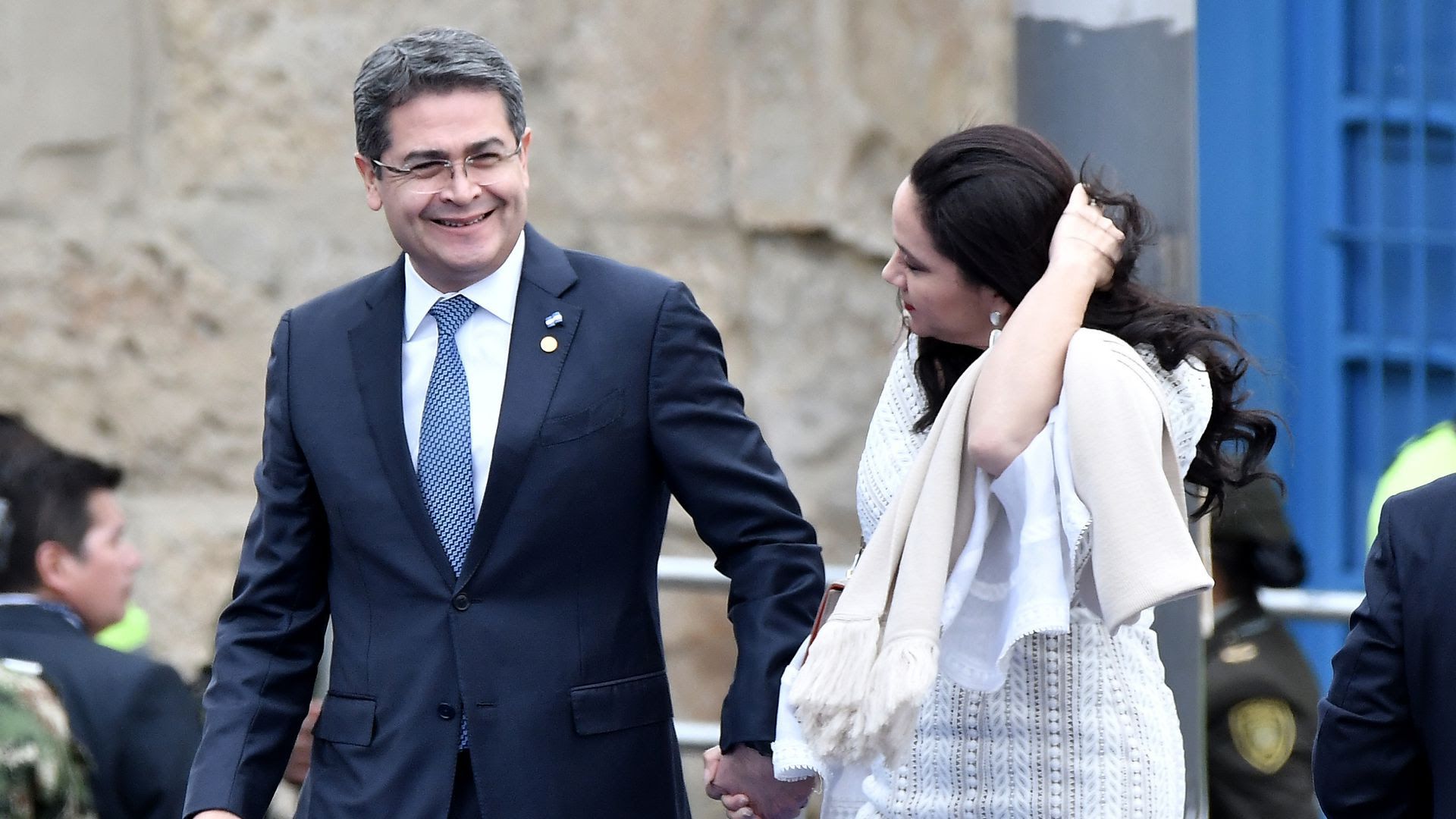
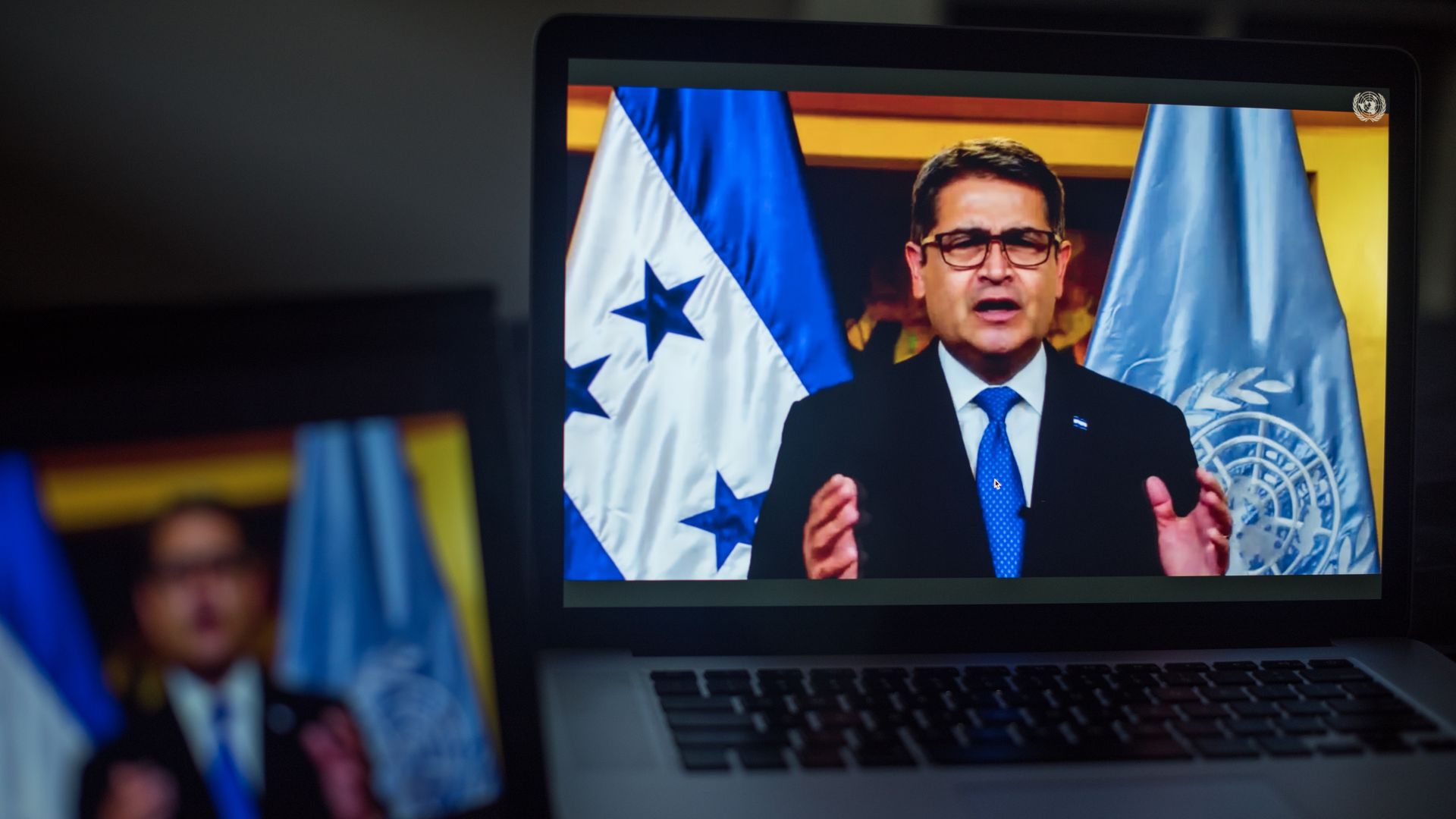
The U.S. Treasury Department has sanctioned a current and a former Guatemalan government official, and some Democrats want restrictions on Honduran President Juan Orlando Hernández over corruption allegations.
Why it matters: The moves come after U.S. federal prosecutors said they are investigating Hernández in connection with drug trafficking in the U.S. and for vowing to "‘shove the drugs right up the noses of the gringos." Congressional leaders also are pressing for action in Hondurasto halt migration.
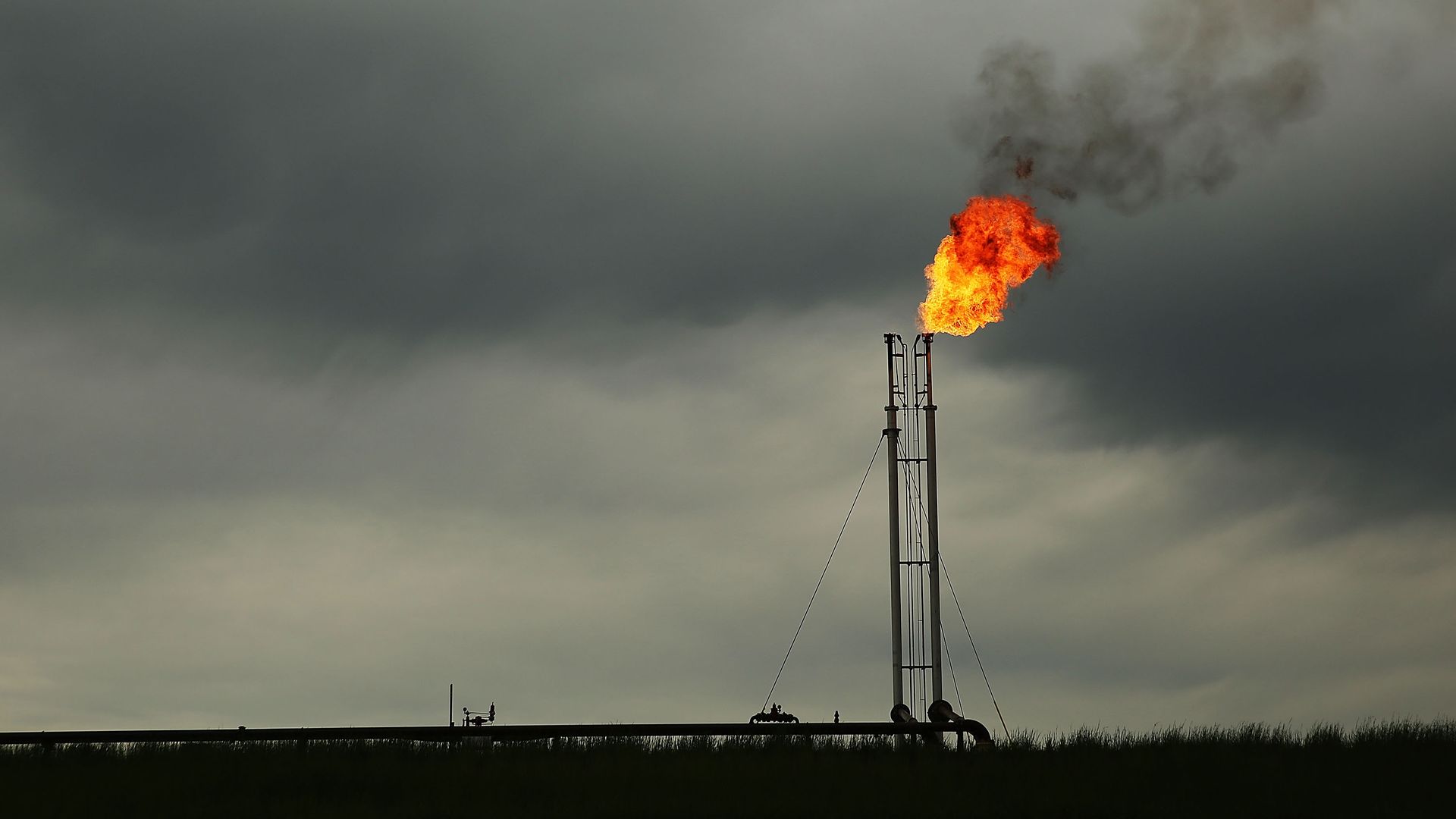
The World Bank is out with new data on global amounts of natural gas burned at oil production sites, revealing it's still a big problem despite a decline last year alongside the drop in crude output.
Why it matters: Flaring is a source of greenhouse gas emissions and wastes gas that if captured could be used for energy.
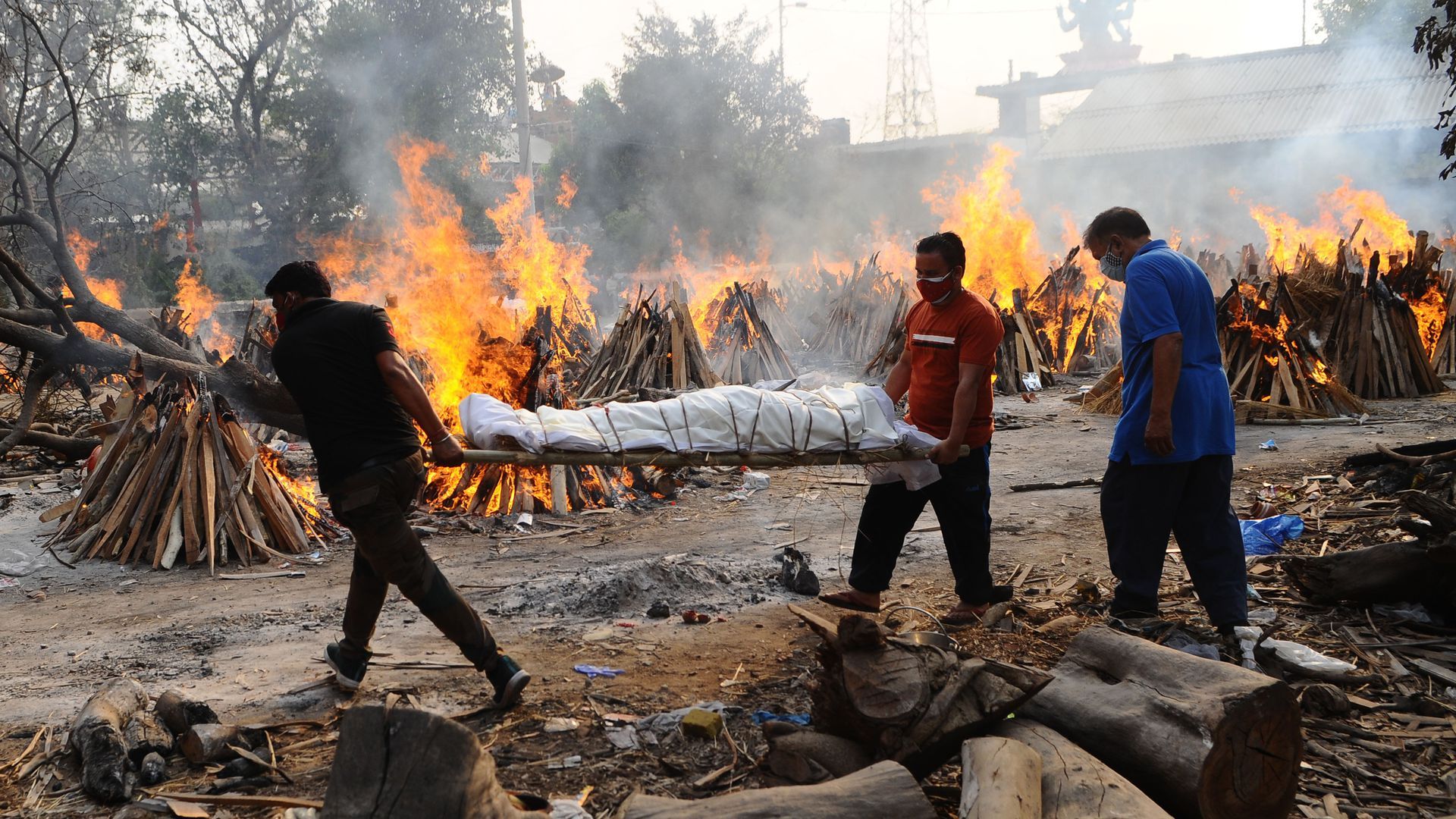
India's runaway coronavirus surge is only getting worse, and doctors are growing increasingly concerned about the risks of a new variant.
The state of play: "The current wave of COVID has a different clinical behavior," Sujay Shad, a surgeon at Sir Ganga Ram Hospital, told The New York Times. "It's affecting young adults. It's affecting families. It's a new thing altogether. Two-month-old babies are getting infected."
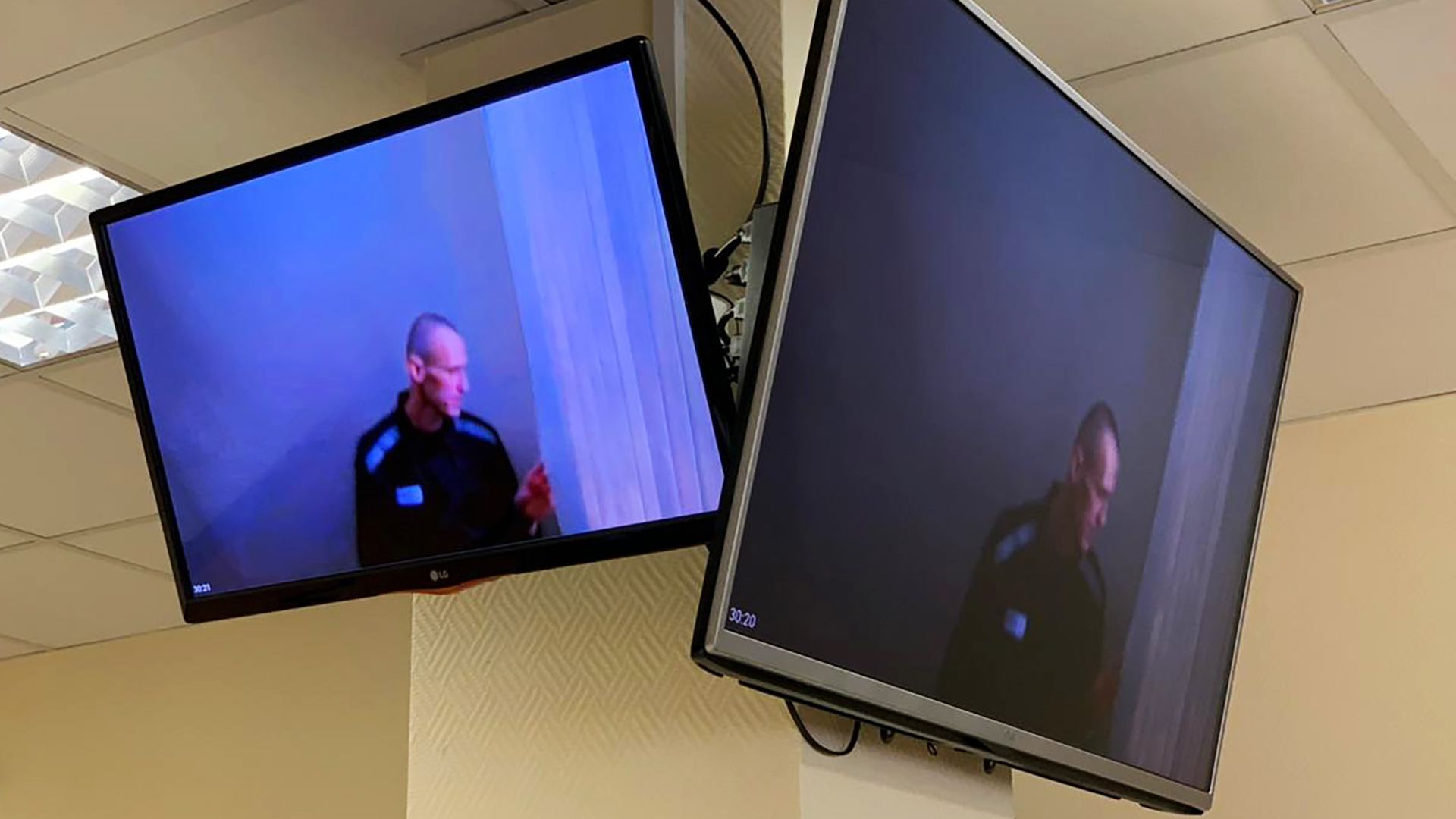
Jailed Russian opposition leader Alexei Navalny appeared at a court hearing via video link for the first time since ending his hunger strike, as a top ally announced Navalny's anti-corruption network would be forced to dissolve amid an effort by Russian prosecutors to label it as "extremist."
Why it matters: The Kremlin's crackdown on the country's most prominent Putin critic is intensifying.
The White House announced the U.S. is sending more than $100 million worth of supplies to India — which set new records for COVID-19 cases and deaths in a single day on Thursday.
Driving the news: Coronavirus cases are surging in India amid a widespread oxygen shortage and slow vaccine rollout. The country's pandemic death toll surpassed 200,000 on Wednesday, amid reports that COVID fatalities and cases are going uncounted.
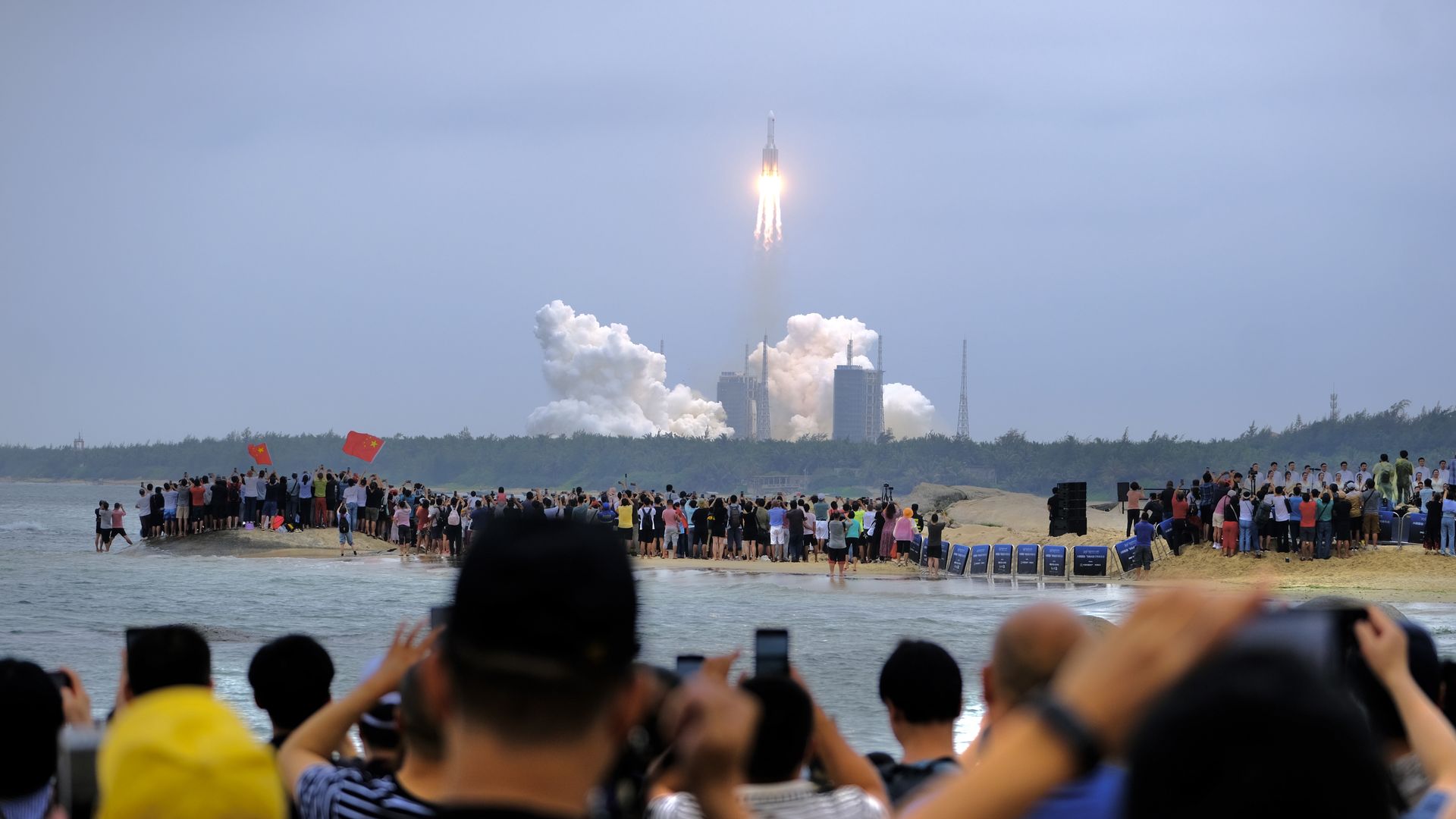
Officials in China launched the core element of a new permanent space station into orbit on a Long March-5B Y2 rocket from Wenchang in Hainan Province, Thursday, per the BBC.
Why it matters: The launch from Wenchang Space Launch Center marks a significant step in the space program drive of the ruling Chinese Communist Party, seen as a rival to the U.S. in space.