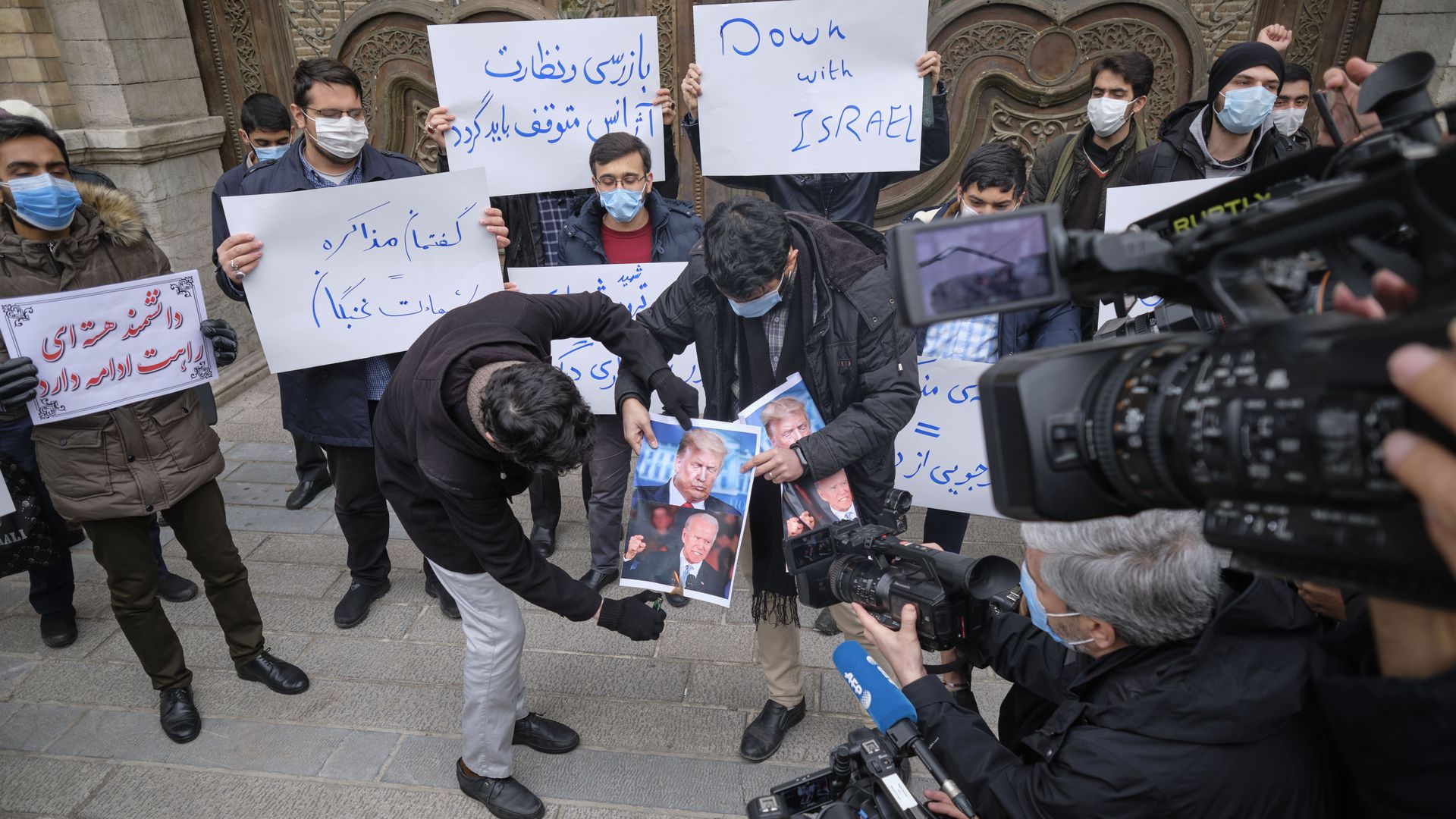
Iran plans to begin increasing its nuclear enrichment levels and prohibit international inspectors from accessing nuclear facilities if U.S. oil and banking sanctions are not lifted by this coming February, the New York Times reports.
Why it matters: A new law ratified Wednesday orders Iran's atomic energy agency to expand uranium enrichment to match levels prior to the 2015 nuclear agreement. The move comes as a direct response to the assassination of the nation's top nuclear scientist, and appears to put pressure on President-elect Biden to reenter the 2015 deal immediately upon taking office.
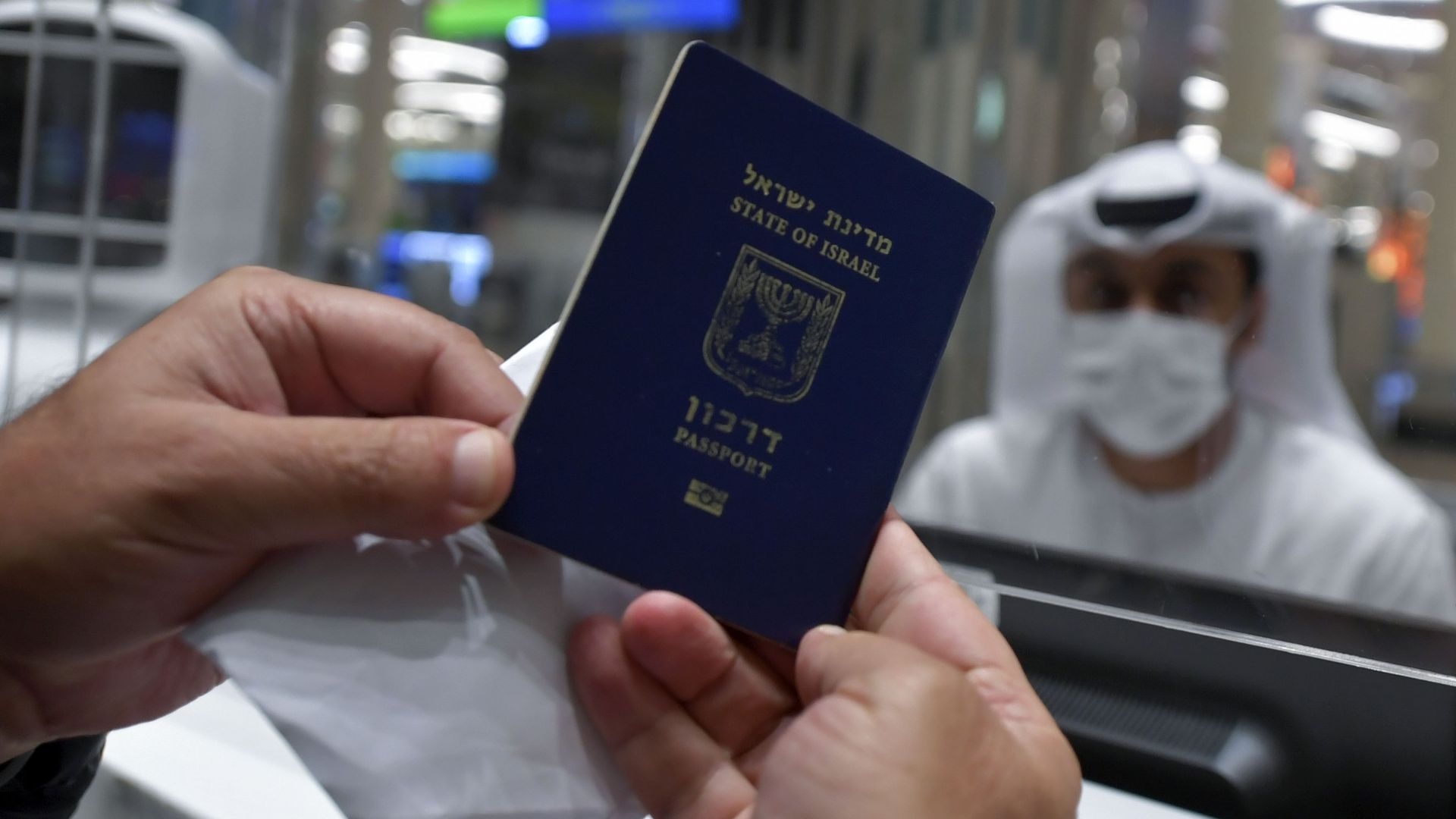
Israeli officials are concerned that Israelis visiting Dubai could become the targets of Iranian retaliation over the assassination of nuclear scientist Mohsen Fakhrizadeh.
Why it matters: The UAE is one of the only destinations open to Israeli travelers at the moment due to COVID-19 restrictions. Israeli officials expect thousands of Israelis to visit Dubai during the Hanukkah holiday, less than two weeks from now.
Israel plans to open an official embassy in Bahrain by the end of December, formalizing 25 years of secret diplomatic contacts, Israeli officials tell me.
Why it matters: Israel already had a diplomatic mission in Manama for the last 11 years, run out of a front company that was listed as a commercial consulting firm. Now, there will be an Israeli flag and a sign on the door.
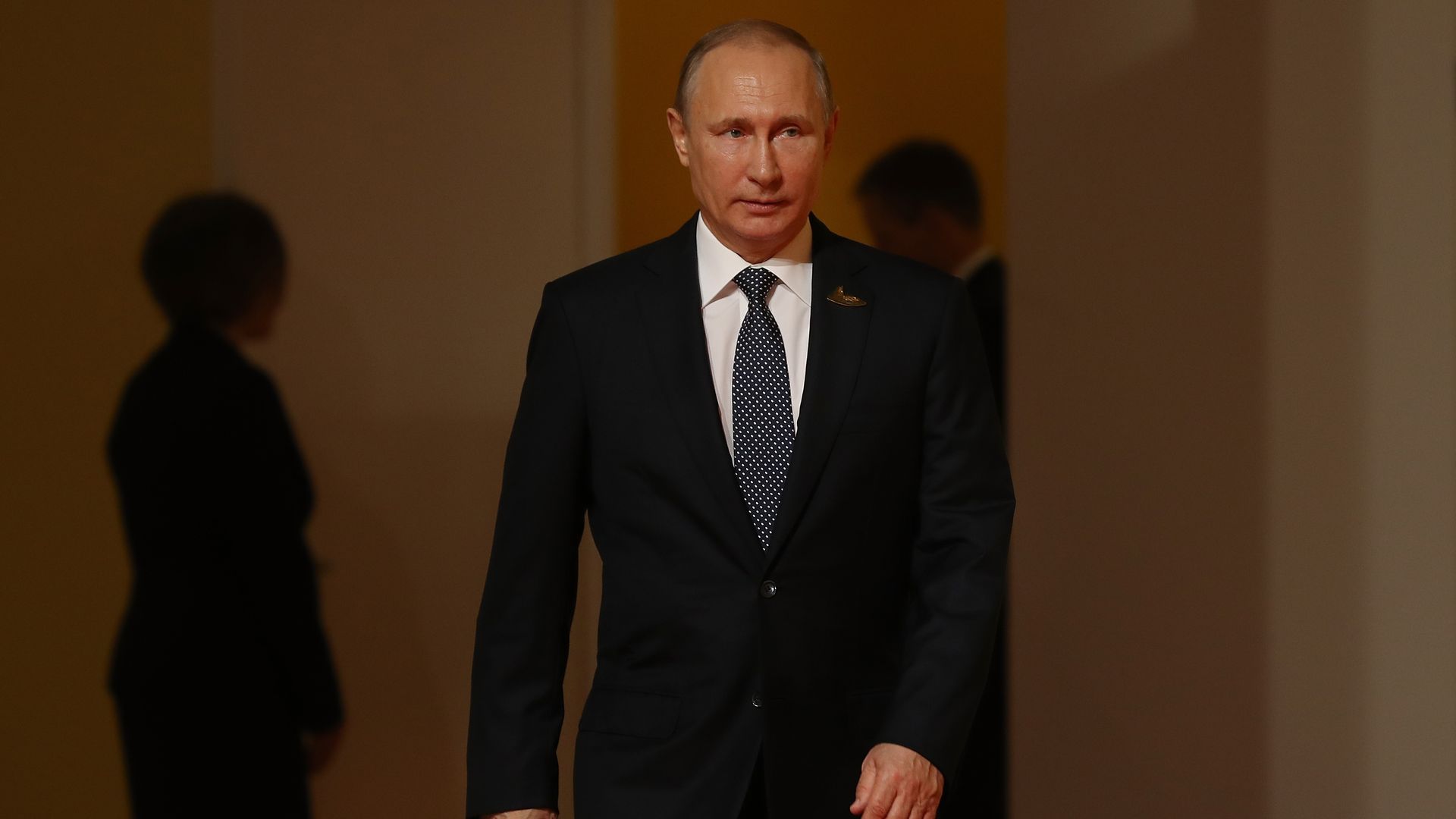
Russian President Vladimir Putin said Wednesday that he has directed officials to begin large-scale vaccination against COVID-19 as early as next week, according to state media.
Why it matters: Russia, which has the fourth-largest coronavirus caseload in the world with more than 2.3 million infections, would be the first country to begin mass vaccination. Experts have criticized the lack of scientific transparency around the vaccine and the haste with which the Kremlin approved it.
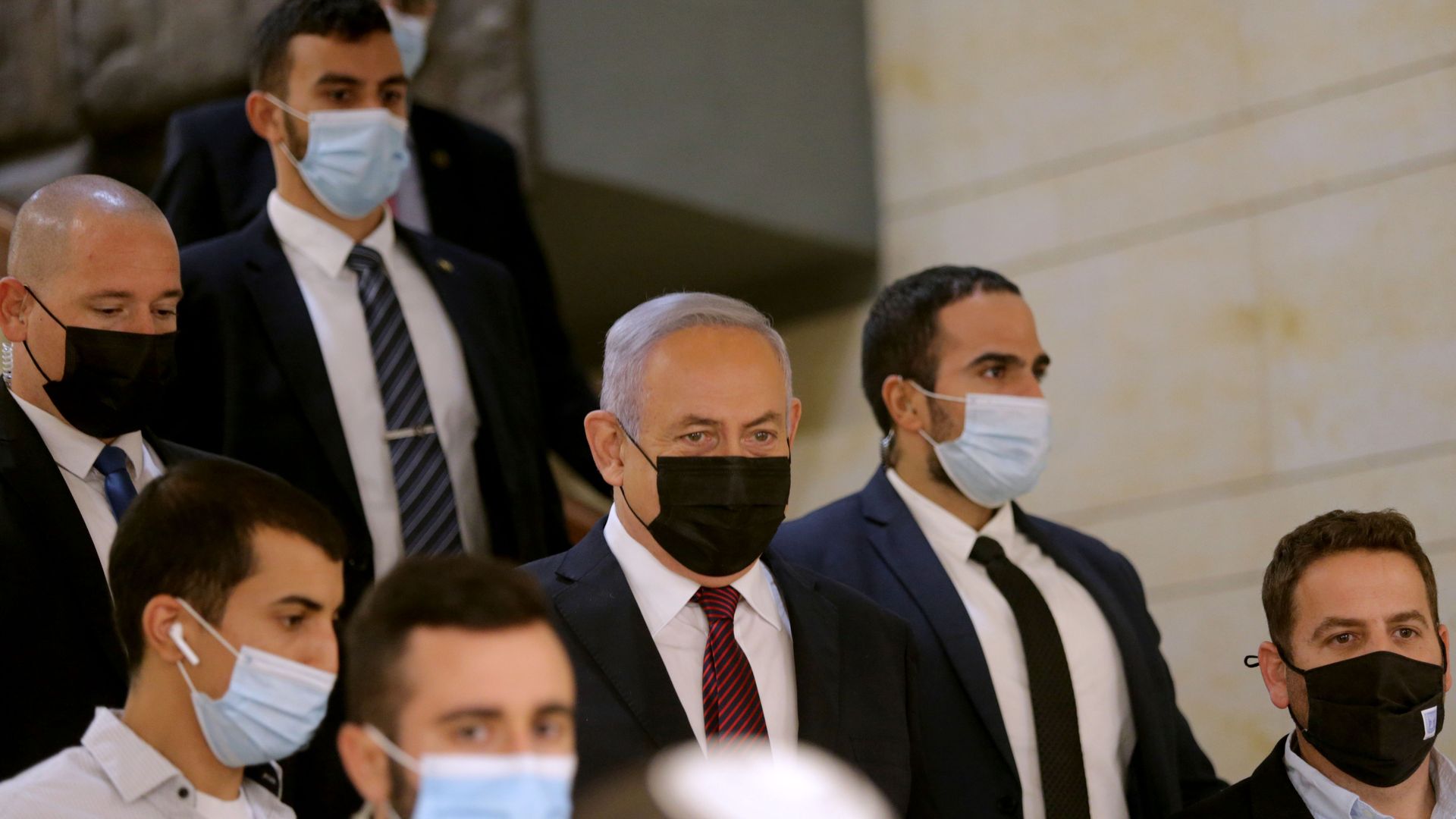
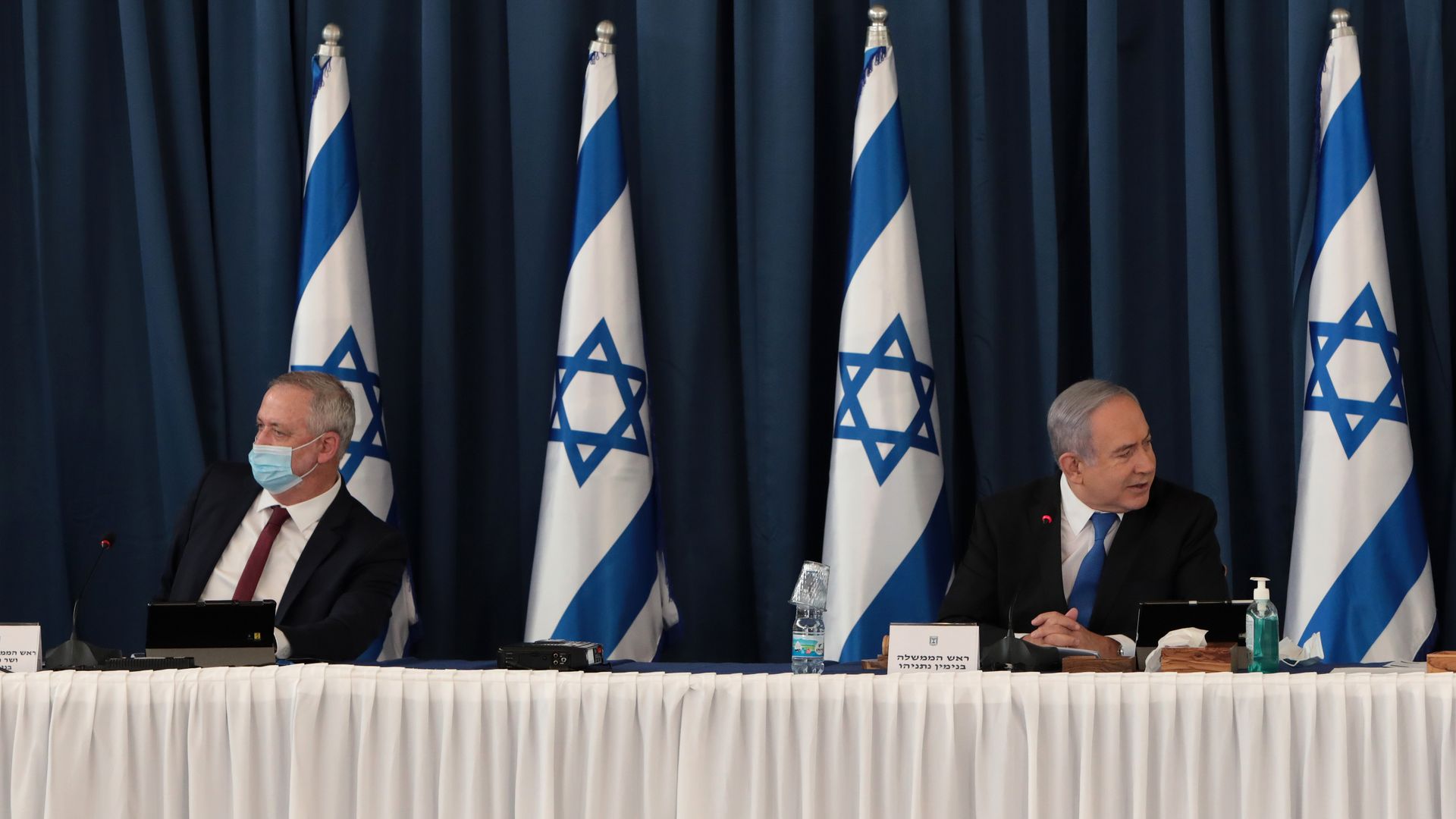
After six months of a dysfunctional power-sharing government, Israel is headed for its fourth elections in less than two years, most likely at the end of March.
Driving the news: The Knesset voted 61-54 today to approve the preliminary reading of a bill to dissolve the parliament and call new elections. Benny Gantz's Blue and White party supported the bill while Prime Minister Benjamin Netanyahu's Likud and the rest of the coalition voted against.
The world is waiting to see whether Iran will strike back at Israel or the U.S. over the assassination of Mohsen Fakhrizadeh, the architect of Iran's military nuclear program.
Why it matters: Senior Iranian officials have stressed that Iran will take revenge against the perpetrators, but also respond by continuing Fakhrizadeh’s legacy — the nuclear program. The key question is whether Iran will accelerate that work now, or wait to see what President-elect Biden puts on the table.
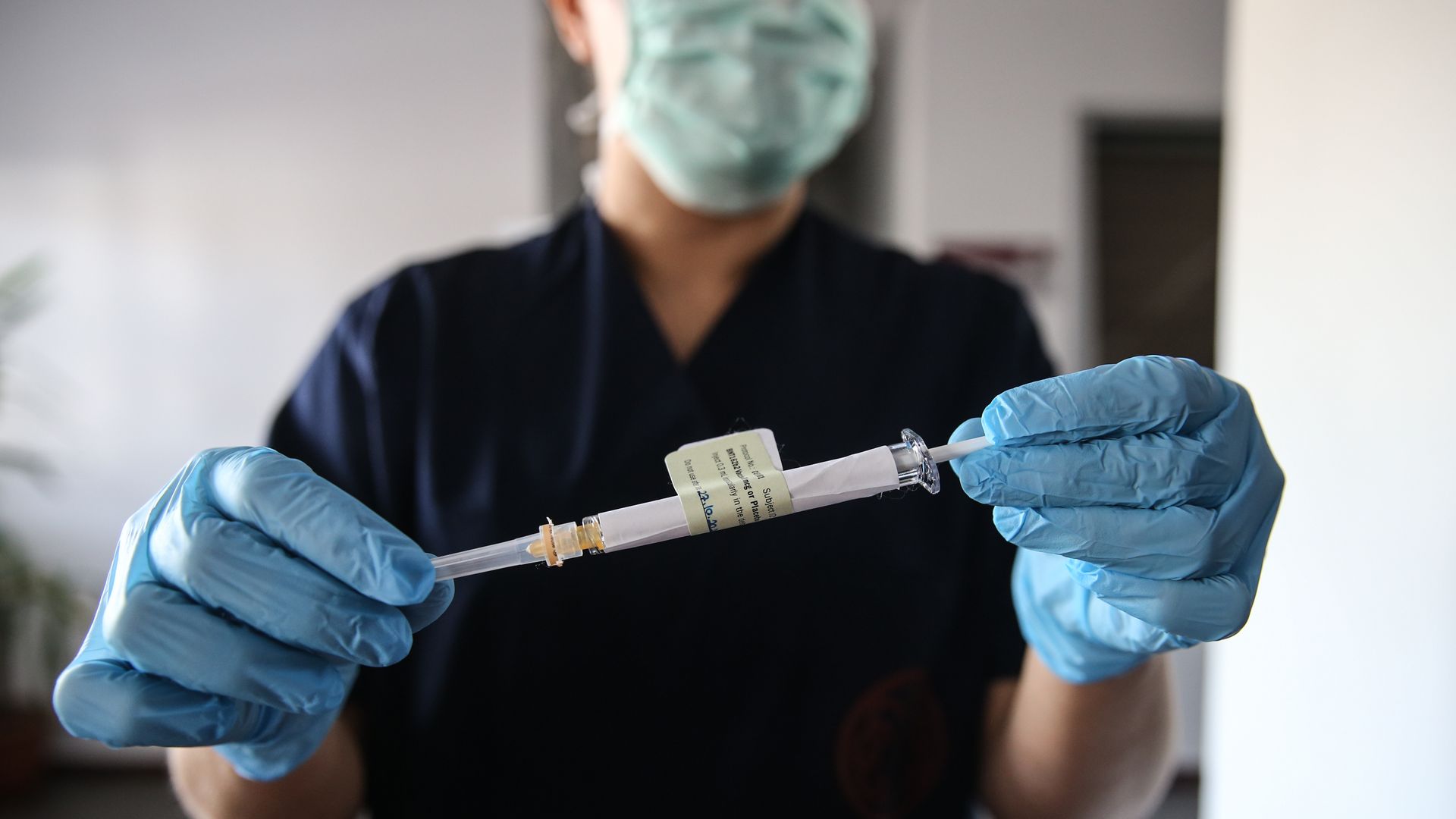
The U.K. government announced Wednesday it approved Pfizer-BioNTech's COVID-19 vaccine, which "will be made available across the U.K. from next week."
Why it matters: The U.K. has beaten the U.S. to become the first Western country to give emergency approval for a vaccine that's found to be 95% effective with no serious side effects against a virus that's killed nearly 1.5 million people globally.
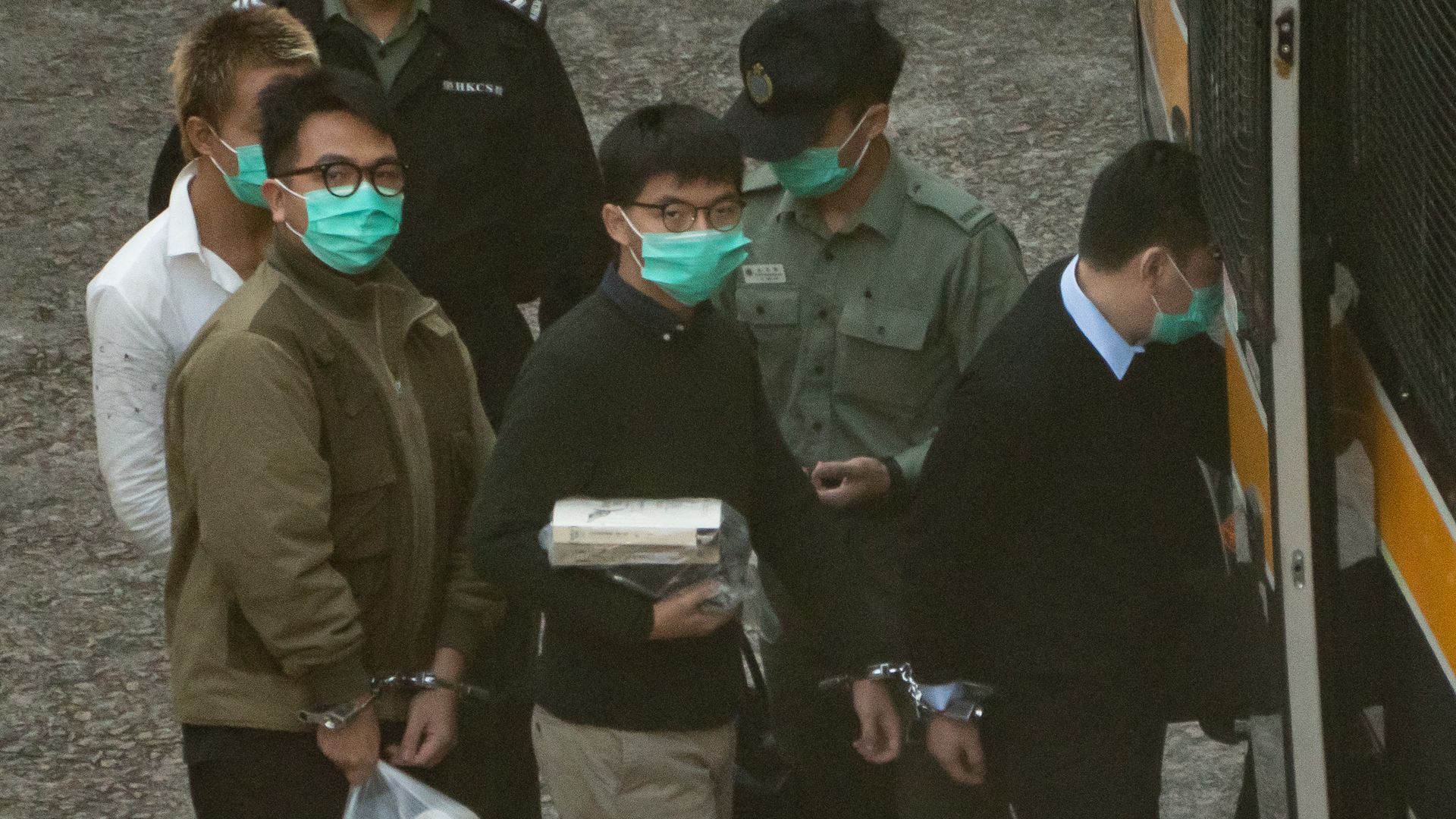
Hong Kong pro-democracy activists Joshua Wong, Agnes Chow and Ivan Lam were handed prison sentences Wednesday after pleading guilty to charges of organizing and inciting an unauthorised assembly during last year's massive protests.
The big picture: Wong will serve 13.5 months, Chow 10 months, and Lam seven months, per a statement from activists posted to Wong's Twitter page. The trio were remanded on Nov. 23, and Wong had tweeted about conditions in custody ahead of sentencing.
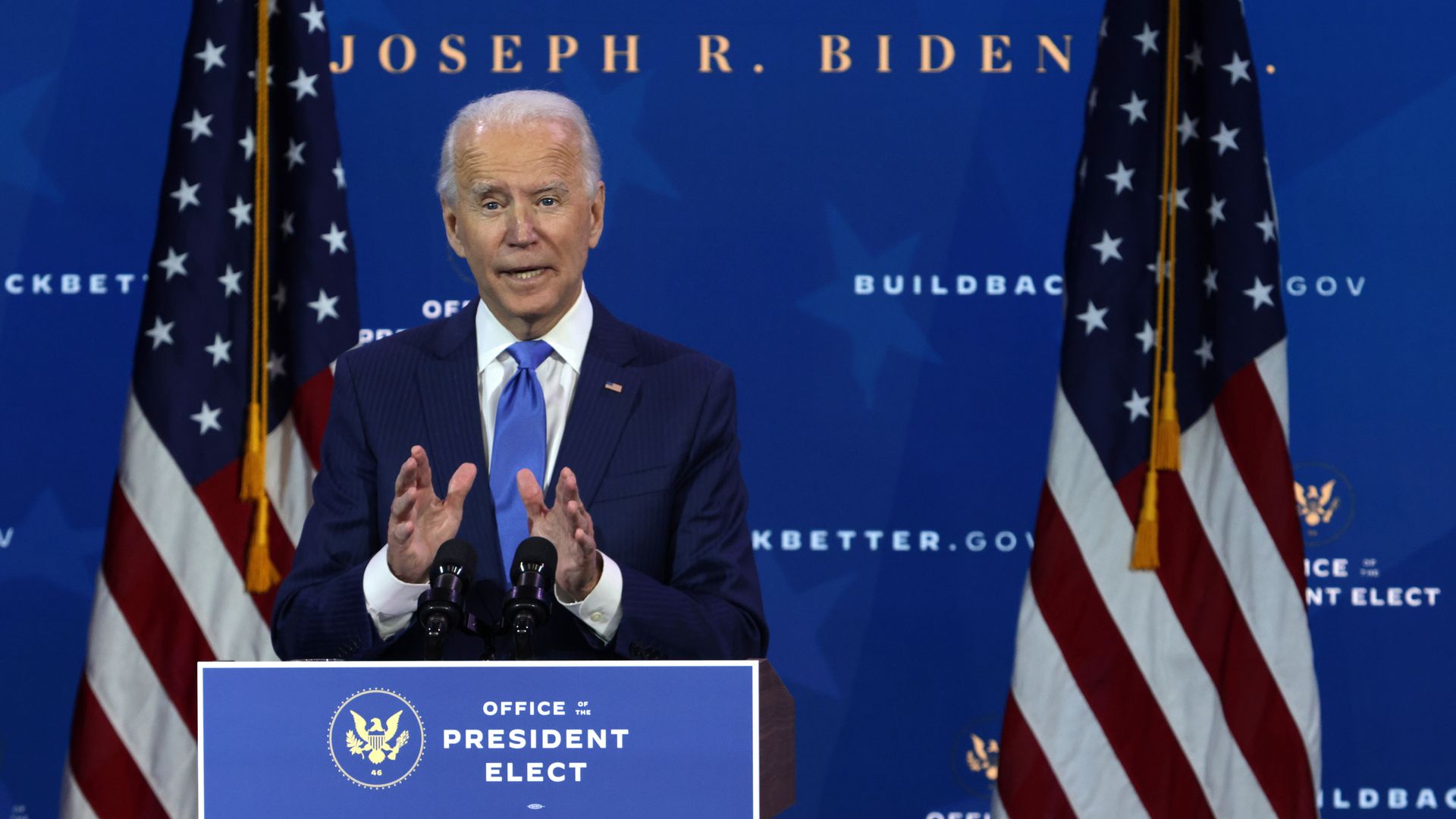
President Trump's 25% tariffs imposed on China under the phase one trade deal will remain in place at the start of the new administration, President-elect Biden said in an interview with the New York Times published early Wednesday.
Details: "I'm not going to make any immediate moves, and the same applies to the tariffs," Biden said. He plans to conduct a full review of the current U.S. policy on China and speak with key allies in Asia and Europe to "develop a coherent strategy," he said.
Israel's governing coalition is falling apart, setting the stage for the fourth election in two years.
Driving the news: Defense Minister Benny Gantz announced tonight that his Blue and White party would vote in favor of dissolving parliament on Wednesday because Prime Minister Benjamin Netanyahu — Gantz's political rival turned coalition partner — was refusing to pass a budget and reneging on their power-sharing deal.
The European Medicines Agency (EMA) will meet by Dec. 29 "at the latest" to decide if the coronavirus vaccine developed by Pfizer and BioNTech is safe and effective enough to be approved, the agency announced on Tuesday.
The state of play: Pfizer and BioNTech have already submitted their vaccine for emergency authorization with the U.S. Food and Drug Administration, as well as in the U.K., Australia, Canada and Japan, per AP.
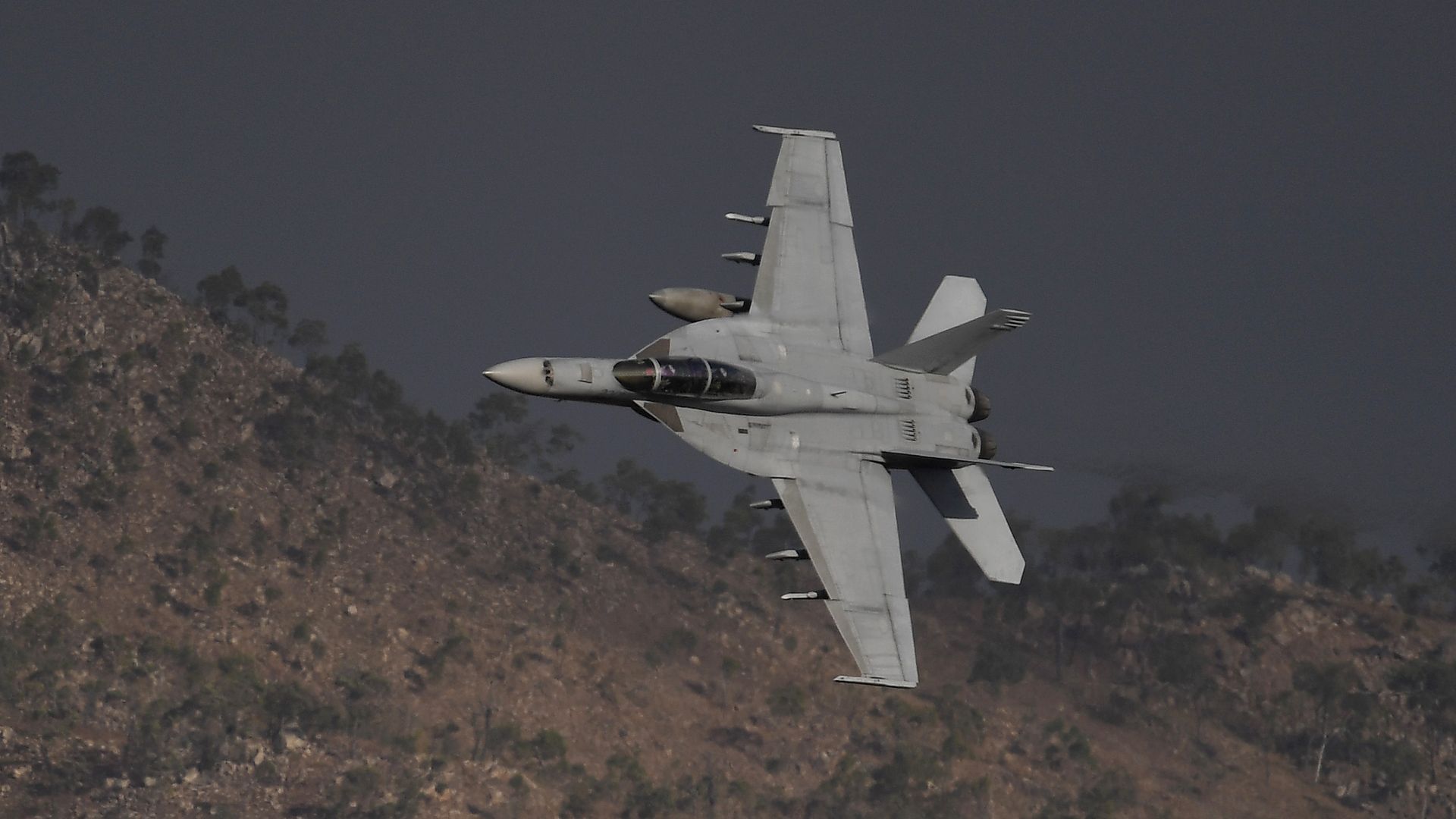
Details: Australian Defense Minister Linda Reynolds said in a statement the government would "continue to invest in advanced capabilities" to give the Australian Defense Force "more options to deter aggression against Australia's interests."
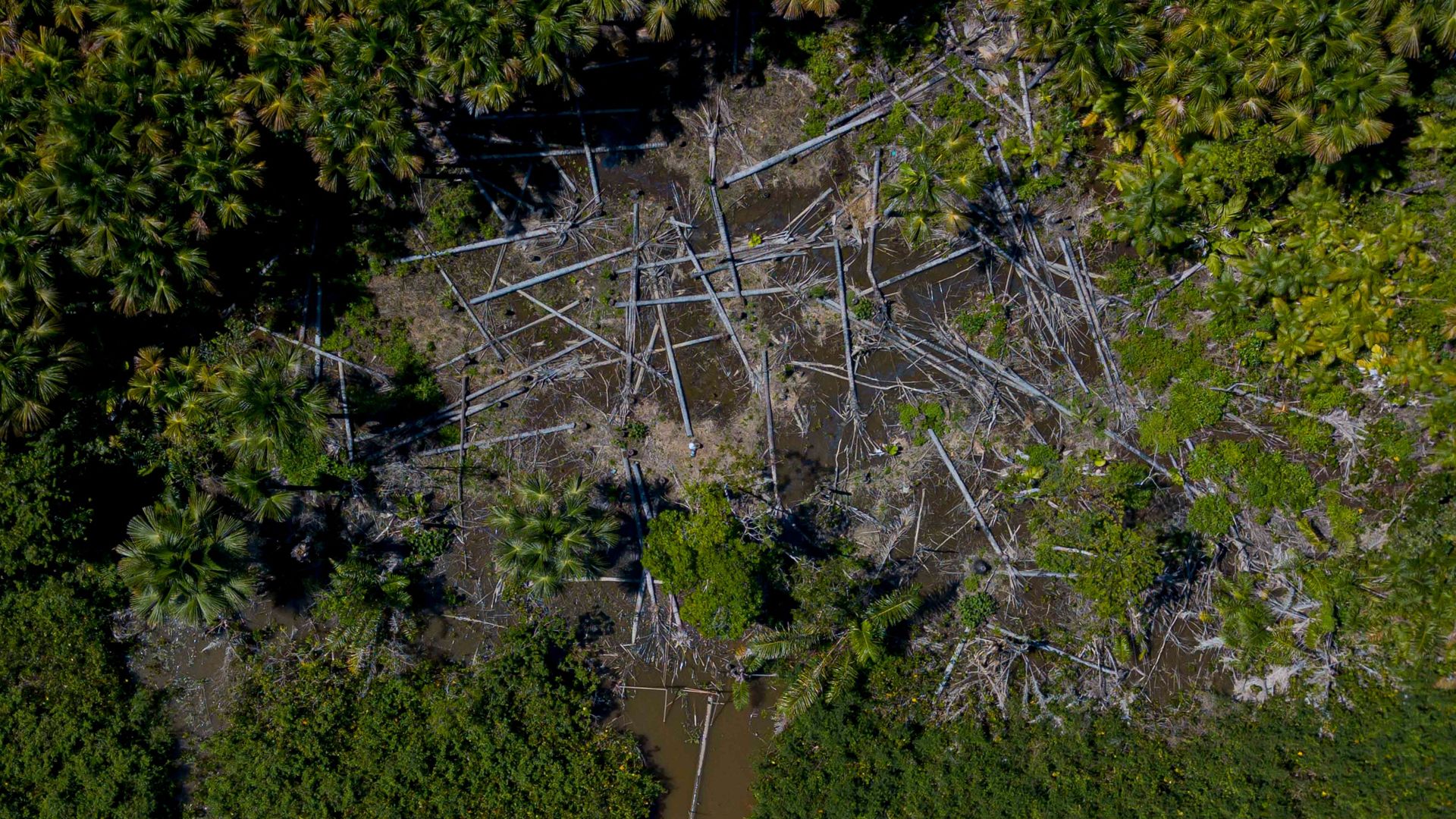
Deforestation in Brazil's Amazon rainforest has accelerated under President Jair Bolsonaro's presidency and reached a 12-year high in 2020, data from Brazil's National Institute for Space Research (INPE) released Monday shows.
Why it matters: The Amazon plays a huge role in slowing global warming as the world's largest and most biodiverse rainforest. The Brazilian region lost 2.7 million acres to logging, land clearing and fires from August 2019 to July 2020 — a 9.5% rise on the previous period. Bolsonaro said last year, "Deforestation and fires will never end. It's cultural."
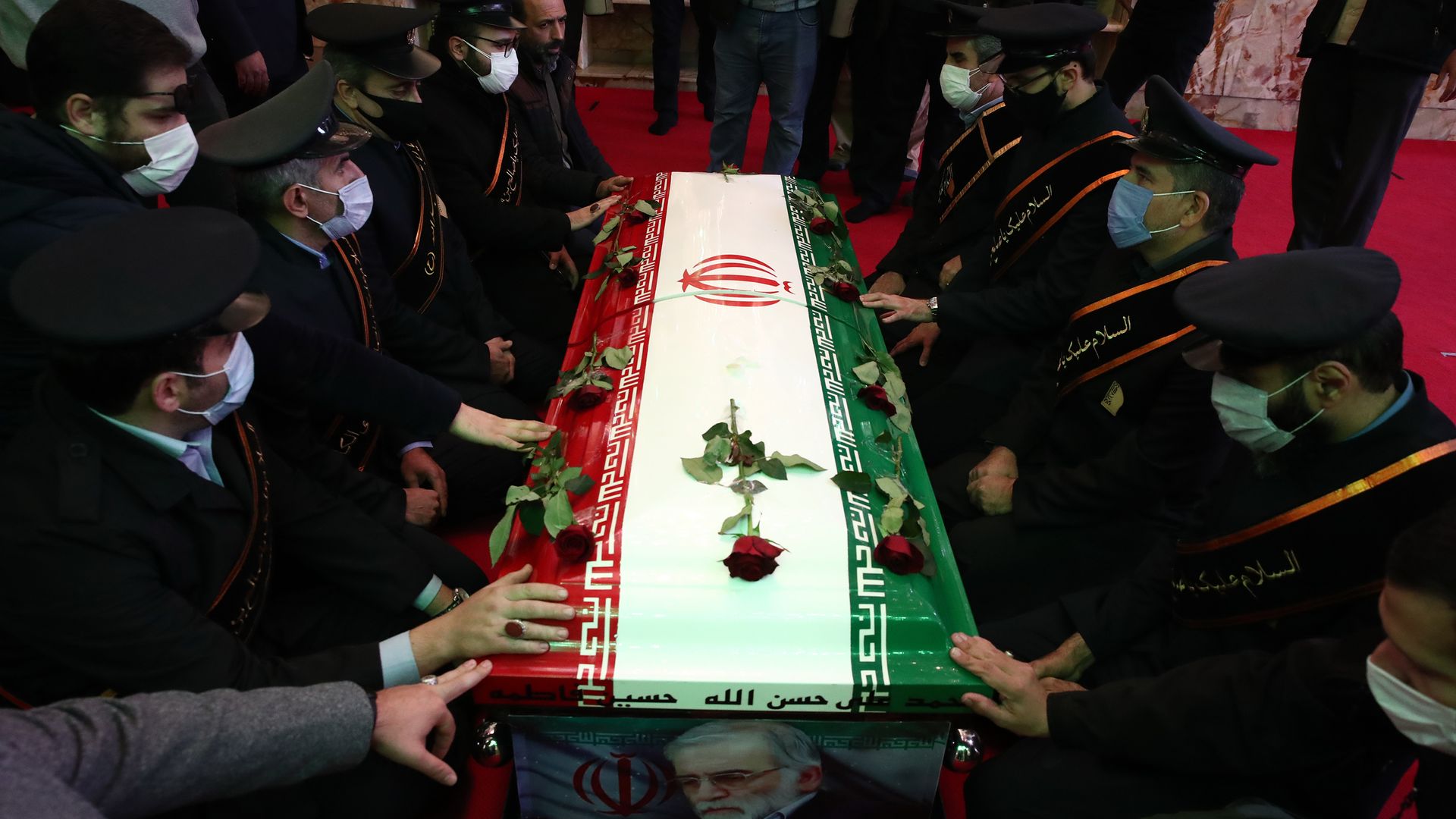
Iranian leaders are weighing their response to the assassination of Mohsen Fakhrizadeh, known as the father of Iran’s military nuclear program, who was given a state funeral Monday in Tehran.
The big picture: Iran has accused Israel of carrying out Friday’s attack, but senior leaders have suggested that they’ll choose patience over an immediate escalation that could play into the hands of the Israelis and the outgoing Trump administration.
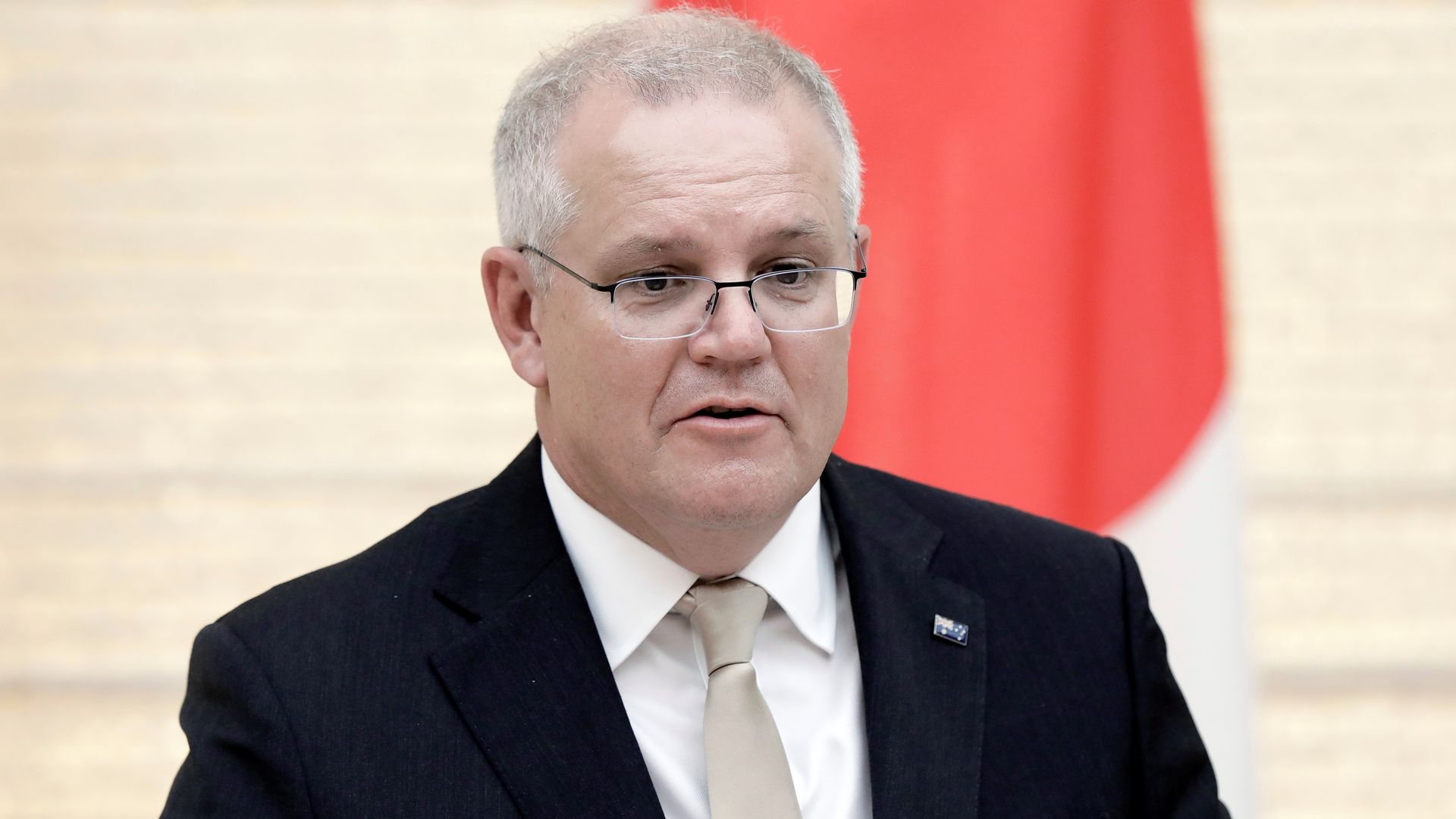
Australian Prime Minister Scott Morrison demanded an apology and said China’s government should be "utterly ashamed" after a senior official tweeted a doctored image showing an Australian soldier killing an Afghan child.
Background: The tweet referred to a recent inspector general's report about war crimes allegedly committed by Australian soldiers in Afghanistan. But the hawkish messages from China toward Australia didn’t start there.
A last-minute nomination to lead the UN Human Rights Council appears to be part of an effort by authoritarian countries to preempt the incoming Biden administration's efforts to rally international attention to human rights abuses, the NYT reports.
Background: The Trump administration pulled the U.S. out of the council in 2018, citing anti-Israel bias, and removed human rights as a core consideration in U.S. foreign policy.
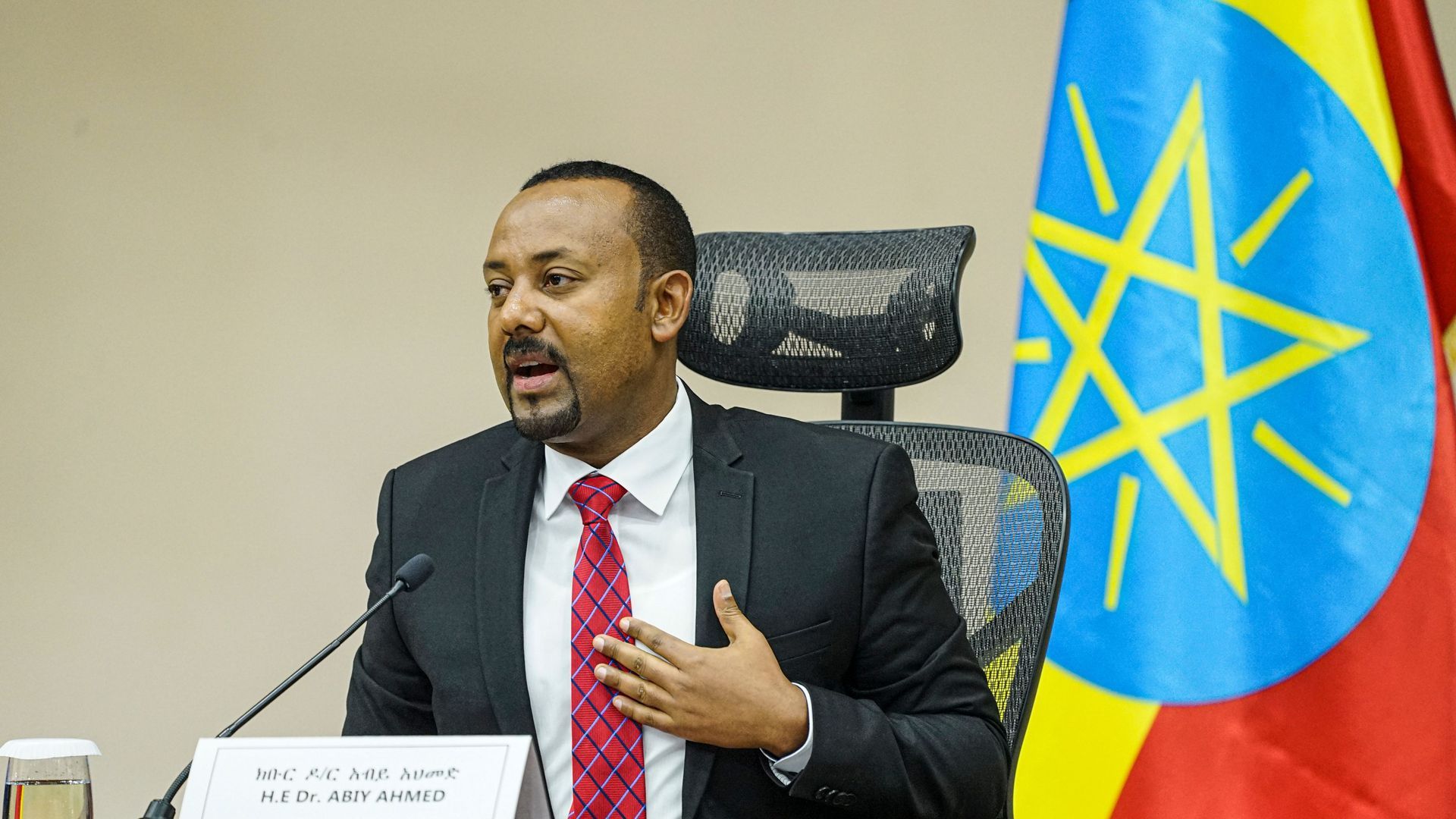
Ethiopia's army on Saturday stormed into Mekelle, a regional capital that had been controlled by a renegade political faction, leading Prime Minister Abiy Ahmed to declare victory after three weeks of fighting in the northern region of Tigray.
Why it matters: The Tigray People’s Liberation Front (TPLF) has vowed to fight on, raising the prospect of an insurgency. The warring parties are exchanging allegations of war crimes and even genocide.
Facebook said Monday that it plans to launch Facebook News in the U.K. in January, with several big publishers, including Conde Nast, The Economist, Guardian Media Group, Hearst and others, initially providing content.
Why it matters: The creation of Facebook's dedicated News tab has helped the company appease regulator demands globally for more equitable relationships with news publishers.