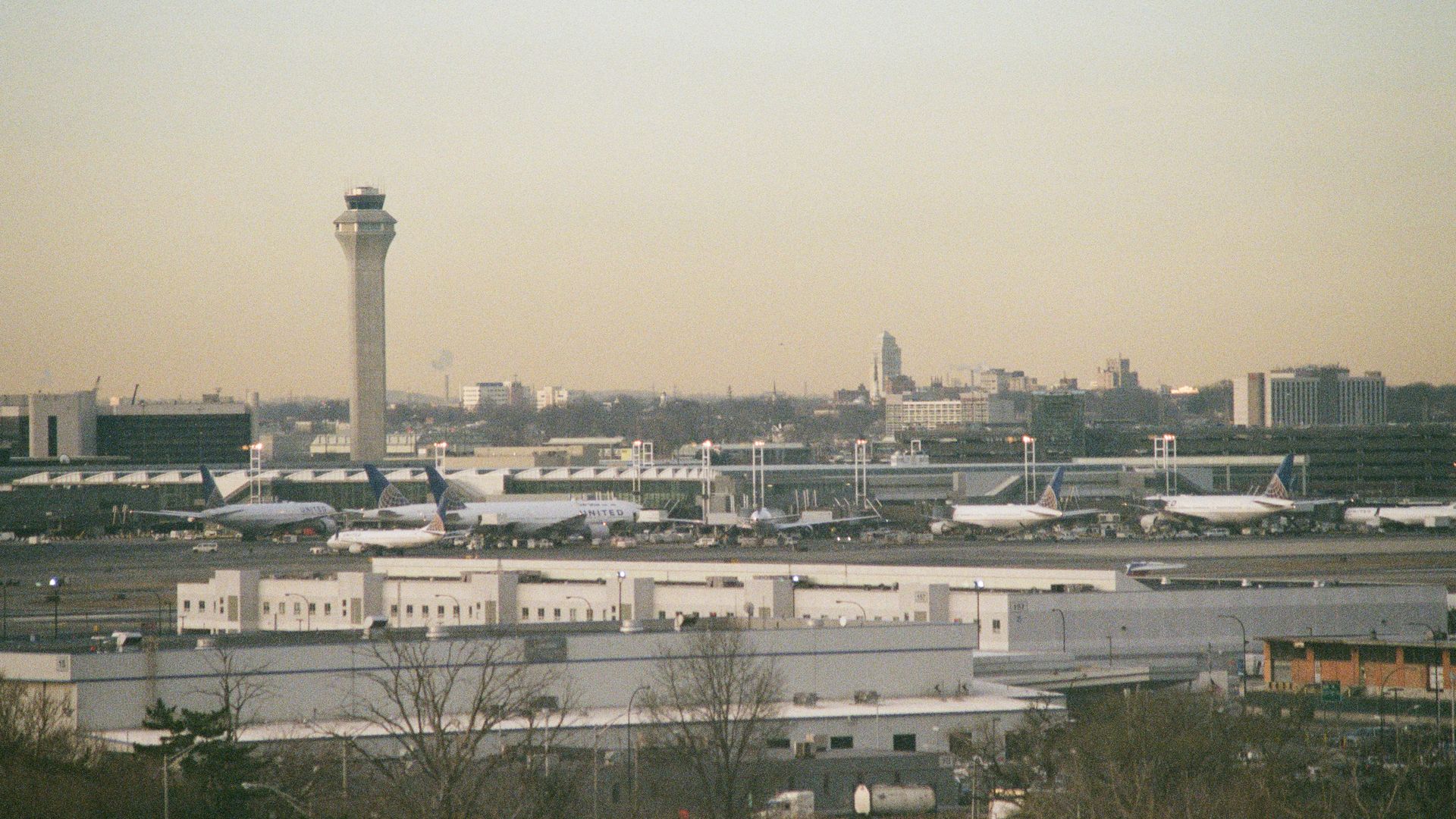
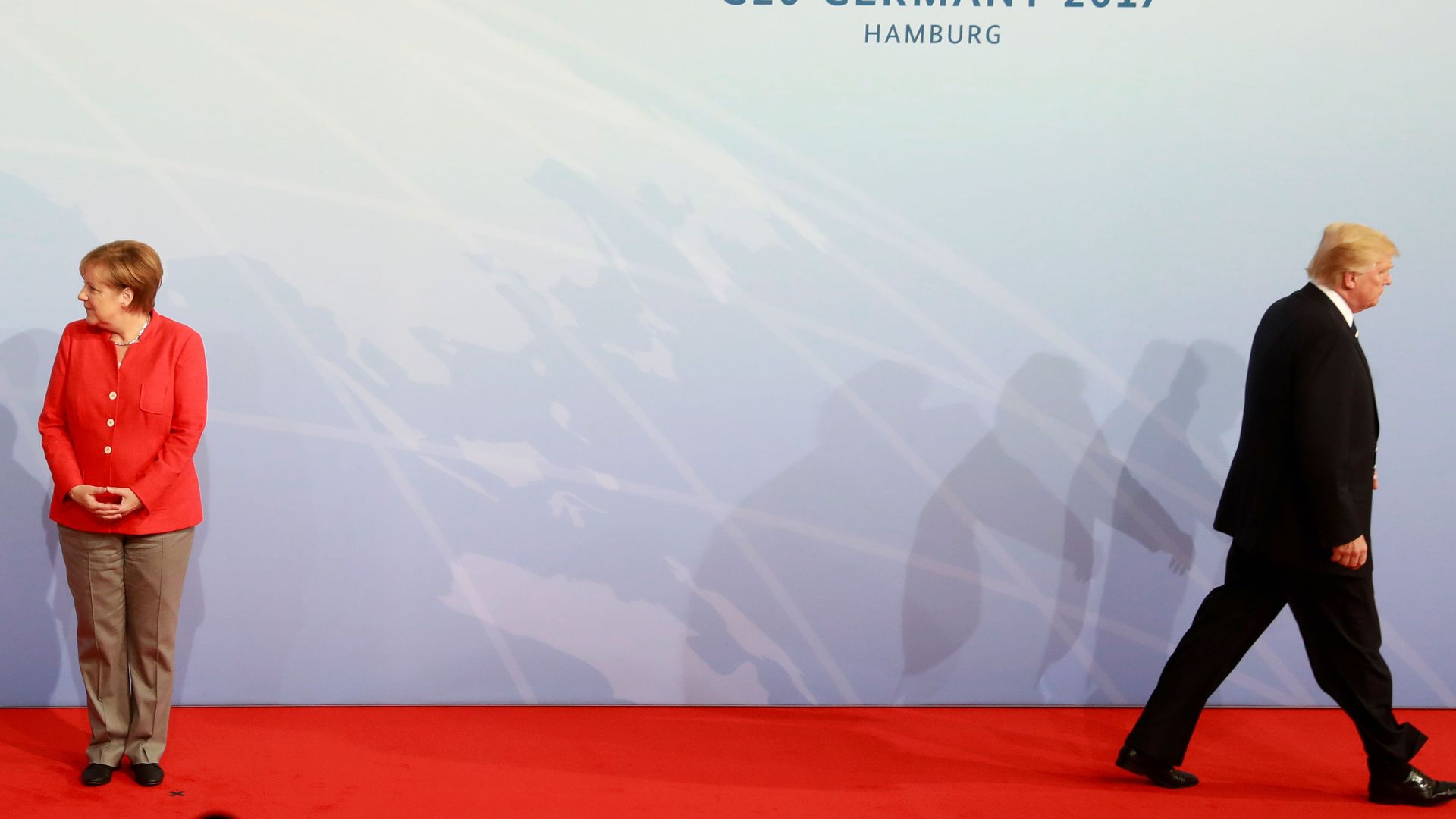
Three global alliances representing 58 airlines are pushing governments to replace onerous quarantine restrictions with widespread COVID-19 testing and digital travel passes that would verify who's safe to fly, AP reports.
Why it matters: Adopting common testing procedure with results verified by a secure smartphone app could help restart international travel by building trust between countries without requiring a 14-day quarantine.
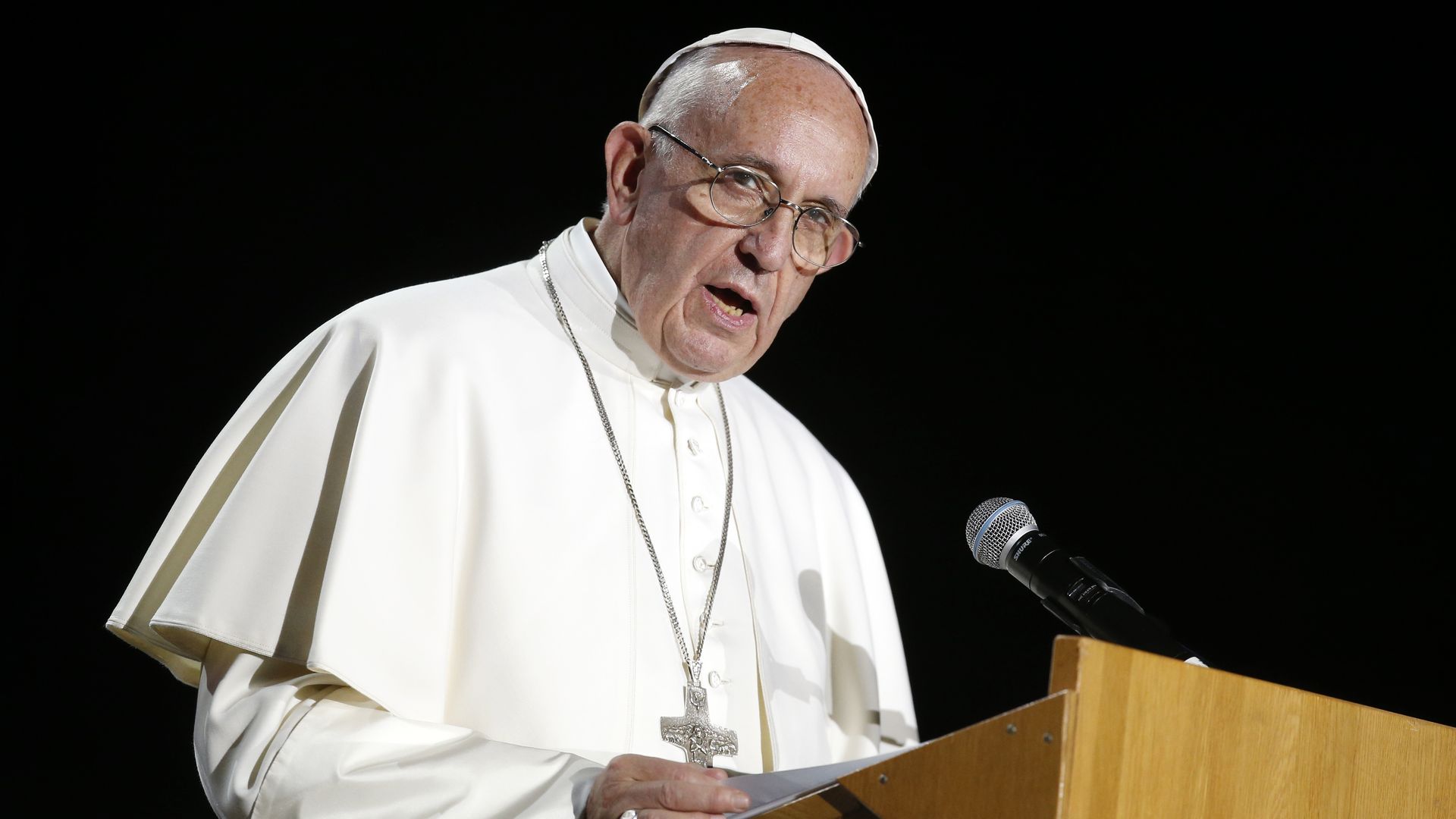
Pope Francis on Wednesday vowed to rid the Catholic Church of sexual abuse, just one day after a detailed report emerged exposing how a former cardinal rose through the Roman Catholic hierarchy despite a string of misconduct allegations.
What he's saying: “I renew my closeness to victims of any abuse and commitment of the church to eradicate this evil,” Francis said Wednesday, per AP, offering his prayers to victims.
The European Union struck a deal with Pfizer and BioNTech to buy at least 200 million doses of their coronavirus vaccine in the largest initial order to date, the companies announced Wednesday.
Driving the news: Pharmaceutical giant Pfizer announced Monday that its coronavirus vaccine trial was effective in preventing COVID-19 infections in 90% of previously uninfected people and did not produce any serious safety concerns.
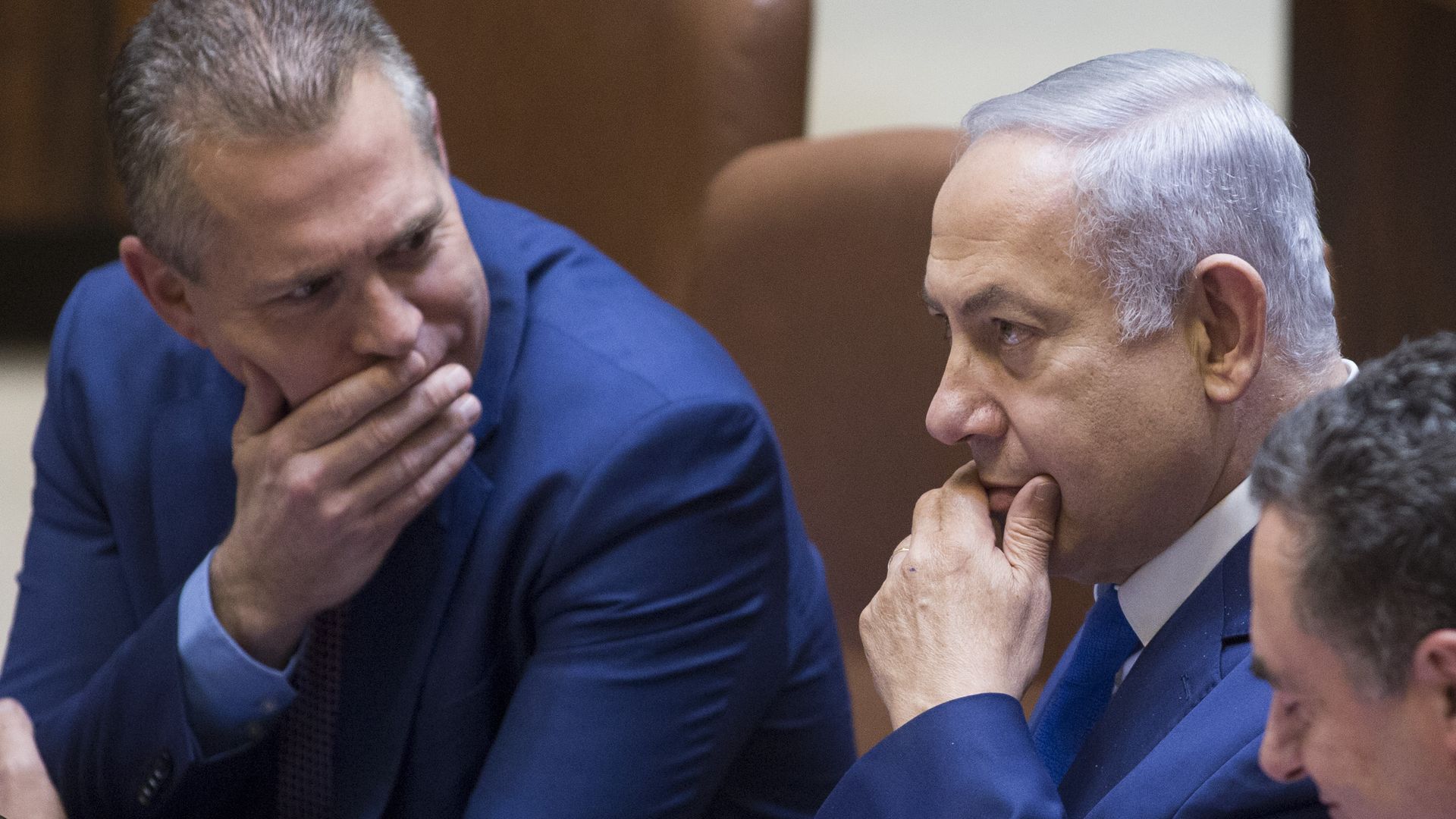
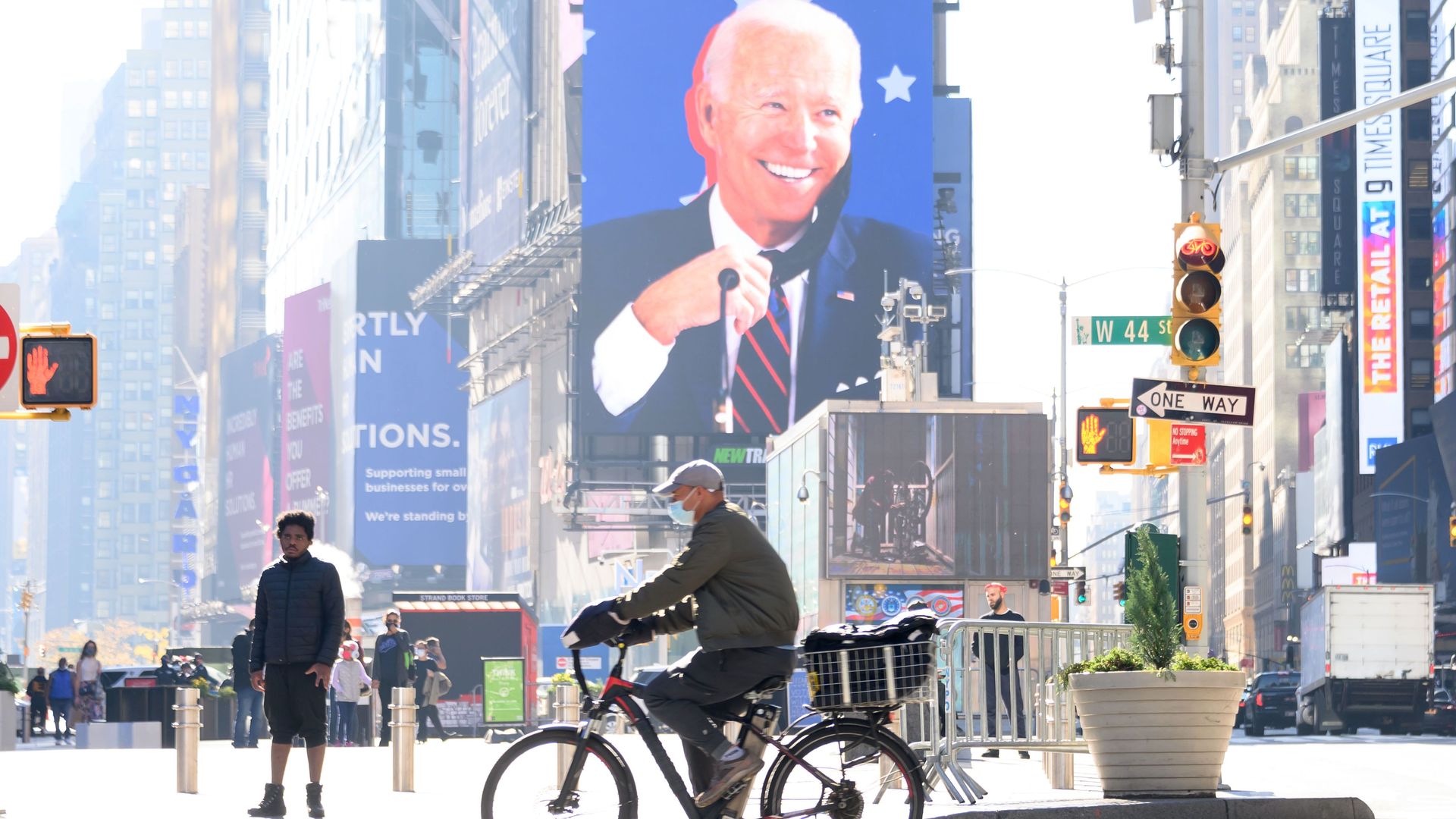
Jan. 20 is Inauguration Day for Joe Biden, but another person will also enter a new post in Washington: Israeli Ambassador Gilad Erdan.
Why it matters: The former minister from Netanyahu's Likud party will have to navigate Biden's Washington, which the Israeli government fears will be far less cozy than Trump’s.
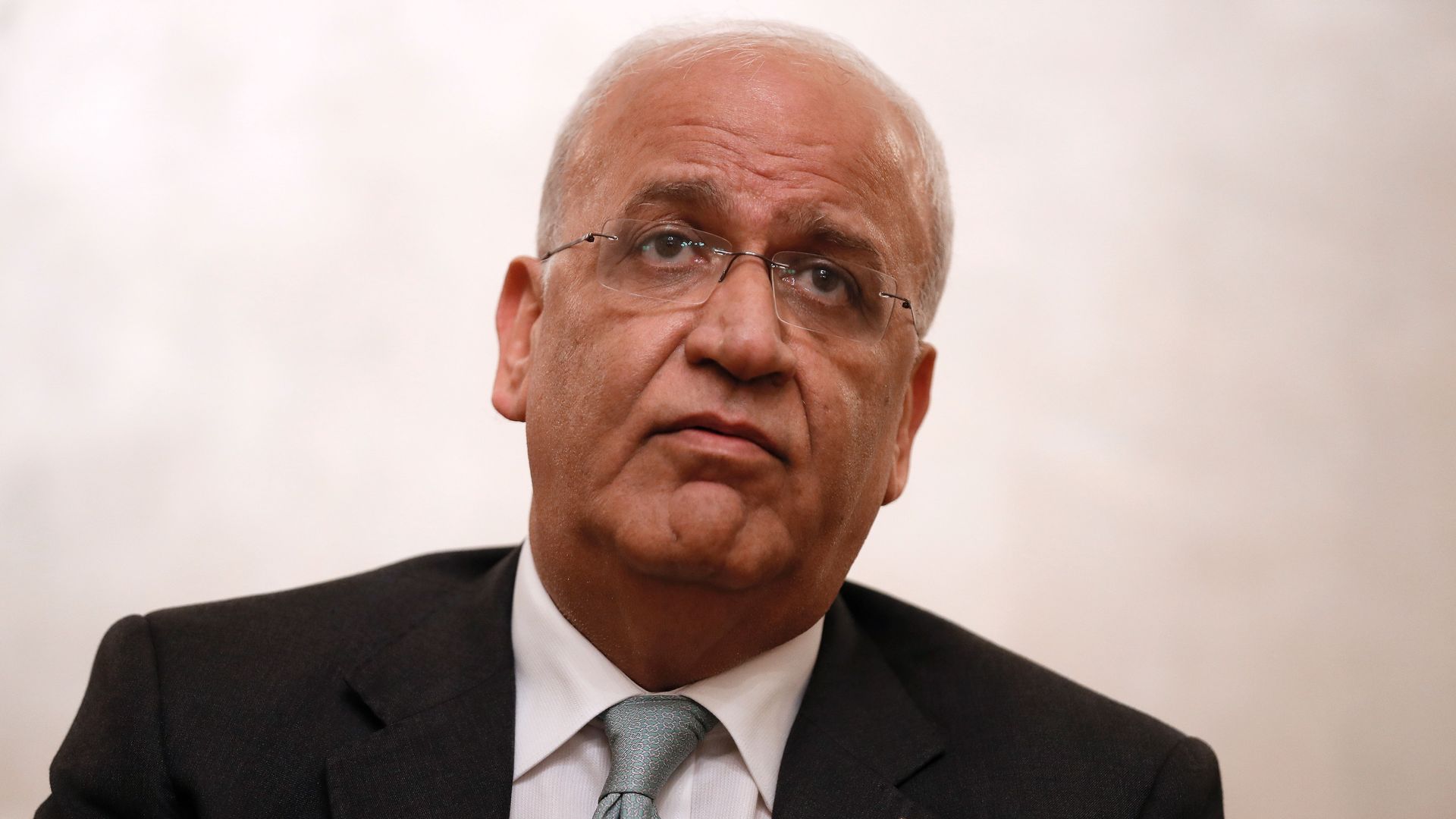
Saeb Erekat, an icon of the Israeli-Palestinian peace process for three decades, died Tuesday at age 65.
Flashback: At age 36, he arrived with the Jordanian-Palestinian delegation at the opening ceremony of the 1991 Madrid peace conference wearing a traditional Palestinian keffiyeh.
The Biden presidency may revitalize an alliance of interests and values with other "advanced high-income democracies" around the world, writes Martin Wolf, Financial Times chief economics commentator.
Why it matters: Reconstructing America's relationships with global allies could smooth over the last four years of foreign policy under President Trump. President-elect Joe Biden has already received congratulations from a number of world leaders and spoken on the phone with some about working together.
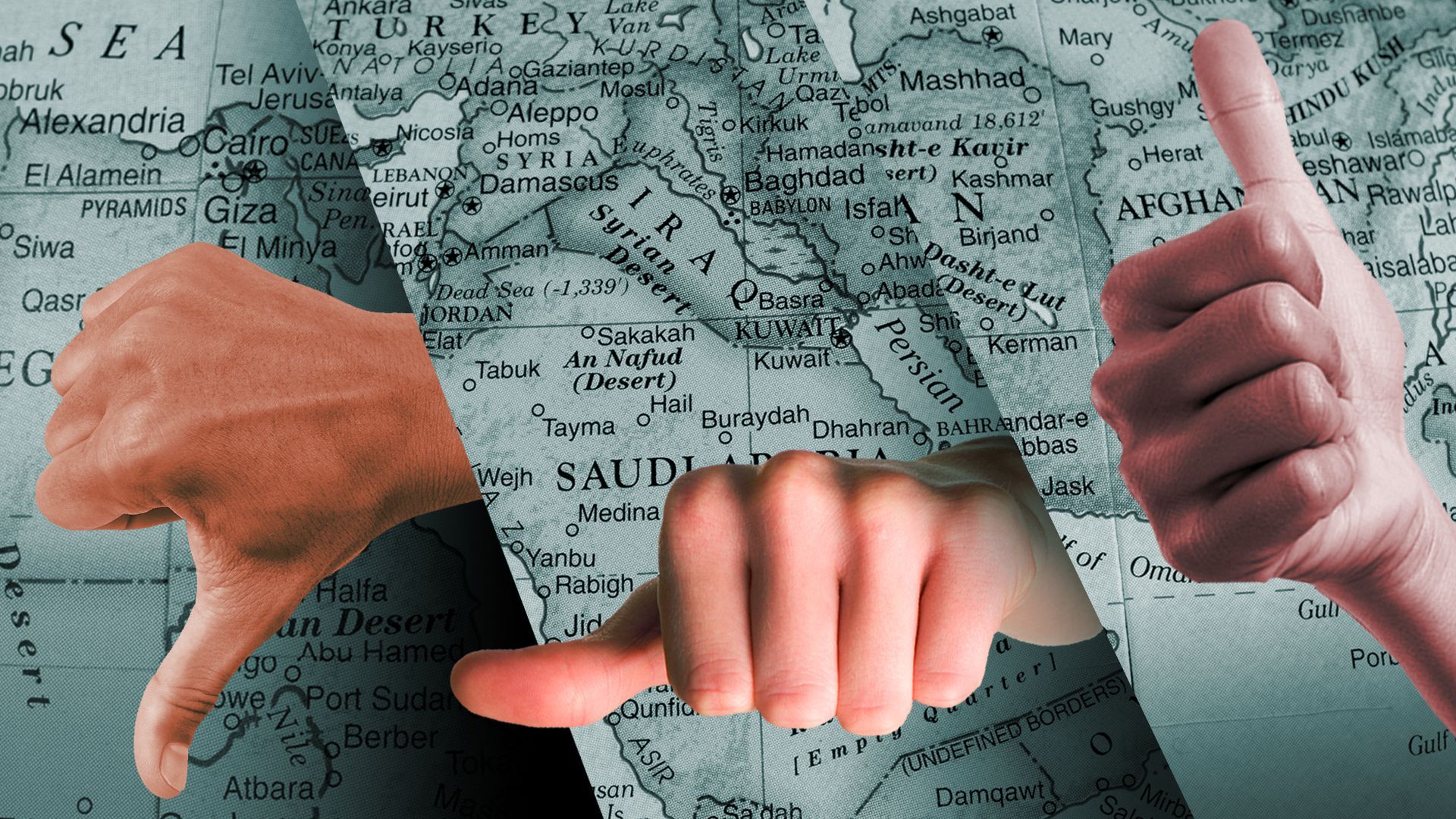
The reactions across the Middle East to Joe Biden’s victory revealed the strategic calculations of leaders in the region heading into a post-Trump era.
Driving the news: Some leaders quickly congratulated Biden while others hesitated. Some were restrained in their statements, while others couldn’t hide their joy at President Trump’s defeat.
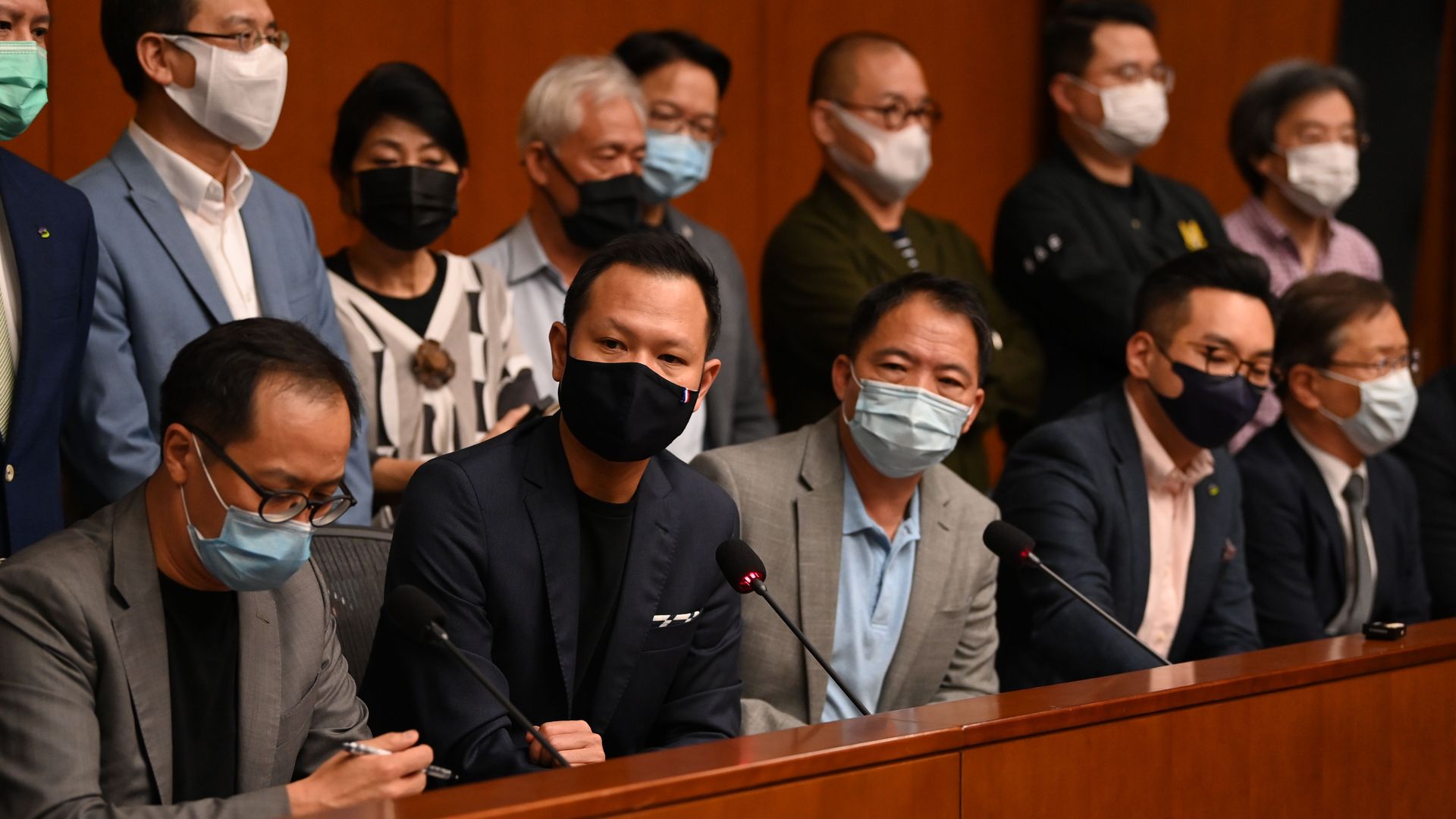
Hong Kong's government said they disqualified four opposition pro-democracy lawmakers on Wednesday for "endangering national security," without specifying how, per Reuters
Why it matters: The ouster of Kenneth Leung, Dennis Kwok, Alvin Yeung and Kwok Ka-ki came moments after China's parliament passed a resolution allowing the city's executive to expel legislators deemed "unpatriotic" without requiring court rulings, per Bloomberg. Opposition members said they'd resign en masse in response.
Italy has announced it is tightening coronavirus restrictions for five regions experiencing a wave of cases, the New York Times reports.
Driving the news: Like much of Europe, Italy is seeing a surge in coronavirus cases nationwide, straining the country's hospitals and health care system.
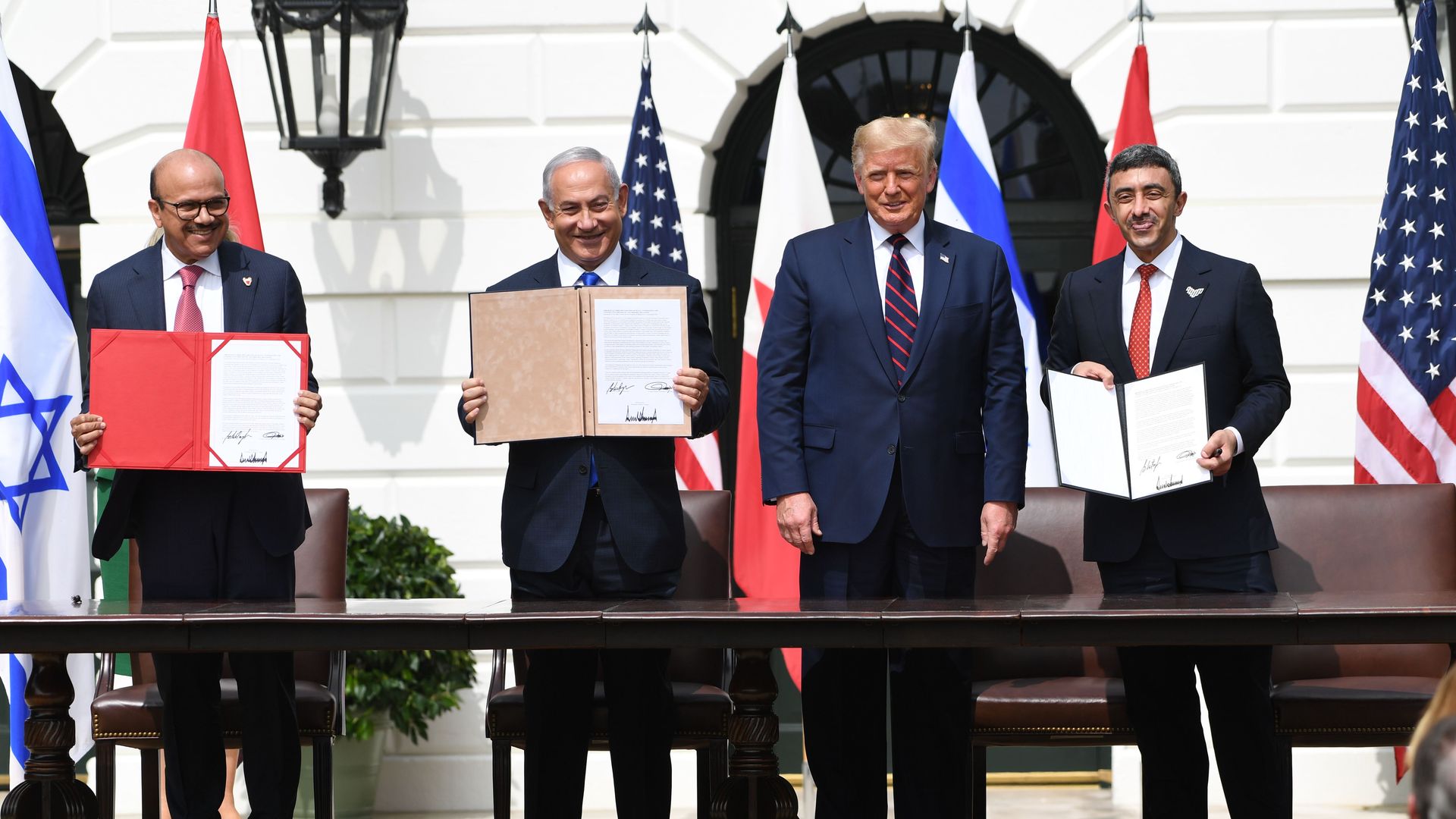
The Trump administration has formally notified Congress of a $23 billion arms deal with the United Arab Emirates, which will make the UAE the first Arab country to possess America's most advanced fighter aircraft, the F-35.
Why it matters: This deal has been in the works for some time, but became a sticking point in Israel's normalization process with the UAE after Israeli Prime Minister Benjamin Netanyahu denied reports that he had given a green light to the deal.
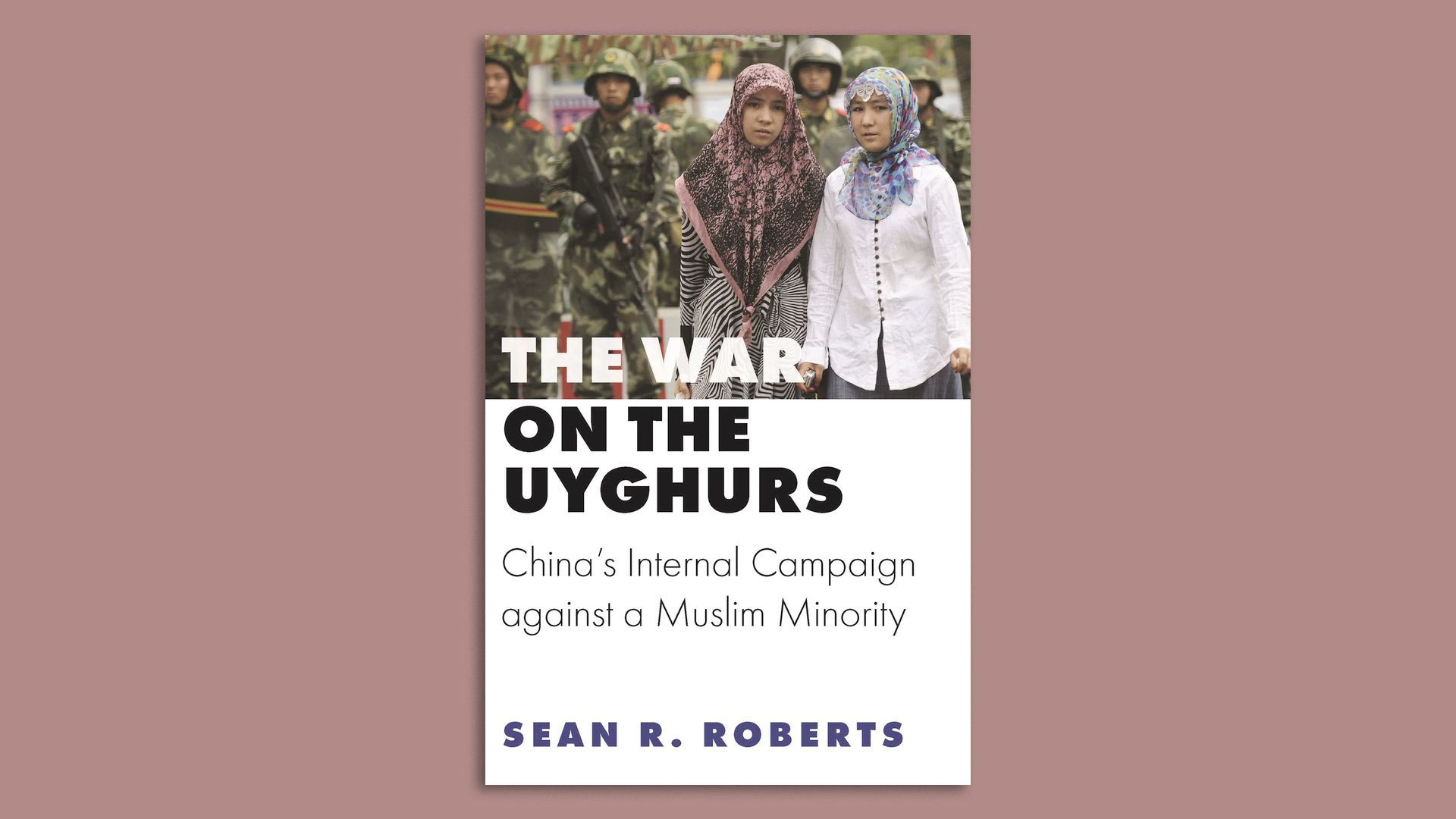
The U.S. war on terror and its vague, overexpansive definition of terrorism have allowed authoritarian leaders around the world, and especially in China, to attack domestic groups under the guise of fighting terrorism, argues a George Washington University scholar in a new book.
Why it matters: Beijing has claimed its campaign of cultural genocide against China's Muslim minorities is a form of counterterrorism.
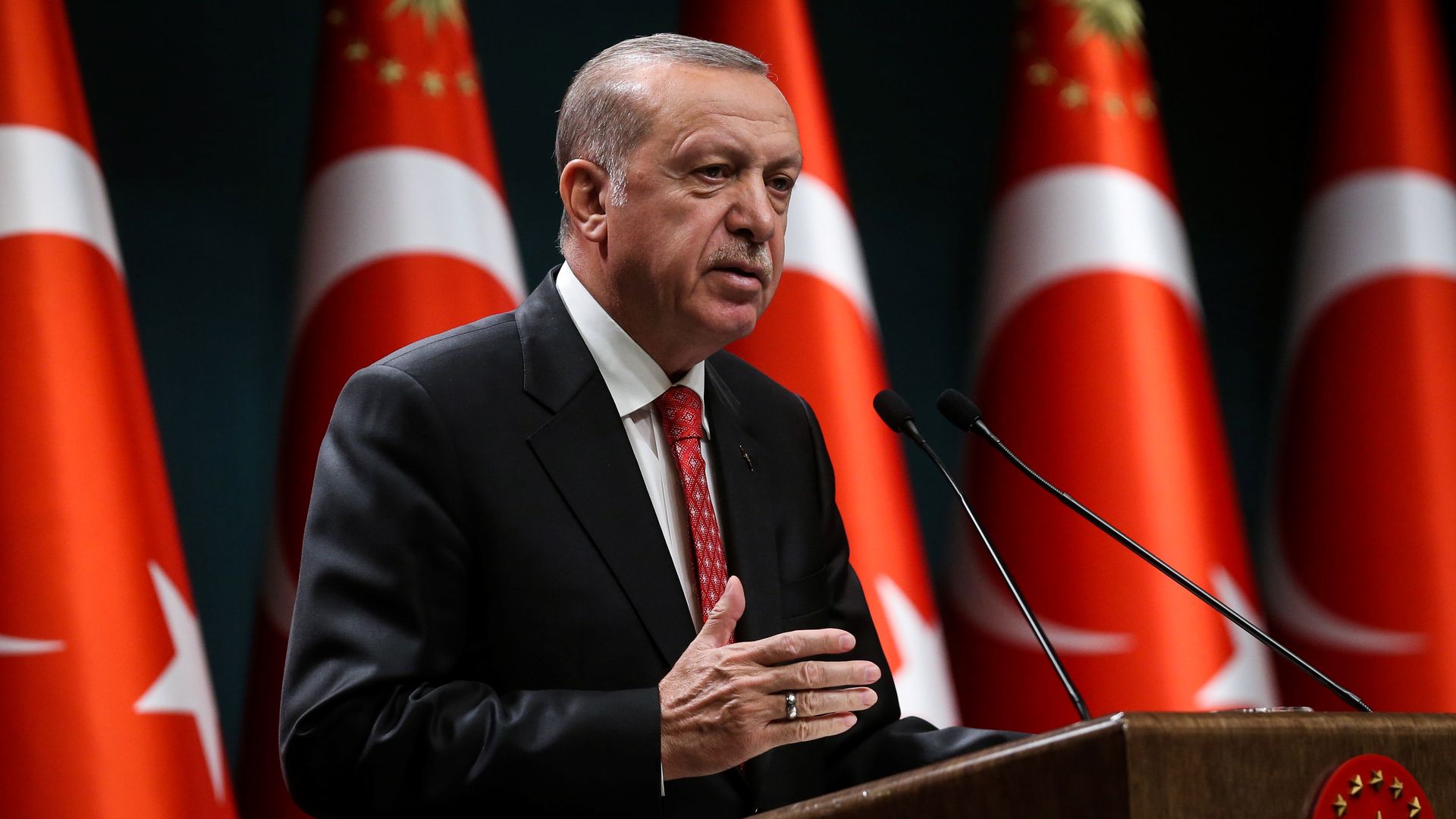
Turkish President Recep Tayyip Erdoğan congratulated President-elect Joe Biden on Tuesday for his projected victory in the 2020 election.
Why it matters: Erdoğan was one of the major leaders who had yet to congratulate Biden, in addition to Chinese President Xi Jinping, Russian President Vladimir Putin, Mexican President Andrés Manuel López Obrador and Brazilian President Jair Bolsonaro.
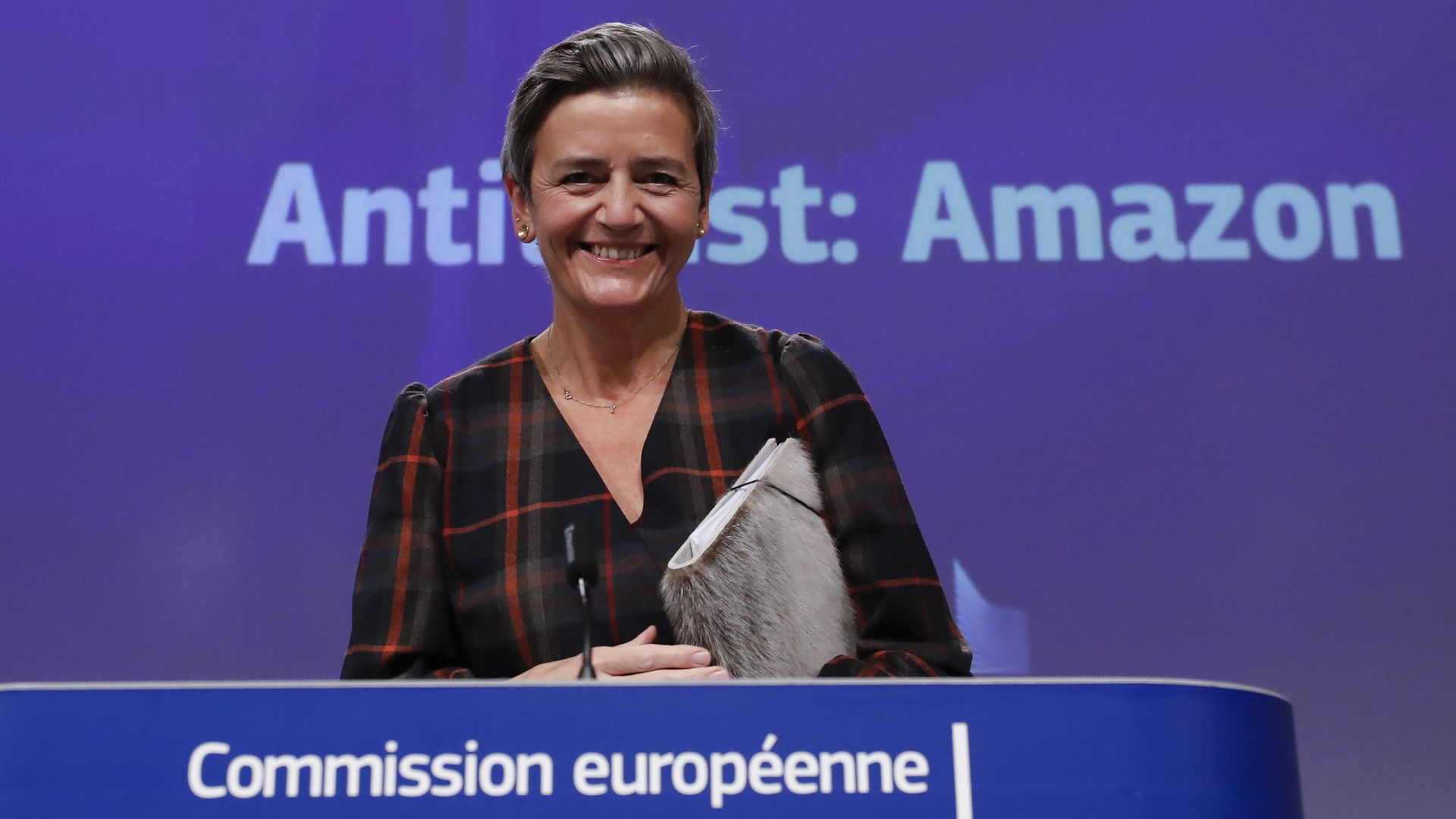
EU regulators have filed antitrust charges against Amazon, claiming the company is acting anti-competitively when it uses data from sellers on its marketplace to develop its own products.
Why it matters: Europe could seek billions of dollars in fines from Amazon, and regulators' findings could inform the work of U.S. antitrust enforcers. The Federal Trade Commission reportedly started looking into Amazon's treatment of third-party sellers last year.
Bahaa Hariri, the billionaire son of the late Lebanese Prime Minister Rafik Hariri, told Axios he thinks Lebanon and Israel should resolve their border disputes and move toward a peace deal.
Why it matters: Israel is an enemy country under Lebanese law, making this a very unusual statement from a member of one of Lebanon’s most prominent political dynasties. Bahaa’s brother Saad is currently trying to form a new government in Lebanon and is known for holding hardline positions on Israel.
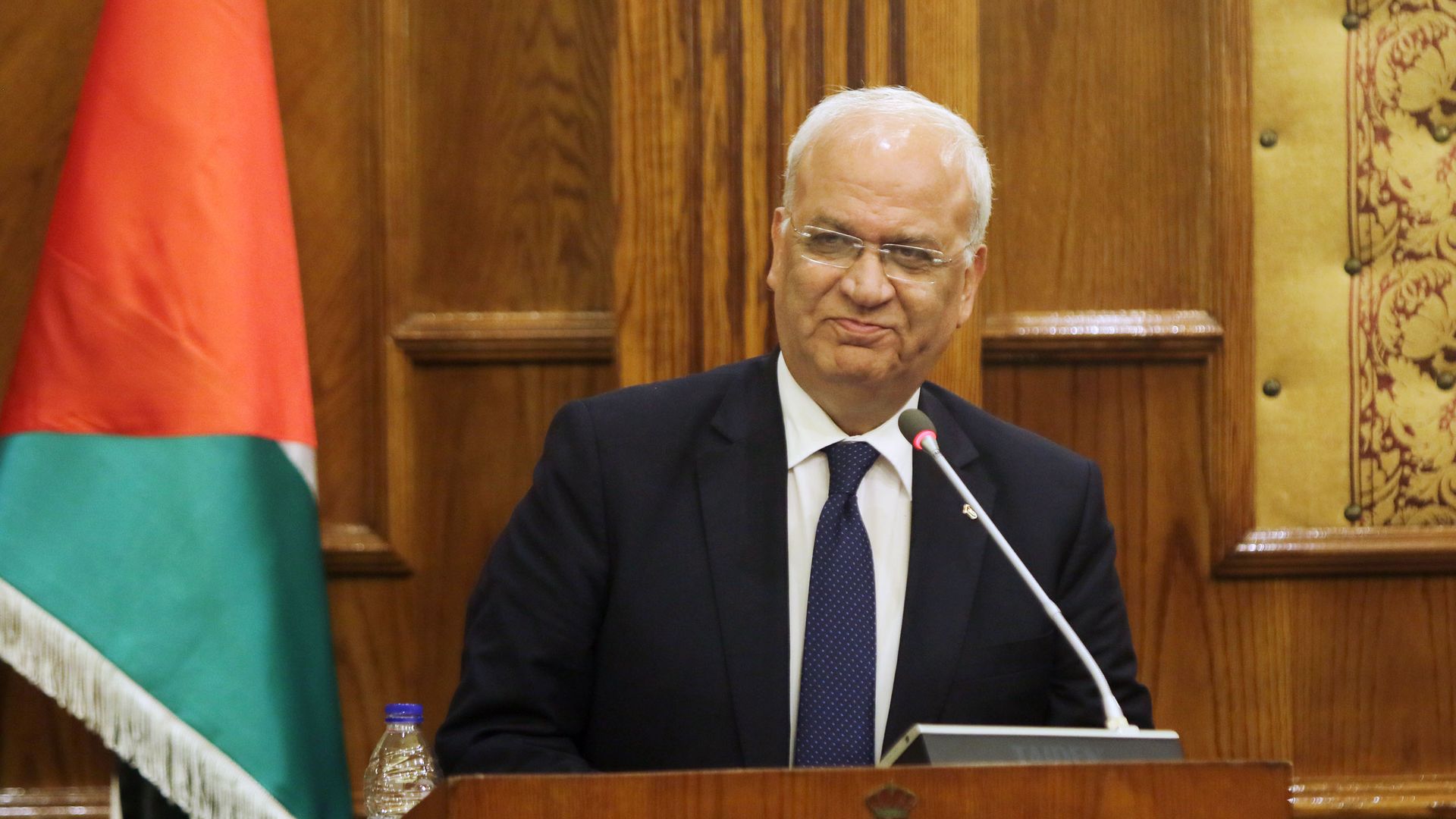
Saed Erekat, the longtime Palestinian negotiator, has died at 65 after complications from the coronavirus. Erekat was previously the recipient of a lung transplant and was admitted to the hospital in October, according to the New York Times.
Background: Ereket was a top official in Palestine for over 30 years and a vocal advocate for Palestinian statehood. He played a major role in writing the Oslo peace accords in the 1990s.
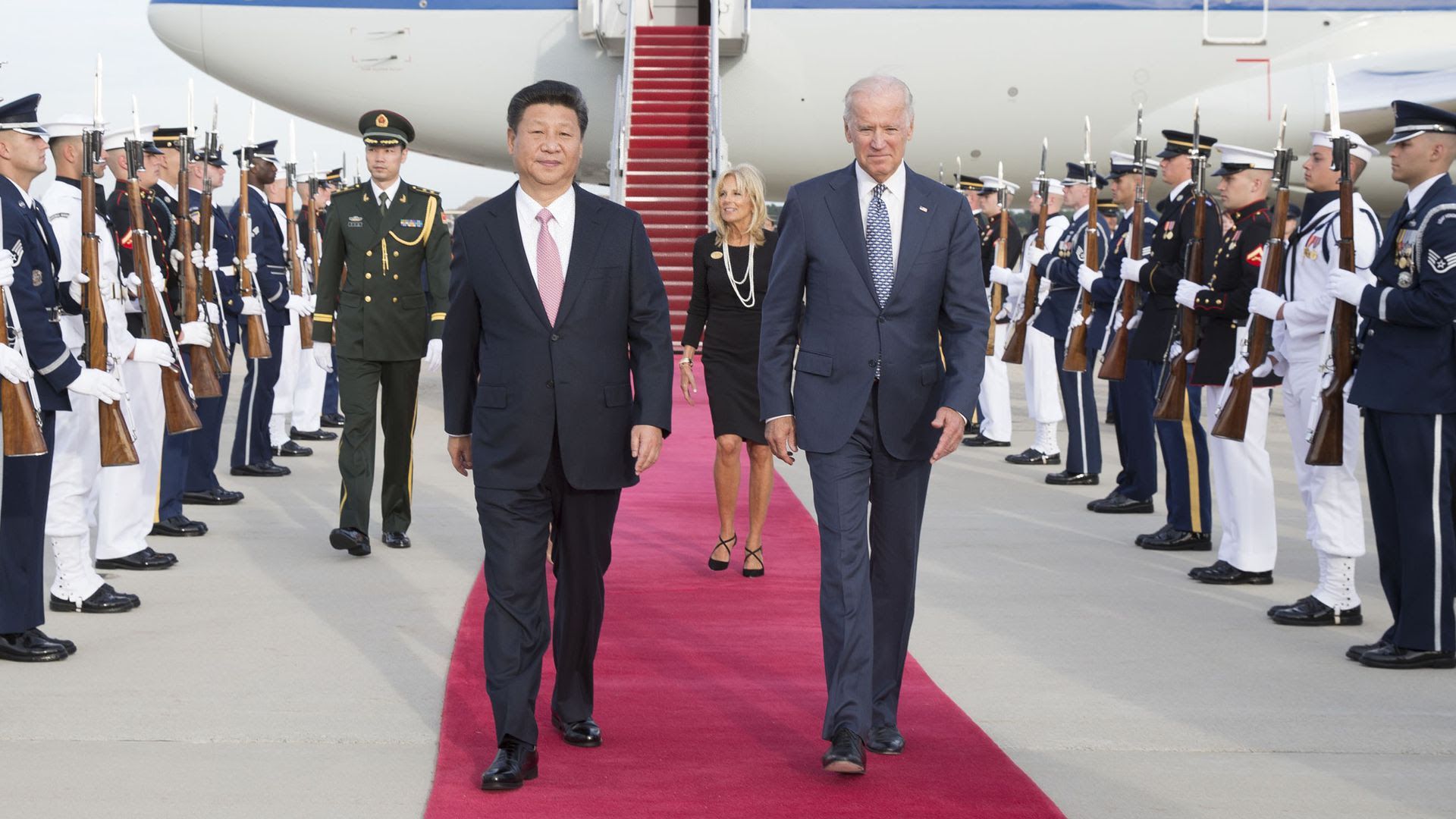
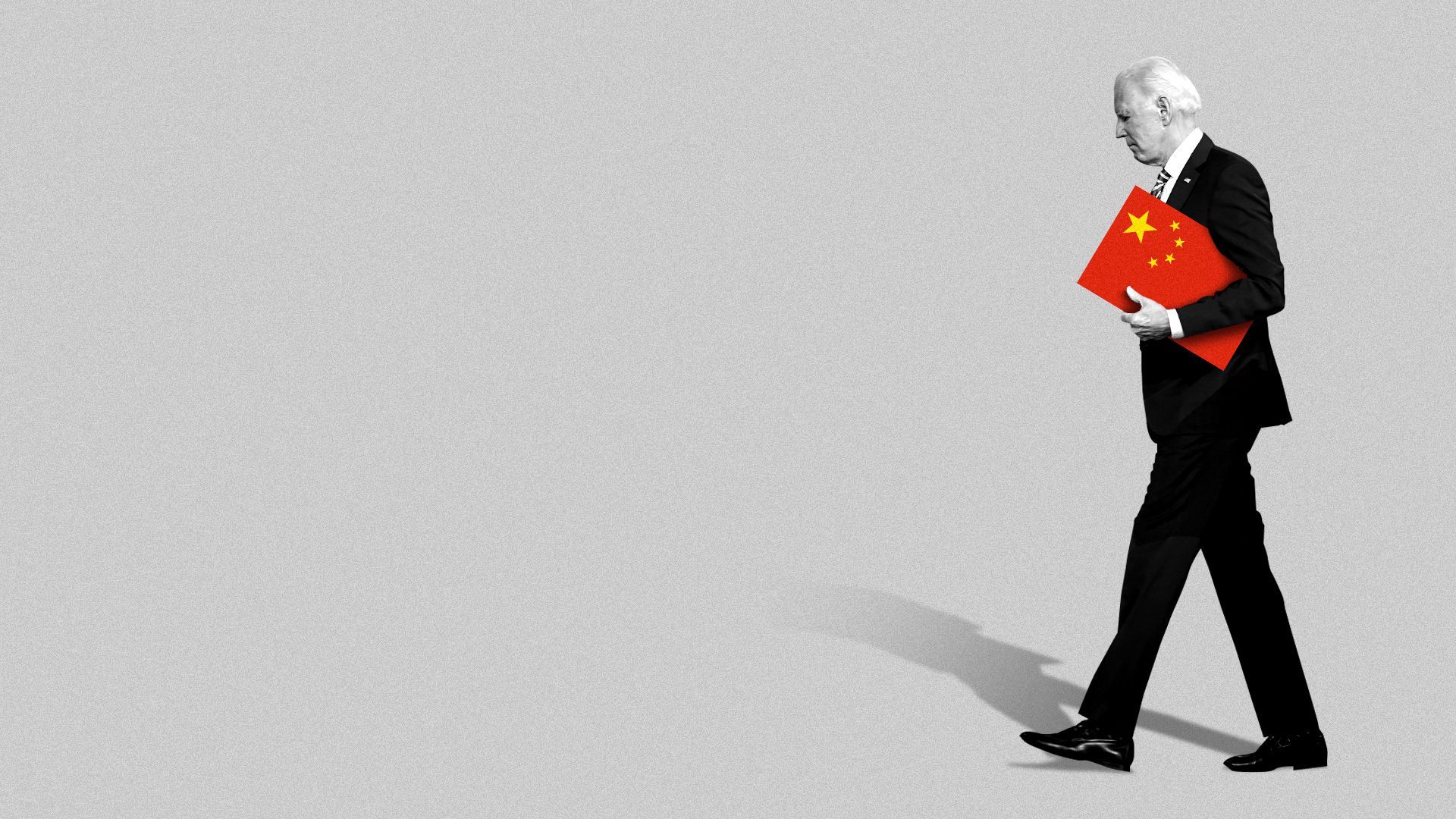
President-elect Joe Biden isn't likely topursue a full reset with China, but he quickly must decide which of the Trump administration's many policies to keep and which to scrap.
Why it matters: In a world struggling against the common threats of climate change, nuclear proliferation and an ongoing pandemic, the U.S. must find a way to both challenge and cooperate with a rising authoritarian superpower.
Portugal and Hungary have become the latest European countries to impose partial lockdowns, with curfews going into effect overnight. Governments across the continent are imposing more restrictions in attempts to curb COVID-19 spikes.
The big picture: Over 9.2 million cases have been reported to the European Centre for Disease Control. Per the ECDC, France has the most (almost 1.8 million) followed by Spain (over 1.3 million) and the United Kingdom (nearly 1.2 million). The COVID death rate per 100,000 of the population is highest in the Czech Republic (25), followed by Belgium (19) and Hungary (10.4).
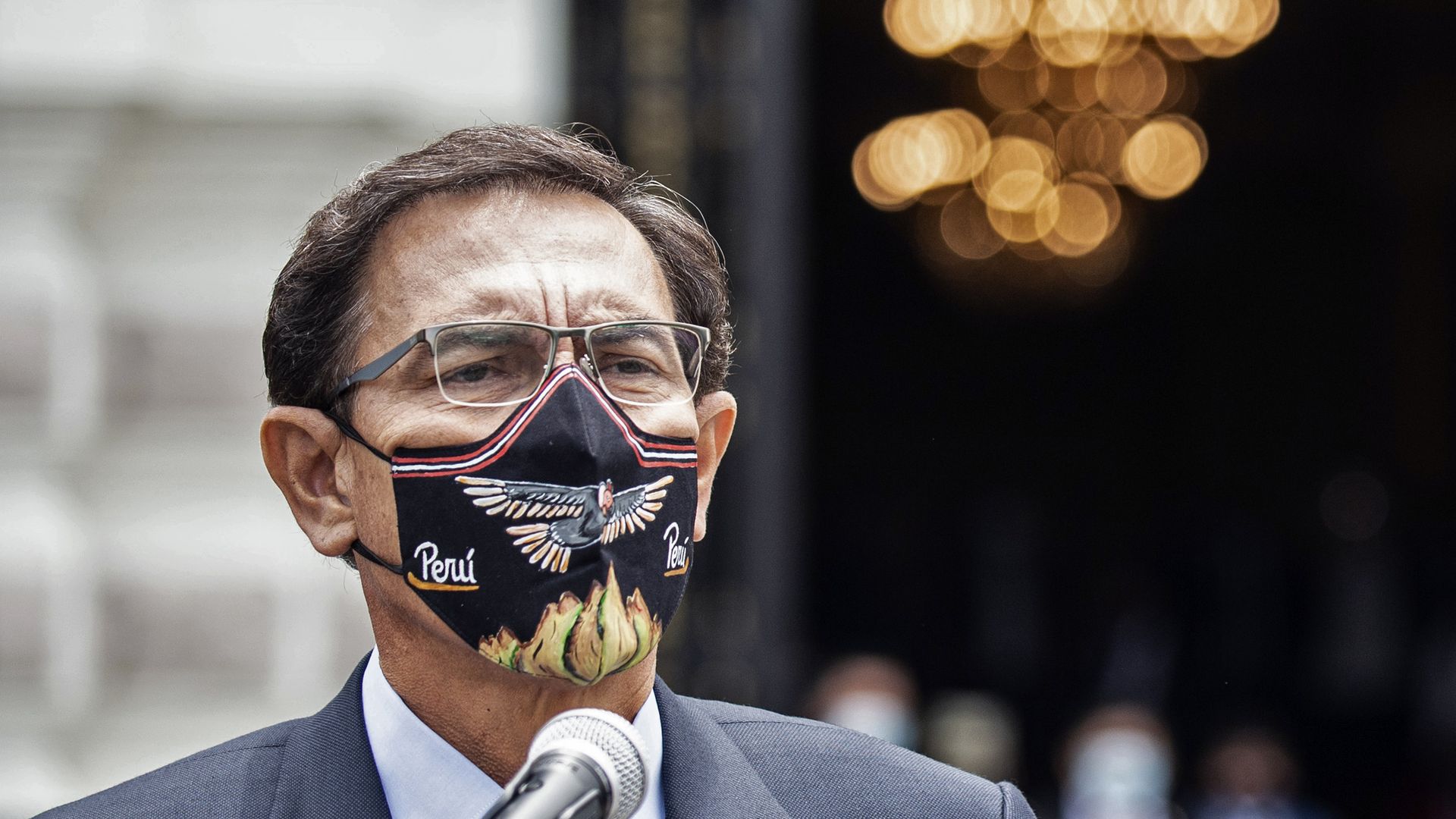
Peru's congressional legislators voted 105-19 Monday to impeach President Martín Vizcarra and remove him from office following corruption allegations and criticism of his handling of the coronavirus pandemic, per Bloomberg.
Thebig picture: The country's economy contracted 30.2% in the second quarter. Peru's health care system has also been chronically underfunded and it has one of the highest COVID-19 death rates in the world. Manuel Merino, Peru's head of Congress, will take over the role until the 2021 presidential election is held.
Governments around the world are preparing to work with President-elect Biden — but they still have to navigate what could be a bumpy final 10 weeks of President Trump.
Split screen: Around the time Biden was holding his first call as president-elect with a foreign leader, Canadian Prime Minister Justin Trudeau, Trump was firing his secretary of defense, Mark Esper.
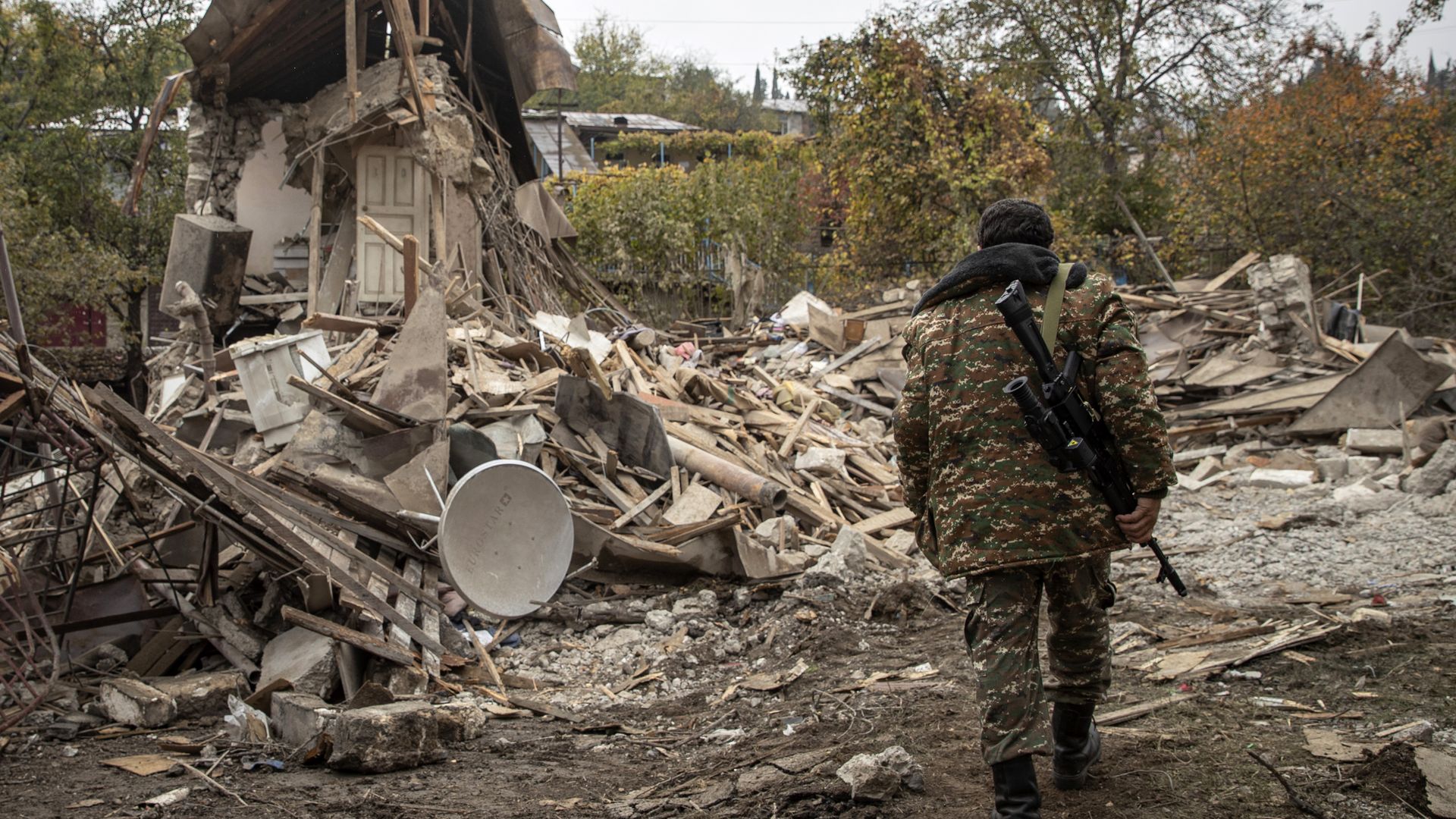
Armenian Prime Minister Nikol Pashinyan surprised his country and the world tonight by announcing that he had agreed to end the war in Nagorno-Karabakh on terms that were “unbelievably painful for me personally and for our people.”
Why it matters: The announcement followed confirmation that Azerbaijan had taken a critical town in the breakaway region, which is majority ethnic Armenian but lies within neighboring Azerbaijan.