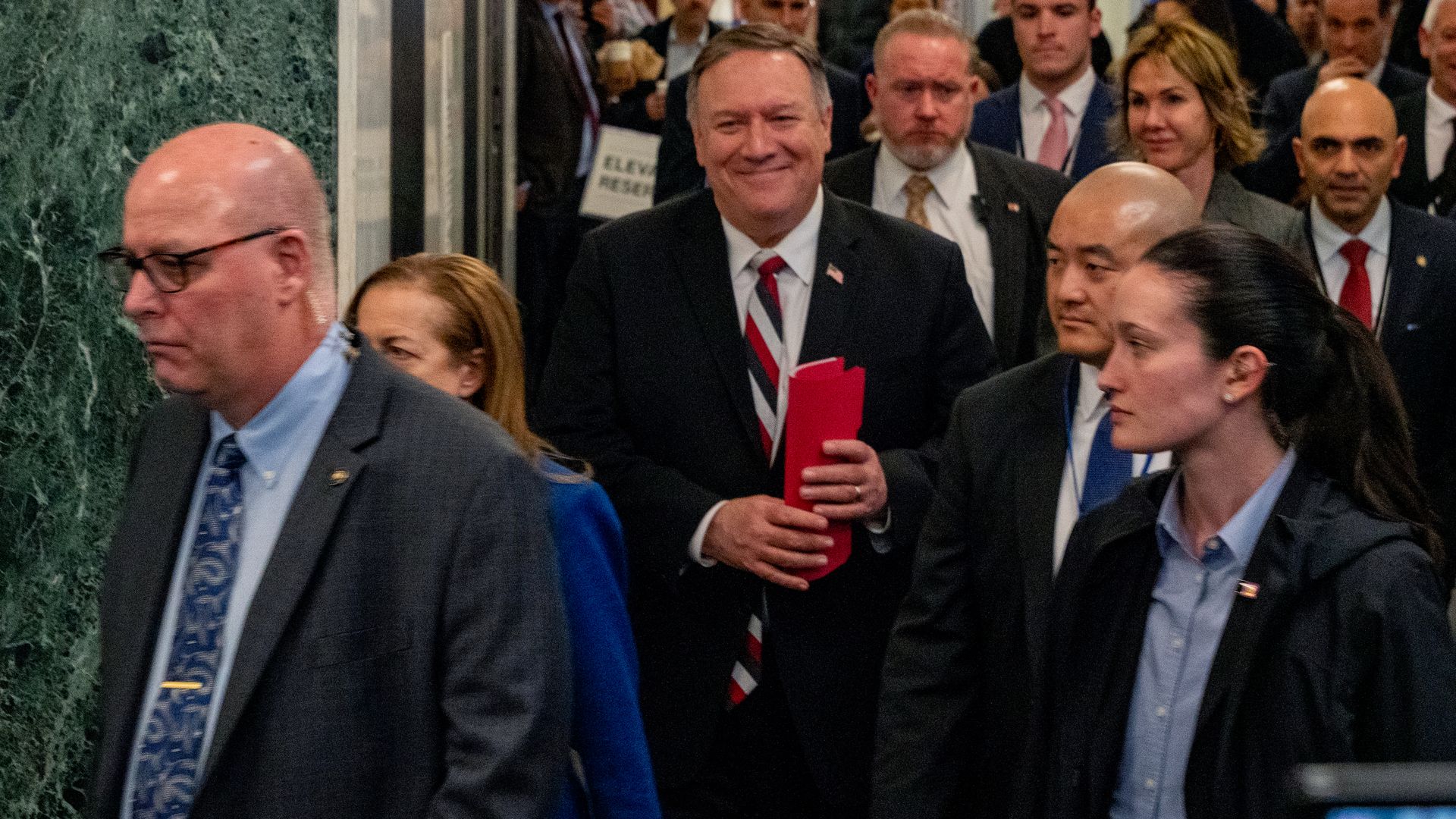
President Trump confirmed on Wednesday that he had asked Secretary of State Mike Pompeo to notify the UN Security Council that the U.S. intends to initiate "snapback" sanctions on Iran. The formal request is expected on Thursday, Israeli officials told Axios.
The backdrop: This move could create a diplomatic and legal crisis unlike any seen before at the Security Council. It comes days after the U.S. failed to mobilize support at the council to extend an international arms embargo on Iran.
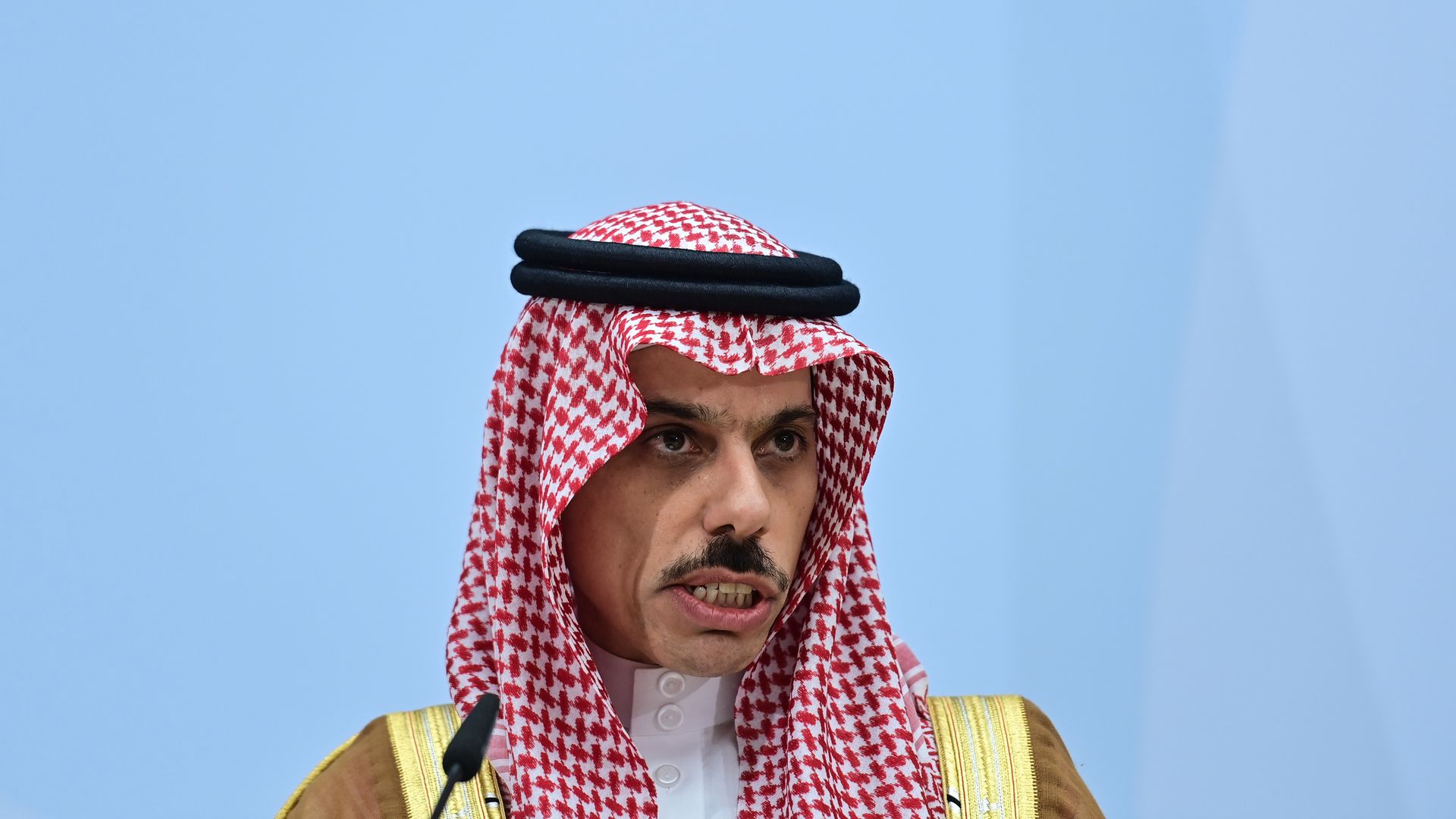
Saudi Foreign Minister Faisal bin Farhan said Wednesday that the kingdom supports peace in the Middle East on the basis of the Arab Peace Initiative, which calls for normalization with Israel to be paired with withdrawal from the occupied territories and the creation of a Palestinian state.
Why it matters: This could be interpreted as a cool initial response to the U.S.-brokered normalization deal between Israel and the UAE.
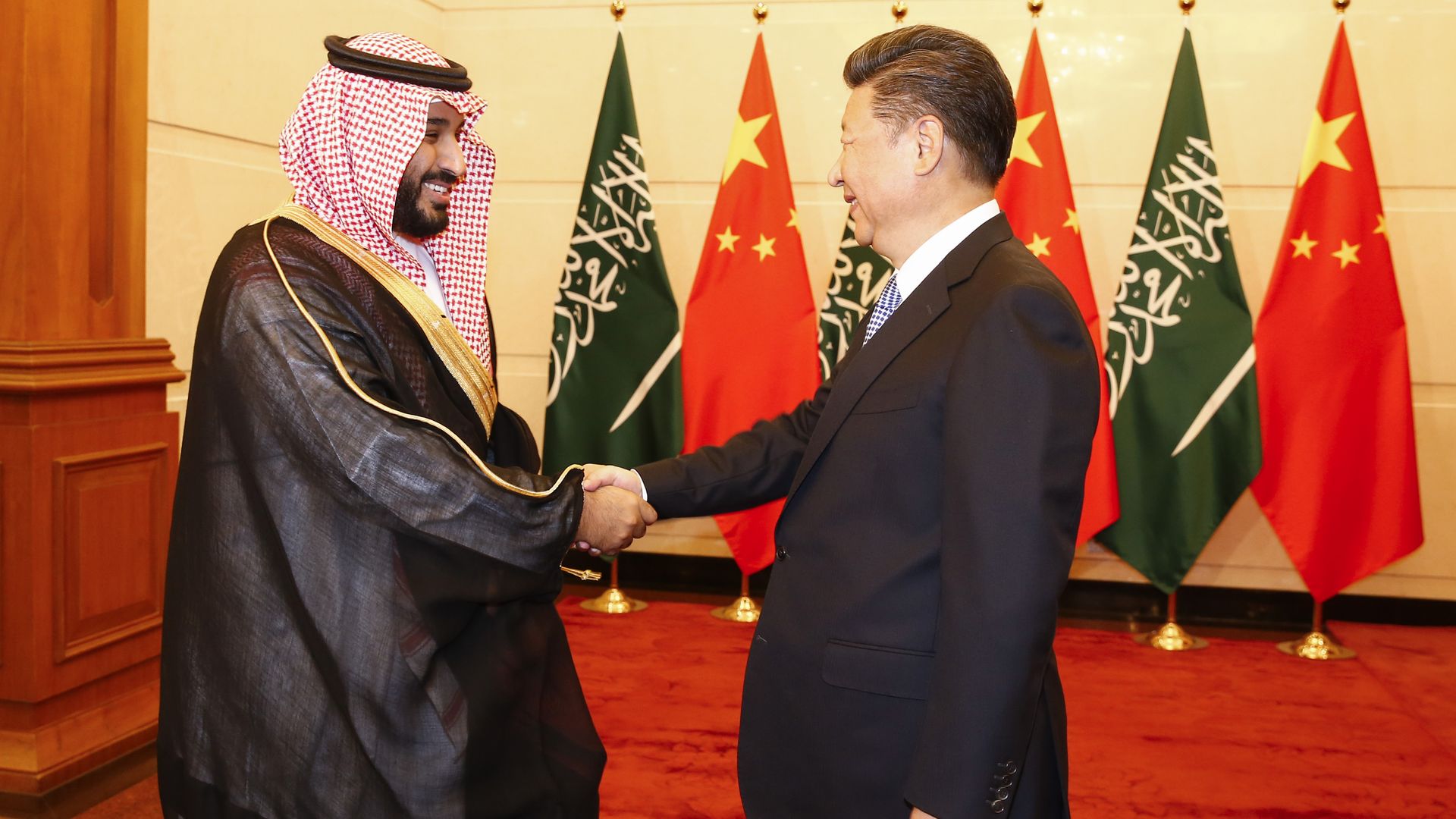
Israel has privately expressed concerns to the Trump administration about a new nuclear facility reportedly built in the Saudi desert with Chinese help, Israeli officials said.
Why it matters: This secret development raises concerns that the Saudis are building infrastructure for a future military nuclear program.
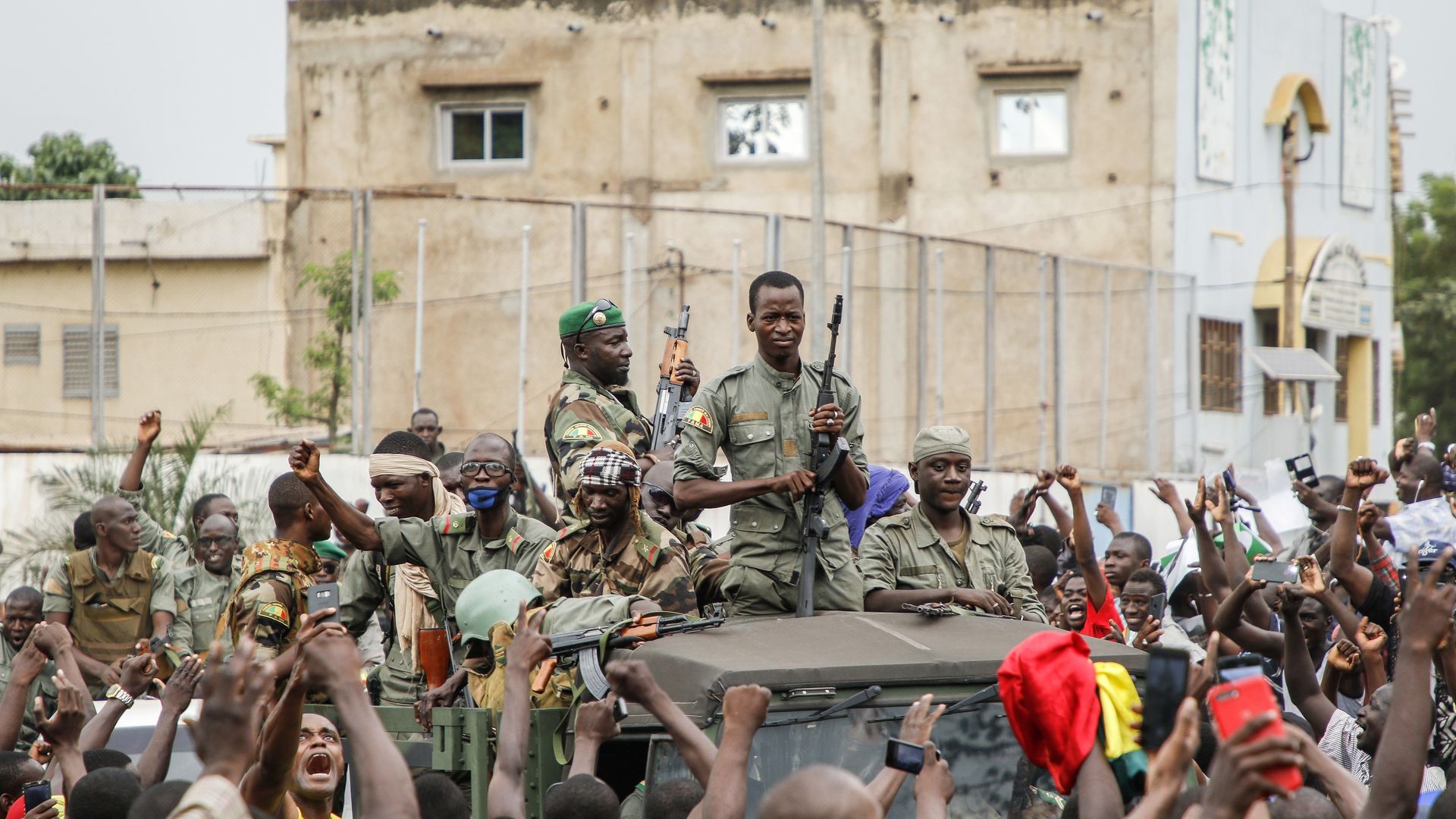
Mali's President Ibrahim Boubacar Keïta announced his resignation on Tuesday, hours after soldiers arrested him, along with the prime minister and other top officials, per state television.
Why it matters: The uprising from within the military follows months of protests in the West African country. It's unclear who will take charge if Keïta is removed from power, adding deep uncertainty to Mali's intertwined political and security crises.
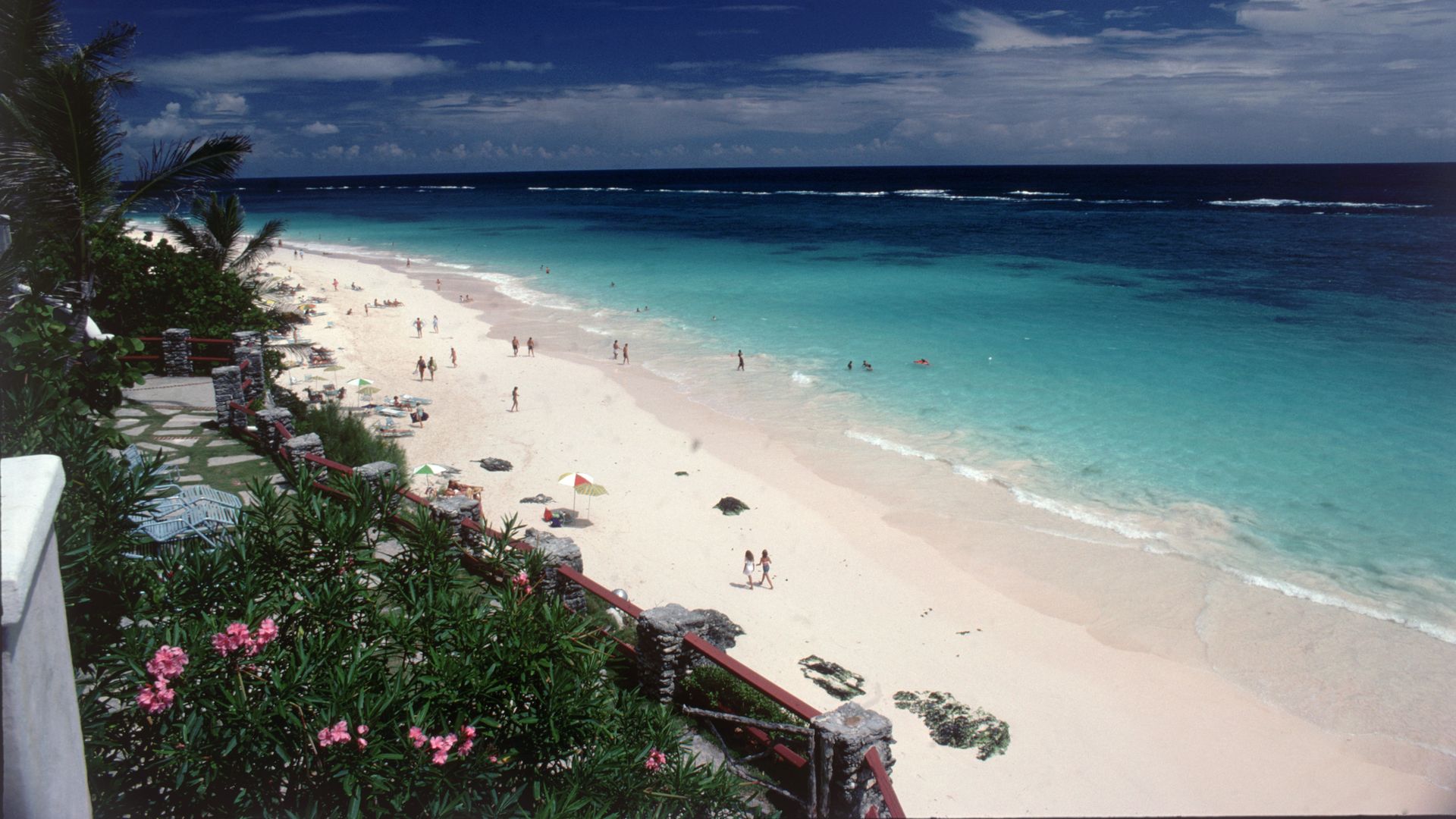
The CDC has lifted its coronavirus warning against nonessential travel to Bermuda, as the island ramps up a scheme to attract foreign workers on year-long residencies and marks 57 days with no detected community spread.
Driving the news: Over half of the British Overseas Territory's population has been tested for COVID-19 since on-island capabilities were set up on March 17. Premier David Burt told Axios the strict testing has left him "confident that we are going to be able to catch any clusters before they spread."
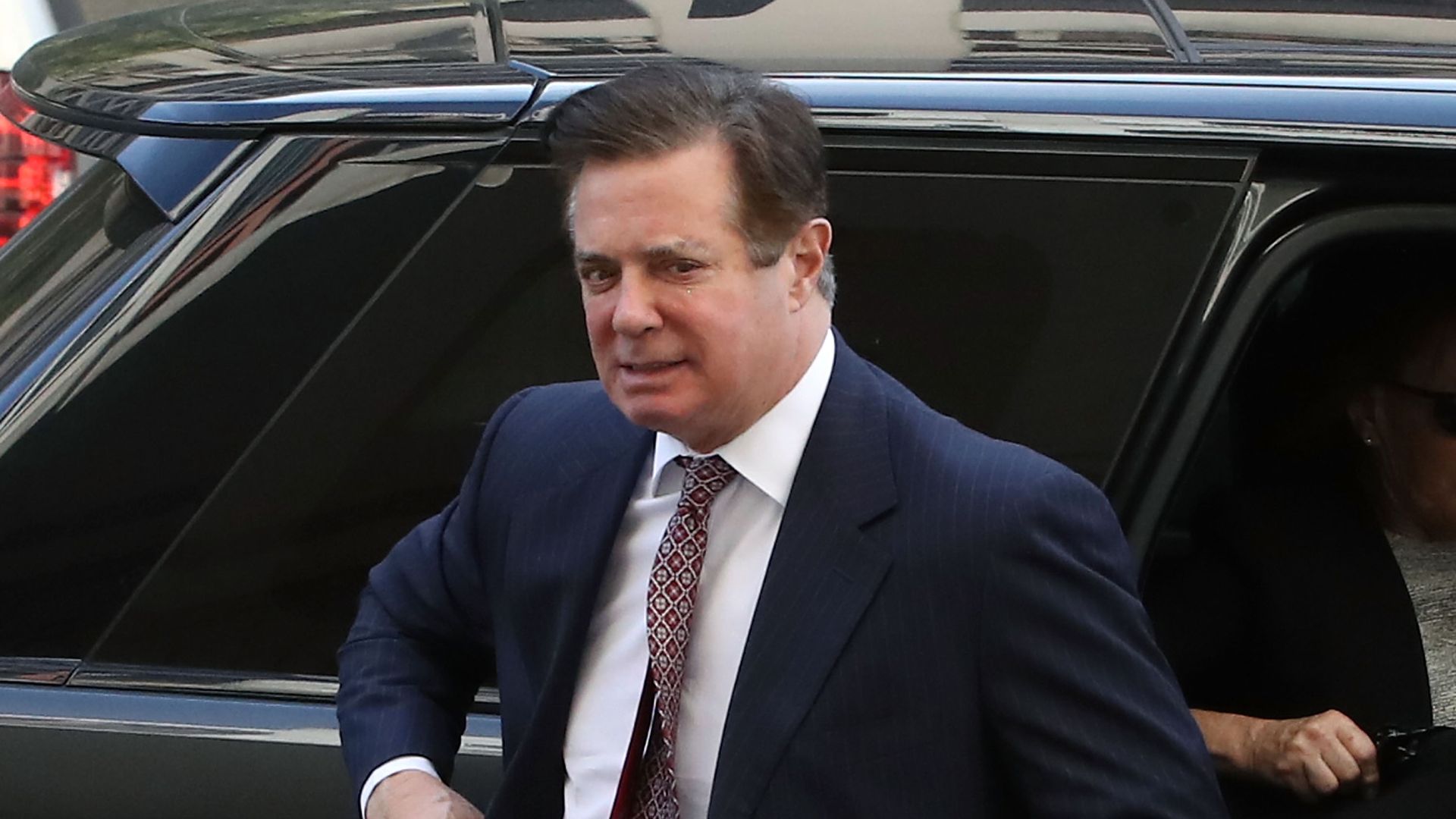
The Senate Intelligence Committee on Tuesday released the fifth and final volume of its report on Russian interference in the 2016 election, which details "counterintelligence threats and vulnerabilities."
Why it matters: The bipartisan, 966-page report goes further than the Mueller report in showing the extent of Russia's connections to members of the Trump campaign, and how the Kremlin was able to take advantage of the transition team's inexperience to gain access to sensitive information.
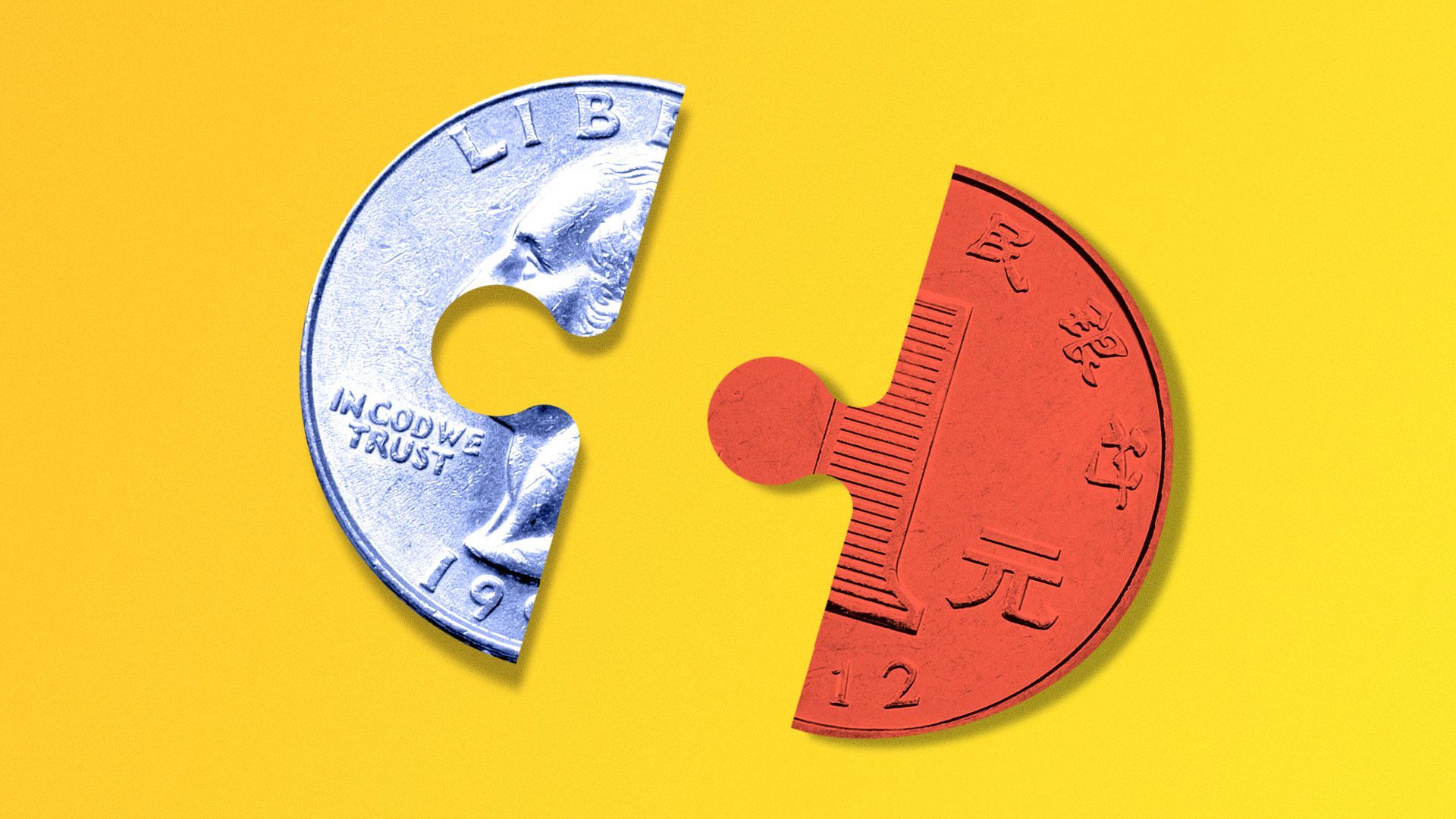
Trade is the last major area where the U.S. is still relying on traditional diplomacy to work through problems with China.
Why it matters: U.S.-China relations are at their lowest point in decades, as both sides have taken an increasingly harder line over Hong Kong, Xinjiang, the South China Sea and other issues. The desire to keep the trade deal alive seems to be keeping the relationship from unraveling entirely.
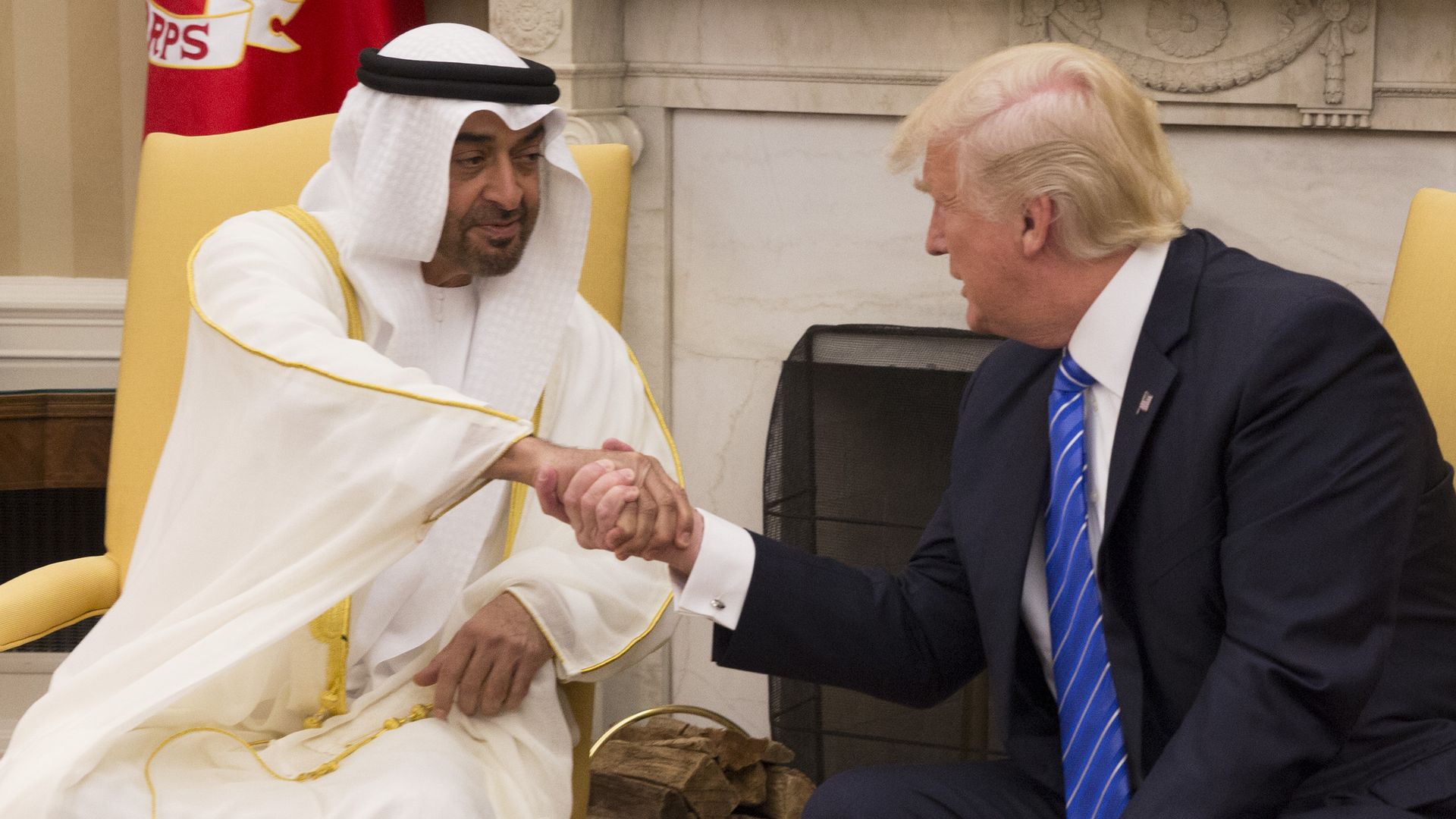
Israeli Prime Minister Benjamin Netanyahu has denied reports that he gave the Trump administration a green light to sell F-35 fighter jets to the UAE as part of a normalization deal announced last Thursday.
Why it matters: U.S. law requires the administration to consult with Israel before selling arms to any Arab country to ensure Israel can maintain its qualitative military edge. It must also report to Congress on the matter.
In 2017, the University of Illinois at Urbana-Champaign took out an insurance policy to cover the $60 million in tuition that Chinese students paid to the university, in case an unforeseen event precipitated a sudden drop in Chinese student enrollment.
Why it matters: School administrators recognized the risks associated with becoming overly reliant on student tuition from a single foreign country — and amid a global pandemic, their fears have proved justified.
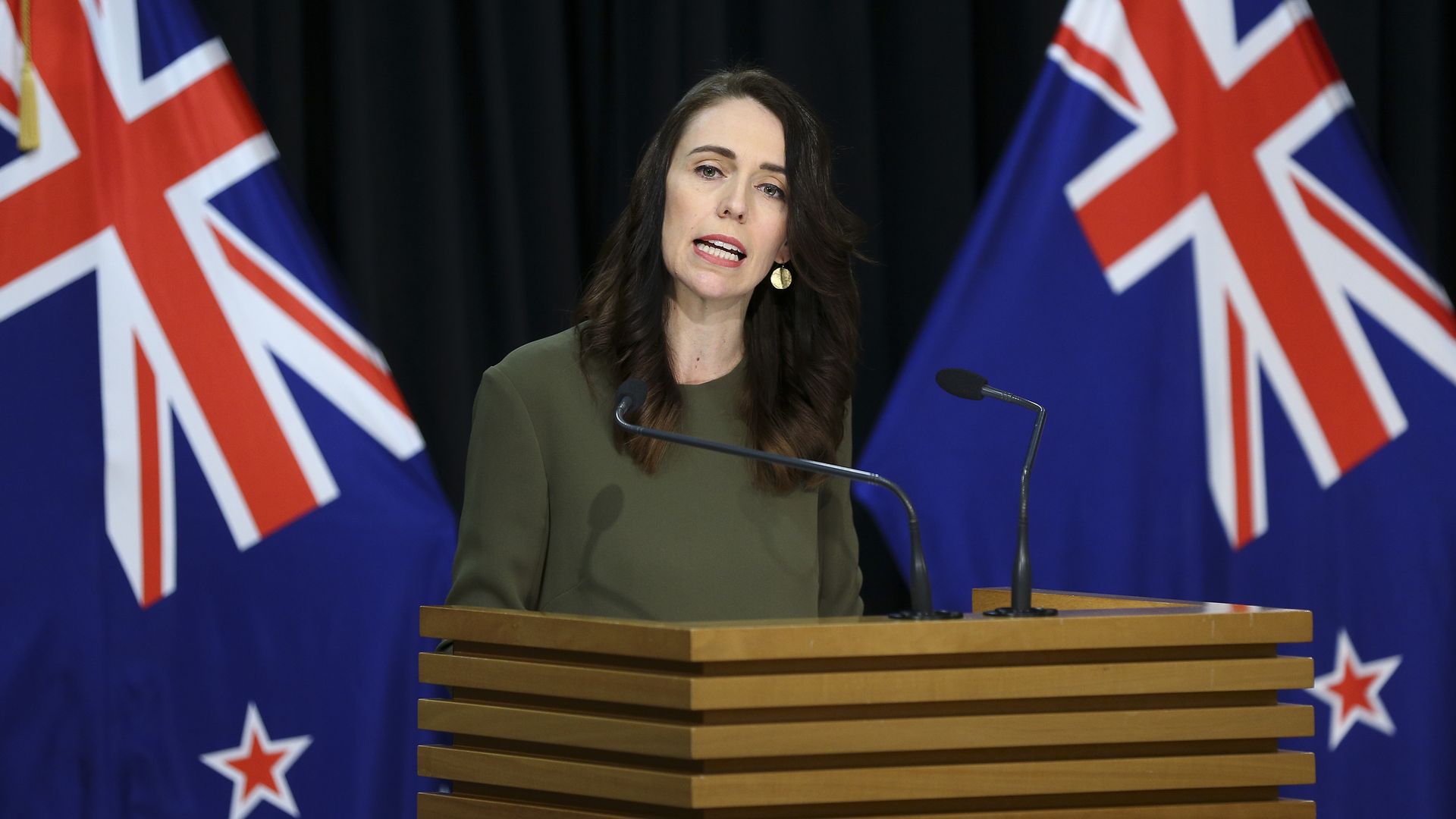
Prime Minister Jacinda Ardern on Tuesday rejected President Trump's comments on New Zealand's growing number of coronavirus cases since COVID-19 was detected in the community for the first time in 102 days last week.
Driving the news: Trump said Monday when New Zealand "beat" the virus, "it was like front page, they beat it because they wanted to show me something." "The problem is big surge in New Zealand. It's terrible. We don't want that." But Ardern said there's "no comparison between New Zealand’s current cluster and the tens of thousands of cases being seen in the United States."
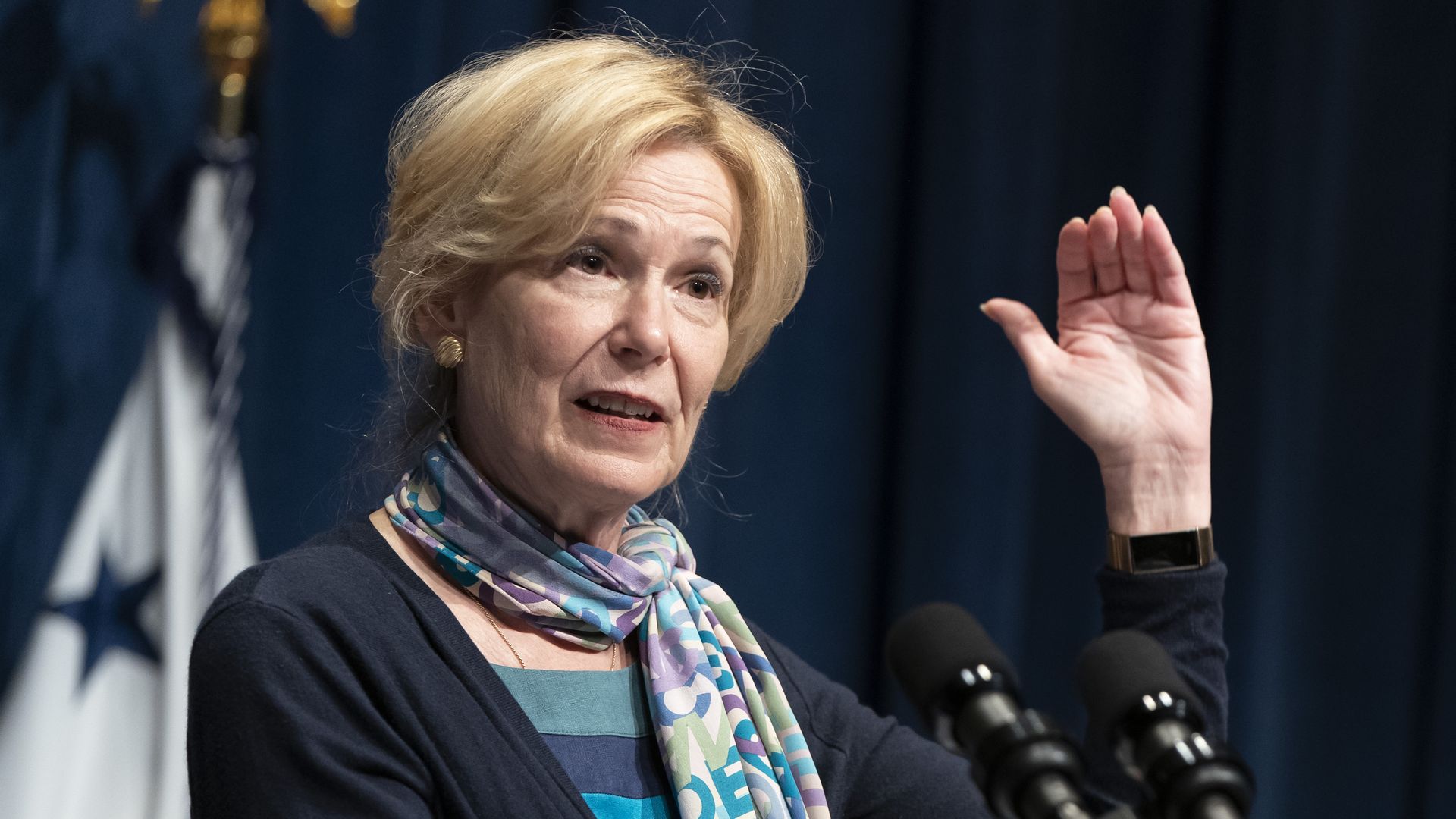
Deborah Birx, the White House's coronavirus response coordinator, told reporters Monday she would have liked to have seen the U.S. introduce stricter restrictions like Italy did to prevent the spread of COVID-19.
What she's saying: "I wish that when we went into lockdown, we looked like Italy," she said. "When Italy locked down, I mean, people weren't allowed out of their houses, they couldn't come out but once every two weeks to buy groceries for one hour and they had to have a certificate that said they were allowed. Americans don't react well to that kind of prohibition."
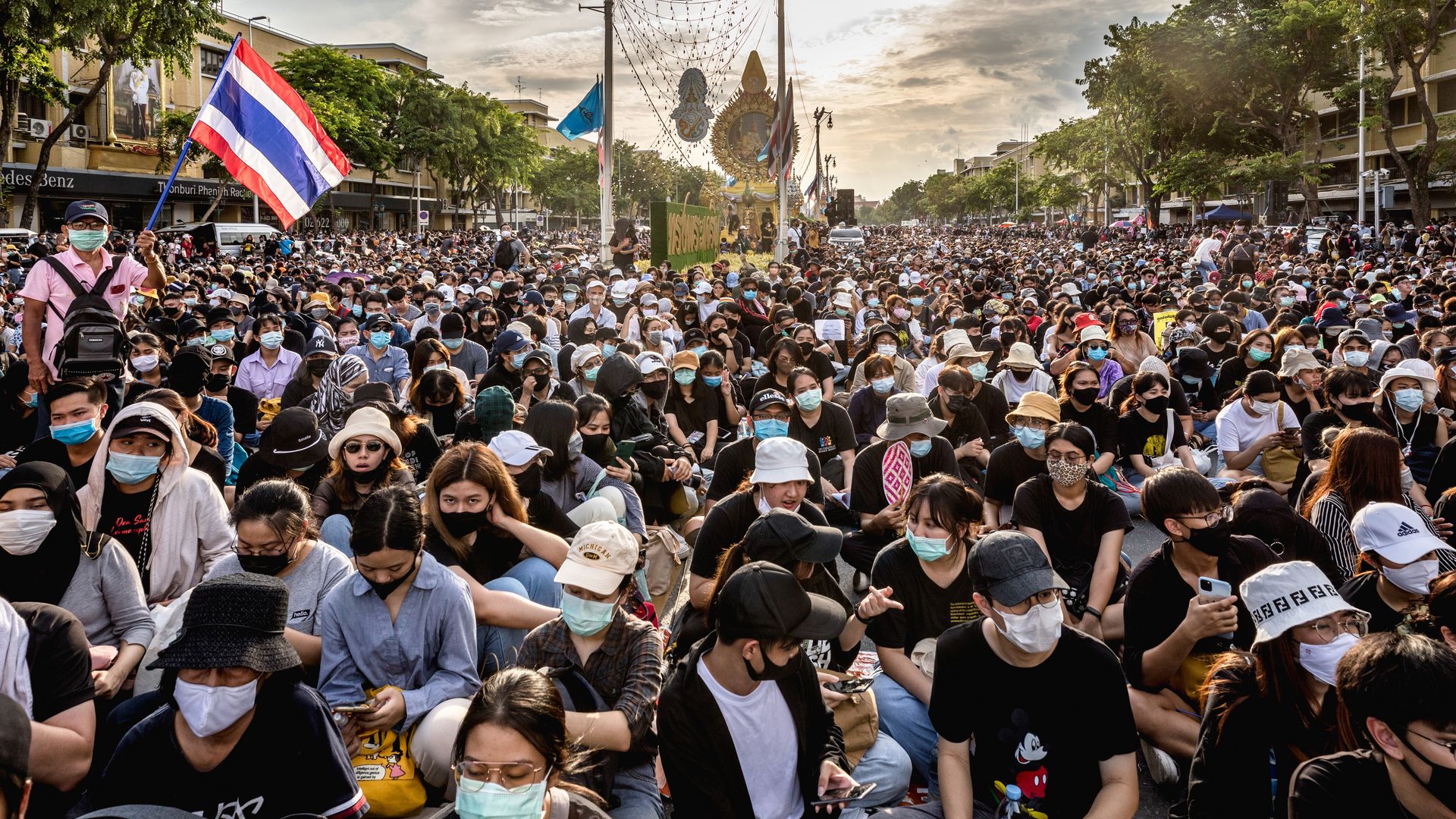
Upwards of 20,000 people took part Sunday in Thailand's biggest protests in years, demanding the dissolution of parliament and a new constitution.
Why it matters: The protesters are targeting not only Thailand's prime minister, who took power in a 2014 coup, but the monarchy, which has historically been shielded from criticism.