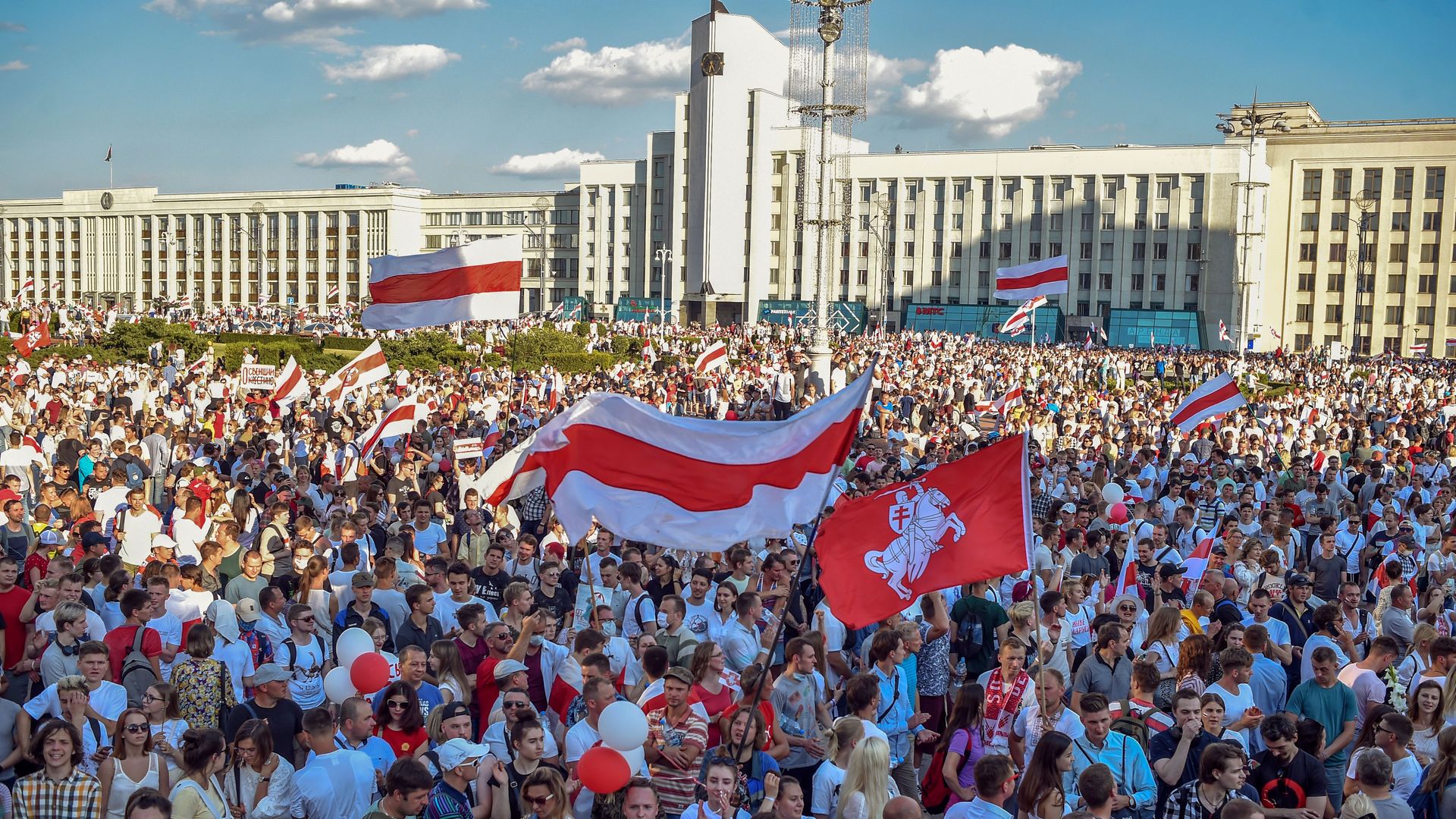
The man who has ruled Belarus for 26 years growled today that protesters demanding new elections would have to kill him first, while his would-be successor announced she was prepared to take charge.
Why it matters: Aleksandr Lukashenko has never before appeared so weak — but he still has a fearsome security apparatus behind him, and a global power watching from the east.
Former CIA officer Alexander Yuk Ching Ma has been arrested and charged with allegedly sharing classified information with China, the Justice Department announced Monday.
Our thought bubble, via Axios China reporter Bethany Allen-Ebrahimian: No one should underestimate China’s intelligence services. In the past decade, the efforts of Chinese intelligence to identify as many individual CIA personnel as possible have paid off, resulting in the decommissioning of dozens of CIA assets in China.
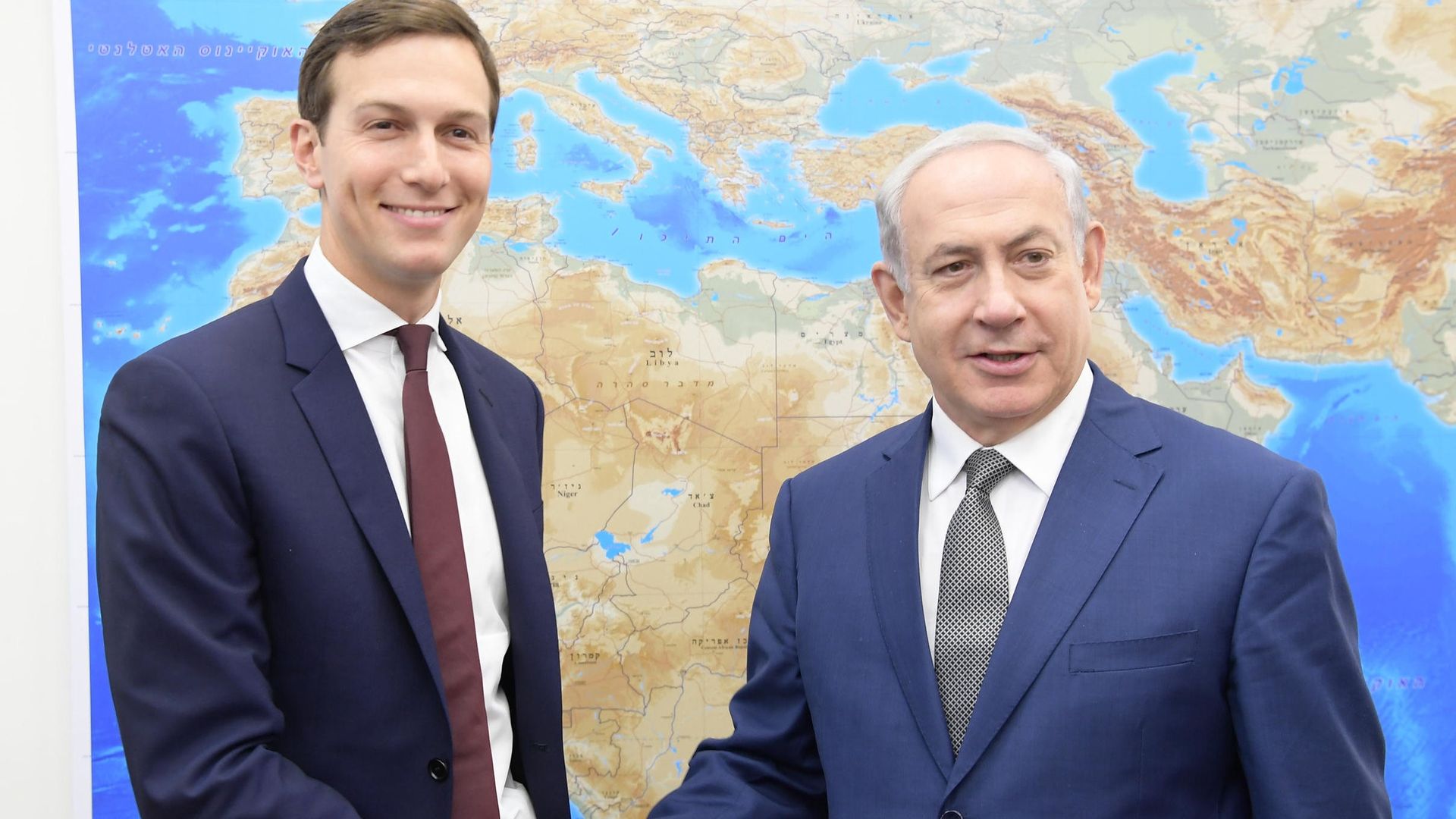
Israeli Prime Minister Benjamin Netanyahu has assured the U.S. he won't move forward with annexation in the West Bank without White House consent, and “we are not going to give him such consent for some time," Jared Kushner told reporters today.
Why it matters: Netanyahu agreed to suspend his annexation plans in order to strike a normalization deal with the United Arab Emirates, but stressed afterwards that the suspension was temporary.
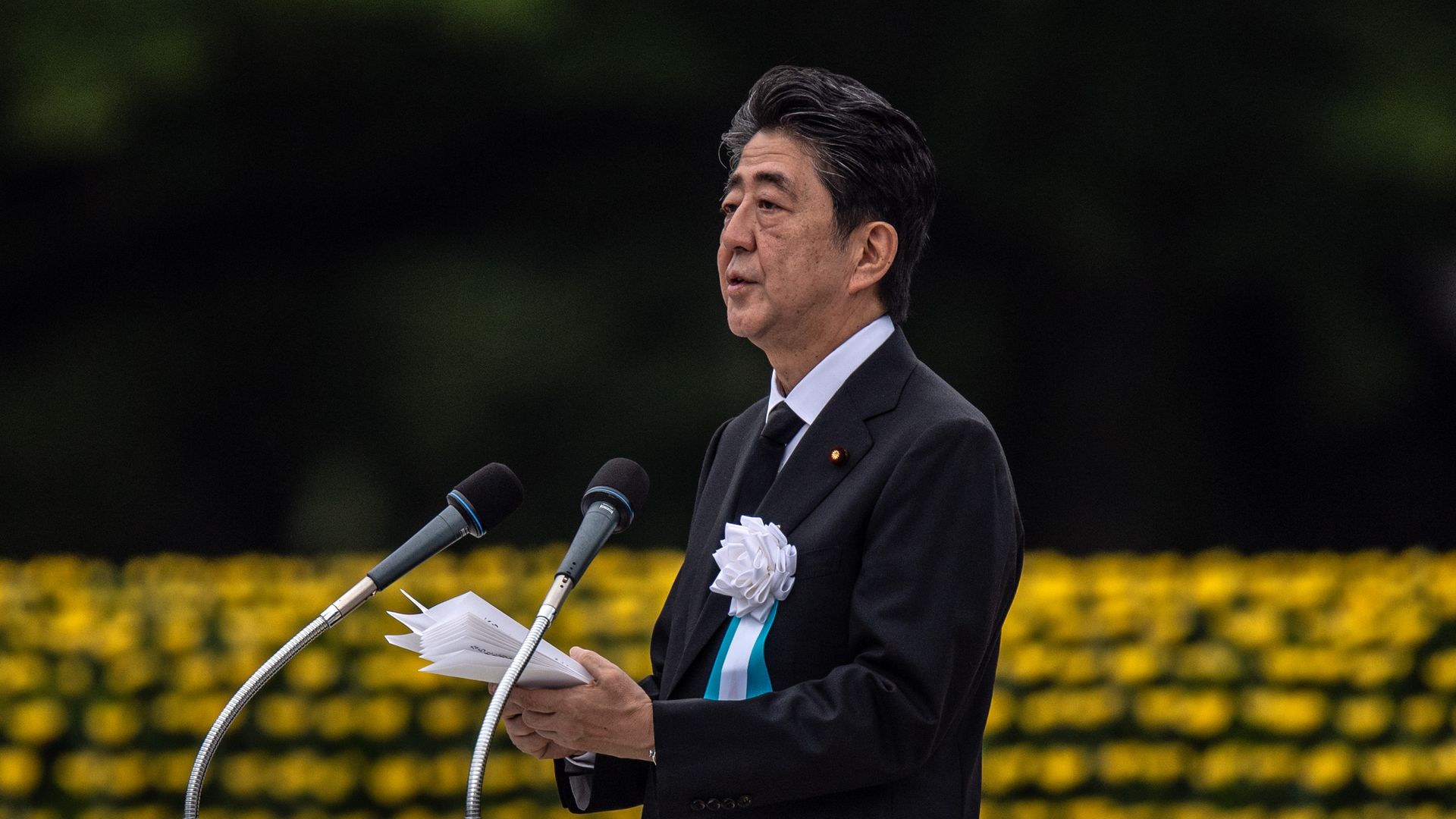
Japan's Prime Minister Shinzo Abe underwent a medical examination in a Tokyo hospital Monday after a top official expressed concern he was fatigued from his workload during the pandemic, Reuters reports.
The big picture: Officials told Japanese media Abe was going for a routine checkup. His visit coincided with new data showing Japan suffered its worst decline on record, with the economy shrinking at an annual rate of 27.8% from April to June and GDP falling 7.8%. Economic activity ground to "a near halt" in April and May, when Abe had declared a state of emergency over the coronavirus outbreak, per the New York Times. Abe has "worked nearly continuously" since the pandemic began, the Wall Street Journal notes.
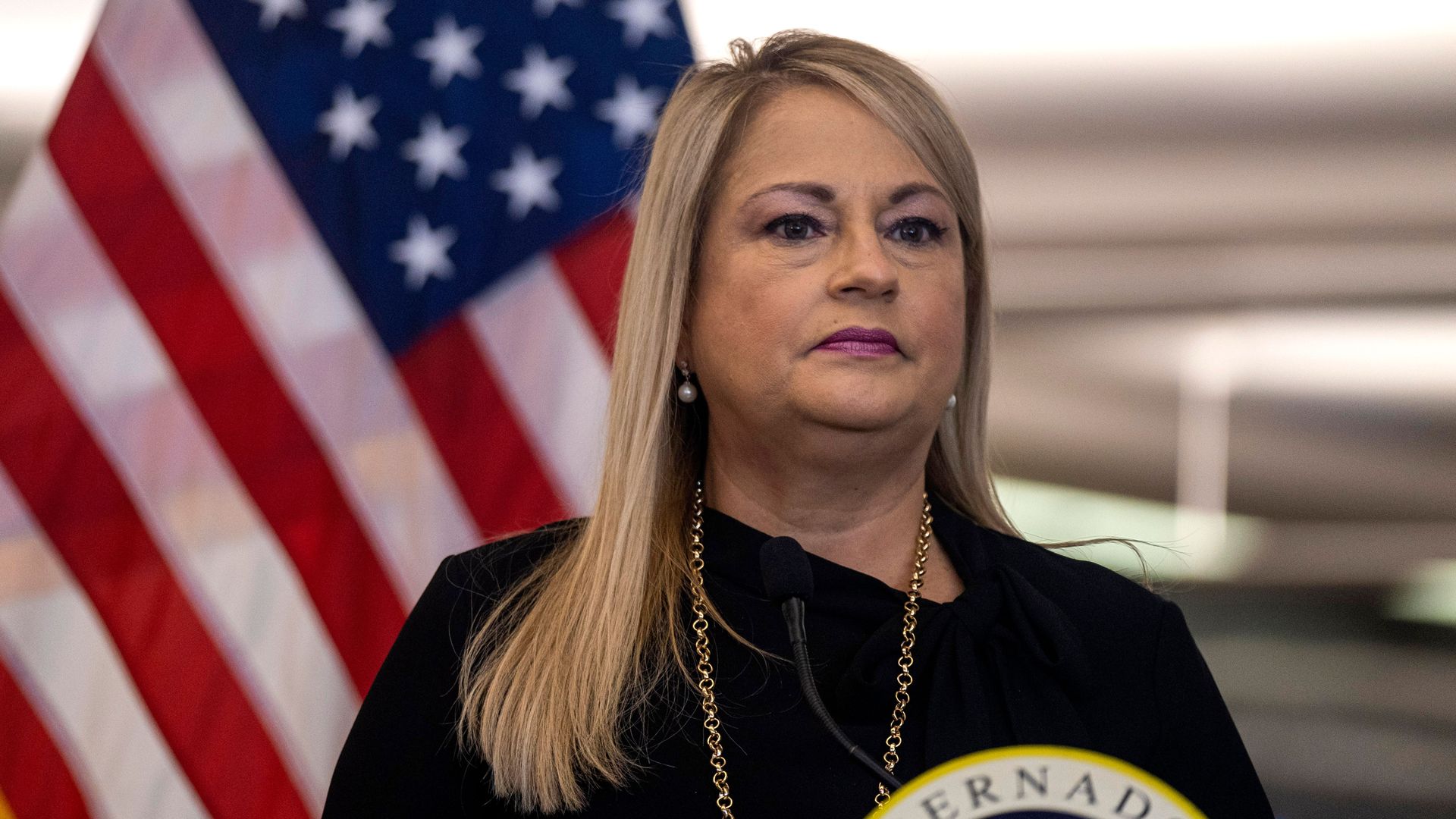
Puerto Rico Gov. Wanda Vázquez conceded Sunday losing the primary of her pro-statehood party to Pedro Pierluisi after a second round of voting, per AP.
The big picture: Primary voting in Puerto Rico was partially suspended earlier this month due to a lack of ballots at voting centers. Pierluisi was briefly governor of the U.S. territory last year, after former Gov. Ricardo Rosselló stepped down following an investigation by Puerto Rico's House of Representatives that found five impeachable offenses against him. Vázquez will stay on as governor "until the winner of Puerto Rico's Nov. 3 general elections takes office," AP notes.
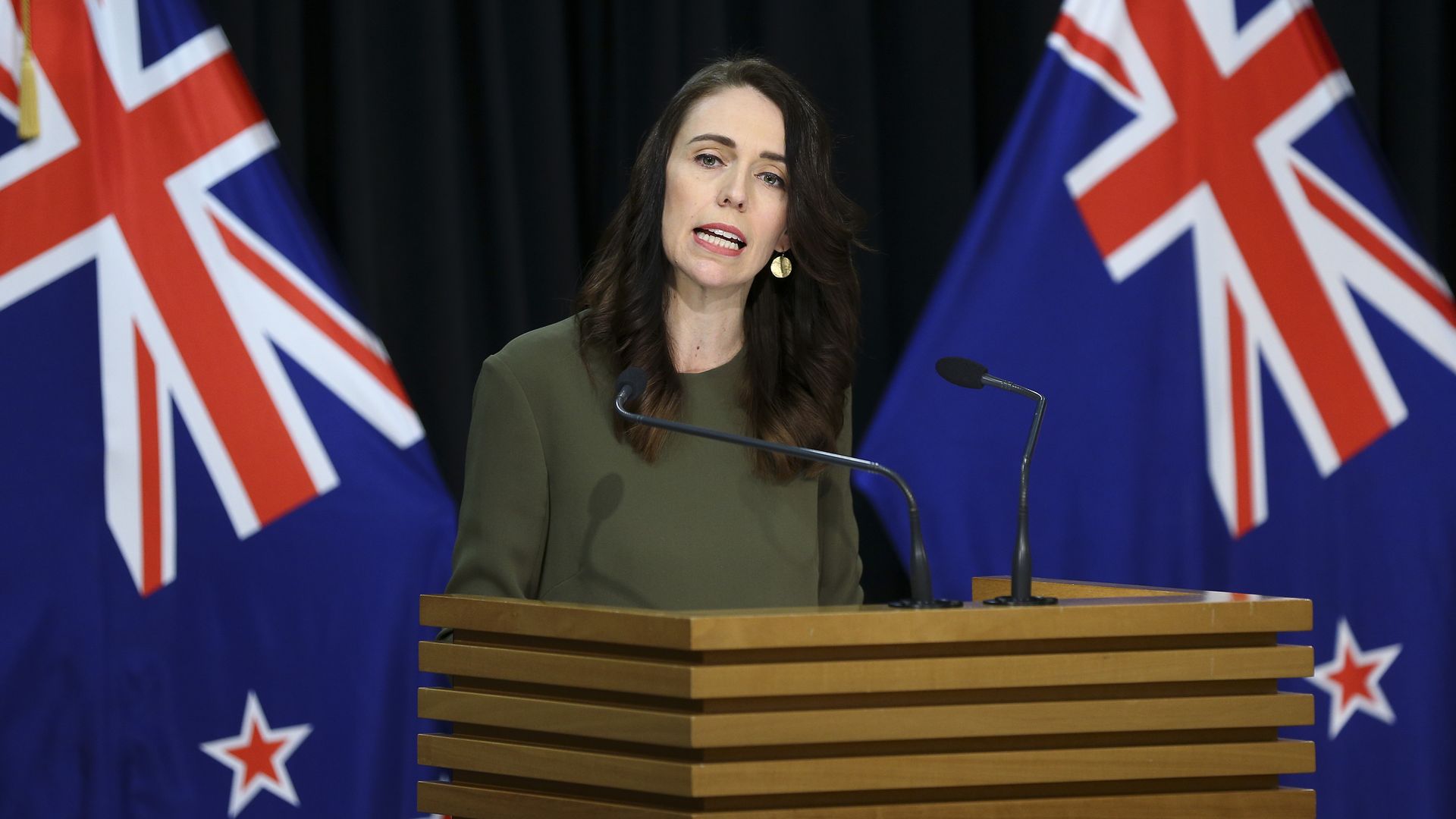
Prime Minister Jacinda Ardern announced Monday New Zealand's election would be postponed by four weeks to Oct. 17, after other parties had called for a delay and as the country scrambles to contain a second coronavirus outbreak.
The big picture: Ardern said moving the date would give all parties a "fair shot to campaign" and it'd give Kiwis "certainty without unnecessarily long delays." She ruled out changing the election date again, citing planned safety measures. NZ has reported 58 active cases linked to its cluster in Auckland, which saw the country's largest city lock down and lesser restrictions reintroduced elsewhere.
Editor's note: This article has been updated with the latest figures from the cluster.
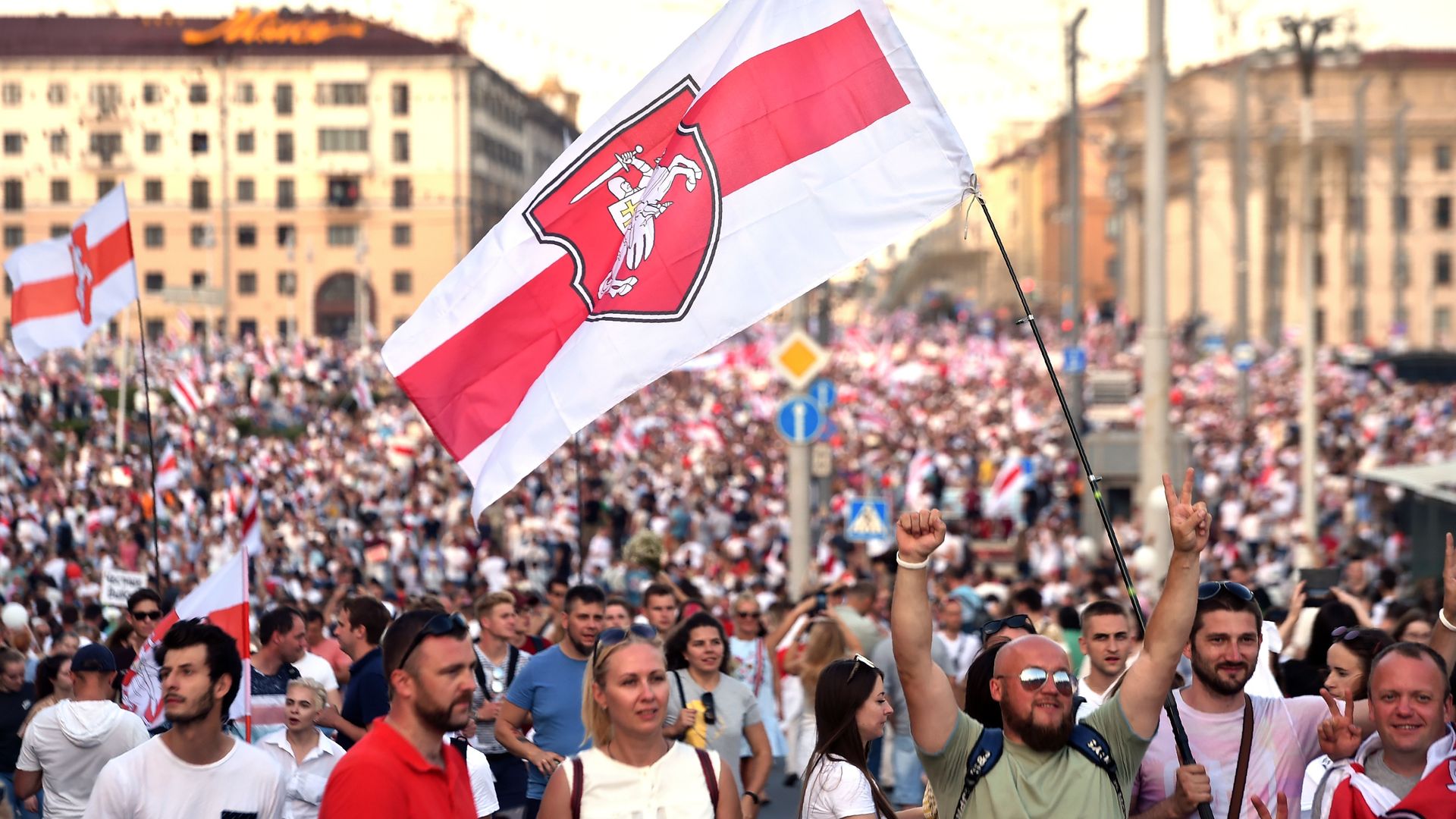
Tens of thousands of protesters rallied in the Belarus capital of Minsk on Sunday as President Aleksandr Lukashenko, the man known as "Europe's last dictator," rejected calls to hold a new election and accused NATO of massing at the country's western border.
Why it matters: It was the eighth day of demonstrations since Lukashenko proclaimed a landslide victory over pro-democracy opposition in an election widely viewed as rigs, and likely the largest protest in the history of the former Soviet republic, according to the New York Times.
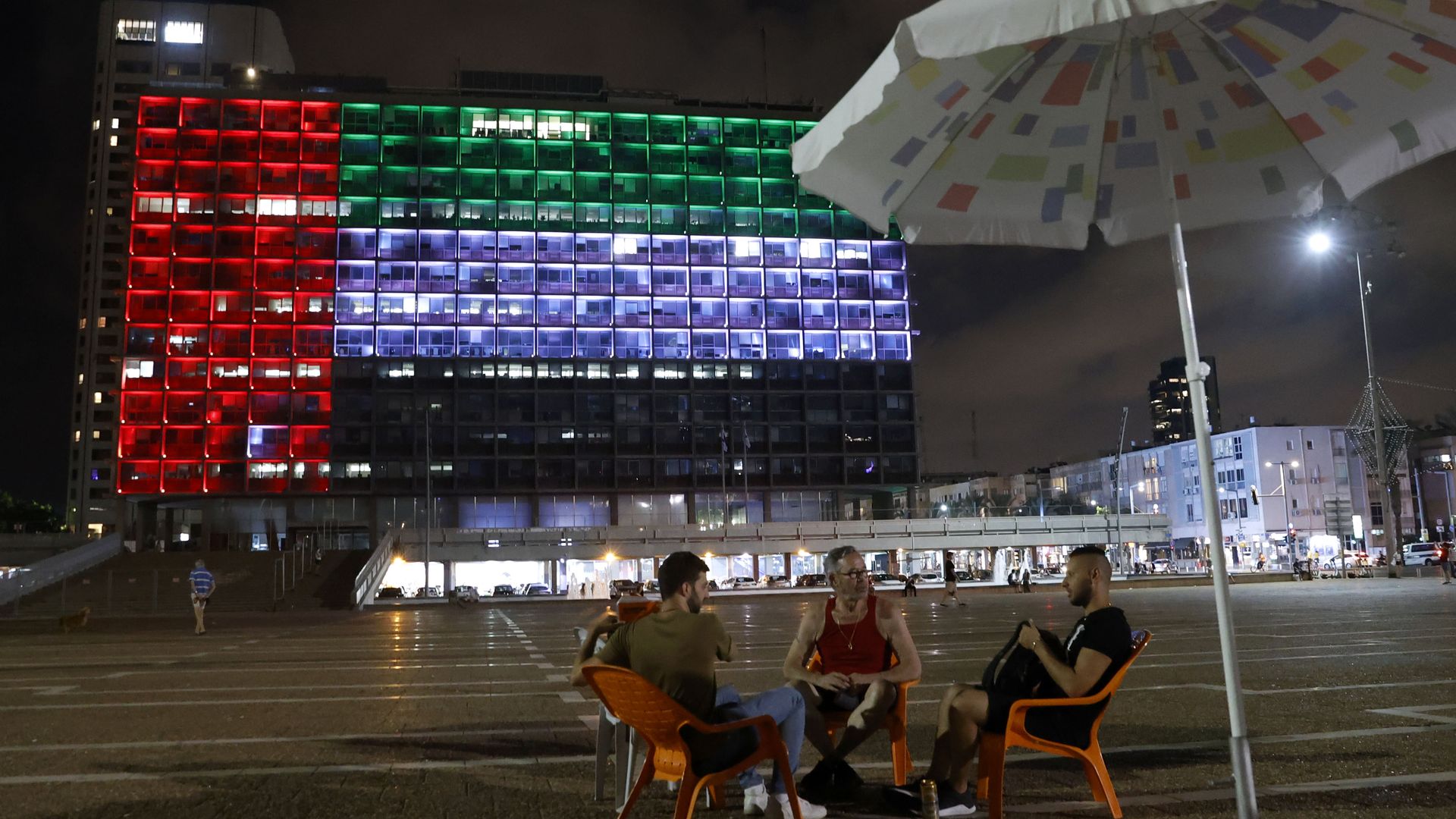
The United Arab Emirates on Sunday unblocked Israeli websites and direct international phone lines with Israel in a first step following the U.S.-brokered normalization deal announced last week, Israeli officials said.
Why it matters: The U.S. and Israel have tried for years to get the UAE and other Gulf states to establish direct phone service. The Obama administration asked the UAE to do so in support of special envoy George Mitchell’s peace initiative and again during Secretary of State John Kerry’s peace initiative, but the UAE refused.
Over the past several weeks, the coronavirus has killed Americans at six times the average rate in other rich countries. And we’re recording about eight times more infections.
Why it matters: The virus burned through the rich world like wildfire in the spring, but this new data confirms that the U.S. is one of very few wealthy countries that have failed to suppress it since then.
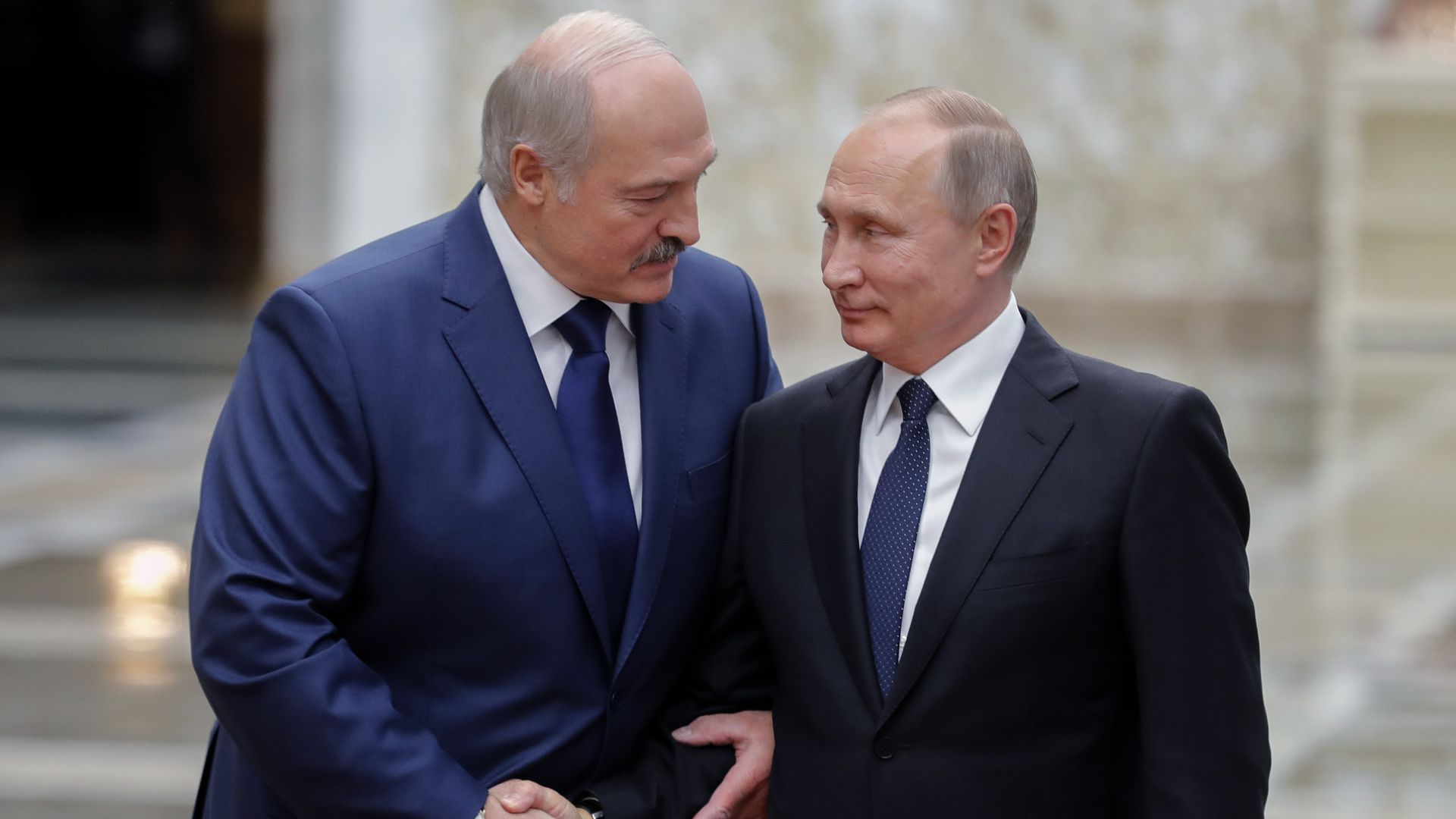
Belarus' President Alexander Lukashenko said Saturday his Russian counterpart, Vladimir Putin, had pledged "comprehensive security assistance," as protests over last week's elections continue to sweep the country, per state news agency Belta.
Why it matters: The statement adds to tensions in Belarus, where authorities have cracked down on demonstrations over last Sunday’s presidential elections, which Lukashenko claimed to have won in a landslide but which has been widely viewed as rigged. At least one protester has died, hundreds have been injured and thousands have been arrested during the unrest. Many have been tortured, the Financial Times notes.
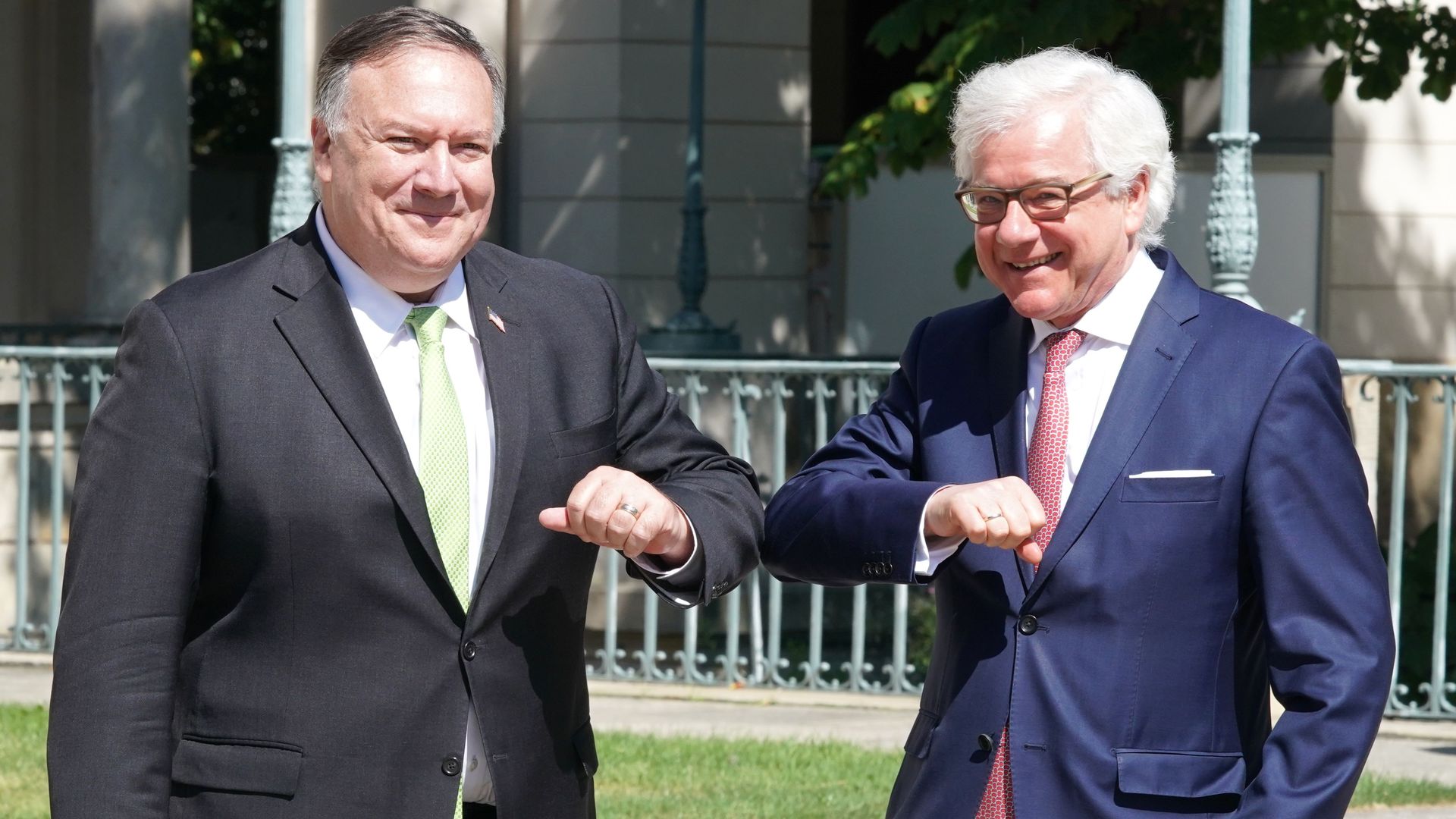
Secretary of State Mike Pompeo and Polish Defense Minister Mariusz Błaszczak signed an agreement on Saturday that paves the way for an increased presence of U.S. troops in the European country.
Why it matters: The deal is a part of the Trump administration's plan to withdraw some 12,000 troops from Germany and redeploy about 5,400 of them to other European countries.