The TikTok shot clock is down to just 25 days, by which time it either has a deal for its U.S. business or has a presidential shutdown notice pinned to its back.
The state of play: Everyone is taking this timeline very seriously. It's possible that President Trump would give an extension, or find another rhetorical wriggle to save millennial face, but those close to the situation say it's a risk they have no intention of taking.
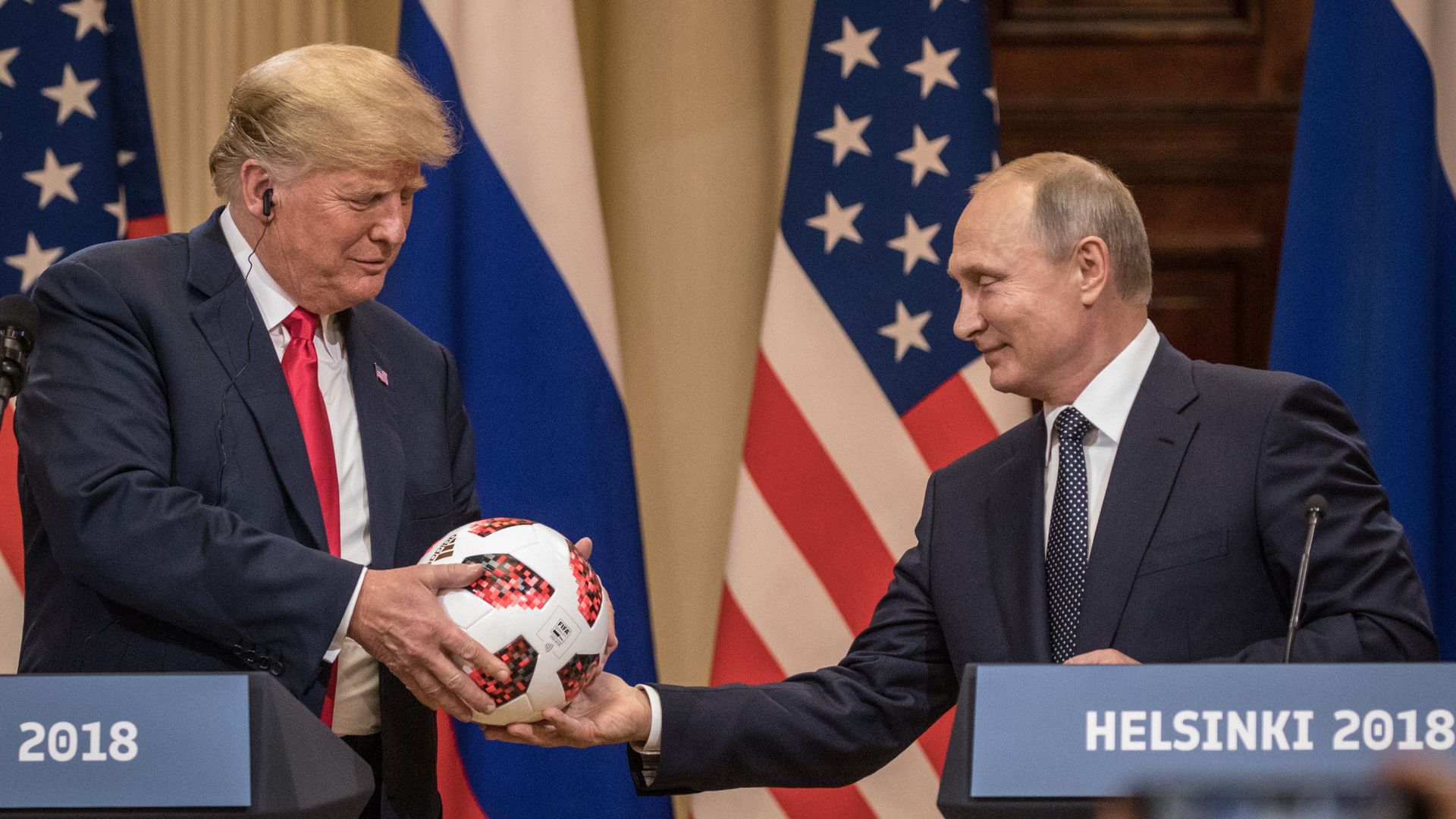
Negotiations resumed in Vienna this week on a top Trump priority and potential election year twist: a U.S.-Russia nuclear agreement.
Why it matters: In the next several months, President Trump and Vladimir Putin could either sign a framework for the future of arms control or put the last major treaty constraining the world’s two largest nuclear arsenals on course for expiration in February.
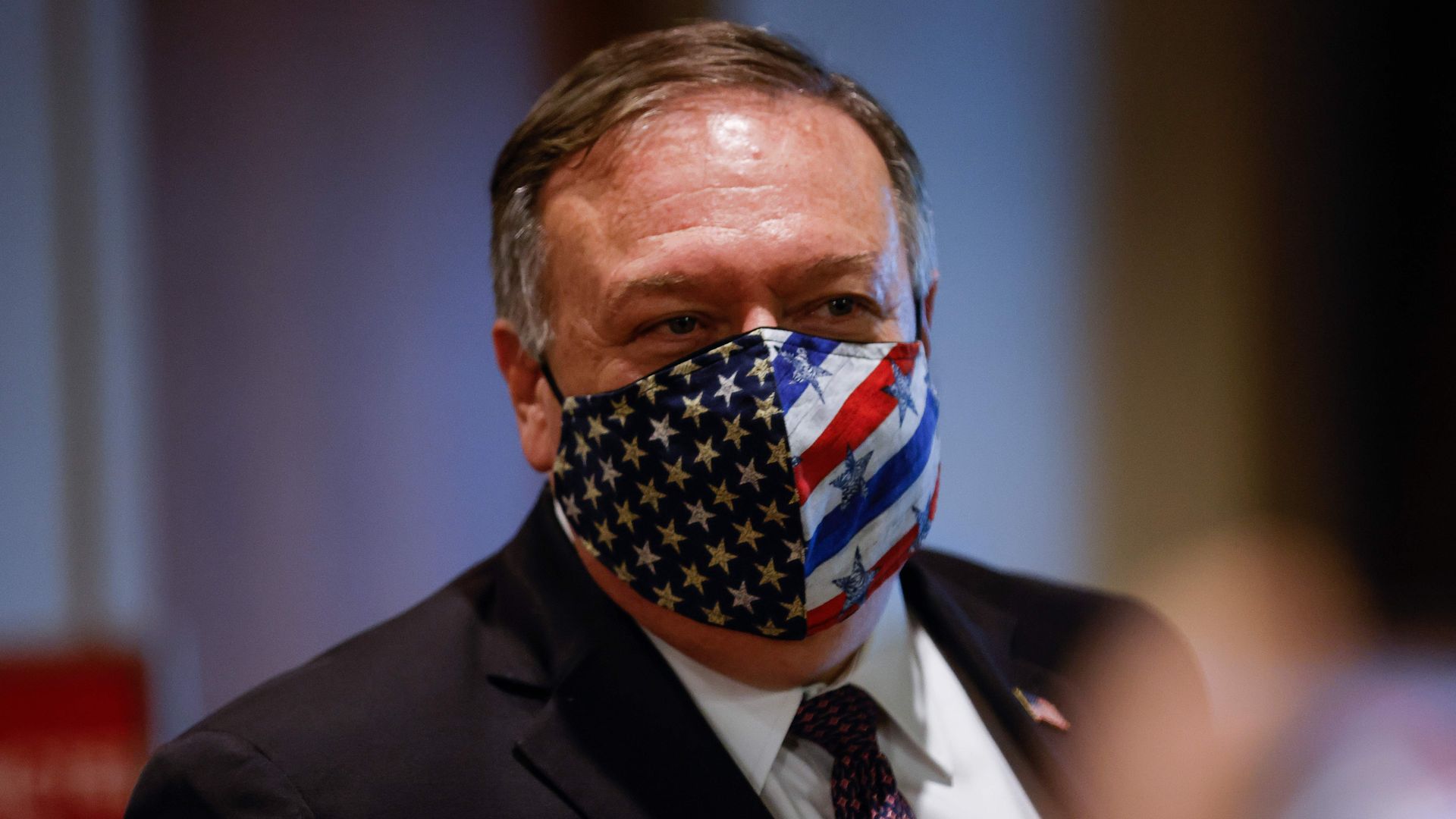
The U.S. has officially demanded that sanctions on Iran lifted under the 2015 nuclear deal be brought back into force, setting the stage for a major diplomatic showdown at the UN Security Council.
Why it matters: The U.S. controversially withdrew from the Iran deal in 2018, but is now invoking its terms in an attempt to restore sanctions on Iran — and possibly to destroy the deal before a potential Biden administration could salvage it. This move is opposed by all of the deal's other signatories.
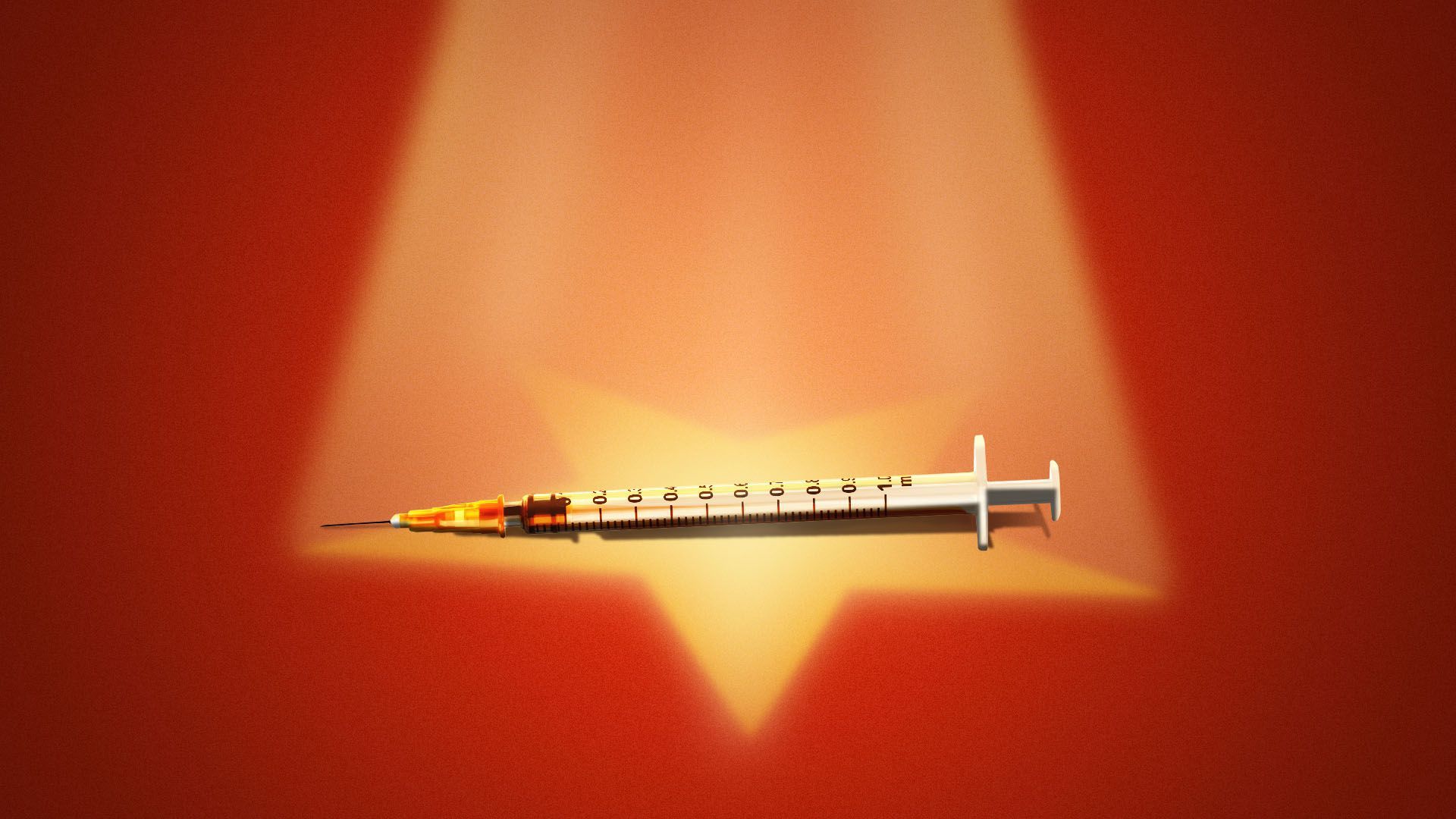
As the global race for a COVID-19 vaccine heats up, the U.S. is looking to prove it can deliver in a national crisis while China is in its own moment to demonstrate its scientific capabilities.
The big picture: Beyond protecting citizens and bolstering the economy, displays of scientific prowess and tilting geopolitics are driving the development of new vaccines and drugs.
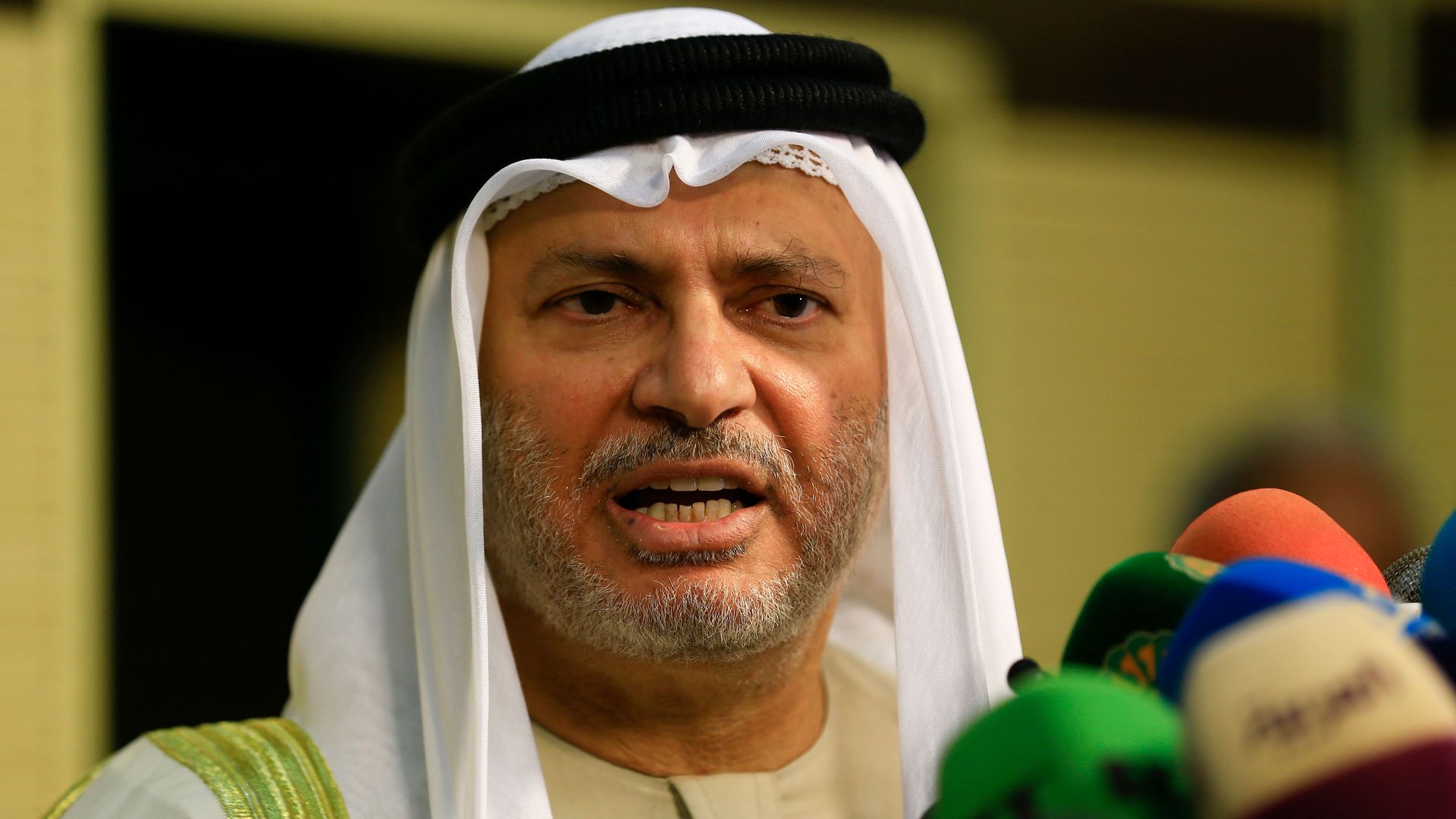
The UAE's Minister of State for Foreign Affairs, Anwar Gargash, said Thursday that his country's normalization deal with Israel should "make it easier" to buy F-35 fighter jets from the U.S..
Why it matters: Israel is the only country in the Middle East to possess the F-35, America's most advanced fighter aircraft, and reports that Prime Minister Benjamin Netanyahu signed off on potential sales to the UAE — which he denies — ignited a political controversy in Israel.
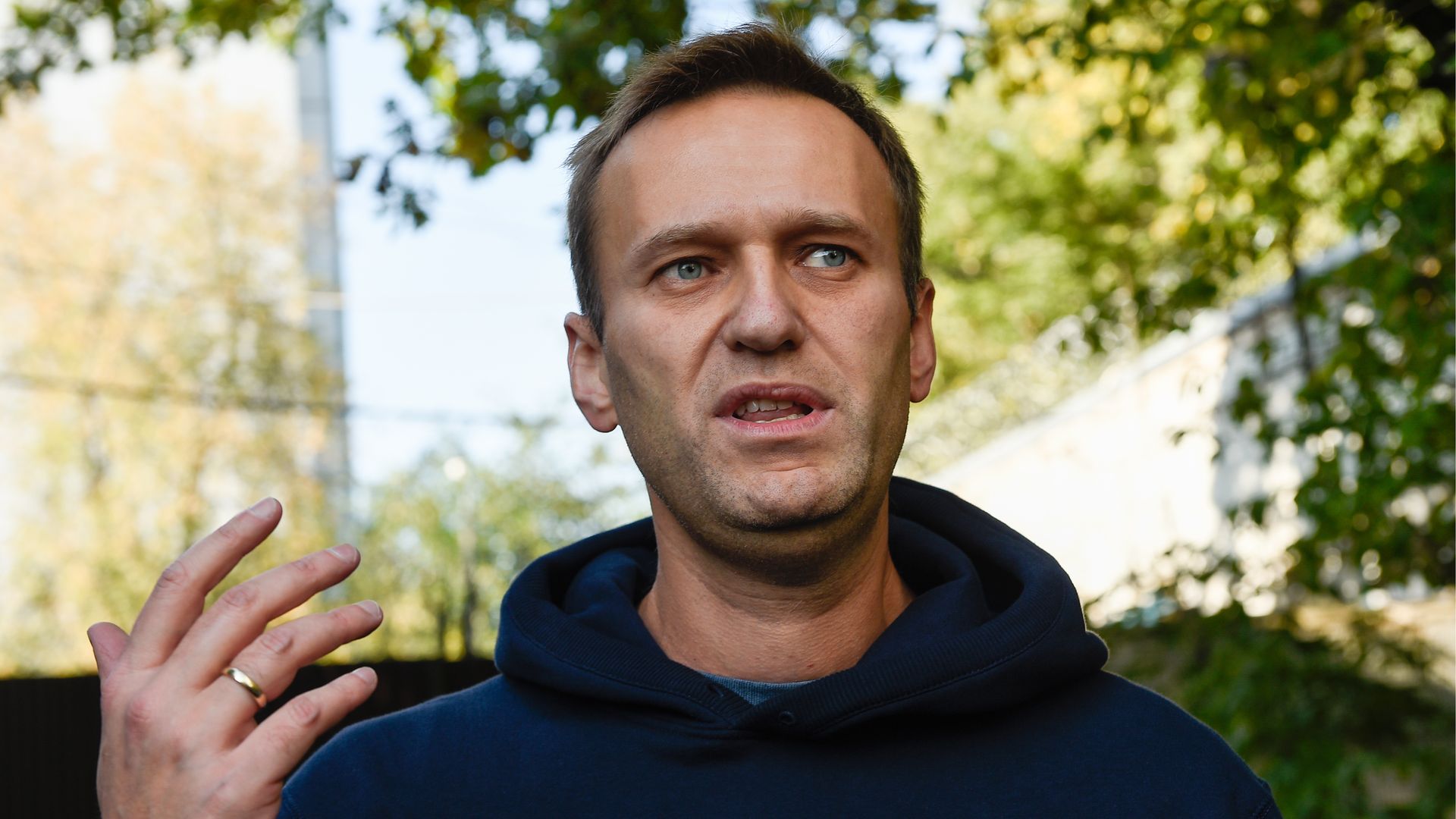
Russian opposition leader Alexei Navalny is in the intensive care unit of a Siberian hospital after being left unconscious from a poisonous toxin believed to have been mixed in his tea, his press secretary, Kira Yarmash, tweeted Thursday.
Why it matters: The anti-corruption lawyer is the face of Russia's domestic opposition to President Vladimir Putin. His activism has led to him being targeted by authorities in raids and jailed dozens of times. Navalny was hospitalized in 2019 after his doctor said he was poisoned with "undefined chemical substances."
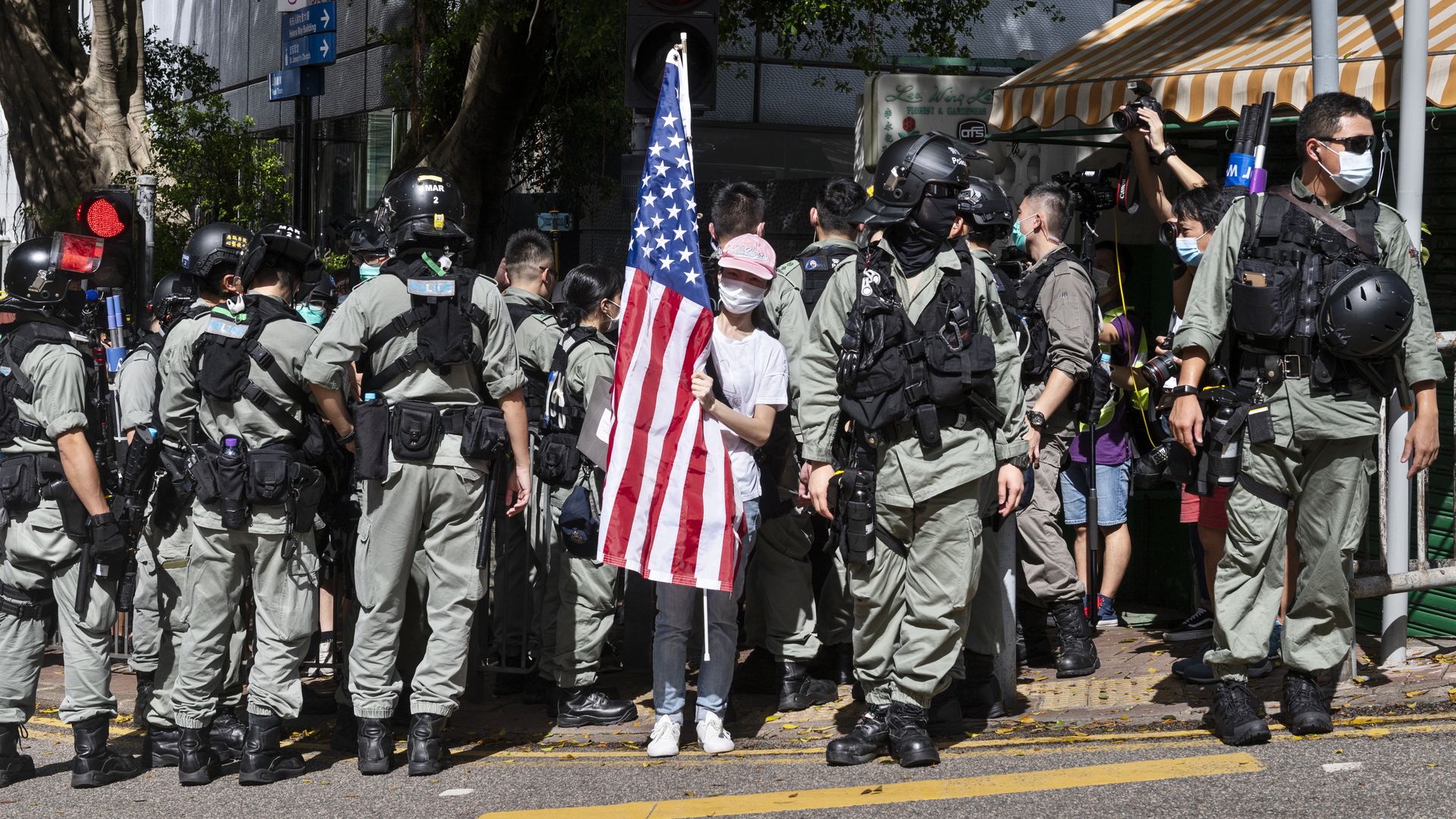
The U.S. has suspended its extradition treaty with Hong Kong and ended reciprocal tax exemptions on shipping over concerns Beijing's national security law imposed on the former British colony diminishes its autonomy, the State Department confirmed Wednesday.
Sweden recorded its highest death tally since 1869 in the first half of 2020 — and COVID-19 pushed the toll 10% higher than the average for the period over the past five years.
Why it matters: The figures released by government agency Statistics Sweden Wednesday showing 51,405 people died from January to June coincide with the country taking a more relaxed approach to the pandemic. Schools and businesses have remained open and the nation took a "herd immunity" approach.