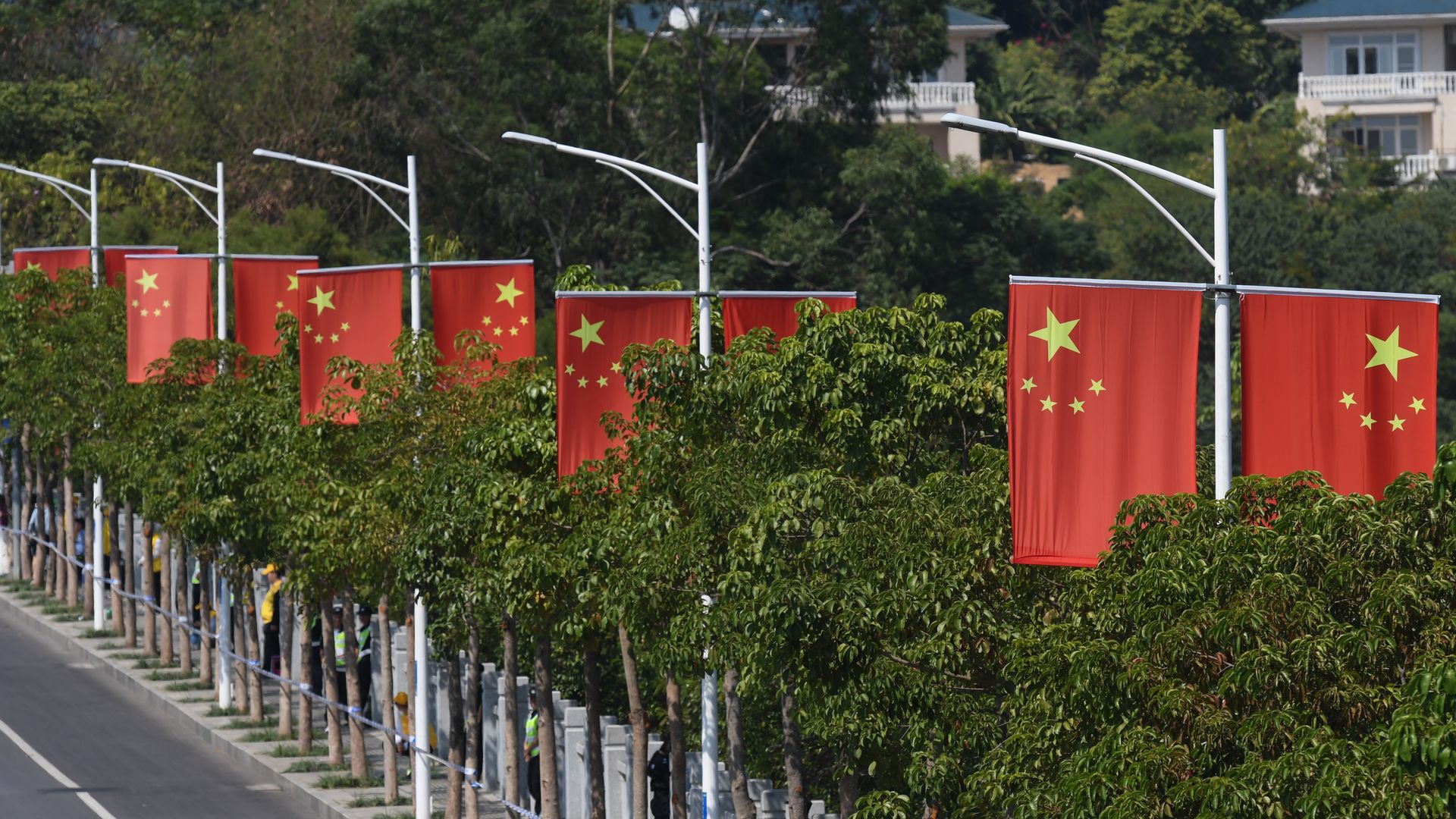
A Chinese spy has defected to Australia, offering a bevy of secrets on Chinese intelligence operations, according to Australian newspaper The Age.
Why it matter: Wang “William” Liqiang is the first Chinese operative to "blow his cover," The Age reports. He provided Australia information on Chinese political interference in Australia, Hong Kong and Taiwan, along with the identities of senior Chinese military intelligence officers in Hong Kong.
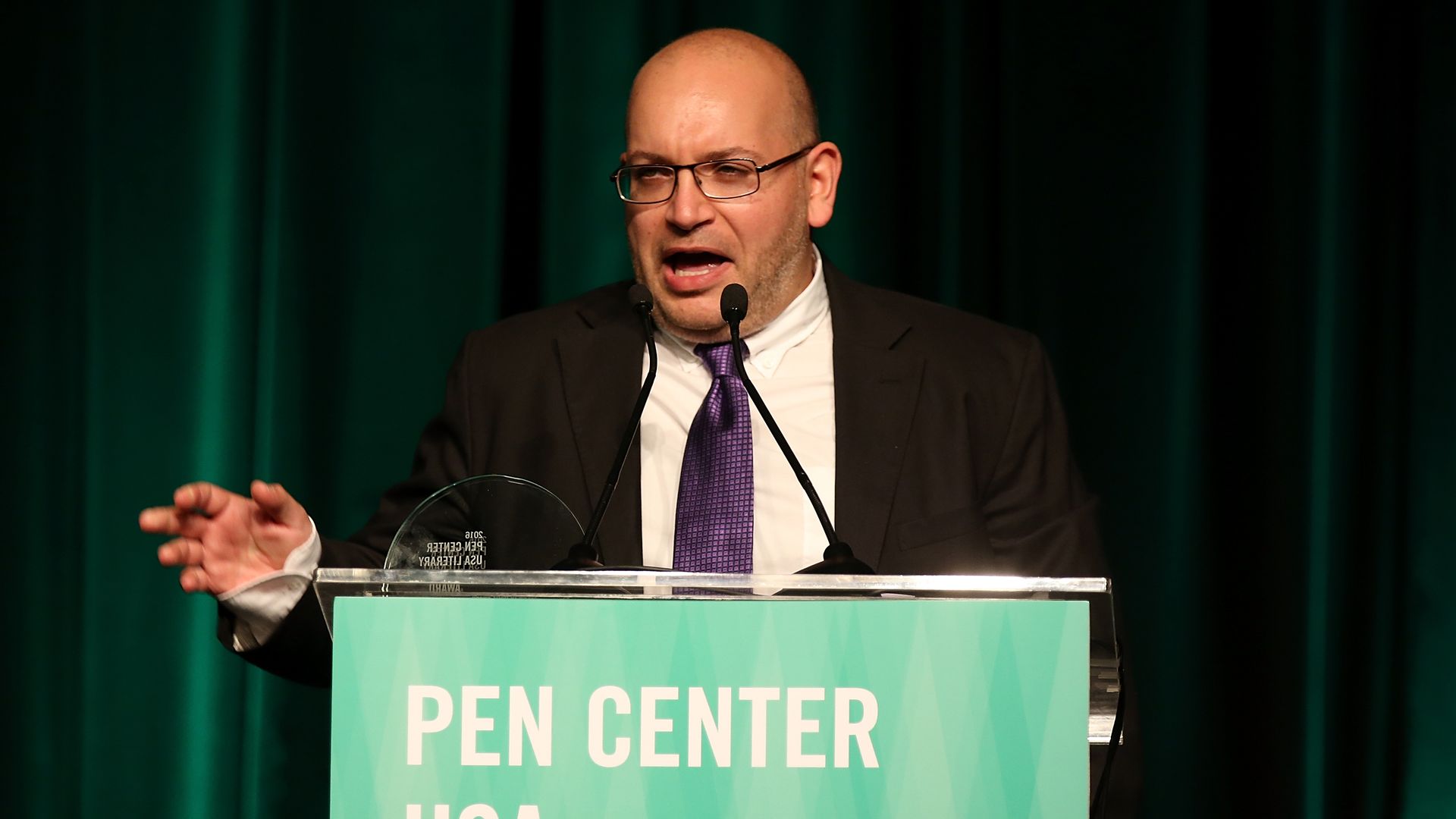
A federal judge on Friday ordered the Iranian government to pay journalist Jason Rezaian $180 million in damages for his 18-month detention, saying he was used as leverage in diplomatic talks with the U.S. in 2014, the Washington Post reports.
Flashback: Rezaian was a Washington Post correspondent in Tehran when Iranian authorities took him and his wife into custody amid U.S.-Iran nuclear talks. While she was released two months thereafter, Rezaian was let go in Jan. 2016 as part of a prisoner swap between the two nations on the same day the nuclear agreement was implemented.
Intelligence officials recently briefed senators and their aides on Russian efforts to pin interference in the 2016 U.S. election on Ukraine, the New York Times reports.
Why it matters: As part of their defense of President Trump amid the impeachment inquiry, Republicans have tried to advance the now-debunked conspiracy theory that the government in Kiev was responsible for hacking the 2016 election.
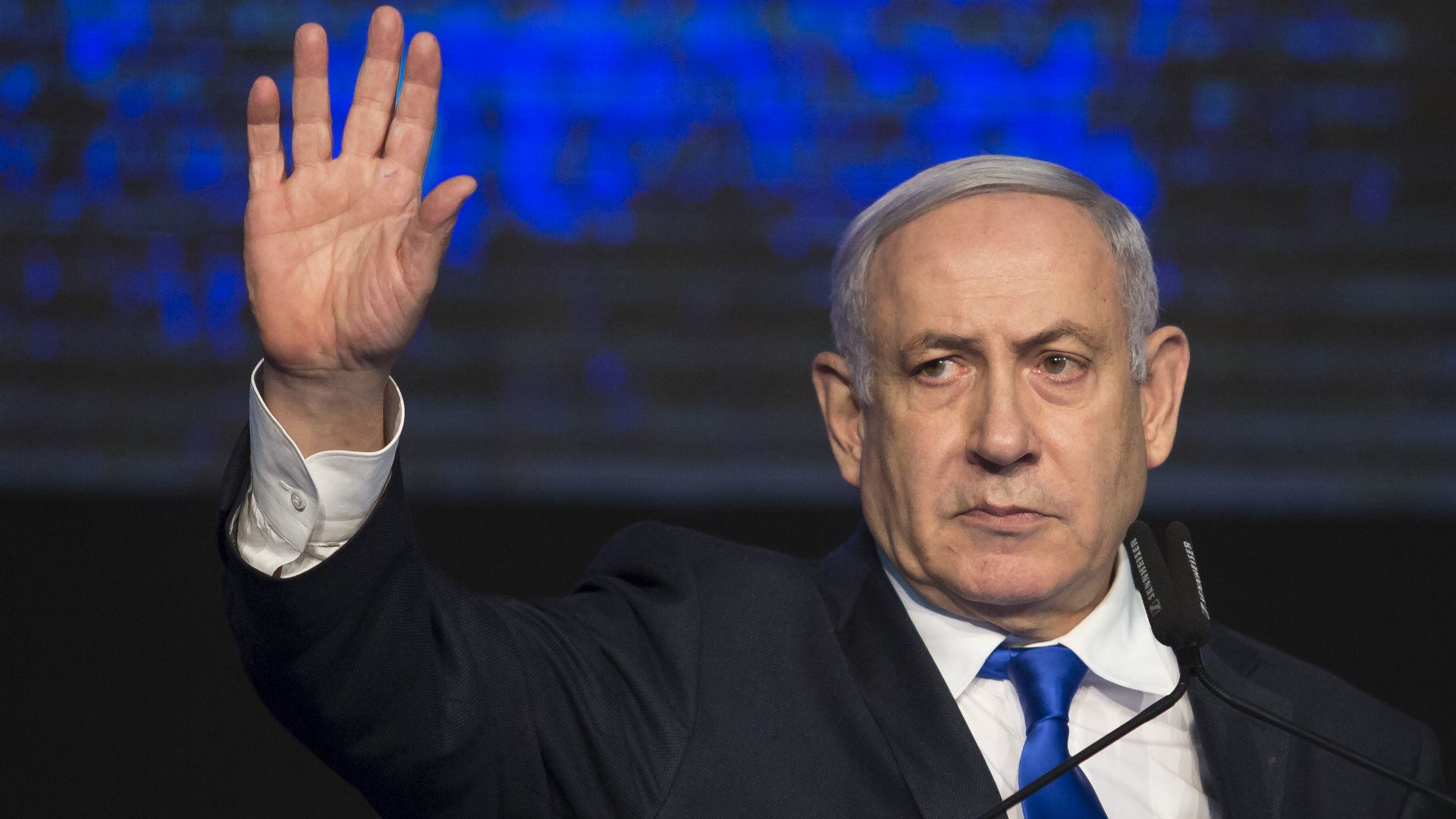
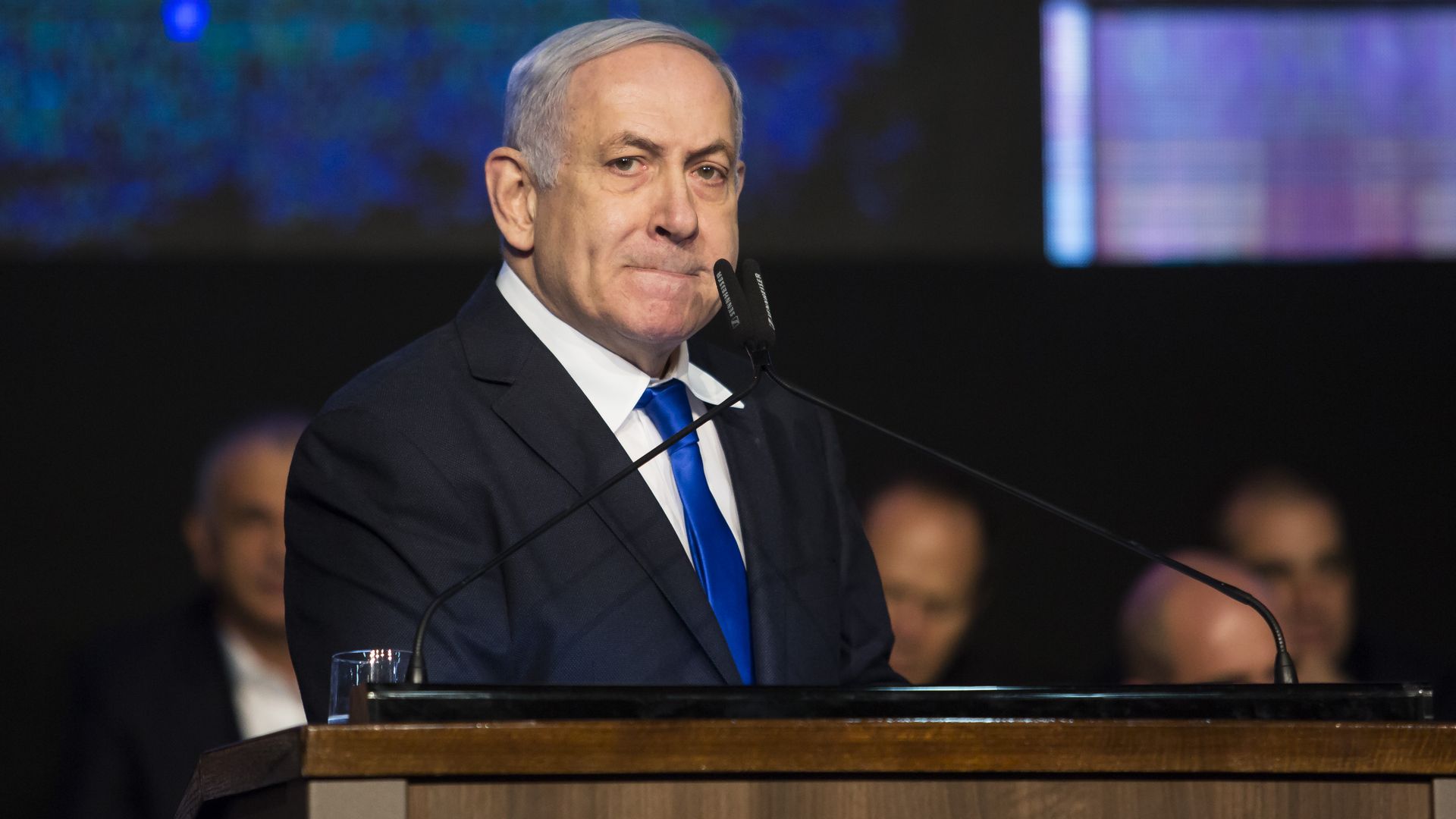
Israeli Prime Minister Benjamin Netanyahu has denounced the corruption indictments leveled against him Thursday as an “attempted coup” and a witch hunt. He’s vowing to stay put, and planning a public campaign against the attorney general, state prosecutors and the police.
Driving the news: Thursday's announcement from Attorney General Avichai Mandelblit, though long-anticipated, was a political earthquake. The indictments for bribery, fraud and breach of trust made Netanyahu the first Israeli prime minister to face criminal charges.
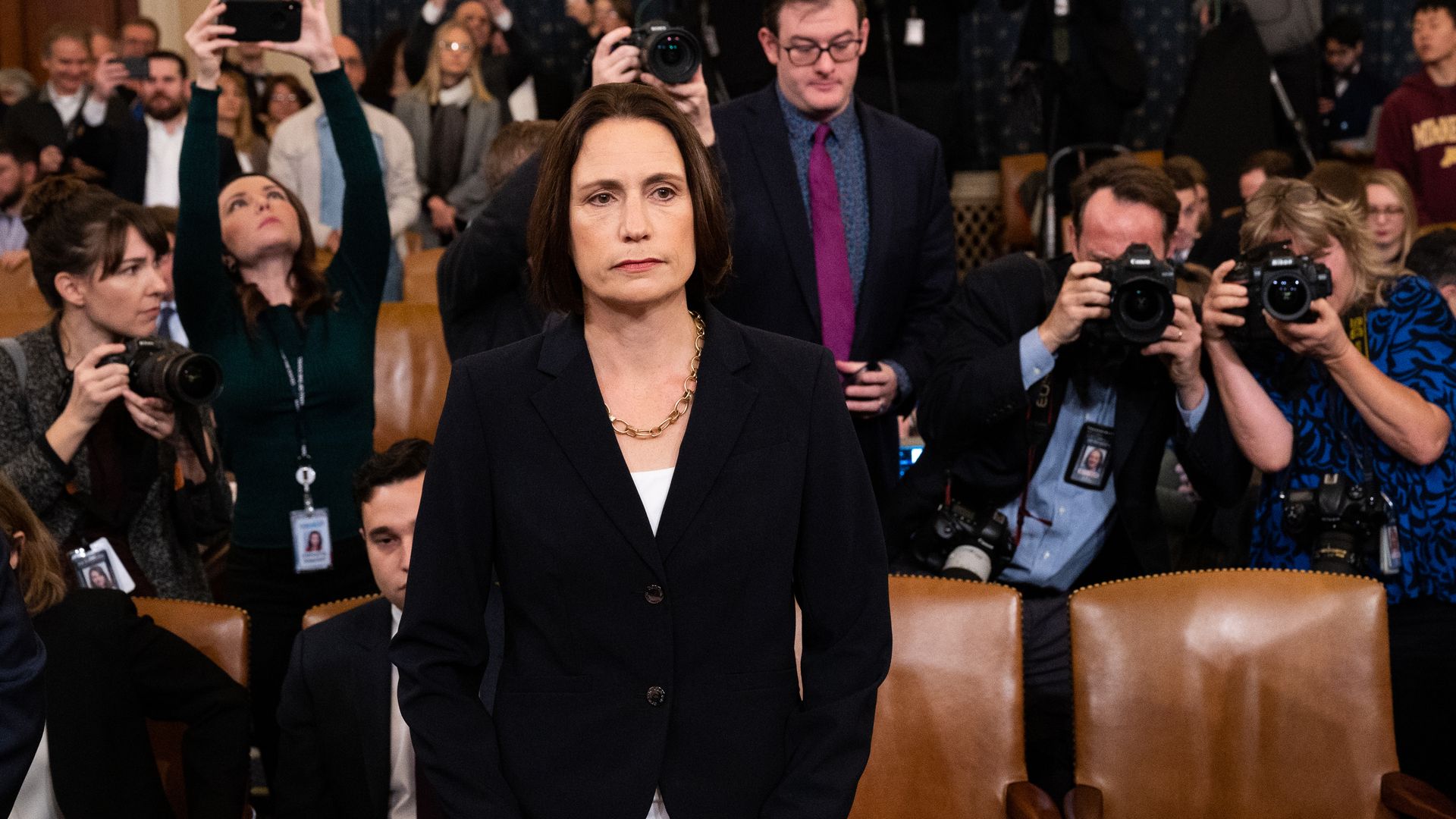
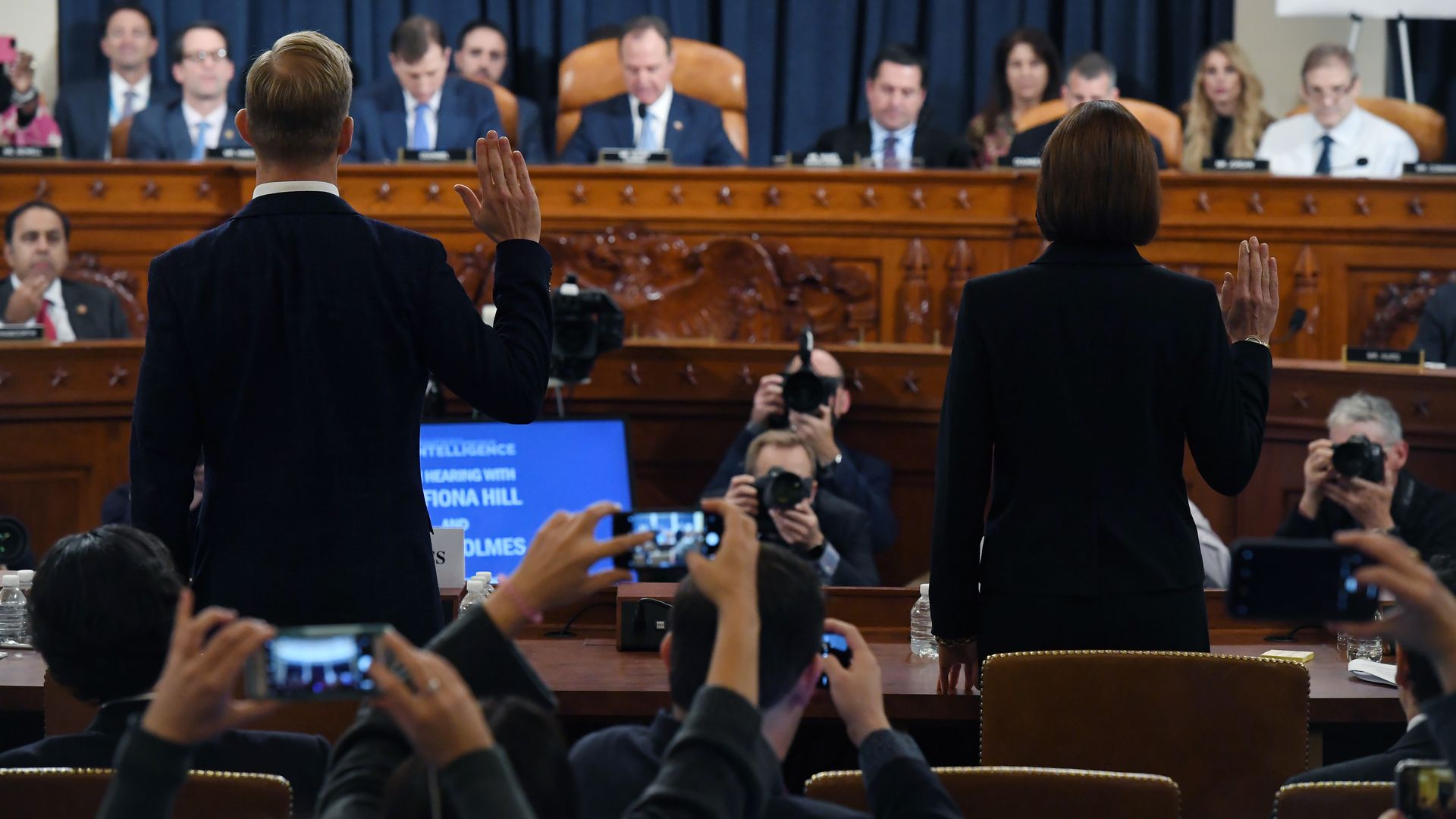
Fiona Hill, President Trump's former top Russia adviser, and David Holmes, a State Department official at the U.S. Embassy in Ukraine, testified in Thursday's impeachment hearing.
Driving the news: Hill testified she had a conflict with EU Ambassador Gordon Sondland over his claim that he was working on Ukraine policy at Trump's direction — to pursue what she termed a "domestic political errand."
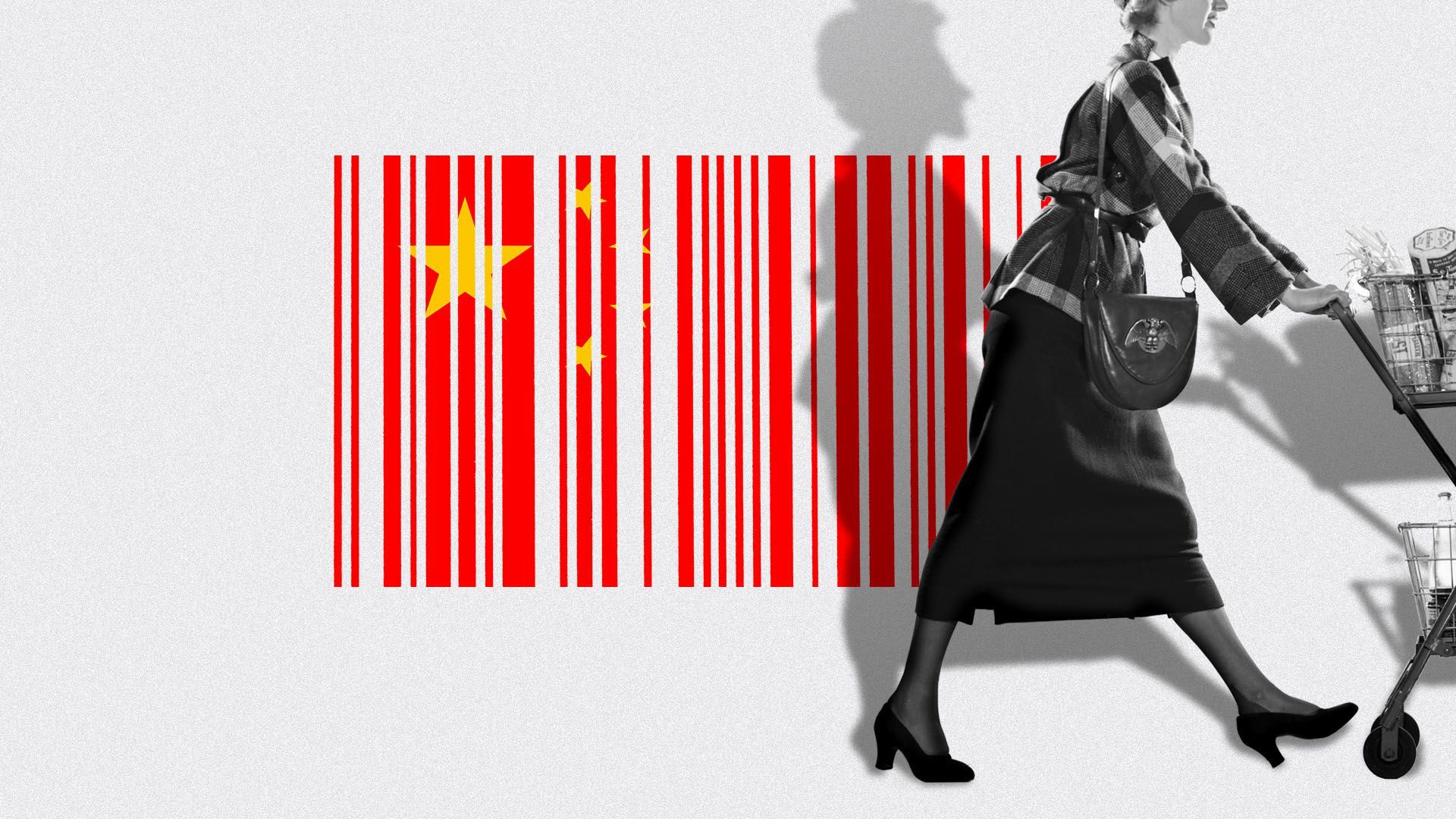
American consumers are quite familiar with many of the big-name foreign products — Toyota, Samsung, to name a couple — but brands from China are virtually invisible.
The big picture: Chinese companies doing business in the U.S. are doing their best to hide where they come from. If they're not actively masking their home country, they're certainly not leading with it.
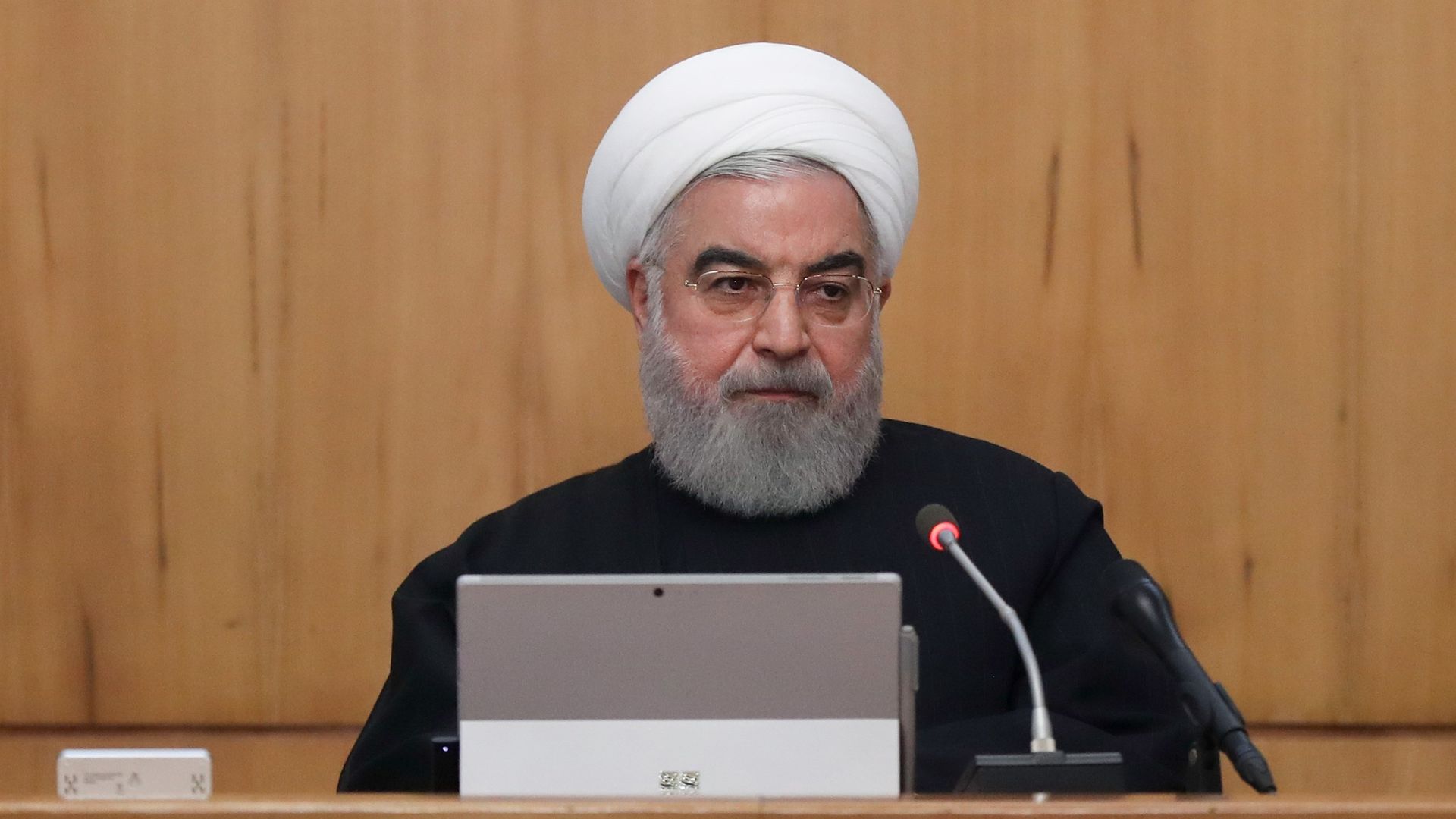
As protests over gas prices erupted last weekend, Iranian officials cut the nation's access to the internet. On Wednesday, according to state media, the government declared victory over the protests. Yet the internet has only begun to trickle back online.
Why it matters: Keeping the internet off prevented global reporting of police abuses and prevents domestic coordination between protestors, Adrian Shahbaz of the human rights group Freedom House told Axios.
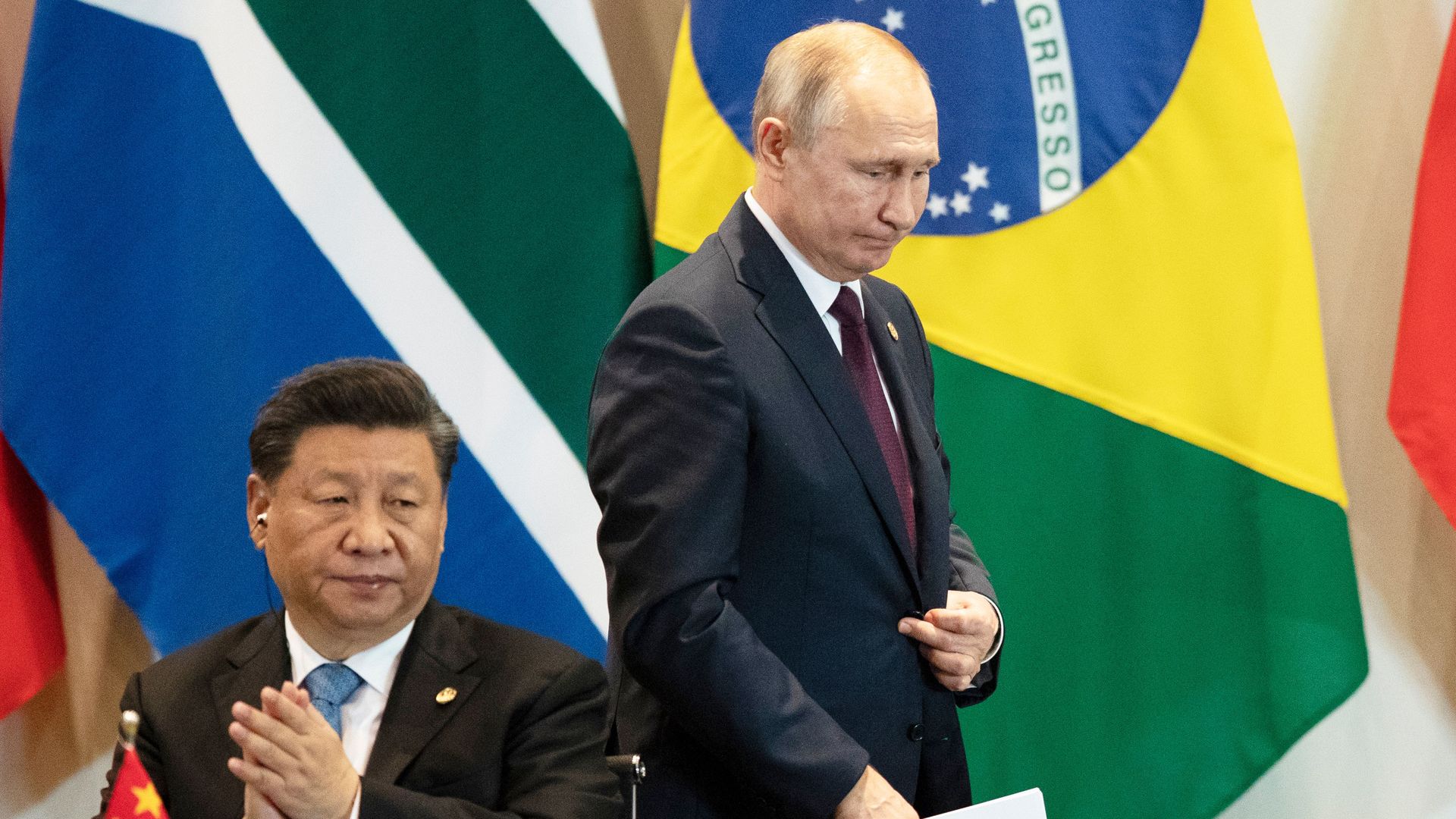
The United Nations adopted an anti-cybercrime pact backed by China, North Korea and Russia Monday, against the wishes of U.S. and pro-civil liberty groups.
The big picture: For years, the United States has squared off with more repressive nations over global internet norms. The U.S. wants countries to offer citizens maximal access to the global internet, while Russia and others argue that countries should have "internet sovereignty" to block websites critical of governments and to punish online dissidents.
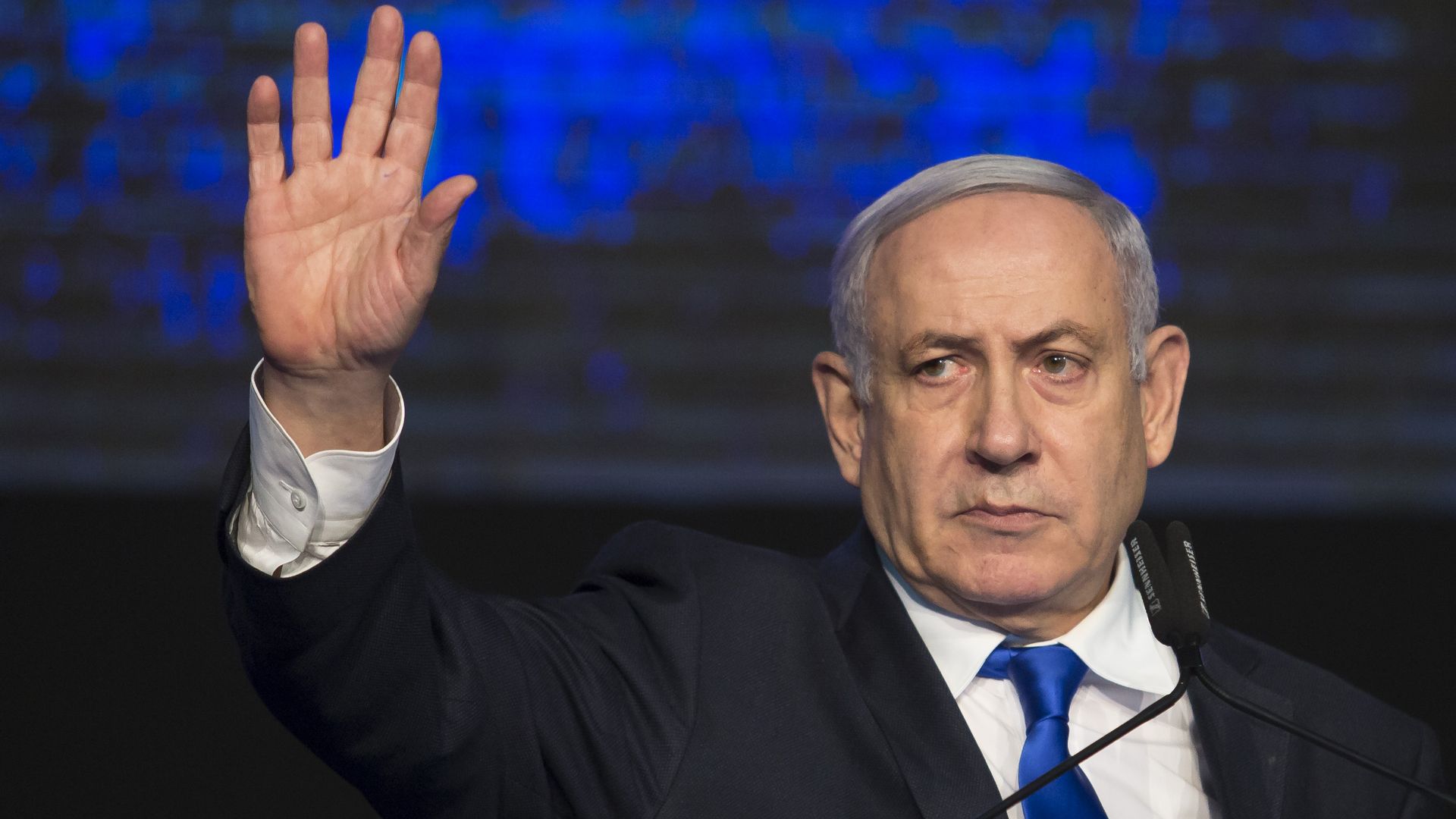
Israeli Prime Minister Benjamin Netanyahu has been indicted in all three corruption cases against him — for bribery, fraud and breach of trust. He has claimed the indictments are "an attempted coup" to topple him and his right-wing government.
Why it matters: This is the first time in Israeli history that a sitting prime minister has faced criminal charges. Israel's attorney general sent the indictments to Netanyahu's lawyers and to the speaker of the Knesset — Israel's parliament — in order to begin the process of stripping him of his parliamentary immunity, the Justice Ministry said in a statement.
After months in which the Commerce Department indicated it might ease some trade restrictions on Chinese tech giant Huawei, some U.S. companies are beginning to receive waivers allowing them to supply Huawei with components, according to reports in the Wall Street Journal and elsewhere.
Why it matters: U.S. companies were making millions of dollars selling chips, software and other components to Huawei until the Trump administration put the company on a trade blacklist, largely over national security concerns.
Israeli attorney general Avichai Mandelblit will announce his decisions on potential indictments against Prime Minister Benjamin Netanyahu in three corruption cases during a press conference in Jerusalem at 19:30 local time (12:30 EST)
Why it matters: The looming indictments have plunged Israel into a political deadlock following an inconclusive election two months ago. Netanyahu and Benny Gantz both failed to form coalitions, and a proposed national unity government has been blocked because Gantz refuses to serve under a prime minister facing corruption charges and Netanyahu refuses to step aside as prime minister because the indictments threaten his political survival.
Former White House official Fiona Hill told Thursday's impeachment hearing that a "fictional narrative" about Ukraine, driven by partisan politics, distracted President Trump from the real threat that Russia poses to America's democracy.
Why she matters: Hill, who left last summer as Trump's top adviser on Russia and Europe, gives House investigators a window into former national security adviser John Bolton's objections to Trump's Ukraine activities. In closed testimony last month, Hill said Bolton called Rudy Giuliani a "hand grenade that is going to blow everybody up."