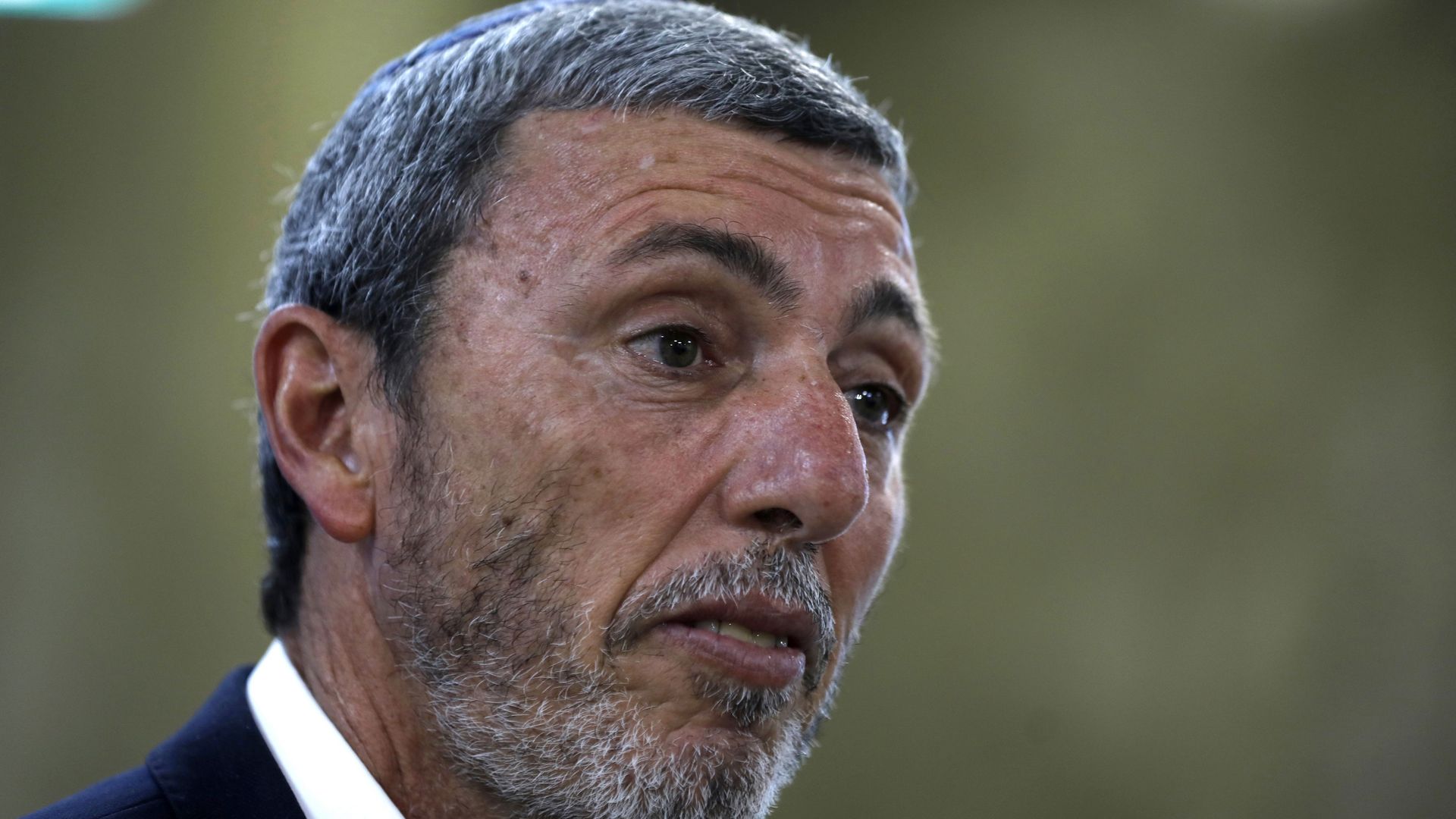
Israel's newly appointed Minister of Education Rafi Peretz said at a Cabinet meeting on July 1 that the rate of intermarriage among U.S. Jews is "like a second Holocaust," according to 3 people who were in the room.
Why it matters: Peretz, a former chief rabbi of the Israeli army, is the leader of a bloc of ultra right-wing religious parties. Prime Minister Benjamin Netanyahu was personally involved in forming this political bloc, which also includes the Jewish supremacist "Jewish Power" party. If Netanyahu wins the upcoming elections, Peretz will likely stay on as education minister.
Hong Kong Chief Executive Carrie Lam told a news conference Tuesday a controversial extradition bill that triggered a wave of weeks-long mass protests "is dead." But protesters have vowed to continue with demonstrations, AP reports.
Details: Lam admitted the bill was a "total failure." Protesters have called for her to resign. They remain worried the extradition bill could be reintroduced. At the news conference, Lam did not address whether the proposed law had been officially withdrawn.
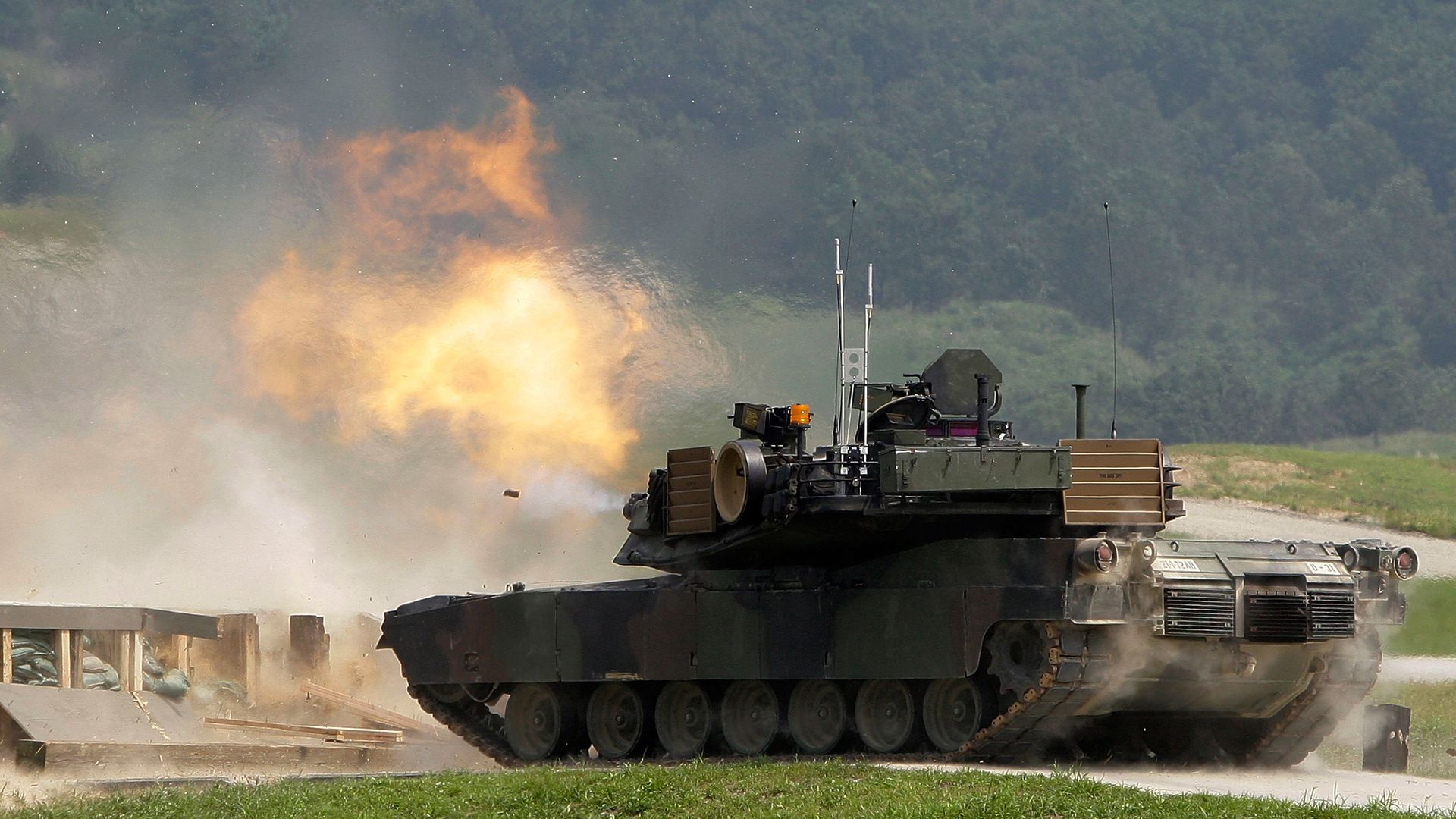
Congress has been notified that the State Department has approved a potential $2.2 billion sale of M1A2T Abrams tanks, Stinger missiles and related equipment to Taiwan, the Pentagon announced Monday.
Why it matters:Reuters notes China’s Foreign Ministry urged the U.S. last month when the move was first reported to halt such sales to avoid harming bilateral ties. China regards the self-ruled Taiwan as a breakaway province. It's become a flashpoint in the U.S.-China relationship. The announcement comes as trade tensions between the 2 countries have been ratcheting down.
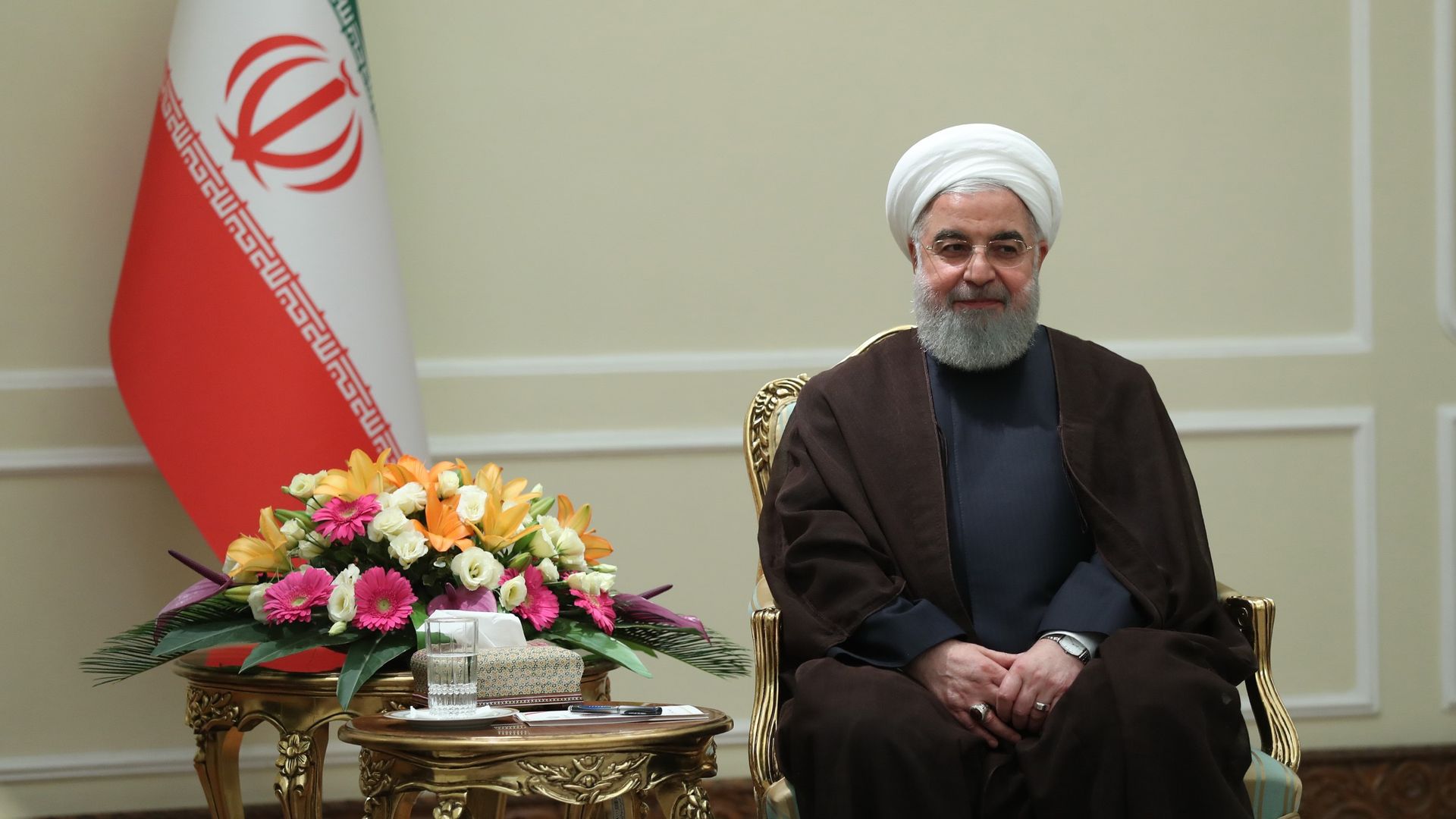
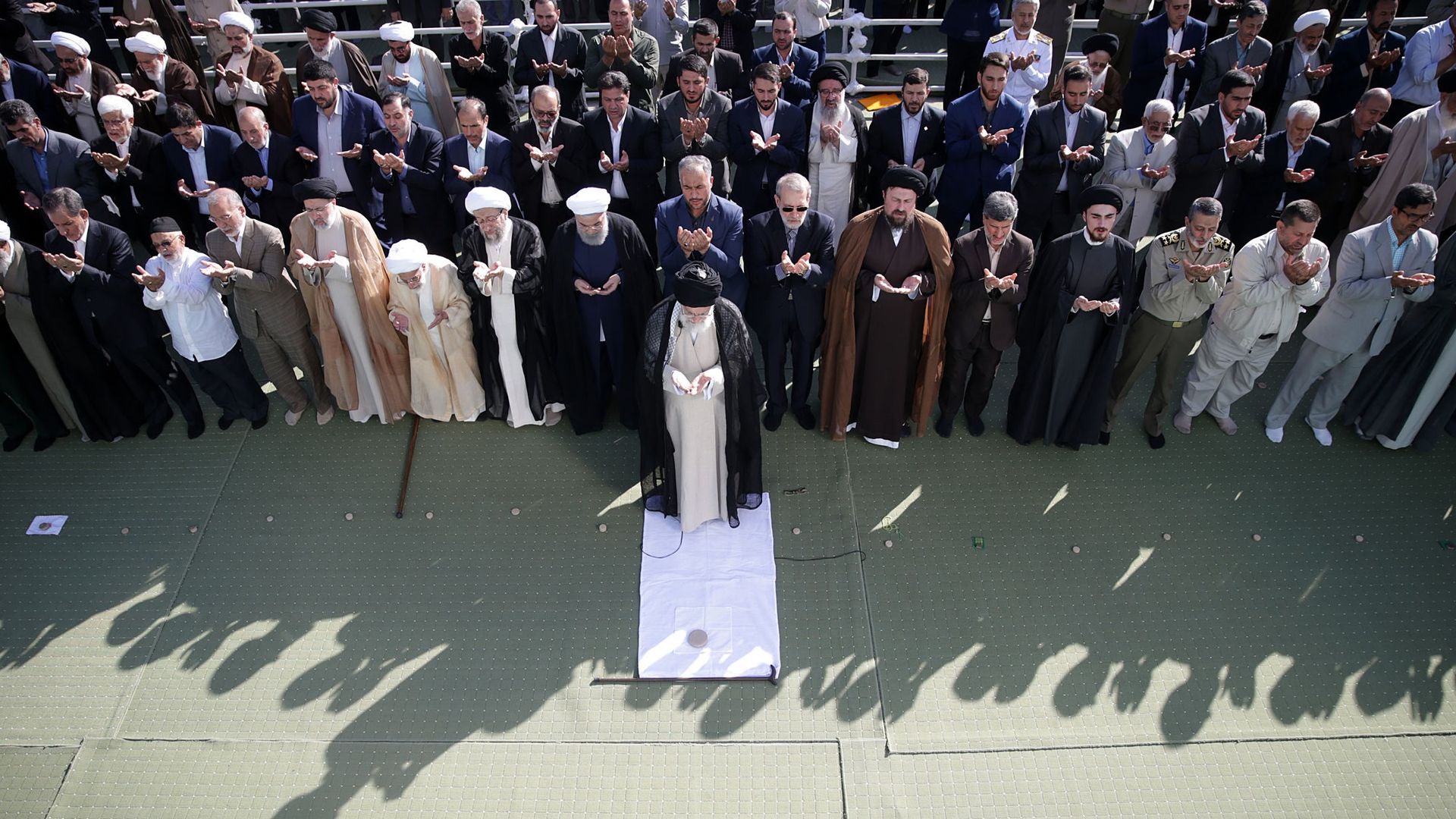
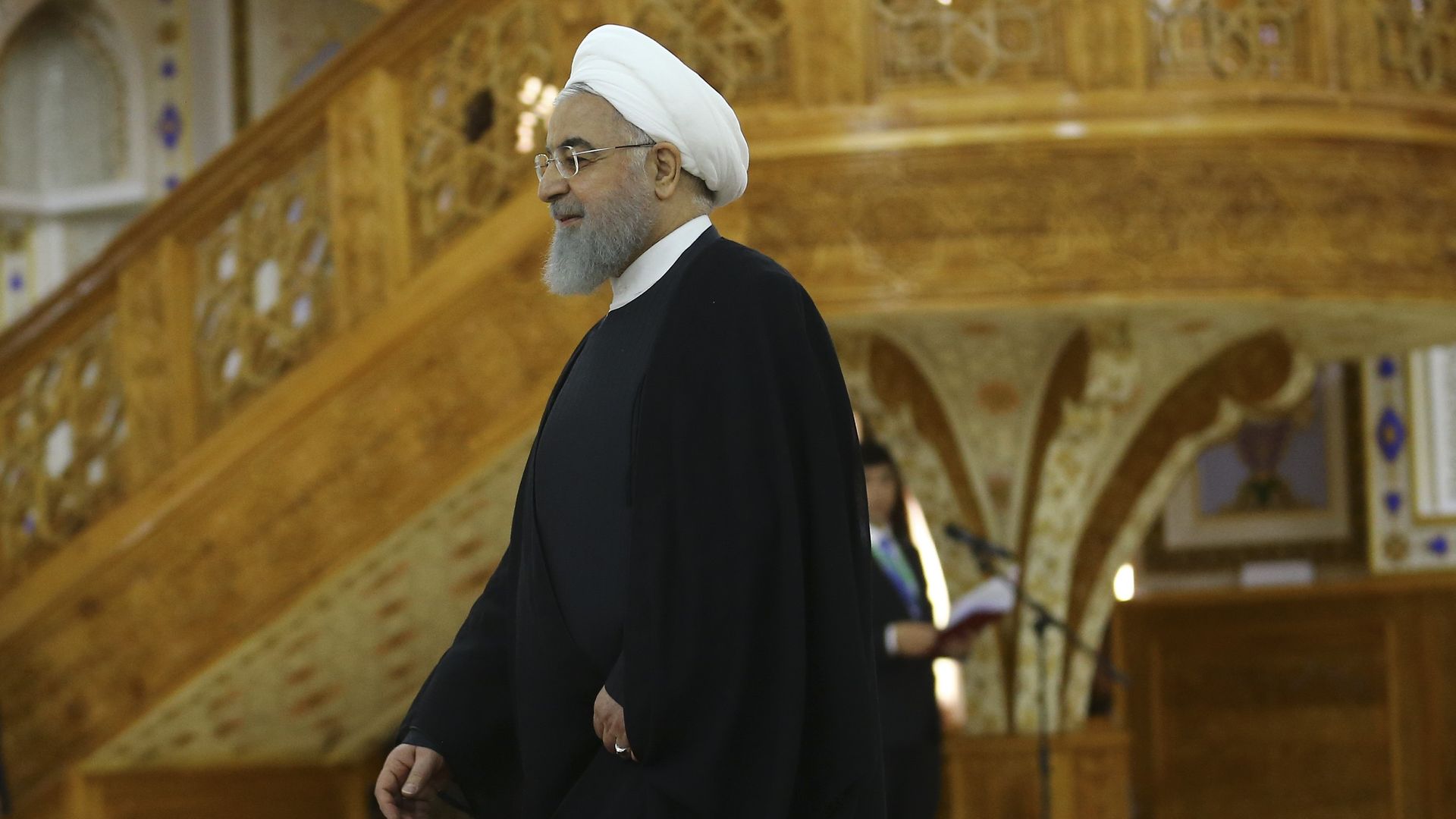
Iran has followed through on its threat to enrich uranium beyond the purity limit set under the 2015 nuclear deal, the UN's nuclear watchdog confirmed today.
Why it matters: Iran is attempting to loosen its sanctions chokehold by demonstrating to the U.S. that there are costs to "maximum pressure," and to the deal's other signatories that, absent a stronger economic lifeline to Tehran, they could soon be facing a nuclear crisis.
By continuing to breach caps imposed on its nuclear program, Iran is seeking to refocus Washington's attention on the nuclear issue and steer the Trump administration toward an approach more like those of his predecessors, Presidents Bush and Obama.
Why it matters: With these incremental, “reversible” transgressions of the 2015 nuclear deal, Iran may try to force the U.S. to settle for what President Trump has termed a “bad deal,” rather than risk further nuclear or regional escalation.
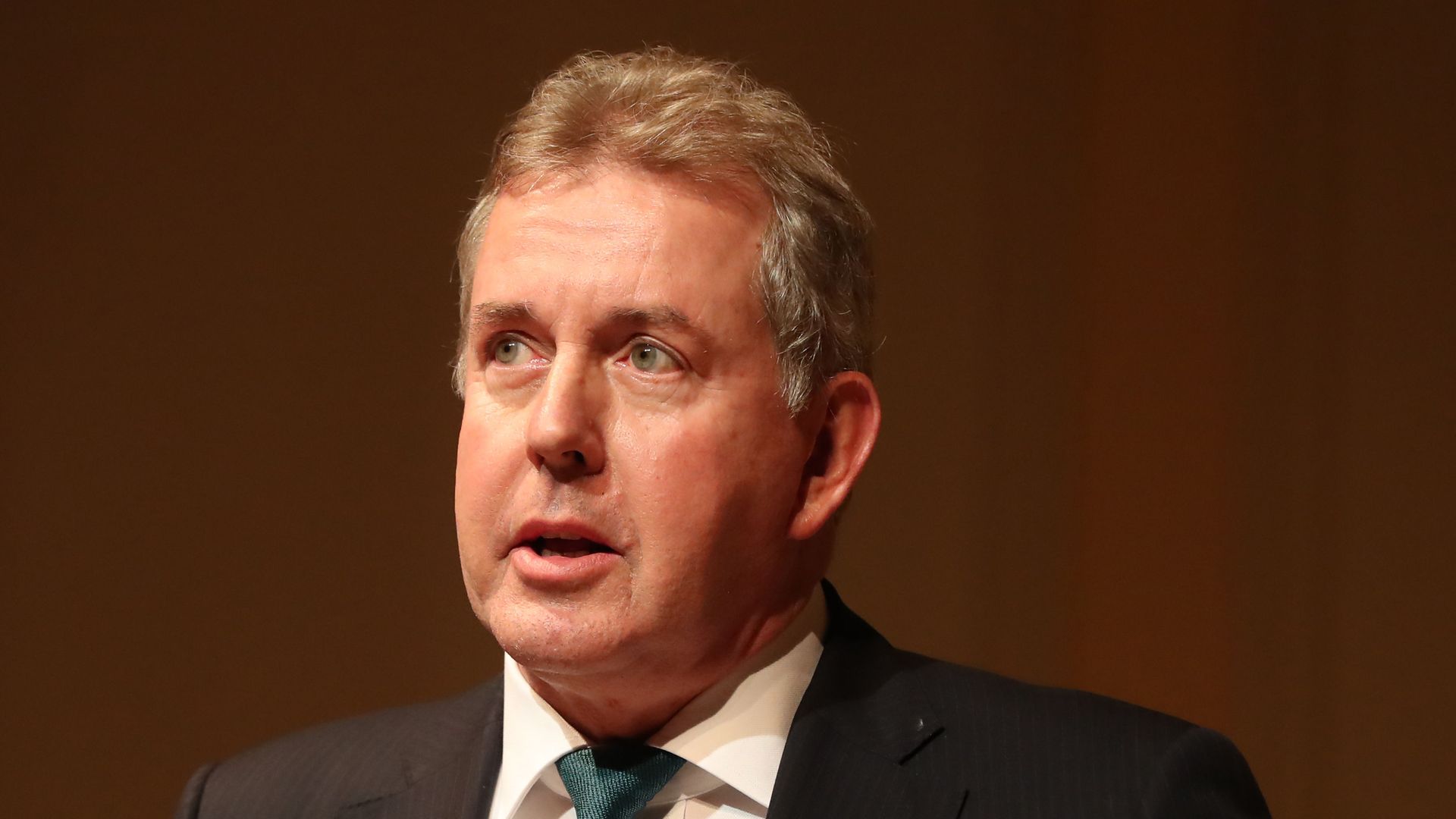
President Trump says he'll "no longer deal" with Kim Darroch, the U.K. ambassador to Washington, after Prime Minister Theresa May expressed confidence in Darroch despite leaked cables in which he questioned Trump's competence.
Why it matters: As the ambassador to a top U.S. ally, Darroch meets regularly with senior officials in the Trump administration. May will be replaced later this month, probably by the Trump-friendly Boris Johnson. If this is more than a passing dispute, Johnson will have to decide between standing by Darroch and the British diplomatic service, or making an early goodwill gesture to Trump by choosing a favorable replacement.
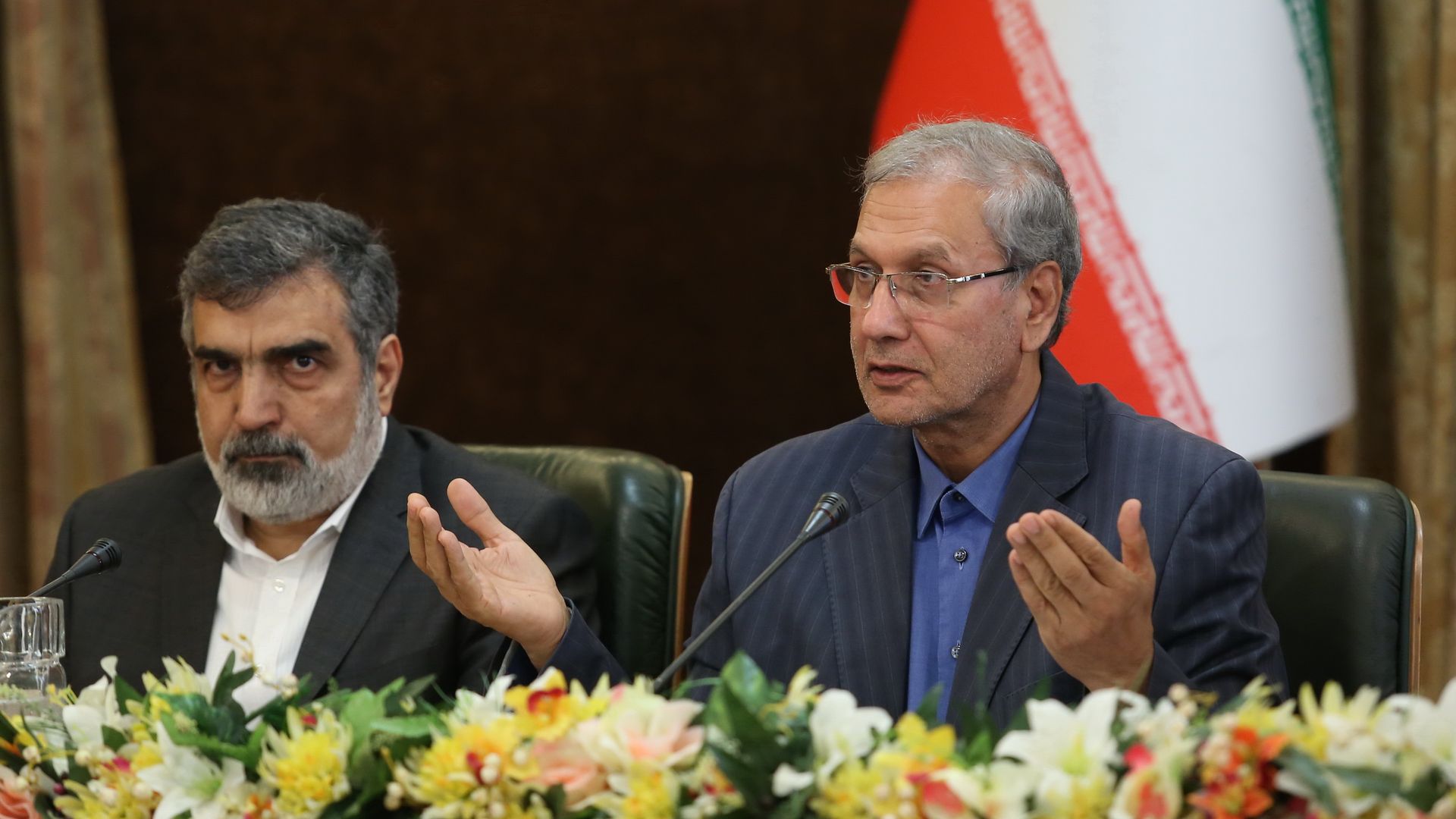
Iran's announcement that it's stepping up uranium enrichment levels to 5% follows its breach of the 2015 nuclear deal's stockpile limits and marks its latest escalatory gambit to secure economic relief from Europe, sanctions reductions from the U.S., or both.
Why it matters: For a year after the U.S. withdrew from the Joint Comprehensive Plan of Action (JCPOA), Iran stuck to the agreement, hoping its compliance would be reciprocated by other signatories' initiatives. With Europe's special trade mechanism slow to come together, Tehran is stepping up enrichment to raise the costs of European delay and American escalation. Yet each new measure increases the possibility of a U.S. or Israeli military strike against Iran.