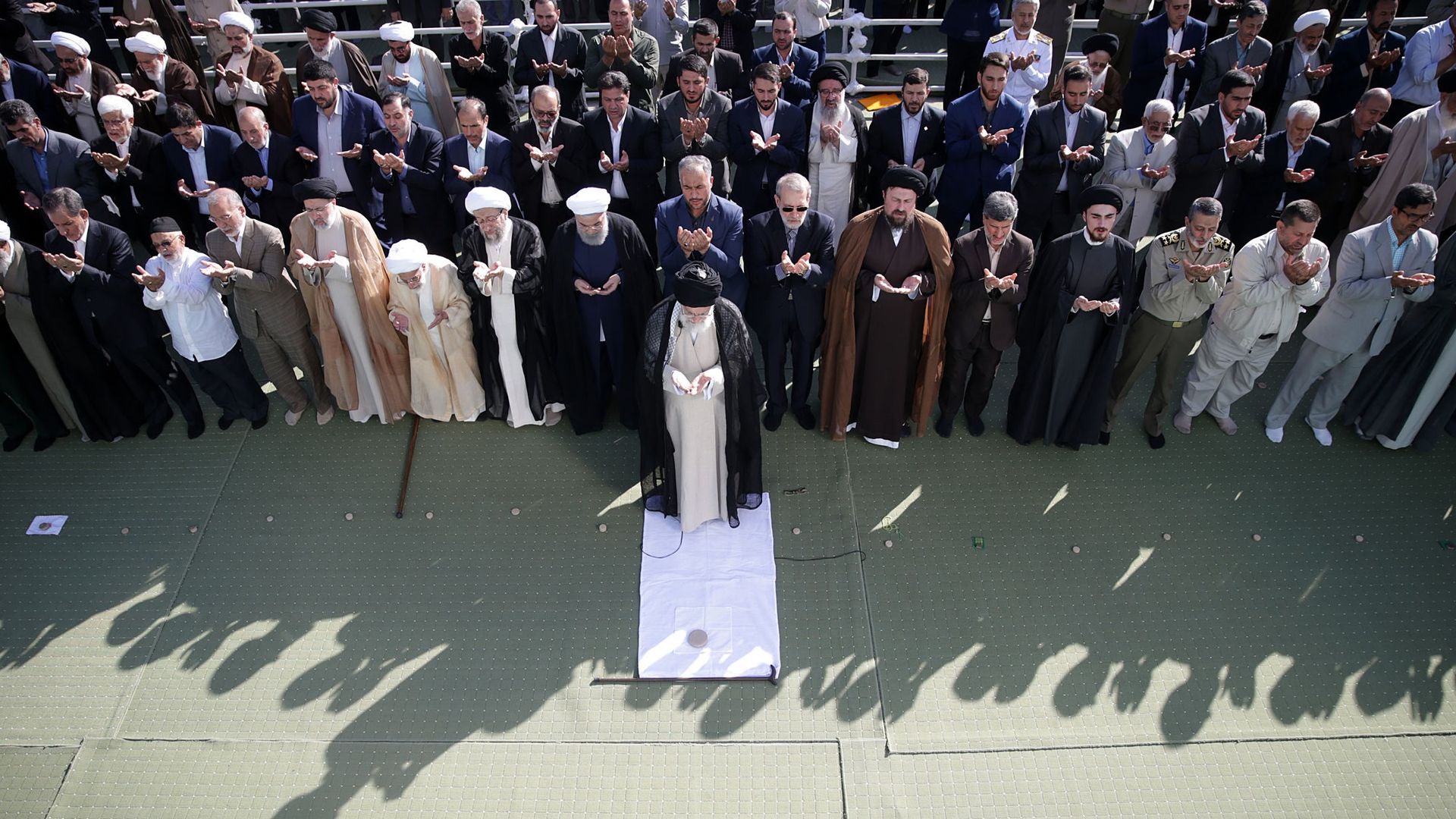
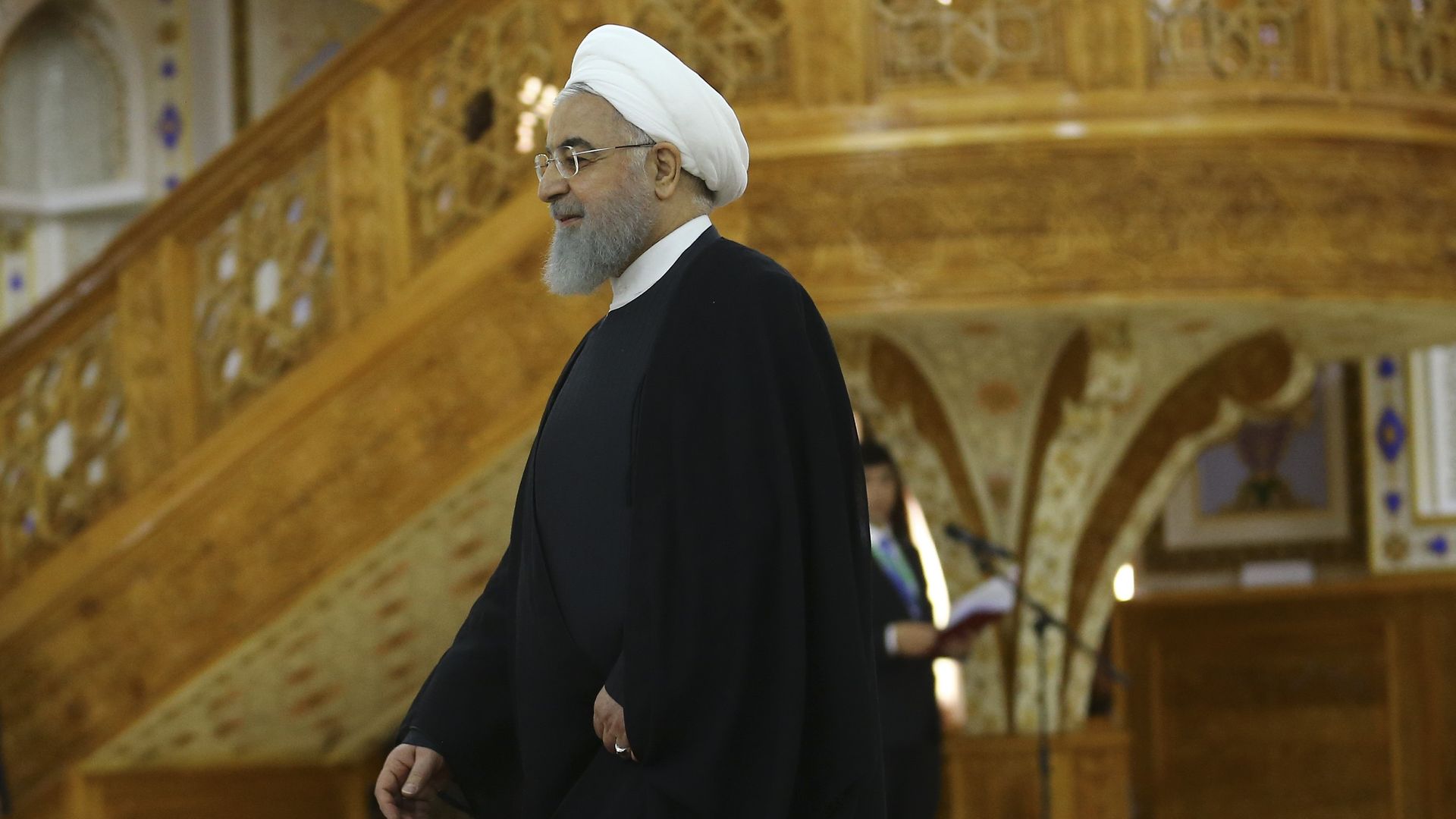
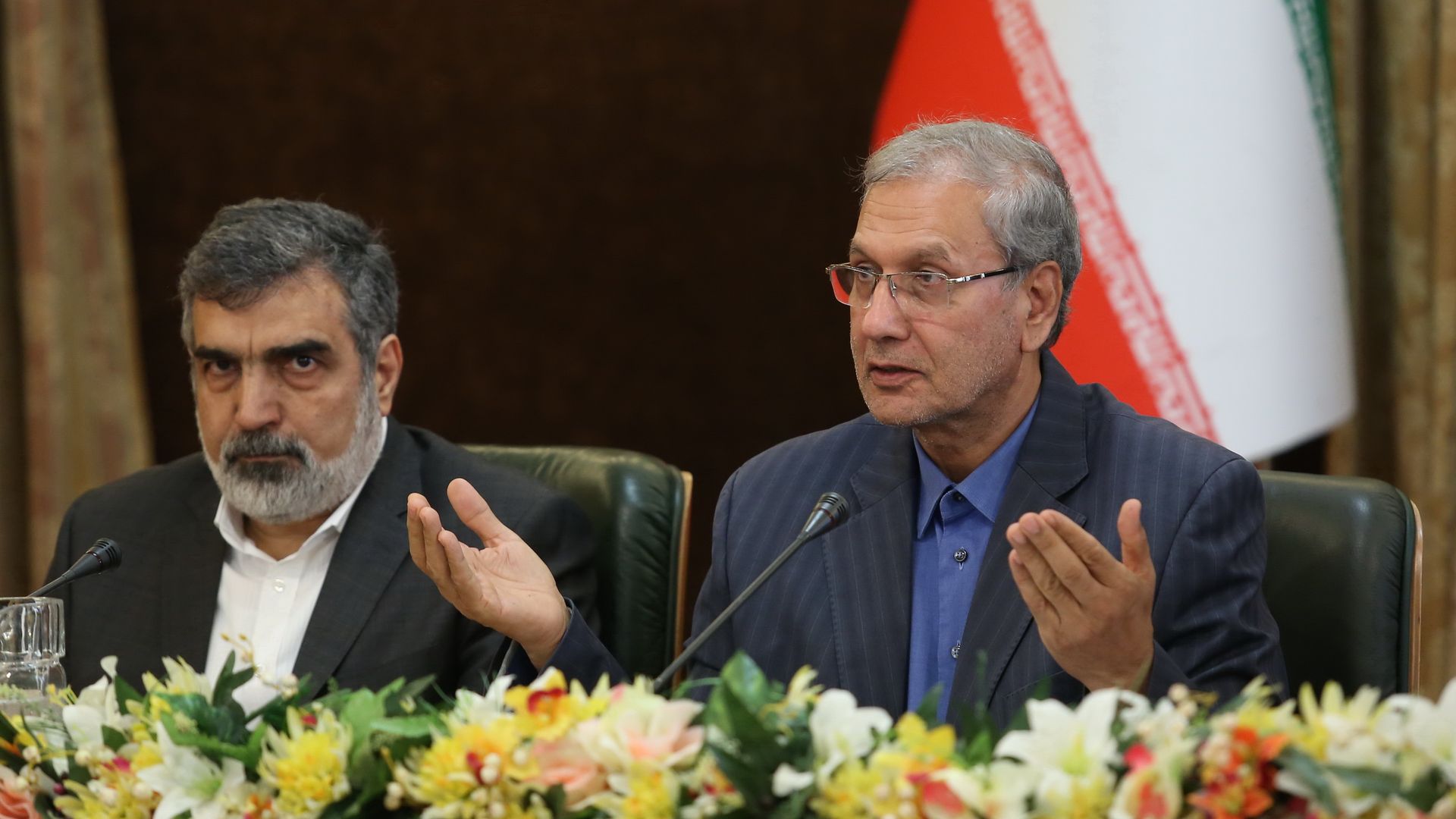
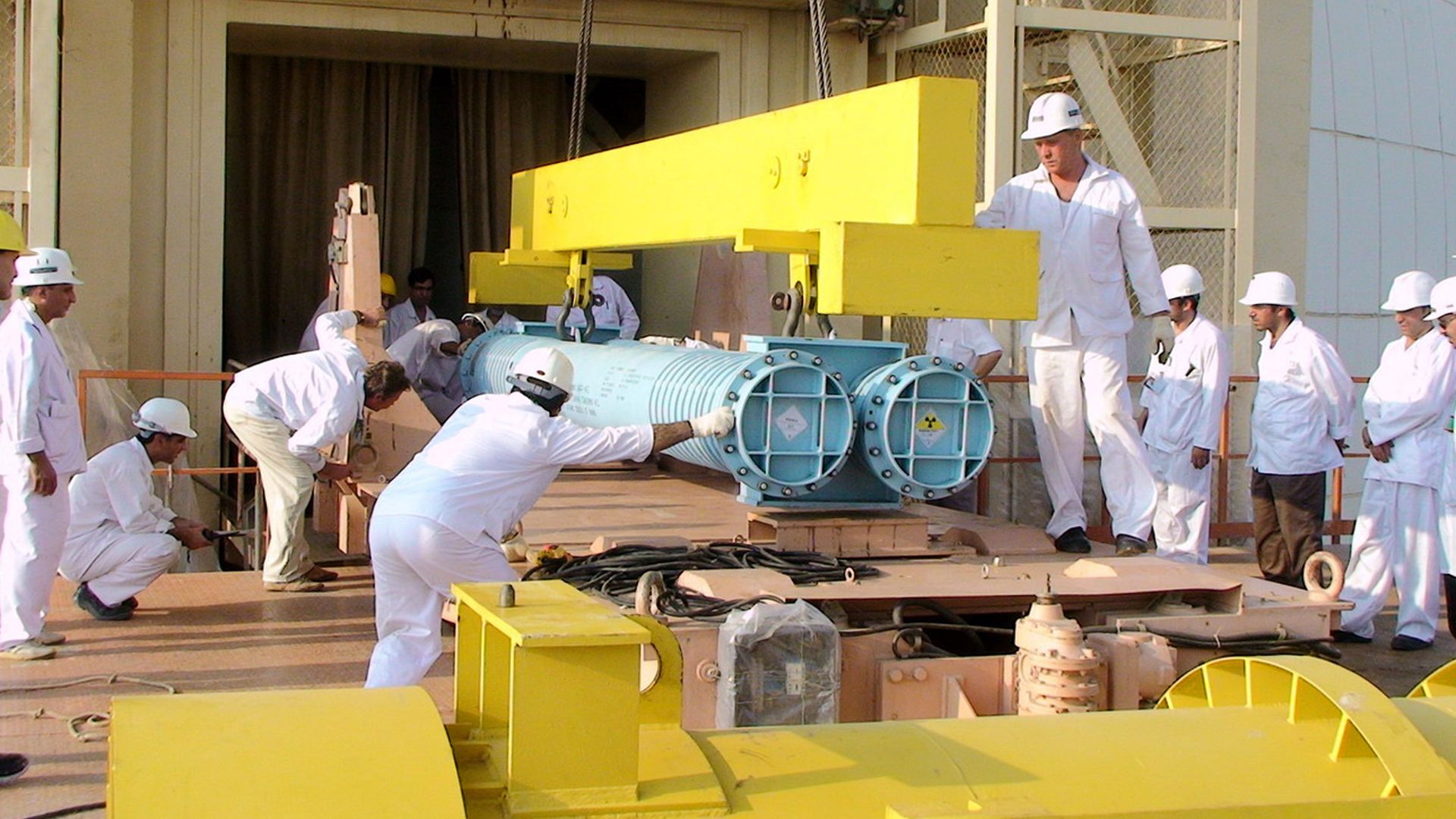
Iran has followed through on its threat to enrich uranium beyond the purity limit set under the 2015 nuclear deal, the UN's nuclear watchdog confirmed today.
Why it matters: Iran is attempting to loosen its sanctions chokehold by demonstrating to the U.S. that there are costs to "maximum pressure," and to the deal's other signatories that, absent a stronger economic lifeline to Tehran, they could soon be facing a nuclear crisis.
By continuing to breach caps imposed on its nuclear program, Iran is seeking to refocus Washington's attention on the nuclear issue and steer the Trump administration toward an approach more like those of his predecessors, Presidents Bush and Obama.
Why it matters: With these incremental, “reversible” transgressions of the 2015 nuclear deal, Iran may try to force the U.S. to settle for what President Trump has termed a “bad deal,” rather than risk further nuclear or regional escalation.
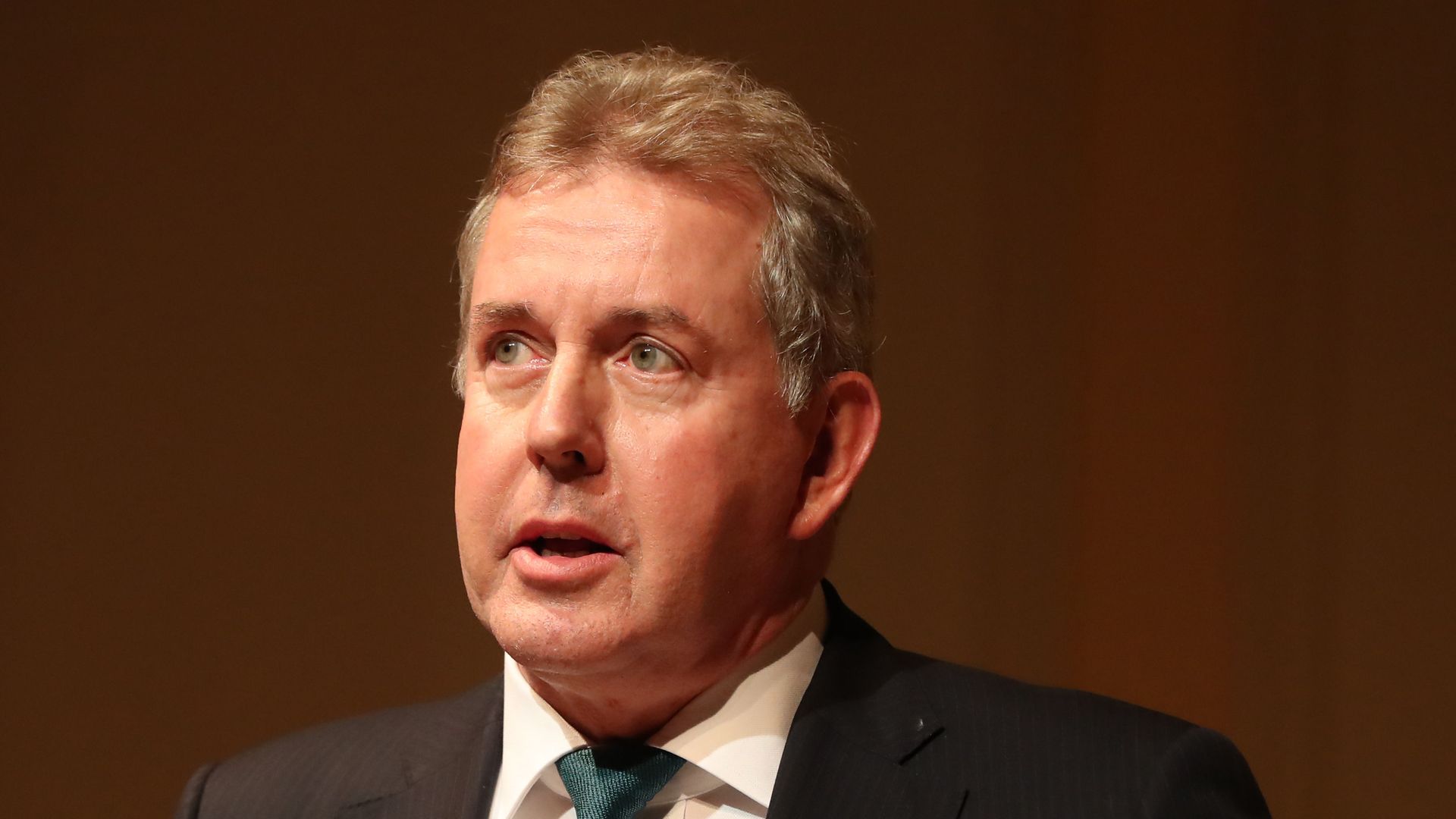
President Trump says he'll "no longer deal" with Kim Darroch, the U.K. ambassador to Washington, after Prime Minister Theresa May expressed confidence in Darroch despite leaked cables in which he questioned Trump's competence.
Why it matters: As the ambassador to a top U.S. ally, Darroch meets regularly with senior officials in the Trump administration. May will be replaced later this month, probably by the Trump-friendly Boris Johnson. If this is more than a passing dispute, Johnson will have to decide between standing by Darroch and the British diplomatic service, or making an early goodwill gesture to Trump by choosing a favorable replacement.
Iran's announcement that it's stepping up uranium enrichment levels to 5% follows its breach of the 2015 nuclear deal's stockpile limits and marks its latest escalatory gambit to secure economic relief from Europe, sanctions reductions from the U.S., or both.
Why it matters: For a year after the U.S. withdrew from the Joint Comprehensive Plan of Action (JCPOA), Iran stuck to the agreement, hoping its compliance would be reciprocated by other signatories' initiatives. With Europe's special trade mechanism slow to come together, Tehran is stepping up enrichment to raise the costs of European delay and American escalation. Yet each new measure increases the possibility of a U.S. or Israeli military strike against Iran.
Christine Lagarde is moving to Frankfurt to take on the most powerful and important job in Europe — just when the European Union needs her most.
What's happening: As the new head of the European Central Bank, she won't just be in charge of setting monetary policy for 19 wildly disparate European countries; she'll also be charged with protecting the euro itself, the single most visible and controversial element of the European project.
Iran's Deputy Foreign Minister Abbas Araghchi said on Sunday the country would break within hours the limit on uranium enrichment set in the 2015 nuclear deal, BBC reports.
Details: Araghchi said Iran would start enriching uranium above the 3.67% limit to provide fuel for its Bushehr power plant, according to BBC, which reported that officials said this would mean a concentration of about 5%.
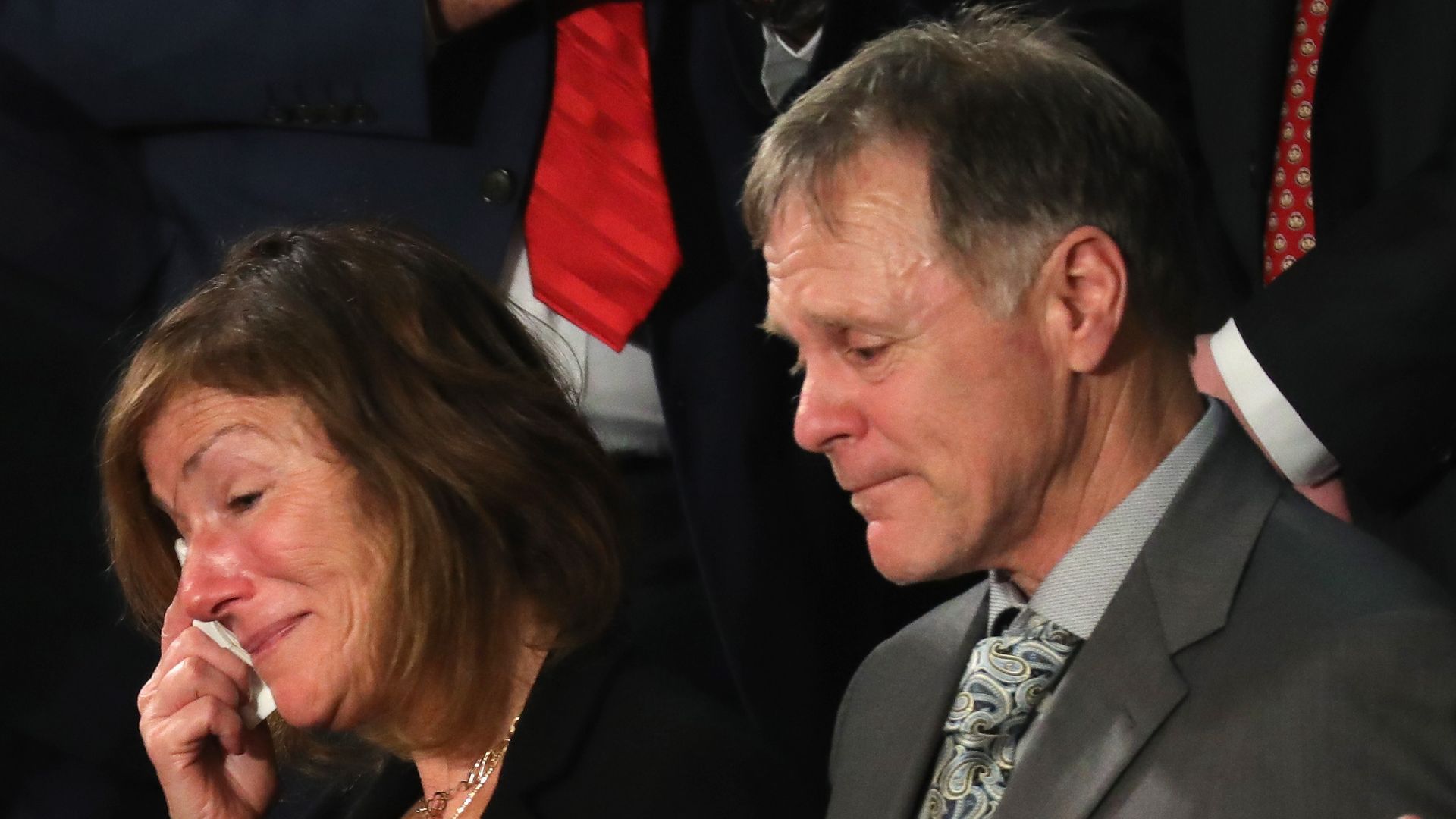
Otto Warmbier’s parents have filed a claim for a seized North Korean cargo ship in an attempt to force the country to pay part of $500 million awarded to them in a wrongful death court judgment, CNN first reported Saturday.
The big picture: Warmbier was detained in North Korea for 17 months. He died in 2017 after being flown to the U.S. in a coma. "The Warmbiers are committed to holding North Korea accountable for the death of their son Otto, and will work tirelessly to seize North Korean assets," Fred and Cindy Warmbier's attorney said in a statement to AP.