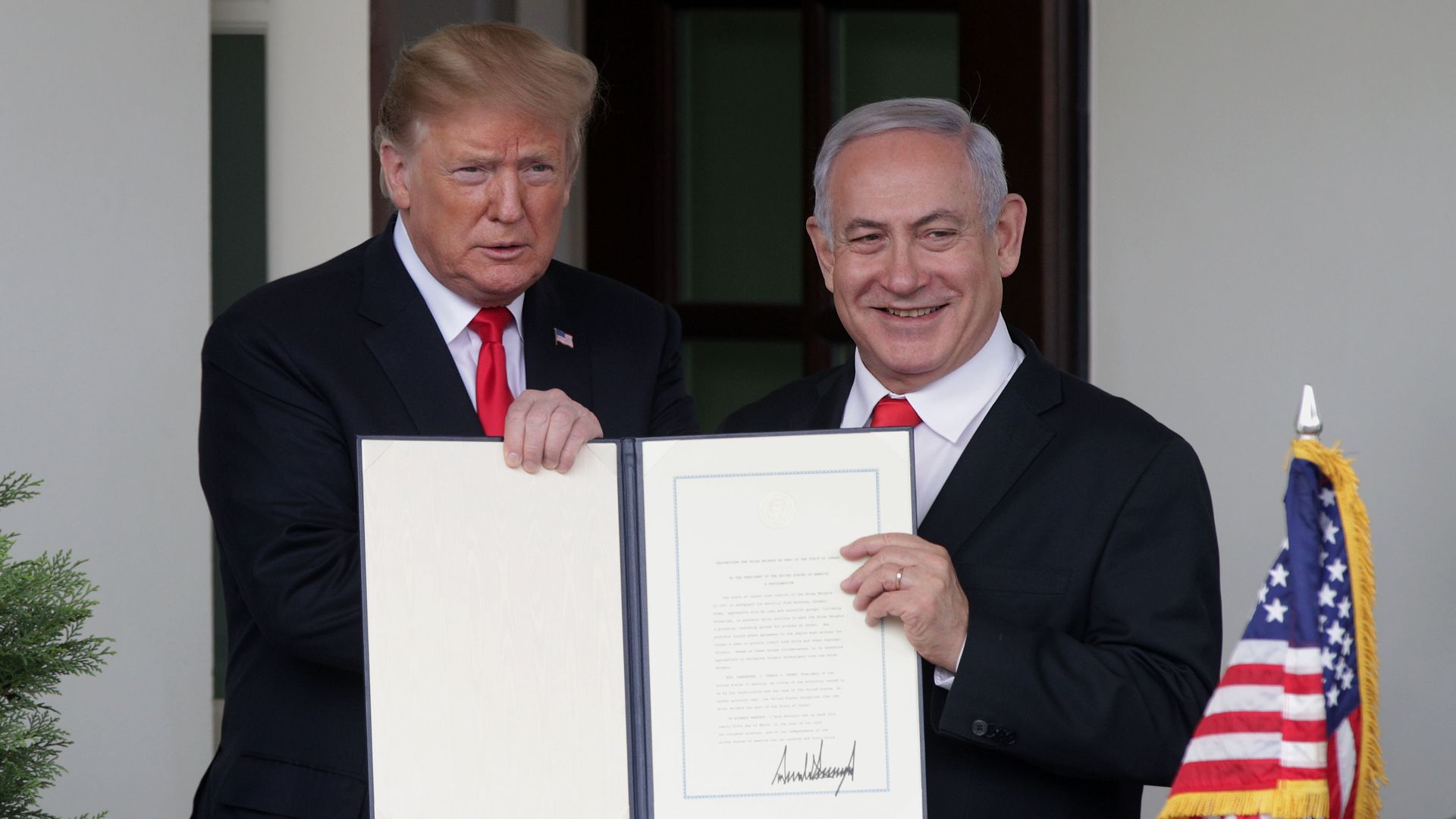
President Trump said today he felt bad for Israeli Prime Minister Benjamin Netanyahu, whose failure to form a coalition on Wednesday has forced Israel to call new elections.
Context: Two days before Israel's deadline for forming a new government, Trump publicly weighed in and tweeted that he hoped Netanyahu would succeed. Trump's intervention in this domestic political issue and his lobbying in favor of Netanyahu was unprecedented.
President Trump seemingly admitted that Russia had helped him to win the 2016 presidential election — without his knowledge — in a Thursday morning tweet.
"Russia, Russia, Russia! That’s all you heard at the beginning of this Witch Hunt Hoax...And now Russia has disappeared because I had nothing to do with Russia helping me to get elected. It was a crime that didn’t exist."
Why it matters: While it's not the first time Trump has admitted that Russia interfered in 2016, it's the first time Trump has stated it could have helped him win.
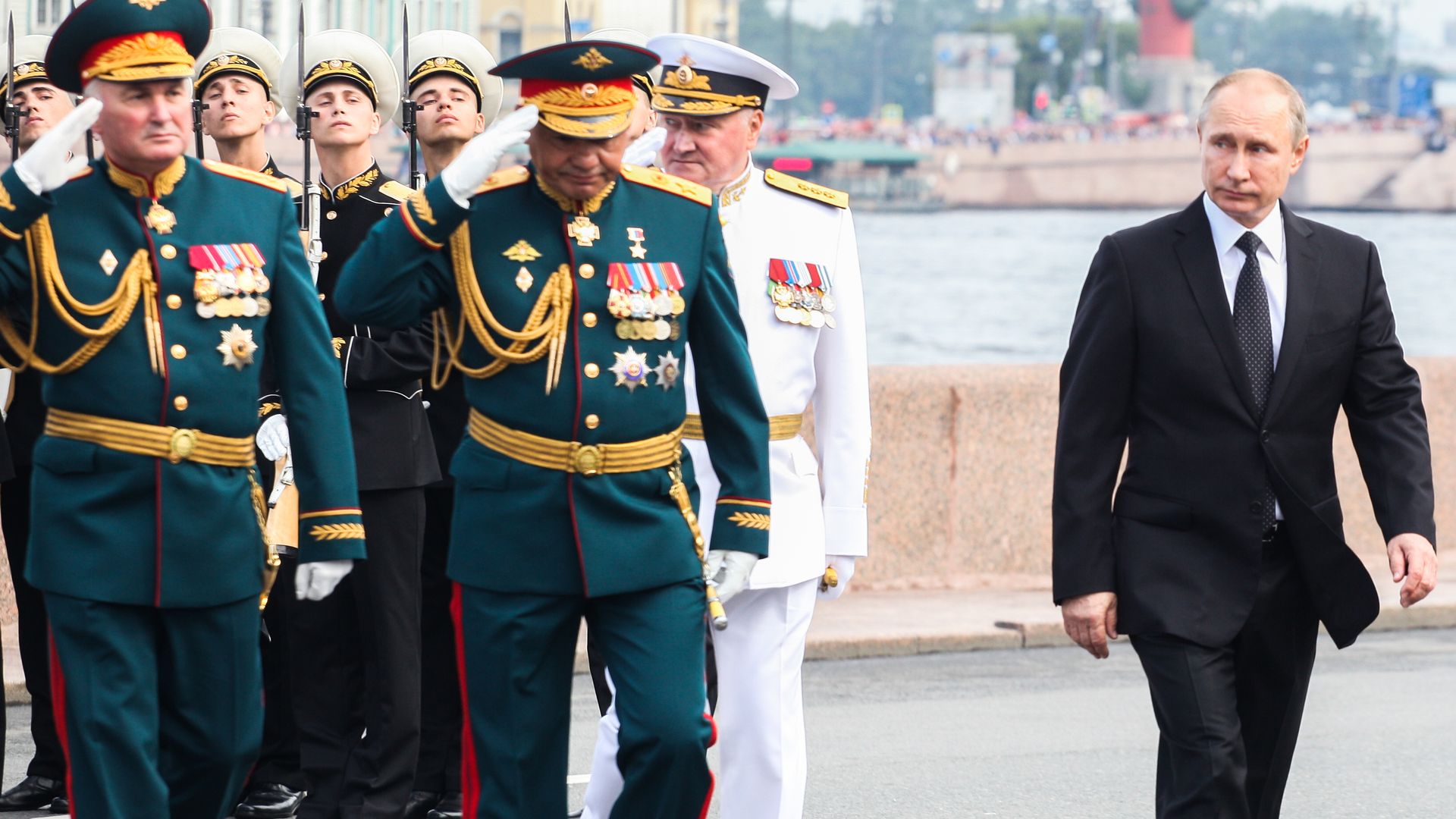
The U.S. believes Russia has likely violated a ban on testing low-yield nuclear missiles, Defense Intelligence Agency director Lt. Gen. Robert Ashley told the Hudson Institute think tank in a speech in Washington, D.C., Wednesday.
"The United States believes that Russia probably is not adhering to its nuclear testing moratorium in a manner consistent with the 'zero yield' standard. ... Our understanding of nuclear weapon development leads us to believe that Russia's testing activities would help it improve its nuclear weapons capabilities."
National security adviser John Bolton will hold a summit with his Russian and Israeli counterparts in Jerusalem in June, the White House announced today.
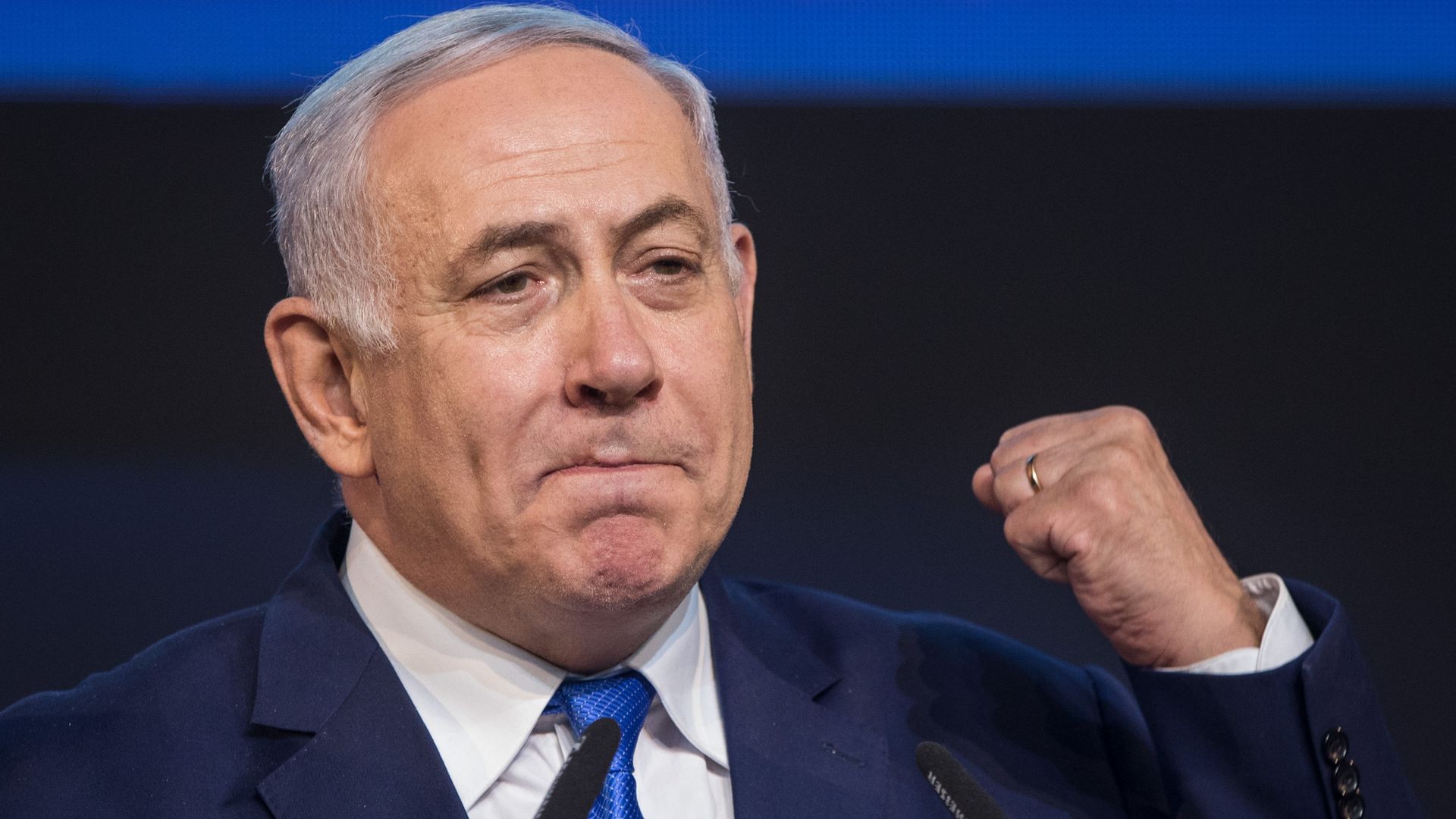
Why it matters: Israeli Prime Minister Benjamin Netanyahu mentioned the summit in his speech tonight in which he acknowledged his failure to form a new governing coalition. With Israel now set for new elections in September, Netanyahu used the White House statement as the beginning of his campaign. He said he was able to get Trump and Putin to sign on to an "unprecedented" summit.
Less than two months after his biggest-ever electoral victory, Israeli Prime Minister Benjamin Netanyahu has failed in a desperate bid to form a new government. The Knesset has now voted to hold a new election on Sept. 17.
Why it matters: This is a huge political defeat for Netanyahu. It's the first time since the founding of Israel that a prime minister has missed the deadline to form a coalition after winning an election. Netanyahu opted for new elections before Israel's president offered one of Netanyahu's political rivals an opportunity to form a government.
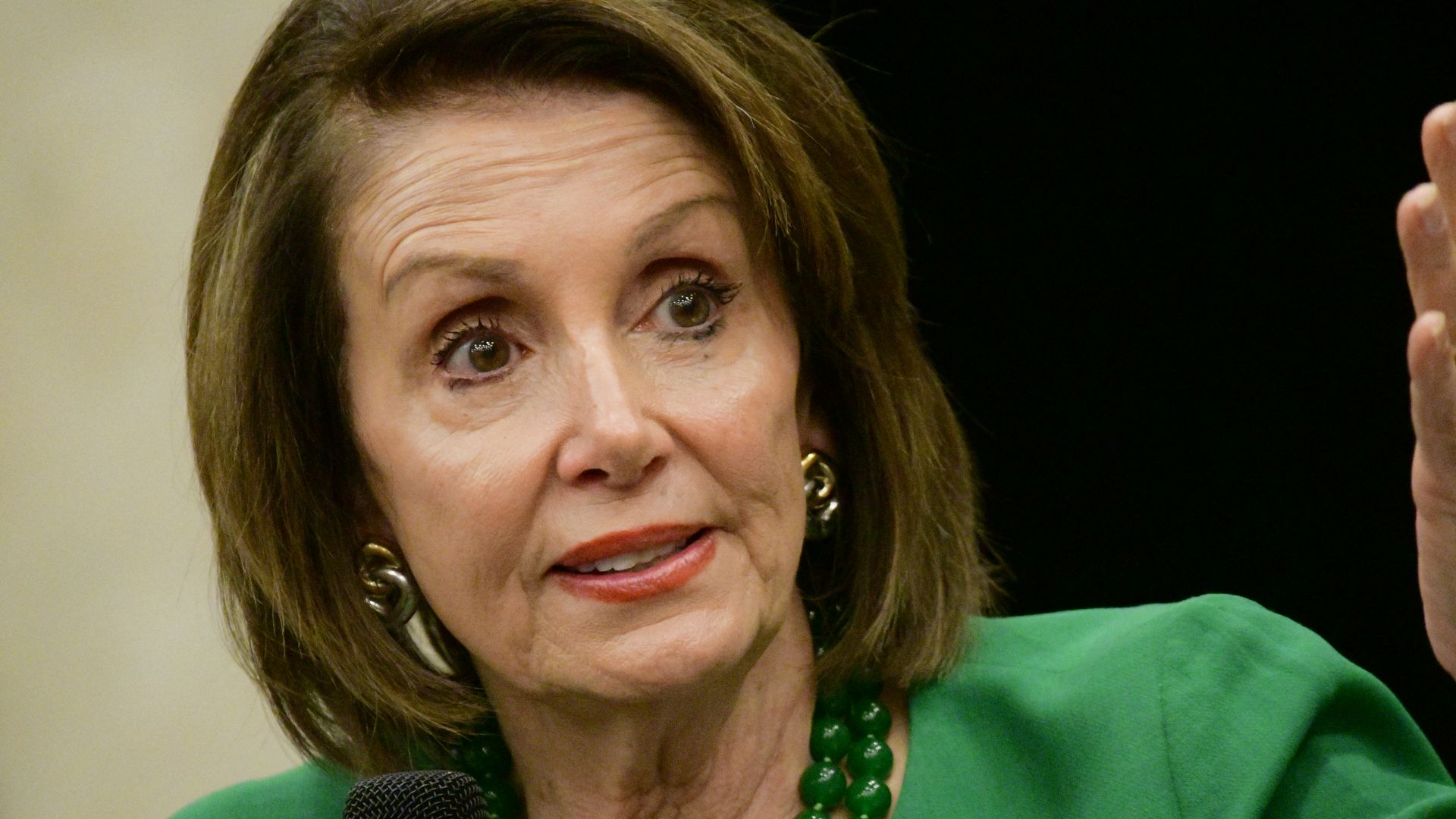
House Speaker Nancy Pelosi told KQED News on Wednesday that Facebook's resistance to remove a doctored video of her serves as evidence that the company's leaders were "willing enablers" of Russian interference.
"I think they have proven — by not taking down something they know is false — that they were willing enablers of the Russian interference in our election."
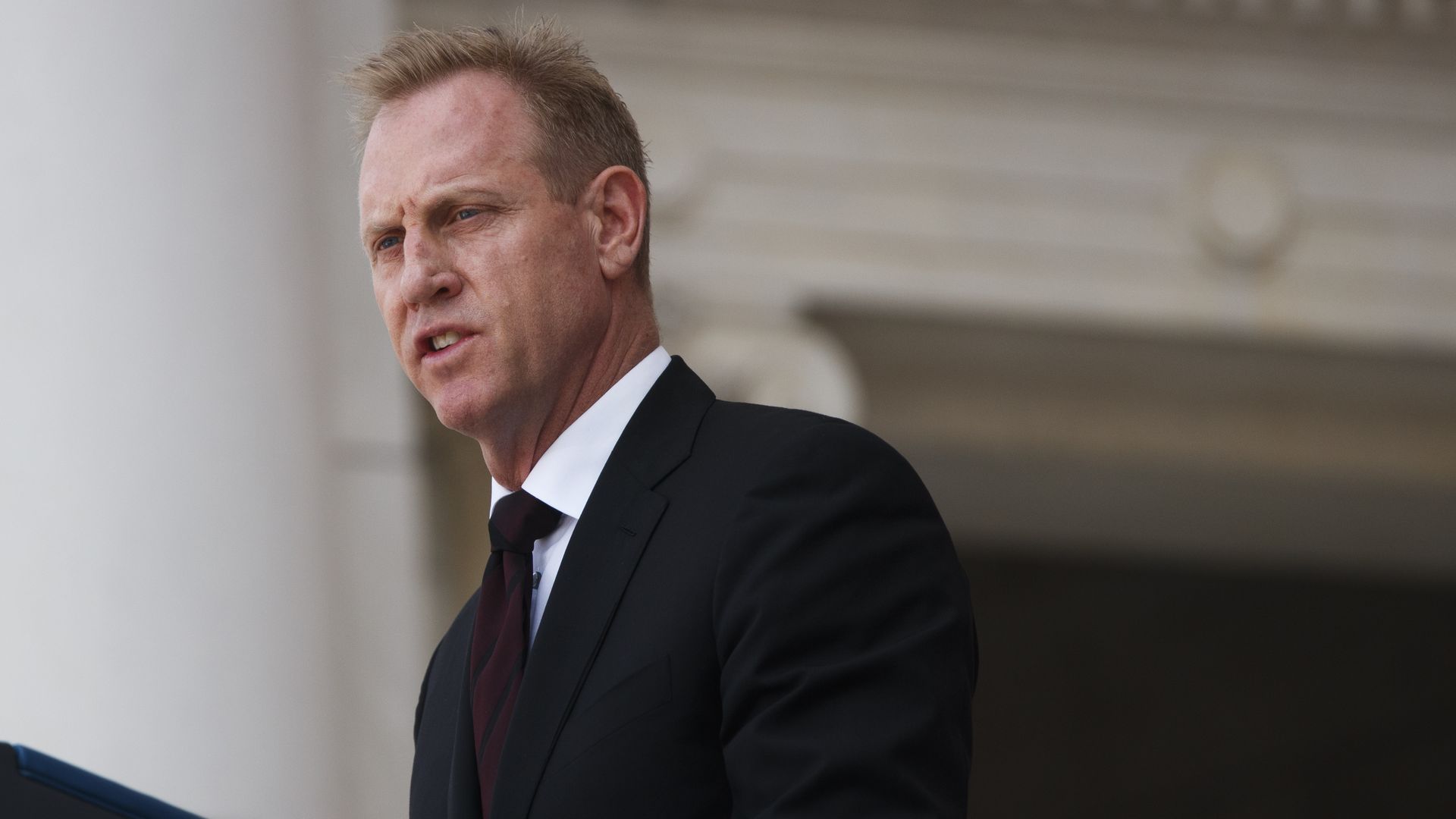
Acting Defense Secretary Patrick Shanahan told reporters on Wednesday that North Korea's recent missiles test violated a United Nations Security Council ban, contradicting claims by President Trump, who tweeted last weekend that the tests "disturbed some of my people, and others, but not me," CNN reports.
Why it matters: Shanahan is the second top national security official in the Trump administration to break with the president over the seriousness of North Korea's missile tests. Earlier this week, national security adviser John Bolton also spoke out against the tests, prompting North Korea to accuse him of being a "war monger."
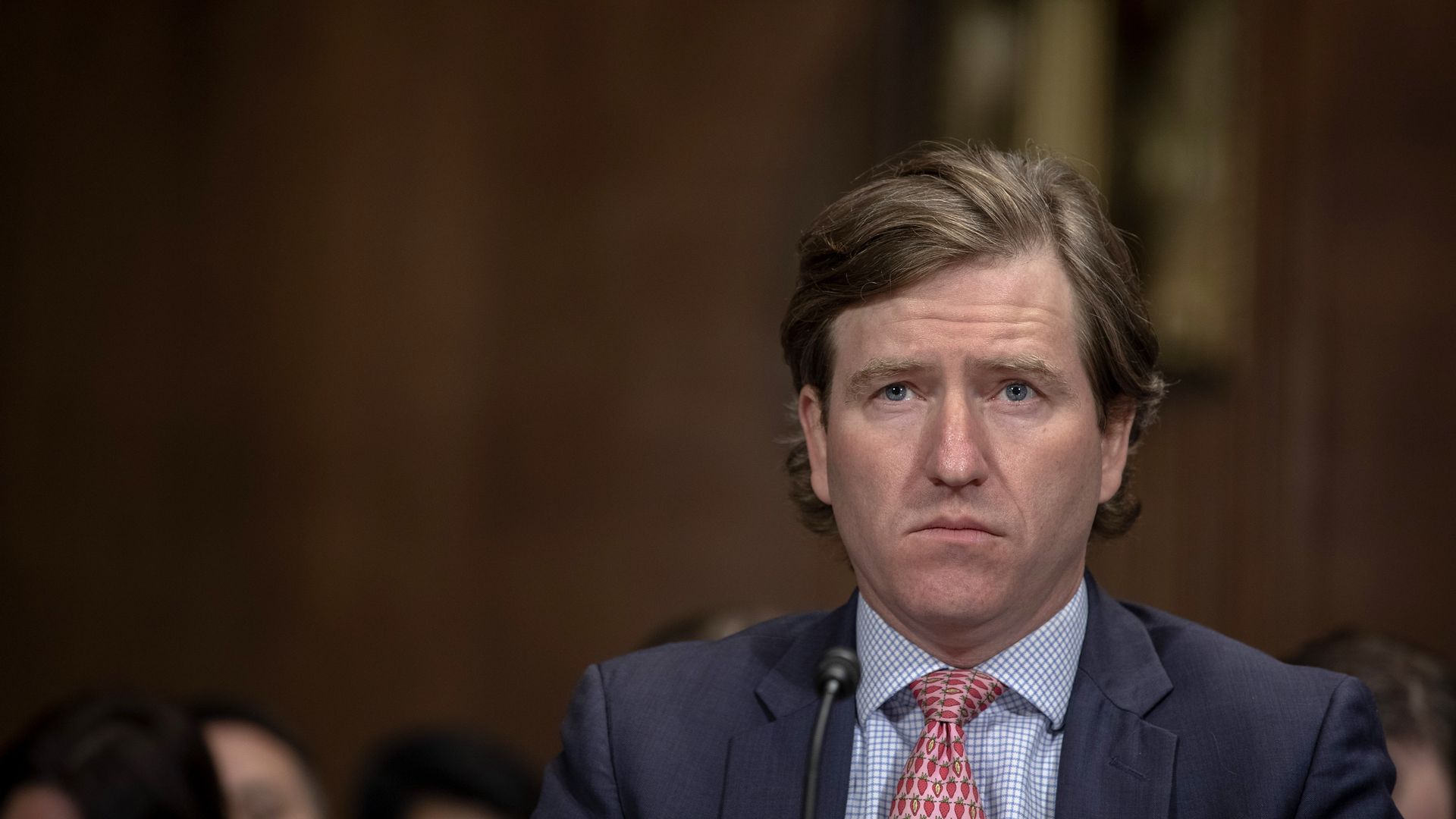
The head of the Department of Homeland Security's cybersecurity division described a popular class of anonymizing tools known as VPNs — particularly ones made in authoritarian countries — as a potential threat to data security and national security in a letter to Sen. Ron Wyden (D-Ore.) that was shared with Cyberscoop.
Why it matters: The services disguise the internet address and browsing habits of their clients from websites and eavesdroppers, but the VPNs themselves are potentially aware of every move a client makes online and every password they enter, making less-scrupulous VPNs an ideal espionage tool.
Former U.K. Foreign Secretary Boris Johnson has been ordered to appear in court over allegations that he lied when he said the U.K. gave the European Union £350 million per week during the 2016 Brexit referendum campaign, the BBC reports.
Why it matters: The summons does not provide great optics for Johnson, who is a frontrunner to replace Theresa May as leader of the Conservative Party and become the country's next prime minister.
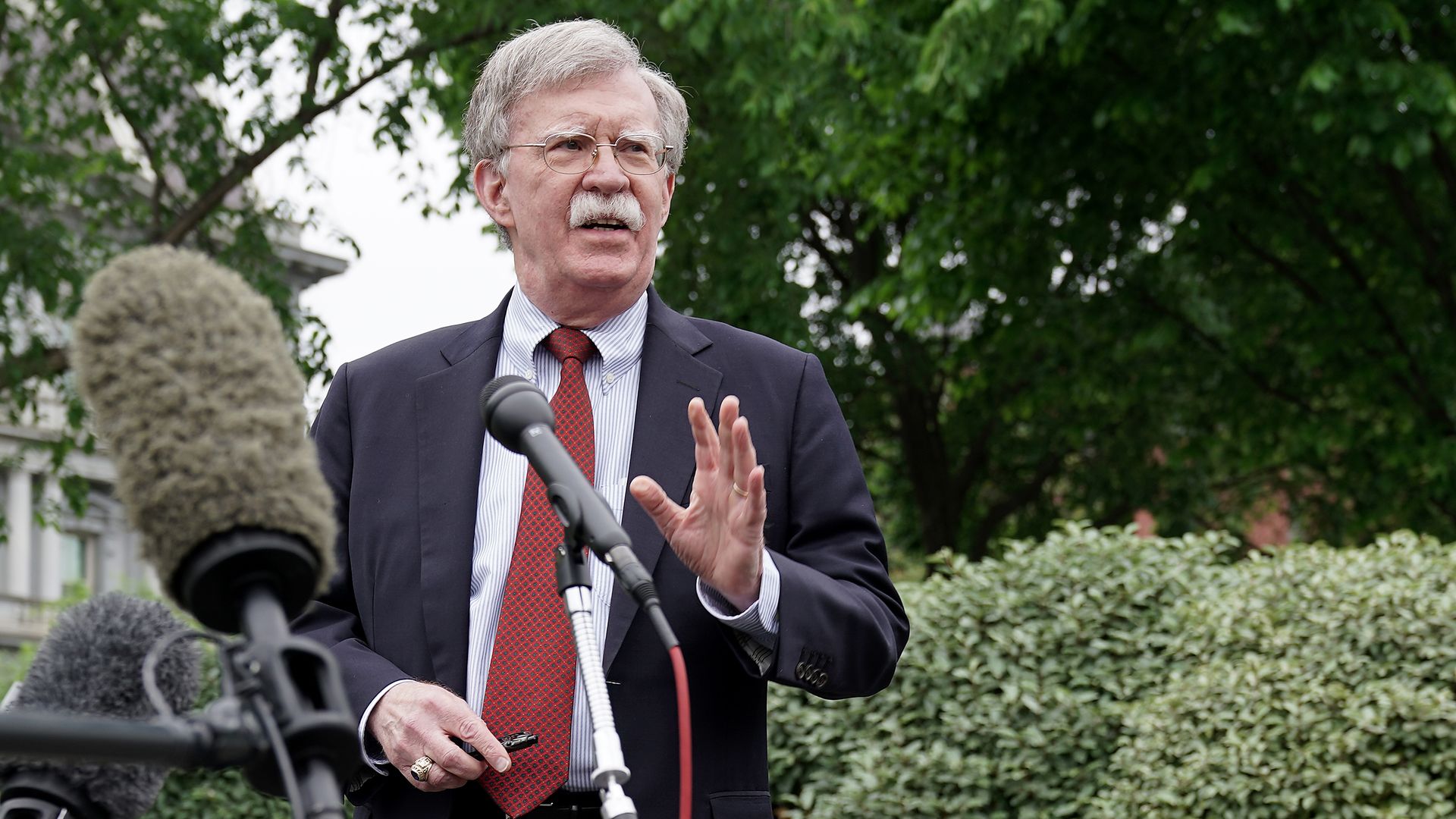
White House national security adviser John Bolton blamed Iran Wednesday for attacks on oil tankers off the coast of the United Arab Emirates this month and accused Tehran of seeking nuclear weapons, AP reports.
Details: Bolton told reporters in Abu Dhabi there’s "no reason" for Iran to back out of the nuclear deal and seek higher enrichment unless it is "to reduce the breakout time to produce nuclear weapons," per AP.