Acting Defense Secretary Patrick Shanahan had harsh criticisms on Saturday for China's alleged efforts to take technology from other countries and militarize posts in the South China Sea — mixed in with some warnings about the dangers of North Korea, reports the AP.
The big picture: The strong remarks from Shanahan come at a time of tension with China as a result of sanctions imposed by President Trump and an arms deal with Taiwan, per AP. It also highlights that defense leadership is focusing on the great power competition with China and Russia.
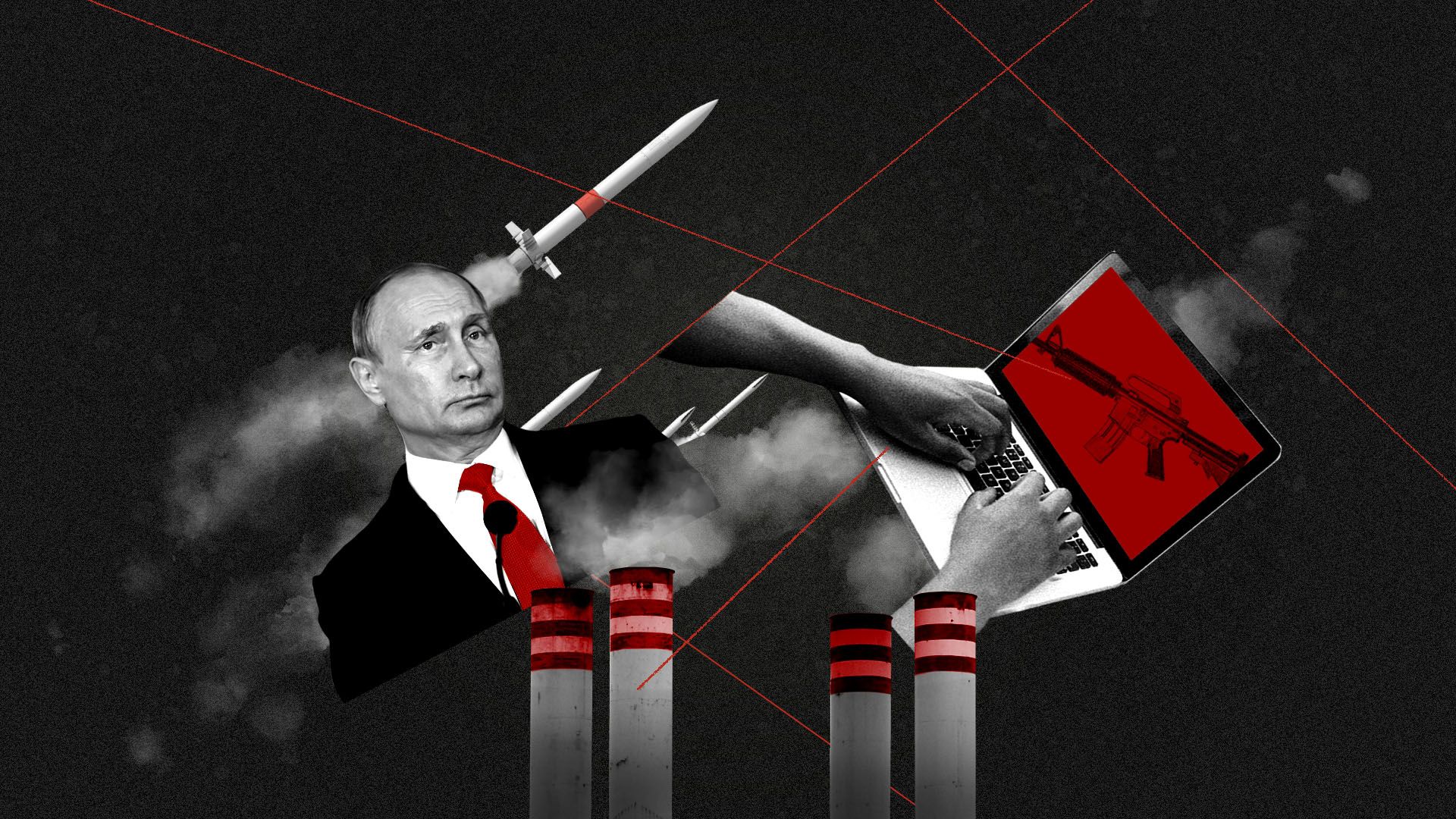
Officials who have held America’s top national security positions tell "Axios on HBO" that the nation has never before faced such a tangled web of threats.
The bottom line: They worry about the government's capacity to confront them.
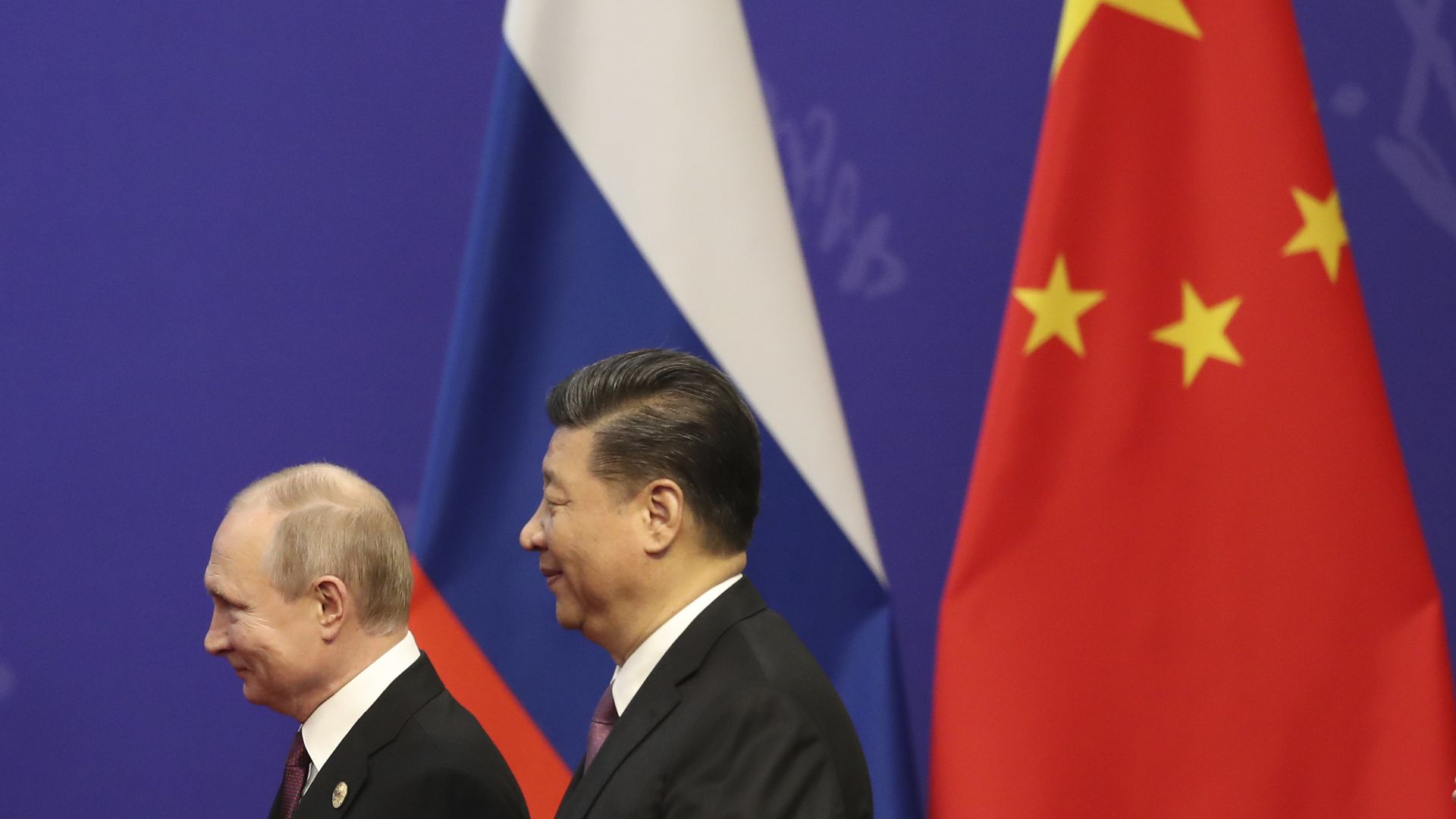
Security officials increasingly view Russia and China — separately and together — as a threat to U.S. security.
Between the lines: “What I consider two of our strongest adversaries are now working together to try to undermine stability in the United States of America,” former CIA director and Defense secretary Leon Panetta says. “This is not like dealing with some kind of rogue nation."
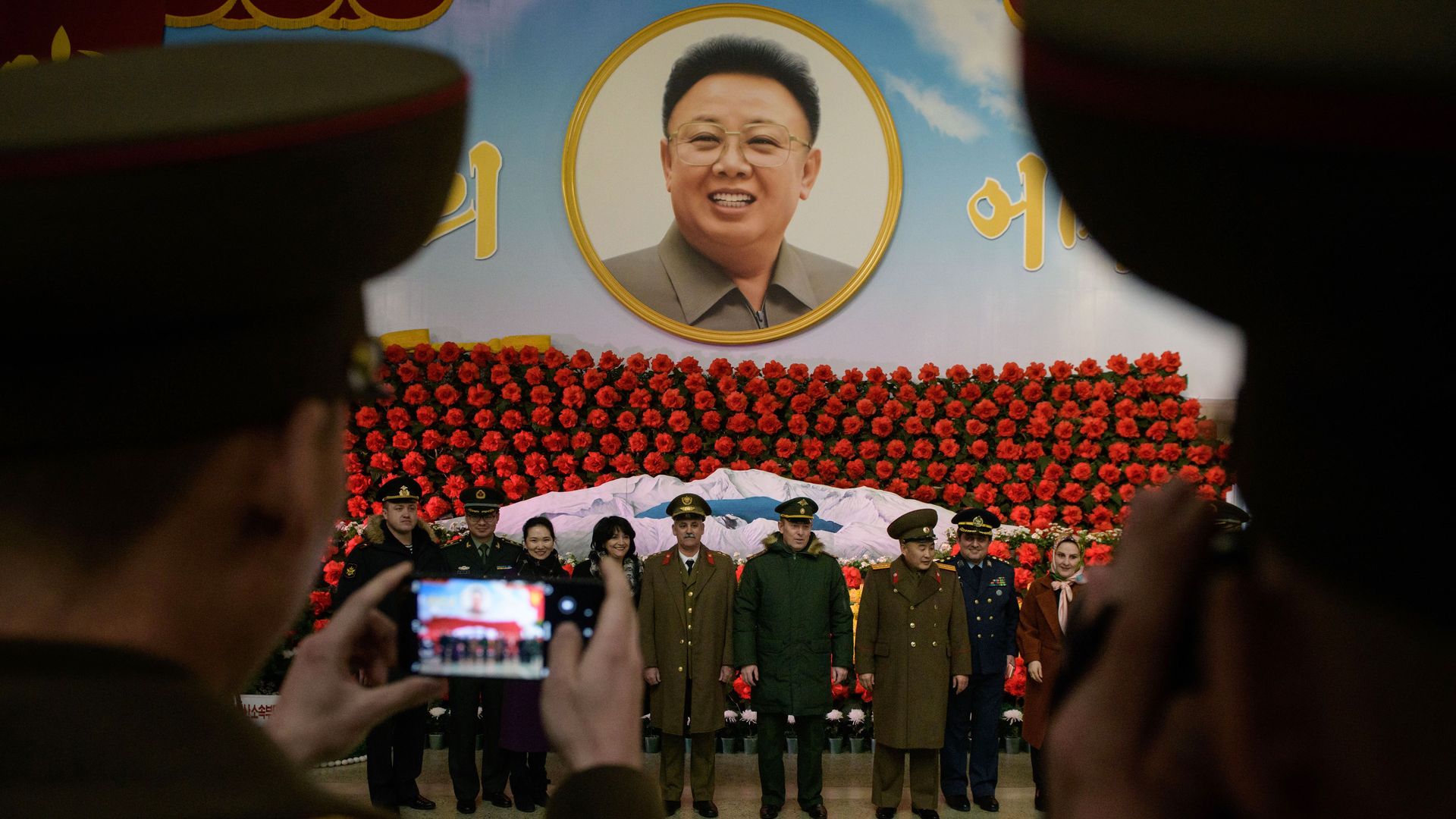
Two of the countries where the threat of direct military conflict with the U.S. is greatest are Iran and North Korea.
Threat level: Former national security adviser H.R. McMaster, who until last April was involved in the most sensitive discussions on those countries with President Trump, warns it’s “difficult to overstate the threat from a nuclear North Korea.”
The UN atomic watchdog said on Friday that Iran remains within the boundaries of the 2015 Iran nuclear deal, however, red-flagged the increasing production of low-enriched uranium (LEU) and heavy water, the AP reports.
The backdrop: Iran is at risk of breaking the nuclear deal if it exceeds LEU stockpile restrictions outlined in the accord. Last month, Iran threatened to increase its uranium enrichment if it couldn't shield itself from U.S. sanctions.