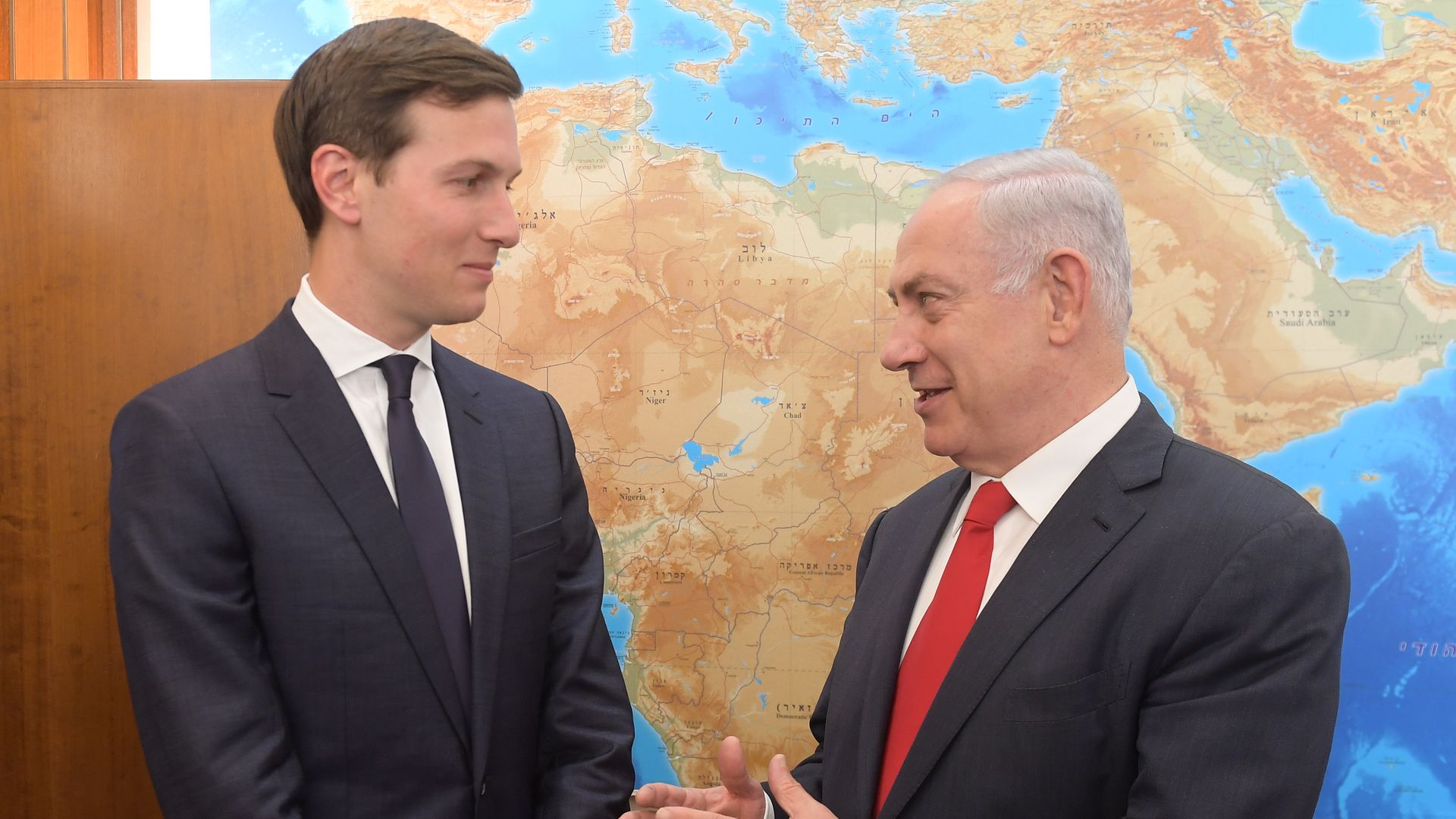
Jared Kushner — architect of the White House's Middle East plan, part of which is due for release at the end of June — casts doubt on the ability of Palestinians to govern themselves.
Driving the news: Asked in an interview on "Axios on HBO" whether he believes the Palestinians are capable of governing themselves without Israeli interference — a fundamental demand for Palestinians — Kushner said, "That's a very good question. ... The hope is, is that over time, they can become capable of governing."
"Axios on HBO" asked Jared Kushner, who hasn't had official talks with the Palestinian leadership in more than a year, whether he understands why the Palestinians don't trust him. (Since taking office, President Trump has moved the U.S. Embassy in Israel to Jerusalem, slashed all U.S. aid to the Palestinians and shuttered the Palestinian diplomatic office in Washington.)
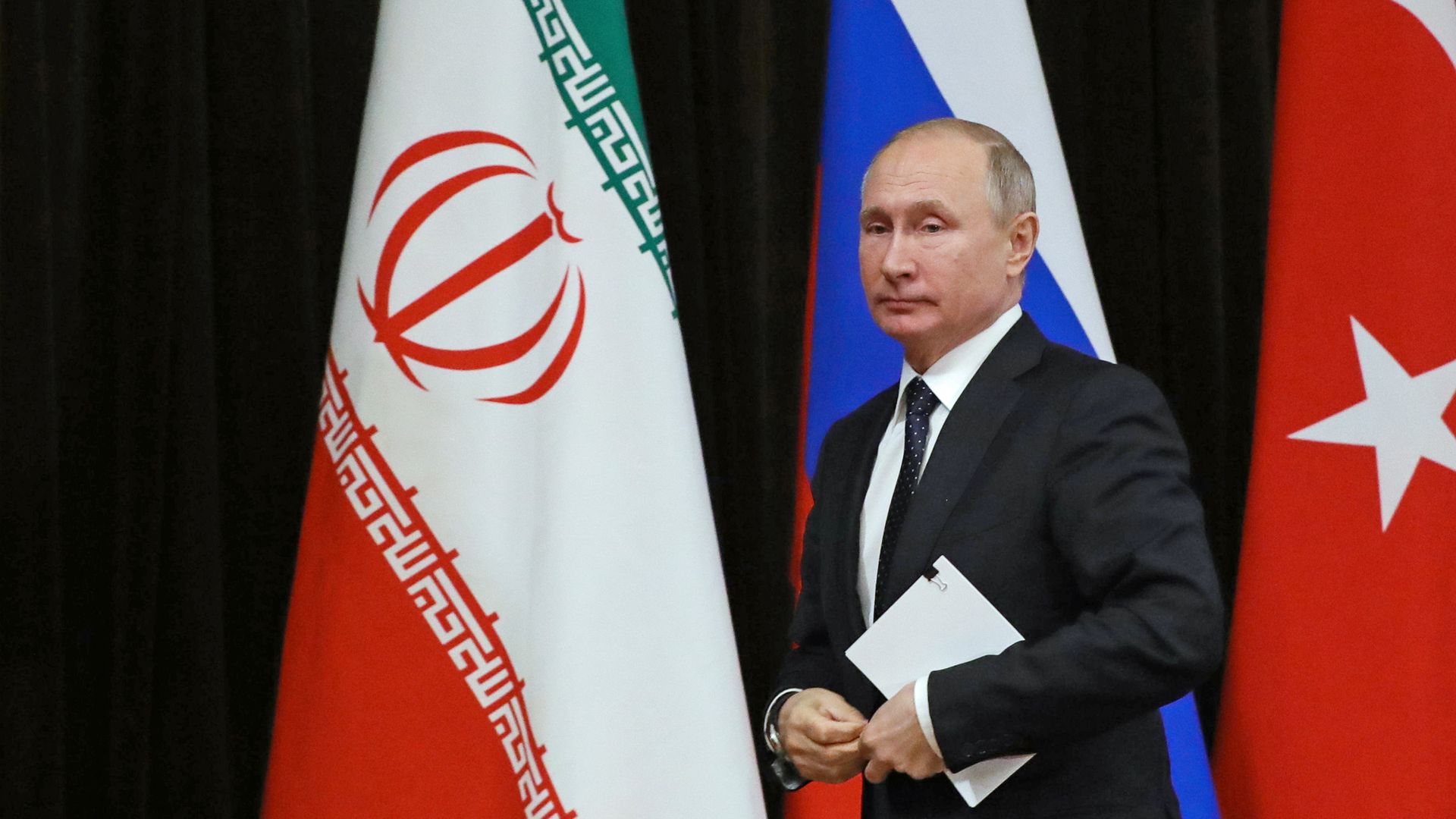
The Trump administration has made it clear to the Kremlin that the U.S. fully supports Israeli airstrikes in Syria while Iranian forces, Hezbollah and pro-Iranian militias are still operating in the country, a senior U.S. official told me.
Why it matters: Israel airstrikes against Iranian targets in Syria continue every other week. Last night, a rocket was fired from Syria and landed in an Israeli military base on the border with Syria in the northern part of the Golan Heights. Israeli intelligence services think it was likely fired by pro-Iranian militia in Syria, and the Israeli air force retaliated against Syrian military bases. According to reports, three Syrian soldiers and seven non-Syrian militiamen were killed.
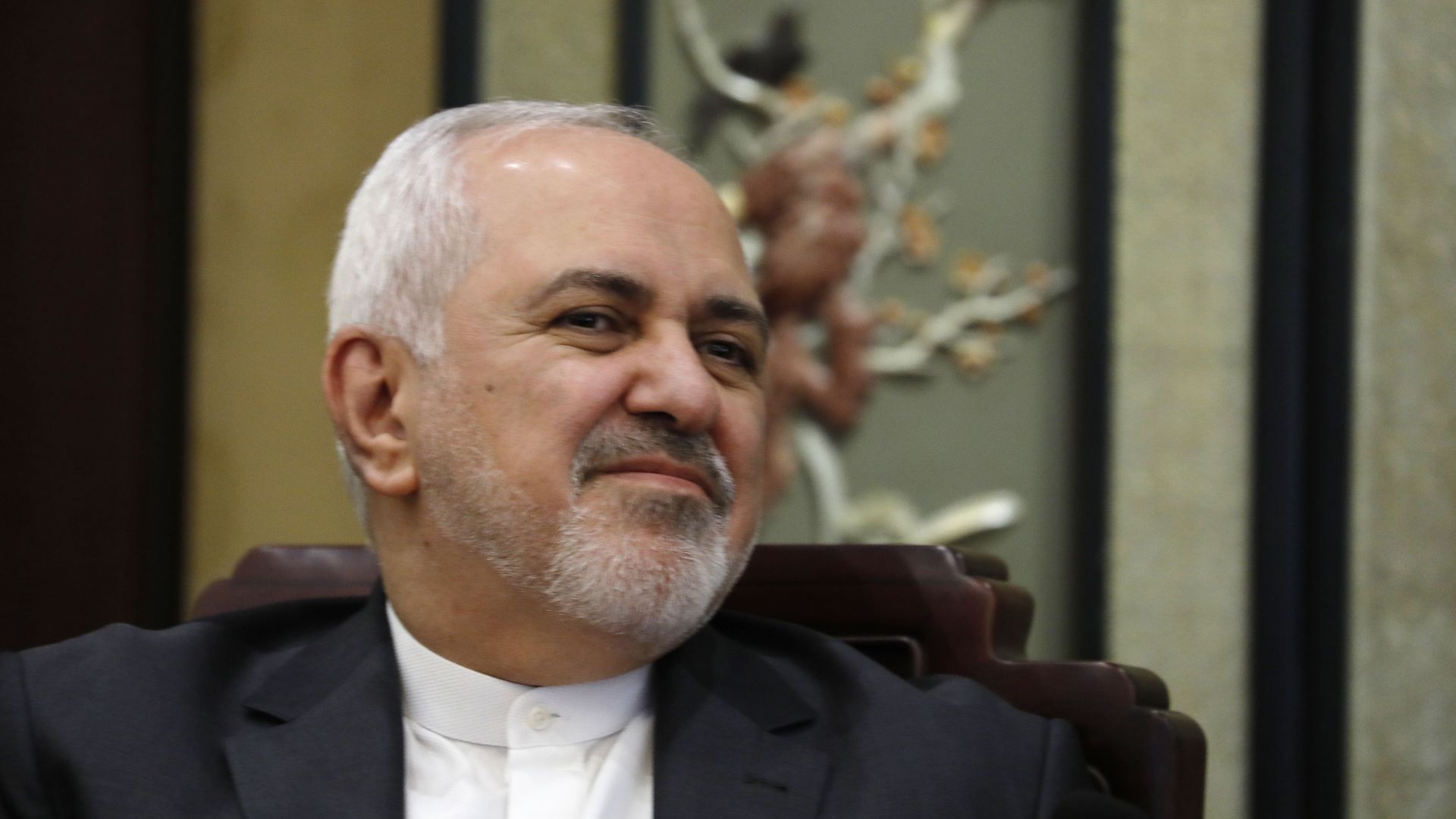
Iranian Foreign Minister Javad Zarif told ABC's "This Week" on Sunday that said he does not believe talks between the U.S. and Iran are likely, adding in a direct message to President Trump that "threats against Iran never work."
"Never threaten an Iranian. Try respect. That may work."
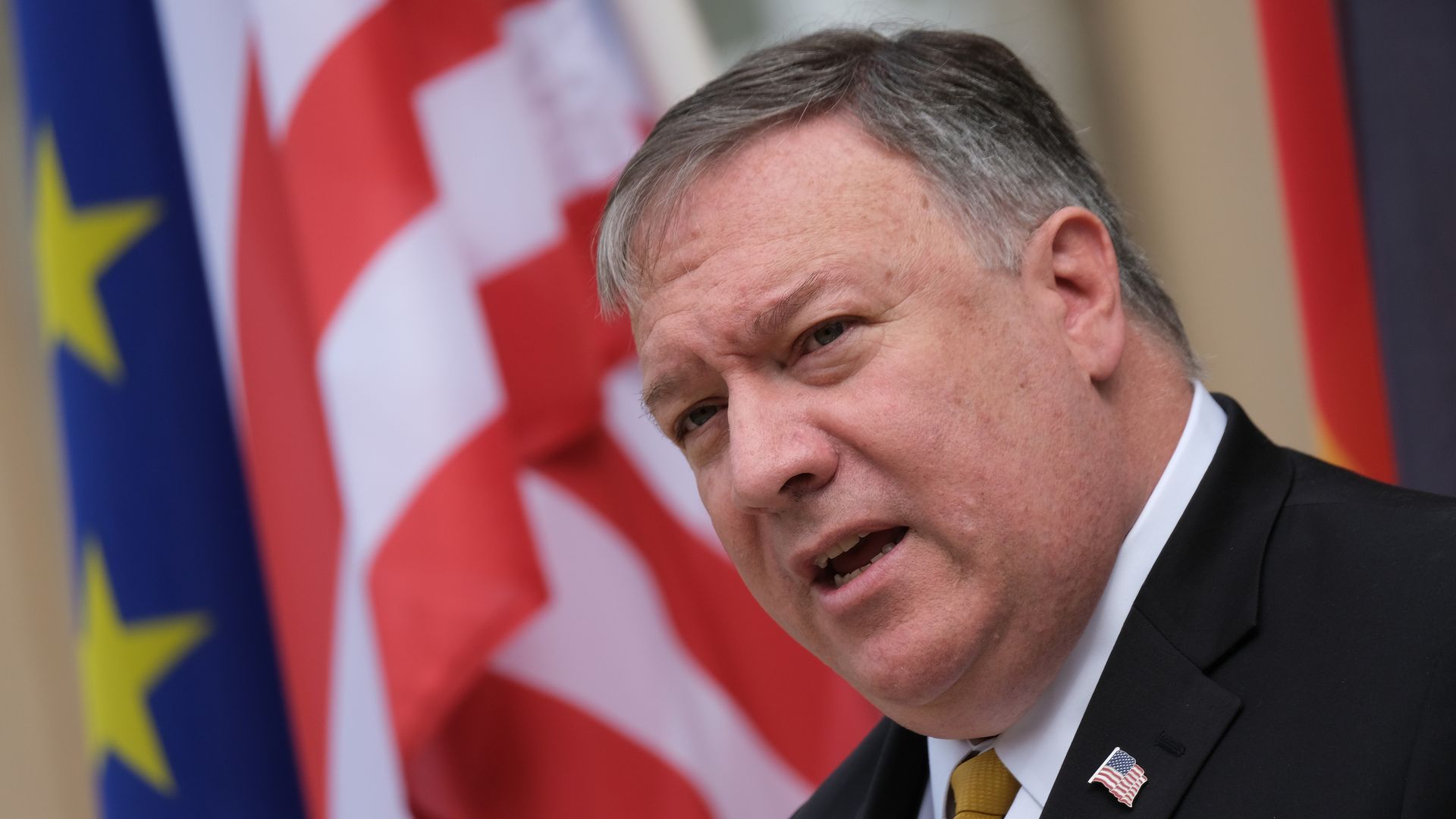
Secretary of State Mike Pompeo said on Sunday the Trump administration is willing to talk to Iran "with no preconditions," but that the U.S. does not currently plan to end sanctions or other forms of its maximum pressure campaign against the Islamic Republic, the AP reports.
Why it matters: Tensions between Iran and the U.S. have been ratcheting up for weeks, with military intervention briefly on the table at the direction of national security adviser John Bolton. Trump, however, says he opposes war and has long favored direct negotiations with leaders of belligerent countries, such as North Korea. Pompeo appears to have fallen in line with Trump's view and is currently meeting with the foreign minister of Switzerland, which has represented U.S. interests and diplomacy in Iran in the past.
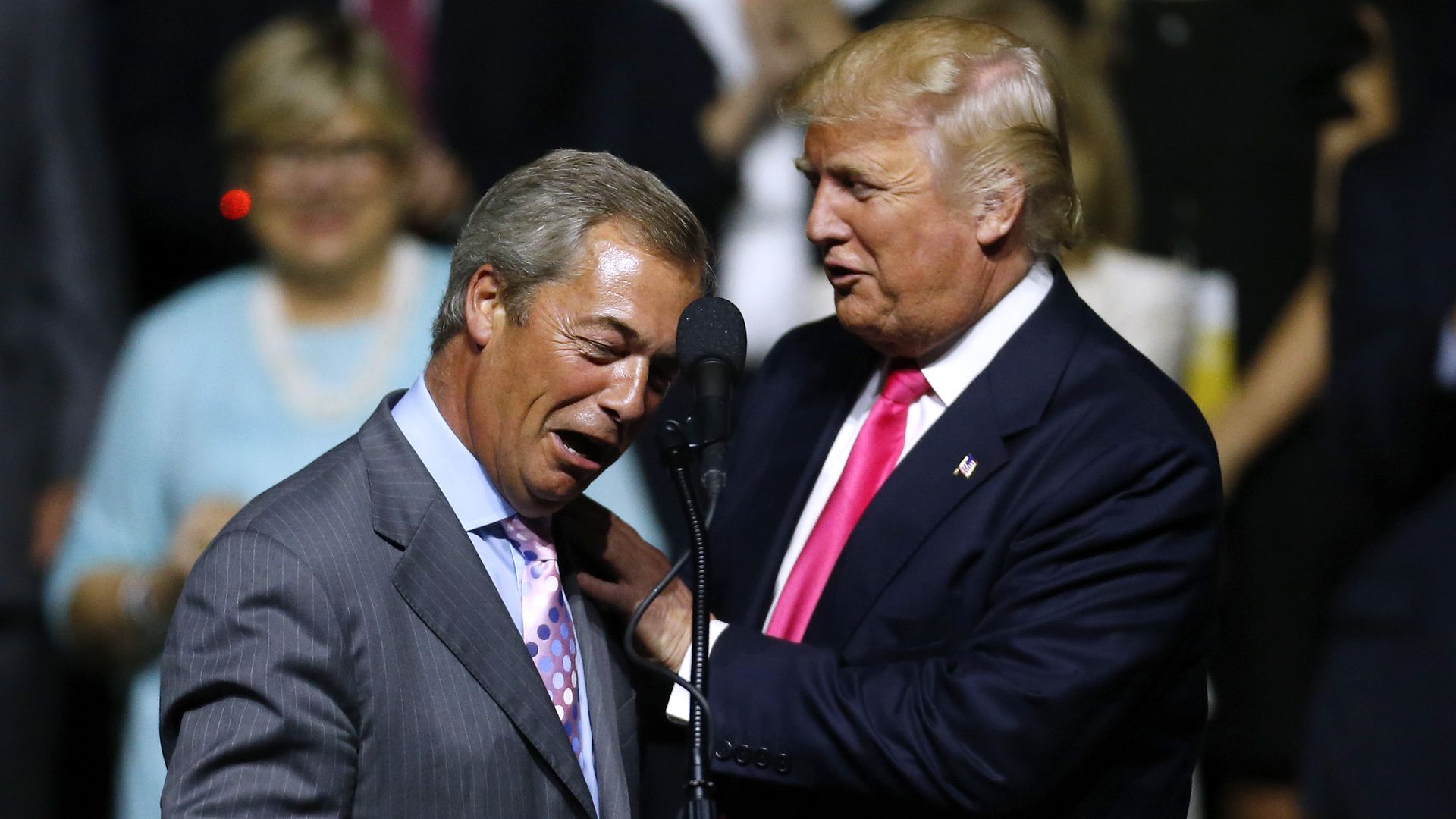
Britain should send Brexit Party leader Nigel Farage to European Union negotiations because he's "very smart" and leave the EU without a deal if it doesn't get what it wants, President Trump told the Sunday Times.
What he's saying: Trump told the newspaper ahead of his U.K. visit he wouldn't pay the 39 billion-pound ($49 billion) cost to leave the EU, outlined in the current agreement, saying "it's a big number." "If you don't get the deal you want, if you don't get a fair deal, then you walk away," he said.
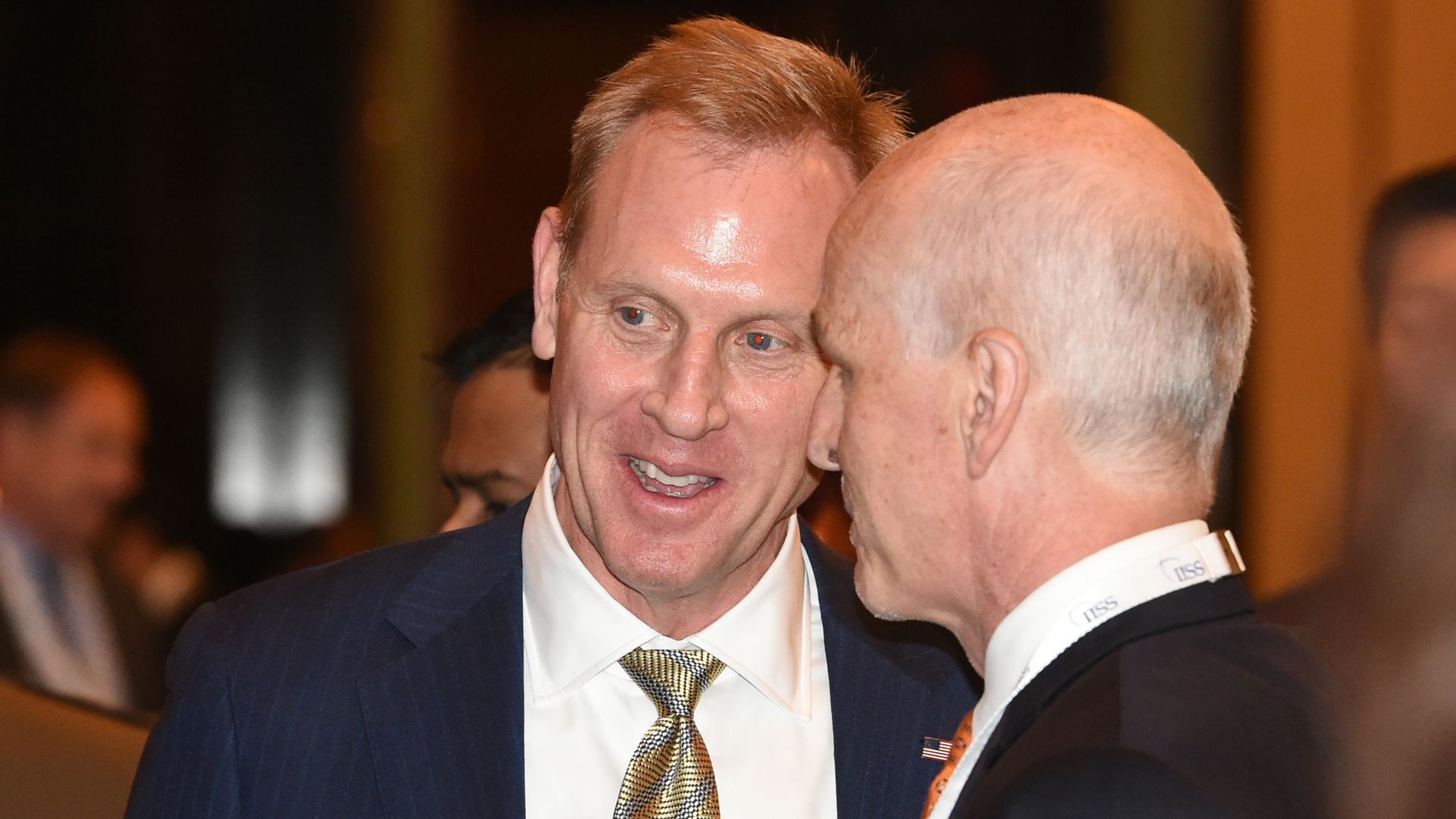
Acting Defense Secretary Patrick Shanahan had harsh criticisms on Saturday for China's alleged efforts to take technology from other countries and militarize posts in the South China Sea — mixed in with some warnings about the dangers of North Korea, reports the AP.
The big picture: The strong remarks from Shanahan come at a time of tension with China as a result of sanctions imposed by President Trump and an arms deal with Taiwan, per AP. It also highlights that defense leadership is focusing on the great power competition with China and Russia.
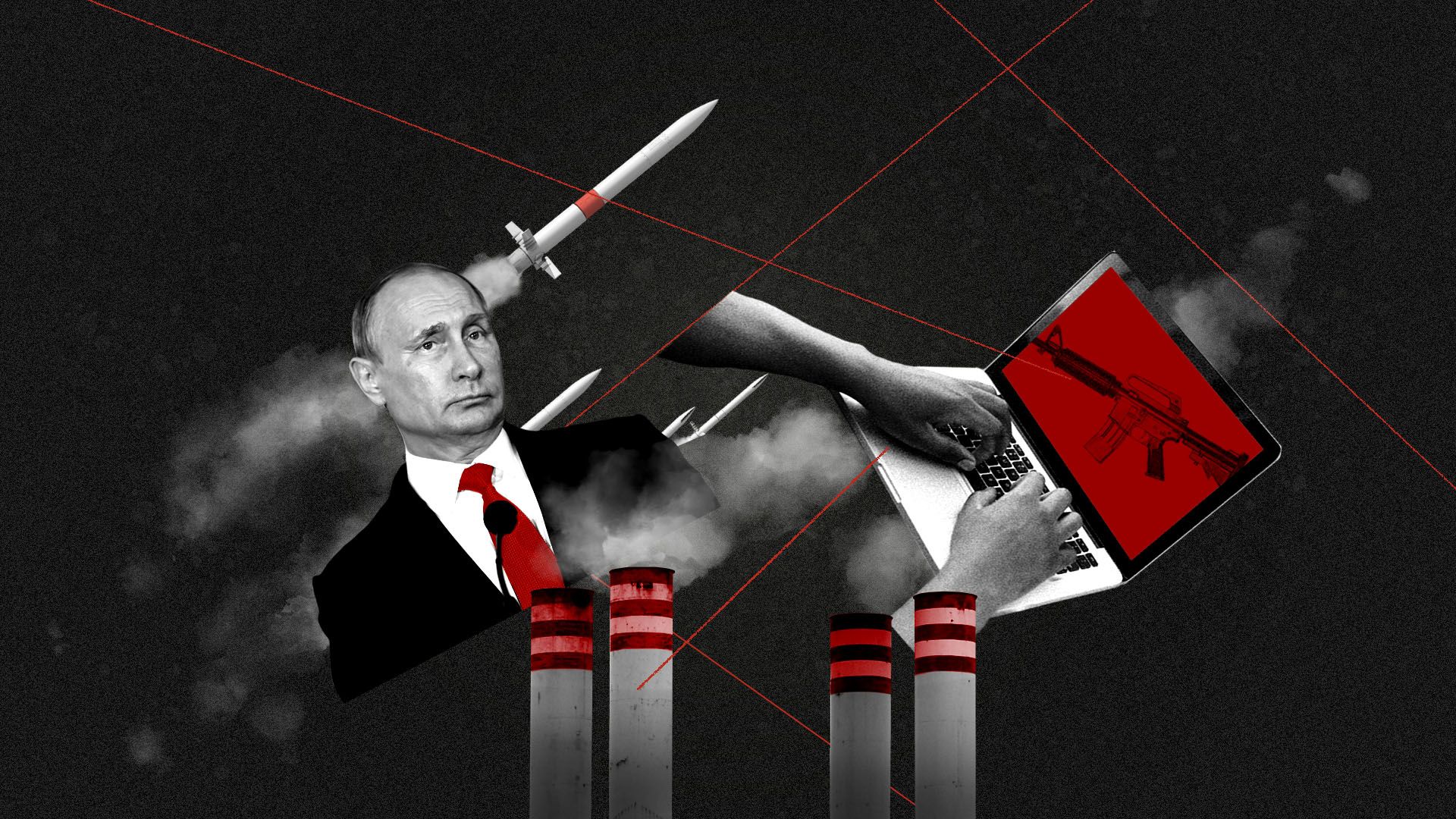
Officials who have held America’s top national security positions tell "Axios on HBO" that the nation has never before faced such a tangled web of threats.
The bottom line: They worry about the government's capacity to confront them.
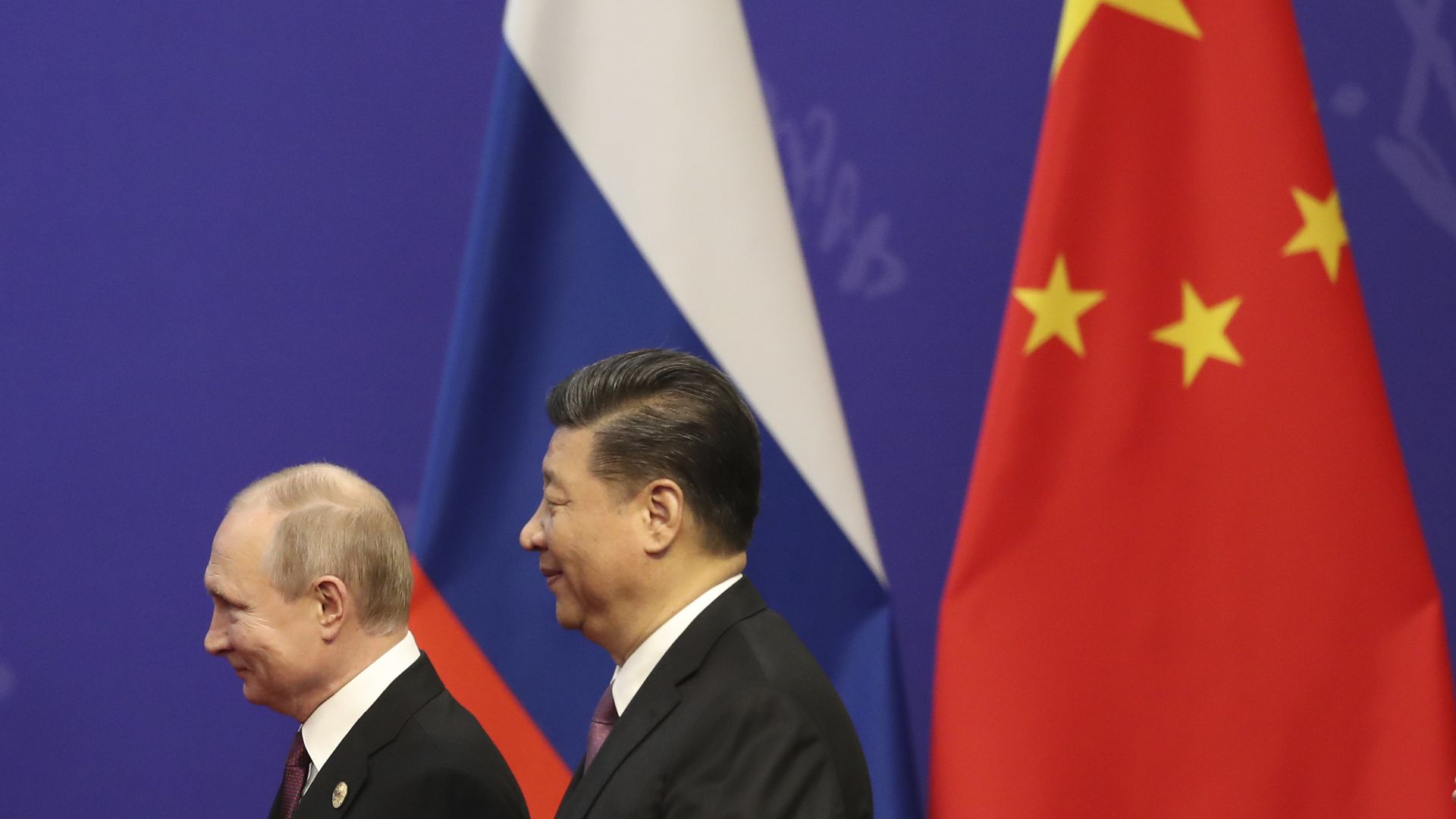
Security officials increasingly view Russia and China — separately and together — as a threat to U.S. security.
Between the lines: “What I consider two of our strongest adversaries are now working together to try to undermine stability in the United States of America,” former CIA director and Defense secretary Leon Panetta says. “This is not like dealing with some kind of rogue nation."