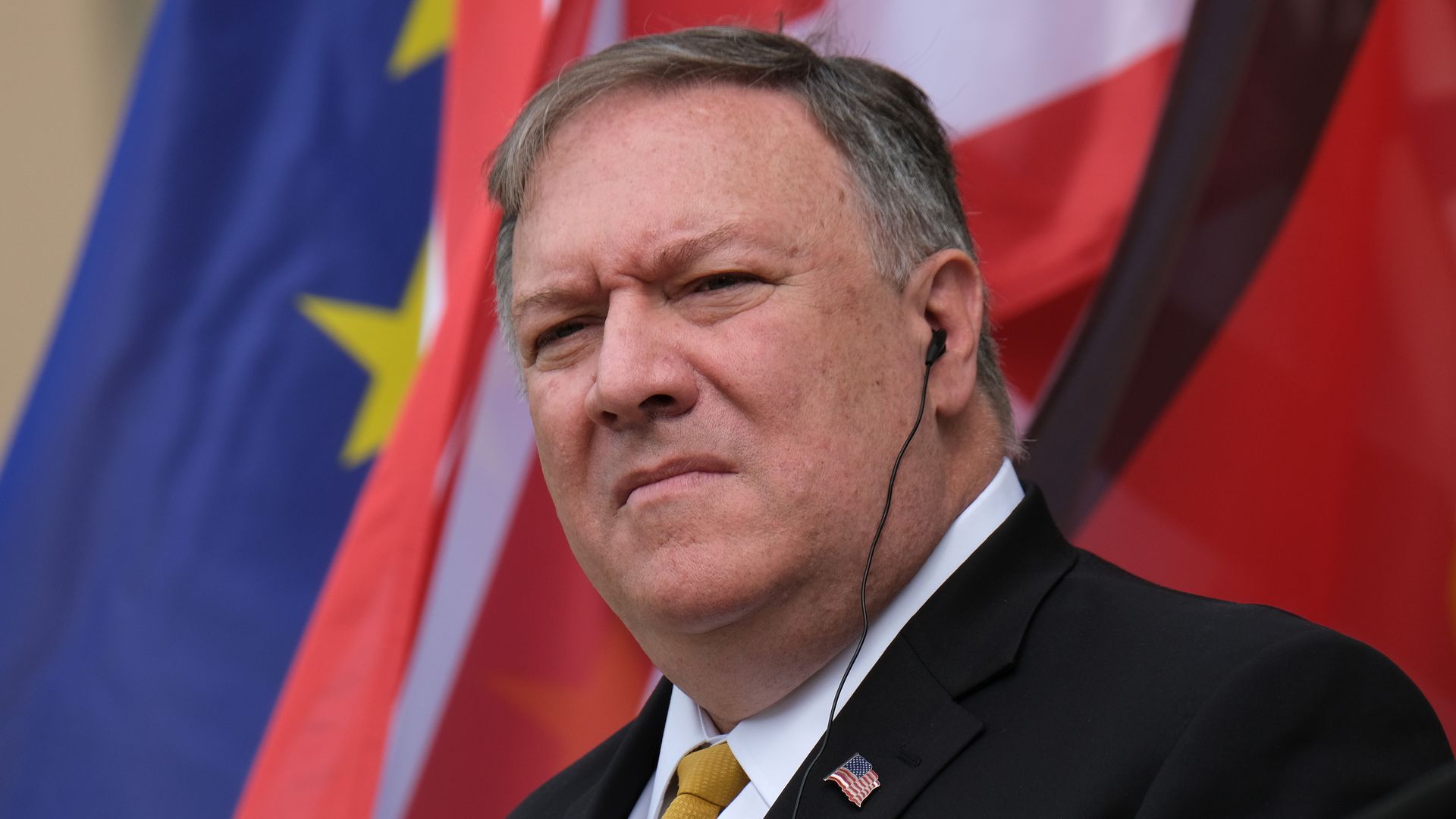
1. A day after Secretary of State Mike Pompeo said that the U.S. would hold talks with Iran without preconditions, Iran rejected the offer, calling the proposal "word play," according to the Wall Street Journal.
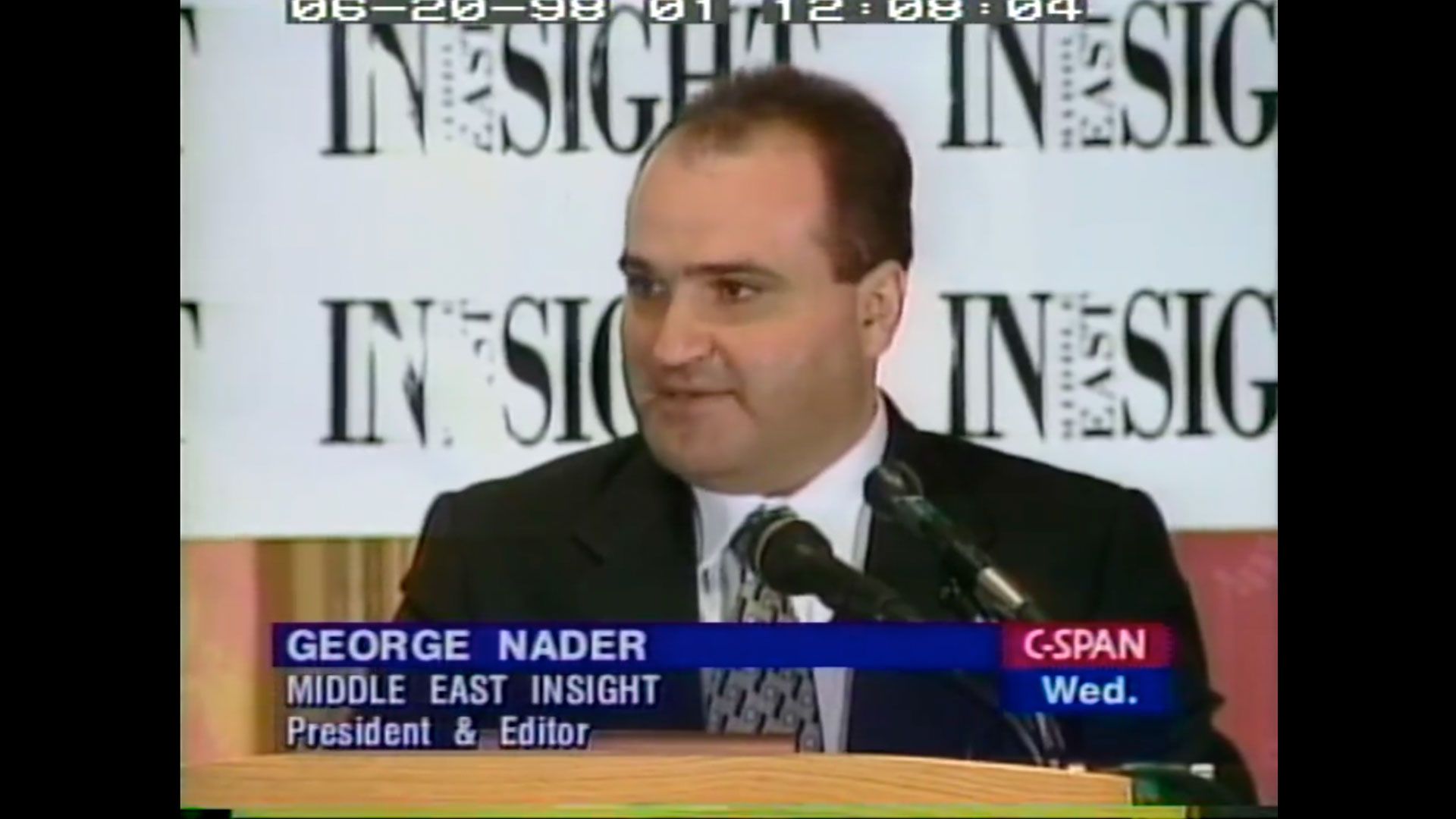
Lebanese-American businessman George Nader, who operated as a link between members of President Trump's orbit and Russian and Middle East officials in 2016 and 2017, has been charged on child pornography charges, the Washington Post reports.
Why it matters: Nader was a key witness in special counsel Robert Mueller's investigation and is known to have set up a now-infamous meeting in the Seychelles between Trump associate Erik Prince and a Russian official with close ties to the Kremlin. He has presented himself as close to the powerful crown prince of the United Arab Emirates, Mohammed bin Zayed, and was convicted of transporting child porn 28 years ago.
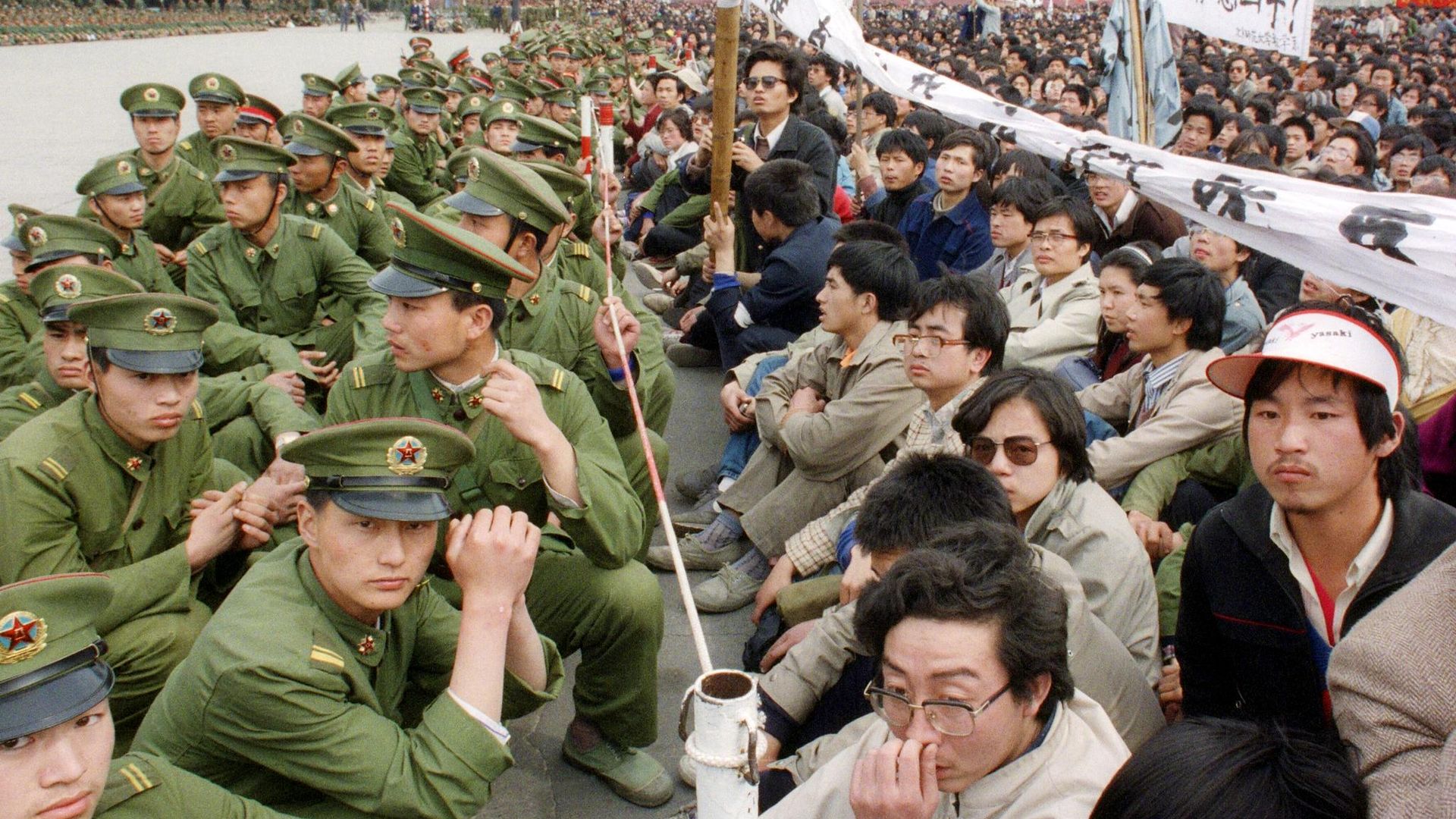
In the spring of 1989, Chinese students began gathering in Beijing's Tiananmen Square, at first to mourn the death of reformist leader Hu Yaobang and then in hopes of persuading their government to allow greater political freedom across the country.
Flashback: Over a period of six weeks, the crowd swelled as older people joined and the list of demands broadened. The occupation of the square took on a life on its own, and some within the Communist Party leadership began to see a threat to their monopoly on political power.
Fresh off President Xi Jinping's signal China could restrict the sale of rare earth minerals, a major component in a host of important technological and defense devices, to the U.S., a team of Chinese scientists announced they had developed a new process that reduces the time needed to extract rare earths from ore.
Why it matters: If the process is indeed viable, it would deepen the world's dependence on China for the valuable minerals and elements, locking in China's dominance in the field, at least in the short term.
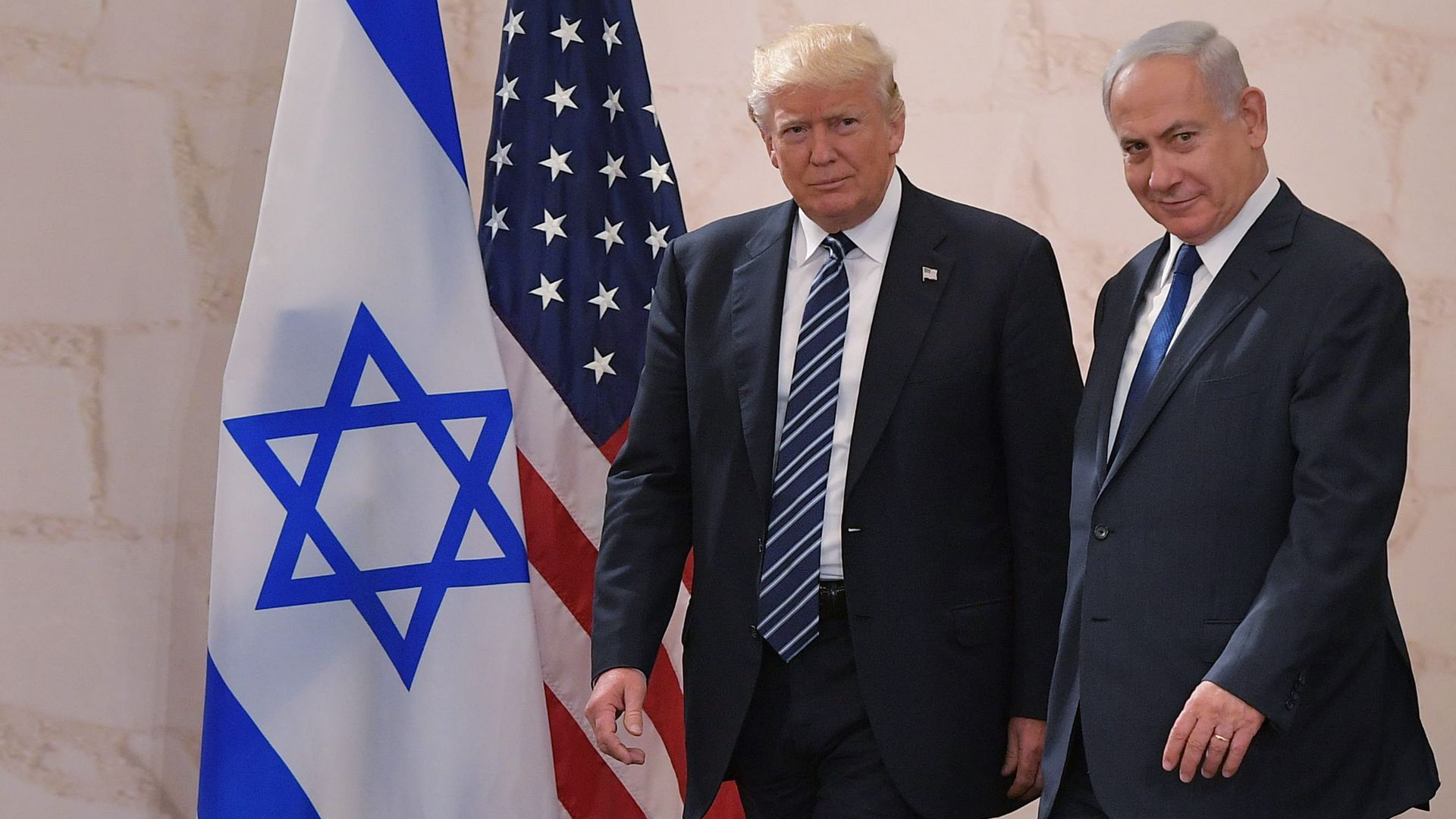
President Trump said on Sunday he is unhappy that Israel will be embroiled in a new election campaign, as his administration prepares to launch its long-awaited Israeli-Palestinian peace plan — the full release of which will likely now be delayed.
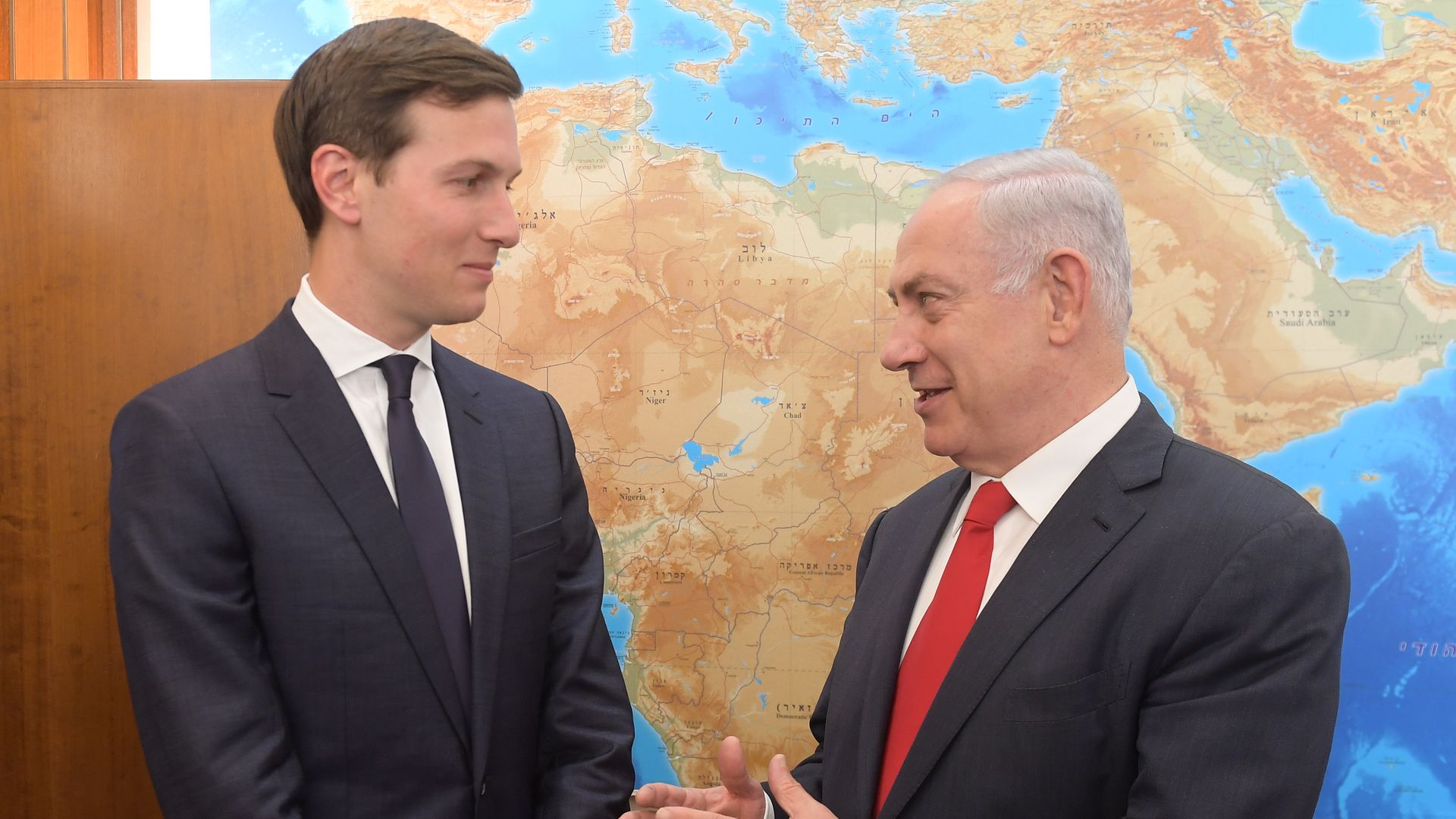
Why it matters: Trump has pushed the peace team, led by his son-in-law and senior adviser Jared Kushner, to launch the plan already. They were waiting for Israeli Prime Minister Benjamin Netanyahu to form a coalition government before they launched it. A new government will not be formed before November — when Trump will be dealing with his reelection campaign.
Jared Kushner — architect of the White House's Middle East plan, part of which is due for release at the end of June — casts doubt on the ability of Palestinians to govern themselves.
Driving the news: Asked in an interview on "Axios on HBO" whether he believes the Palestinians are capable of governing themselves without Israeli interference — a fundamental demand for Palestinians — Kushner said, "That's a very good question. ... The hope is, is that over time, they can become capable of governing."
"Axios on HBO" asked Jared Kushner, who hasn't had official talks with the Palestinian leadership in more than a year, whether he understands why the Palestinians don't trust him. (Since taking office, President Trump has moved the U.S. Embassy in Israel to Jerusalem, slashed all U.S. aid to the Palestinians and shuttered the Palestinian diplomatic office in Washington.)
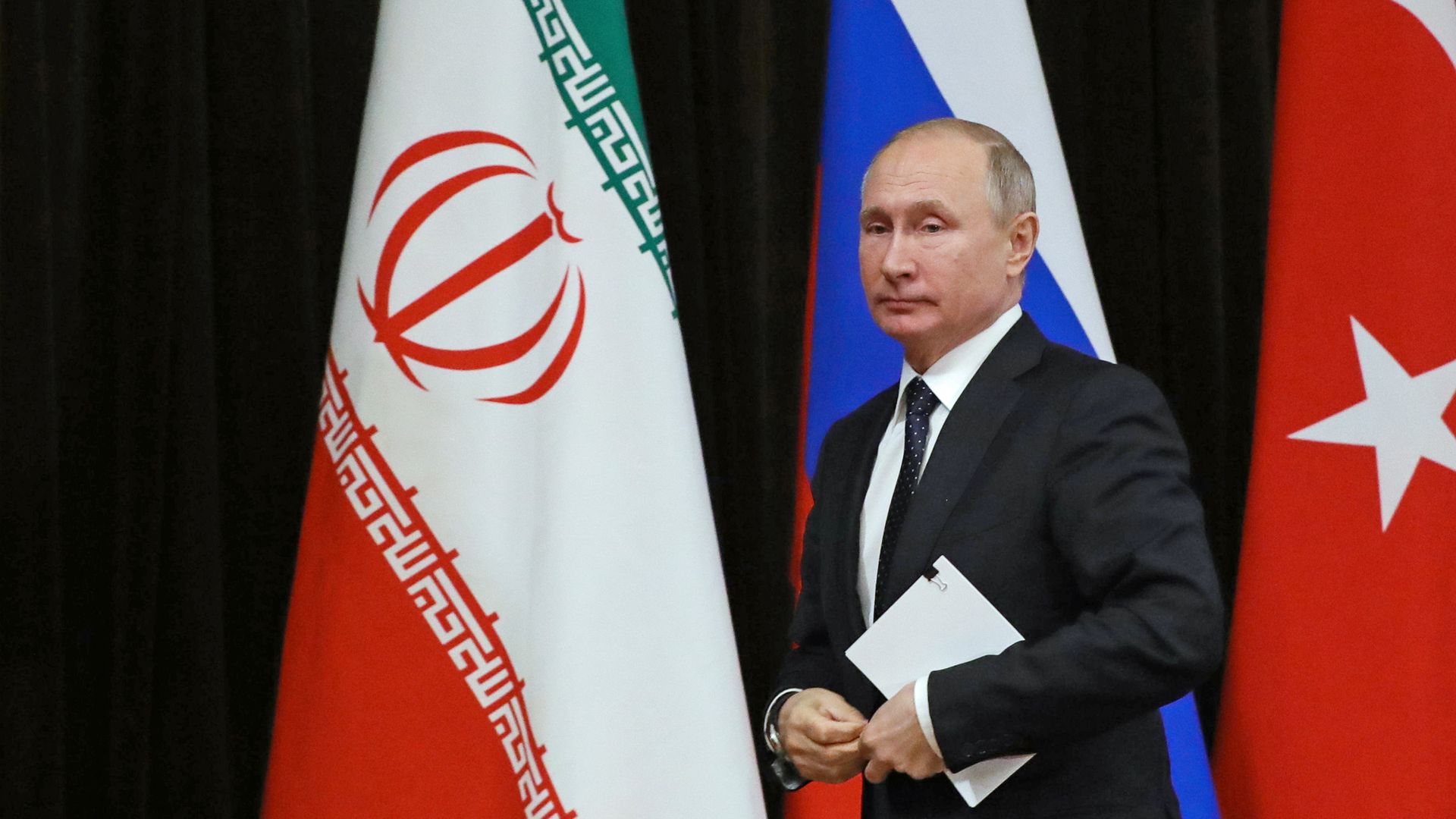
The Trump administration has made it clear to the Kremlin that the U.S. fully supports Israeli airstrikes in Syria while Iranian forces, Hezbollah and pro-Iranian militias are still operating in the country, a senior U.S. official told me.
Why it matters: Israel airstrikes against Iranian targets in Syria continue every other week. Last night, a rocket was fired from Syria and landed in an Israeli military base on the border with Syria in the northern part of the Golan Heights. Israeli intelligence services think it was likely fired by pro-Iranian militia in Syria, and the Israeli air force retaliated against Syrian military bases. According to reports, three Syrian soldiers and seven non-Syrian militiamen were killed.
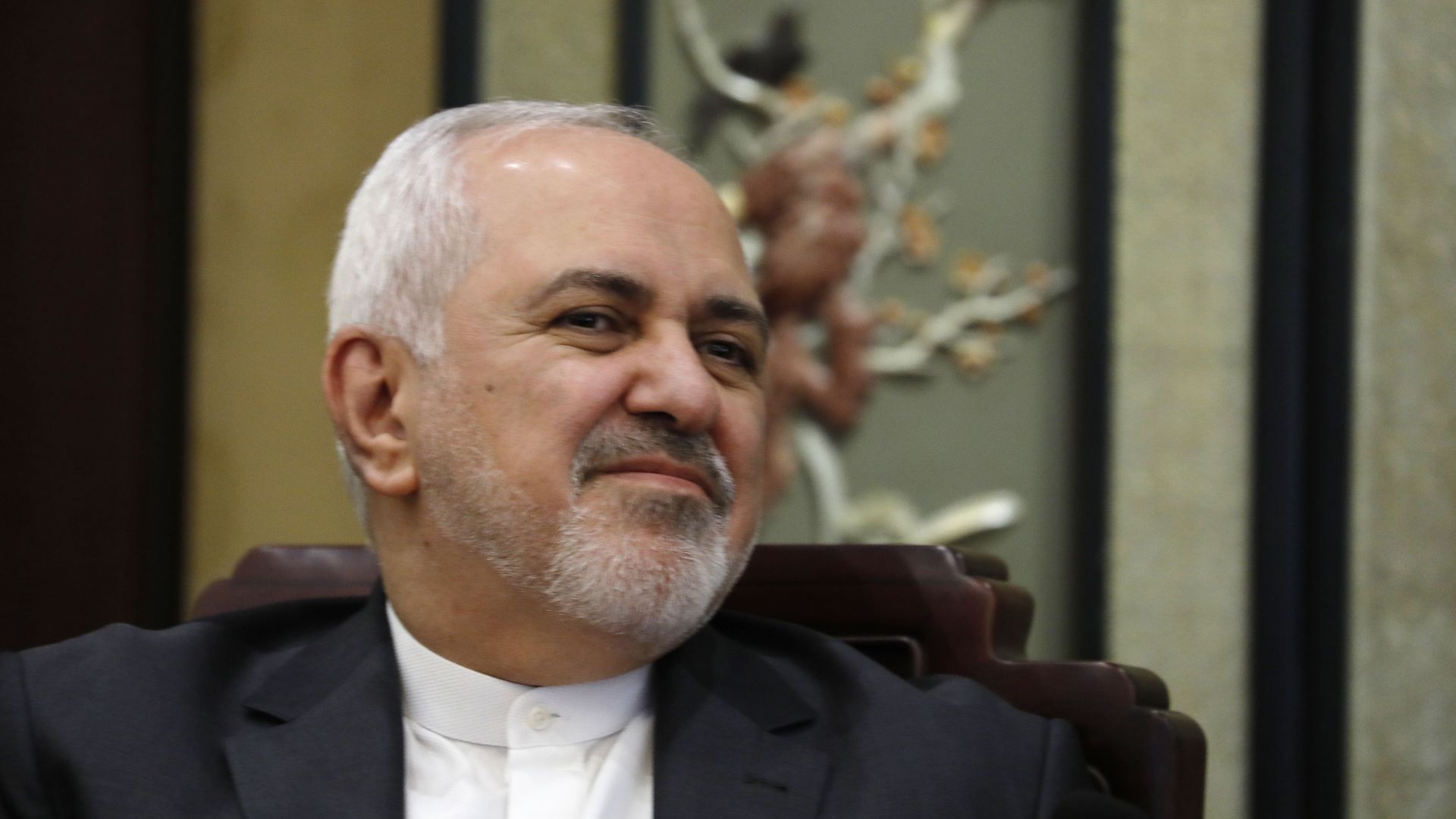
Iranian Foreign Minister Javad Zarif told ABC's "This Week" on Sunday that said he does not believe talks between the U.S. and Iran are likely, adding in a direct message to President Trump that "threats against Iran never work."
"Never threaten an Iranian. Try respect. That may work."
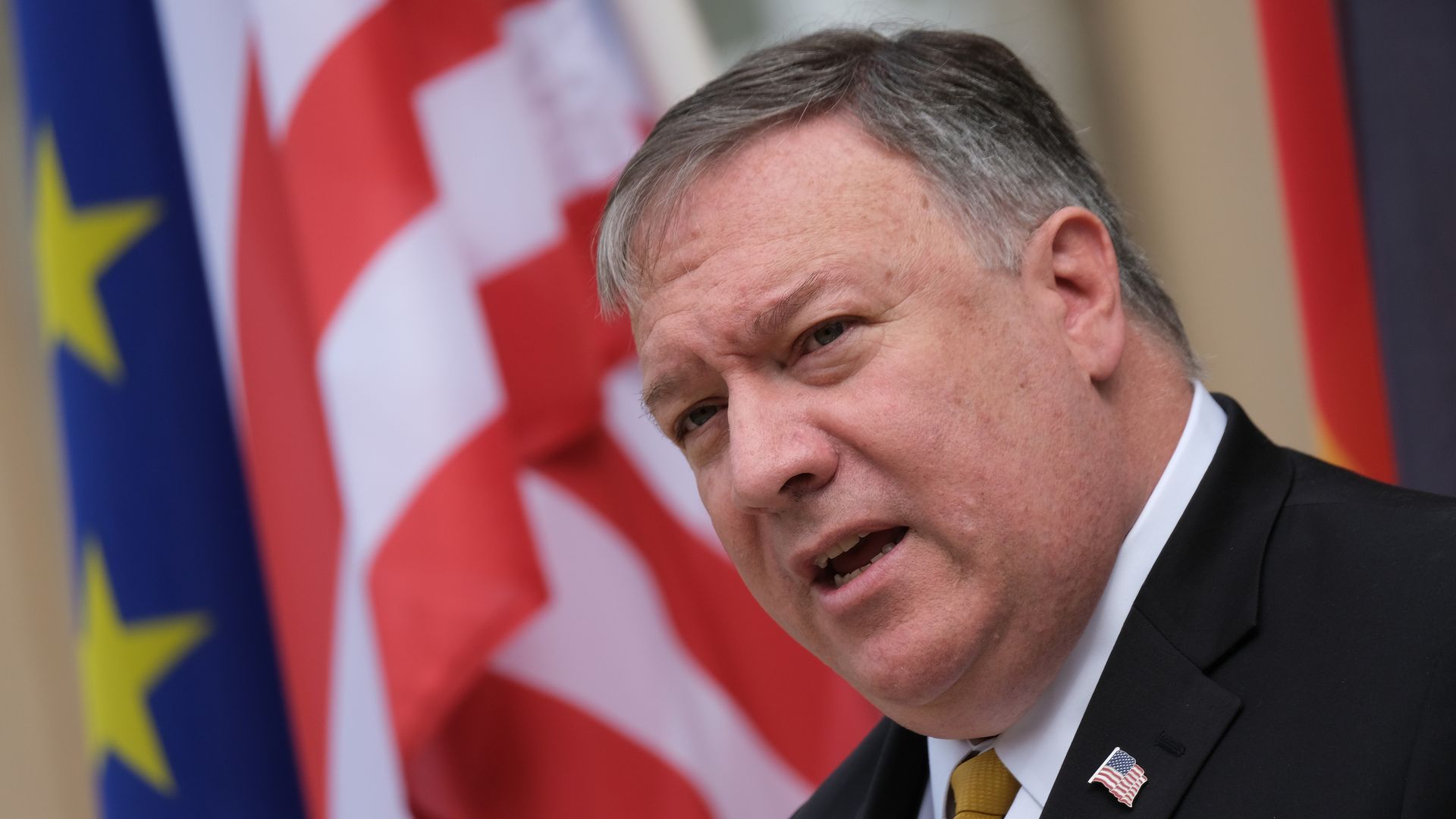
Secretary of State Mike Pompeo said on Sunday the Trump administration is willing to talk to Iran "with no preconditions," but that the U.S. does not currently plan to end sanctions or other forms of its maximum pressure campaign against the Islamic Republic, the AP reports.
Why it matters: Tensions between Iran and the U.S. have been ratcheting up for weeks, with military intervention briefly on the table at the direction of national security adviser John Bolton. Trump, however, says he opposes war and has long favored direct negotiations with leaders of belligerent countries, such as North Korea. Pompeo appears to have fallen in line with Trump's view and is currently meeting with the foreign minister of Switzerland, which has represented U.S. interests and diplomacy in Iran in the past.
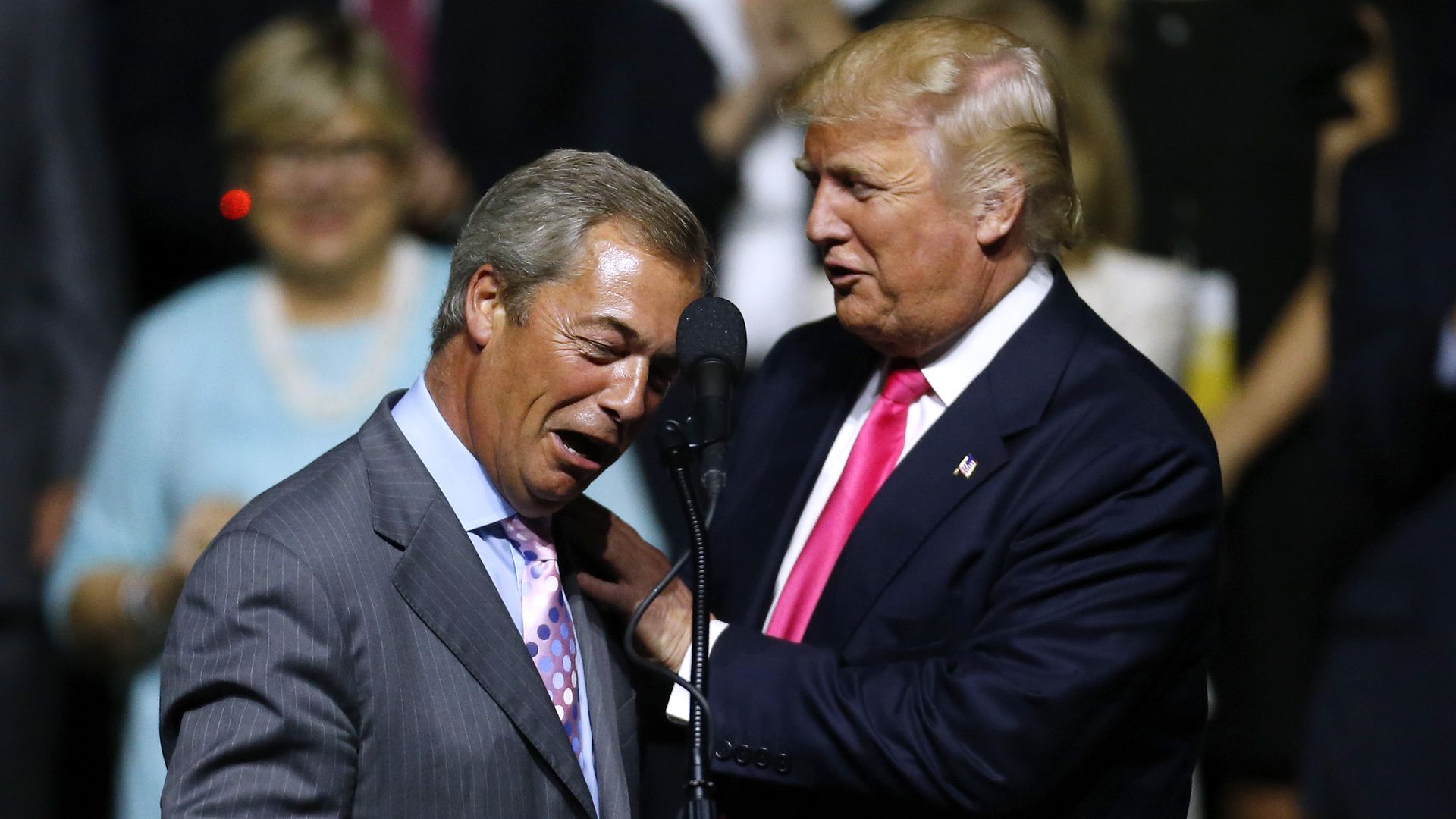
Britain should send Brexit Party leader Nigel Farage to European Union negotiations because he's "very smart" and leave the EU without a deal if it doesn't get what it wants, President Trump told the Sunday Times.
What he's saying: Trump told the newspaper ahead of his U.K. visit he wouldn't pay the 39 billion-pound ($49 billion) cost to leave the EU, outlined in the current agreement, saying "it's a big number." "If you don't get the deal you want, if you don't get a fair deal, then you walk away," he said.