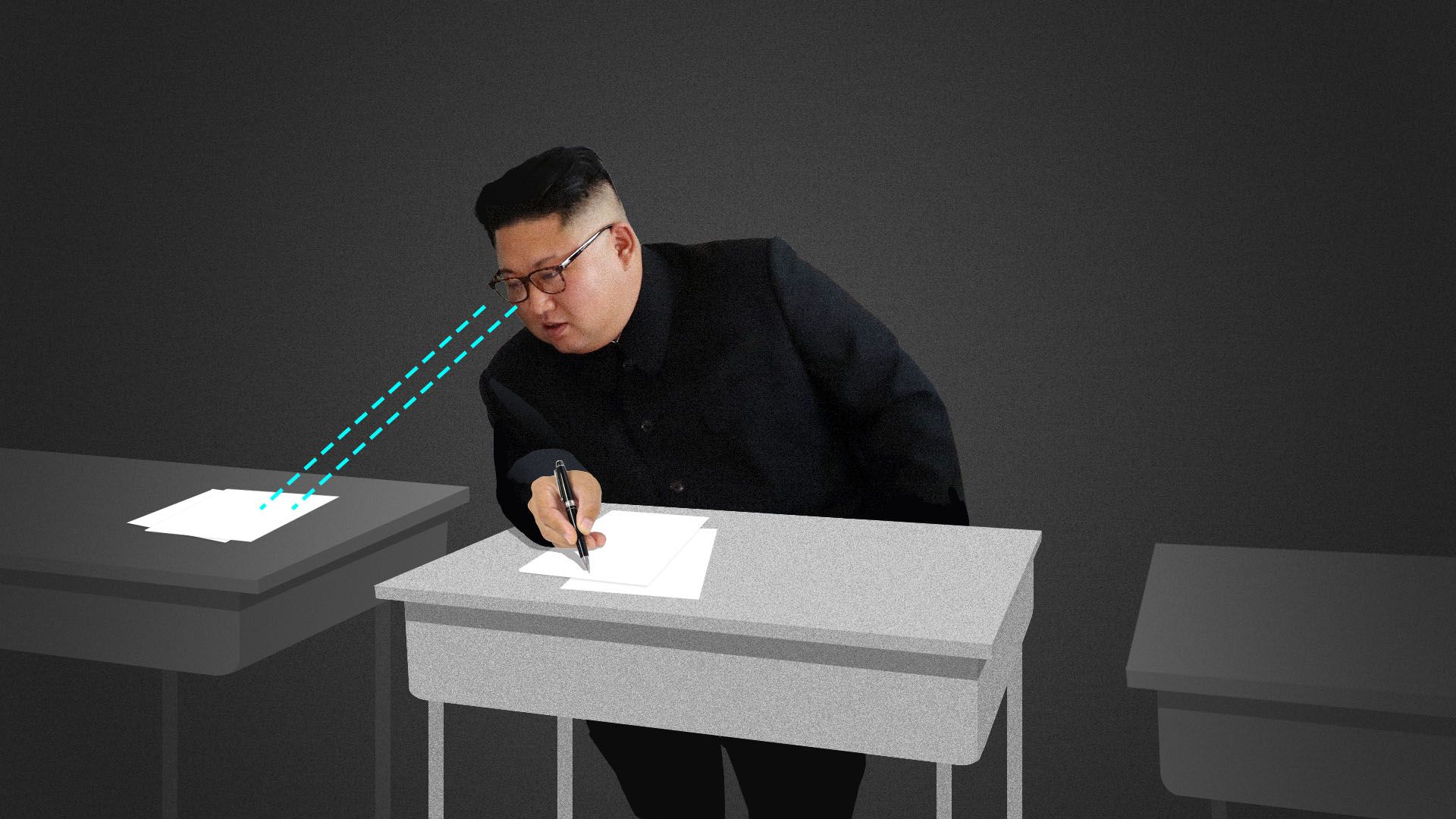
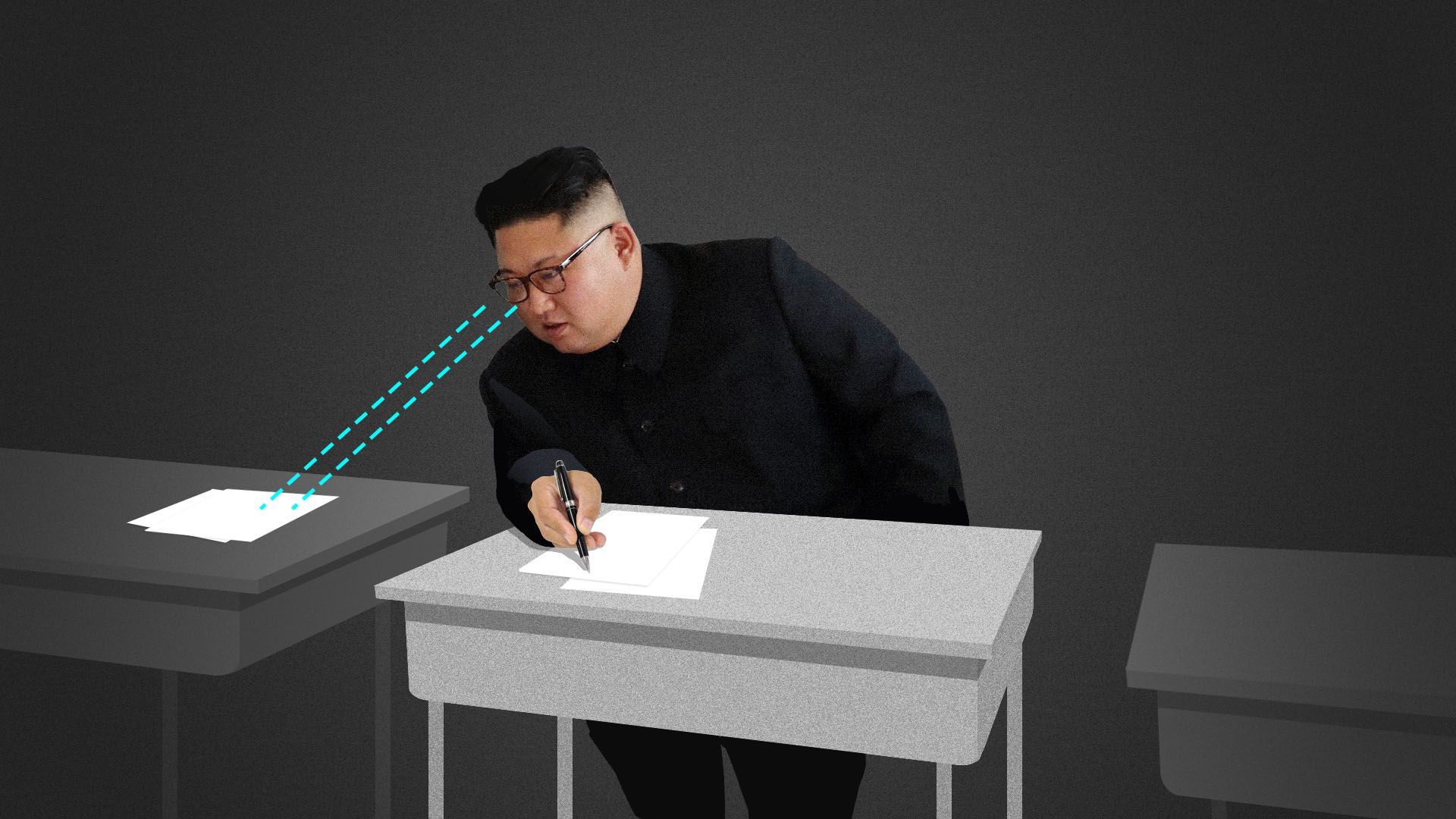
As North Korea tries to rev up its economy, it may shift its hacking efforts from financial thievery to stealing intellectual property, China-style. That's according to a contested new theory from cybersecurity firm CrowdStrike.
Why it matters: North Korea is already one of the "big four" hacking threats — along with China, Russia and Iran — but it currently focuses on cash theft to fill its sanctions-drained coffers. Though experts are mixed on the likelihood Pyongyang's hackers would switch to the model China used to build its domestic industries, most seem to think it's a threat worth keeping an eye on.
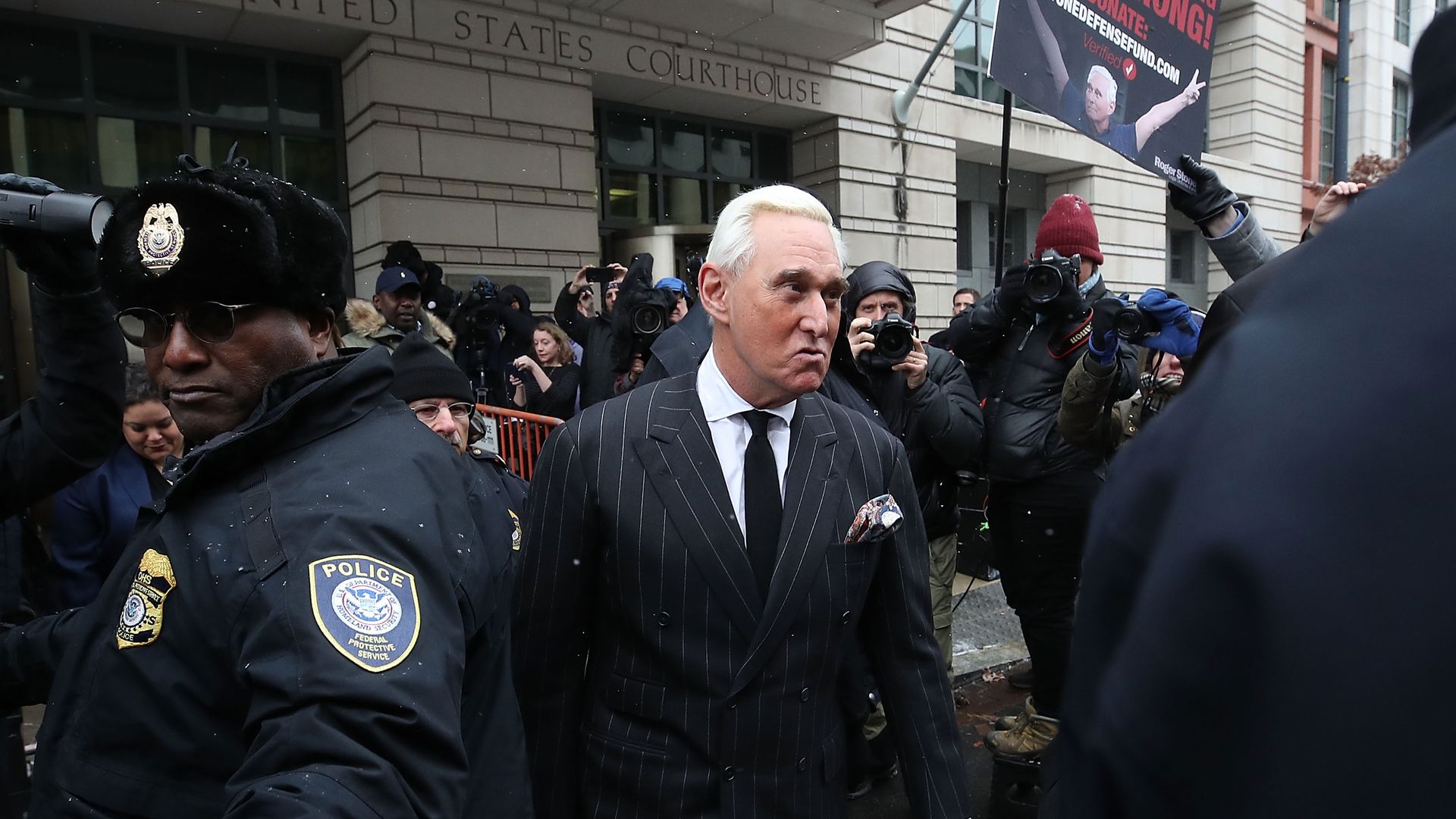
D.C. District Judge Amy Berman Jackson ruled in a hearing Thursday that longtime Trump adviser Roger Stone may no longer speak publicly or post on social media about his case.
"I'm not giving you another chance. I have serious doubts about whether you have learned any lesson at all. From this moment on, the defendant may not speak publicly about the investigation or the case or any of the participants."
The backdrop: Stone on Monday posted an Instagram that appeared to show a crosshairs symbol next to a picture of Judge Jackson, with a caption that described her as an "Obama-appointed judge who dismissed the Benghazi charges against Hillary Clinton." Stone took the witness stand during the hearing and profusely apologized to Judge Jackson, calling the post "a lapse of judgement" caused by extreme stress. Jackson took no pity on Stone, and said she would revoke his bond and detain him if he violates the order.
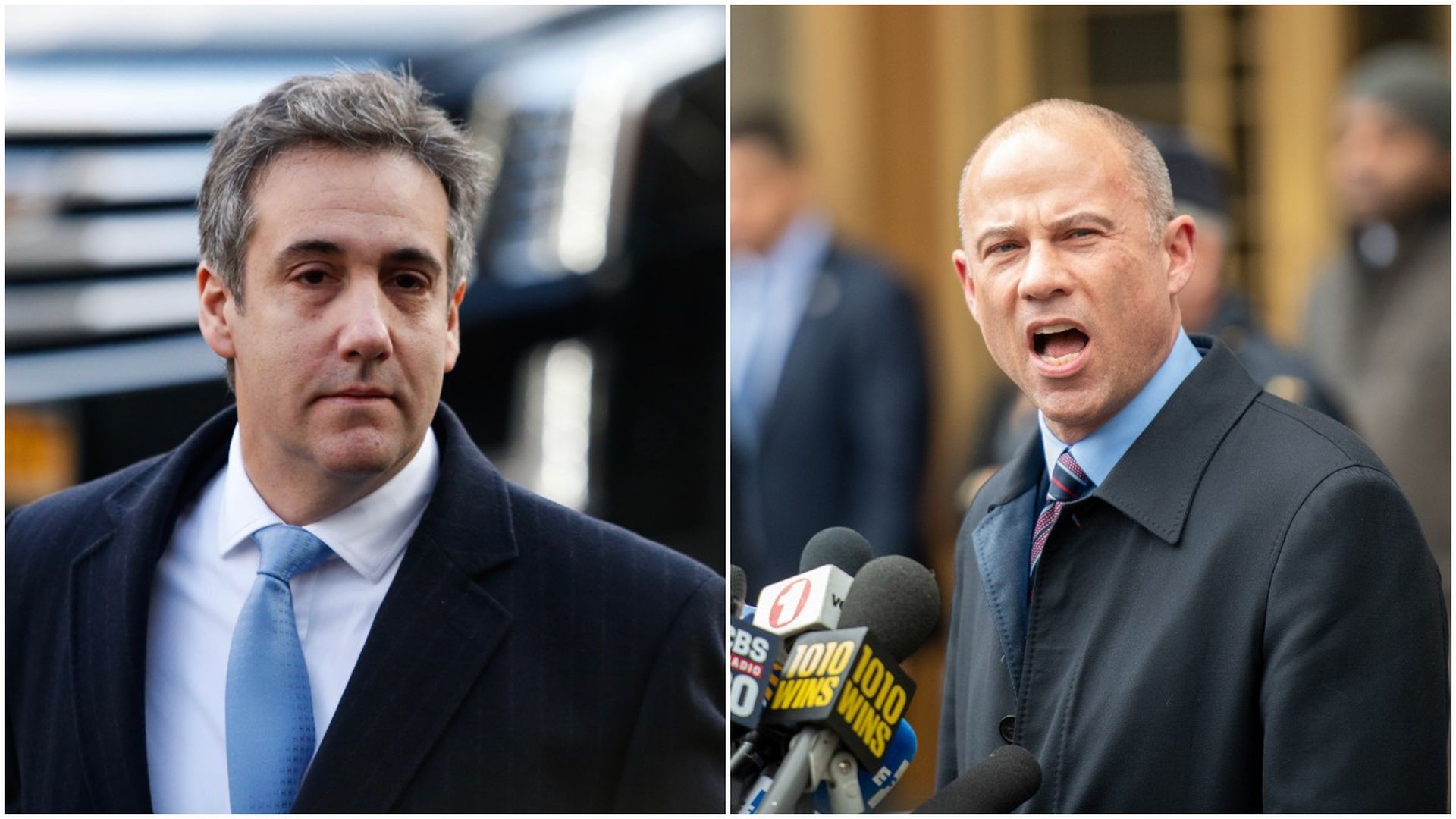
John Fry, an analyst with the Internal Revenue Service, was charged Thursday with leaking Michael Cohen's confidential bank records to Stormy Daniels' attorney Michael Avenatti.
Why it matters: Avenatti posted a report on Twitter last May detailing payments that various firms made to a shell company Cohen set up called Essential Consultants — the same company Cohen used to pay off Daniels — for "insights into understanding the new administration." The companies included AT&T, Novartis and Columbus Nova, a U.S. investment firm with ties to Russian oligarch Viktor Vekselberg.
As North Korea tries to rev up its economy, it may shift its hacking efforts from financial thievery to stealing intellectual property, China-style. That's according to a contested new theory from cybersecurity firm CrowdStrike.
Why it matters: North Korea is already one of the "big four" hacking threats — along with China, Russia and Iran — but it currently focuses on cash theft to fill its sanctions-drained coffers. Though experts are mixed on the likelihood Pyongyang's hackers would switch to the model China used to build its domestic industries, most seem to think it's a threat worth keeping an eye on.
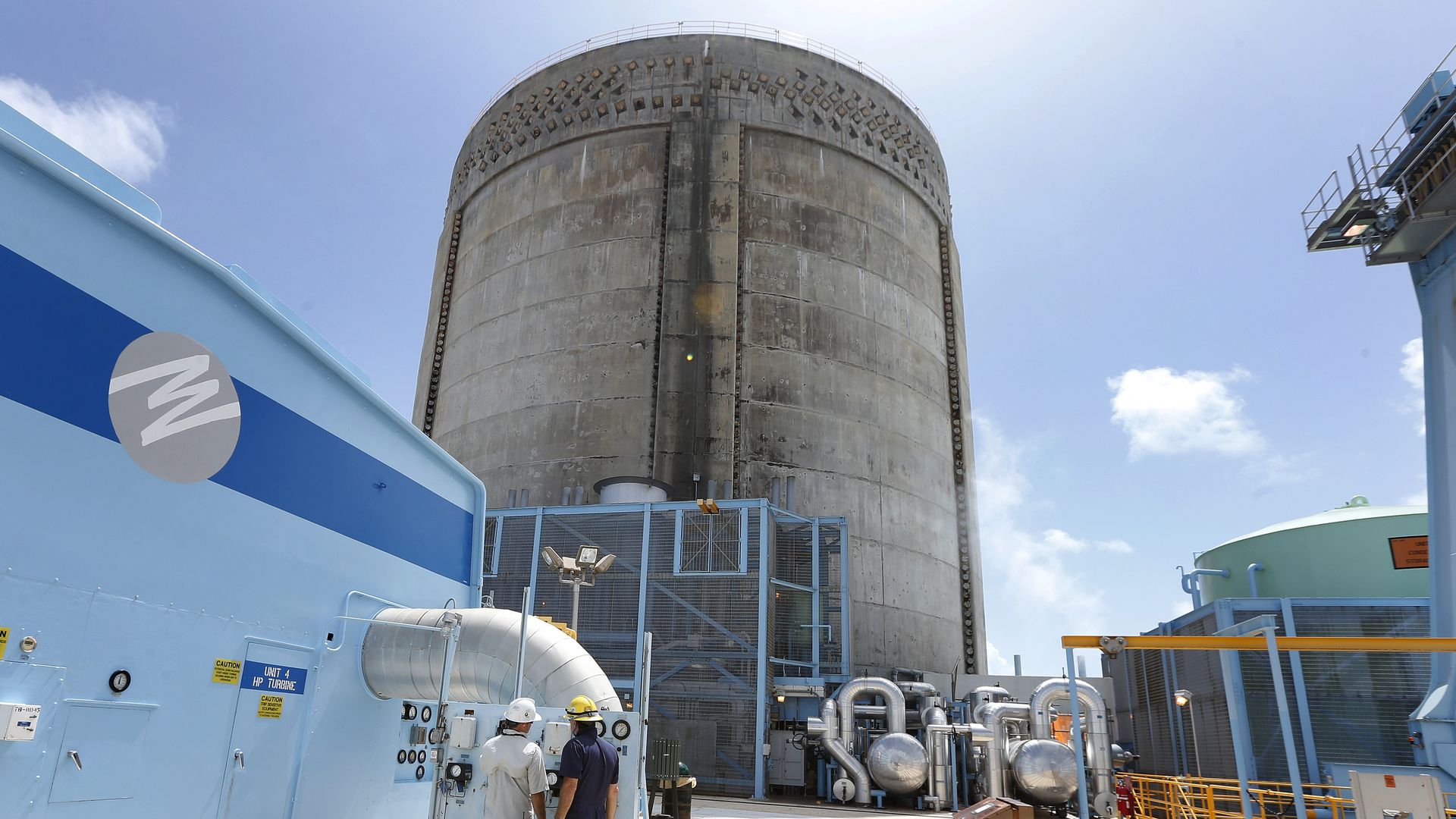
The House Oversight Committee released a report this week that accuses Trump administration officials of legal and ethical breaches in their pursuit of a nuclear-plant deal with Saudi Arabia.
The big picture: While a nuclear-capable Saudi Arabia is a dangerous prospect — MBS has floated the idea of developing nuclear weapons — it's becoming something of a foregone conclusion. The world's nuclear suppliers are already bidding for the contract to construct Saudi Arabia's first two reactors, with Riyadh having shortlisted bids from not only the U.S., but also France, China, Russia and South Korea.
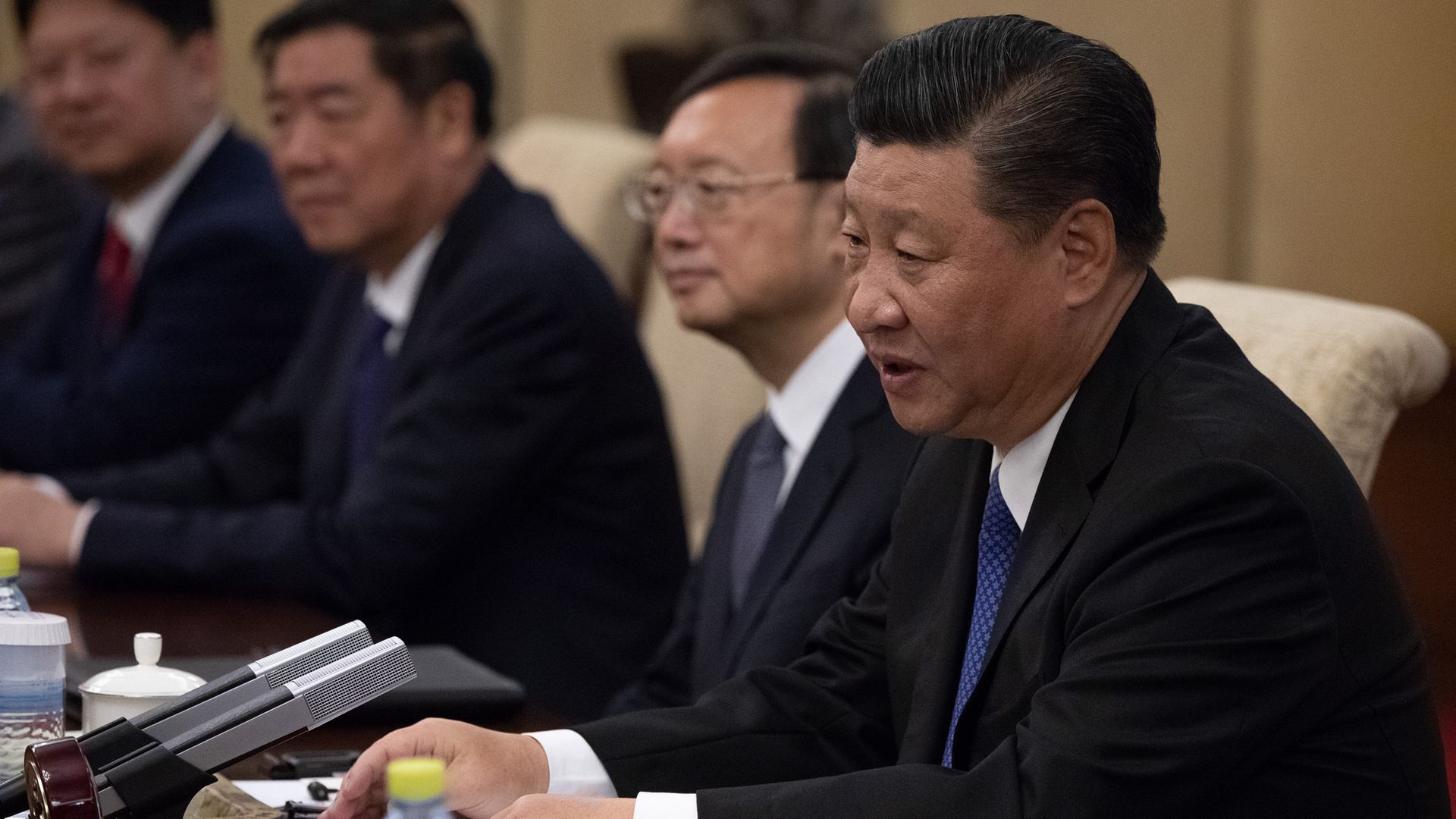
China and Malaysia are close to reviving a $20 billion railway deal, just a year after Malaysia’s new prime minister, Mahathir Mohamad, suggested the project might be scrapped.
Why it matters: The railway deal is just the latest example of how Belt and Road Initiative projects rarely die. As for leaders in Sri Lanka, Pakistan and elsewhere,Mahathir’s criticism of the BRI was not a rejection of it, but a bargaining strategy.
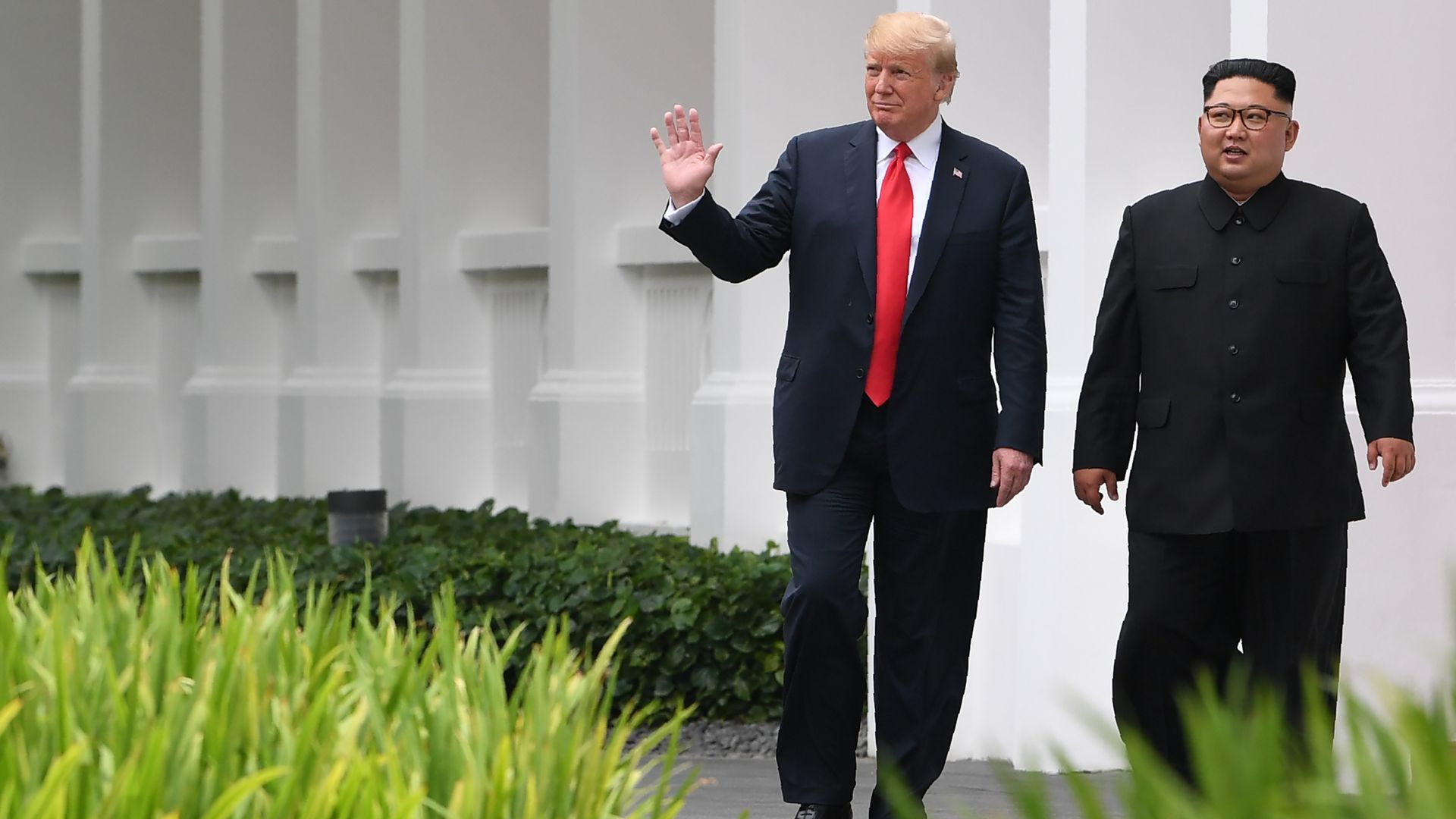
The Trump administration is heading into the Feb. 27–28 summit with Kim Jong-un unsure whether North Korea is committed to denuclearization, but standing by its position that no sanctions relief is coming until the hermetic regime follows through.
Why it matters: The U.S. intelligence community believes North Korea is unlikely to give up all of its nuclear weapons because it sees them as crucial to regime survival.
A U.S. official announced yesterday that the U.S. Consulate General in Jerusalem, which serves Palestinians, will be absorbed into the new U.S. Embassy to Israel in March.
Why it matters: The move is of a piece with the administration's attempts to recast the Palestinian refugee issue and its apparently tenuous commitment to a two-state solution. The merger is yet another demonstration of the Trump peace team's determination to change U.S. policy toward core elements of the Israeli-Palestinian issue, both on paper and on the ground.
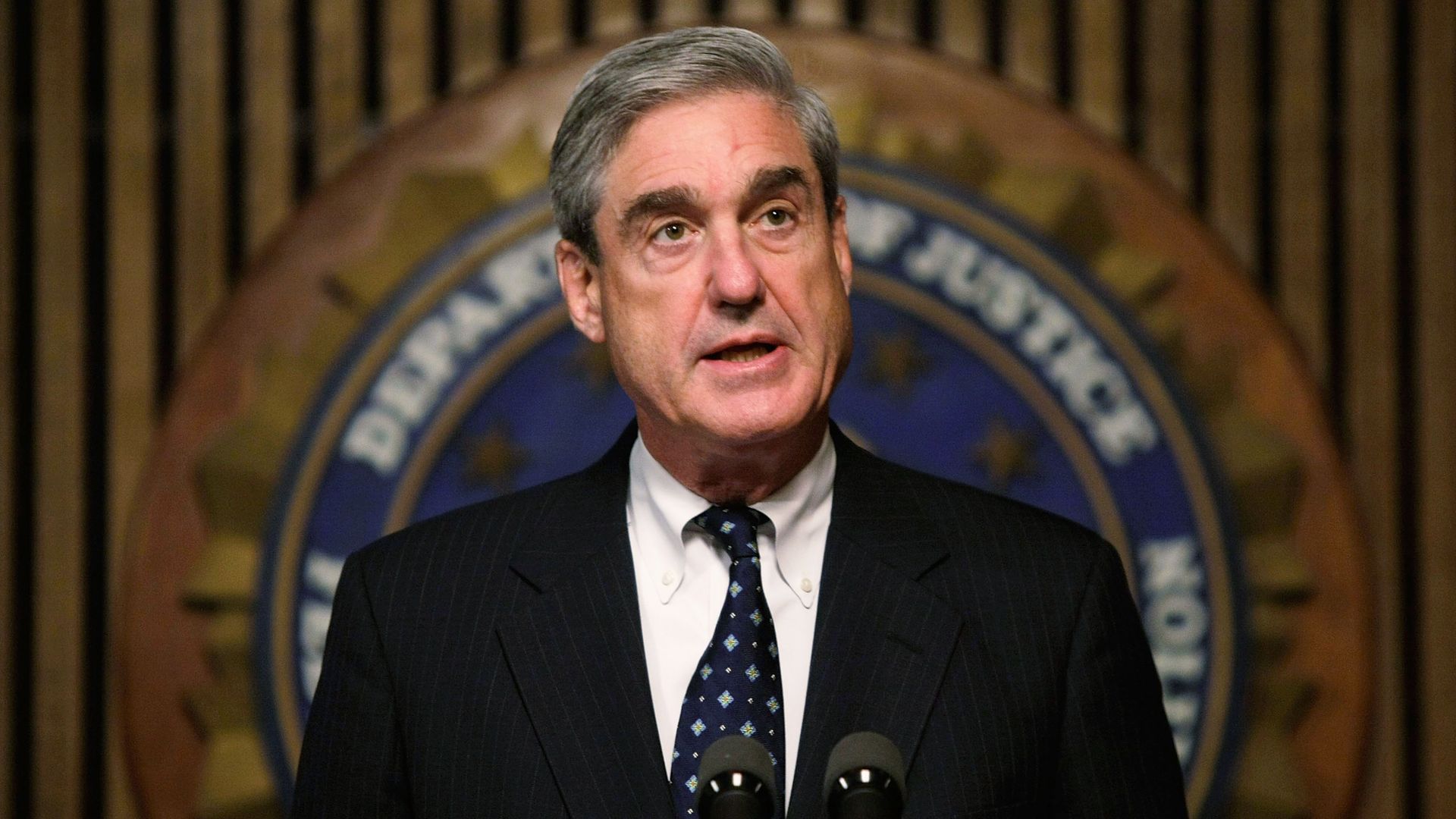
The Justice Department is preparing for special counsel Robert Mueller's investigation to end as soon as next week, according to a CNN report.
What to watch: In WIRED, the well-wired Garrett M. Graff gives seven "wrap up" scenarios for how it could all end, ranging from a simple letter to Attorney General Bill Barr all the way to a novelistic, explosive report authored by Mueller's team.
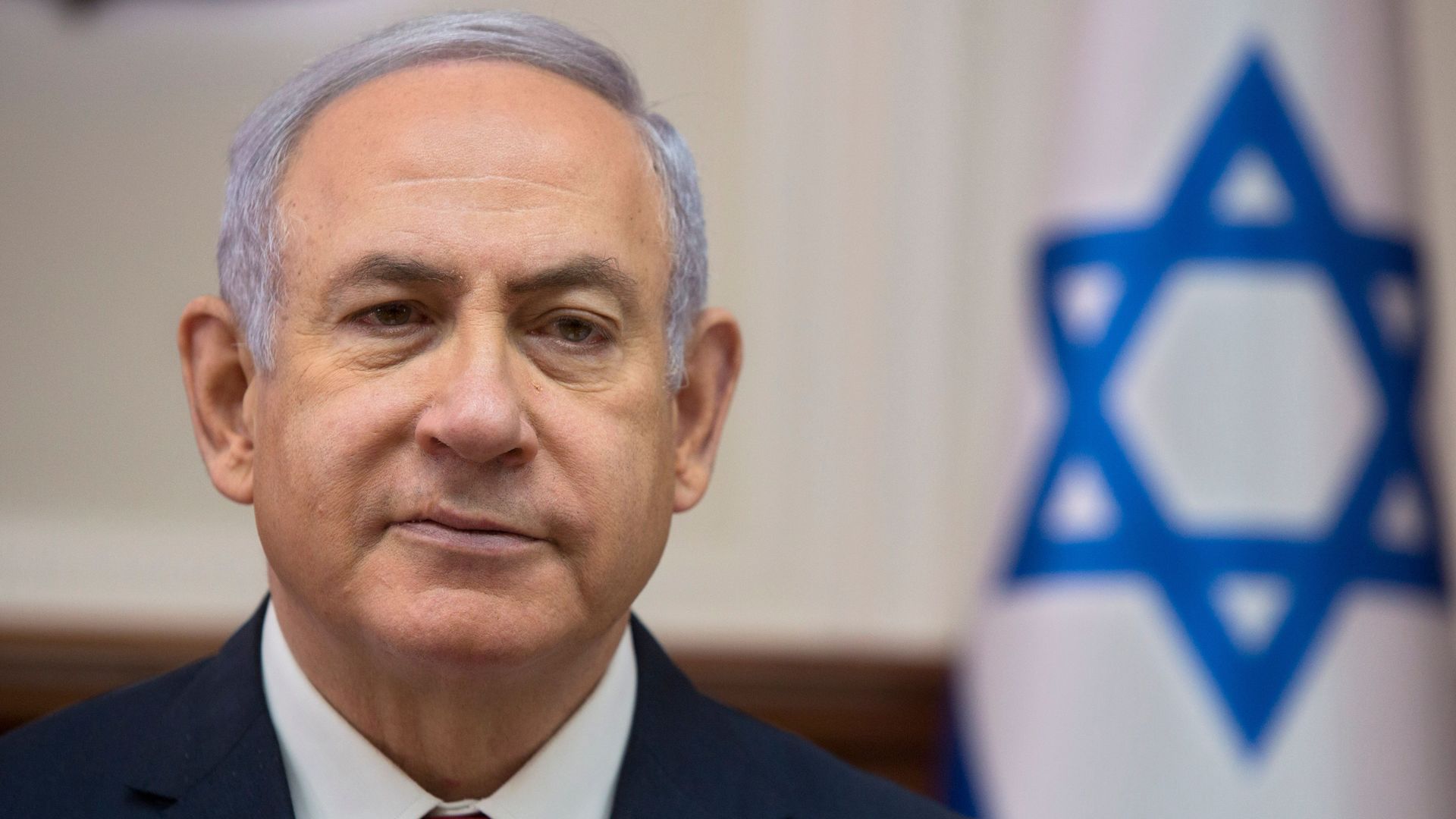
Hours before the registration deadline for Israel's elections, the two main political rivals of Prime Minister Benjamin Netanyahu announced Thursday that they will join forces and merge their parties into a single, centrist party that will run in the April 9 contest.
Why it matters: This is the most dramatic development in the Israeli election campaign so far. According to the last few weeks of polling, a joint list led by former Minister of Finance Yair Lapid, the leader of the "Yesh Atid" party, and former IDF chief of staff Benni Gantz, the head of the new "Resilience for Israel" party, would be the biggest party in the Knesset and could possibly beat Netanyahu.
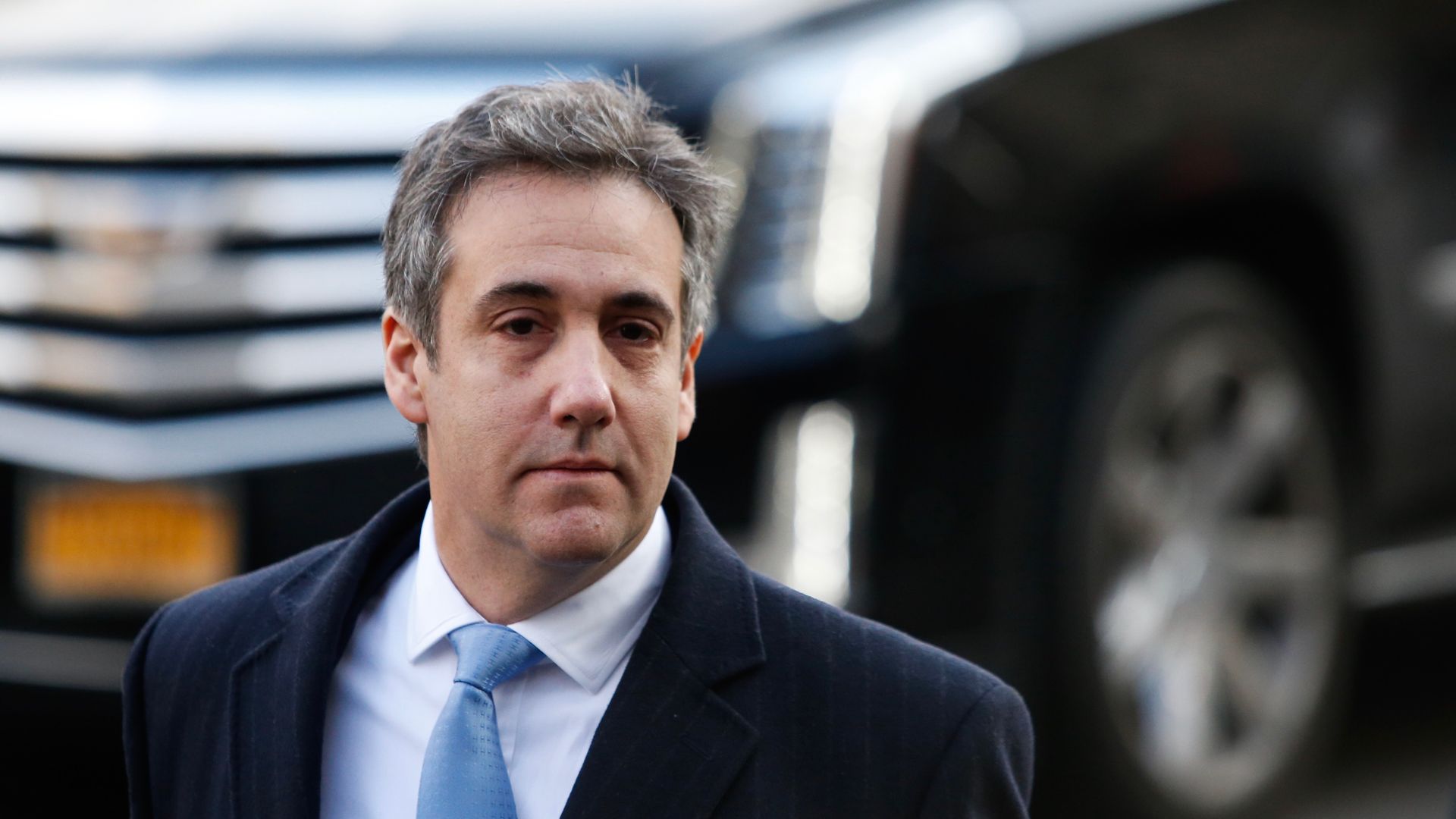
President Trump's former personal attorney Michael Cohen will testify publicly before the House Oversight Committee on Feb. 27, after postponing his appearance for health reasons.
The big picture: Cohen, whose request to push back the start of his prison term by 60 days was approved on Wednesday, is not expected to answer questions about the ongoing Russia investigation. He will, however, appear the following day in closed session before the House Intelligence Committee. Cohen's dual testimonies will come on the same days that Trump is scheduled to be in Hanoi, Vietnam, for his second summit with North Korean leader Kim Jong un.