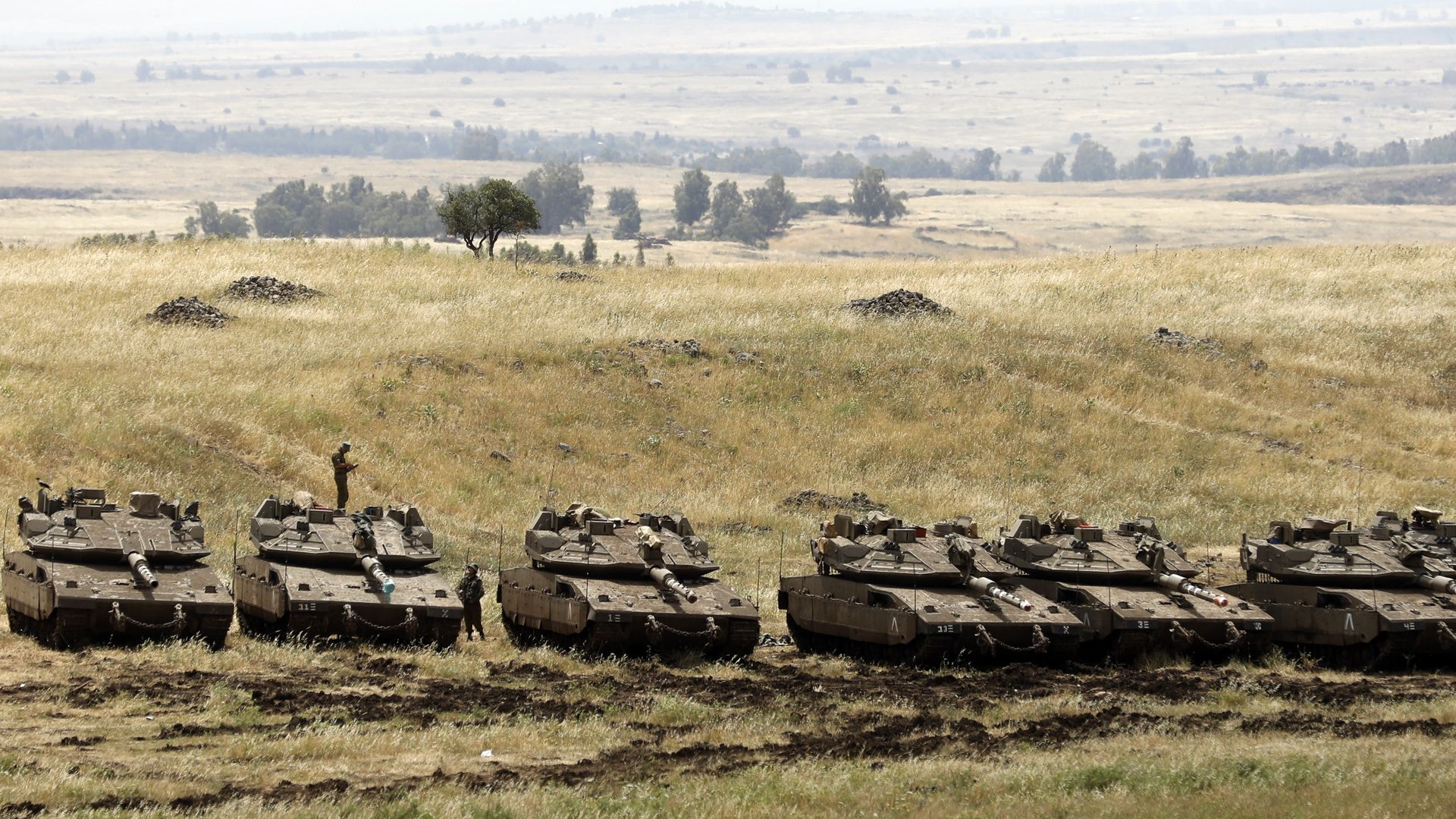
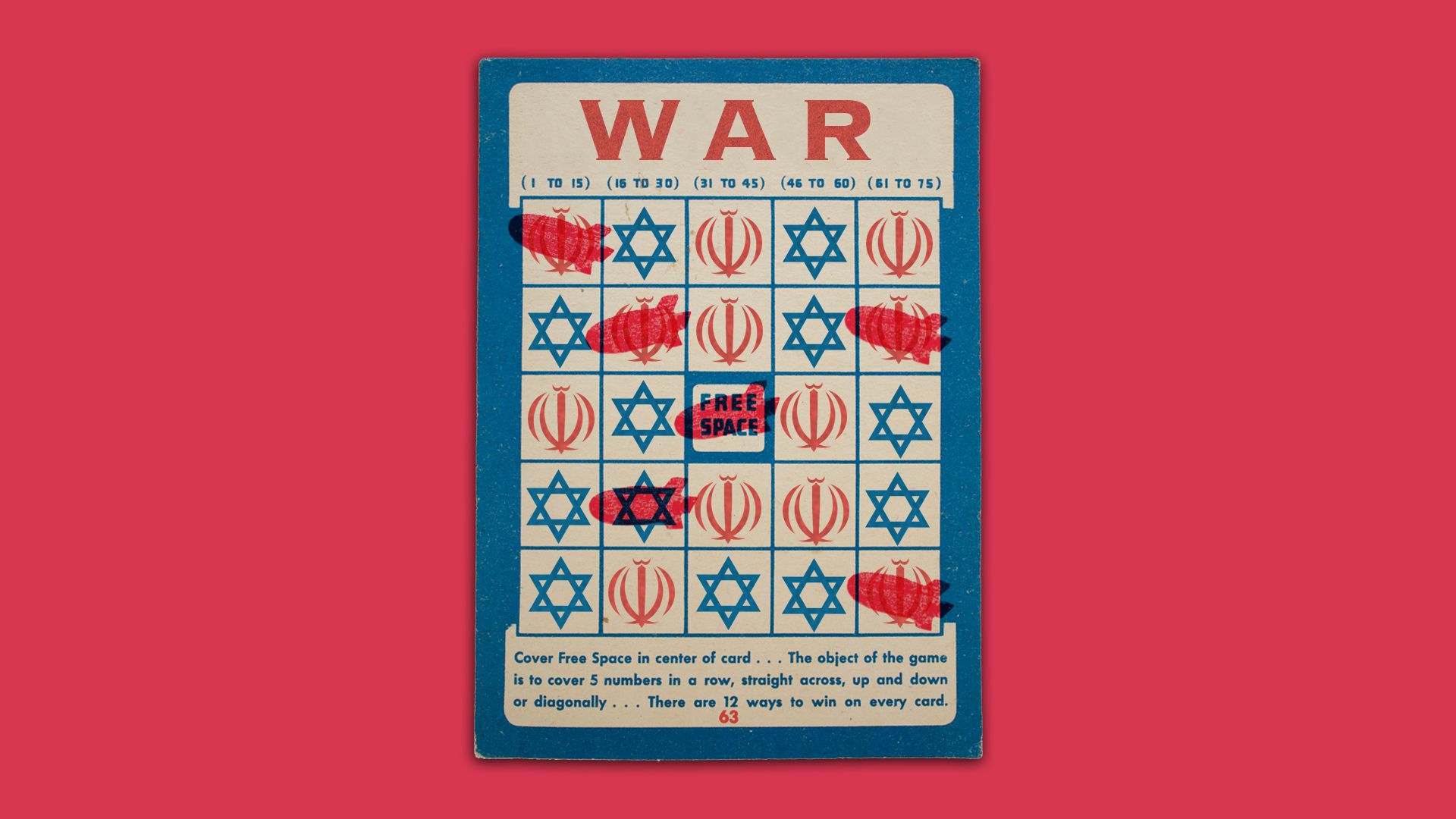
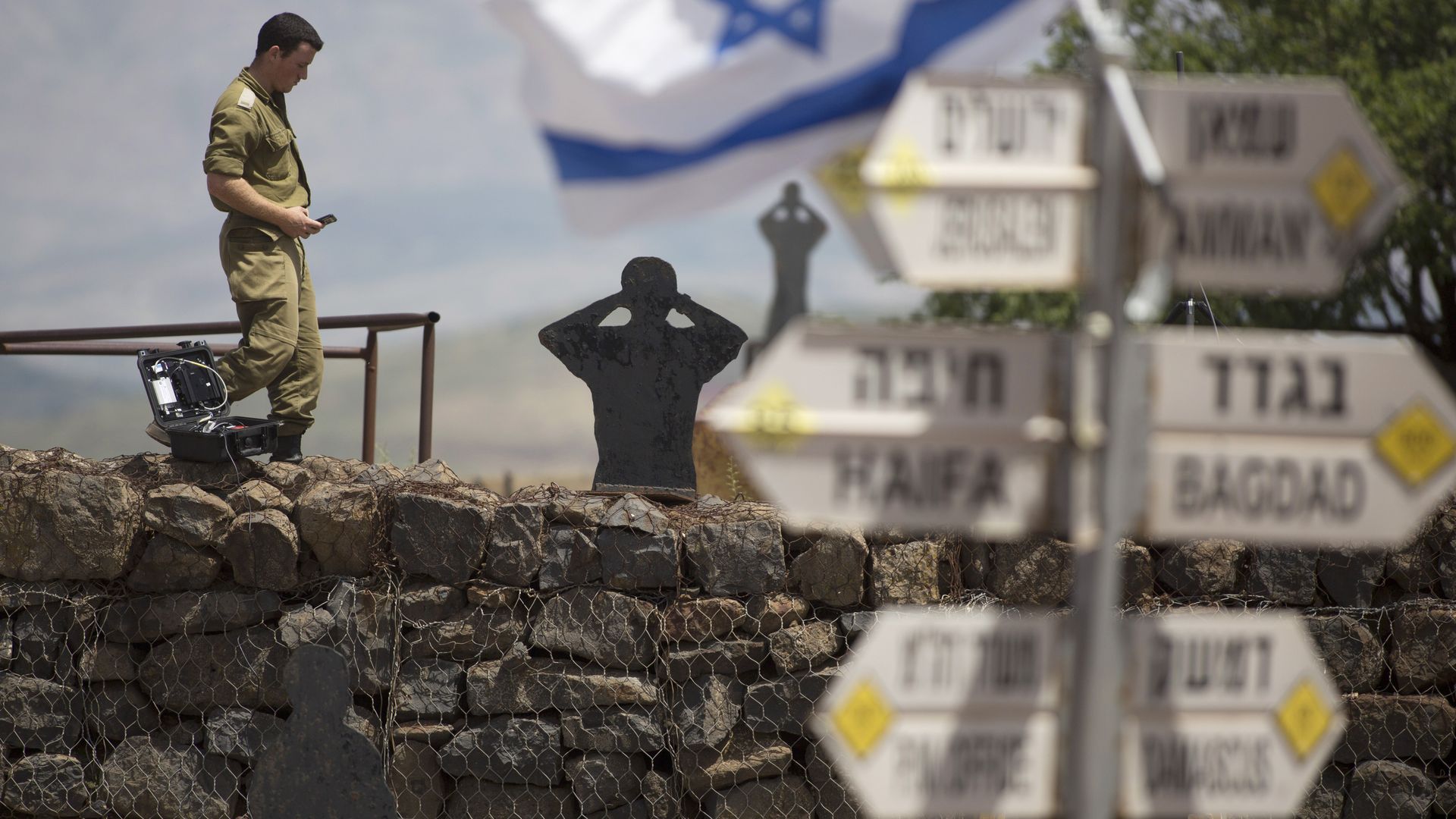
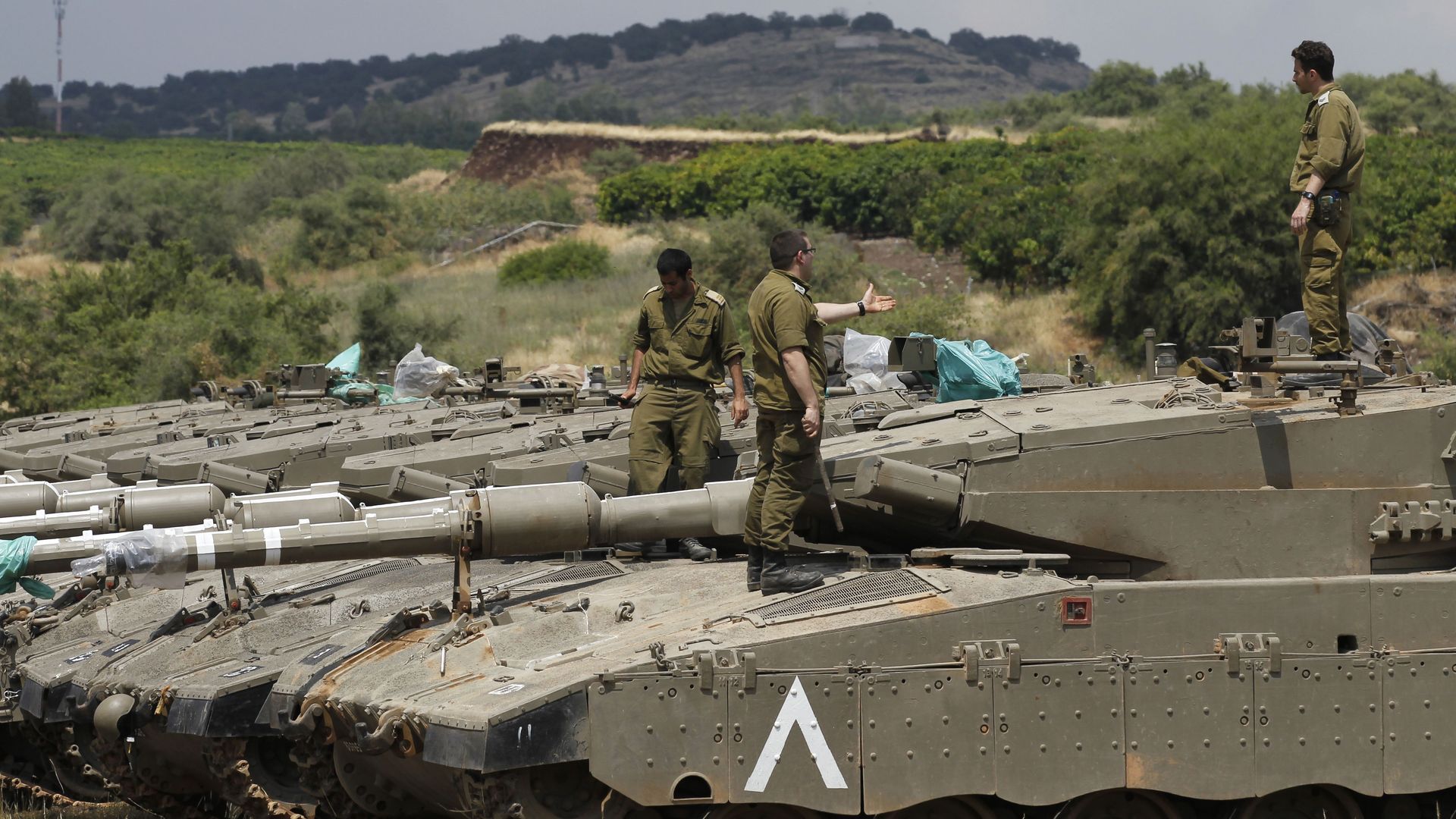
After years of cold war through proxies and intelligence operations, Israel and Iran have entered a hot war in Syria.
Where things stand: The missile launches from Syria Wednesday night were the first ever direct Iranian attack against Israel. The Israeli retaliation that came right after was the largest air strike by the Israeli Air Force in the region since 1974.
The conflict between Israel and Iran has entered new territory after Iran launched rockets at Israeli targets in the Golan Heights for the first time, and Israel responded by striking “nearly all” of Iran’s military sites in Syria, according to the Israeli military.
What to watch: The longer the situation remains on the edge, the greater the likelihood something will come along to push it over.
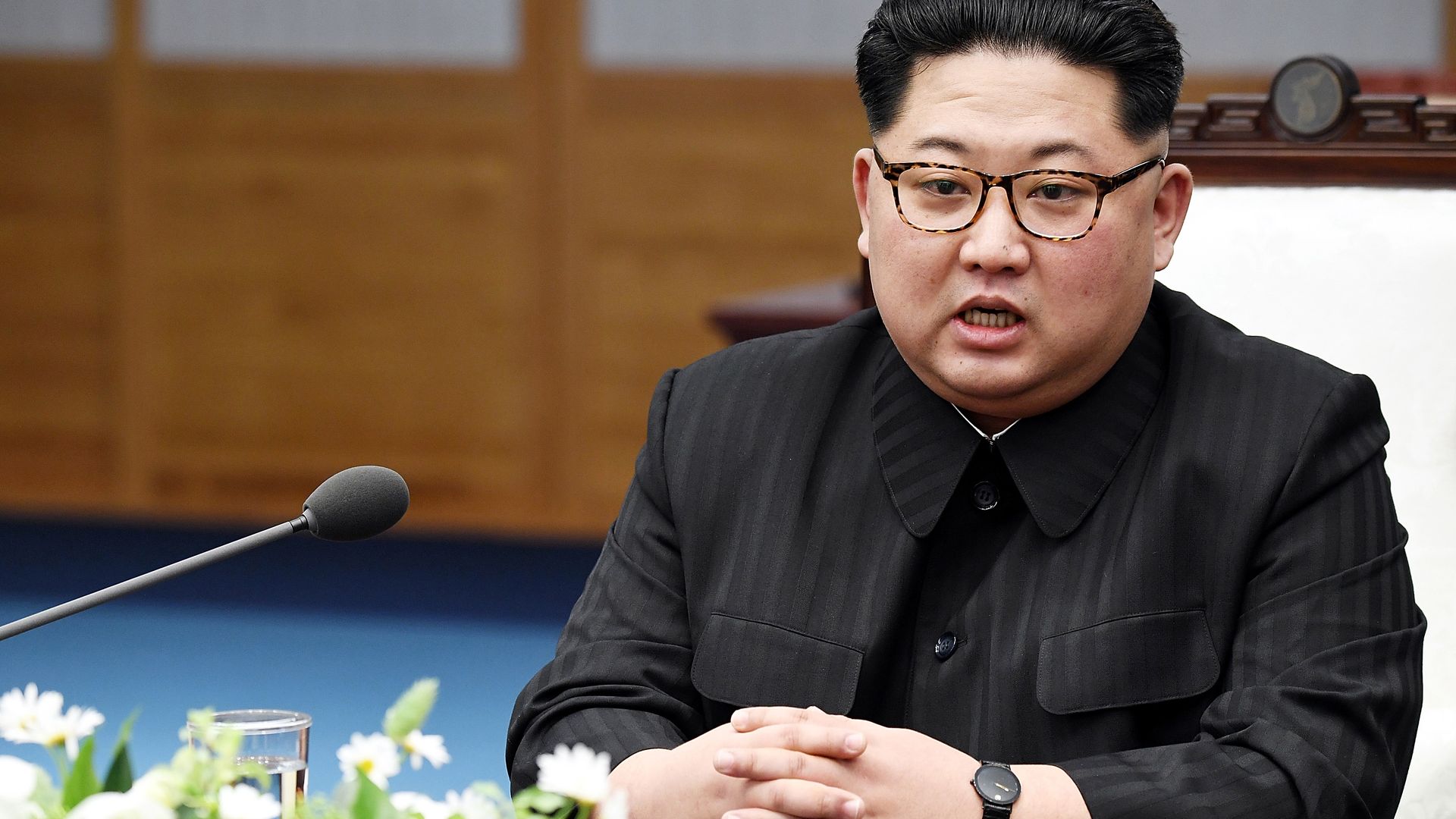
A majority of Americans are supportive of talks between North Korea and the U.S. over the regime's nuclear program, but almost half don't think Kim Jong-un and other North Korean leaders are serious "about addressing international concerns," a new Pew Research survey shows.
The big picture: Americans are more supportive of talks with North Korea than they were of talks with Iran before the nuclear deal was reached, Pew reveals. In March 2015, 49% of the public approved of negotiating with Iran, compared to 71% who approve of negotiations with North Korea.
Ahead of President Donald Trump’s summit with North Korean leader Kim Jong Un, we talked to Sue Mi Terry, a former CIA analyst on Korea from 2001 to 2008 and current Senior Fellow and Korea Chair at the Center for Strategic and International Studies, about the strategies each leader will use to negotiate.
Indian Prime Minister Narendra Modi heads to Nepal on Friday intent on keeping the small South Asian country away from China's grasp.
The big picture: Nepal is located between the two Asian giants. It has historically been closer to India, a fellow Hindu-majority country with which it shares deep cultural and economic ties. But India is worried that Chinese investment is causing its neighbor’s loyalties to shift.
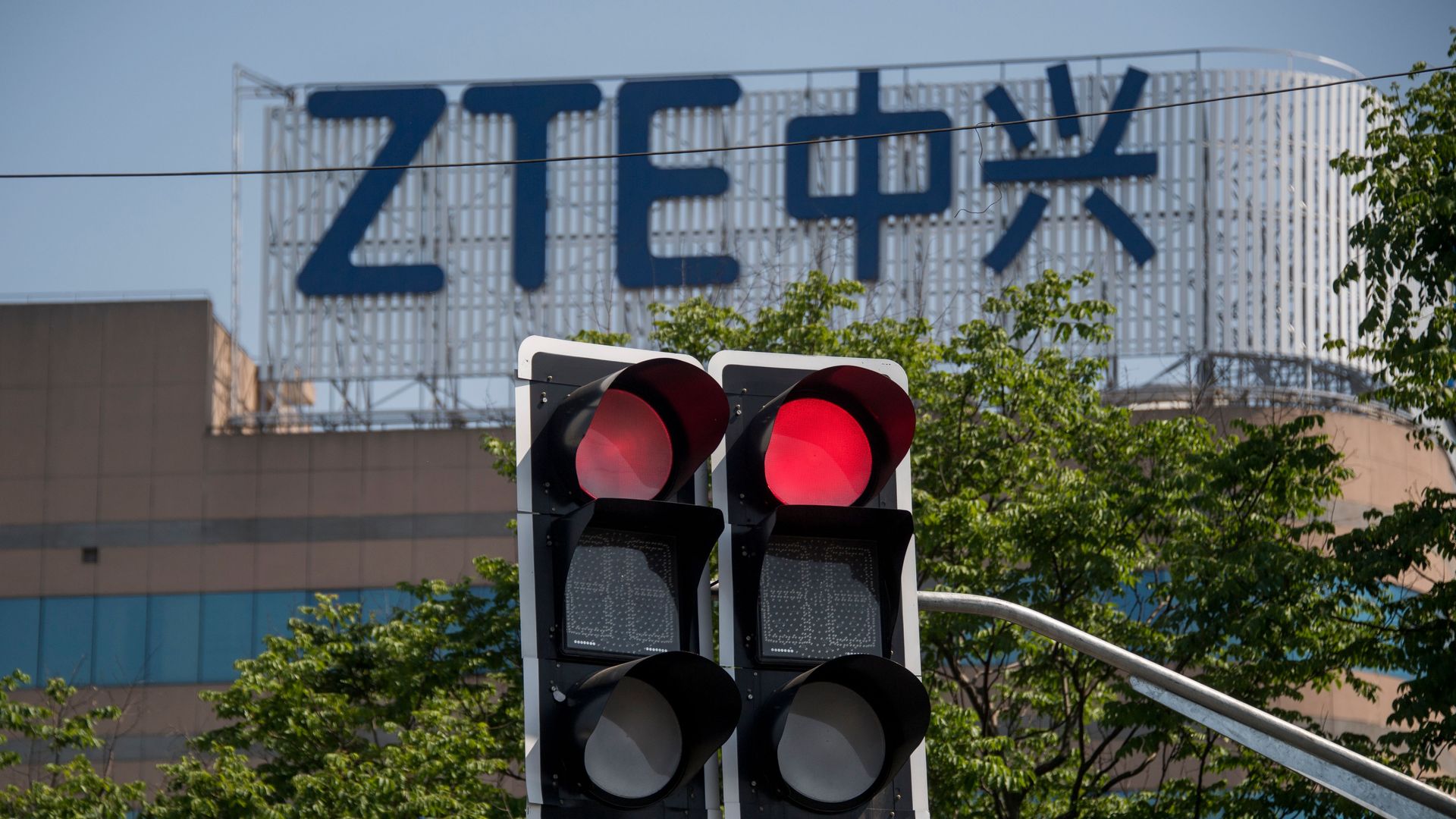
Chinese phone manufacturer ZTE announced in a note to investors Wednesday that its major operations have ceased as a result of a U.S. ban on American companies selling parts to the company.
Why it matters: U.S. sanctions have brought operations at a major Chinese company to a screeching halt. It's a sign that, even as China gets bigger and stronger, Washington still has significant economic leverage over Beijing.
The case for Singapore, from the Washington Post’s David Nakamura: "Singapore has diplomatic relations with North Korea and a DPRK embassy there. Singapore regularly facilitates 'third country' diplomacy in Asia."
The White House has issued a statement of support for Israel after it carried out a large-scale attack on Iranian military installations in Syria. Press Secretary Sarah Sanders said Iran "bears full responsibility for the consequences" of the rocket barrage on the Israeli-occupied Golan Heights that prompted Israel's response.
Why it matters: Things are heating up quickly — all as Iran decides how to proceed internationally and diplomatically following President Trump's decision to withdraw from the Iran nuclear deal. This statement puts the White House firmly behind Israel at a time when tensions with Iran are reaching dangerous heights.
China's young people are fed up with the "rule of 996," a policy widespread among Chinese companies that makes employees work from 9 a.m. to 9 p.m., six days a week, reports the BBC.
The backdrop: Long hours at work, sub-par pay and skyrocketing housing prices are meeting pushback from Chinese millennials. A generation of only children due to the "One Child Policy," they have higher expectations for their quality of life than their parents did after coming of age at a time of massive growth, per the BBC report. Go deeper:Returning Chinese graduates face a tough job slog at home]
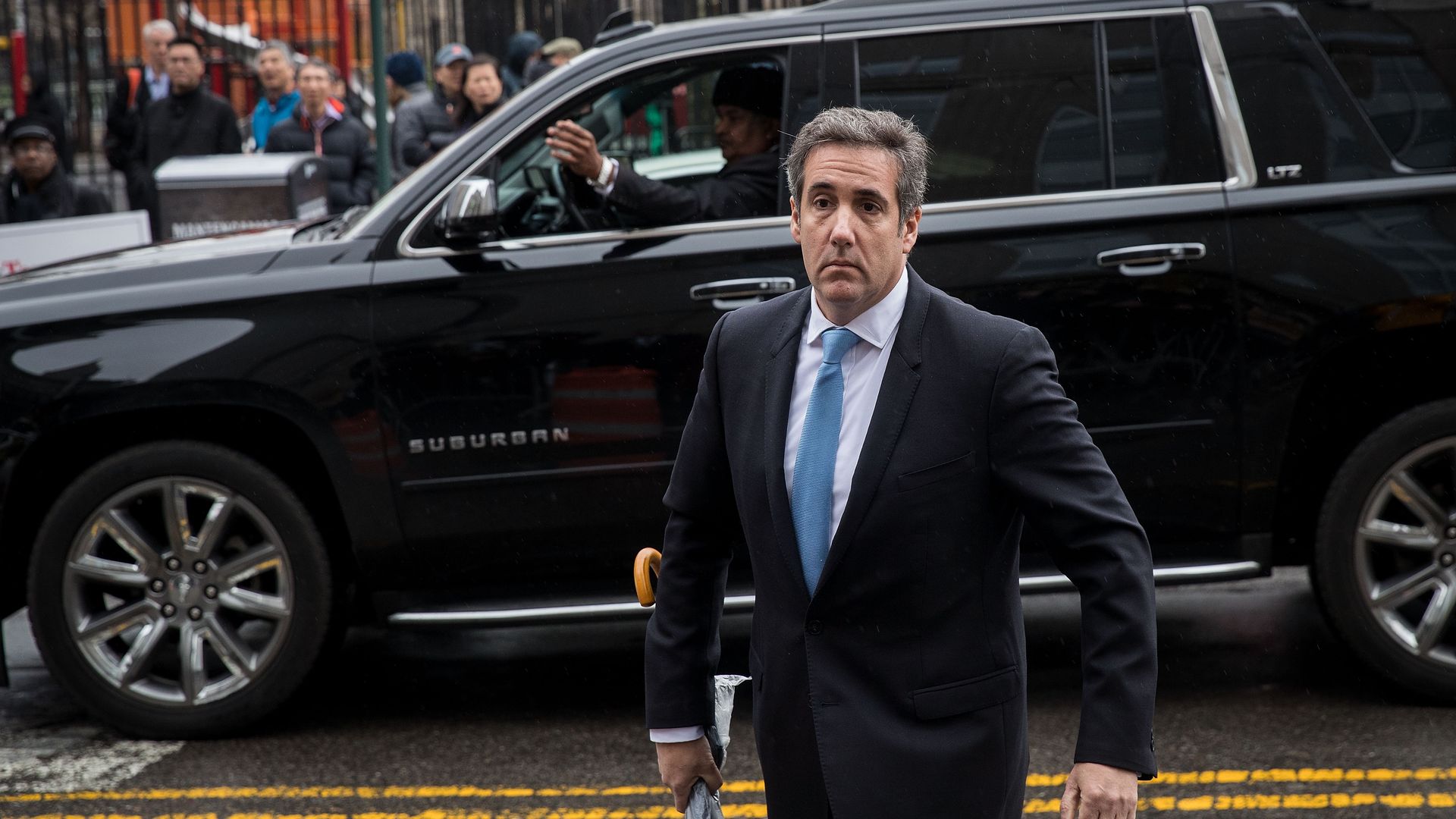
Michael Cohen is potentially more perilous to President Trump than anybody else.
Why he matters: The saga has it all: a history of shadowy business deals, ties to organized crime figures connected to Russian mafia, hush money payments to an untold number of women, payments from a U.S. company linked to a Russian oligarch — and, now, Mueller's team is investigating how Cohen monetized his access to Trump.
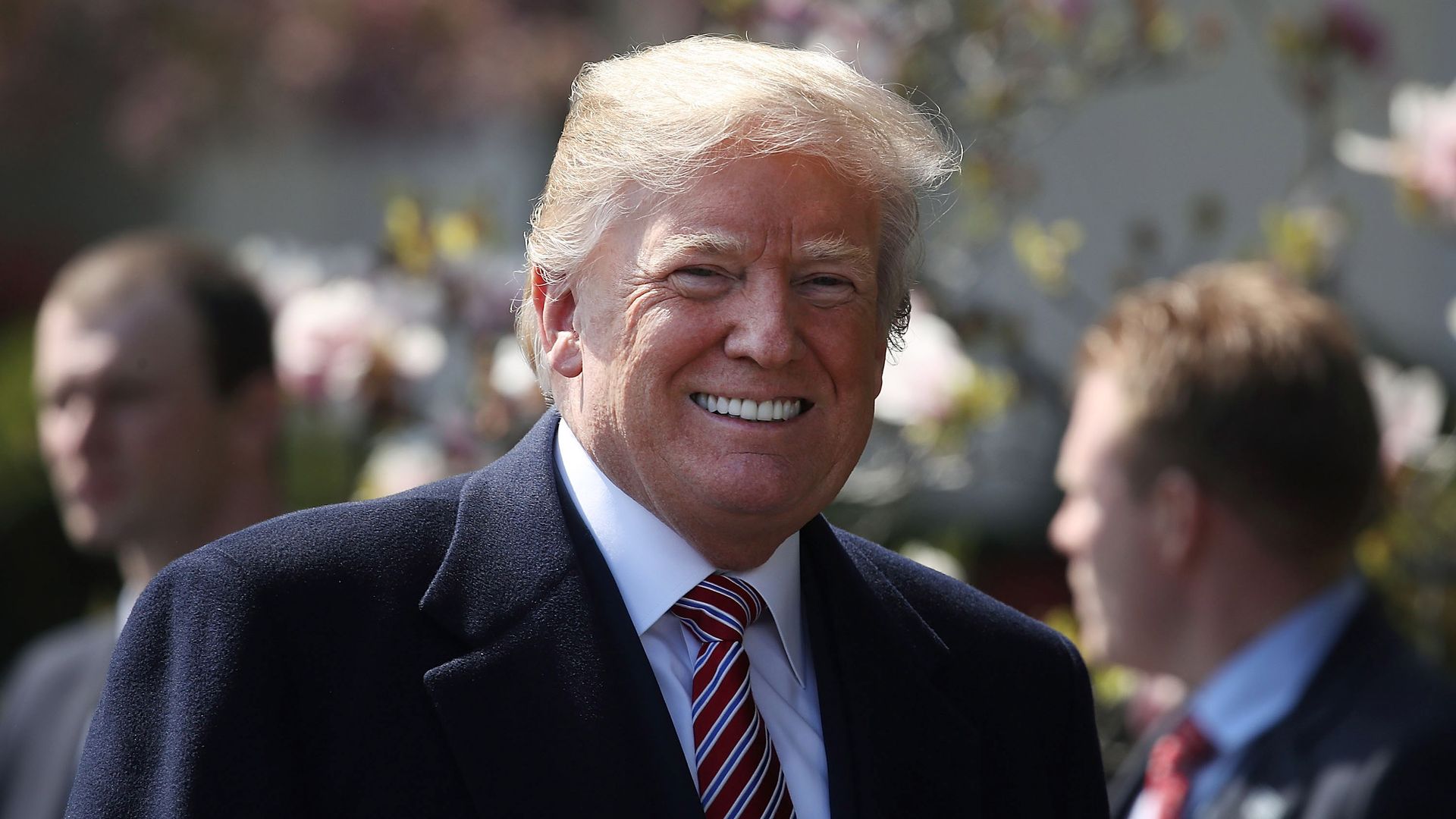
"Unpredictability" is the key to understanding President Trump's negotiating plan as he heads into his roll-the-dice summit with North Korea's Kim Jong-un.
What we're hearing: Trump loves to say that every other U.S. president was predictable. He believes foreign affairs has always been overly scripted and his predecessors were "totally predictable," which let their adversaries run rings around them.
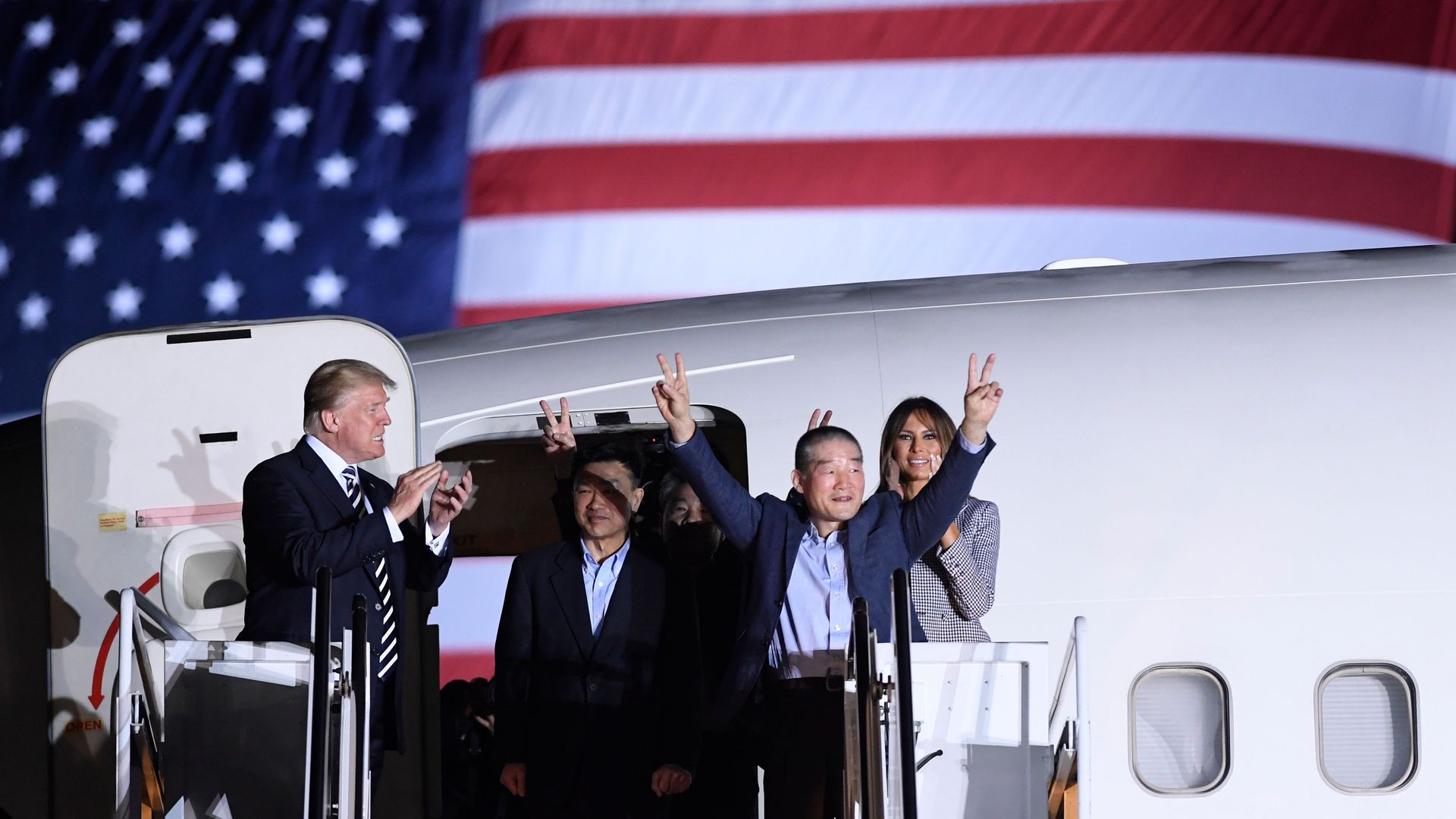
In the wee hours on live global television, President Trump greeted three American prisoners freed from North Korea as they landed at Andrews Air Force Base, Md., and engaged a returnee and his translator in brief banter.
Between the lines: Trump, who loves to think of his presidency as episodes in a reality show, reveled in the diplomatic achievement as he left the tarmac: "I think you probably broke the all-time in history television rating for 3 o’clock in the morning."
Iranian forces stationed in Syria reportedly fired 20 rockets at Israeli military positions in the Golan Heights early Thursday, Israel’s defense forces told the AP. No Israeli casualties were reported.
The timing: This comes a day after President Trump pulled the U.S. out of the multination Iranian nuclear deal. The move has stoked fears of further escalating tensions between countries neighboring Syria.