We're less than 24 hours away from President Trump's announcement on the Iran nuclear deal, and all indications are that he will throw the agreement into a death spiral by declining to waive sanctions.
Between the lines: This is one of the most significant decisions of Trump's presidency, and key players on both sides of the debate have been making last-ditch attempts to shape it.
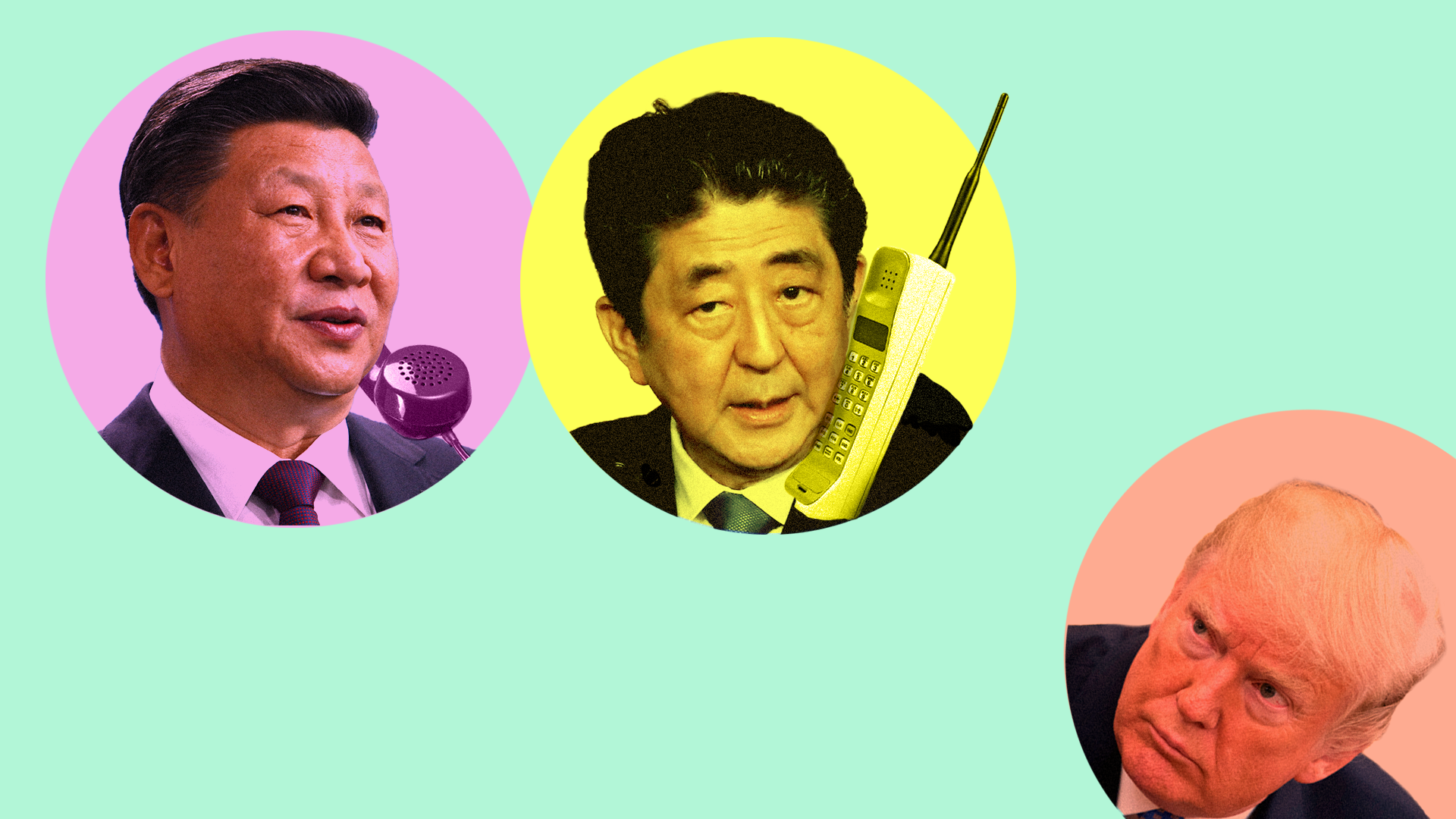
Japan has long taken a hawkish stance against China's growing influence, but the Asian rivals have recently been working to thaw their relationship after years of tension— in large part because both fear Trump's trade war.
The big picture: The Japanese "still fundamentally see China as the greatest threat to Japan, and they're still deeply reliant on the security relationship with the U.S. [in the East China Sea], but they're hedging," Dan Sneider, an expert on East Asia at Stanford University, tells Axios. "They're accepting the reality that China's going to be a major power, and they also have to hedge against the uncertainty of American foreign policy."
Between the lines: All indications are that Trump will decline to waive sanctions on Iran, unilaterally violating the terms of the deal and likely throwing it into a death spiral. The big questions are whether he'll leave some wiggle room to potentially salvage the deal, and what the Europeans and Iranians do next.
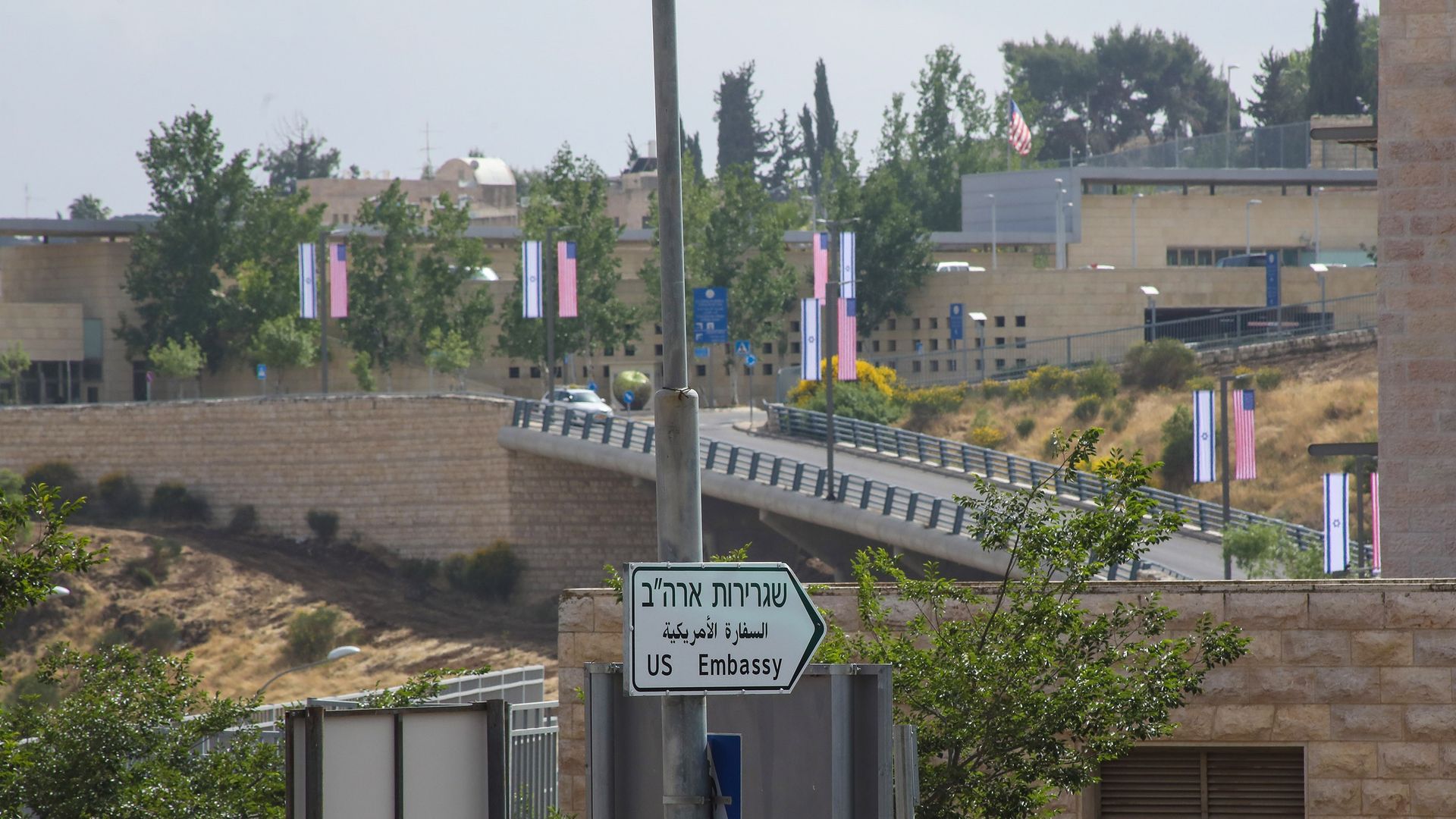
The White House announced tonight the presidential delegation to the opening of the new U.S. embassy in Jerusalem on May 14th, and President Trump's name was not on the list.
Between the lines: The statement referred to "Jerusalem, Israel" – a sign of Trump's December 6th 2017 recognition of Jerusalem as the capital of Israel. Until today the U.S. government only referred to Jerusalem without stating if it is part of Israel or not.
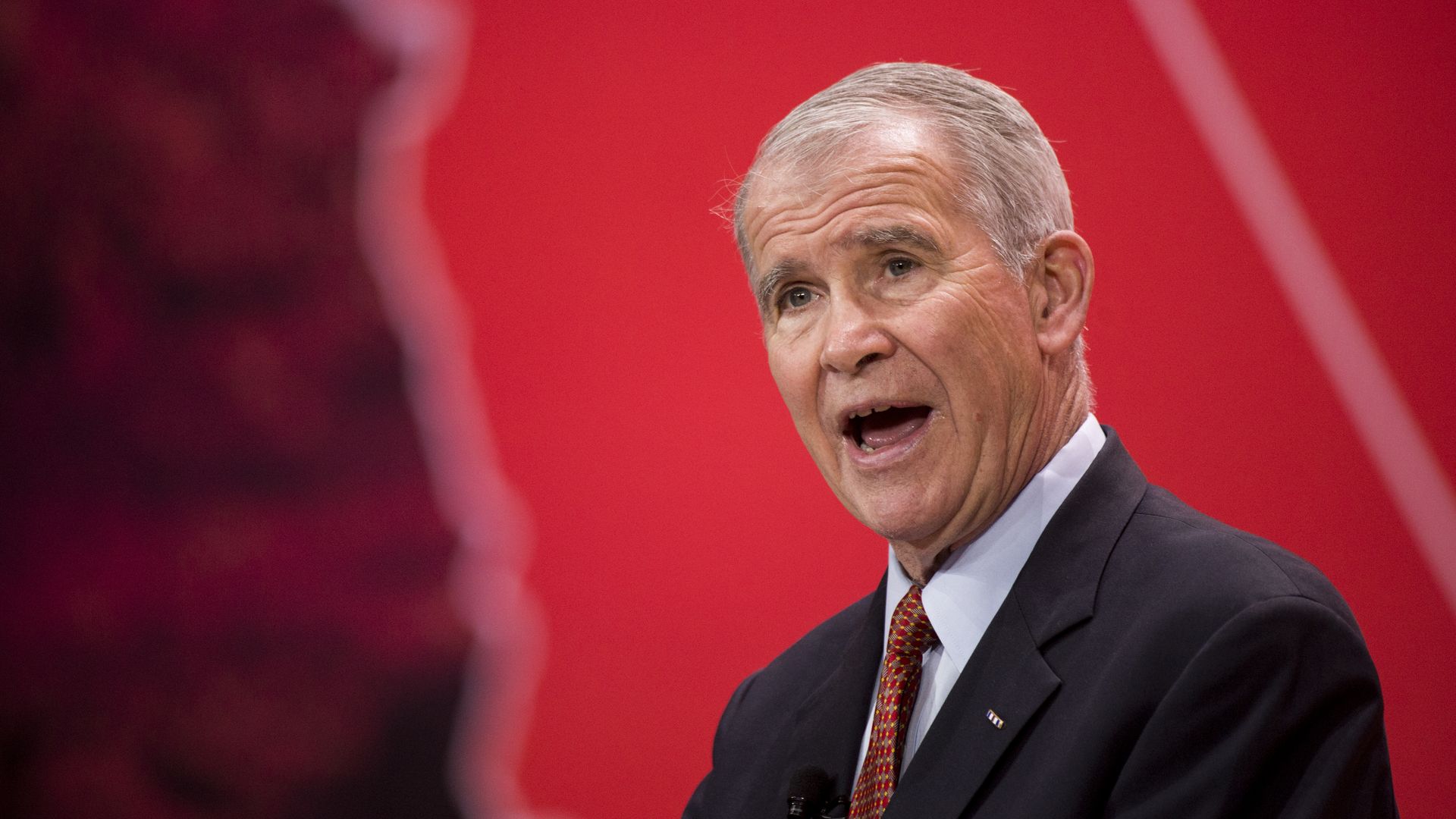
The National Rifle Association announced Monday that Lt. Colonel Oliver North, USMC (Ret.), will be the organization's next president "within a few weeks" after the current president, Pete Brownell, decided not to seek a second term. North will retire from his position at Fox News, effective immediately.
Why his name is familiar: North was indicted on multiple felony counts in the late 1980s thanks to his part in the Iran-Contra affair as a Reagan administration National Security Council staffer. While he was initially convicted of three charges, they were eventually overturned and all charges against him were dismissed.
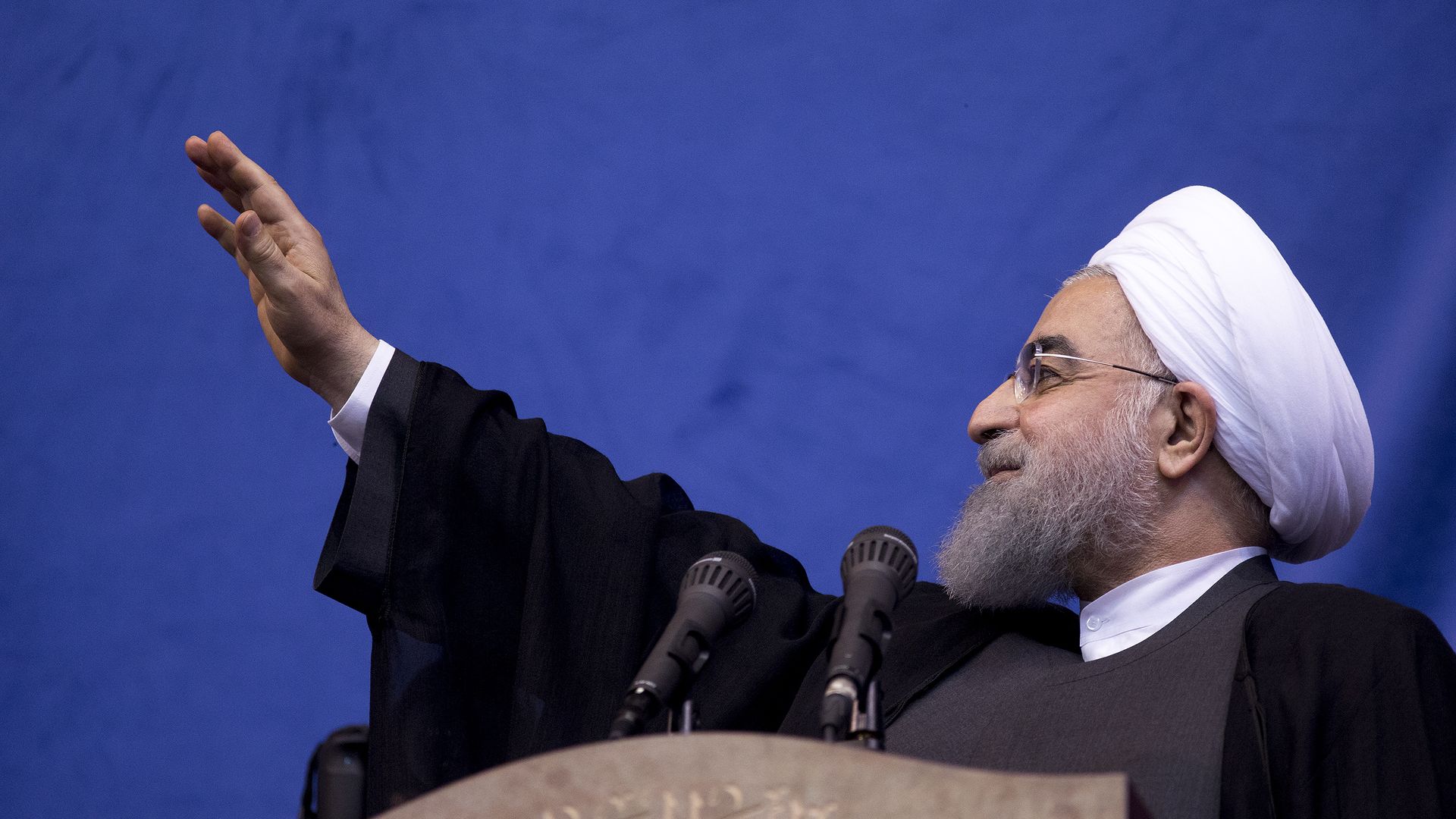
Iranian President Hassan Rouhani said Monday that Iran would remain in the 2015 nuclear deal even if President Trump pulls out, so long as Iranian interests area are “guaranteed” by the other parties to the deal, Reuters reports.
Between the lines: If the U.S. decides to implement sanctions with full force, that will severely limit the ability of companies in Europe and elsewhere to do business with Iran. If that happens, and the deal collapses, Iran seems intent to portray the U.S. as the bad actor and itself as a victim.
Trump faces a May 12 deadline to decide whether to continue waiving sanctions against Iran or reimpose them. Markets think it will be the latter as prices rose in trading Monday to their highest levels in well over three years.
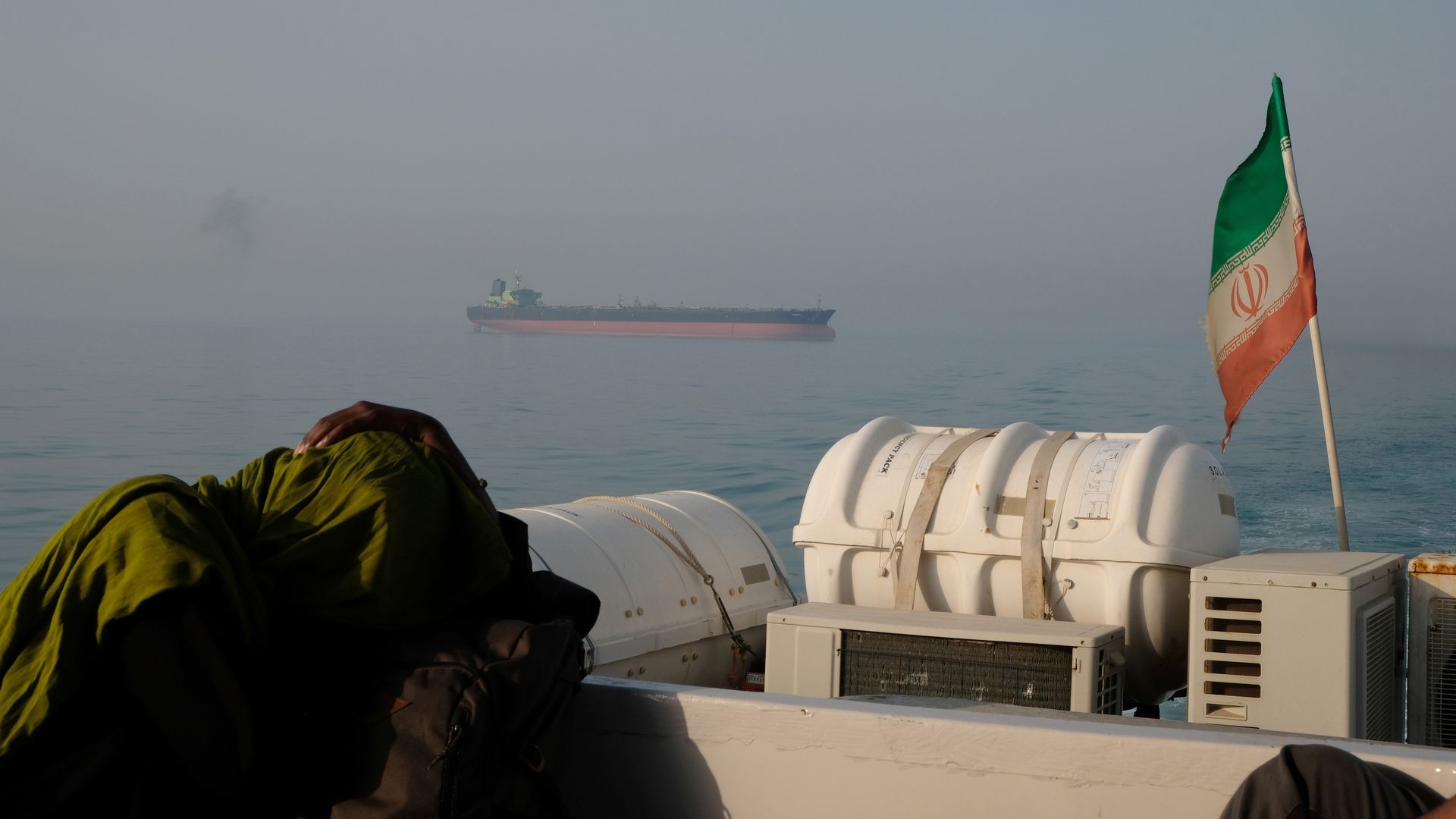
Why it matters: Walking away from the Iran deal and reimposing sanctions would lower volumes of Iranian crude in international markets.
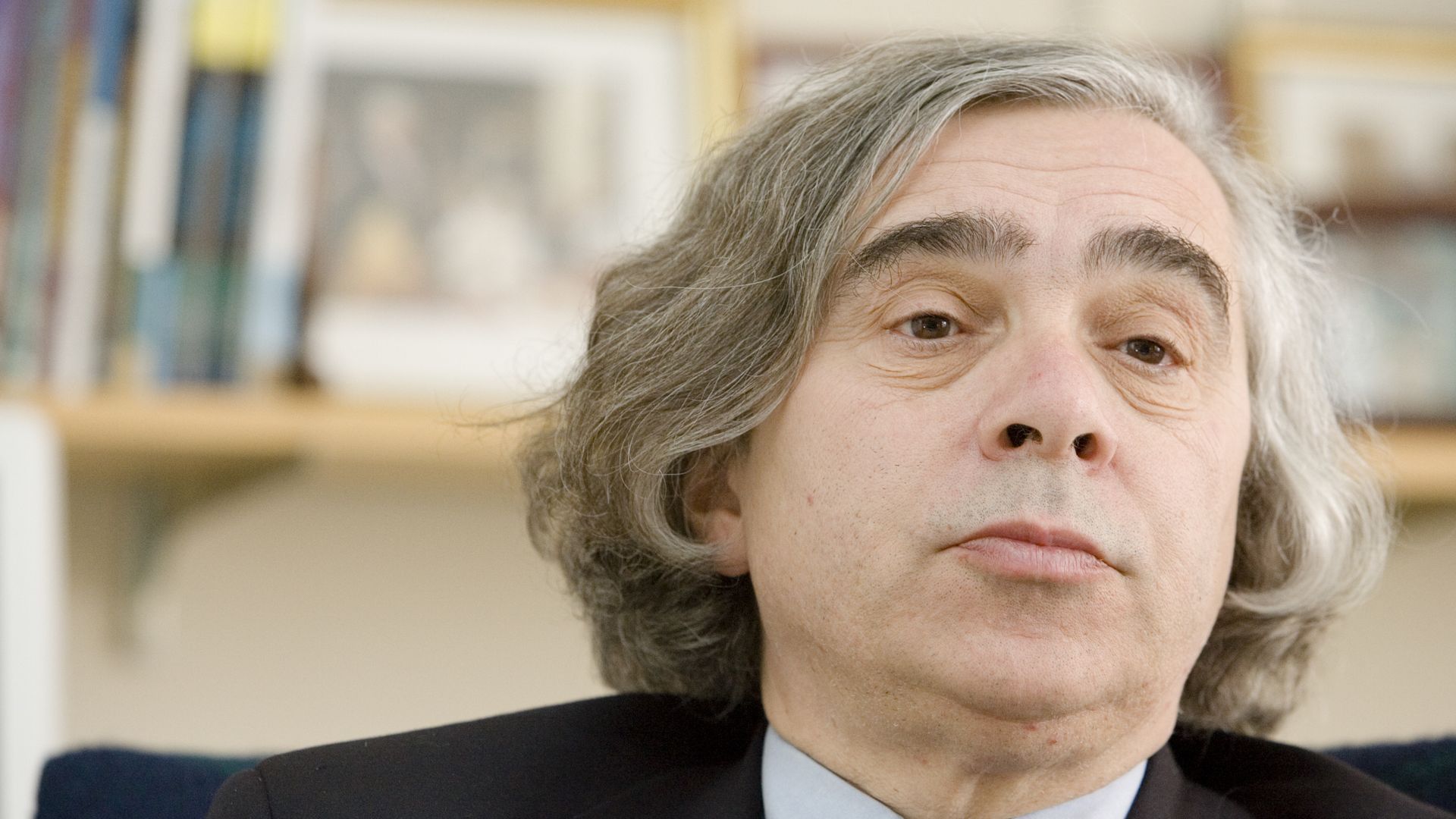
Ernie Moniz — secretary of energy in the Obama administration, who helped negotiate the Iran nuclear deal in 2015 — describing the difficulty of enforcing a similar accord with North Korea, to the N.Y. Times' David E. Sanger and William J. Broad:
“North Korea could make Iran look easy. ... This isn’t ‘Trust, but verify.’ It’s ‘Distrust everything and verify, verify, verify.’”
This high-stakes week could be the most defining yet for the emerging Trump national security doctrine, with major news expected on Iran, North Korea, Israel and the CIA.
Why it matters: This isn’t just another round of Trump rhetoric. These are policy decisions with real consequences.
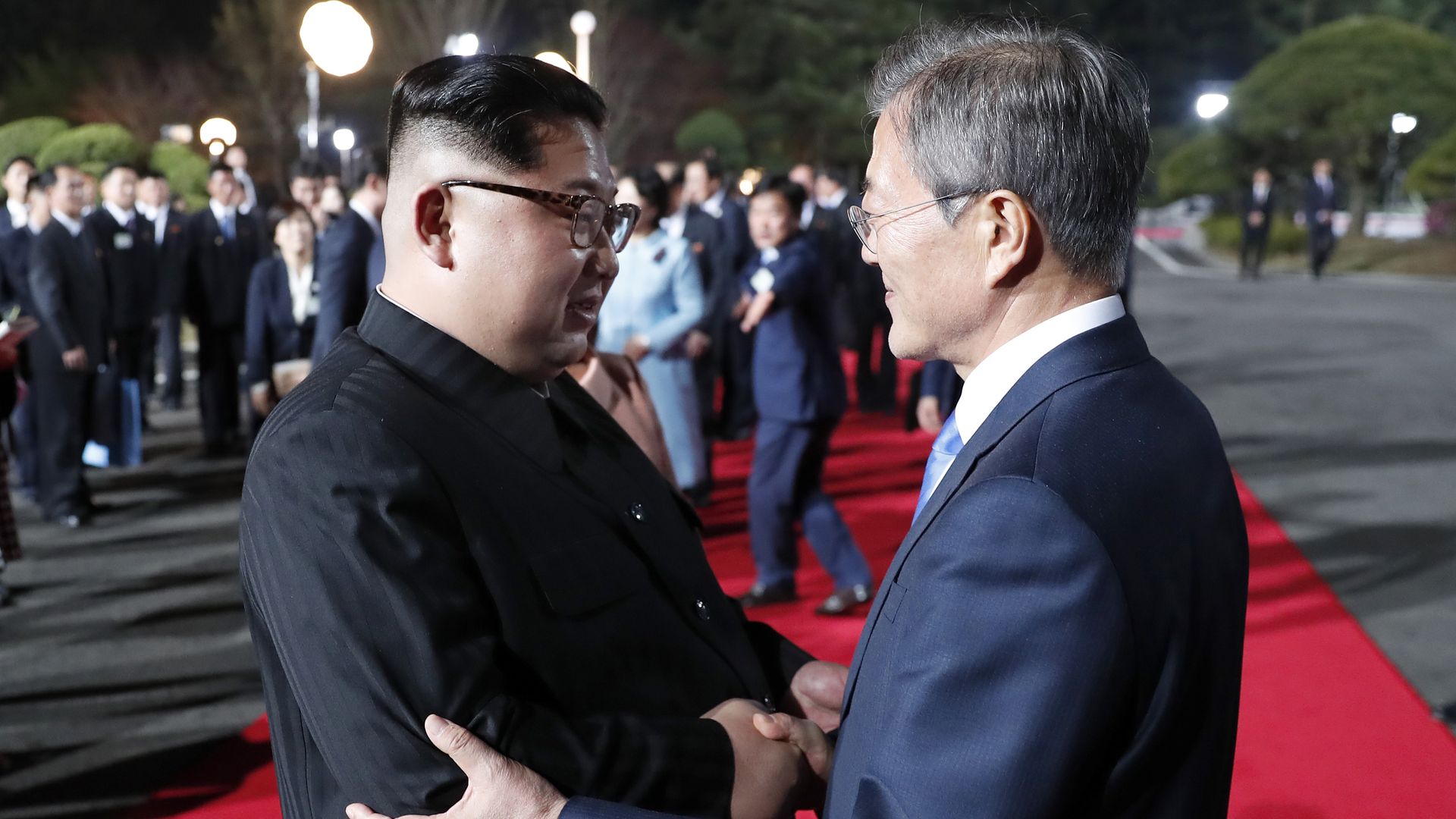
The Korean dynamics are changing at light speed because Kim Jong-un cares far more about economics than his father ever did, per people close to advisers of South Korean President Moon Jae-in.
Under the hood: A source who has spoken recently with top South Korean government advisers — and who spoke anonymously to preserve their confidences — told me Moon "freaked out" last year when Trump was threatening "fire and fury" against Kim.
Republican leaders are quietly bunkering down for a fight over Russia sanctions. Defense Secretary James Mattis has asked the House Armed Services Committee Chairman Mac Thornberry to put a provision into the National Defense Authorization Act (NDAA) that would let the administration waive sanctions for U.S. partners, like India and Vietnam, who buy weapons from Russia. And Thornberry has agreed to do so.
Why this matters: In this political environment, anything Russia-related can be explosive. Republicans involved in the conversations tell me they worry that Democrats will use the issue to bash them as appeasing Putin.
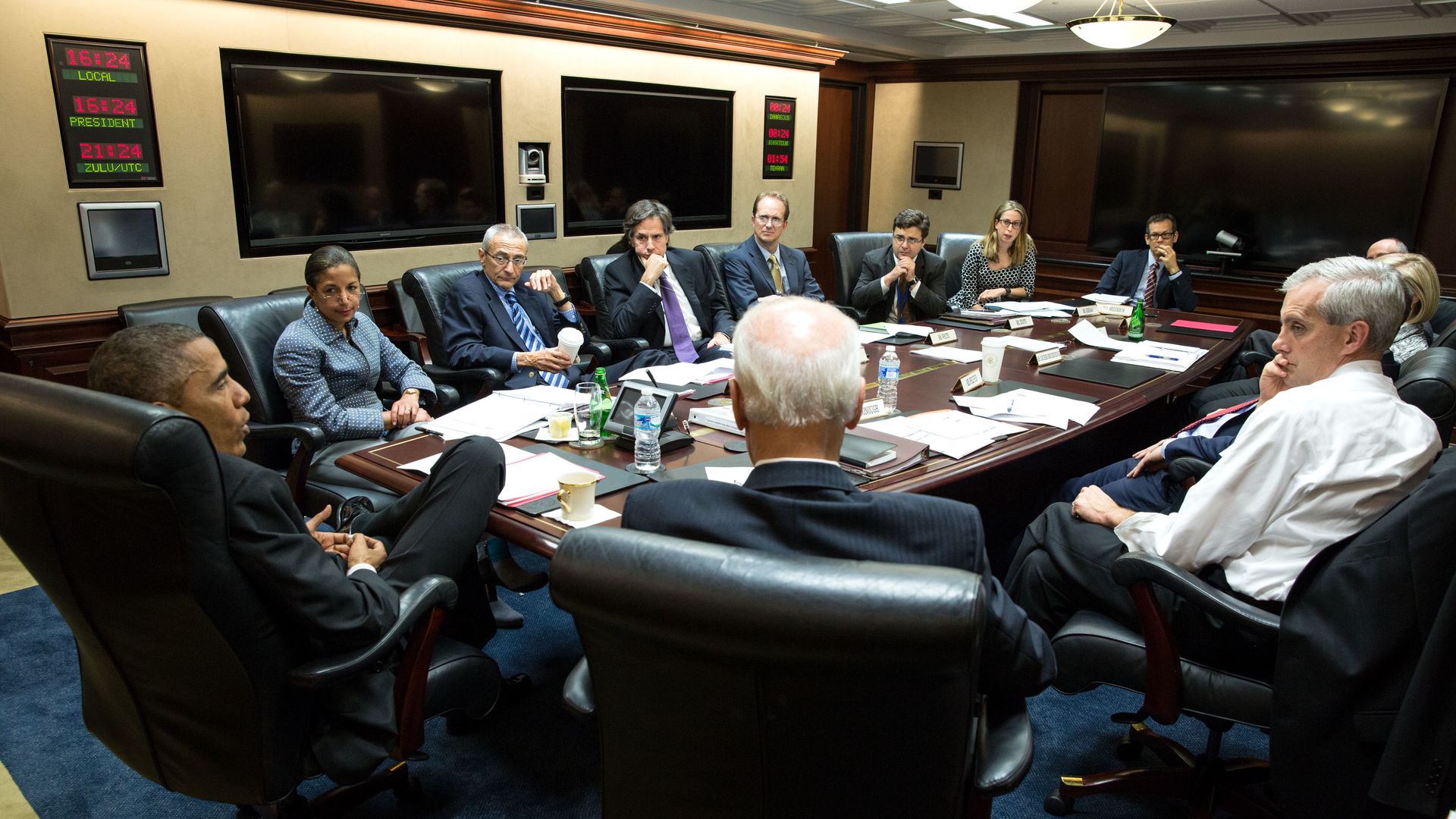
"Officials linked to Trump's team" hired a private Israeli intelligence firm to collect "dirty ops" against the Obama administration officials who brokered the Iran nuclear deal, reports The Guardian.
The details: The campaign reportedly targeted Obama security aides Ben Rhodes and Colin Kahl, and a source familiar with the efforts told The Guardian, “The idea was that people acting for Trump would discredit those who were pivotal in selling the deal, making it easier to pull out of it.”
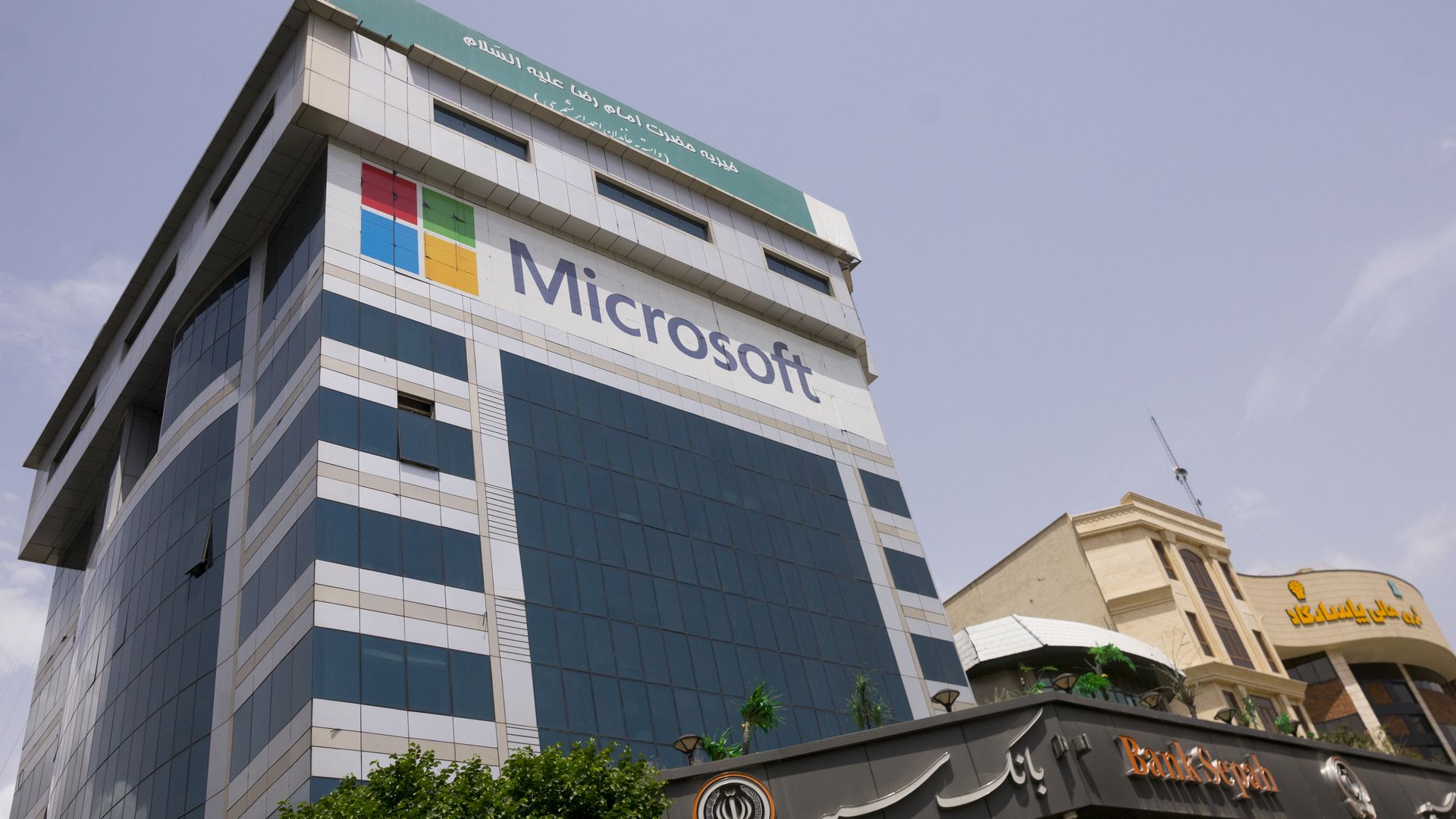
"From airplanes to oilfields, billions of dollars are on the line for international corporations as President Trump weighs whether to pull America out of Iran’s nuclear deal with world powers," AP's Jon Gambrell writes from Dubai:
Why it matters: "If ... Trump follows through on his threat to pull the U.S. out of the Iran nuclear deal on May 12, the rest of the world will be thrust into uncharted territory, forced to navigate a complex web of U.S. sanctions."