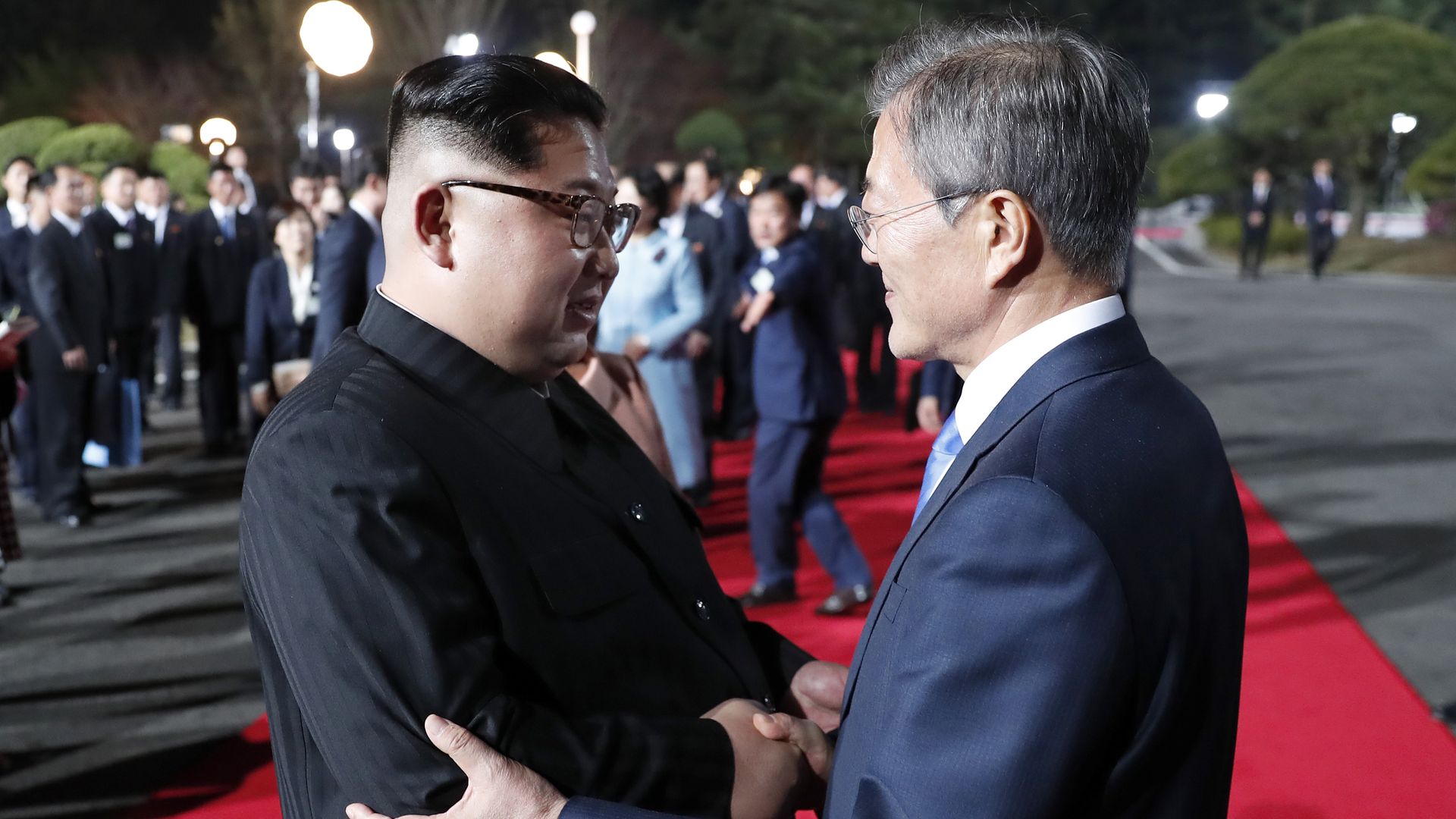
The Korean dynamics are changing at light speed because Kim Jong-un cares far more about economics than his father ever did, per people close to advisers of South Korean President Moon Jae-in.
Under the hood: A source who has spoken recently with top South Korean government advisers — and who spoke anonymously to preserve their confidences — told me Moon "freaked out" last year when Trump was threatening "fire and fury" against Kim.
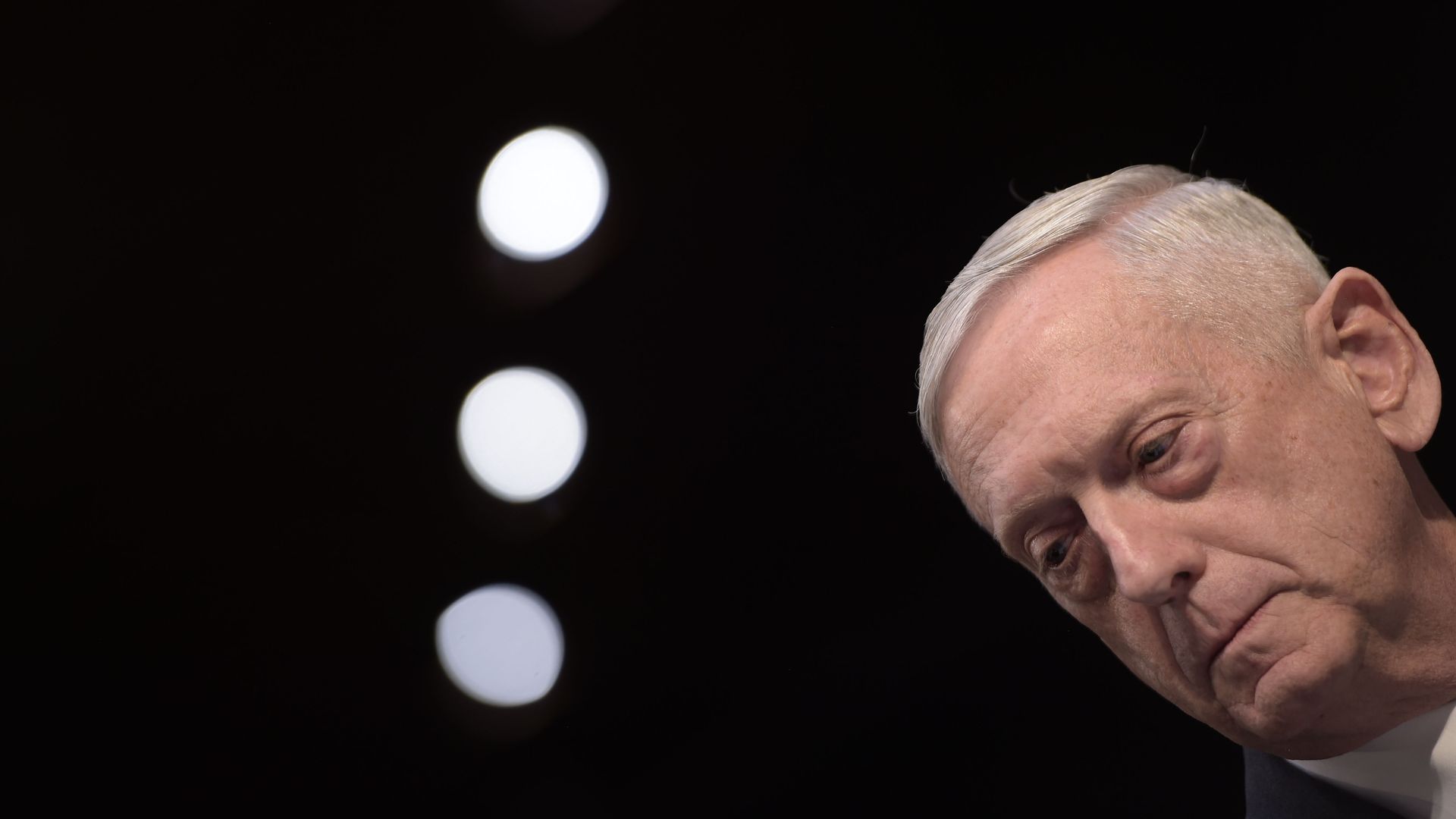
Republican leaders are quietly bunkering down for a fight over Russia sanctions. Defense Secretary James Mattis has asked the House Armed Services Committee Chairman Mac Thornberry to put a provision into the National Defense Authorization Act (NDAA) that would let the administration waive sanctions for U.S. partners, like India and Vietnam, who buy weapons from Russia. And Thornberry has agreed to do so.
Why this matters: In this political environment, anything Russia-related can be explosive. Republicans involved in the conversations tell me they worry that Democrats will use the issue to bash them as appeasing Putin.
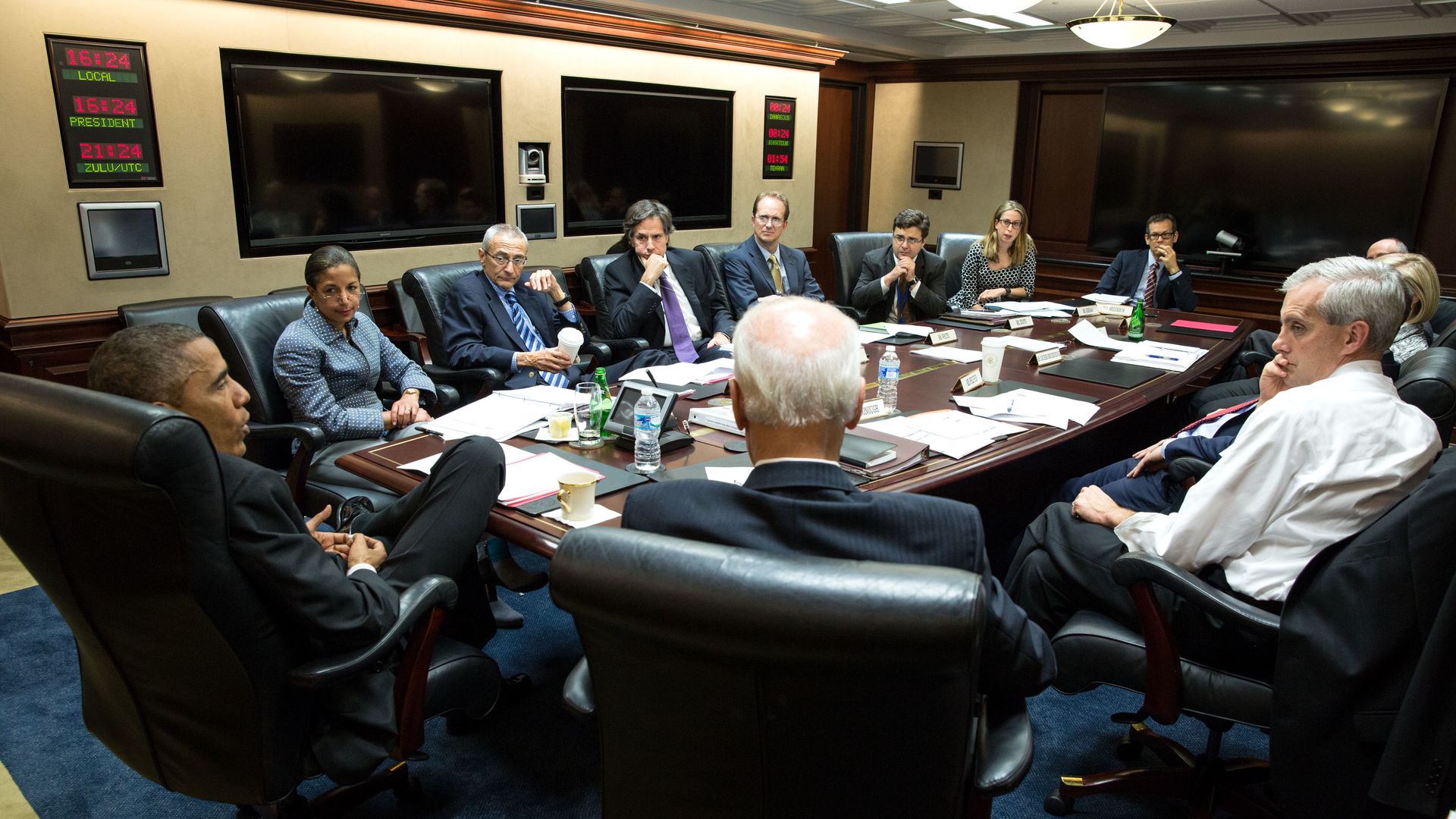
"Officials linked to Trump's team" hired a private Israeli intelligence firm to collect "dirty ops" against the Obama administration officials who brokered the Iran nuclear deal, reports The Guardian.
The details: The campaign reportedly targeted Obama security aides Ben Rhodes and Colin Kahl, and a source familiar with the efforts told The Guardian, “The idea was that people acting for Trump would discredit those who were pivotal in selling the deal, making it easier to pull out of it.”
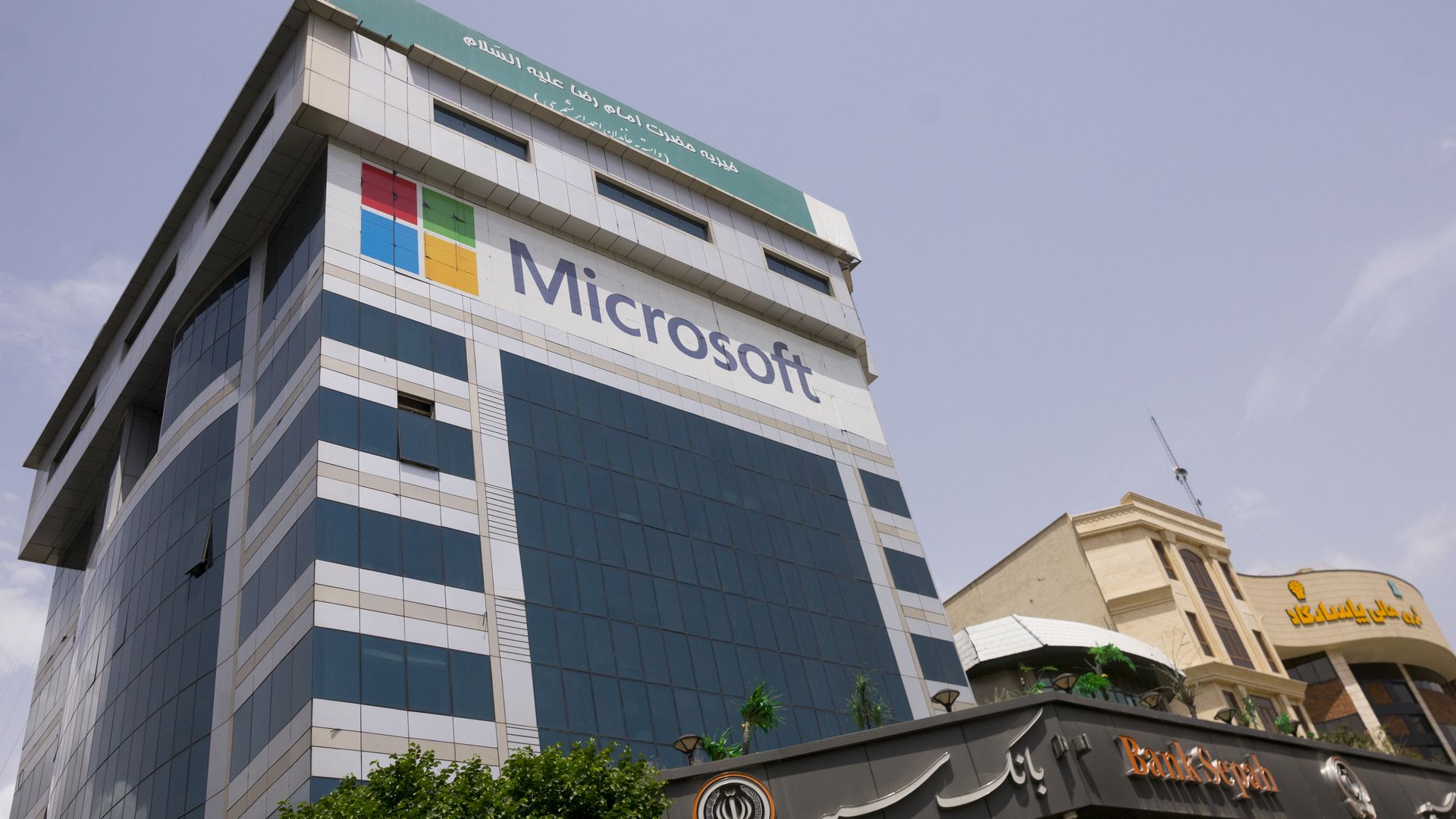
"From airplanes to oilfields, billions of dollars are on the line for international corporations as President Trump weighs whether to pull America out of Iran’s nuclear deal with world powers," AP's Jon Gambrell writes from Dubai:
Why it matters: "If ... Trump follows through on his threat to pull the U.S. out of the Iran nuclear deal on May 12, the rest of the world will be thrust into uncharted territory, forced to navigate a complex web of U.S. sanctions."
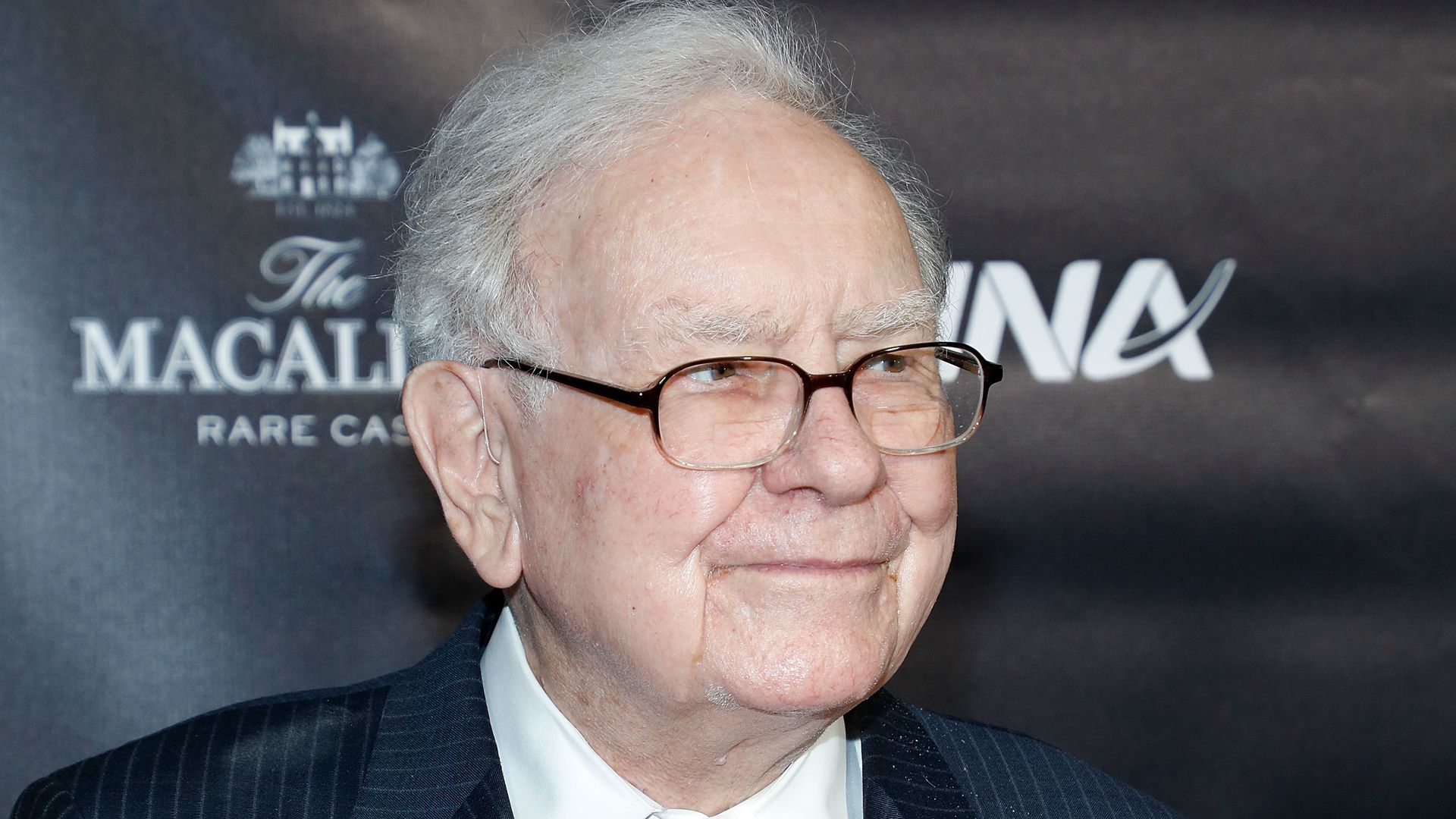
“It is just too big and too obvious for that the benefits are huge and the world is dependent on it in a major way for its progress that two intelligent countries will do something extremely foolish... We both (U.S. and China) may do things that are mildly foolish from time to time. There is some give and take.”
— Warren Buffett at the annual Berkshire Hathaway meeting in Omaha
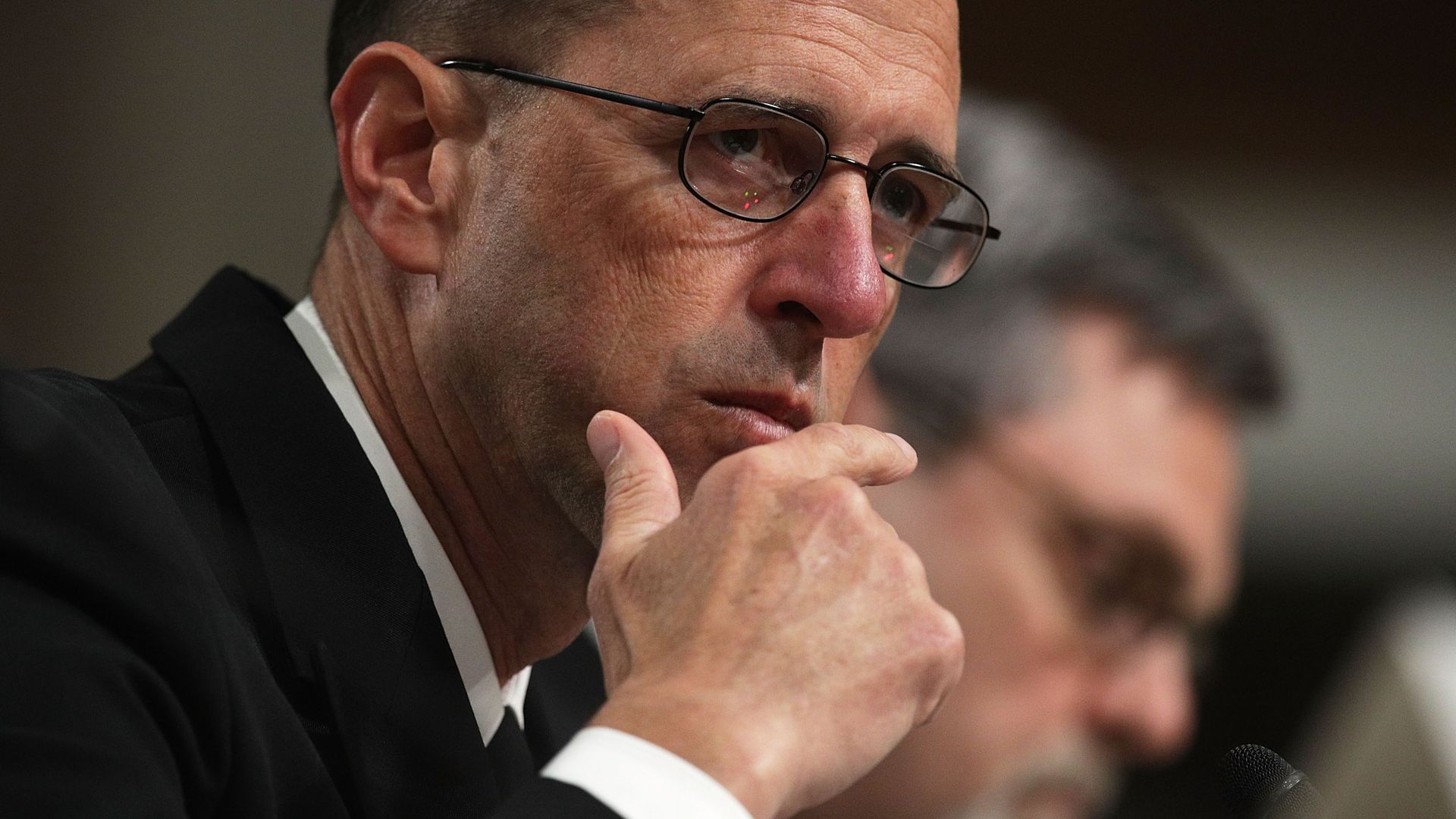
Chief of Naval Operations Admiral John Richardson announced the re-establishment of the Navy's Second Fleet in order to better counter Russia in the Atlantic as the country becomes more assertive amid deteriorating relations with the West, the BBC reports.
The details: The fleet was disbanded in 2011 for "cost-saving and structural reasons," per the BBC. Adm. Richardson said the new National Defense Strategy "makes clear that we're back in an era of great power competition as the security environment continues to grow more challenging and complex."
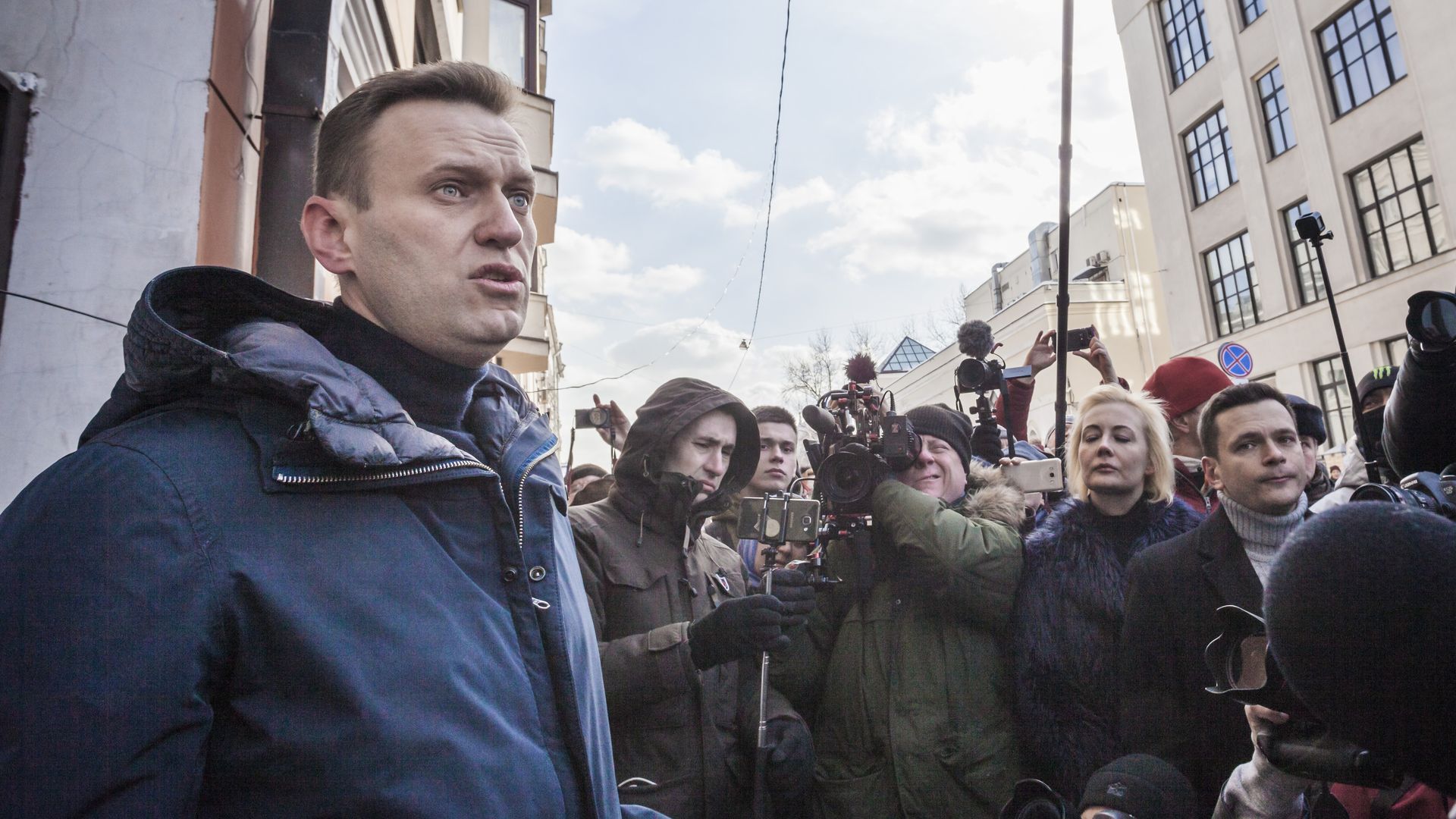
Anti-Kremlin protestors, along with opposition leader Alexei Navalny, were detained by police on Saturday after taking to the streets before President Vladimir Putin's inauguration on Monday, Reuters reports.
The big picture: Putin has been in office since 2000, and received around 77% of the vote in the recent election, per Reuters. Navalny had called for protestors to come out against Putin in more than 90 cities in Russia. Reuters adds that over 1,000 people were detained, citing human rights organization OVD Info. A police spokesman told Reuters that 1,500 people were protesting in Moscow.
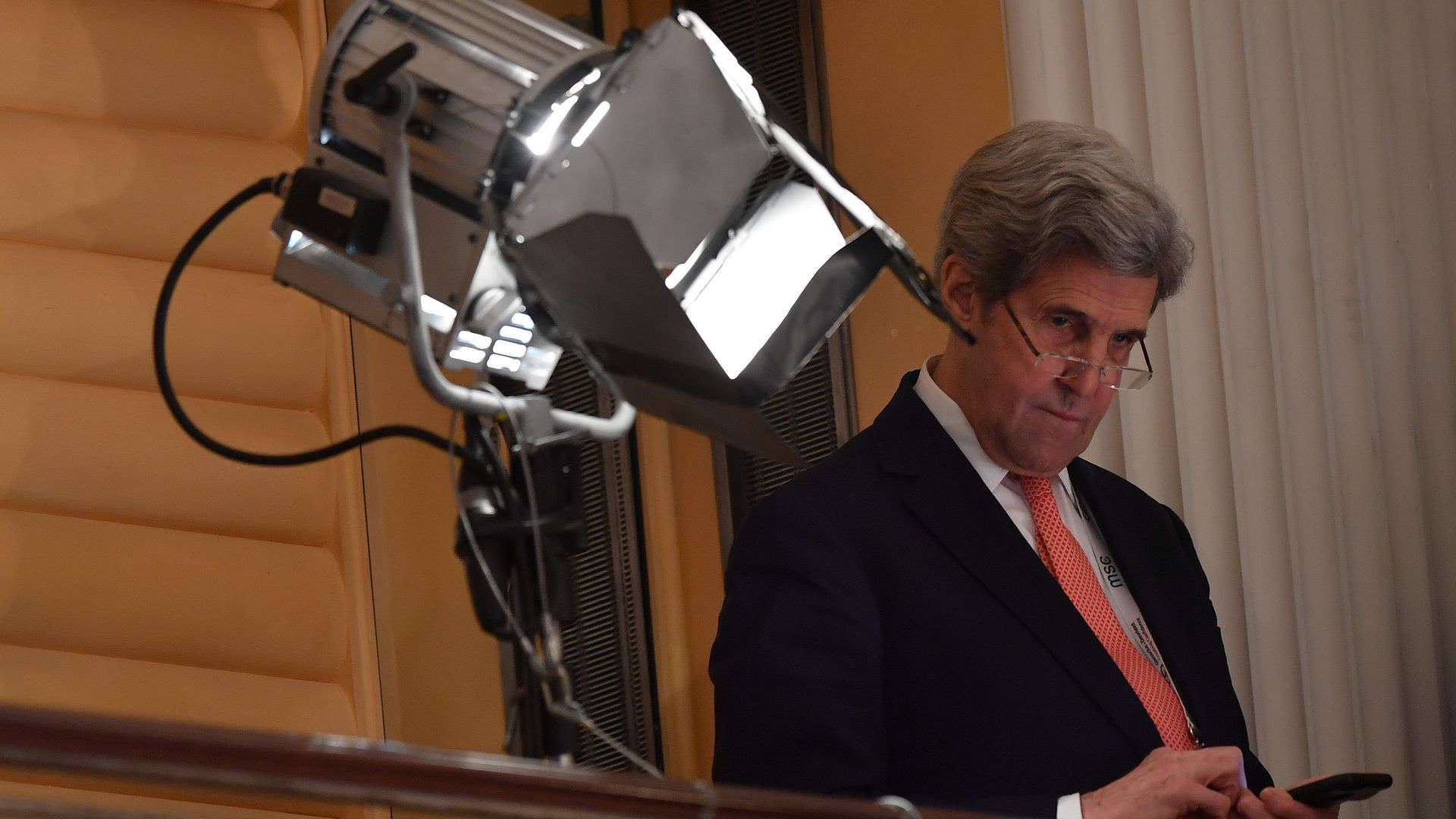
Former Secretary of State John Kerry has been on a low-profile campaign to hold together the Iran nuclear deal that was signed under his watch, meeting with leaders from Iran, France, Germany and the E.U. in recent weeks, the Boston Globe's Matt Viser reports.
Why it matters: "The rare moves by a former secretary of state highlight the stakes for Kerry personally, as well as for other Obama-era diplomats who are dismayed by what they see as Trump’s disruptive approach to diplomacy, and who view the Iran nuclear deal as a factor for stability in the Middle East and for global nuclear nonproliferation."