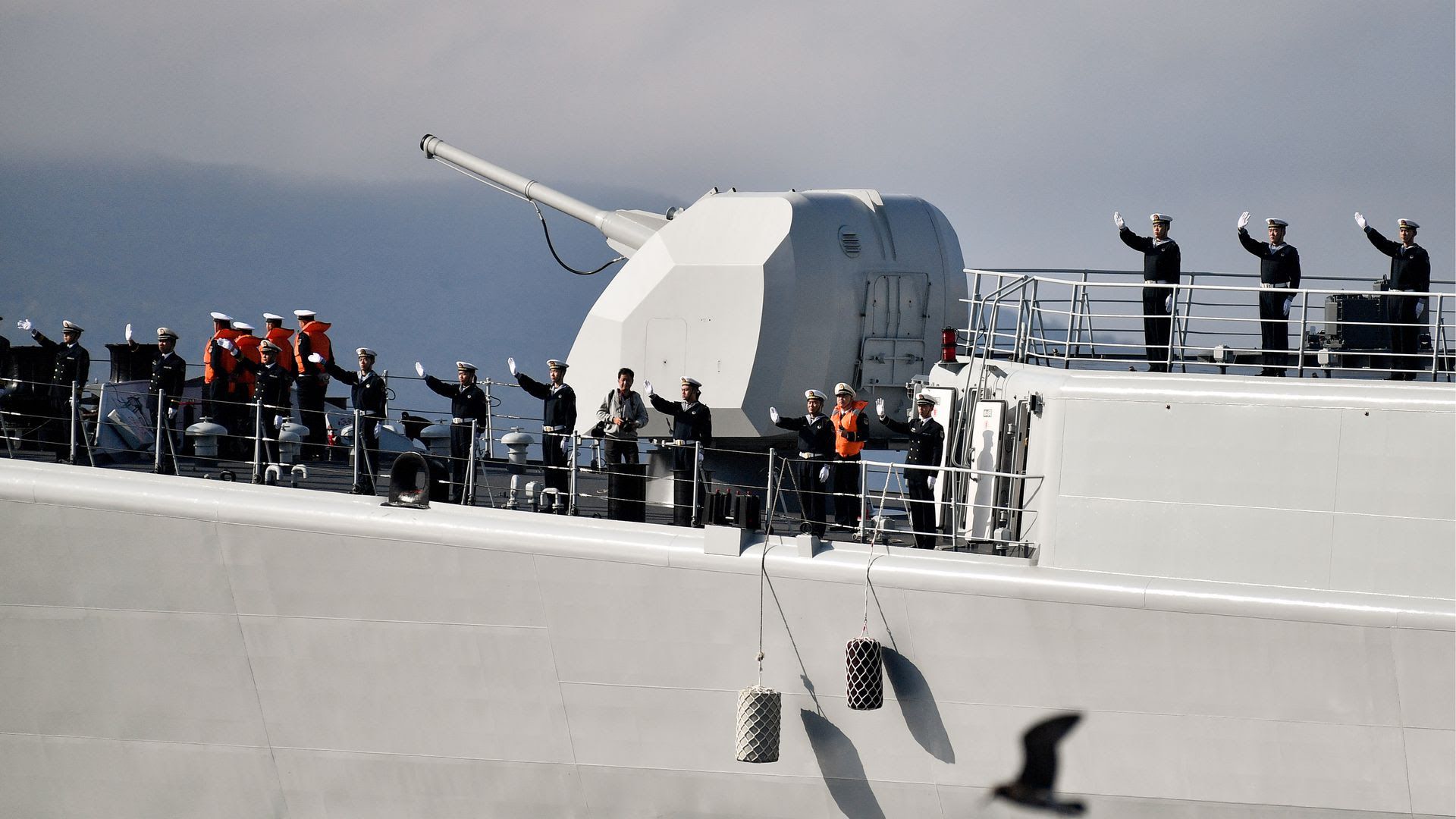
China has deployed anti-ship cruise missiles and surface-to-air missiles on several of the outposts it built in the Spratly Islands in the South China Sea, first reported by CNBC and the Chinese foreign ministry confirmed, per the Sydney Morning Herald.
Why it matters: The South China Sea is among the more potentially volatile of the growing number of flash points between the U.S. and China. U.S. threats of "consequences" are likely viewed as hollow, given how few options the U.S. has, short of war, to dislodge the Chinese from these massively expanded bases.
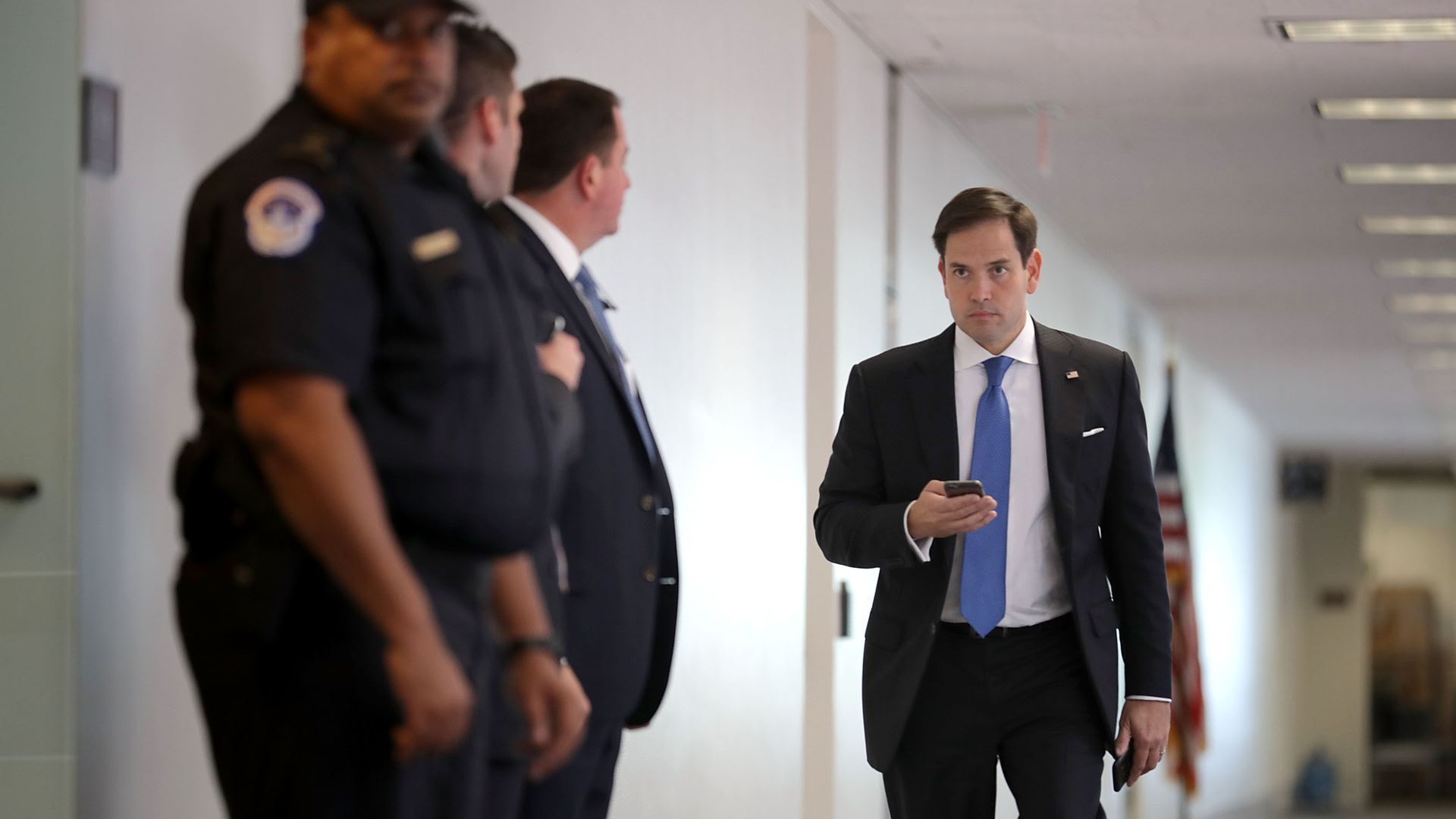
Senator Marco Rubio will introduce the Fair Trade With China Enforcement Act "to guard the American people against China’s nefarious influence on national and economic security, directly targeting China’s tools of economic aggression."
Why it matters: Bipartisan forces are aligning across D.C. to take a much tougher approach to China. Beijing may find a way to blunt some of the Trump administration trade threats but Congress is even more hawkish towards the PRC.
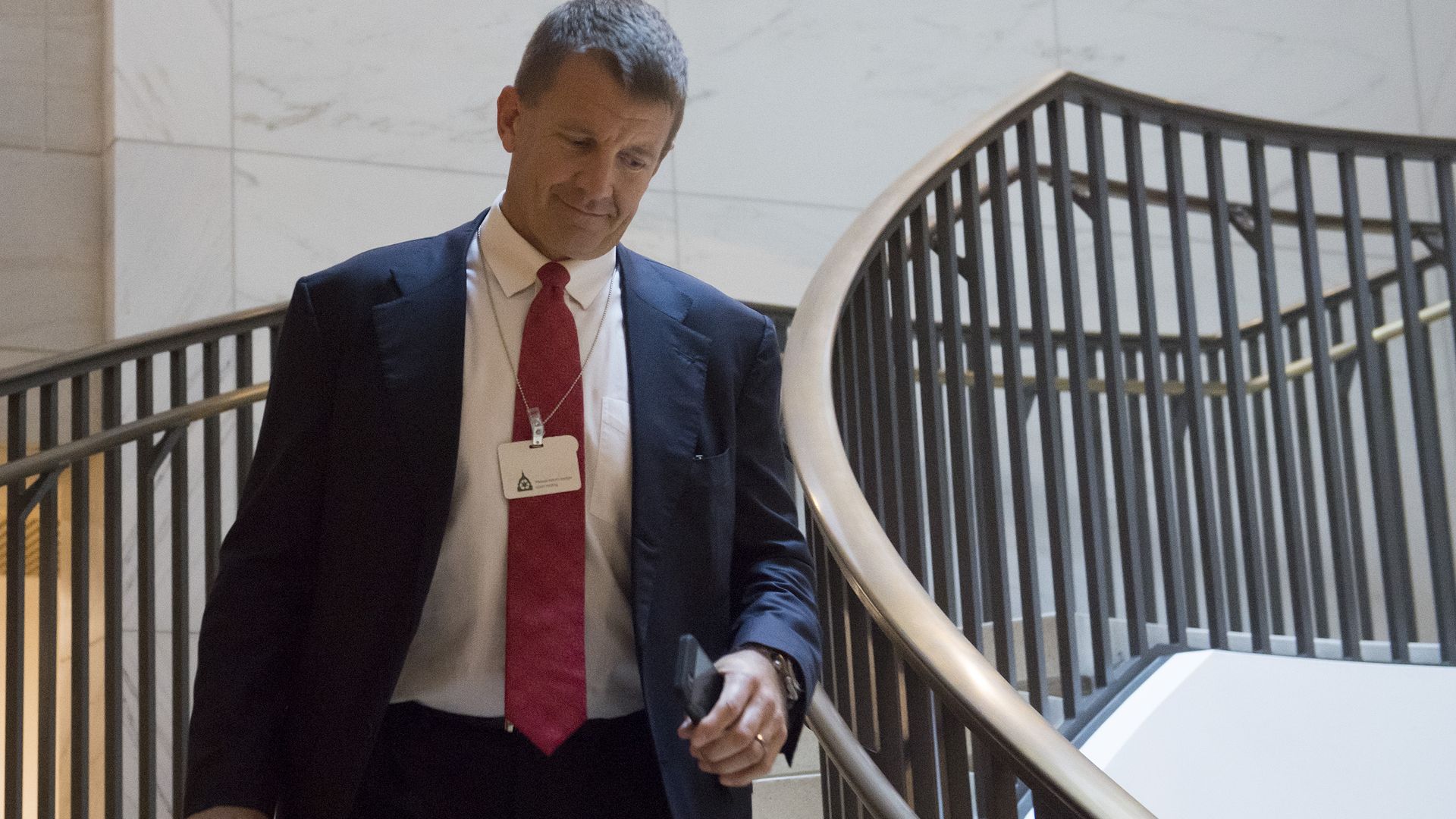
Erik Prince — a former Navy SEAL who created the security firm Blackwater, which played a controversial role in the U.S. wars in Iraq and Afghanistan — is back in the spotlight for his new position as chairman of a Hong Kong-based company called Frontier Services Group, the Washington Post reports.
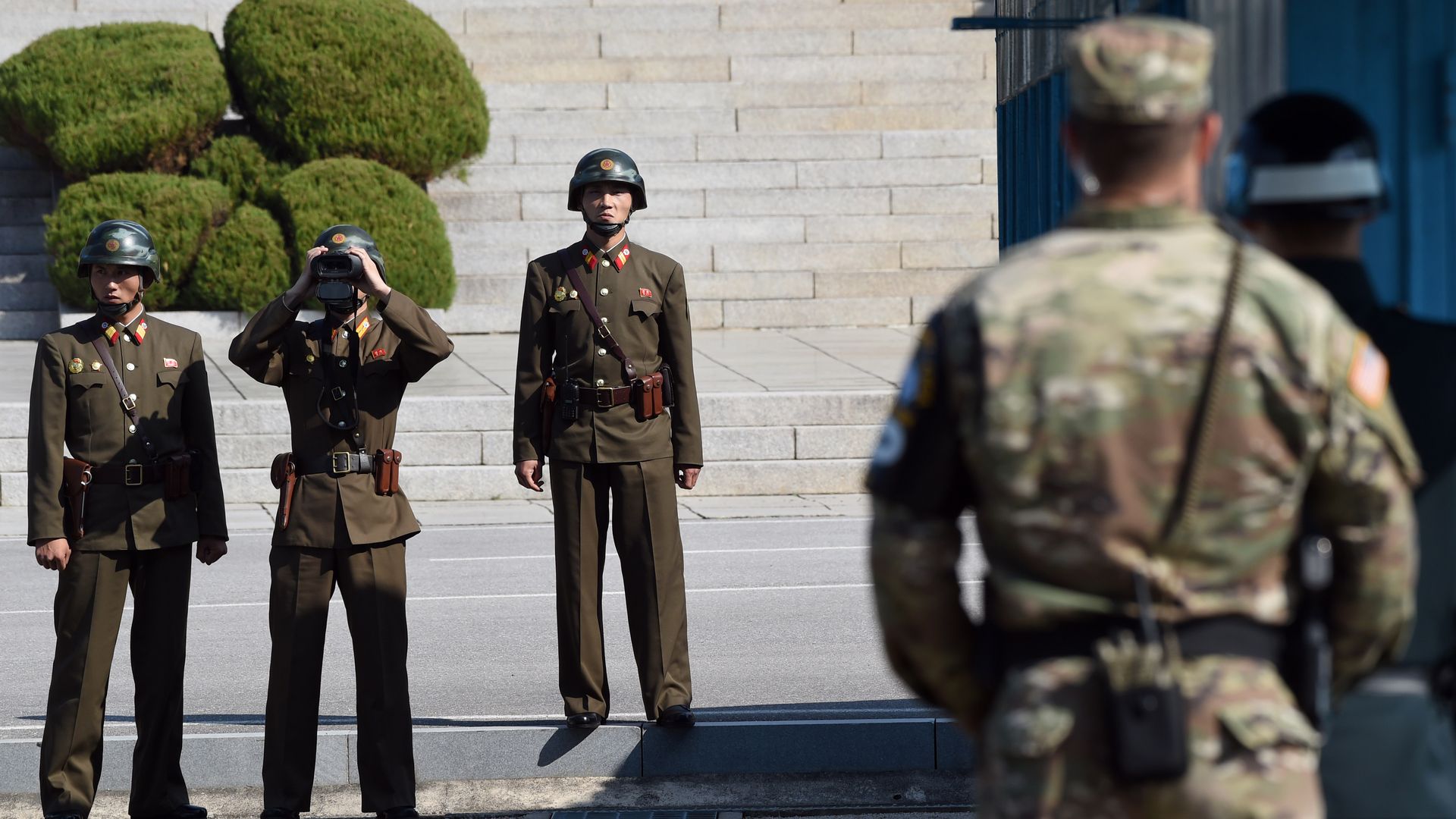
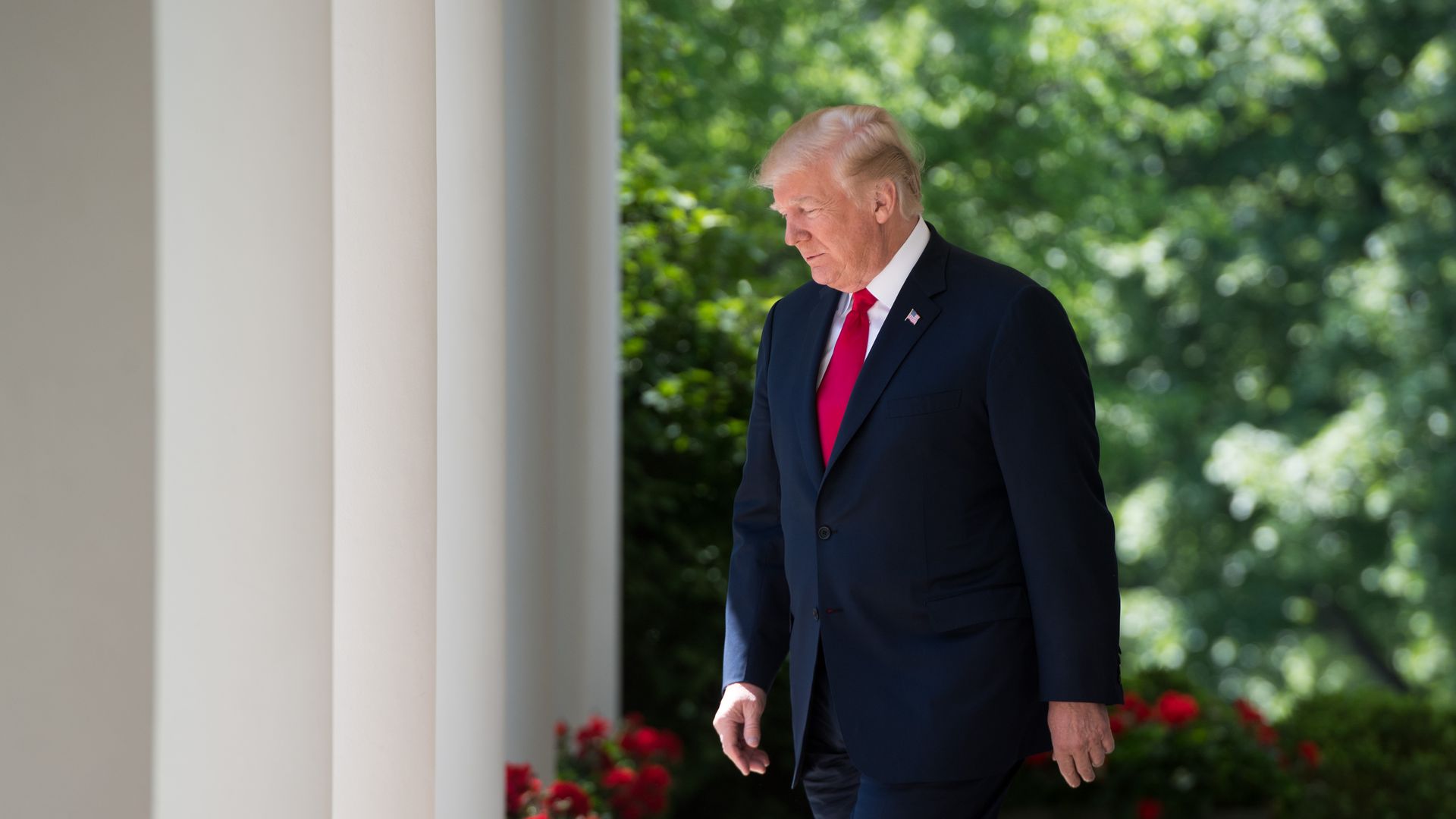
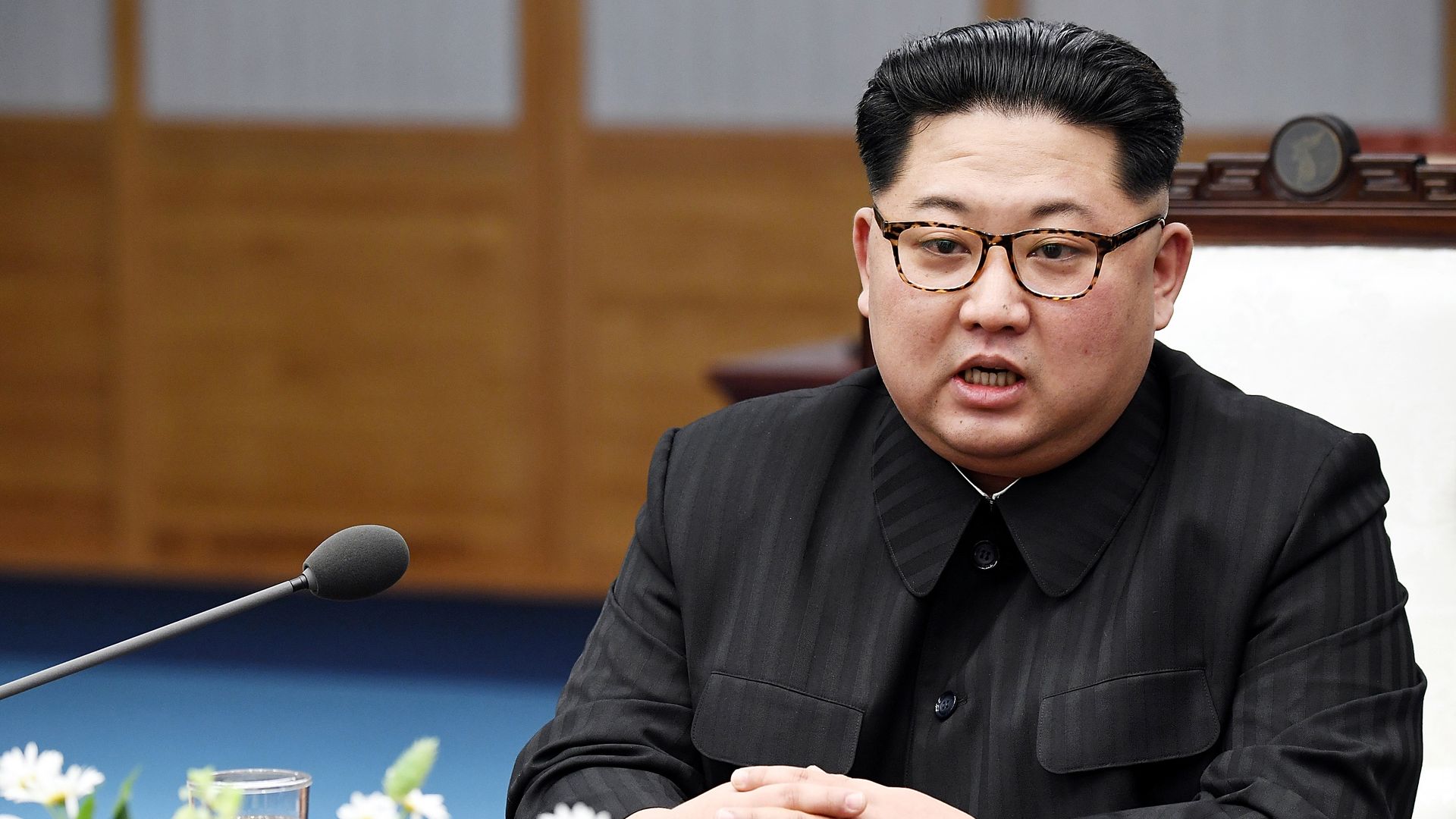
Weeks before his planned summit with Kim Jong-un, President Trump reportedly pushed the Pentagon to consider reducing troop numbers in South Korea, reflecting his long-held conviction that the U.S. shouldn't subsidize other countries’ defense needs.
Why it matters: While Trump clarified that a drawdown was for future, not immediate, consideration, these reports could influence Kim's pre-summit calculations: If Trump seems eager at the outset to achieve peace and declare success by promising withdrawal, Kim might feel less pressure to sacrifice his primary leverage — his nuclear weapons and long-range missiles.
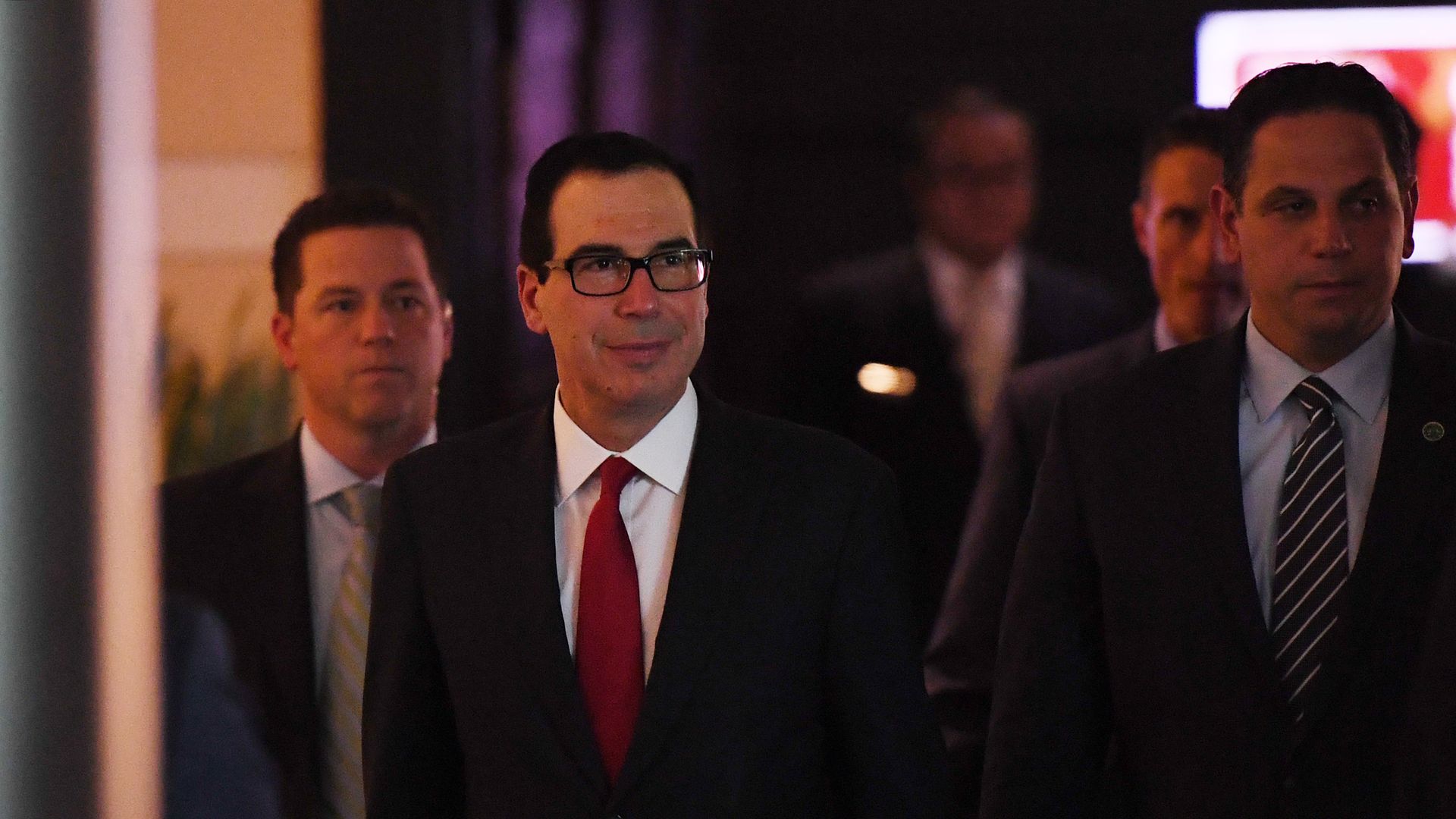
The Trump administration’s senior economic team just wrapped up talks in Beijing to address rising U.S.–China tensions. These talks appear to have amounted largely to an exchange of views, with China, unsurprisingly, evincing little willingness to immediately address the bilateral trade deficit with the United States or curb its mercantilist economic approach.
The bottom line: The inconclusive results should not obscure a new direction in U.S. relations with China: disengagement.
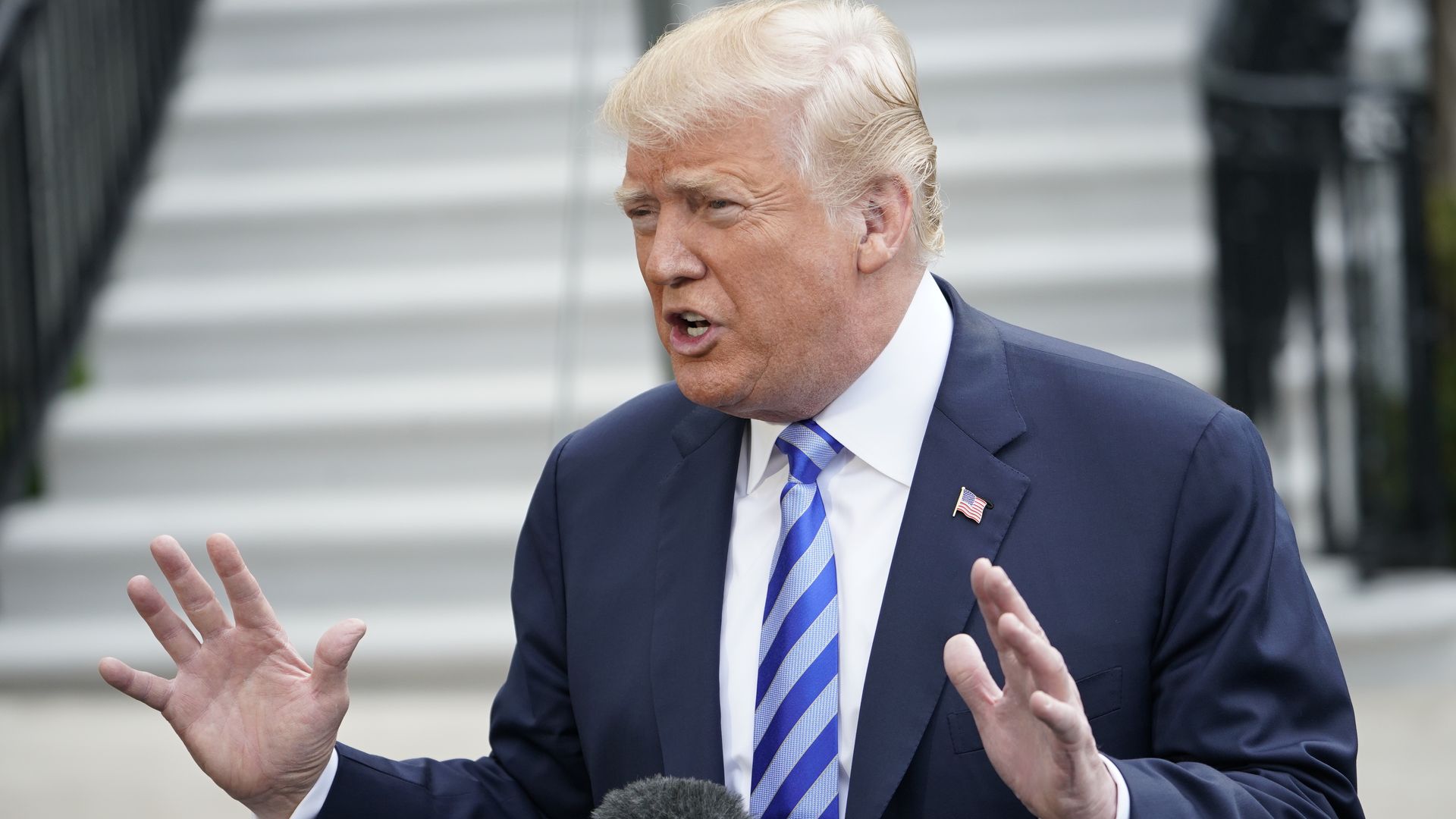
President Trump told reporters Friday that the White House has picked a date and location for planned talks with North Korea's Kim Jong-un, and said they'll be issuing a statement shortly.
Why it matters: Now that the details of the upcoming summit with North Korea are coming together, it's even more likely that the meeting will take place.
Trump said he is not considering a U.S. troop reduction in South Korea Friday following the NYT report that he ordered the Pentagon to consider a drawdown. Trump’s National Security Advisor John Bolton denied it in a statement on Friday as well.
Why it matters: As Trump's planned talks with North Korea’s Kim Jong-un edges closer, concerns remain over what the U.S. will concede in negotiations to get North Korea to fully, verifiably, and permanently denuclearize. If troop reductions are on the table, U.S. relations with South Korea and Japan could strain, and the move could threaten their safety if North Korea isn’t truly on the path to peace and denuclearization.
"Despite North Korea, arms control is unravelling ... Complacent, reckless leaders have forgotten how valuable it is to restrain nuclear weapons," per The Economist's cover editorial.
Why it matters: "A complacent world is playing with Armageddon."
As President Xi Jinping takes Chinese influence to every corner of the world, there remain corners of his own country that his government struggles to control.
The big picture: The Chinese Communist Party has no tolerance for dissent from ethnic minorities, and fears it could be damaged if word of human rights violations against those groups spreads outside China’s borders.