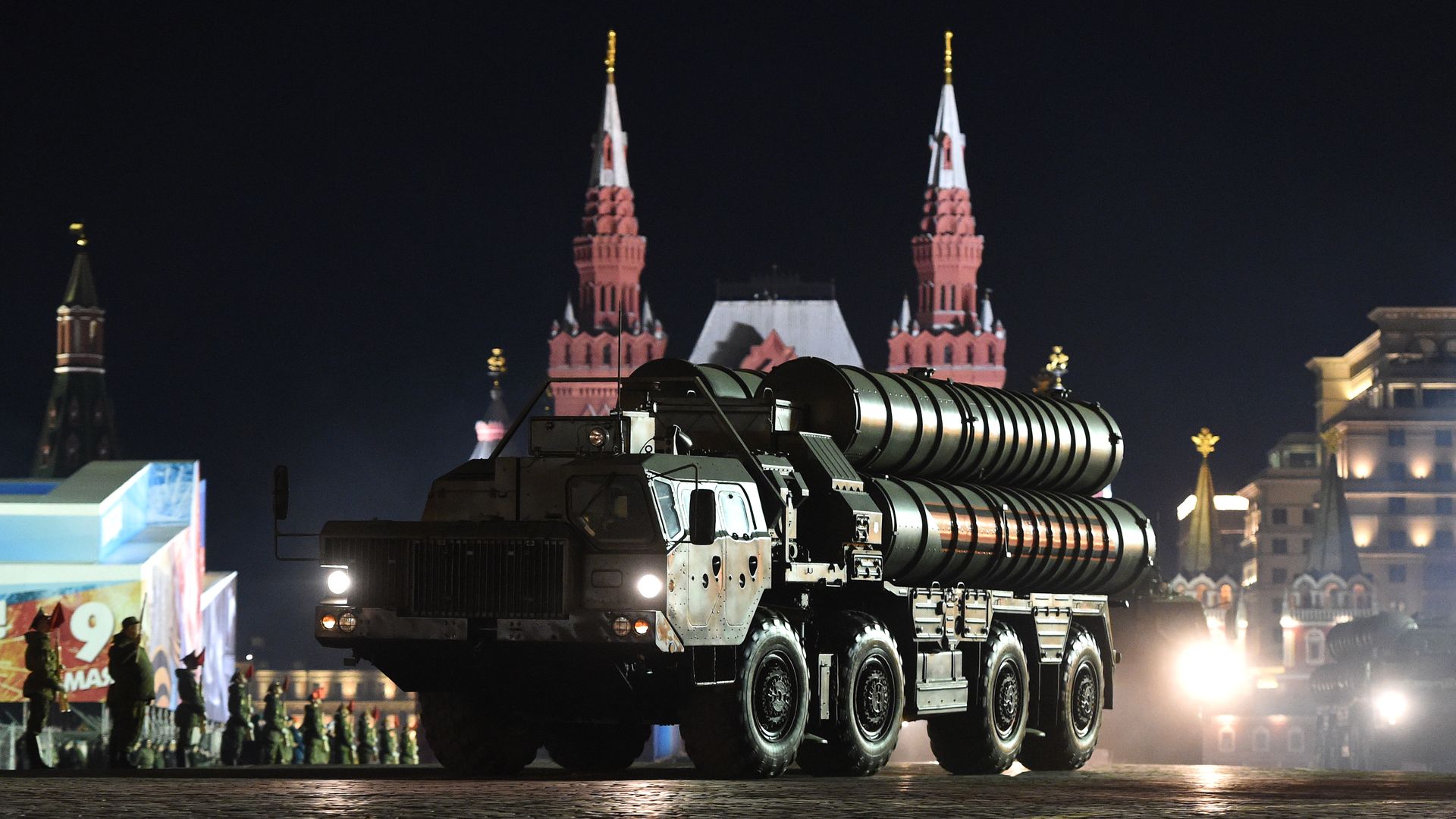
India may close a major defense deal with Russia as early as next week, when Indian Defense Minister Nirmala Sitharaman will make her first trip to Moscow. The deal covers two S-400 air defense systems, which include radar, missile launchers and command center technology.
Why it matters: In August 2017, President Trump signed into law the Countering America’s Adversaries through Sanctions Act (CAATSA) against Russia. Because the sanctions target any country trading with Russia's defense and intelligence sectors, India's pending deal may put it on a collision course with the U.S.
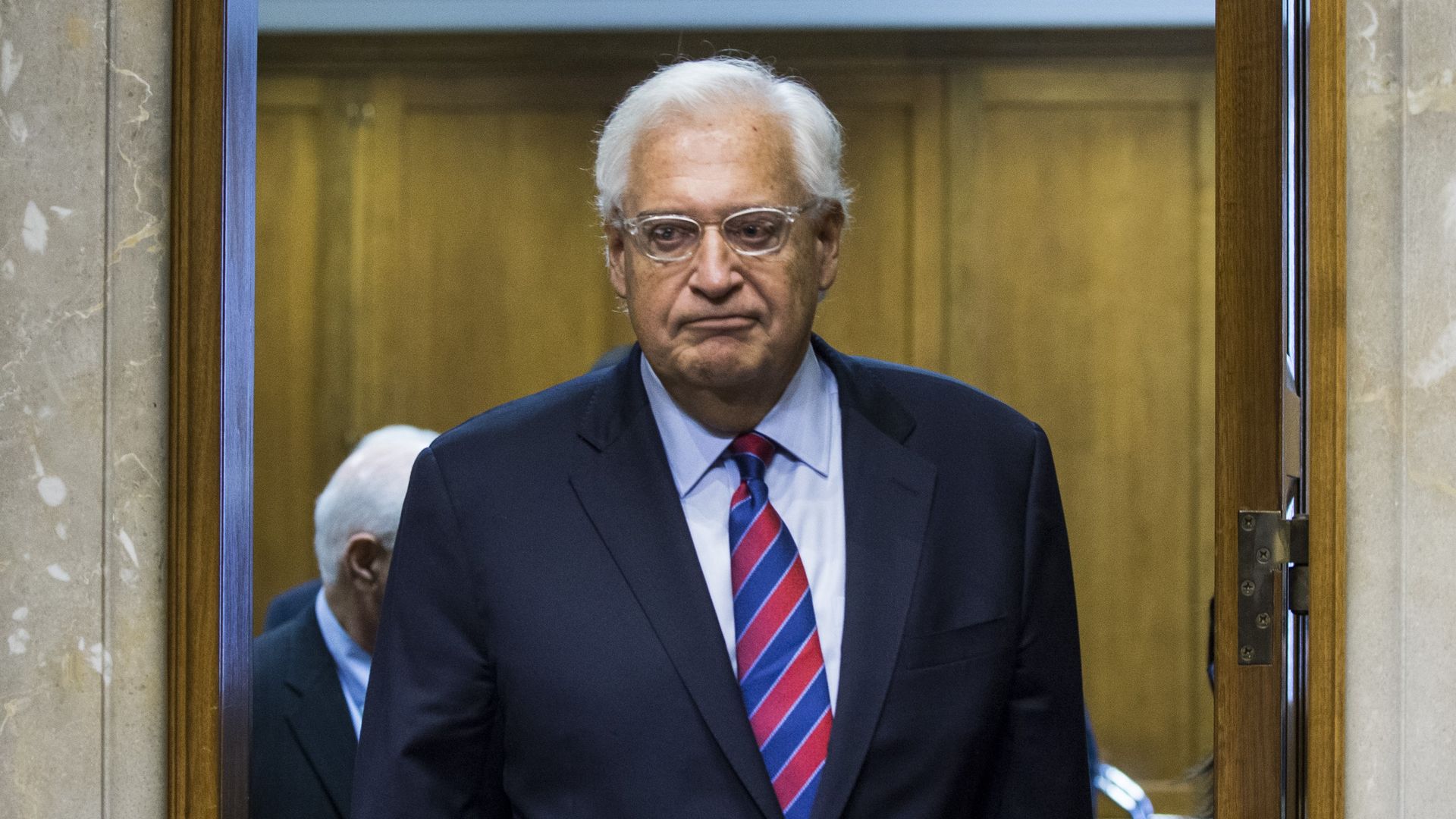
U.S. ambassador to Israel David Friedman has warned that if Palestinian President Mahmoud Abbas continues to refuse to engage with the Trump administration, the U.S. will find other players to talk to.
Why it matters: Friedman's comments were the first time a senior Trump administration official raised the possibility that the White House will decide that Abbas is irrelevant.
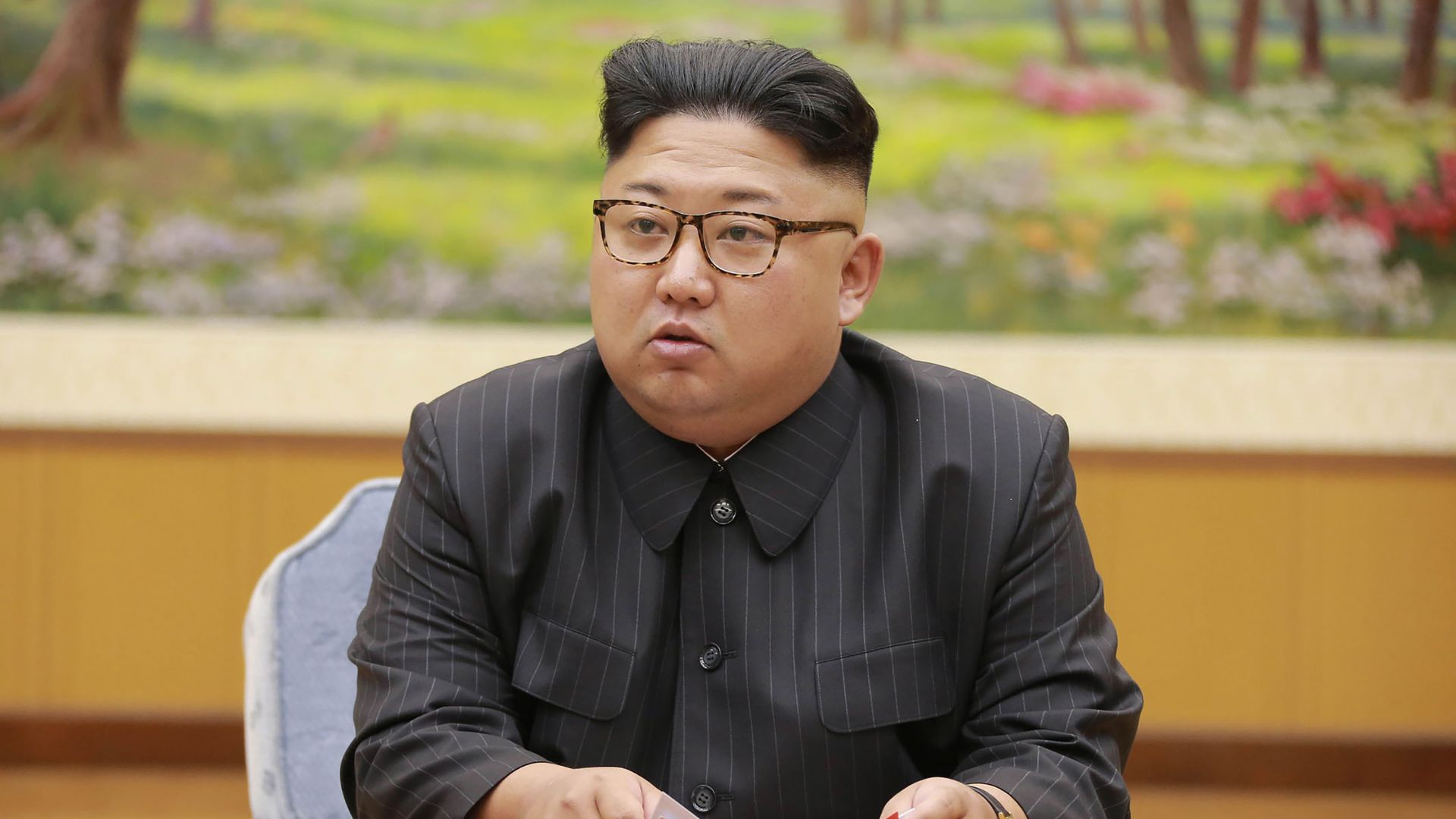
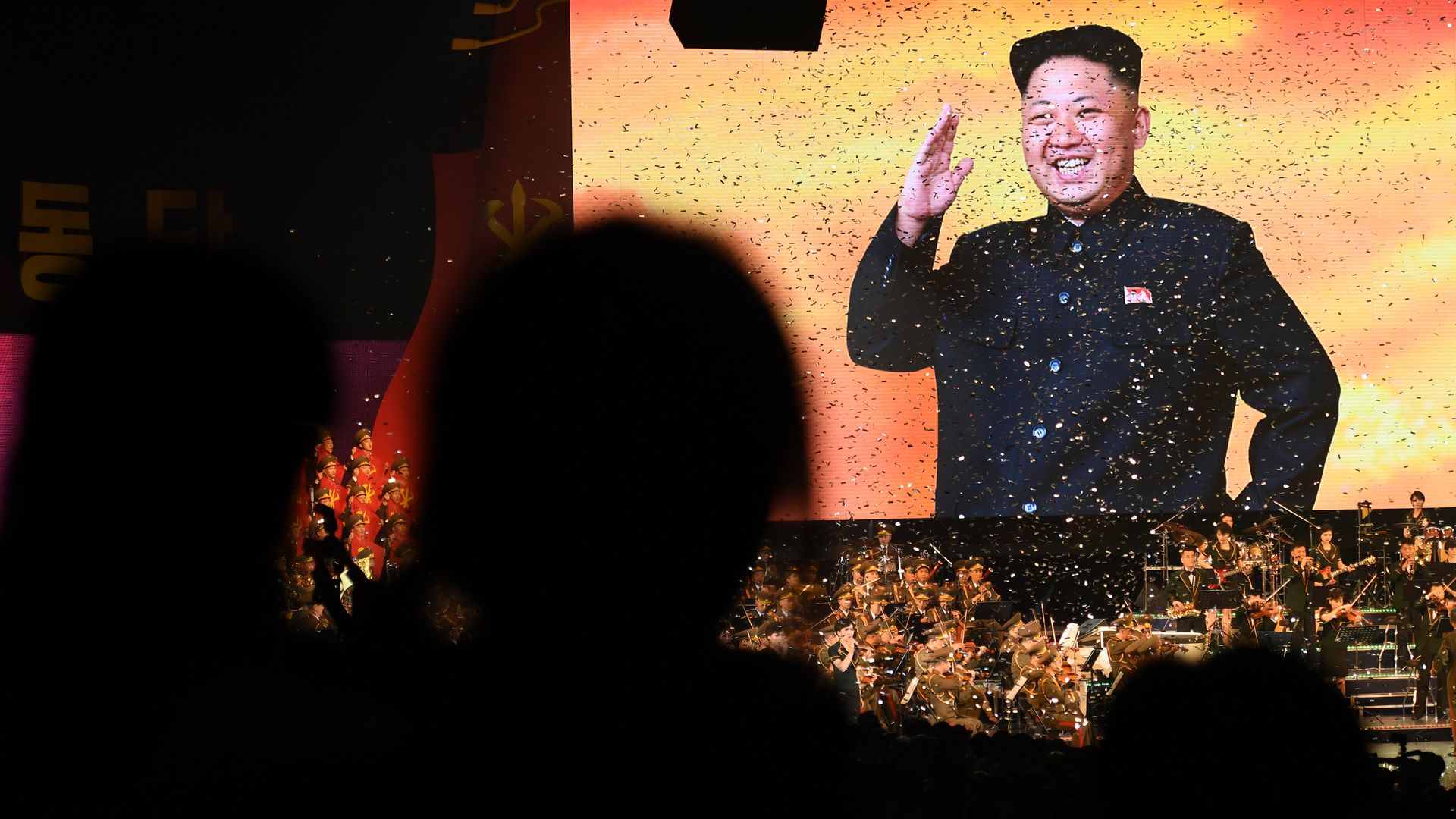
President Trump confirmed in a tweet this morning that his planned summit with North Korean leader Kim Jong-un is still on. The president expressed hope that Kim, who just visited Chinese President Xi Jinping in Beijing, "will do what is right for his people and for humanity."
Kim's message to Trump in Beijing: "The issue of denuclearization of the Korean Peninsula can be resolved, if South Korea and the United States respond to our efforts with goodwill, create an atmosphere of peace and stability while taking progressive and synchronous measures for the realization of peace."
North Korean leader Kim Jong-un secretly visited China to meet with President Xi Jinping, Chinese state media has confirmed. The trip took place from March 25-28 (local time).
Why it matters: This was Kim's first trip outside North Korea since he took power in 2011, and his first meeting with a foreign head of state. The meeting also comes ahead of planned meetings with American and South Korean leaders.
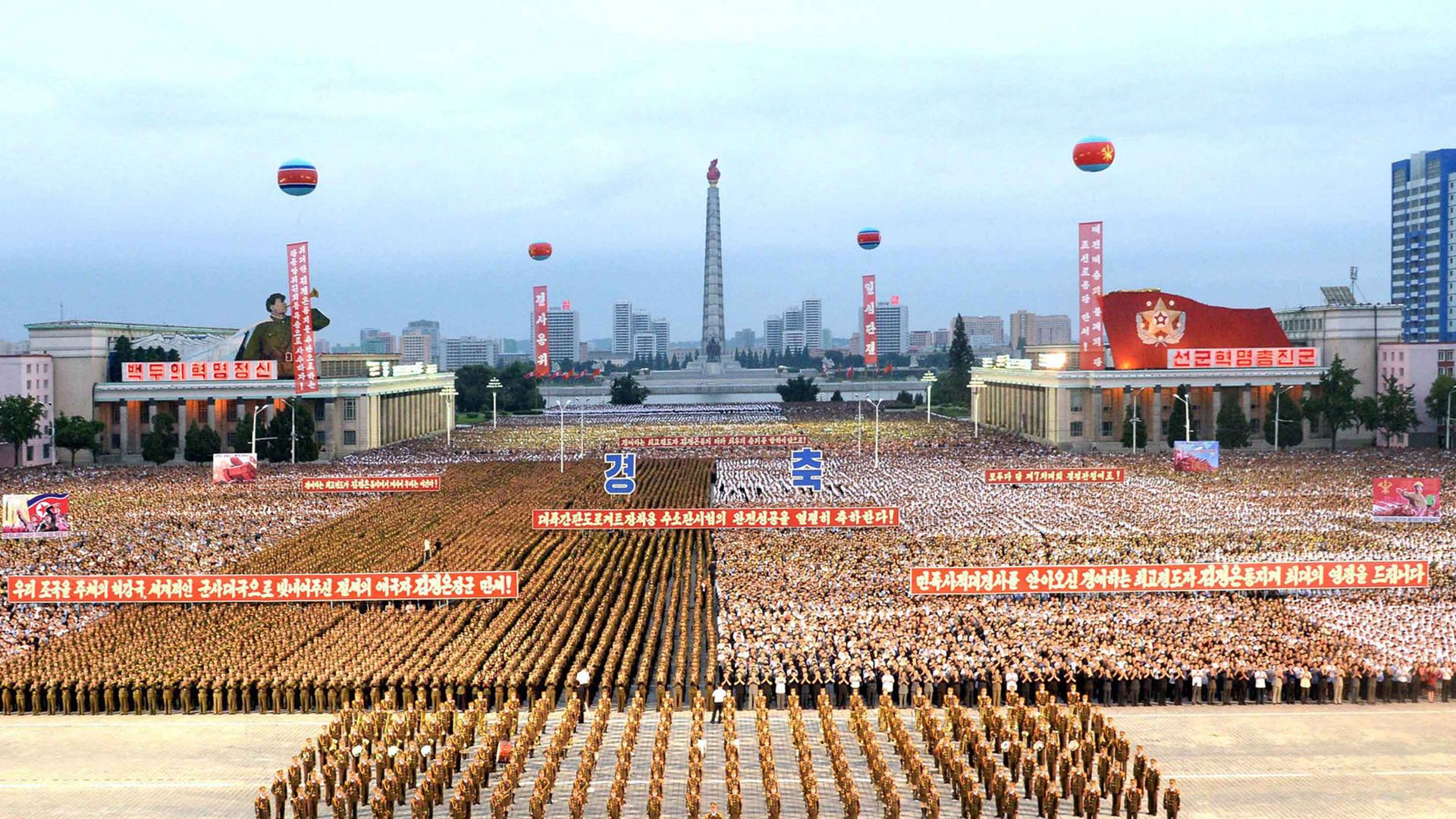
Why it matters: "The new reactor could be a central issue in the Trump-Kim talks, if the goal, as the United States insists, is complete denuclearization. Even if Mr. Kim agrees to a freeze on nuclear and missile testing, he would still be able to accumulate more bomb fuel for a larger arsenal as long as the negotiations dragged on."
A day after a North Korean armored train arrived in Beijing there has been no official confirmation that Kim Jong-un was on board, but “three people with knowledge of the visit" tell Bloomberg Kim did in fact make the trip, while the Financial Times reports Kim visited Beijing and "it was assumed he had met Chinese president Xi Jinping."
Why it matters: This would be Kim's first known trip outside of North Korea since he took power in 2011 and, if he did meet Xi, his first meeting with a foreign leader. It comes ahead of a possible summit between Kim and President Trump, and at a tense time for relations between Beijing and Pyongyang.
Prime Minister Theresa May's expulsion of 23 Russian diplomats sent a strong message to Russia after its nerve-agent attack on British soil earlier this month. She has refrained, however, from bringing the dispute to one of the largest world stages: the soccer field.
Why it matters: Boycotting the FIFA World Cup in Moscow this June is arguably the most powerful symbolic retaliation Britain could take against Russia. But there may simply be too much money and public emotion invested for May to do so.
The U.S. decision to expel 60 Russian diplomats came after the U.K. told the Trump administration that was roughly the total number that European countries were expected to throw out, a European diplomat tells Axios.
Why it matters: The U.S. is expelling far more Russians than any other country, including the U.K., where double agent Sergei Skripal and his daughter were poisoned with a nerve agent March 4. President Trump's move is particularly surprising given the many times he has been criticized for not taking a stronger stand on Russian aggression.
NATO Secretary General Jens Stoltenberg said the alliance is expelling 7 staff from Russia’s mission and denying accreditation to 3 more, per NATO.
Why it matters: "Russia will have a reduced capability to do intelligence work in NATO countries,” Stoltenberg said. NATO's move comes amid a unified response to the nerve agent attack on a former Russian spy and his daughter in England. The U.S. is expelling 60 suspected intelligence operatives, with 24 other countries also expelling Russians.
Russian Foreign Minister Sergei Lavrov claimed European countries are effectively being blackmailed by the U.S. into taking such steps, per BBC. Russia has said there will be a tit-for-tat response over what it's calling a "grave mistake" by the West.