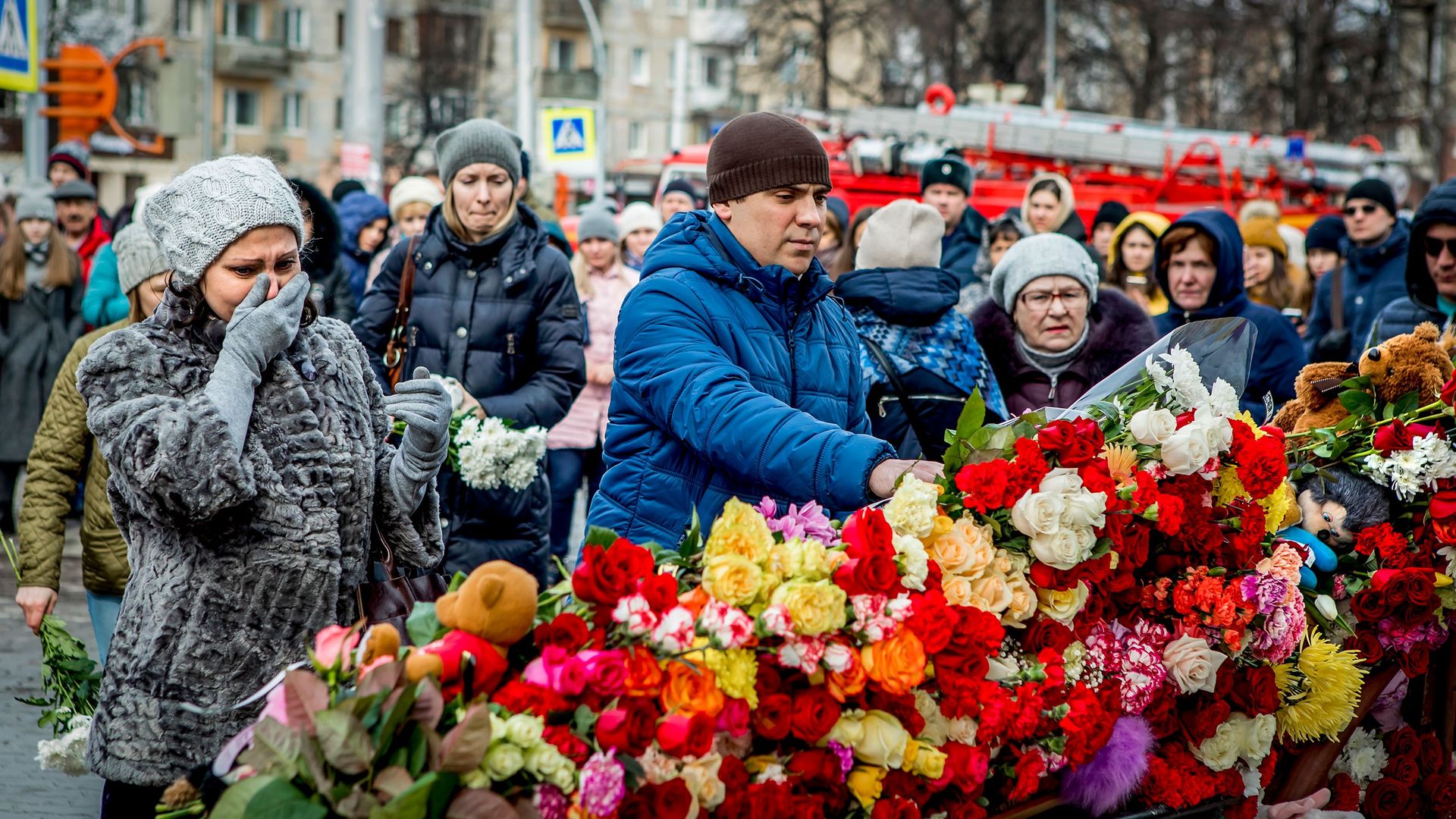
A day after a deadly fire at a shopping center in Kemerovo, Russia, authorities are facing questions over the slow response to the blaze and possible negligence that allowed the tragedy to occur. Many of the victims were children, who had been locked inside a movie theater.
Go deeper: Meduza, the Russian news site, has a harrowing report from the scene of the fire, where parents waited for hours for news about their children.
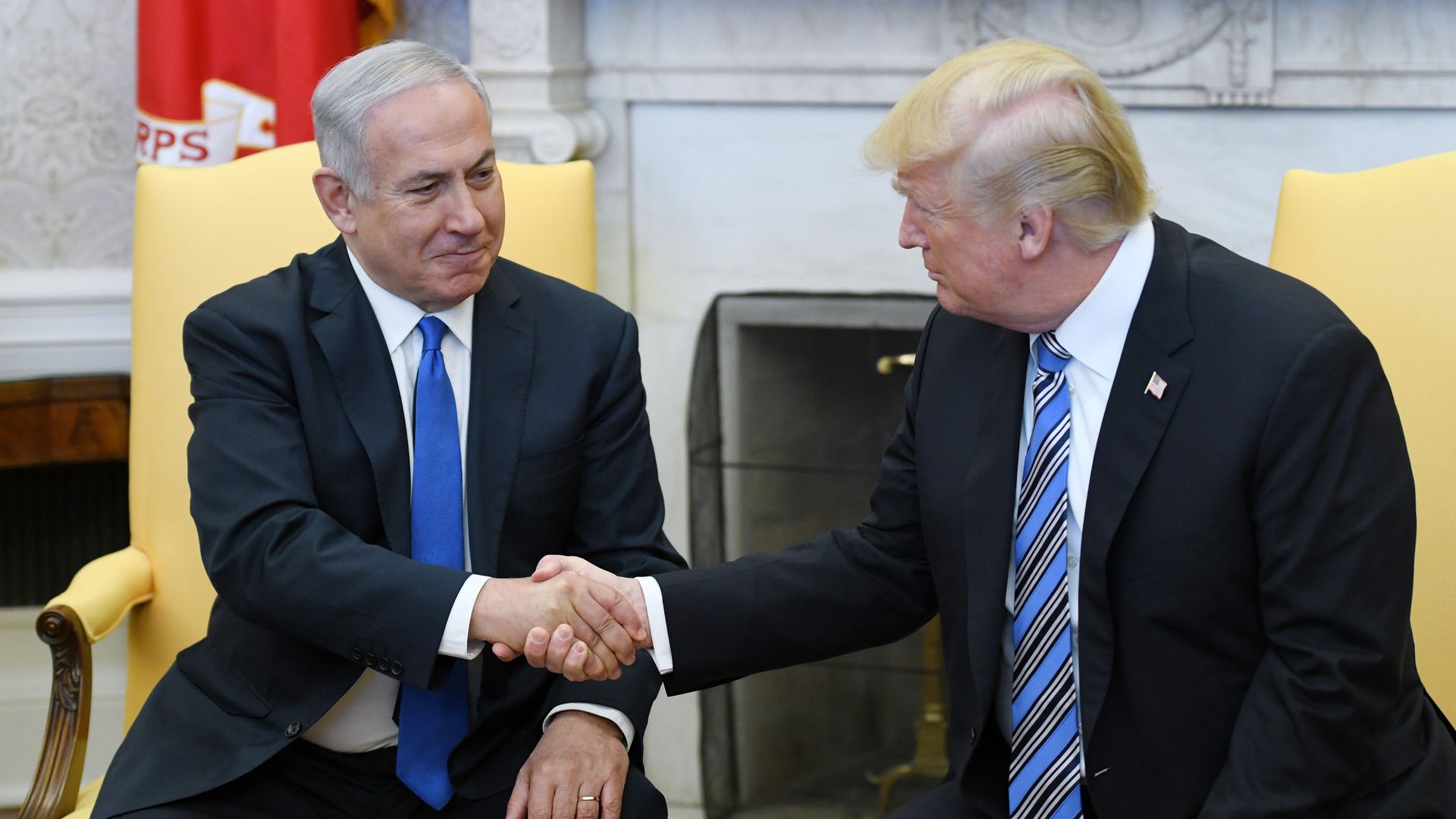
Israeli Prime Minister Benjamin Netanyahu told French and German foreign ministers who visited Jerusalem today that he predicts "with high probability" that President Trump is going to withdraw from the Iran nuclear deal on May 12th and urged the Europeans to agree to significant changes in the deal, Senior Israeli officials who attended the meetings told me.
Why it matters: The European powers — Germany, France and the U.K. — have been engaged in intense negotiations with the U.S. in an attempt to reach a formula that would save the Iran deal. The Europeans believe the chances of finding a formula which will satisfy Trump are very slim.
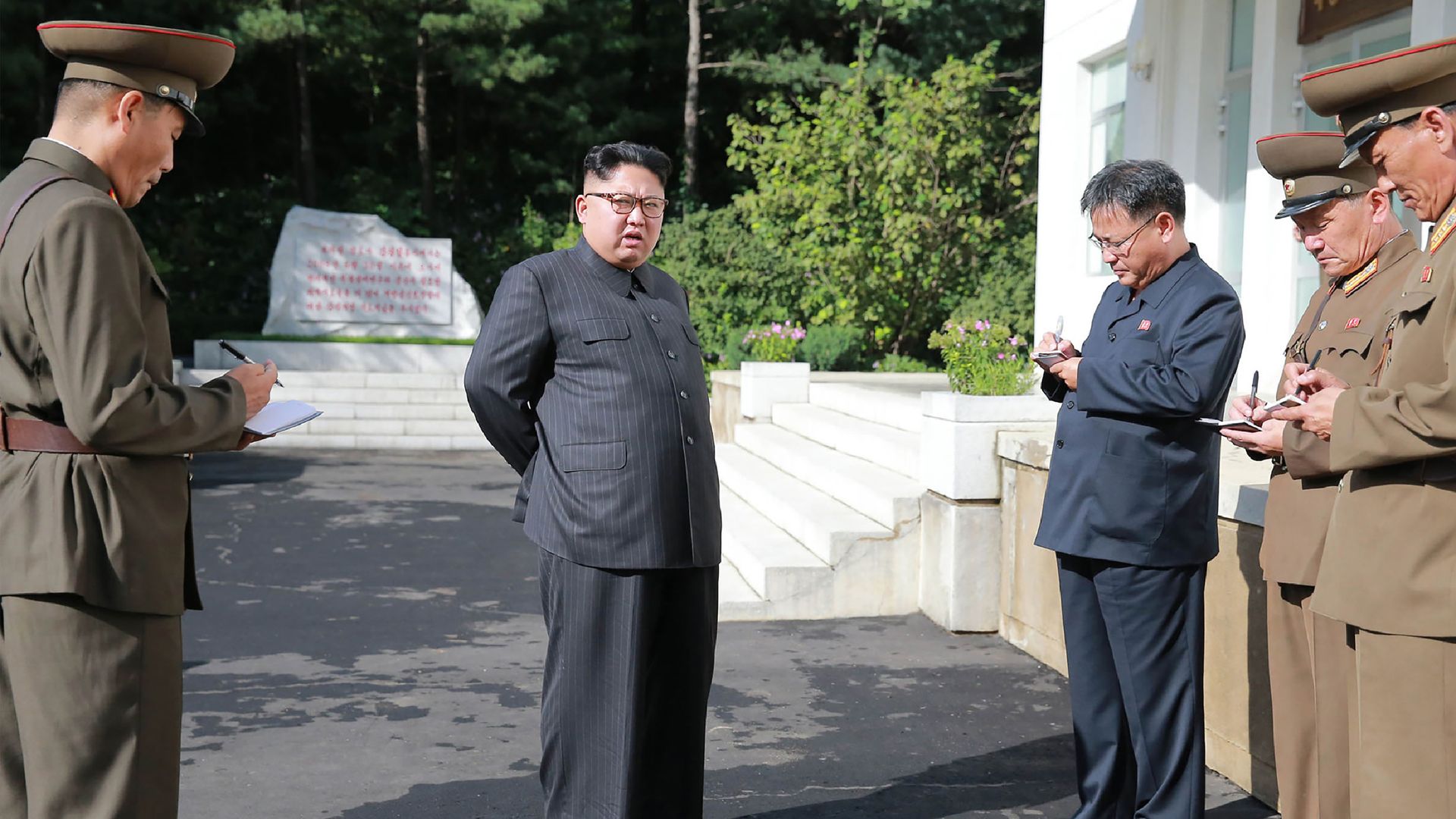
Americans who are very or extremely concerned about a North Korean nuclear threat to the U.S. has dropped from 67% last October to 50% today, according to an AP/NORC Center for Public Affairs Research poll.
Trump's approval rating on his handling of North Korea is at 42% now, up from 34% in October. 48% of those polled favored Trump’s potential talks with North Korea’s leader over denuclearization, while 29% oppose them. The poll was conducted after Trump announced his plans to meet with Kim Jong-un.
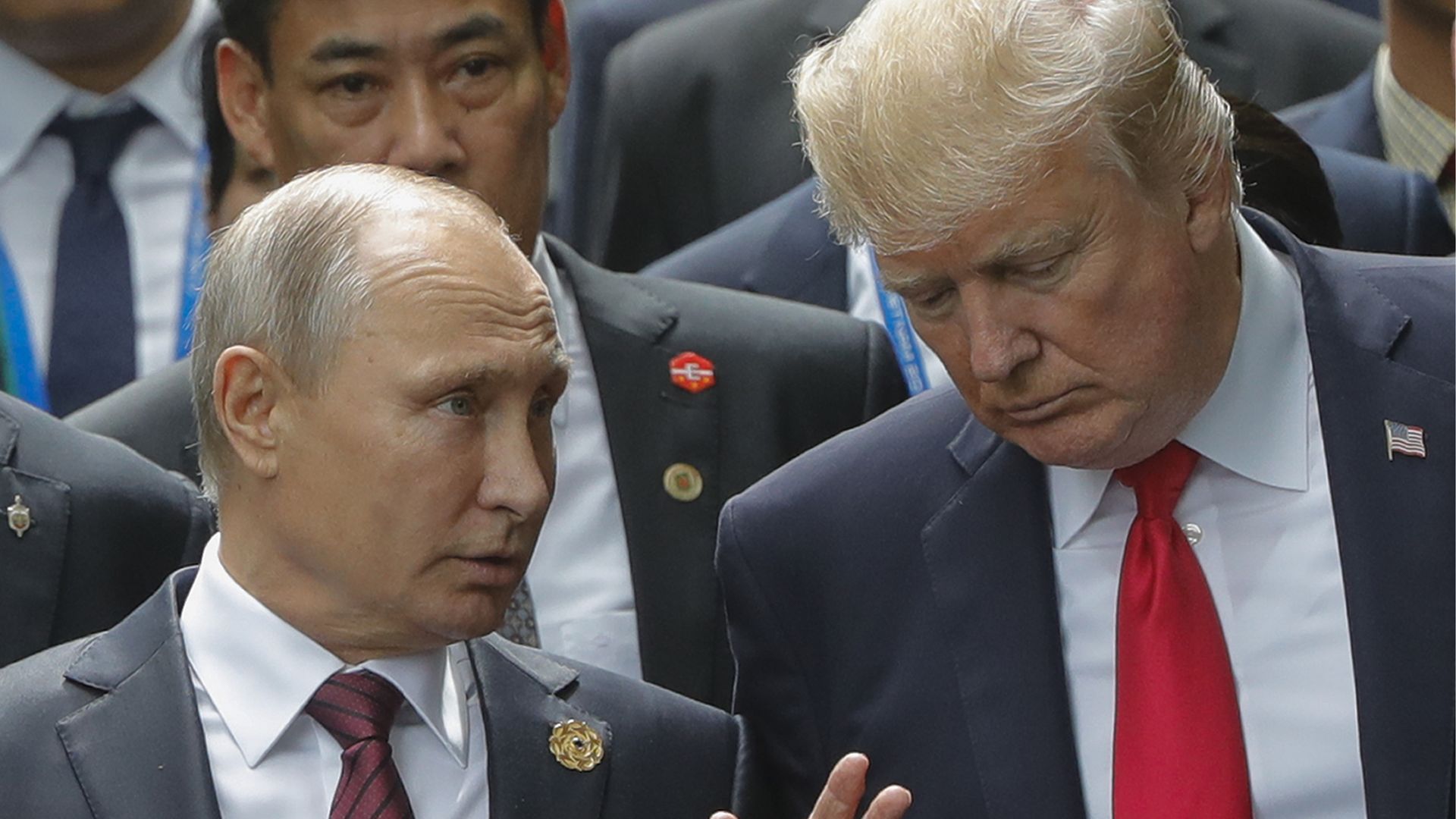
Russia plans to expel at least 60 U.S. diplomatic staff in response to the actions announced today by the White House, the deputy chairman of the International Affairs Committee in the Russian parliament's upper chamber has said, the Moscow Times reports citing Russian state media. Kremlin spokesman Dmitry Peskov has also said a reciprocal response is likely.
The big picture: The U.S., Canada and 13 E.U. countries have joined the U.K. in retaliating over the poisoning of Russian ex-double agent Sergei Skripal in the English town of Salisbury three weeks ago. This tit-for-tat response from the Kremlin is not a surprise.
At least 14 European Union member countries and the U.S. took coordinated action on Monday over Russia's alleged nerve agent attack on a former Russian spy in the U.K. earlier this month.
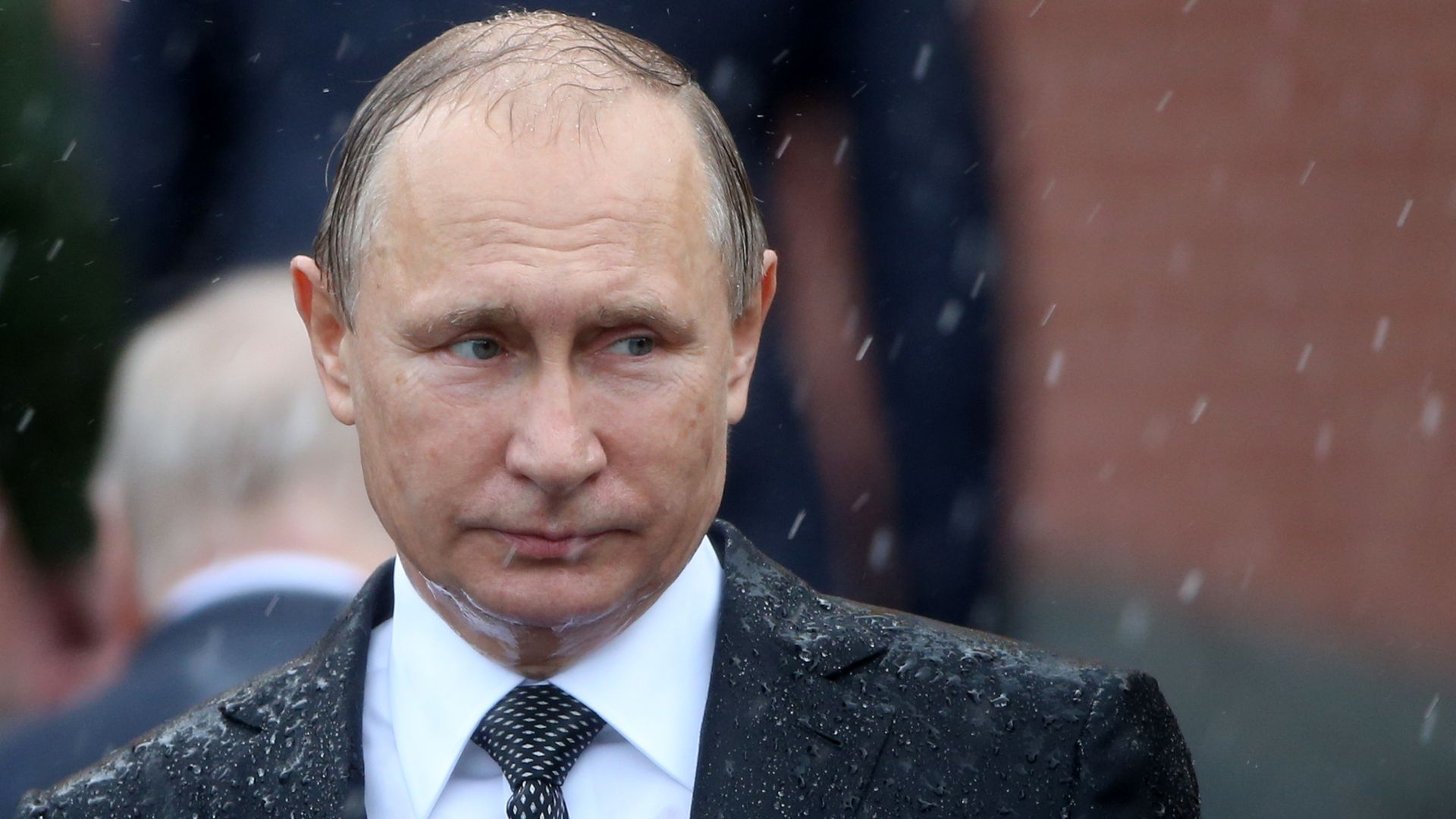
Why it matters: The organized effort among the countries, just one week after Vladimir Putin was reelected as president, is intended to send a clear message to Russia that its shadow operations will not go unpunished among global allies of the EU.
President Trump has signed an order expelling 60 Russian intelligence and diplomatic officers from the U.S. and closing a Russian consulate in Seattle in response to Russia's involvement in the poisoning of a former Russian spy in the U.K., senior administration officials told reporters on a Monday morning call.
Why it matters: This comes a week after President Trump did not condemn Russia's actions toward the spy, but instead congratulated Putin on his reelection in a phone call. The administration officials said that "the door to discourse is open" to Russia, but only once they have acknowledged their responsibility in the attack. “When you attack our friends, you will face serious consequences," one of the officials said.
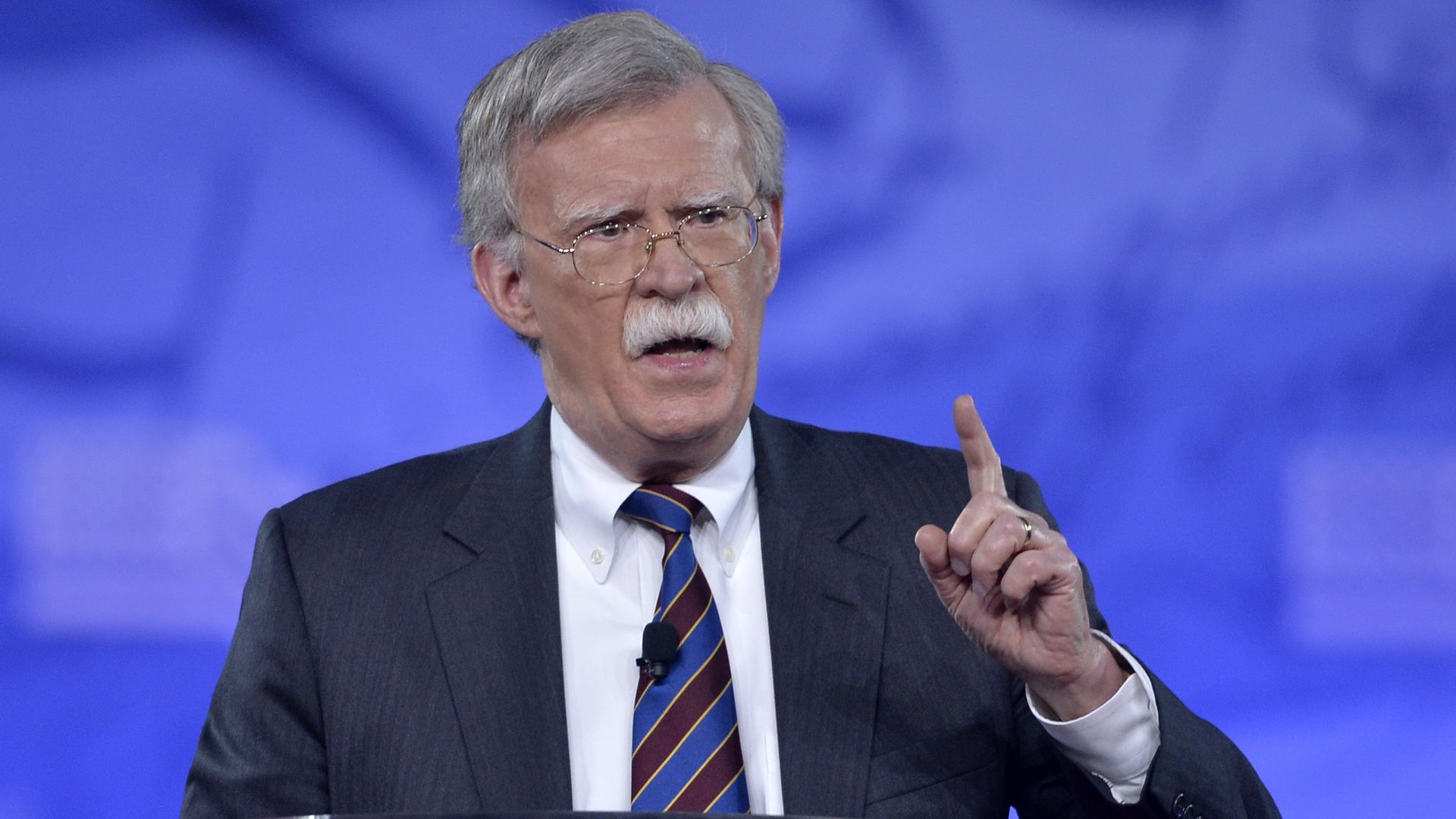
John Bolton knows he's being portrayed as a warmonger as he becomes national security adviser, but he's trying to build internal credibility with a more studied, lower-decibel approach, according to people familiar with his thinking. Bolton's forest of op-eds trumpet his hawkish views. But my sources say that at least at the outset, Bolton plans to rein those in — aiming to be seen more as an honest broker for the war cabinet, and less as blatant advocate.
His plan: "When the president makes a decision, obviously the principals on the National Security Council are supposed to carry it out," one source familiar with Bolton's thinking told me. "But it's the job of the national security adviser to be the enforcer and to make sure that it happens."
Behind the scenes, President Trump has told a number of people he believes his current national security team has been out of whack with his own thinking and was slow to give him the options that he wanted.
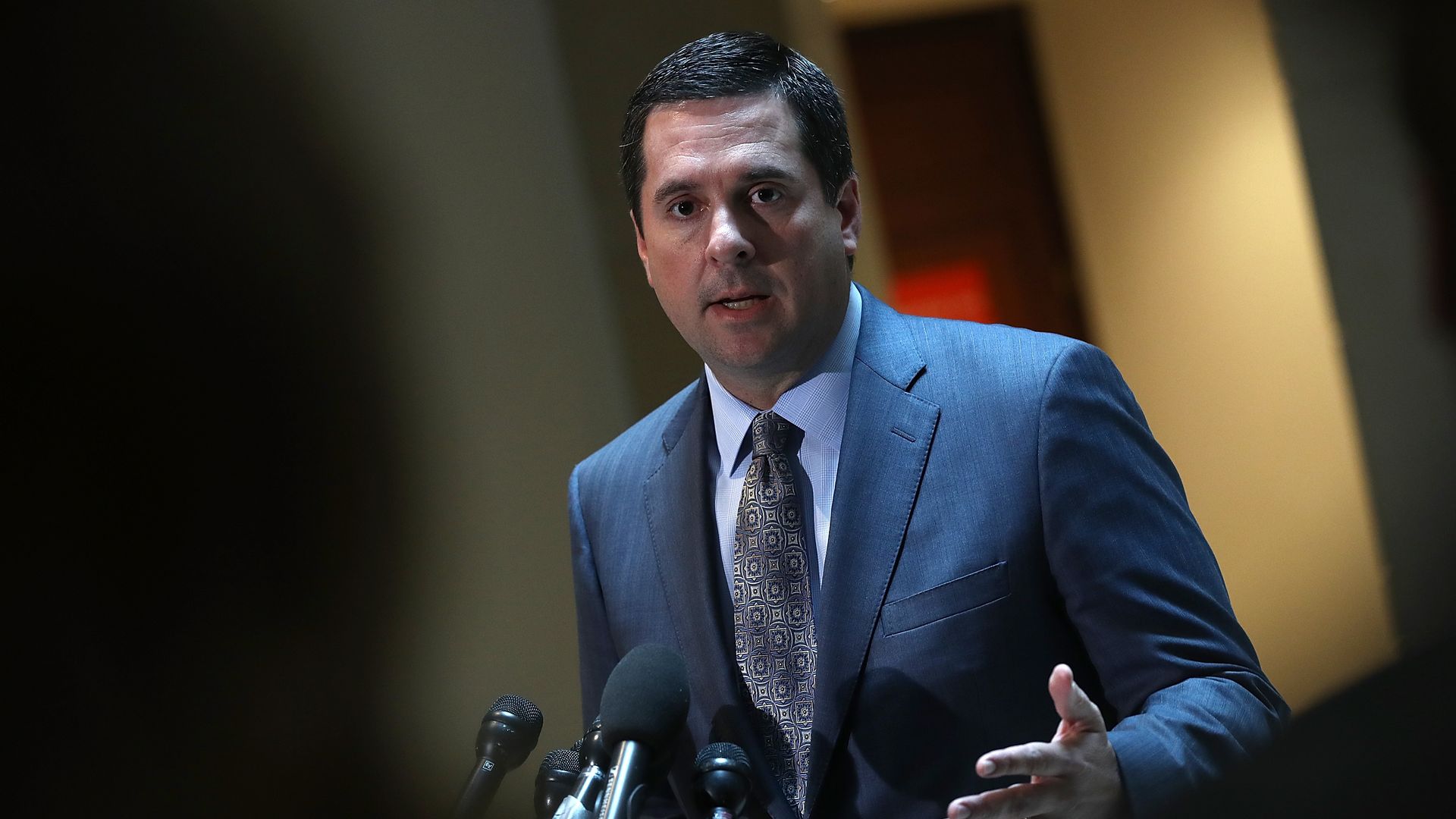
House Intel Chair Devin Nunes told Fox News' Maria Bartiromo on Sunday that his committee plans to probe China’s moves to bolster its military and economic strength in Africa. Nunes specifically sounded a warning regarding a Chinese military base in Djibouti at the mouth of the Red Sea, saying, "We believe they are looking at investing in ports and infrastructure around the world, not just for military capabilities but also to control those governments."
The big picture: While this comes days after the Trump administration imposed tariffs on $60 billion worth of Chinese goods, the United States has long been alarmed over China's growing influence in Africa and also Latin America with billions in direct investments for long-term economic ventures.
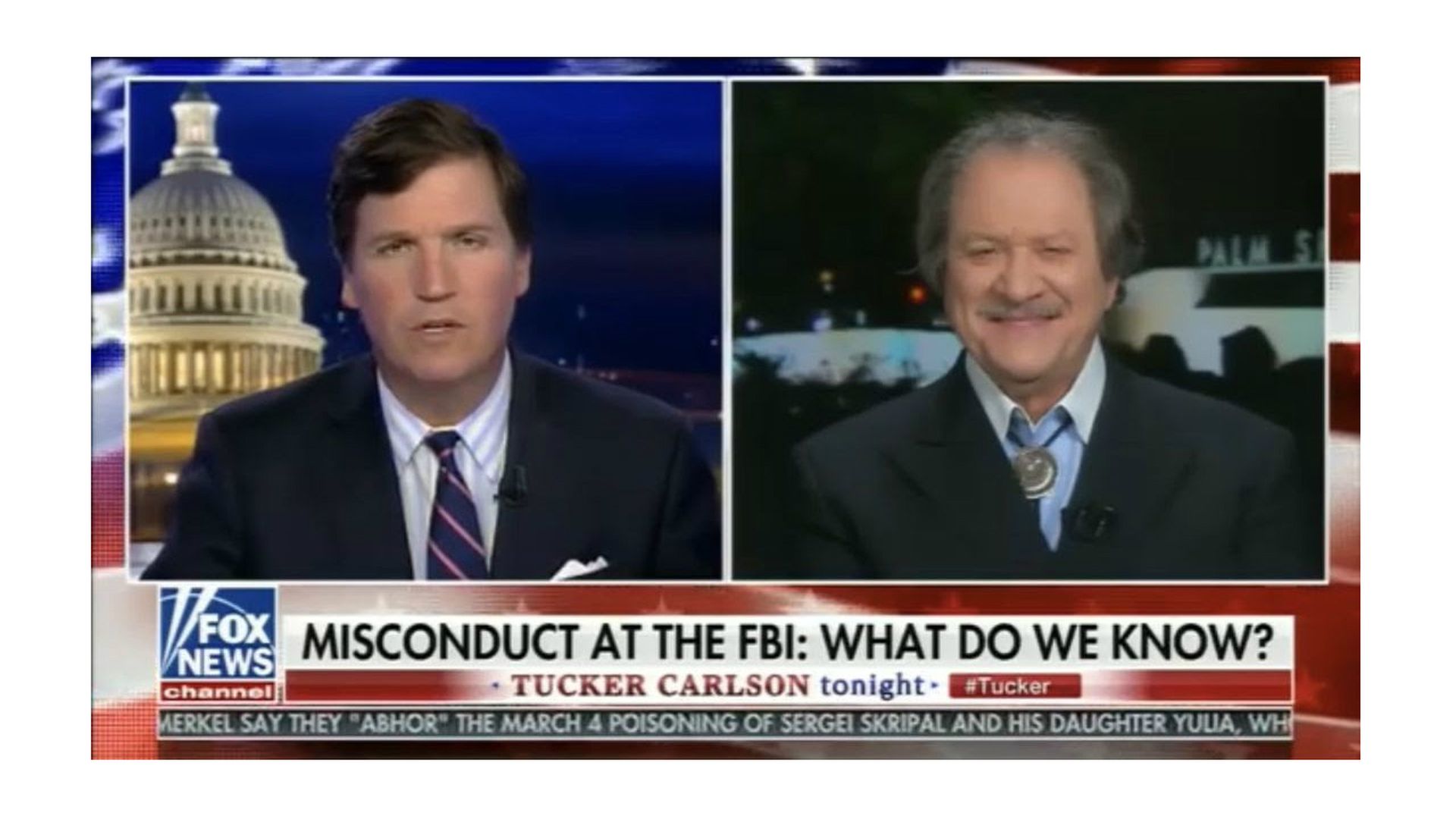
President Trump is not adding Joe diGenova and Victoria Toensing to his legal team for the Russia investigation. In a statement, Jay Sekulow, another of Trump's lawyers, said that conflicts of interest will ultimately prevent the married team from representing Trump — just days after diGenova's addition was announced last week — though Sekulow said they will work for the president on "other legal matters."
Why it matters: Trump's personal legal team is in a state of flux after its leader, John Dowd, resigned last week. And diGenova and Toensing's conflicts come just days after GOP superstar lawyer Theodore Olson rejected an offer to join the Trump team — potentially prompting Trump's tweets this morning insisting that "many lawyers and top law firms want to represent me in the Russia case."
The Trump administration wants to push ahead with its Middle East peace initiative, but that challenge has become even harder now that the Palestinians are outraged about President Trump recognizing Jerusalem as Israel's capital.