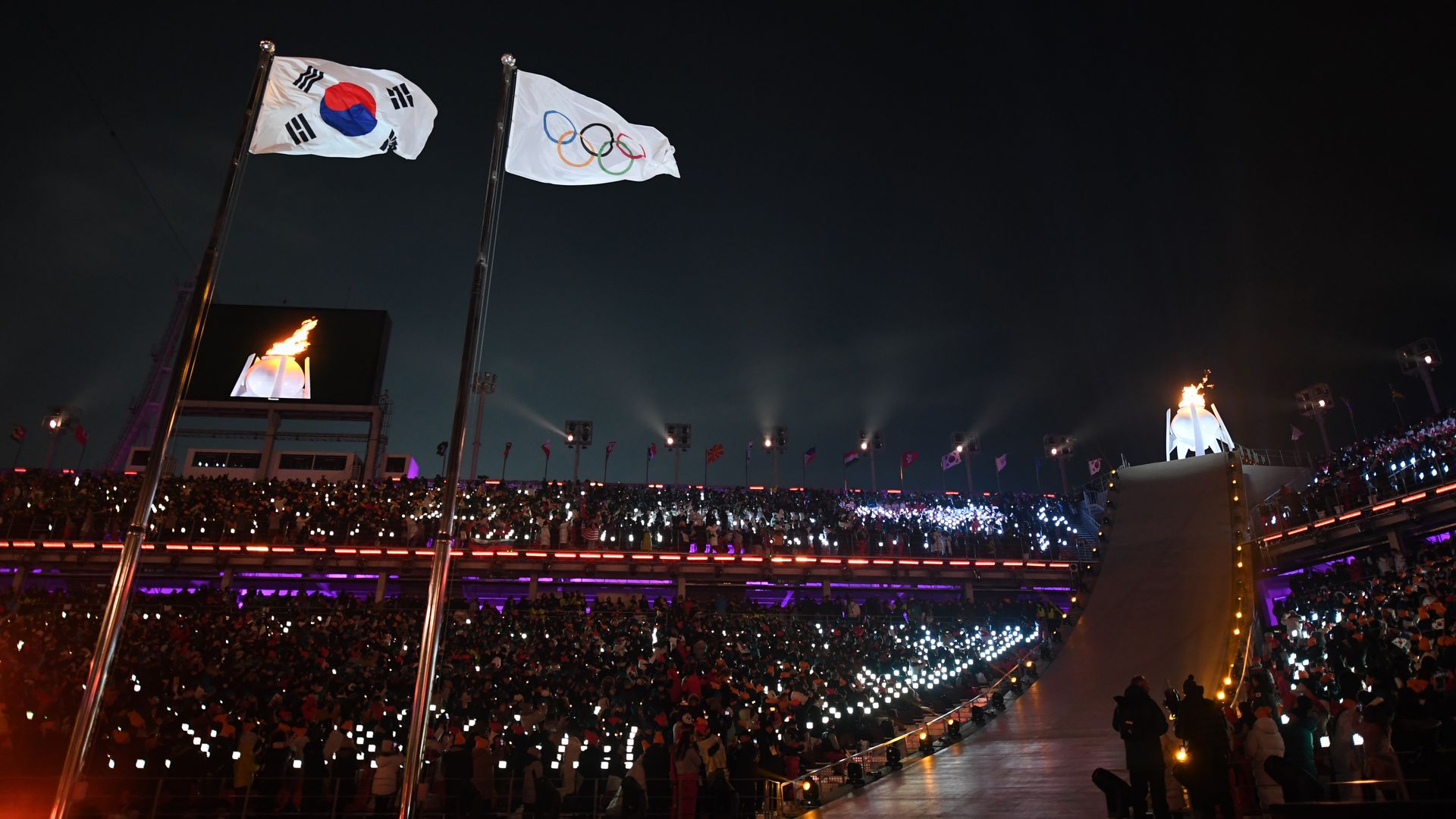
Russian military spies hacked hundreds of computers at the 2018 Winter Olympic Games in South Korea, the Washington Post reports. U.S. intelligence sources said the attacks were designed to make it look as though North Korea was behind the hack.
What happened: Officials in Pyeongchang have acknowledged that they experienced a cyber attack that caused disruptions to the internet, broadcast systems and the Olympics website during the opening ceremonies. But according to the Post, they declined to say whether Russia was behind it.
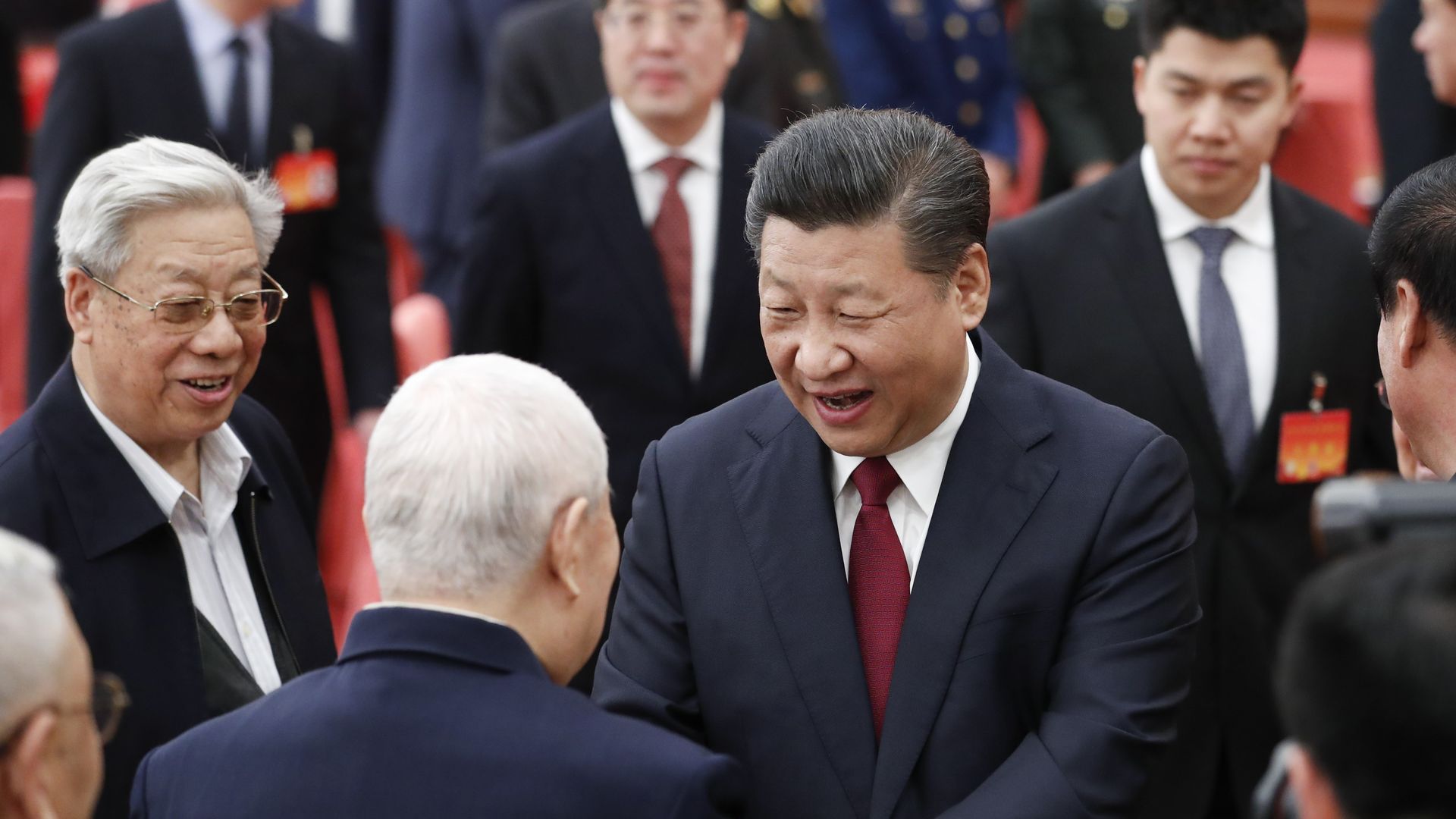
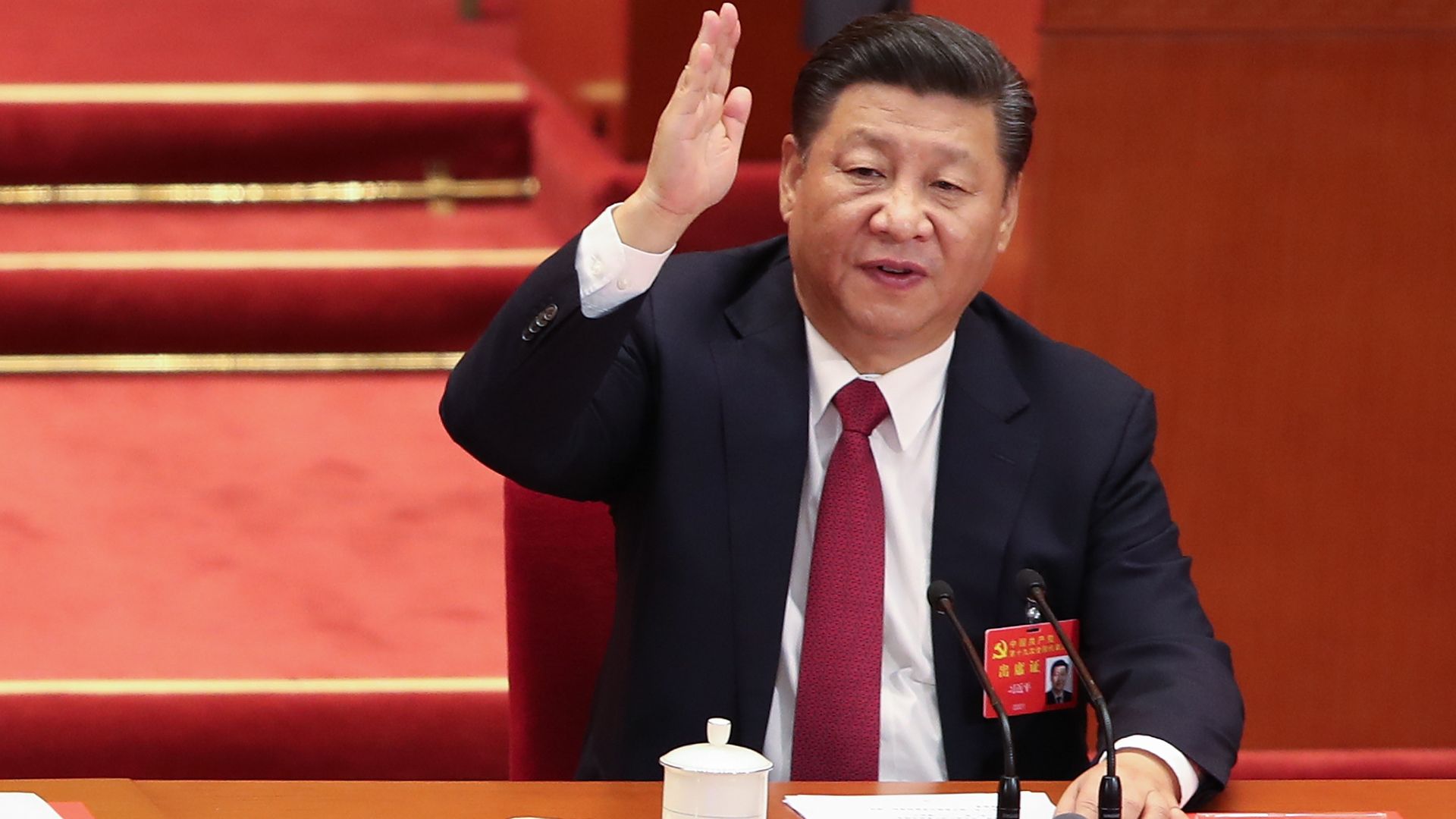
China's Communist Party has proposed removing a clause from its constitution that states the country's President and Vice President "shall serve no more than two consecutive terms," per the Party's newswire. If successful, the measure will allow President Xi Jinping to stay in power after his second term, which ends in 2023.
Why it matters: It would pave the way for Xi, "so long as he is alive and the Communist Party is running China, to be the most important and powerful person in China for life," Axios contributor Bill Bishop writes in Sinocism. "In this new Xi Era the world must learn to deal the most powerful Chinese leader in decades, while China itself is now the strongest it has been in centuries."
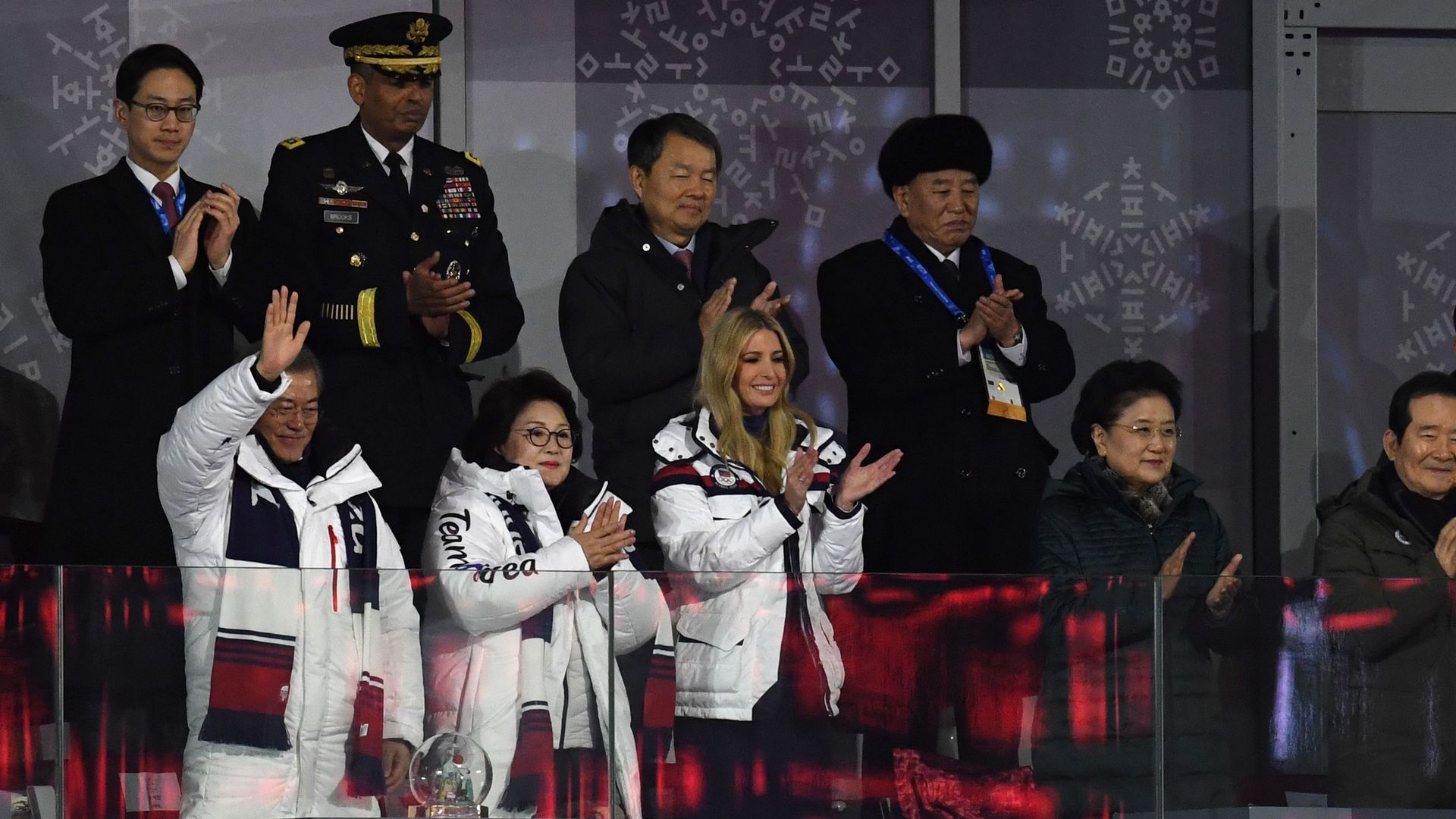
North Korea has said it is "willing to have talks" with the United States, the Washington Post reports, citing the office of the South Korean president. The news followed an hour-long meeting between President Moon and North Korea's Olympic representative, Kim Yong Chol. North Korea also agreed that inter-Korean relations should “improve together” with North Korea-U.S. relations.
Why it matters: This suggests the possibility of a meeting between Pyongyang and Washington on the sidelines of the Olympic closing ceremonies, and comes after the North Koreans agreed to, and then canceled, a meeting with Vice President Mike Pence around the time of the opening ceremonies.
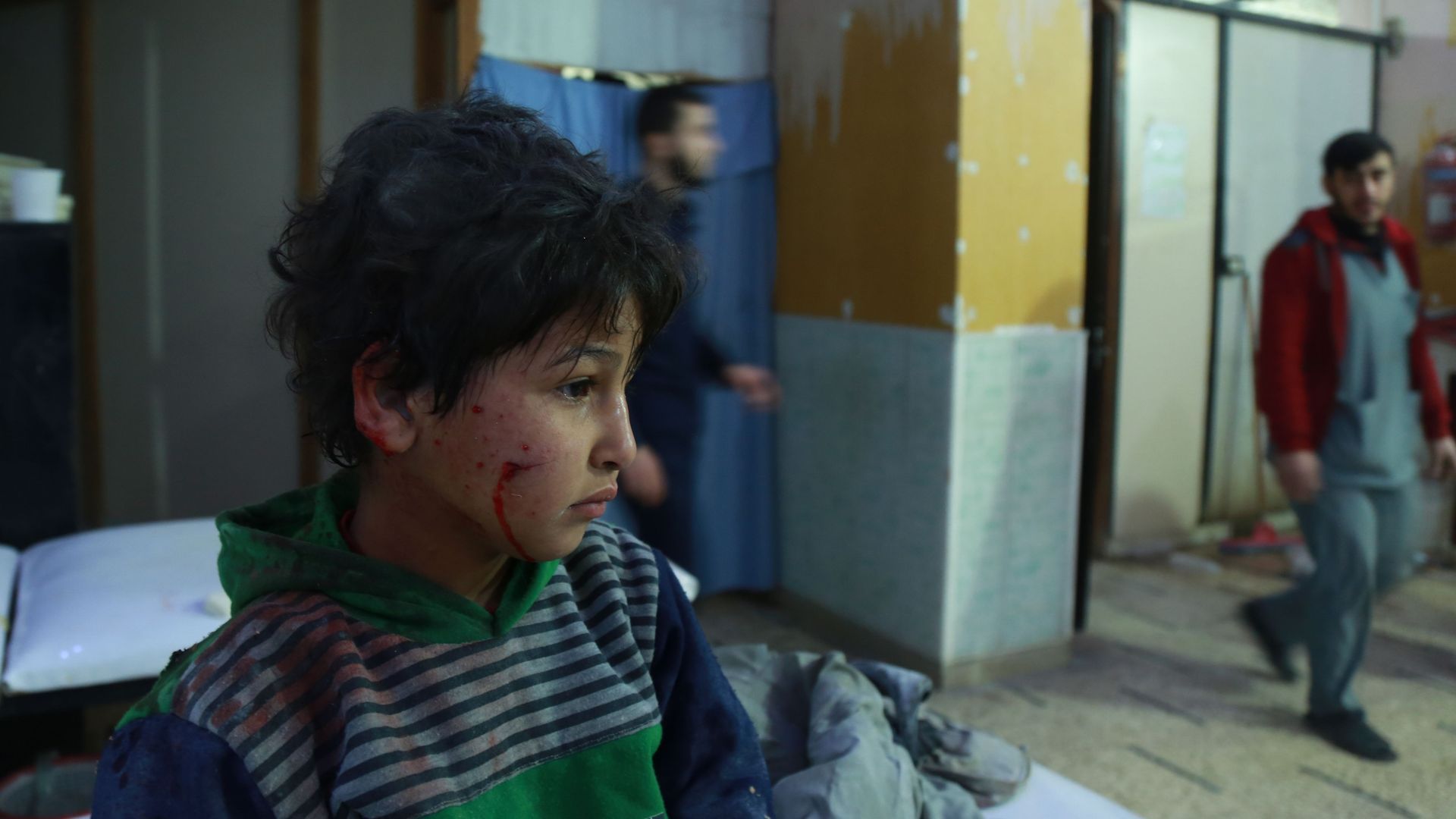
The U.N. Security Council voted on Saturday in support of a 30-day cease-fire in Eastern Ghouta, a suburb of Damascus in Syria that has been torn apart by increased strikes in the last week.
Why it matters: Since Sunday, more than 500 people have been killed in Eastern Ghouta, and more than 2,000 injured, Al Jazeera reports. Assad regime forces, supported by Russia, have "continued their aerial bombardment" of the area in efforts to push rebels out. International leaders have called for an immediate cease-fire to get humanitarian aid to the thousands of civilians still living in the area.
The Marine Corps has been ramping up its preparations for potential cold-weather conflicts in places like Russia or North Korea, per Marine Corps Times. Marine Commandant Gen. Robert B. Neller said last month at CSIS: “There is a possibility we are going to be there."
Why it matters: The Marine Corps is behind our allies and enemies in preparing to fight in such conditions, per Marine Corps Times. “We haven’t been in the cold-weather business for a while,” Gen. Neller said. Many Marines are used to training for battles in desert-like terrains in the Middle East, as opposed to icy, snowy, and mountainous terrains, which require vastly different skill sets.
The U.S. has been in talks with Asian allies about "a stepped-up crackdown...to squeeze Pyongyang's use of seagoing trade to feed its nuclear missile program," Reuters reports. The plan "could include deploying U.S. Coast Guard forces to stop and search vessels in Asia-Pacific waters."
Why it matters: The new strategy would lead to the possible seizure of any ships believed to have "banned weapons components and other prohibited cargo" on board and be carrying it to or from North Korea, per Reuters.
China's Communist Party's Central Committee announced they will hold the Third Plenum Feb. 26-28 in Beijing, per Xinhua. Led by Chinese President Xi Jinping, the CPCC meeting discussed lists of proposed candidates for various leadership positions.
Why this matters: Holding the Third Plenum earlier than normal and just before the "Two Meetings" in early March highlights Xi's resolve to implement various economic and political reforms.
I've always considered cynicism the tool that lazy people use to appear sophisticated. But it’s hard not to smirk at the world’s five big votes scheduled for the spring.
See for yourself, starting with an election in Italy that is just two weeks away:
President Trump has accelerated his diplomatic efforts to broker peace among quarreling Arab monarchies, starting with an upcoming series of White House visits by leaders of Saudi Arabia, Qatar and the United Arab Emirates, Axios has learned.
The impact: Sources with knowledge of the negotiations tell us they hope these separate meetings — hugely consequential in their own right — will lead to a peace deal over Qatar in late spring at a summit in Washington or Camp David. That could help end the longstanding dispute over its alleged support for terrorism and ties to Iran.