President Trump is expected to waive sanctions on Iran this week under the terms of the Iran nuclear deal, the AP reports citing U.S. officials.
Why it matters: By not immediately reimposing the sanctions, Trump is avoiding a step that could effectively end the Iran nuclear deal. But he's expected to add new sanctions on Iranian businesses and people, some of which apply to entities that saw their sanctions scrapped under the deal. That "could test Tehran’s willingness to abide by its side of the bargain," per AP.
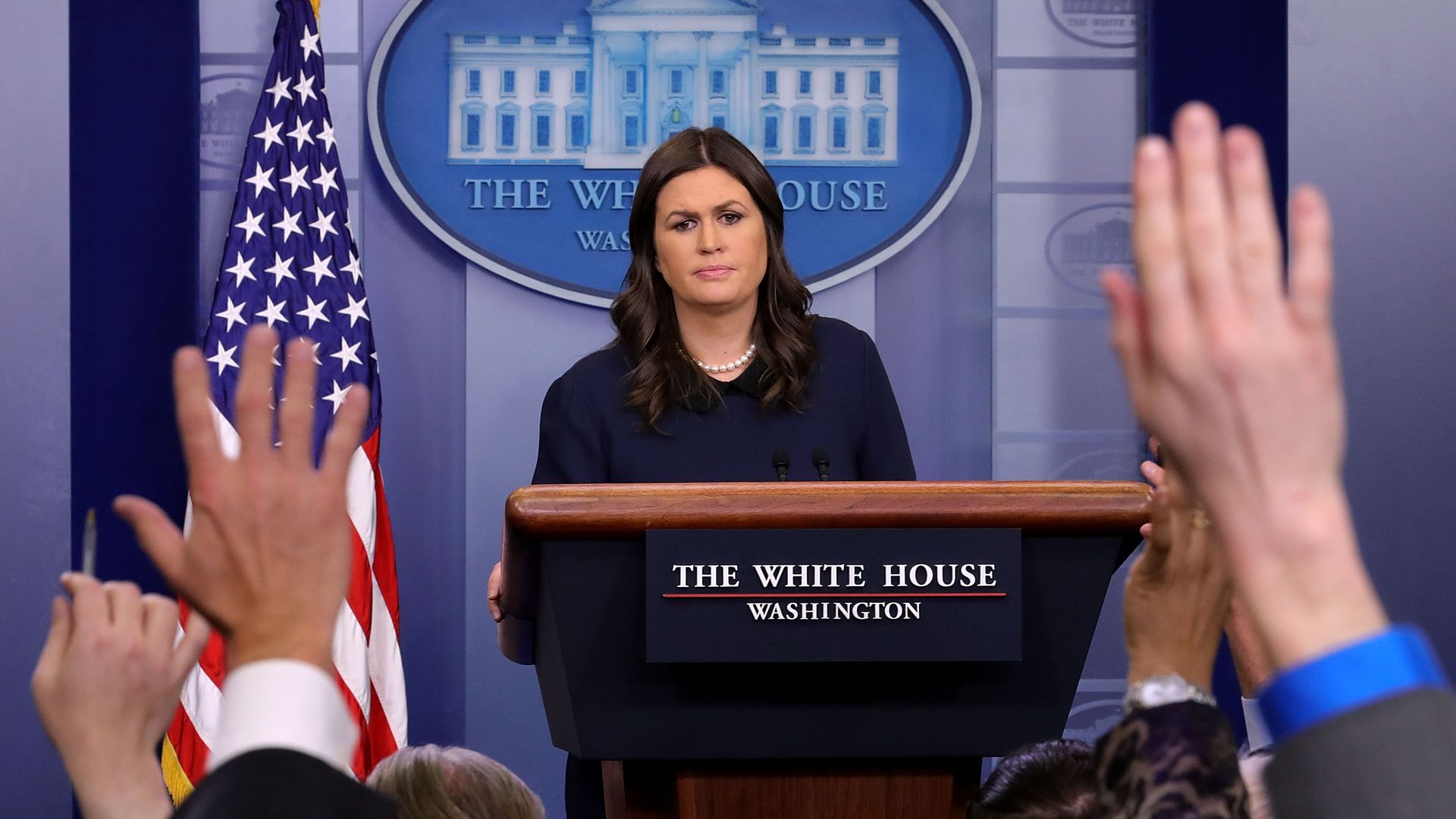
The White House is calling for "the immediate release of all political prisoners in Iran," per a statement by Press Secretary Sarah Sanders.
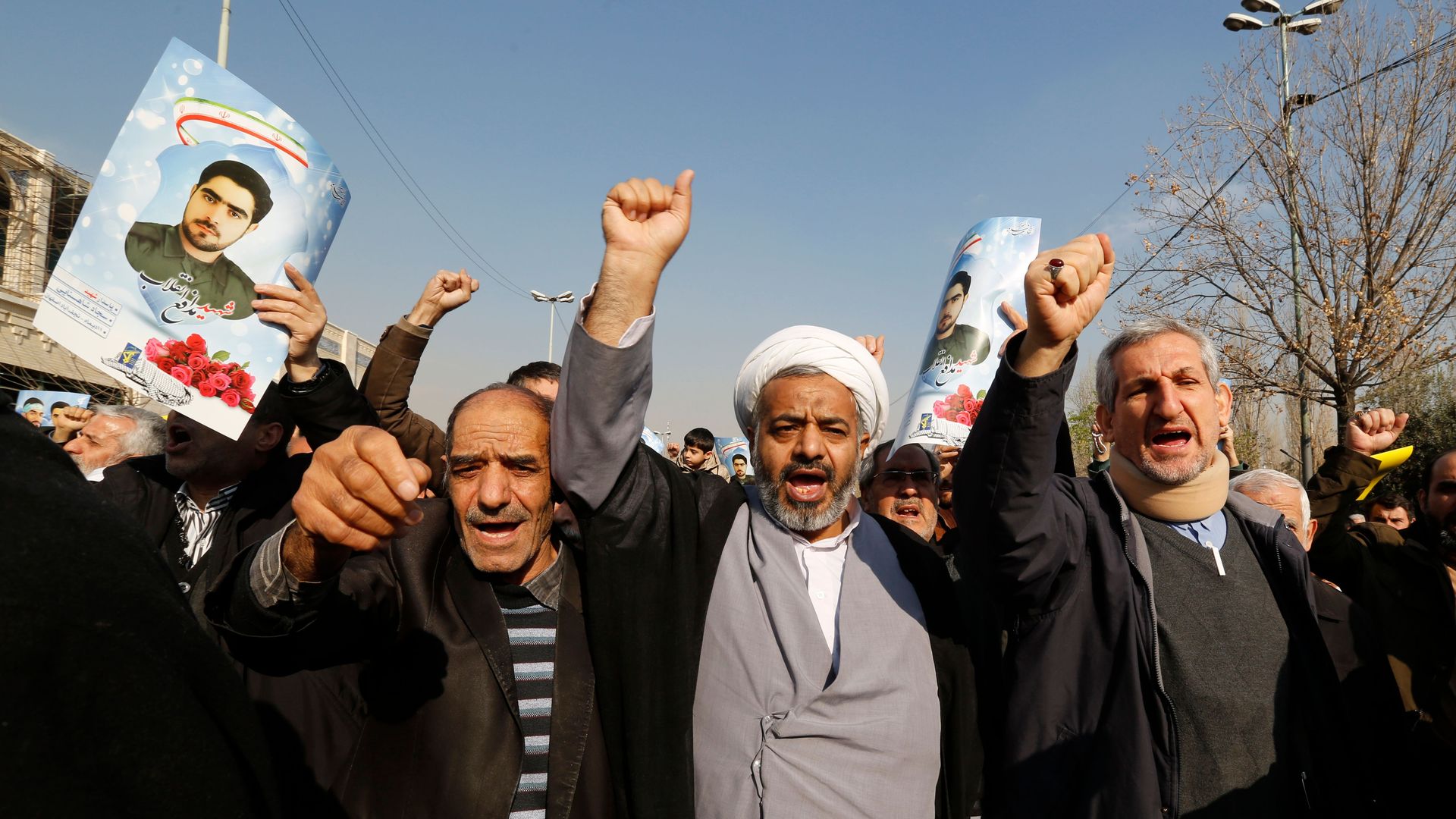
Why it matters: Approximately3,700 Iranian protestors were arrested in the last two weeks — a much higher number than what the Iranian government released. And the protests in Iran are the biggest since 2009; more than 25 cities have seen demonstrations and tens of thousands of Iranians are participating. While they stemmed from unrest over the economy, they quickly snowballed into something larger.
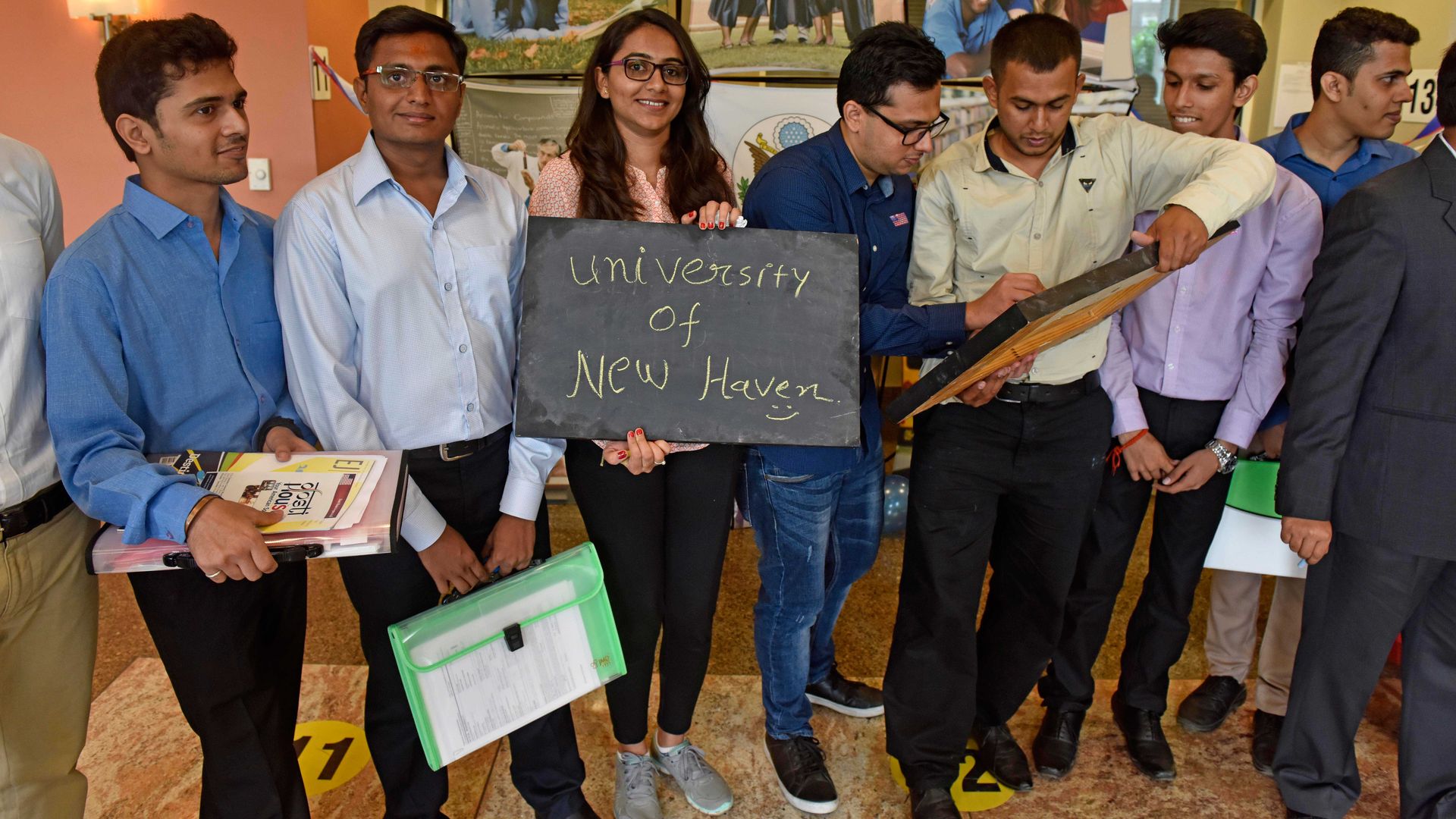
For decades, the U.S. has been the No. 1 destination for international students seeking a foreign college or graduate school education. The U.K. has been second. But in recent years, China has suddenly appeared in the No. 3 slot, and Allan Goodman, president of the Institute of International Education, tells Axios that it is on track to overtake the U.K. and capture No. 2 this year.
Why it matters: A large percentage of entrepreneurs and workers in the U.S. tech industry is foreign-born, many of them former students at U.S. universities. President Trump's anti-immigrant rhetoric and mass shootings are deterring a still-unknown number of international students from studying in the United States.
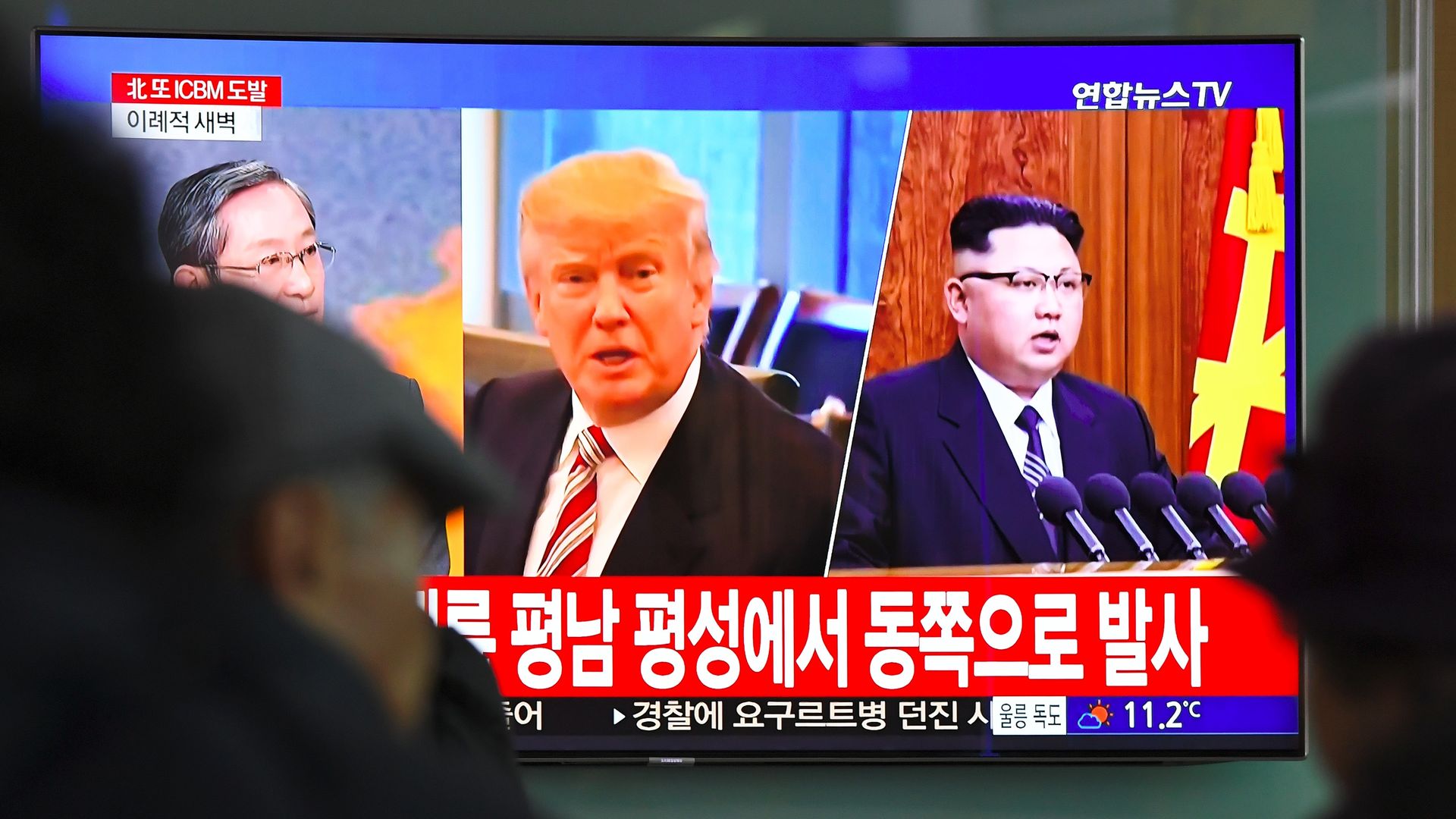
President Trump told South Korean President Moon Jae-in in a call on Tuesday that he remains open to holding talks with North Korea “at the appropriate time, under the right circumstances,” according to the White House readout of their call.
Why it matters: Trump’s stance has generally been that he's unwilling to talk with the regime until it eases up on its nuclear program. This shows Trump may be a step closer to accepting talks, but what exactly Trump meant by “under the right circumstances” wasn’t immediately clear, and could very well still include that same demand that the North abandon its nukes, which it has previously said it will never do.
"A sweeping new report by congressional Democrats warns of deepening Russian interference throughout Europe," AP reports:
Why it matters: "[E]ven without GOP backing, the report's recounting of Russian operations in 19 European nations foreshadows the still-unpublished Senate intelligence committee's bipartisan inquiry into Russia's role during the 2016 U.S. presidential election."
Chinese investors and firms own a majority of almost 2,400 American companies employing 114,000 people, about the same number as the combined U.S. staffs of Google, Facebook and Tesla, according to data from MacroPolo.
Why it matters: Chinese trade and investment are among the most divisive topics in the U.S., and a focus of Trump administration threats to crack down against Beijing. MacroPolo's map appears to be the first open-source, county-by-county study of every majority-owned Chinese company in the U.S. — $56 billion worth.
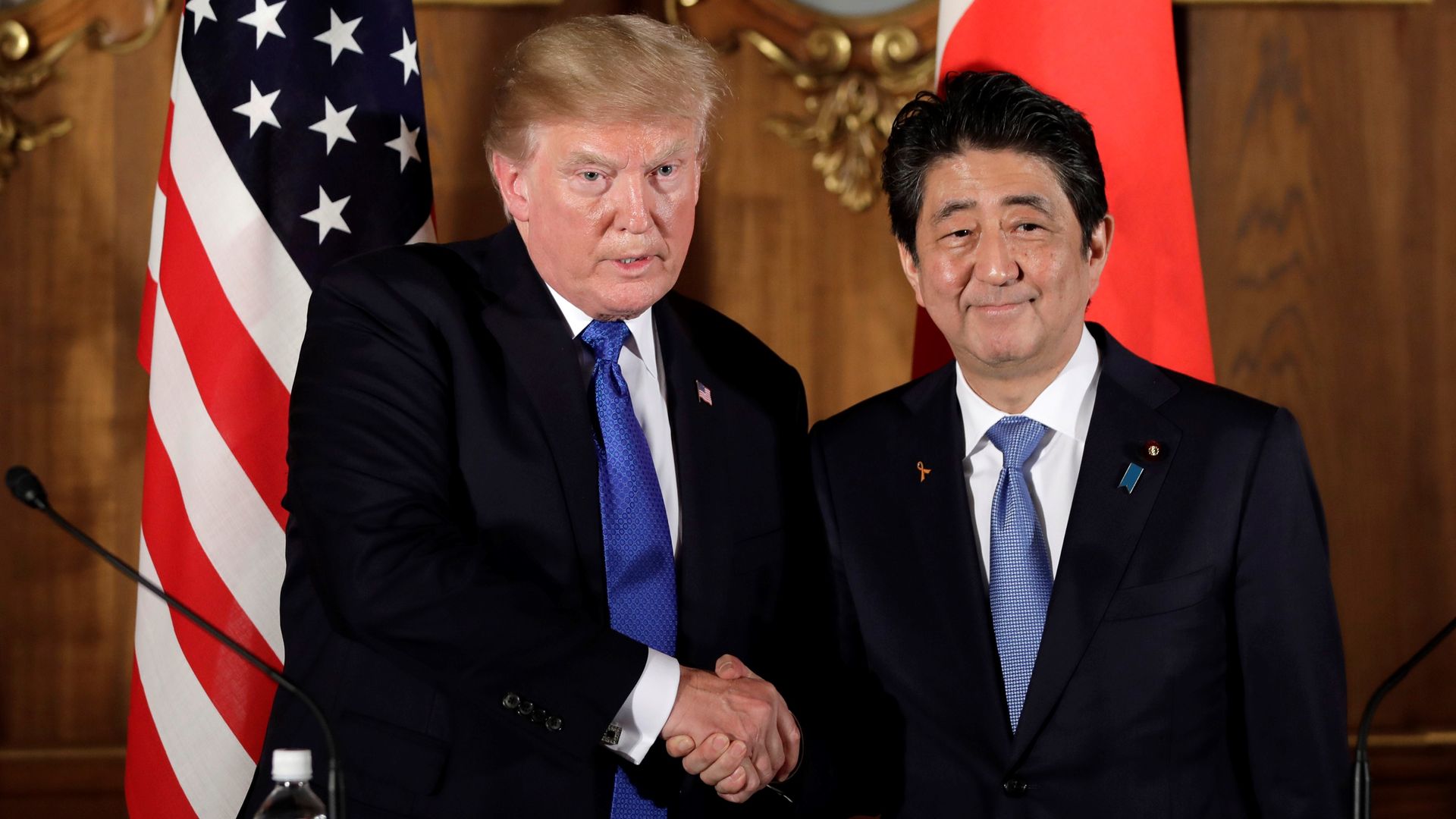
Congress was notified on Tuesday that the Trump administration approved an SM-3 anti-ballistic missile sale with Japan that, per a State Department Official, is estimated to cost $133.3 million.
Why it matters: North Korea has flown ballistic missiles over Japan. In September, Japan's chief cabinet secretary Yoshihide Sug said Japan will "never tolerate this repeated extreme provocative action," according to Al Jazeera.
Approximately 3,700 Iranian protestors were arrested in the past two weeks during protests over economic woes and government corruption, per AP.
Why it matters: The new estimate is far higher than Iranian authorities had previously released. As recently as yesterday, authorities had said that hundreds had been arrested and that the protests are waning.
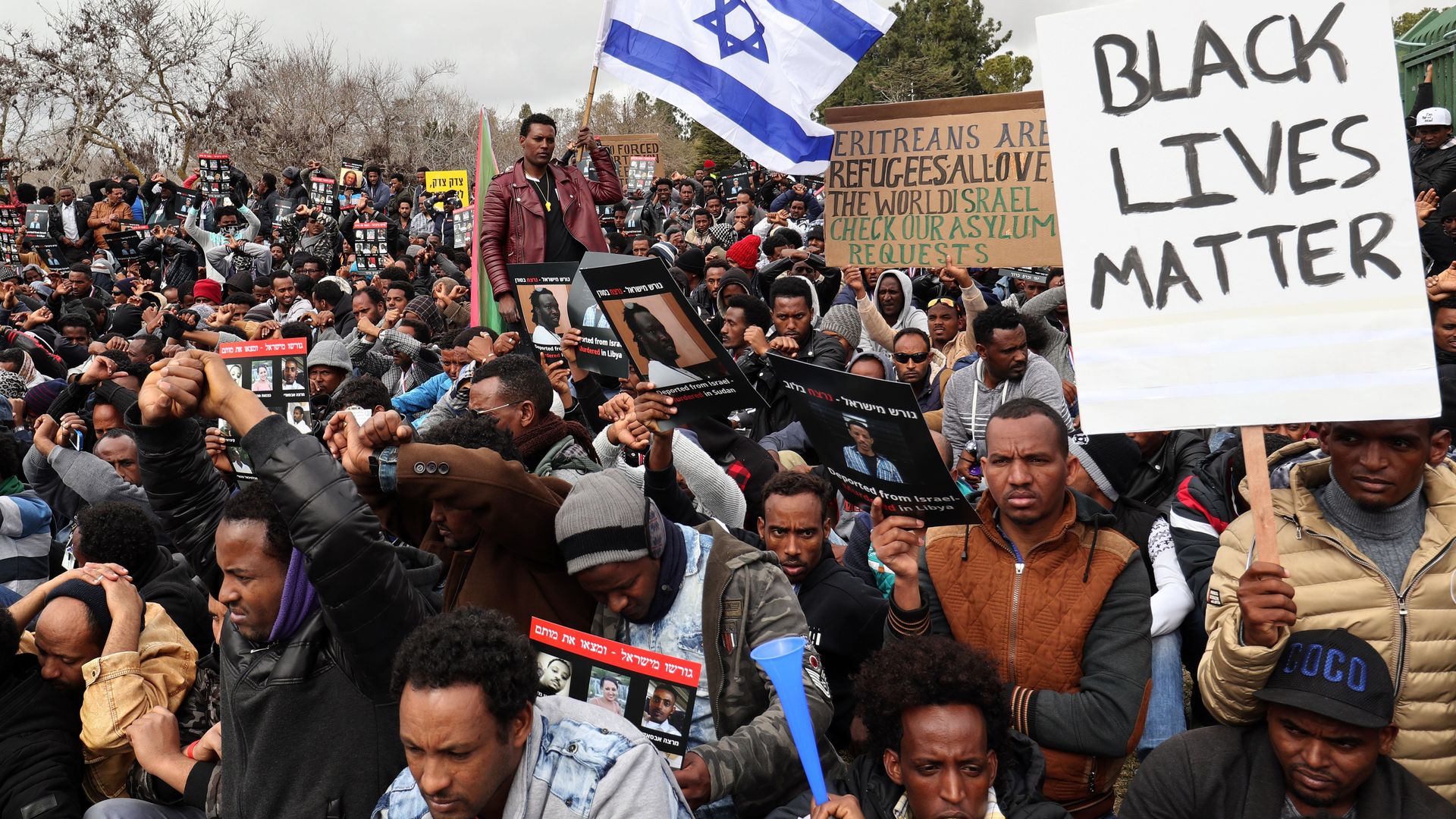
The United Nations is urging Israel to reverse its proposal to deport tens of thousands of African migrants and asylum seekers, per Reuters.
Why it matters: This comes nearly a week after Israel ordered the migrants to leave by the end of March or face jail time. Israel offered a $3,500 payment and a free airfare, per Reuters.
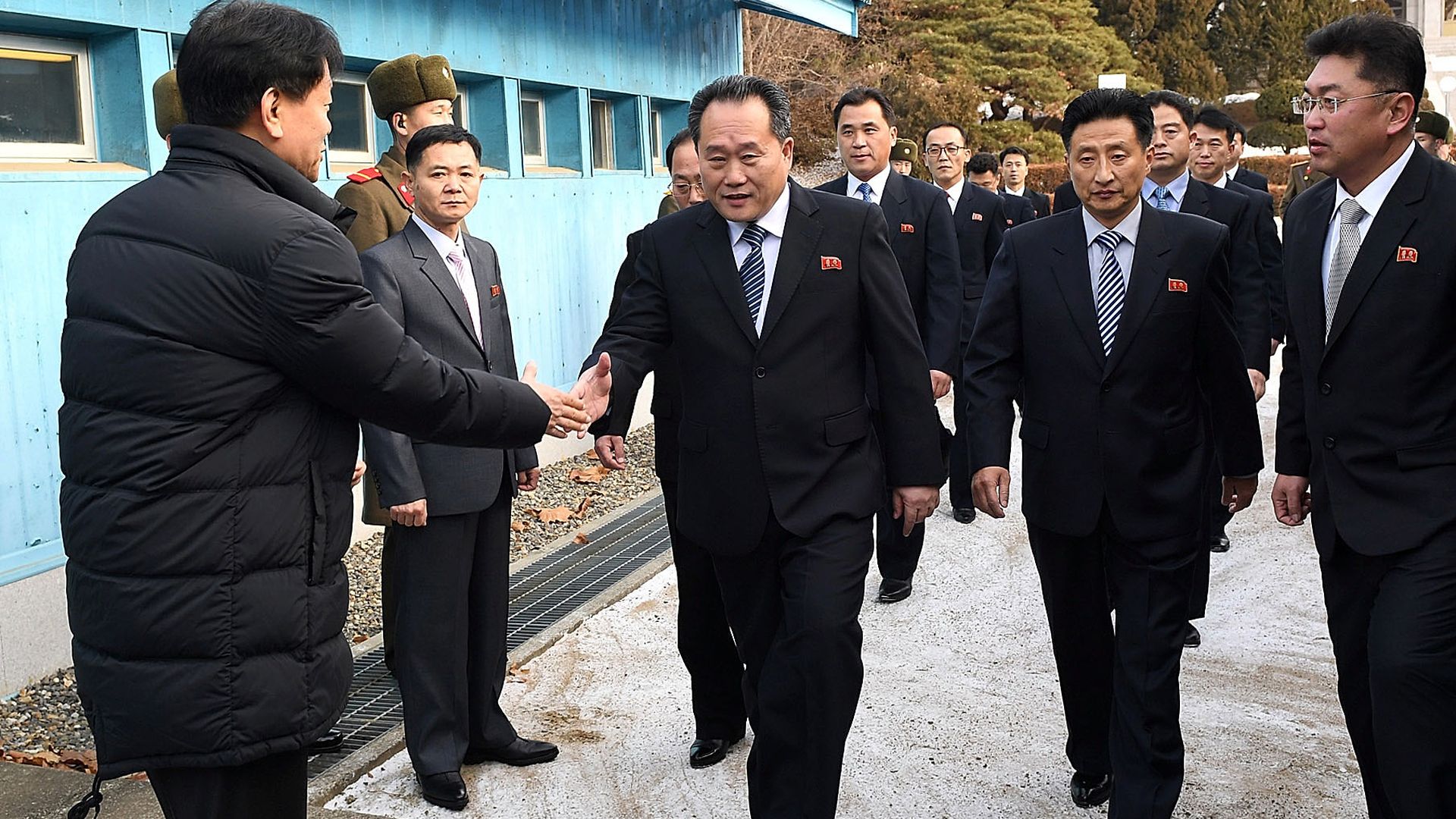
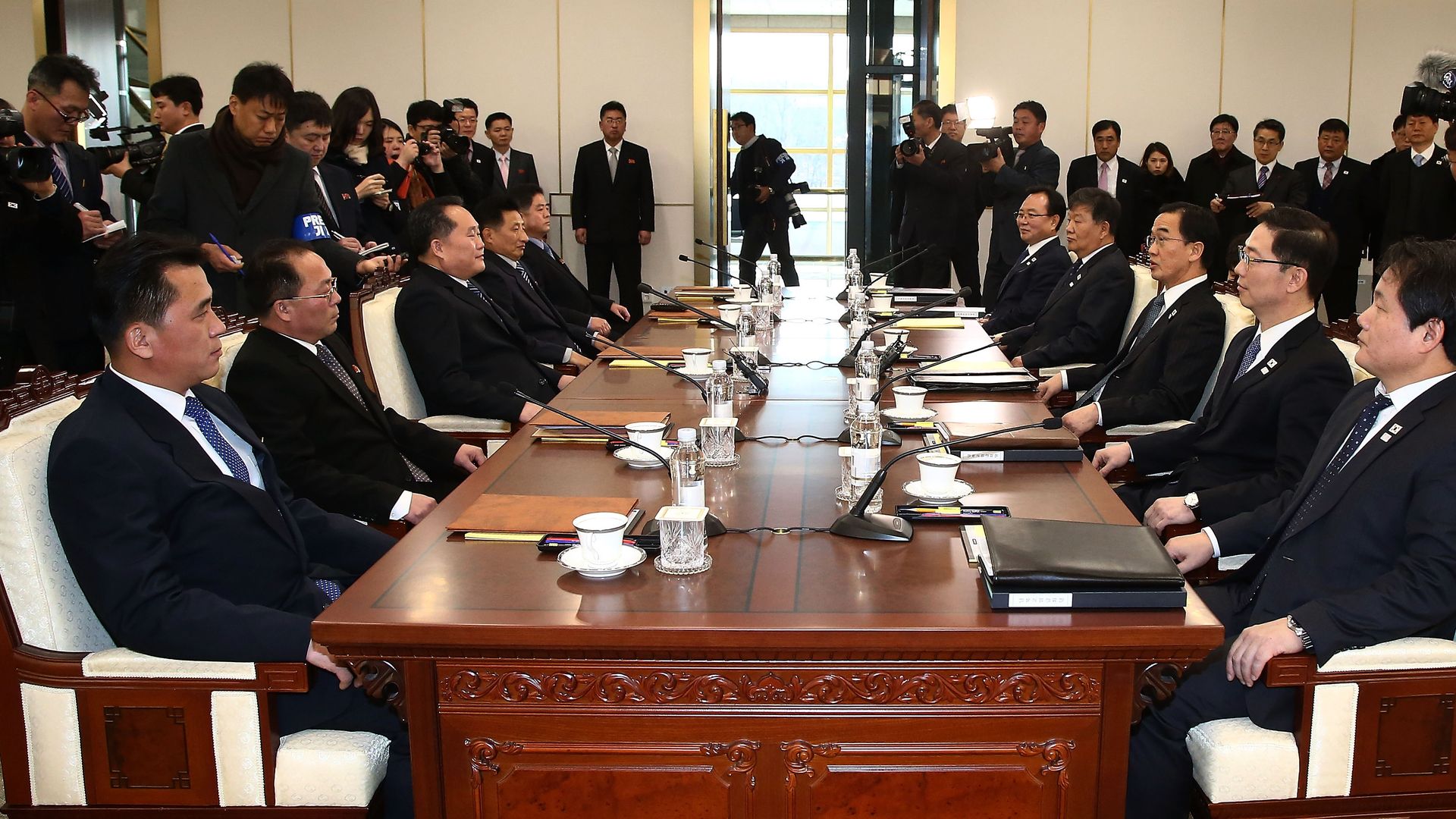
North Korea told South Korea today that it will not discuss denuclearization in the border talks between the countries, per the WSJ.
This shouldn’t come as a surprise. The North has said as much before. This is part of the broader problem of approaching diplomatic conversations with North Korea — both the U.S. and the DPRK have preconditions for talks that the other has indicated it won’t sign off on.
The latest: The first round of talks resulted in an agreement that North Korea would send a delegation to the Olympics next month in South Korea, and the two sides have agreed to discuss military tensions.
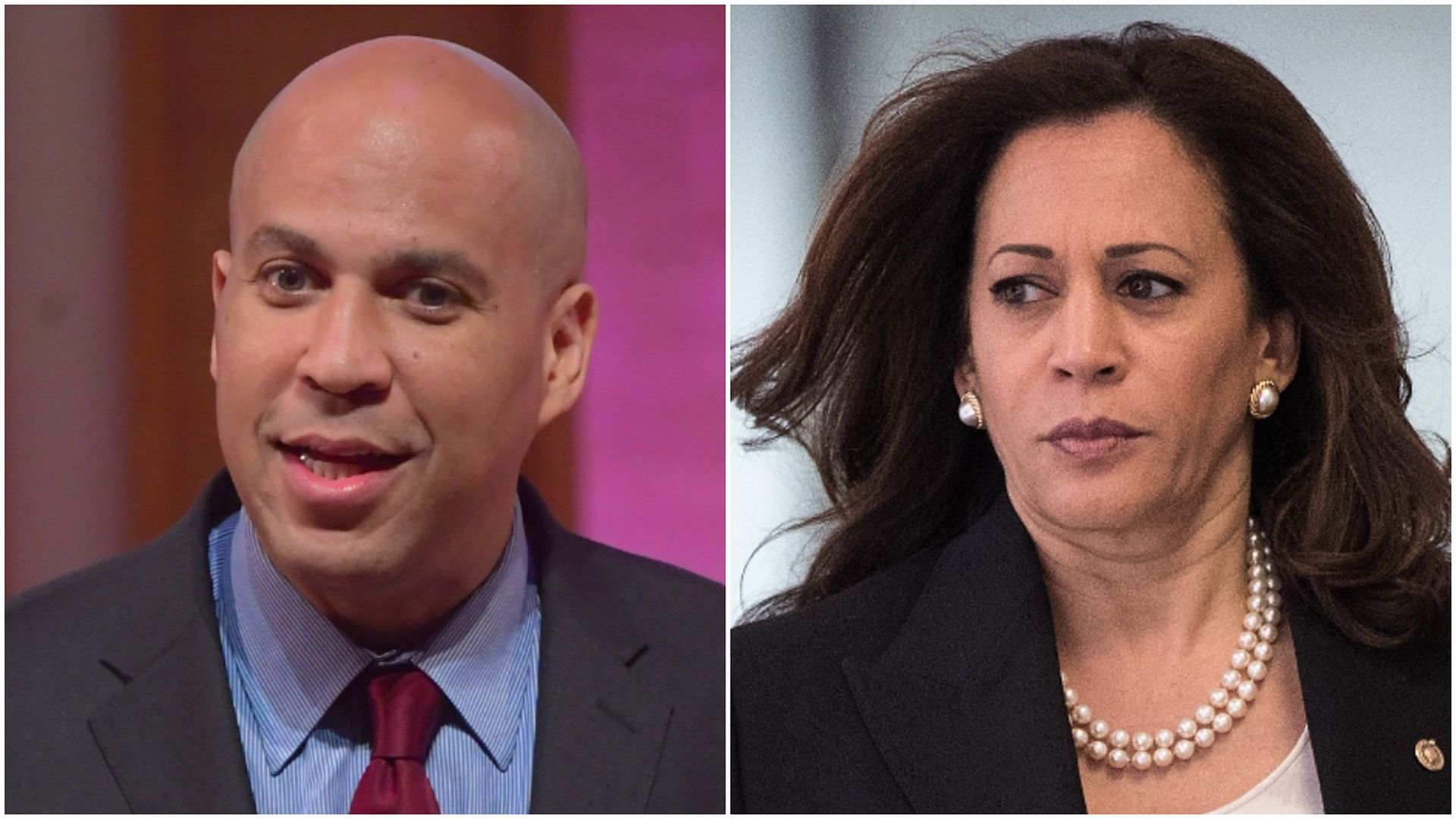
Sens. Cory Booker (D-NJ) and Kamala Harris (D-CA) have been appointed to the Senate Judiciary Committee after Al Franken's resignation created a vacancy on the panel. They are the second and third African Americans to serve on the committee in its 201 years.
Why it matters: The committee oversees the Department of Justice and all of the agencies under its jurisdiction, including the FBI and Department of Homeland Security. The senators, both attorneys, will likely be leading Democratic voices in the panel's Russia investigation.
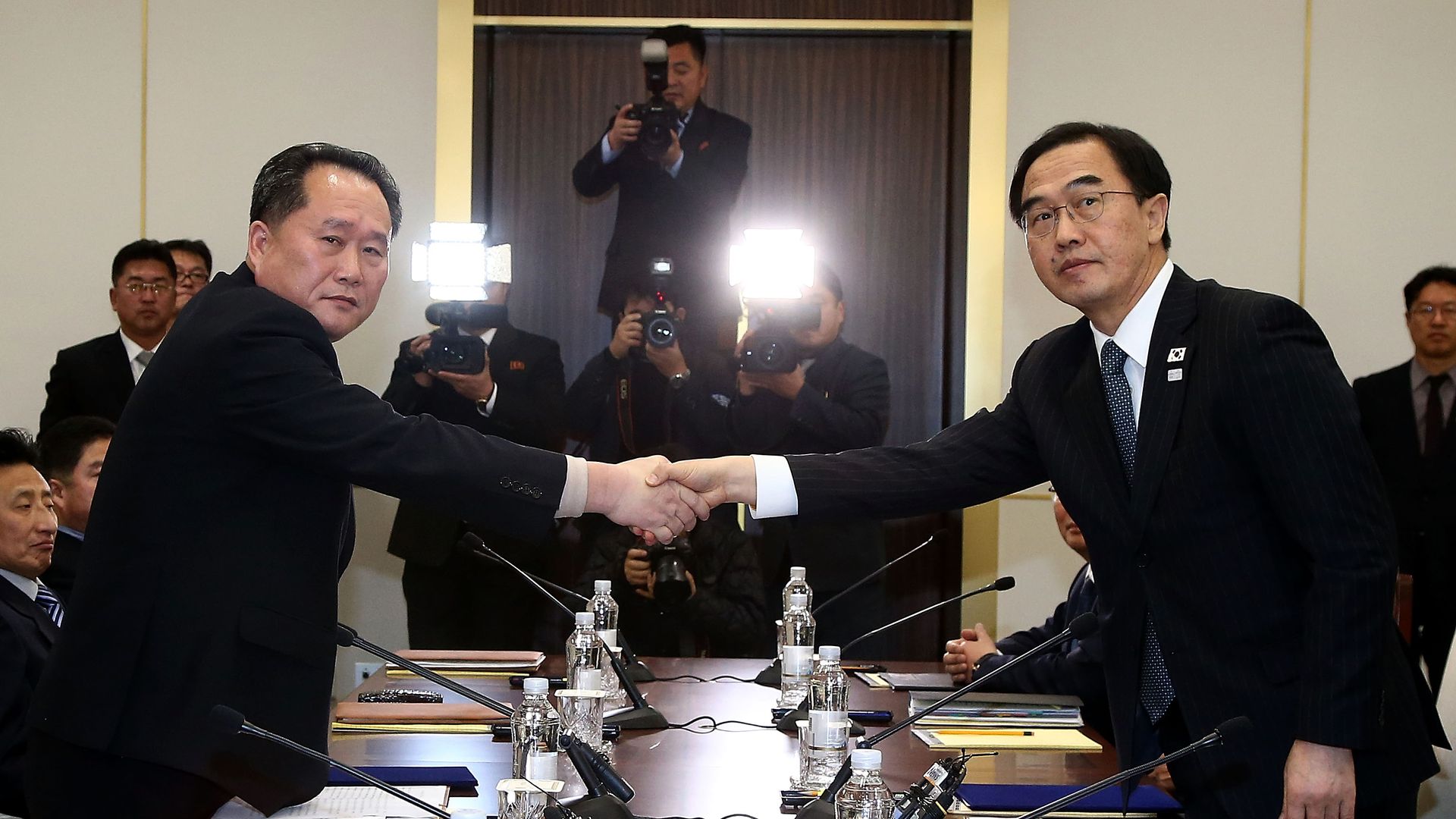
North and South Korea agreed Tuesday to hold military talks and restore a military hotline to defuse the growing tension in the region, according to a joint statement released after their first "formal dialogue" in two years, per the South China Morning Post.
"We expressed the need to promptly resume dialogue for peace settlement, including denuclearization, and based on the mutual respect (the two Koreas) cooperate and stop activities that would raise tensions on the Korean Peninsula."
— South Korea Vice-Unification Minister Chun Hae-sung.
Earlier: North Korea will send a delegation to next month's winter Olympics in Pyeongchang, South Korea.
Representatives from North and South Korea have just concluded a meeting at the border, the first meeting between the countries since 2015. The big news: North Korea plans to send a delegation to next month's Winter Olympics in South Korea, CNN reports citing a South Korean official.
Why it matters: Officials had been nervous that North Korea might use the Olympics as an opportunity for provocation, and this may ease those fears. However, some in Washington consider this an unwise concession. Sen. Lindsey Graham called on the U.S. to boycott if North Korea participates.