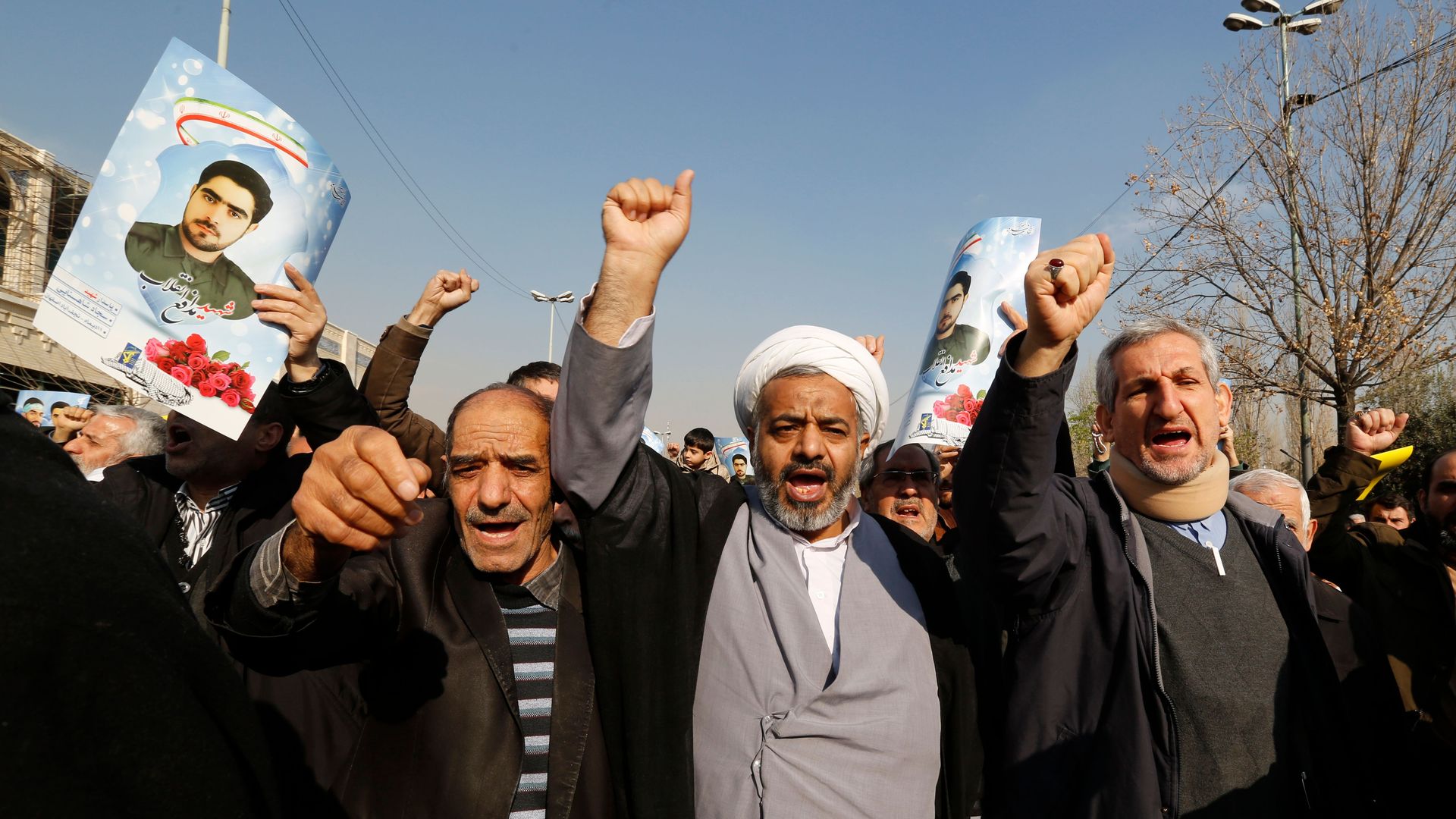
Approximately 3,700 Iranian protestors were arrested in the past two weeks during protests over economic woes and government corruption, per AP.
Why it matters: The new estimate is far higher than Iranian authorities had previously released. As recently as yesterday, authorities had said that hundreds had been arrested and that the protests are waning.
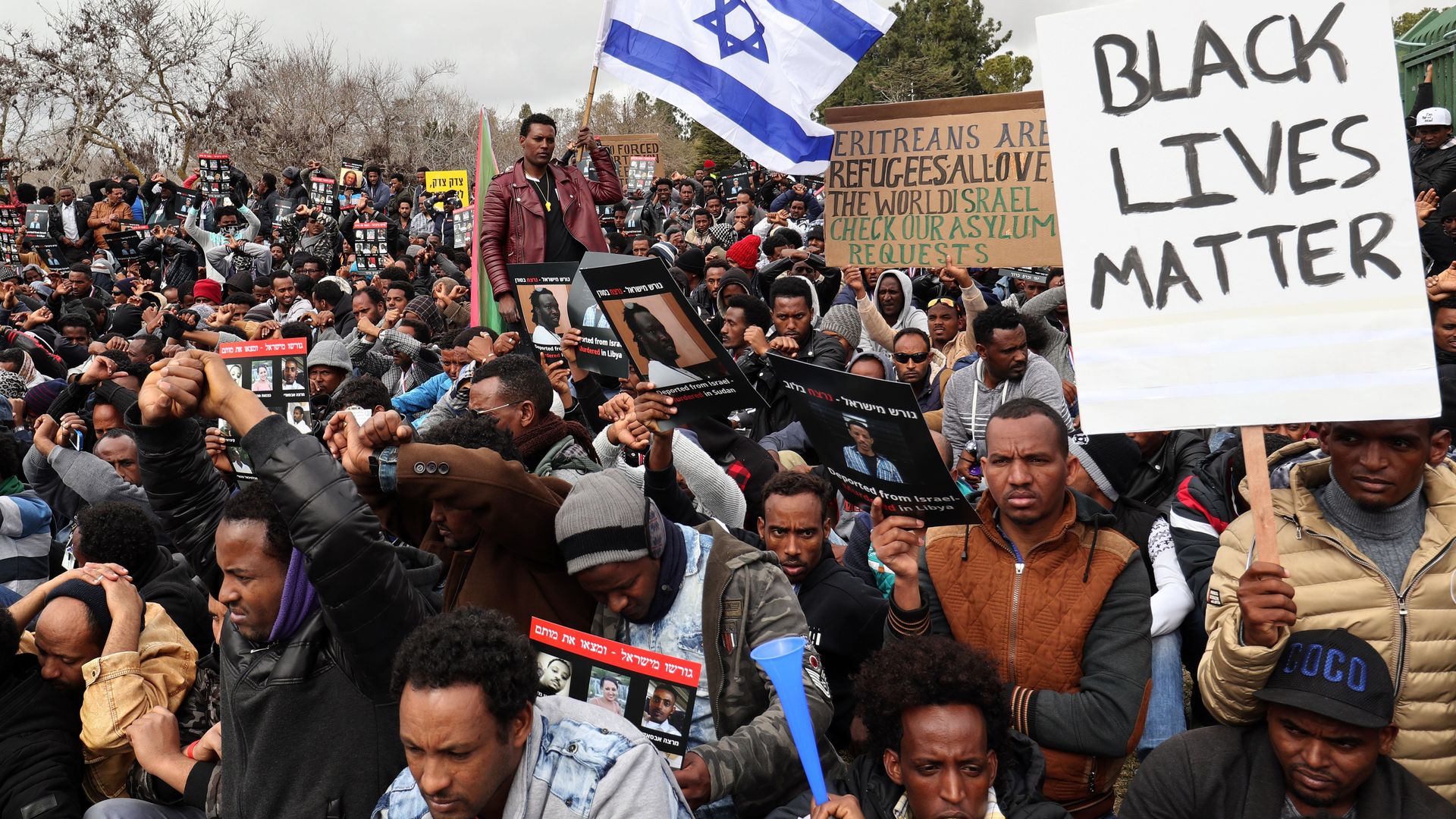
The United Nations is urging Israel to reverse its proposal to deport tens of thousands of African migrants and asylum seekers, per Reuters.
Why it matters: This comes nearly a week after Israel ordered the migrants to leave by the end of March or face jail time. Israel offered a $3,500 payment and a free airfare, per Reuters.
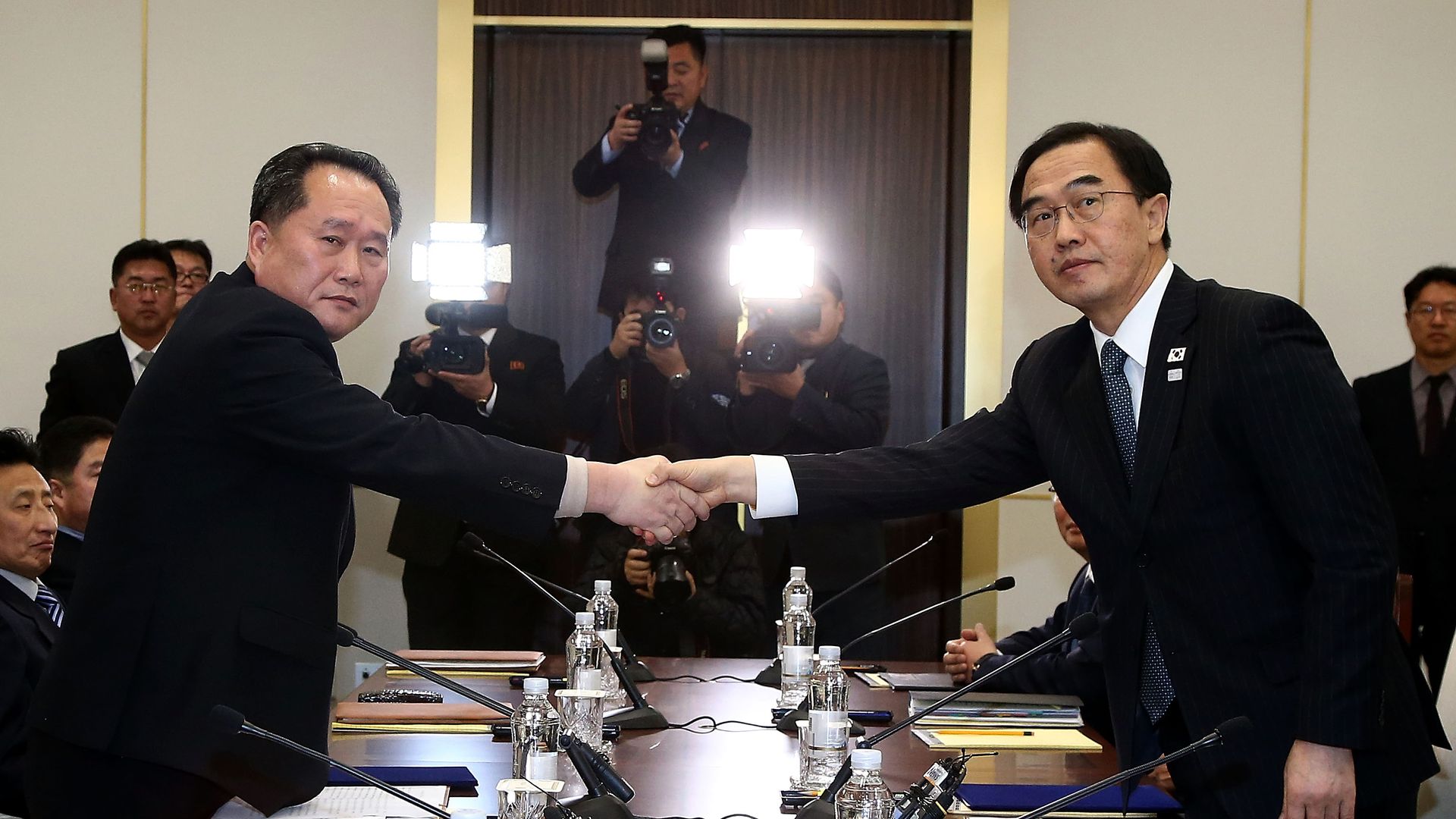
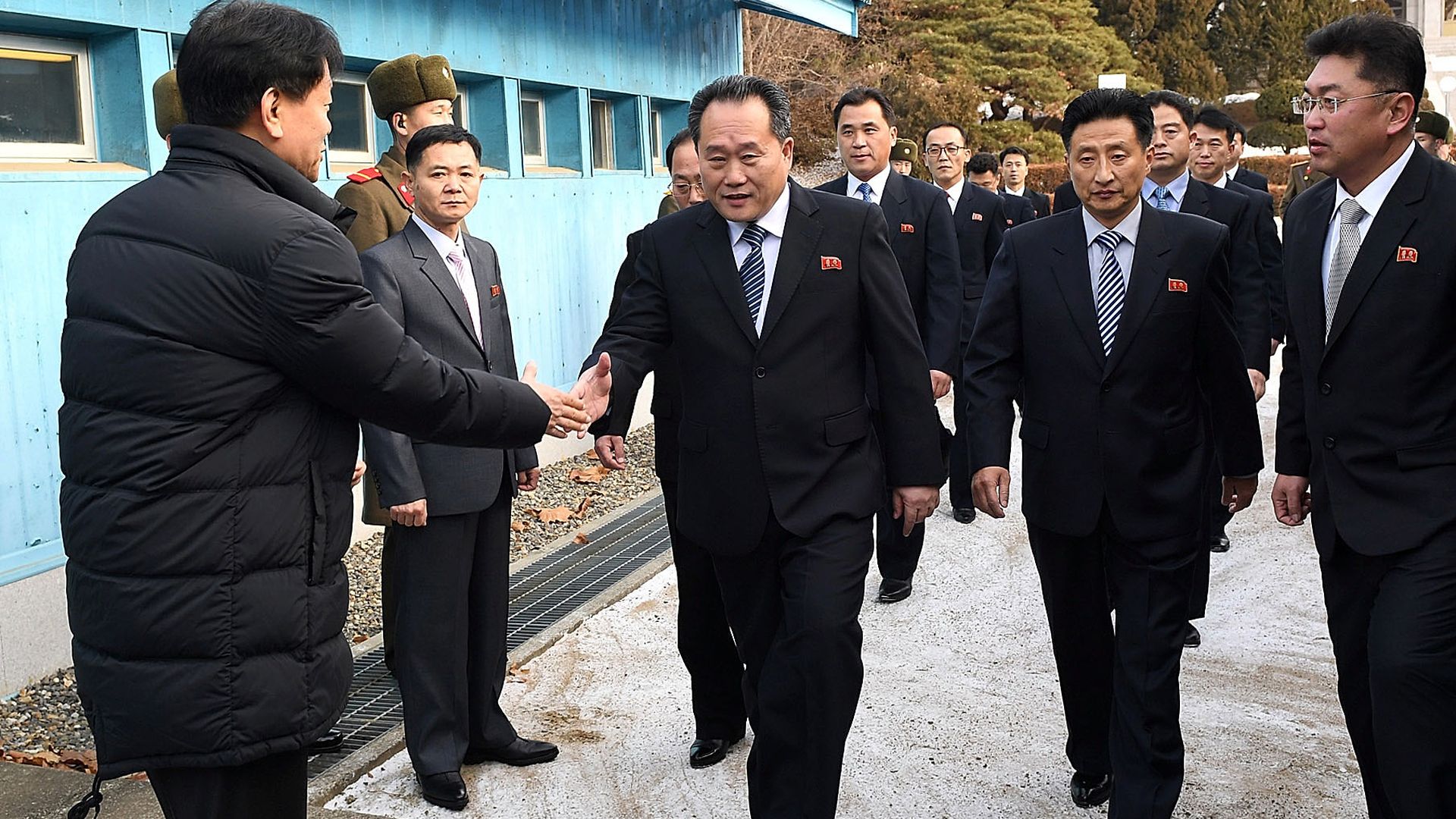
North Korea told South Korea today that it will not discuss denuclearization in the border talks between the countries, per the WSJ.
This shouldn’t come as a surprise. The North has said as much before. This is part of the broader problem of approaching diplomatic conversations with North Korea — both the U.S. and the DPRK have preconditions for talks that the other has indicated it won’t sign off on.
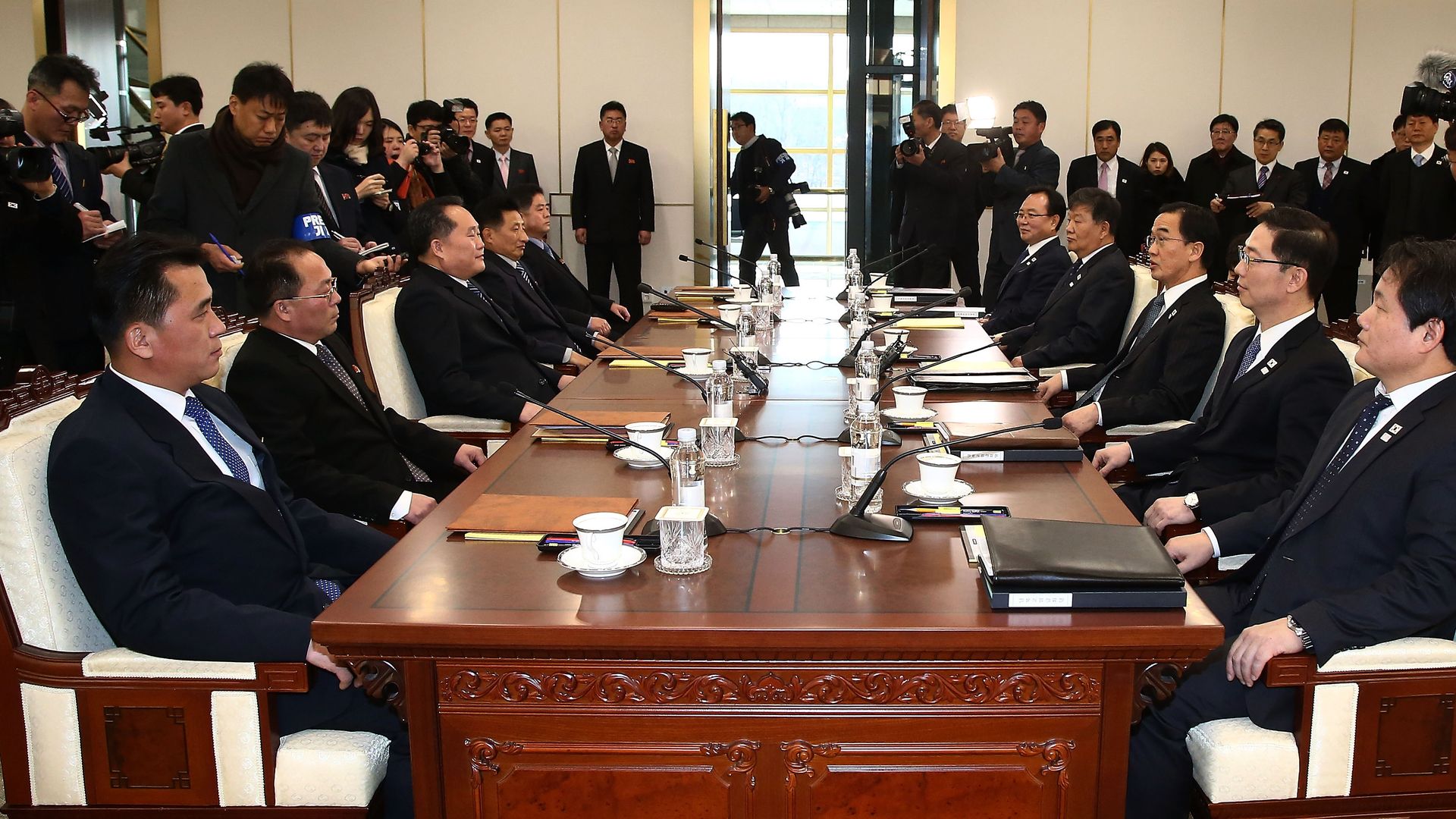
The latest: The first round of talks resulted in an agreement that North Korea would send a delegation to the Olympics next month in South Korea, and the two sides have agreed to discuss military tensions.
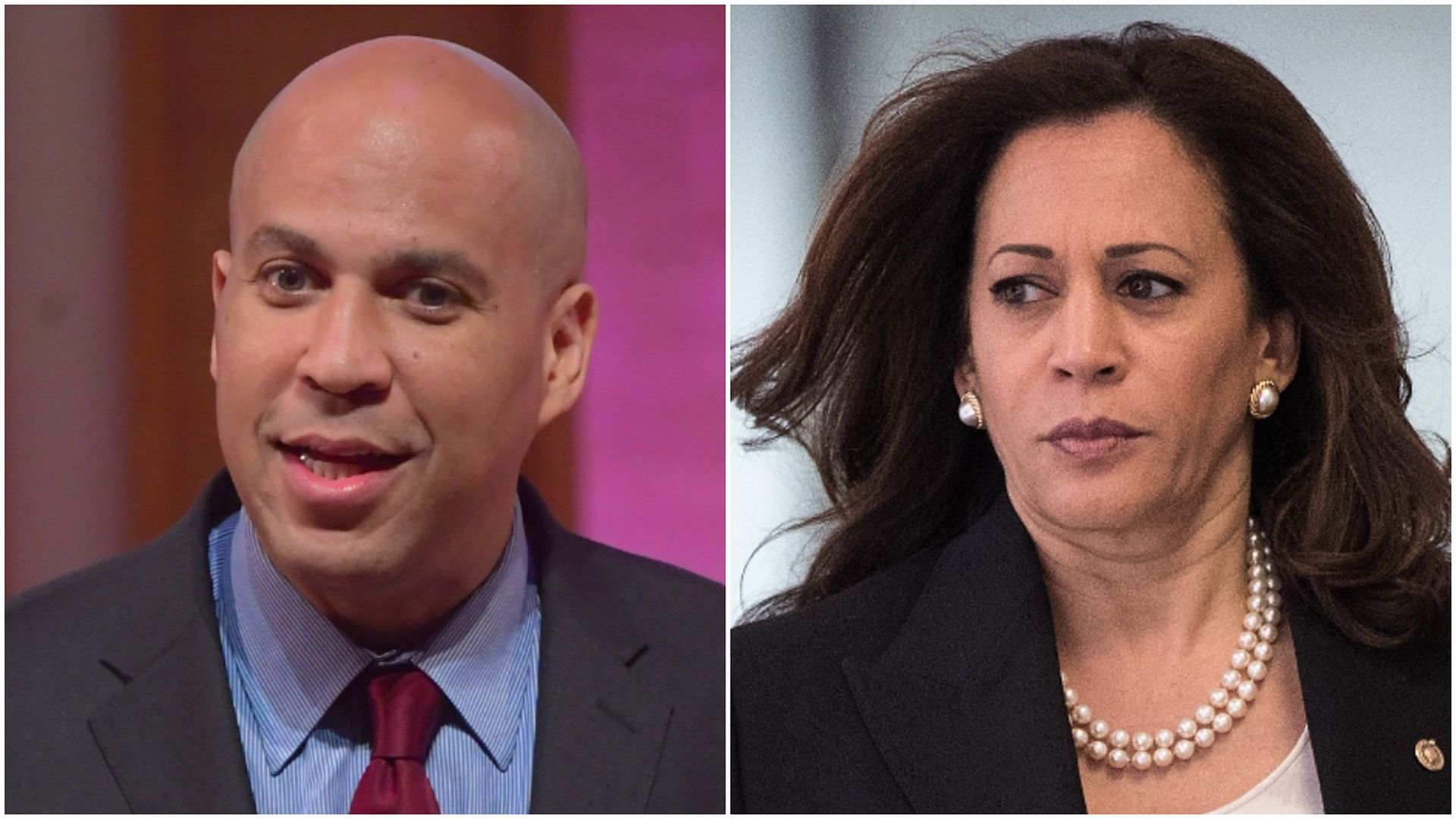
Sens. Cory Booker (D-NJ) and Kamala Harris (D-CA) have been appointed to the Senate Judiciary Committee after Al Franken's resignation created a vacancy on the panel. They are the second and third African Americans to serve on the committee in its 201 years.
Why it matters: The committee oversees the Department of Justice and all of the agencies under its jurisdiction, including the FBI and Department of Homeland Security. The senators, both attorneys, will likely be leading Democratic voices in the panel's Russia investigation.
North and South Korea agreed Tuesday to hold military talks and restore a military hotline to defuse the growing tension in the region, according to a joint statement released after their first "formal dialogue" in two years, per the South China Morning Post.
"We expressed the need to promptly resume dialogue for peace settlement, including denuclearization, and based on the mutual respect (the two Koreas) cooperate and stop activities that would raise tensions on the Korean Peninsula."
— South Korea Vice-Unification Minister Chun Hae-sung.
Earlier: North Korea will send a delegation to next month's winter Olympics in Pyeongchang, South Korea.
Representatives from North and South Korea have just concluded a meeting at the border, the first meeting between the countries since 2015. The big news: North Korea plans to send a delegation to next month's Winter Olympics in South Korea, CNN reports citing a South Korean official.
Why it matters: Officials had been nervous that North Korea might use the Olympics as an opportunity for provocation, and this may ease those fears. However, some in Washington consider this an unwise concession. Sen. Lindsey Graham called on the U.S. to boycott if North Korea participates.
U.S. officials are mulling the possibility of launching a military strike against North Korean targets without provoking war on the Korean Peninsula, the Wall Street Journal reports.
It's been dubbed the "bloody nose" strategy: "React to some nuclear or missile test with a targeted strike against a North Korean facility to bloody Pyongyang’s nose and illustrate the high price the regime could pay for its behavior," per the Journal.
Why it matters: There would be a large risk of North Korea striking back with full force if provoked. And U.S. officials are considering the strategy in the middle of planned diplomatic talks between North and South Korea — the first sign of thawing tensions in two years.
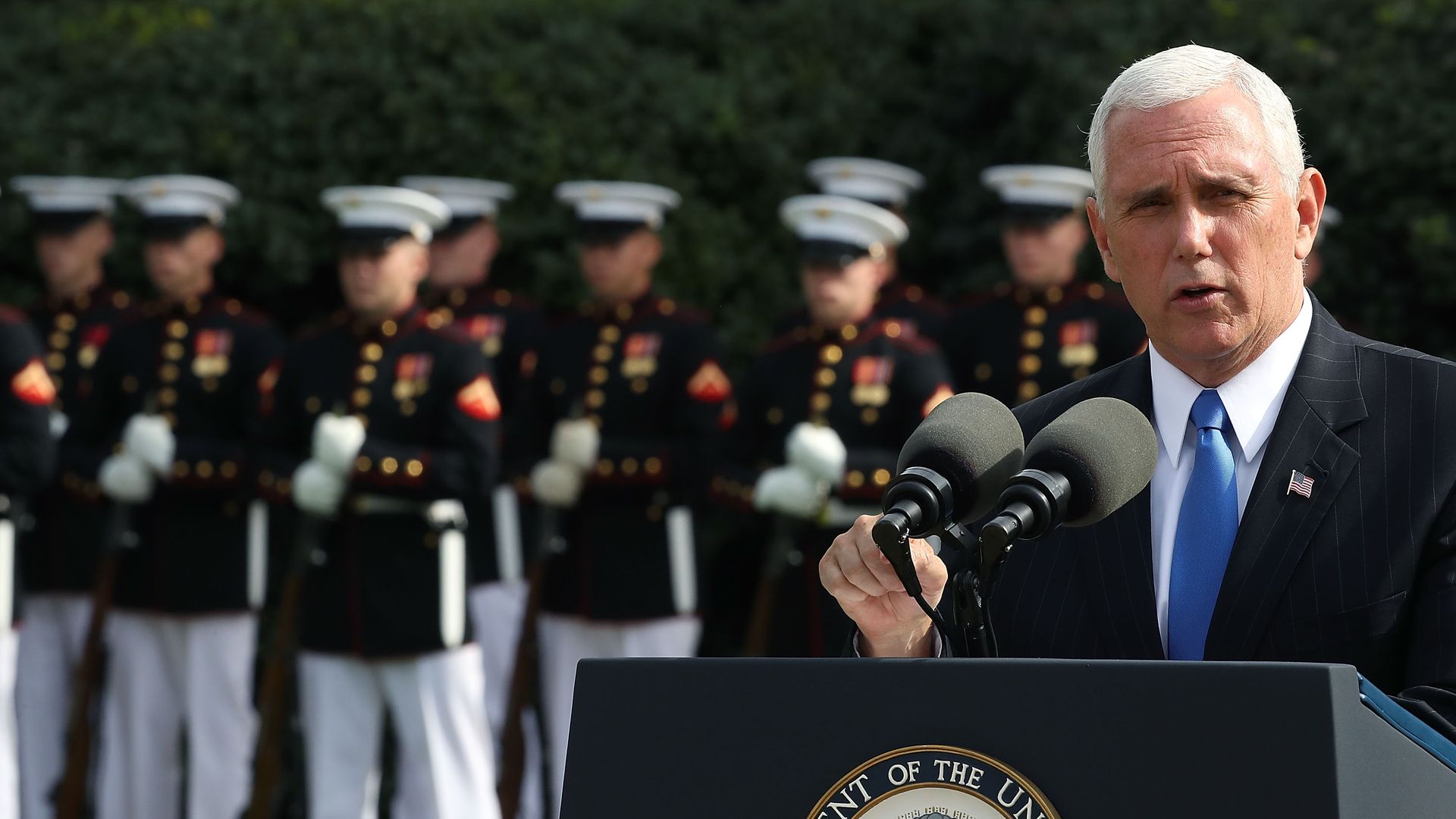
Vice President Mike Pence is kicking off his Middle East trip starting January 19 after delaying it to stay in Washington for the tax code overhaul vote last year.
What he’ll discuss on the trip: National security, and in particular, “the shared need to combat terrorism and assist persecuted religious minorities.”
By the end of this week, by law, President Trump has to decide whether to waive economic sanctions against Iran. He'll also have to decide whether to certify that Iran is complying with the 2015 nuclear deal. But the antigovernment protests in Iran that the Trump administration supports are giving the administration a political conundrum.
The dilemma: Trump spent much of his first year in office threatening to pull the U.S. out of the nuclear deal, which he could do by reimposing economic sanctions against Tehran. But if he does that, foreign policy experts say, he risks shifting the spotlight away from the protests rather than encouraging them.