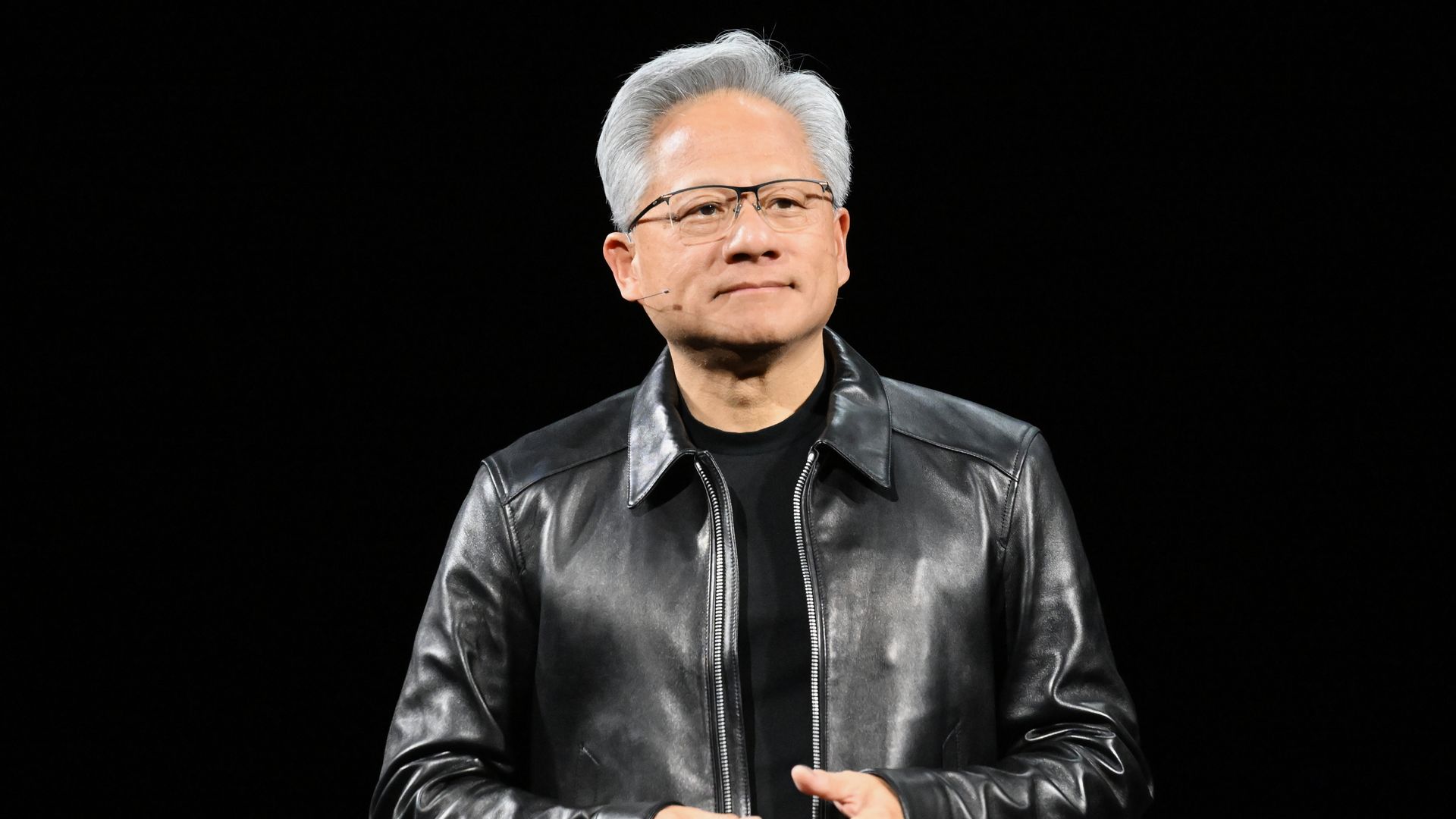
Shares in Nvidia sank Wednesday night after the New York Times reported CEO Jensen Huang had a second affair with a senior executive who reports to him.
The Times and other outlets reported that Nvidia's board was meeting Wednesday night to discuss Huang's possible ouster.
Why it matters: The report adds to mounting scrutiny of Huang, already under investigation over an affair with a purported Chinese spy.
President Trump on Thursday authorized a crack down on companies suspected of diverting Nvidia's advanced AI chips to China for the third time this year — even consulting Elon Musk before giving the go-ahead.
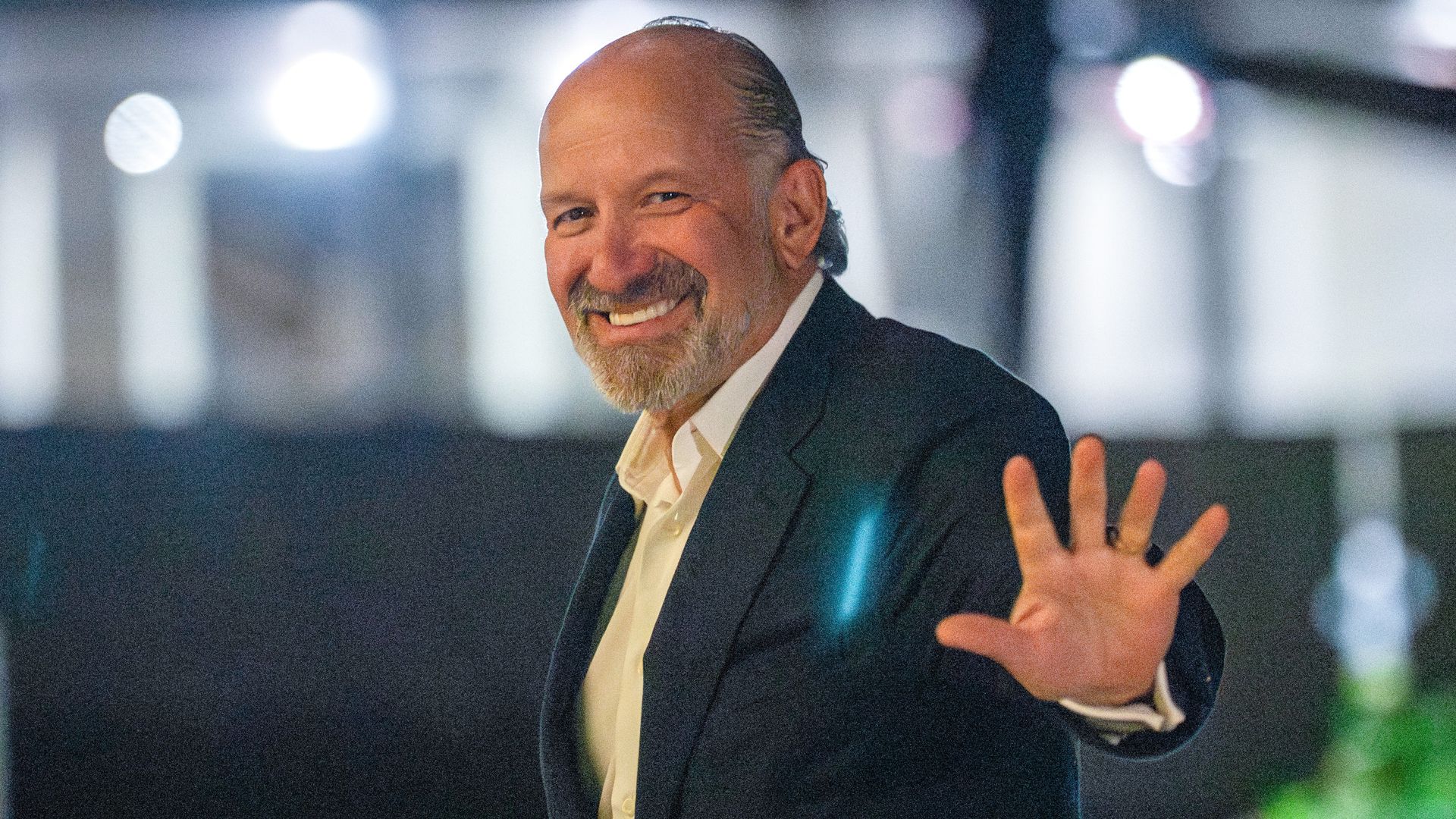
One administration official has repeatedly stood in the way: Commerce Secretary Howard Lutnick.
Why it matters: This standoff illustrates a breakdown in efforts to keep American technology out of China's hands as the world wonders why the Trump administration has not taken action against the company at the center of suspected chip smuggling — and an espionage scandal.
Why it matters: The bubble is wobbling. Investors, businesses and governments need a spectacular success from Anthropic to stave off a crisis of confidence that could tear through the broader economy.
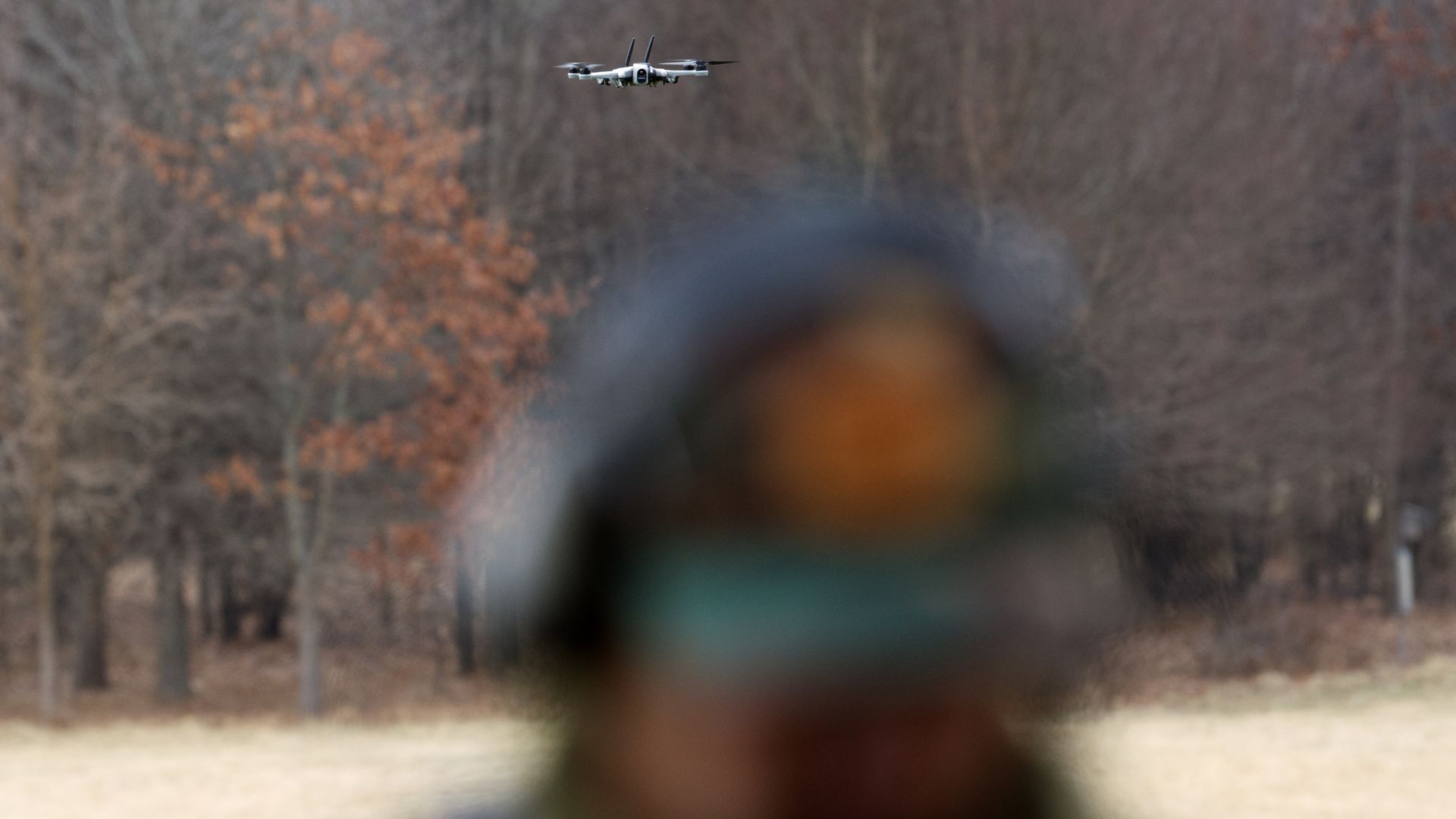
Amazon's Ring is rolling out a flying drone and roving robot, allowing customers to patrol through corners of their homes or businesses whether they're upstairs or out of town.
Why it matters: Amazon is betting that AI can usher in a new age of autonomous security — with your camera not just watching for trouble, but actively hunting it down.
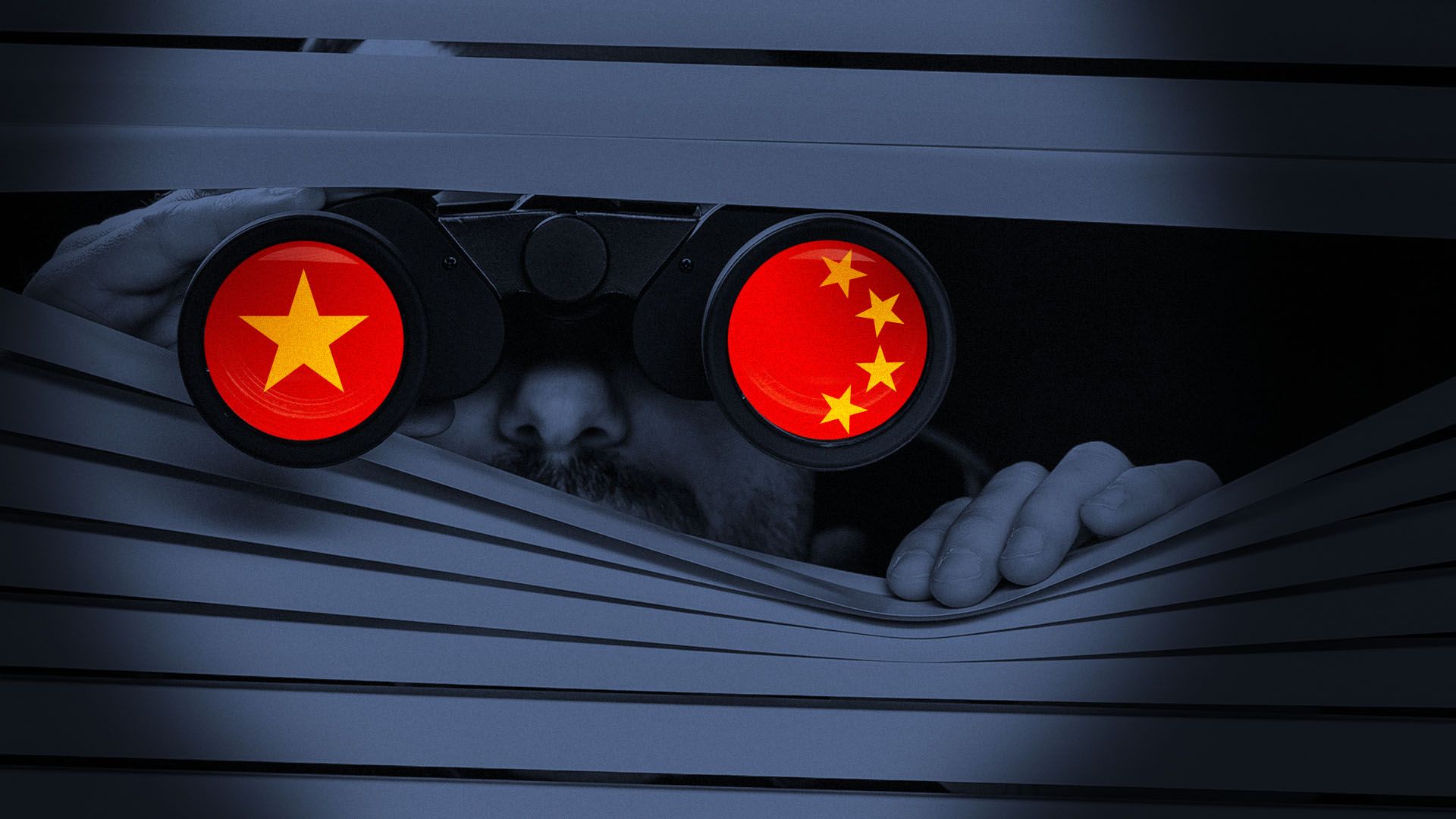
Nvidia CEO Jensen Huang's affair with a suspected Chinese spy has brought attention to a longstanding element of Beijing's espionage playbook: cultivating personal relationships with powerful Americans.
Why it matters: The country's most powerful executives and politicians have access to highly sensitive information and influence over world events, making them valuable targets for foreign intelligence agencies.
Anthropic wants its Claude AI assistant to become a participant in your next work meeting, taking notes, answering questions and even starting on assignments while everyone is still on the call.
Why it matters: Anthropic is hoping to make Claude as indispensable to knowledge workers as it has become for many coders.
Nashville has 25.7 open healthcare positions for every healthcare job seeker, more than 11 times the national rate. Could AI help ease the shortage, and how much will depend on training people to use the tools? A Healthcare Workforce Index from Covista, America's largest healthcare educator, examines both approaches.
The Index is based on a model by Oliver Wyman, using 60 academic, government, industry and business data sets and studies.
Google DeepMind researchers have used AI to mathematically prove that the encryption code protecting billions of private messages works as intended.
Why it matters: The research breakthrough could eventually help defenders build better software. "You can finally get to this world of unhackable software," said Swarat Chaudhuri, a research scientist at Google DeepMind.
Intalus, an advanced materials company, is growing its production footprint with financing from Rochefort, a firm licensed under the Small Business Administration and the Pentagon's Office of Strategic Capital.
Why it matters: "We're turning myths about American manufacturing on their head," Steve Place, the company's head of corporate strategy, told Axios.
"We can still make world-class manufacturing technology in this country."
Allen Control Systems, maker of the Bullfrog autonomous turret, is opening a directed-energy division.
Why it matters: The $2.2 billion startup is diversifying, as demand skyrockets for drone countermeasures and the Pentagon doubles down on microwaves and lasers.
Primordial Labs raised $18 millionin equity and will use the money to deepen its engineering, product and growth teams as well as speed deployment of Anura, its human-machine interface, CEO Lee Ritholtz told Axios.
Why it matters: Success on the battlefield is increasingly defined by how smoothly troops interact with and operate alongside robotics, whether that's on land, in the sea or in the air.
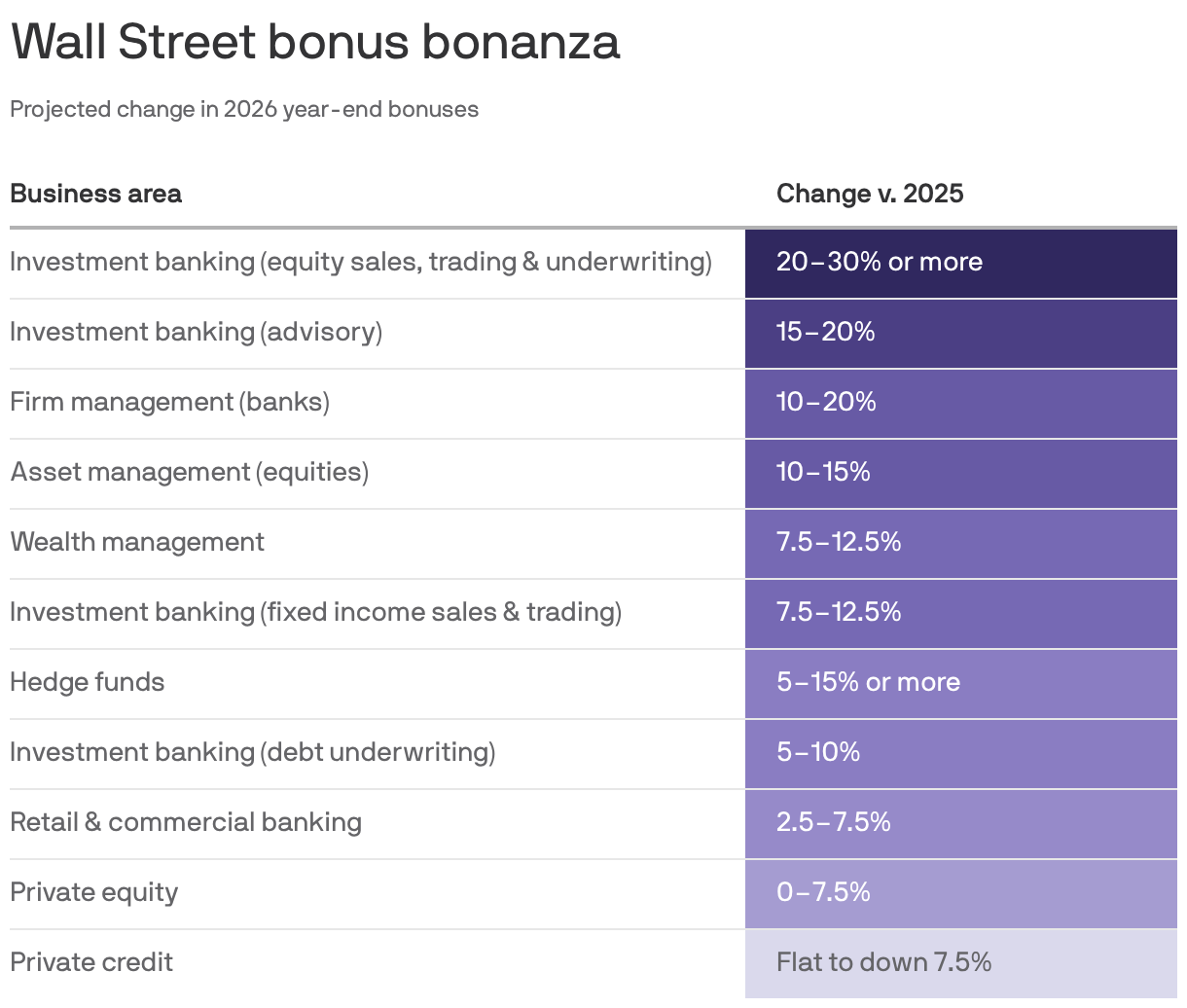
Wall Street's bankers and traders are set to rake in big increases in year-end bonuses over 2025, say new projections out Tuesday morning.
Why it matters: The AI investment surge has paid off massively on Wall Street, which raced to (for a fee) help hyperscalers, frontier AI firms and other smaller companies issue stock and debt, go public, spin up financing deals, and so on.
The surge in volatility didn't hurt either — traders benefit when markets move around a lot.
A political backlash against AI and data centers — now compounded by a crisis facing the technology's most influential champion — could help force a slowdown that industry leaders have struggled to achieve voluntarily.
Why it matters: Tapping the brakes on AI development — which frontier AI developers claim to want but have so far failed to do given the risk of offering an advantage to a competitor — could give society more time to prepare for economic upheaval and the risks of superintelligent systems.
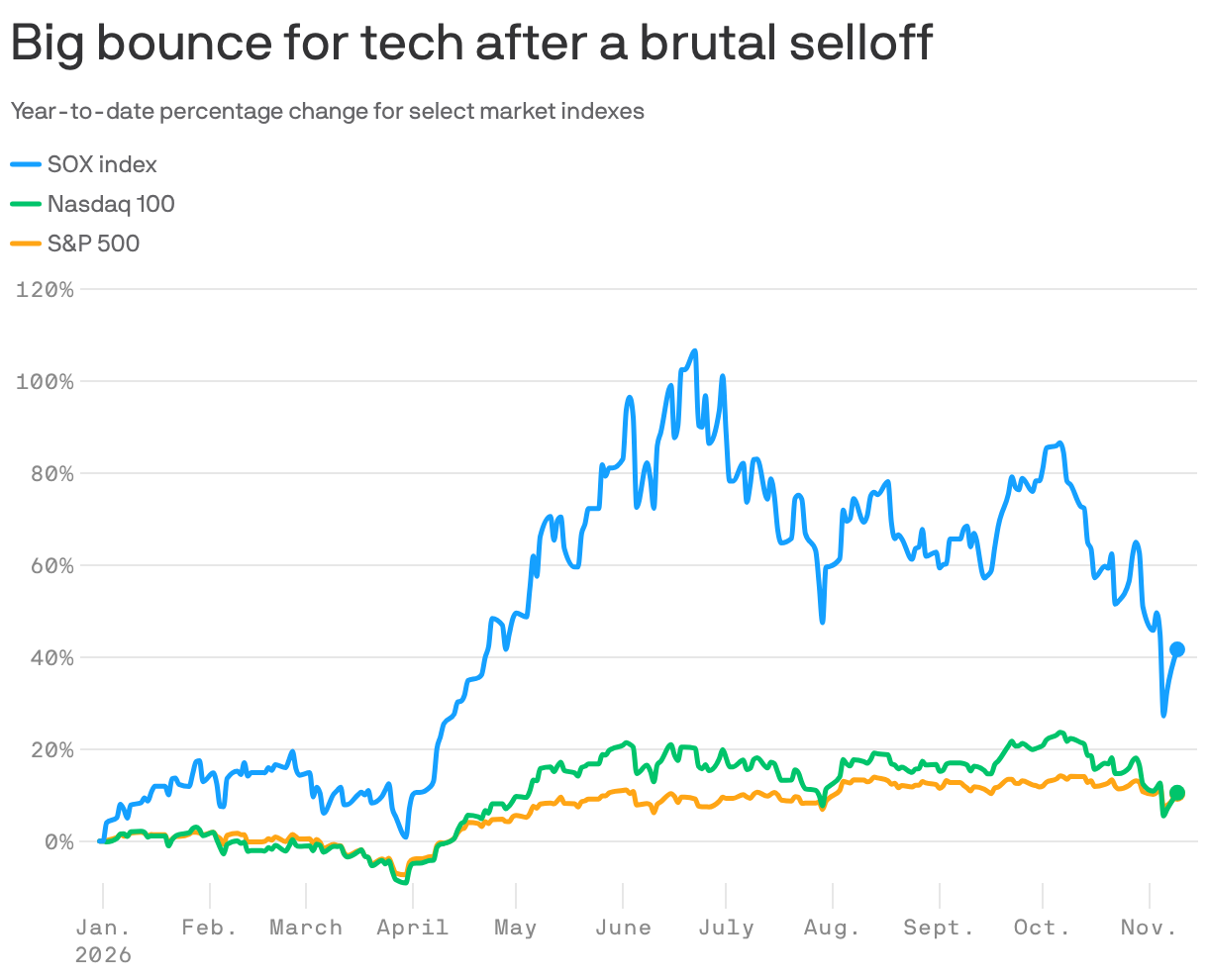
The AI trade has regained momentum despite — or maybe because of — Nvidia's struggles following the weekend revelations from CEO Jensen Huang.
The big picture: Monday's sudden burst of exuberance for AI was the latest wide swing for a market upended by last week's "blue tsunami" in the midterm elections and the threat they could pose to the data center boom.
The French government has blamed an Iranian military hacking unit for cyberattacks that disrupted refrigeration systems at roughly 700 grocery stores and other retail locations last month, causing food losses and at least 15 fires.
Why it matters: The attacks underscore how Iranian government hackers are moving beyond stealing data and disrupting websites to manipulating the physical equipment that keeps essential services running.