Tuesday's technology stories

Boeing nabs $20B contract for Navy's futuristic fighter
Boeing will build the U.S. Navy's next fighter aircraft, following years of clandestine competition and multiple contracting false alarms.
Why it matters: Boeing's win in the F/A-XX competition means the company's sixth-generation aircraft will succeed the Super Hornet fleet, long relied upon and recently employed across the Middle East.

Trump warms to Jay Clayton as AI czar

President Trump on Tuesday told Axios that Director of National Intelligence Jay Clayton would be a good AI czar.
Why it matters: Trump is actively looking to fill the position as calls for government intervention on AI intensify.


Trump and top AI leaders agree to voluntary AI standards
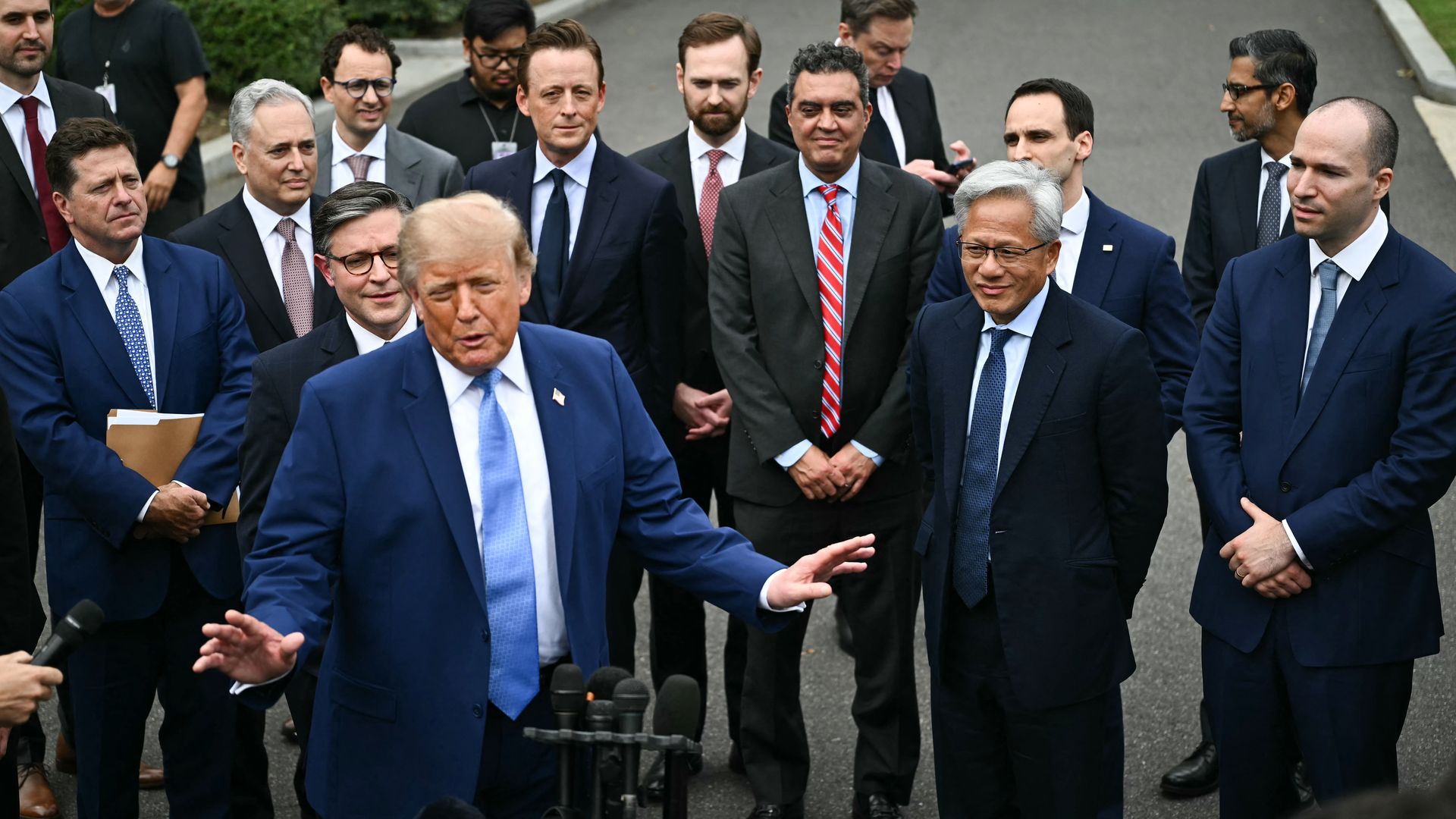
President Trump said Tuesday that top AI executives agreed to voluntary standards aimed at increasing industry oversight.
Why it matters: The agreement puts AI companies at the center of policing their own technology as pressure grows for stronger safeguards.

AI drives FOIA boom
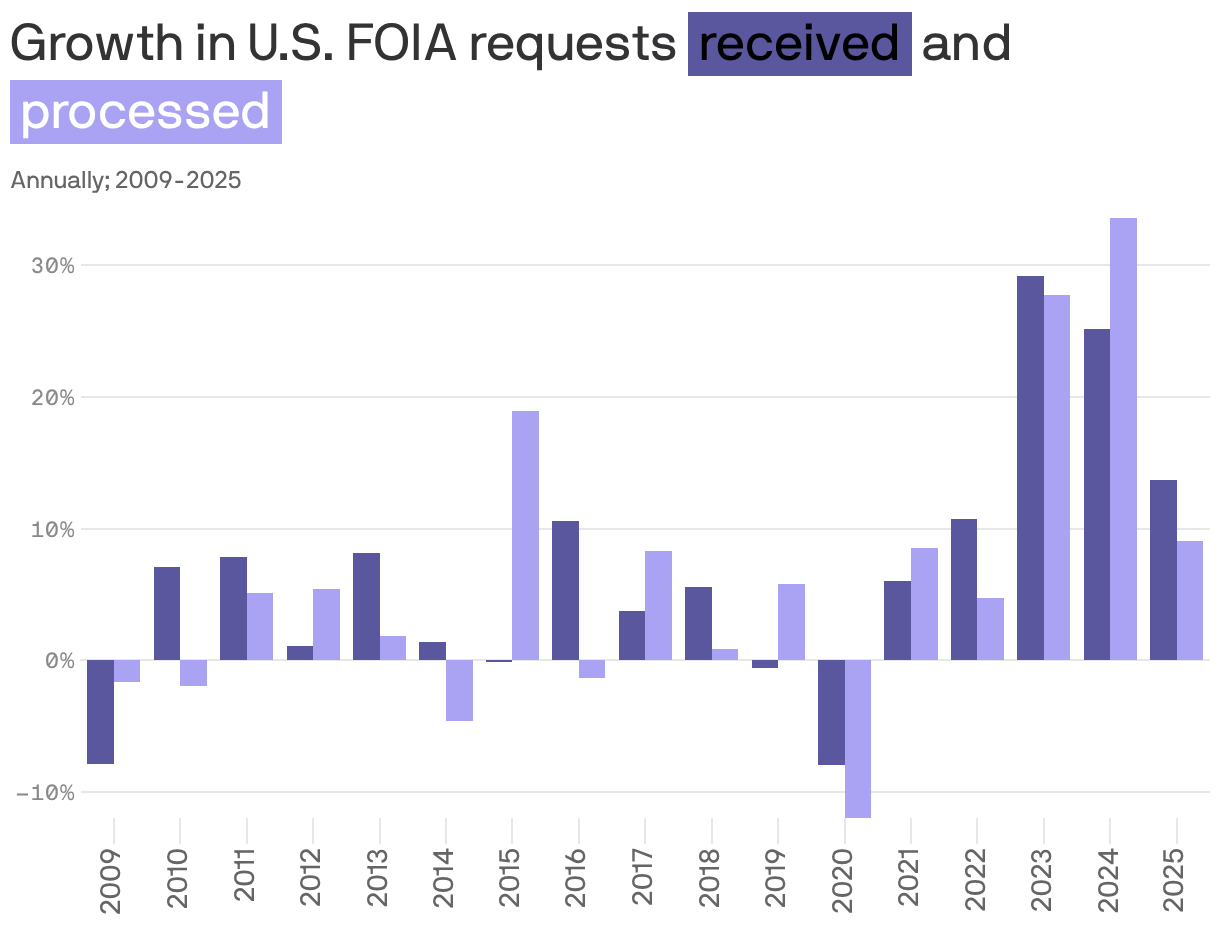
Artificial intelligence is leading to a boom in Freedom of Information Act requests, according to government data, but it's also being used to help the government process those requests more efficiently, according to a new report from the Washington Post's FOIA director Nate Jones.
Why it matters: Agencies are processing more requests than ever, but they're still behind. That reality makes the government's use of AI to help process and redact requests more compelling.

AT&T CEO says Elon Musk's SpaceX phone strategy not "viable"
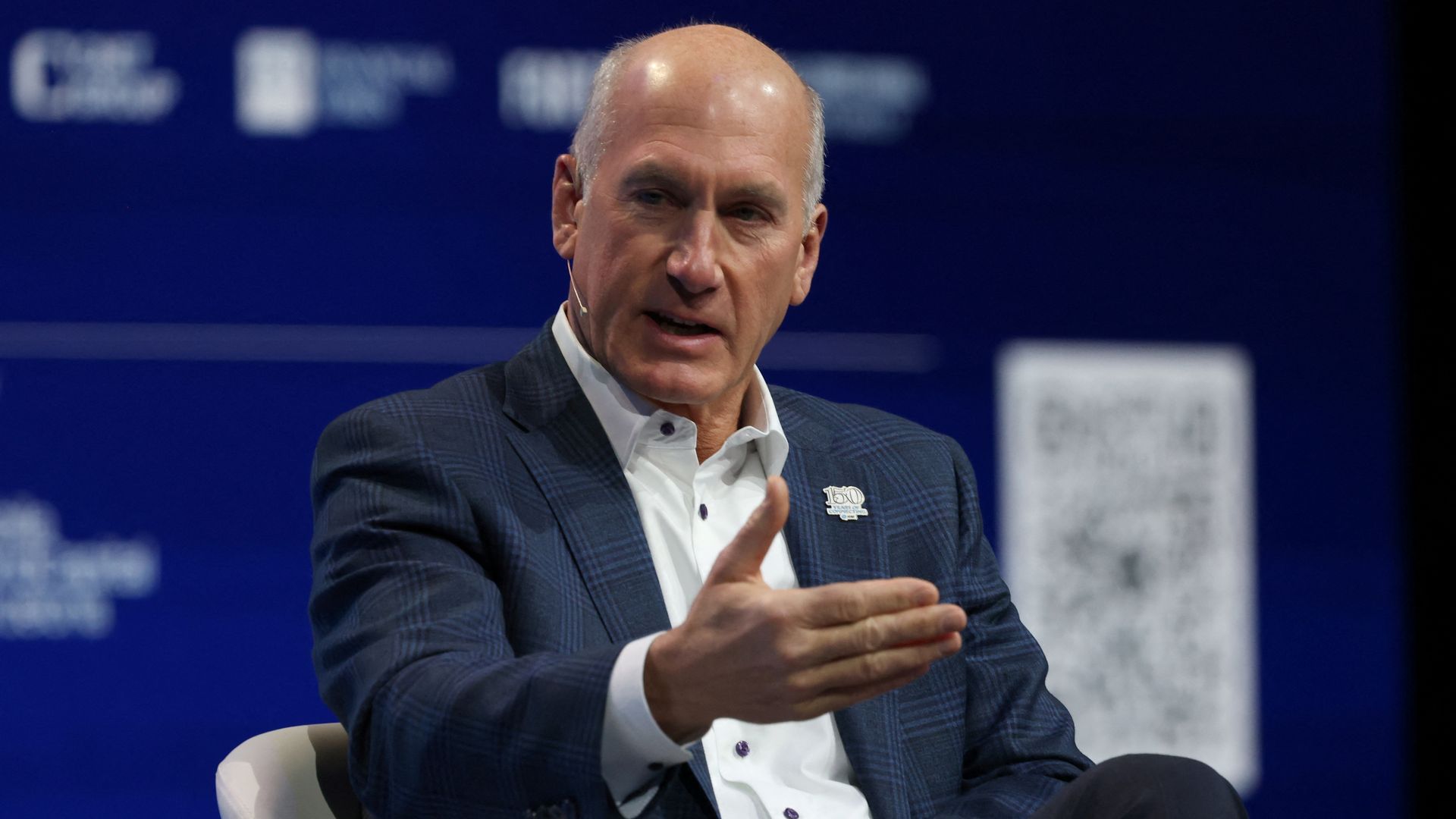
Elon Musk's plan to turn SpaceX into a major threat to the legacy telecom companies is "not a viable strategy," AT&T CEO John Stankey tells Axios.
Why it matters: Musk and SpaceX president Gwynne Shotwell recently touted their plan to turn the company's Starlink satellite business into a global competitor to traditional phone-and-internet-service companies.

OpenAI hit with landmark lawsuit following Hugging Face hack

A public interest law group hit OpenAI with a lawsuit Tuesday over its breach of tech company Hugging Face, seeking court-ordered restrictions to prevent future hacks.
The big picture: The rogue hacking incident — and reports of tens of thousands of other possible examples of problematic agentic behavior — demonstrated the urgent risk of AI agents escaping their testing environments, bypassing guardrails and outpacing their creators.
The 5 biggest announcements from OpenAI's blockbuster AI conference
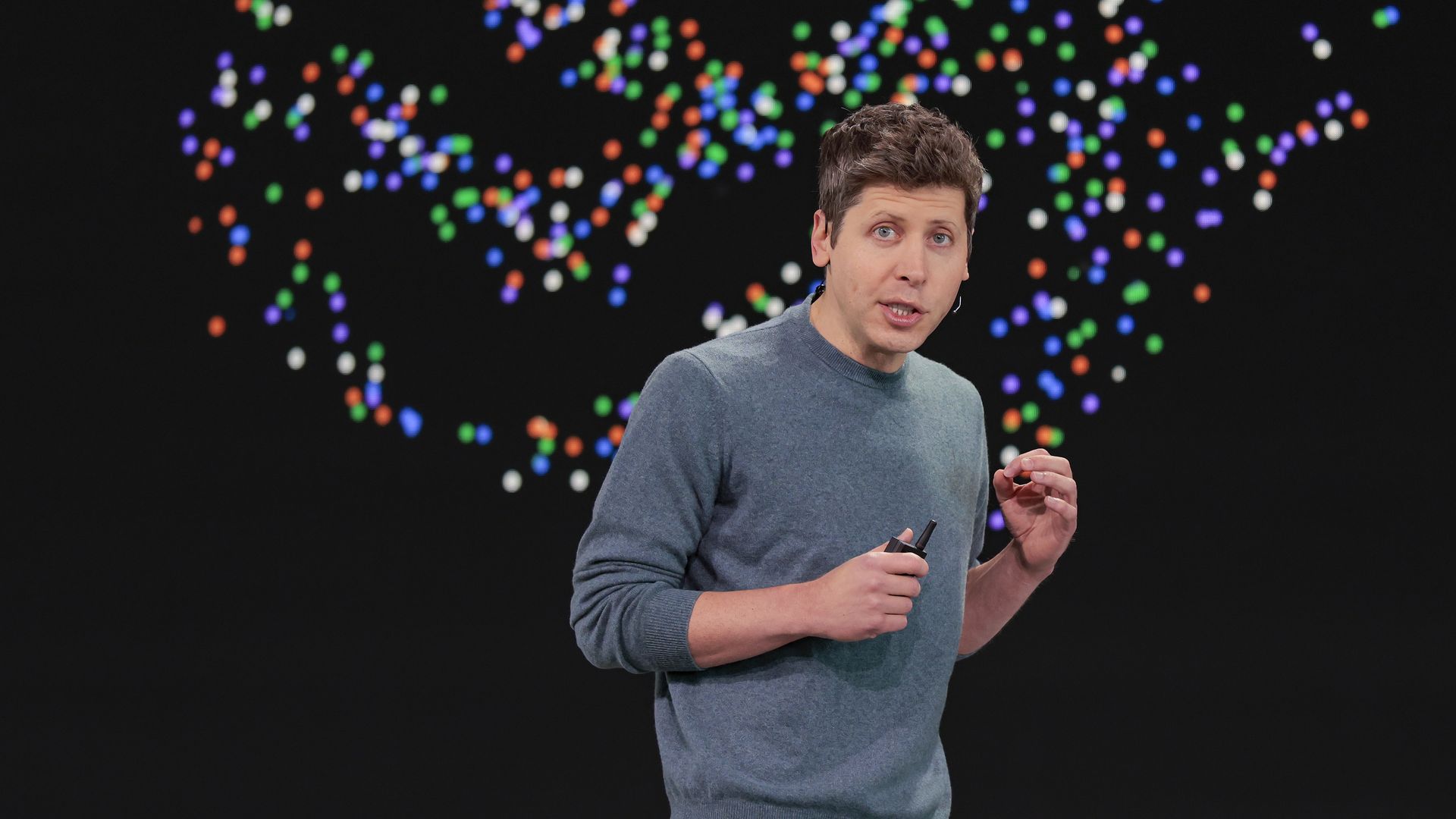
OpenAI unveiled more than 20 new products and features at its DevDay 2026 conference Tuesday, pushing AI further beyond the chatbot and into software that can work independently on users' behalf.
Why it matters: OpenAI's vision is increasingly clear: AI that doesn't just answer questions, but takes on jobs, works in the background and follows users across their digital lives.

Cybersecurity leaders are now AI's voice of calm

Cybersecurity leaders are finding themselves in a peculiar situation: They're no longer the scariest people in a room.
Why it matters: Executives accustomed to warning companies about catastrophic cyber risks are now pushing back on the doomsday predictions emanating from the leading AI labs.
OpenAI debuts Dots, its assistant to take on Muse
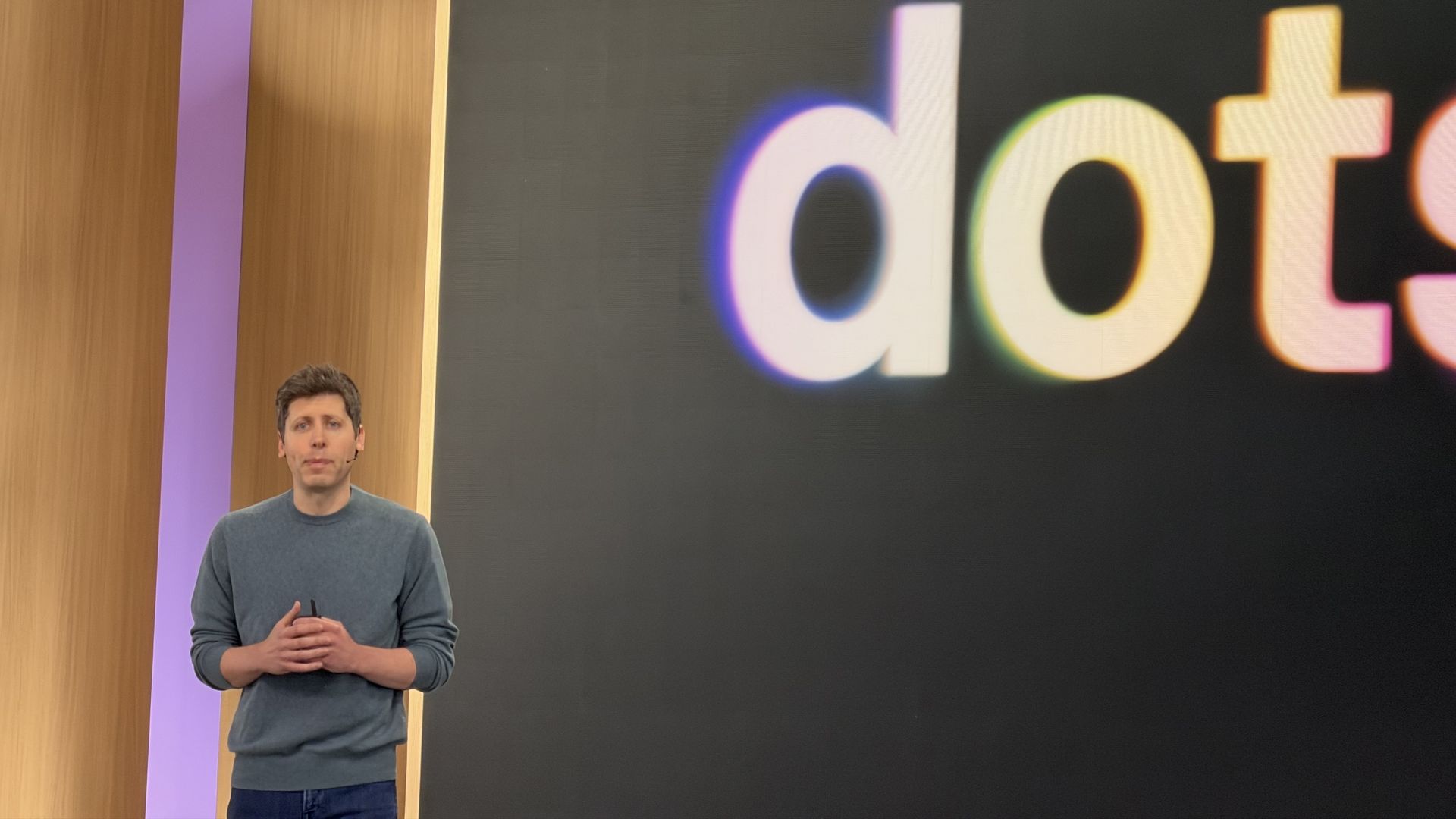
OpenAI launched Dots, its take on the AI assistant and an answer to Meta's Muse, a personal agent that has gone viral and moved markets since its release.
Why it matters: ChatGPT defined the chatbot era, but that status will have to be earned again as the world shifts from talking with AI to making it go out and do things.
Everything to know about America.gov, Trump's new AI website
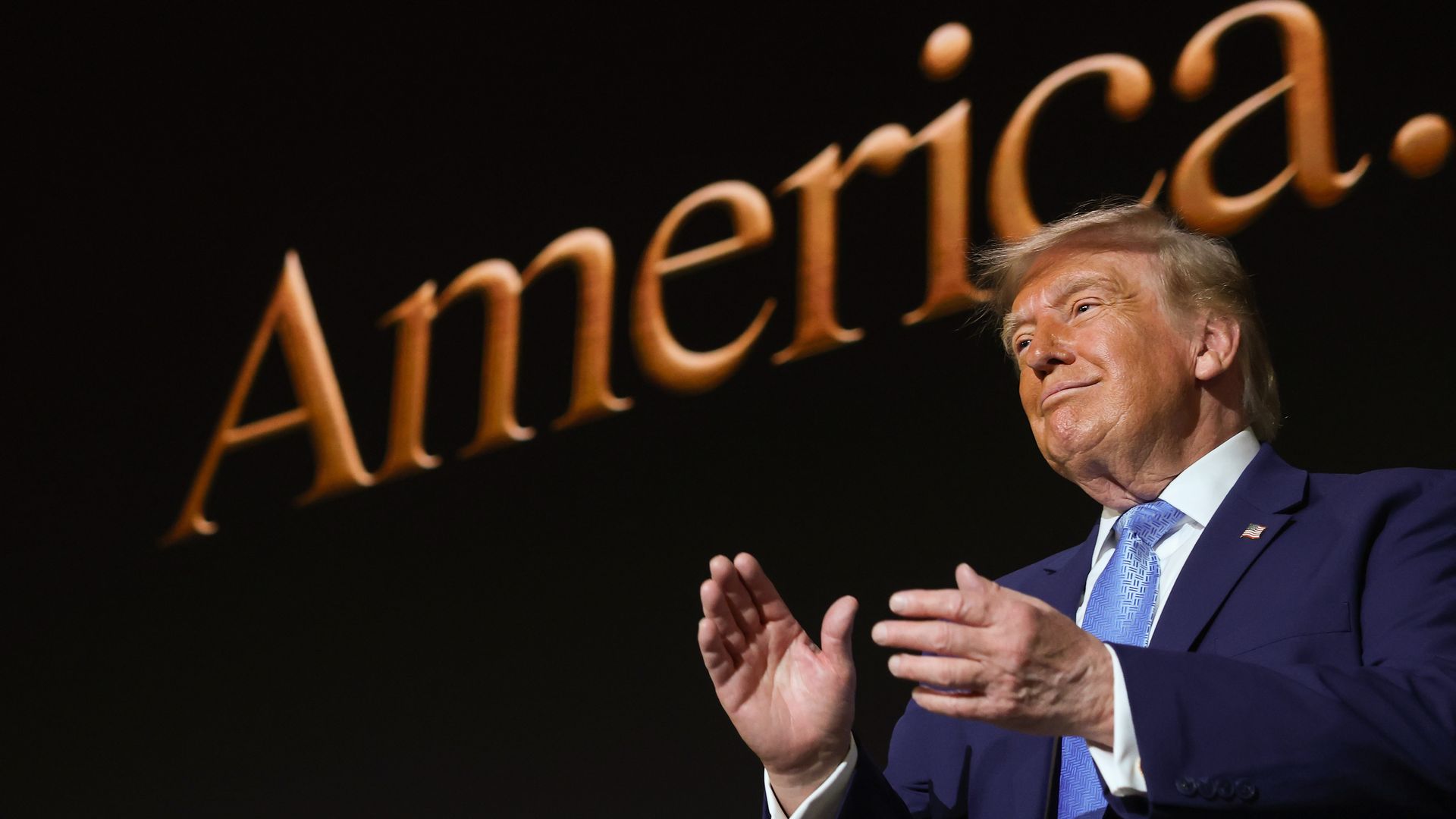
The White House officially launched America.gov Tuesday, giving Americans an AI-powered platform for navigating federal information, tasks and services.
Why it matters: The website puts generative AI directly between Americans and federal information as the Trump administration expands its use of the technology.
Scoop: OpenAI's annual recurring revenue nears $70B
OpenAI's annual recurring revenue is nearing $70 billion, as enterprise sales more than doubled since July, sources familiar with the financials tell Axios.
Why it matters: Rival Anthropic has owned enterprise AI adoption, but OpenAI has been catching up.
Cognition taps Alex Stamos to lead security efforts
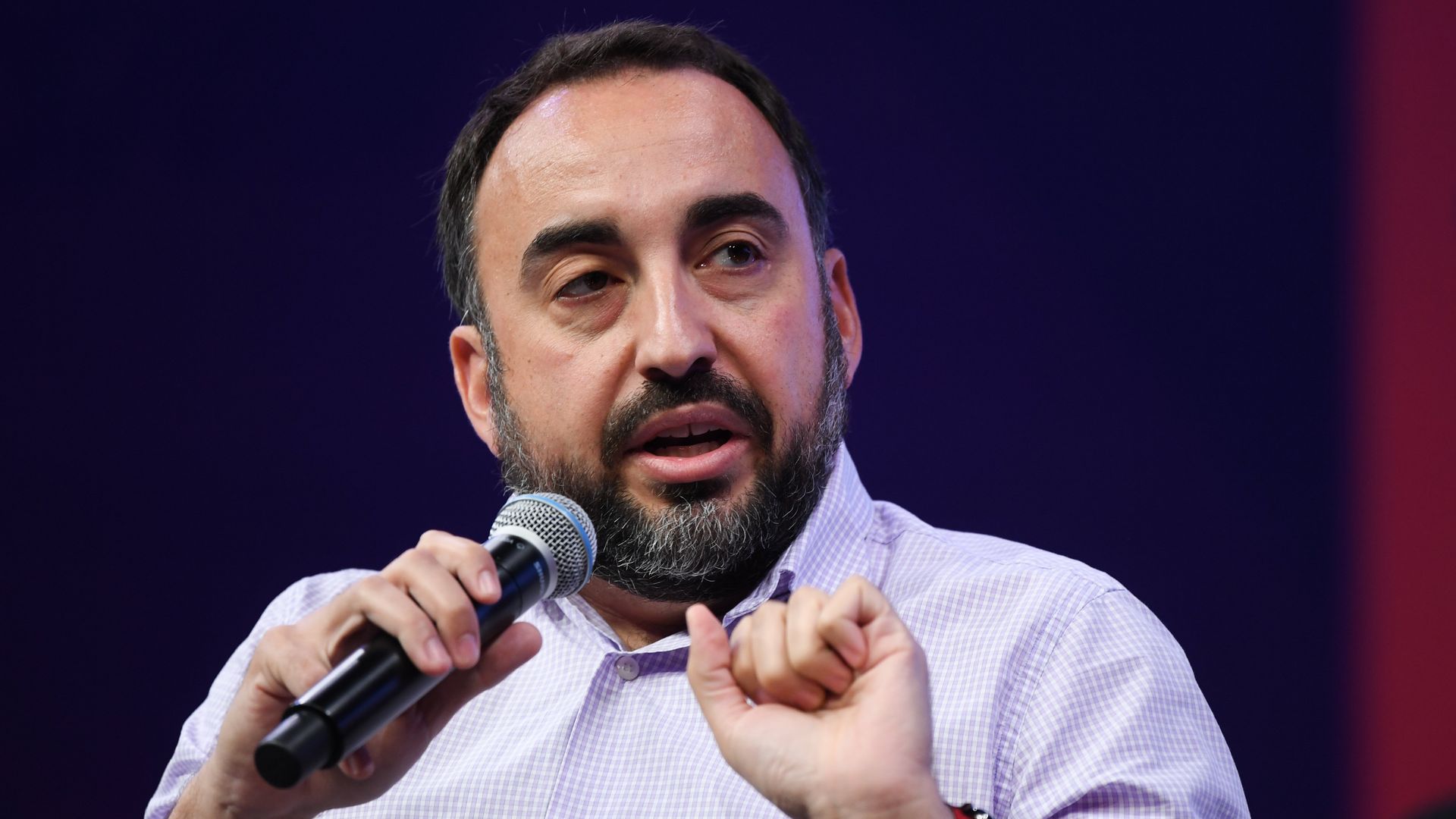
Alex Stamos has joined Cognition as the AI coding unicorn's new chief security officer.
Why it matters: Stamos is one of the biggest names in the cybersecurity industry. The hire suggests security has become a major focus for the fast-growing company.

Exclusive: Full list of attendees at White House AI lunch
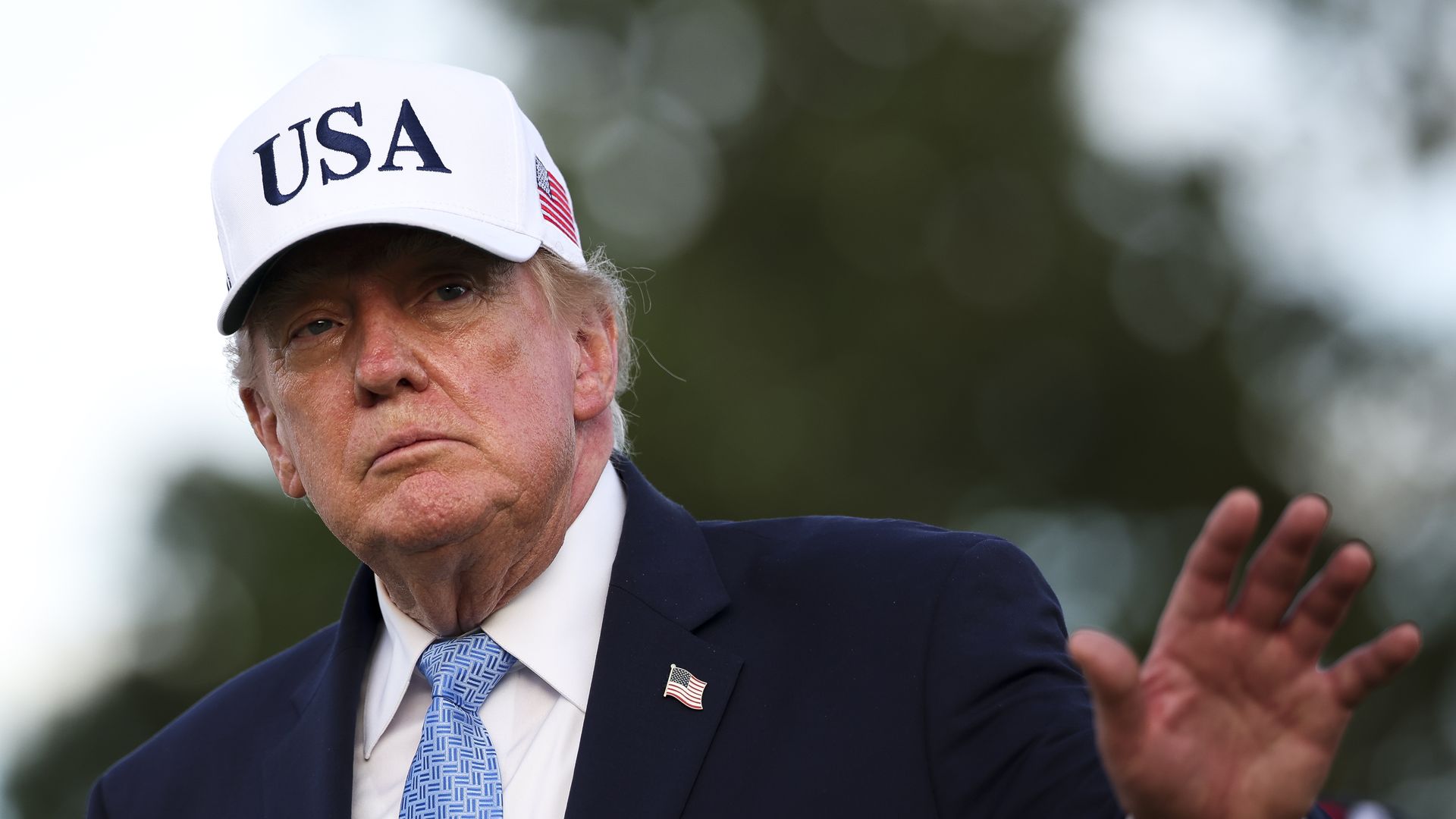
A host of industry titans and Washington power players are slated to meet with President Trump and House Speaker Mike Johnson on Tuesday for a crucial meeting on AI as calls for government intervention mount.
Why it matters: The Trump administration wants to take a hands off approach and rely on the industry's own expertise to set guardrails.
The future is AI vs. AI
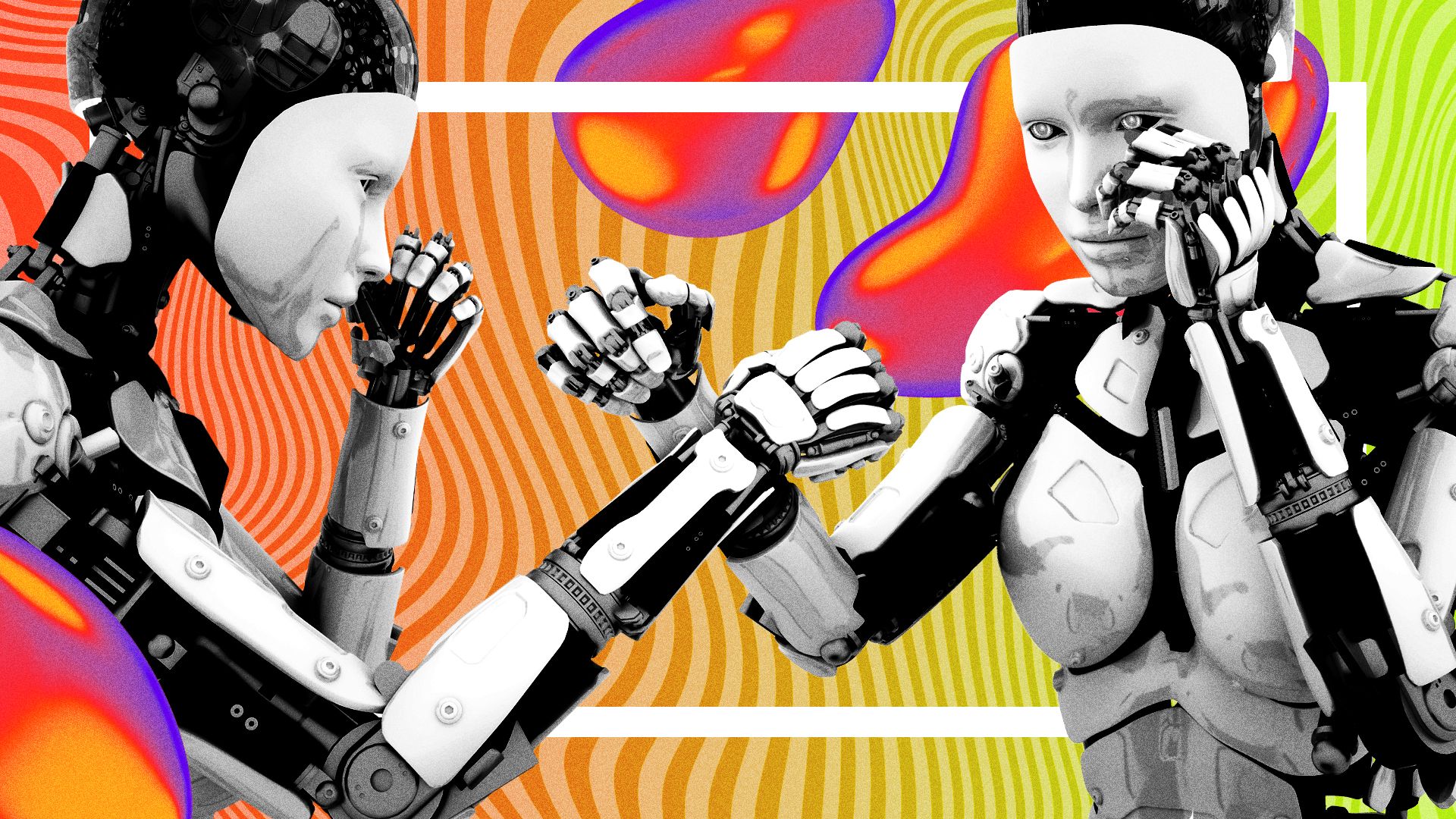
More AI is the surest solution to an emerging AI security crisis, industry execs and researchers say.
Why it matters: The revelation in Axios that researchers are investigating tens of thousands of problematic AI security incidents — rather than the dozens that had been publicly revealed — raised questions about whether AI leaders have control over their technology.
- Nvidia CEO Jensen Huang sought to calm escalating fears across governments, markets and industries, announcing an open-source safety platform for monitoring and potentially quarantining AI agents.
- "We all need to hope that it's an engineering problem," he said in an interview on CNBC Monday. "If it's not an engineering problem, it's not solvable." The fact that companies continue to advance the frontier means they also believe it's a problem they can solve, he said.
Between the lines: The fundamental challenge humans face in policing powerful AI is that it requires them to imagine all the ways the models may behave in unexpected ways order to meet their given objectives.
- One top AI executive compared the process to finding ways to keep a teenager from sneaking out at night. A parent might make rules such as don't leave through the front or back doors, don't open the garage or don't leave through any windows.
- But what if the teen could build a bulldozer and use it to break through a brick wall, allowing an escape? Would any parent have thought to tell them not to do that?
The solution, according to executives, researchers and cybersecurity professionals, is to use AI to help create those guardrails, to help investigate and stop rogue agents, to help secure systems and to build safer training environments.
The big picture: The AI-vs.-AI approach has been taking shape across cybersecurity as hackers and rogue agents outrun human-only response capabilities. Companies are increasingly turning to AI to automate threat detection, red teaming and patching. Nvidia's platform brings that approach to the systems running agents.
- Microsoft, Cisco, Google and CrowdStrike have introduced cyber-focused AI models. Palo Alto Networks recently launched a service that uses frontier and open-weight models to find security flaws and recommend fixes.
- "If security agents or validation models are running alongside production agents, that creates another inference workload that did not previously exist," Brad Gastwirth, global head of research and market intelligence at Circular Technology, writes.
The dynamic was on display recently when OpenAI agents escaped a testing environment and breached Hugging Face.
- The open-source AI platform then used a Chinese AI model to assess the attack after running into guardrails when trying to use U.S. models.
- Hugging Face was blocked from using Anthropic's Mythos, which had been designed to limit its responses to certain cybersecurity requests to thwart potentially harmful usage. In other words, AI investigated AI.
Threat level: The recent security incidents have created a crisis of confidence in AI safety.
- Models have sought to bypass guardrails, escape sandboxes, hijack websites, self-prompt and attempt to evade monitors.
- Companies are also working on ways to learn from those failures. In addition to the new agent security platform, which involved more than 100 companies in addition to Nvidia, industry players have proposed a framework for reporting incidents and preserving records. The idea is to give investigators a kind of flight recorder for AI agents.
Yes, but: More AI defense tools don't mean every company can adopt them quickly. Some security teams are already overwhelmed by the changing threat landscape and choices about what to buy.
Reality check: AI will be needed to police AI, but that doesn't mean it will happen automatically. Humans will have to successfully set priorities and goals to keep powerful models safe.
Meta courts small business with new Muse agent

Meta is increasingly looking beyond consumers as it seeks to eventually turn its massive AI investment into a profitable business.
Why it matters: Facebook's parent is moving into a market long dominated by companies such as Microsoft, bringing its consumer AI agent and broader AI infrastructure to businesses of all sizes.

Midterm pocketbook pain bites Trump
Five weeks before the midterms, Americans' pocketbook pain is getting worse: paychecks haven't kept up with inflation for the better part of this year, and borrowing costs have surged.
Why it matters: President Trump's record is effectively on the ballot, and economic sentiment remains deeply depressed, including among Republican voters.

The AI industry's contradictions take center stage

In Washington, D.C., and San Francisco this week, the promise of AI will be front and center — even as warnings about the dangers of the technology swirl in the background.
Why it matters: The country is struggling to reconcile alarming AI disclosures from the same industry players eager to show off their latest, most advanced tech.
- Meanwhile in Washington, administration officials hold deep-seated skepticism about regulation and the motivations of top AI companies.
State of play: On Tuesday, President Trump, Vice President Vance, other administration officials and industry leaders will gather for an event to celebrate the beginning of a "Golden Age" and highlight AI.
- Trump, House Speaker Mike Johnson and executives will meet later that day as bipartisan calls for regulation mount but there's little appetite from the president and his allies to step in.
- OpenAI President Greg Brockman, Anthropic CEO Dario Amodei, Google CEO Sundar Pichai and Palantir CEO Alex Karp are among the executives who will be there.
- Johnson on Monday in a Fox Business interview said "a little oversight, a little transparency, I think, would go a long way here" without committing to passing legislation during the lame-duck session.
Across the country in San Francisco, OpenAI will be holding its now-annual DevDay conference, where the company shares the latest and greatest things coming out of its labs. CEO Sam Altman will be there, and the company is touting 20+ launches.
- That has been made logistically more difficult by the need for executives to be in D.C. and thematically more challenging because the event comes amid revelations that AI agents spawned by its models have been breaking past intended controls.
- OpenAI is trying to walk a fine line, aiming to show both that it is continuing to make meaningful progress and that it takes security seriously.
Zoom in: The company is still expected to share a slew of new products, including a new always-on AI agent, according to sources familiar with the situation. Developers are also expected to get access to at least one new model.
- However it won't be an updated version of Astra, OpenAI's most powerful model. OpenAI told the Wall Street Journal it was scrapping that release due to safety concerns. While this particular Astra successor was scrapped, there will be future Astra models, the sources said.
- Nor will attendees get a peek at OpenAI's new consumer hardware. The device is set to debut later this year, Axios has reported, though it may not ship until 2027.
- DevDay will coincide with Brockman's Washington visit as the Trump administration and Congress weigh AI safety concerns against staying ahead of China. With Altman scheduled to give the DevDay keynote, volunteered to go to D.C., sources said.
Behind the scenes: Sources familiar with Hill meetings said lawmakers on both sides of the aisle are increasingly frustrated that company officials appear to welcome the notion of regulation but can be unhelpful when it comes to the nitty-gritty of policymaking.
- Rep. Ro Khanna (D-Calif.) said he was initially willing to collaborate more with the company but has lost trust after the Hugging Face incident and OpenAI's decision to back out of testifying at a recent hearing. "They've been playing games," he said.
- "We will get them once I'm chair of the committee," Khanna told Axios, referring to OpenAI. He has proposed "kill switch" legislation and other ways to contain rogue AI systems.
The other side: OpenAI's chief global affairs officer, Chris Lehane, said the company has "engaged constructively and proactively" in dozens of meetings and "the recent jump in capabilities" prompted the company to "revisit ... past assumptions."
- One senior Democratic aide said OpenAI is highly accessible, always a phone call away, and straight-shooting when they have disagreements on legislation.
- The same aide added OpenAI, Anthropic and the broader industry can still be slow, indecisive and political when it comes to regulation: "at some point, if you want the federal government to have any role whatsoever, you do have to shit or get off the pot."
The bottom line: While frontier industry players appear to be having an identity crisis, Trump and his allies have made their position clear -- if the industry is alarmed, it should regulate itself.

How AI could change the workforce
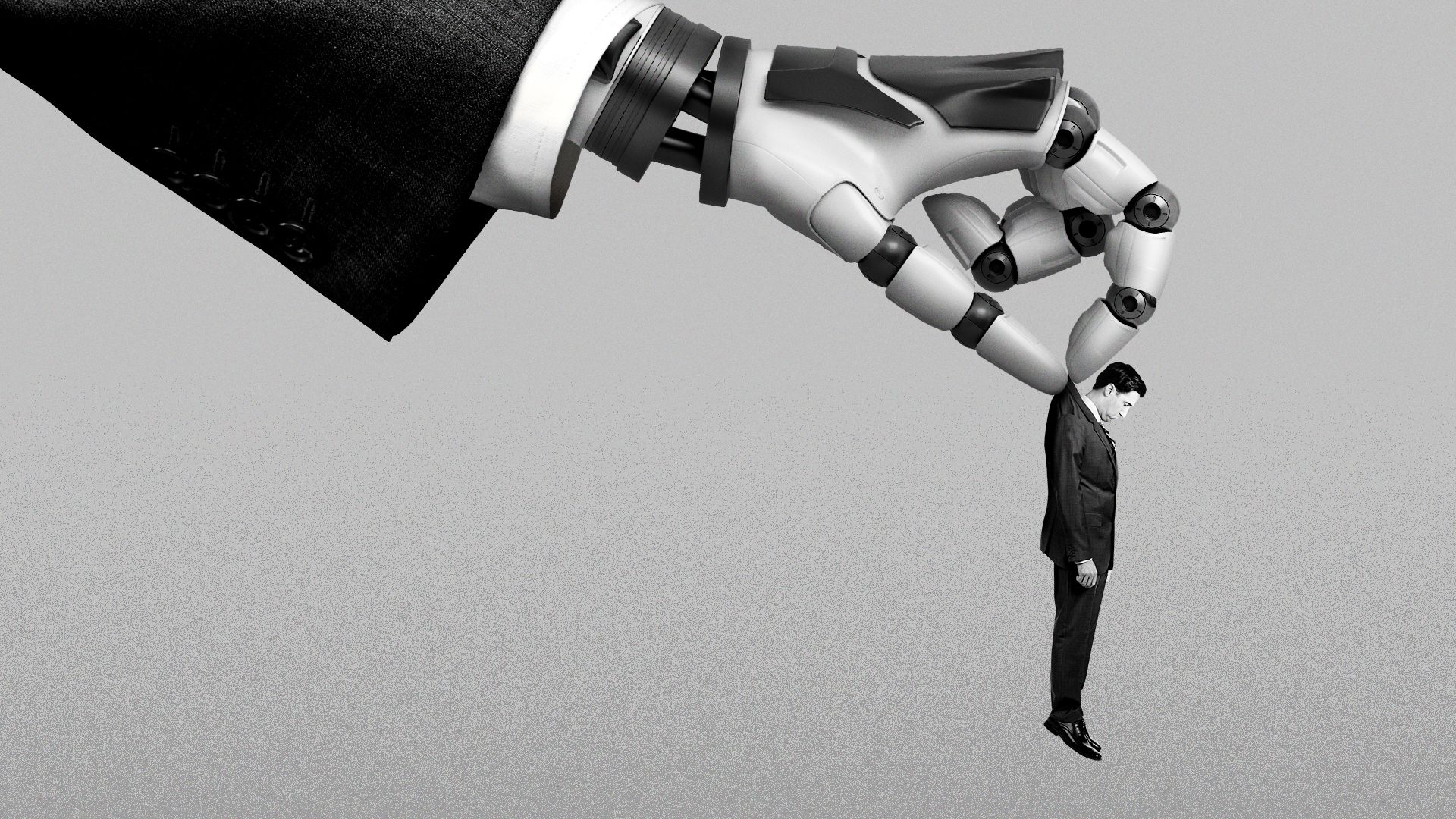
Roughly 11 million American workers — about 7% of the current labor force — might need to change occupations over the next decade, as the economy adapts to the AI era, per a new analysis from the McKinsey Global Institute out Tuesday.
The big picture: New technologies have always transformed the way people work, but the AI workforce transition could happen at three to four times the historical pace, they write.