The 5 biggest announcements from OpenAI's blockbuster AI conference

Add Axios as your preferred source to
see more of our stories on Google.
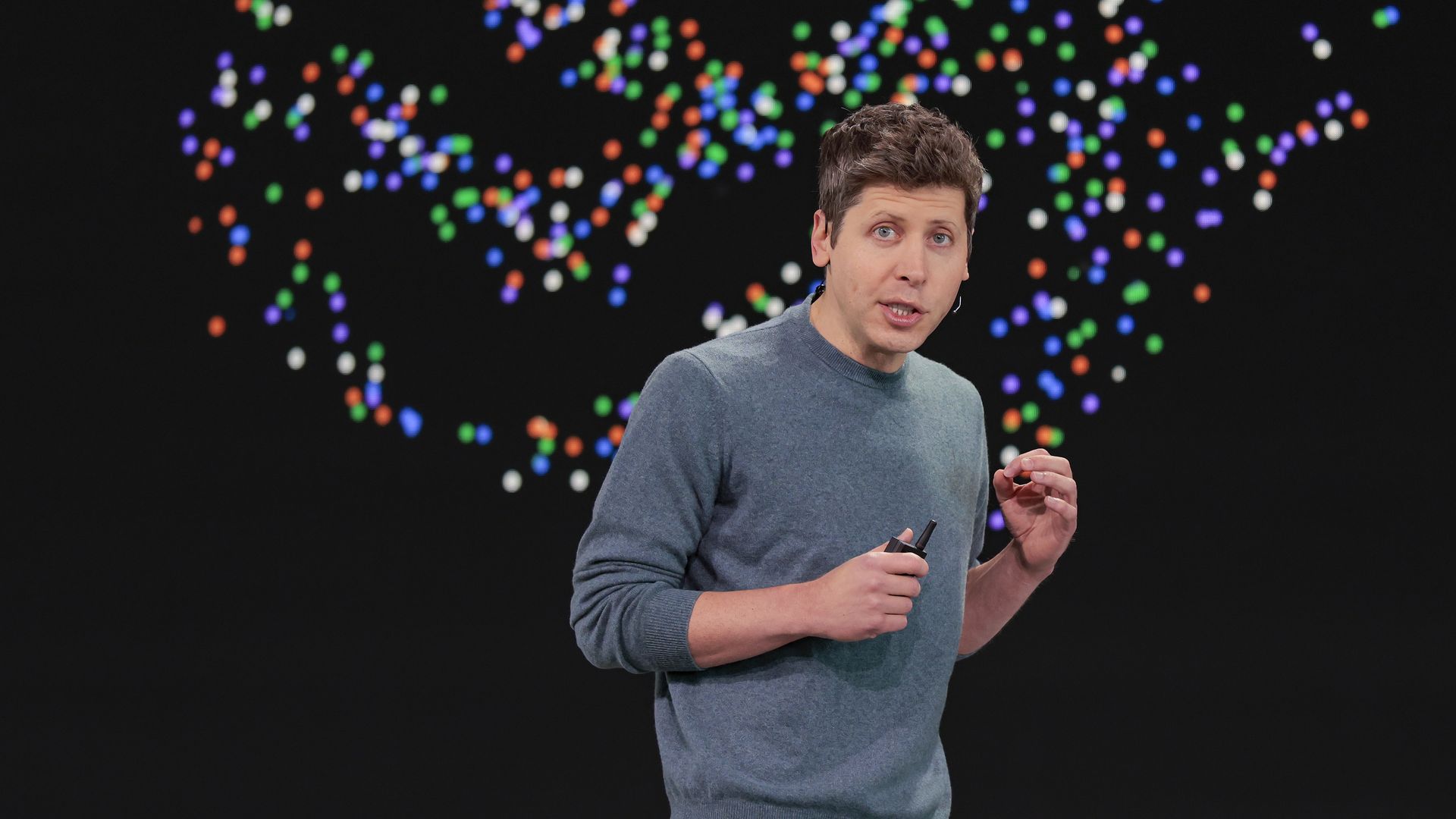
OpenAI CEO Sam Altman speaks at OpenAI DevDay in San Francisco on Sept. 29, where the company unveiled its Dots AI assistant. Photo: Heather Diehl/Getty Images.
OpenAI unveiled more than 20 new products and features at its DevDay 2026 conference Tuesday, pushing AI further beyond the chatbot and into software that can work independently on users' behalf.
Why it matters: OpenAI's vision is increasingly clear: AI that doesn't just answer questions, but takes on jobs, works in the background and follows users across their digital lives.
- The push comes as OpenAI faces intense scrutiny over whether increasingly autonomous AI systems can be safely controlled.
- The company said this week it would not release its newest flagship model, GPT-6.1 Astra, because of security concerns.
Driving the news: CEO Sam Altman unveiled a sprawling slate of products aimed at everyone from everyday ChatGPT users to software developers and large companies.
- Many build on ideas emerging across the AI industry — including personal agents, autonomous coding and AI-powered workplace tools — but bring them directly into OpenAI's ecosystem.
Here are the announcements that stuck out the most.
Dots
OpenAI's biggest consumer bet is Dots, an always-on AI assistant powered by its highly capable Astra model.
- Users can assign Dots tasks and projects, connect them to other apps and let them continue working in the background.
- A competitor to Meta's viral Muse app, OpenAI describes Dots as an "extension of you" that can learn what matters to a user over time.
GPT-6.1 Sol
OpenAI also unveiled GPT-6.1 Sol, an upgraded version of its workhorse GPT-6 model that brings some of its most advanced capabilities down sharply in price.
- OpenAI says Sol approaches the performance of its more powerful Astra model on tasks including coding and computer use, at a fraction of the cost.
ChatGPT Space
ChatGPT Space is a persistent workspace where teams, ChatGPT and Dots can share information and work on projects together.
- The pitch combines pieces of tools like Slack, Notion and Google Drive — with AI agents embedded throughout.
Decisions
A new Decisions API is designed to let companies hand narrow, repetitive choices over to AI.
- A business can give the system a fixed set of possible outcomes — approving or rejecting a request, for example — and let the AI select among them in real time.
- The system, which has drawn comparisons to TypeFace AI's Jev, is meant for situations where companies want AI judgment without giving it unlimited freedom.
Codex in the cloud
OpenAI is making its coding agent easier to use from anywhere.
- Developers can now run Codex remotely in the cloud and start or monitor coding tasks from a phone or other device.
- Teams can also create shared development environments, making it easier to hand work back and forth between people and AI.
What's next for OpenAI
What's next: These big announcements are just the tip of the iceberg.
- The full slate of shared tools aim to help consumers use AI, review code and integrate their ChatGPT accounts with the wider internet.
- Altman also teased AI hardware — it's "something that's worth waiting for," he said — and an agent safety platform similar to Nvidia's newly launched tool.
Go deeper: Top AI companies probing tens of thousands of security incidents
