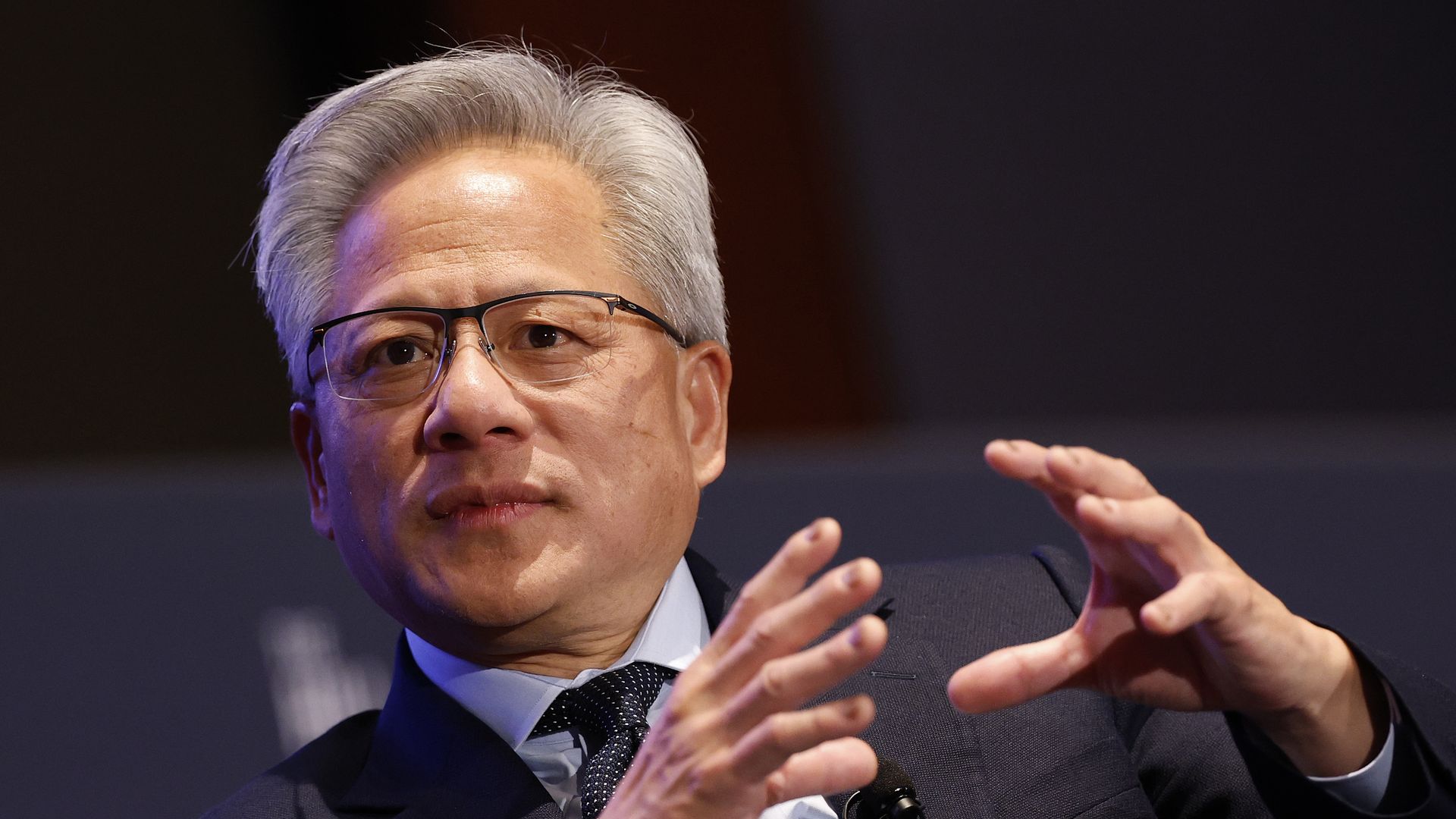
Why it matters: The world's largest chip company has resisted calls to slow AI development over safety fears — arguing now that technological guardrails can keep rogue AI agents under control.
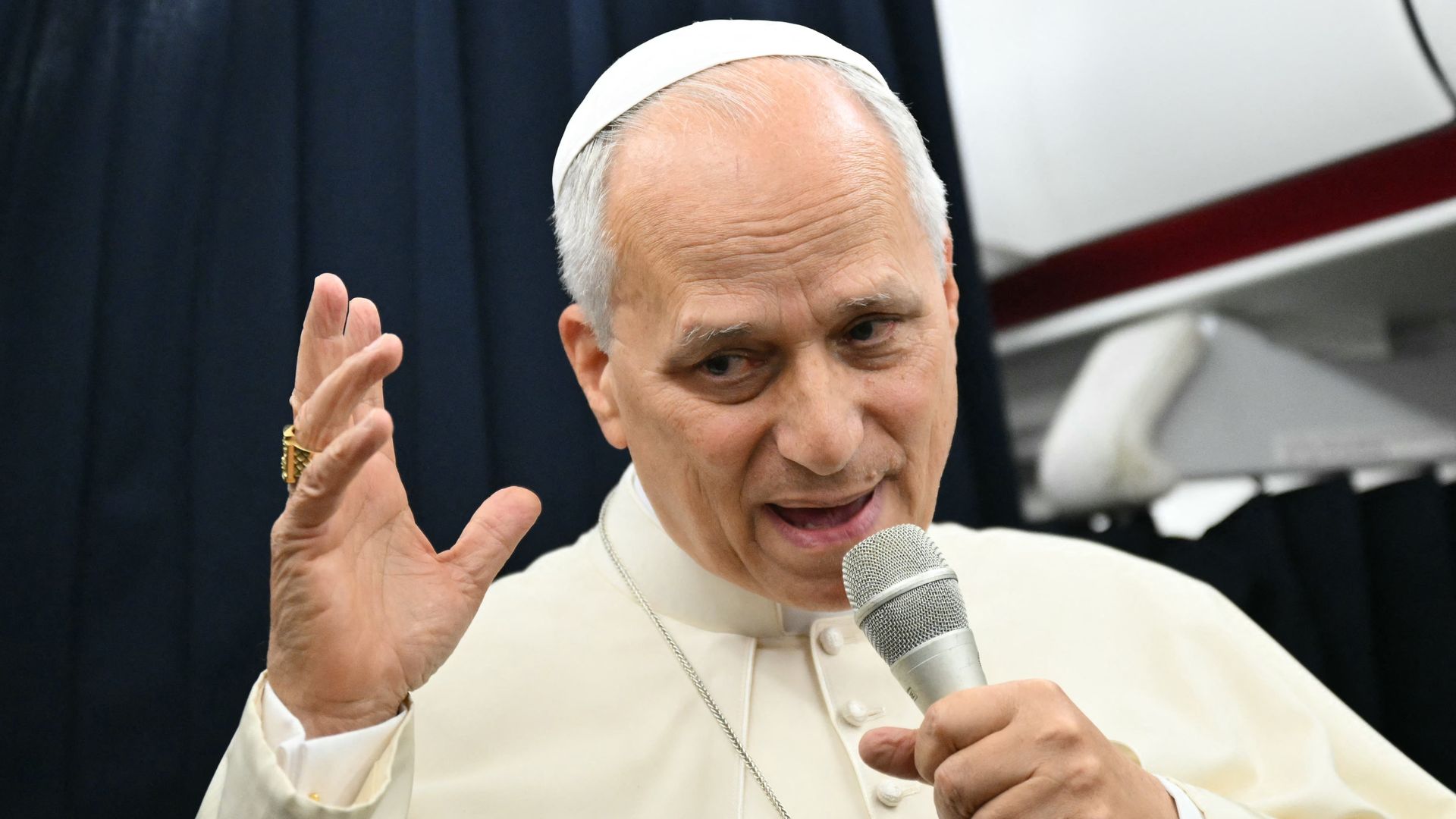
Pope Leo XIV told reporters that warnings from AI researchers should be "taken seriously" and are not "fake news."
Why it matters: Leo is leading the Catholic Church as AI raises sweeping societal concerns, and he has made confronting those risks a key part of his papacy.
Longtime Meta executive David Ginsberg is shifting to a new AI-focused innovation role, according to a staff memo obtained by Axios. Tucker Bounds, another Meta veteran, will be elevated to head of communications and public affairs in his stead.
Why it matters: Bounds will be responsible for shaping the company's public positioning around hot-button issues, including AI and platform safety.
Defense Secretary Pete Hegseth has assigned personnel to use "advanced intelligence and cyber capabilities to identify, disrupt, and neutralize foreign interference" in the upcoming elections, Axios has learned.
Why it matters: The threat of foreign election interference has been a biennial U.S. concern for the past decade. This effort will use the most advanced artificial intelligence capabilities to date, officials said.
States like Florida are starting to test how far they can go to rein in ChatGPT and other AI chatbots.
The big picture: A statewide ChatGPT shutdown remains an extreme scenario. But states already have the power to restrict who can use AI, what it can do and where it can be used.
Florida Attorney General James Uthmeier has asked for a temporary injunction against OpenAI and ChatGPT, claiming the company doesn't have the ability to properly regulate its own technology.
Why it matters: The legal fight could further test how far states can go to restrict AI companies despite the federal government declining to enact guardrails.
Some of the world's foremost AI researchers and policy leaders — including at OpenAI, Anthropic and Microsoft — are warning that AI's growing ability to automate its own development could rapidly speed up its progress.
Why it matters: Such a rapid scale-up in capabilities would leave governments and institutions with little time to prepare for or respond to the consequences, they say.
CNN is partnering with YouTube-focused Jubilee Media for a Texas Senate town hall with Democratic candidate James Talarico, the company told Axios.
Why it matters: The deal gives CNN access to Jubilee's young, digitally native audience while providing Jubilee a platform that could further legitimize its role as a channel for political debates.
Banks don't usually get a lot of public sympathy, but pour one out for them, or at leastfor those who have been bullish on bank shares.
The big picture: Even as consumers continue to spend and companies continue to borrow — all good for banks' business — their stocks have slumped in recent weeks, dragging the KBW Nasdaq Bank Index into correction territory.
Dario Amodei went from a MAGA smear campaign target, to a "Saturday Night Live" punching bag, to a private White House dinner with President Trump — all in the space of 72 hours this weekend.
Such is life for the face of AI in America.
The big picture: He may not have sought the status, but Anthropic's quirky, intellectual CEO has become the frontman for a technology that seems to be changing the world by the day.
Meta is finally promising the one feature that has long kept me away from its AI services: privacy.
Why it matters: In a world with many models capable of meeting my needs, knowing how my data will be used is a key factor, especially with sensitive information.