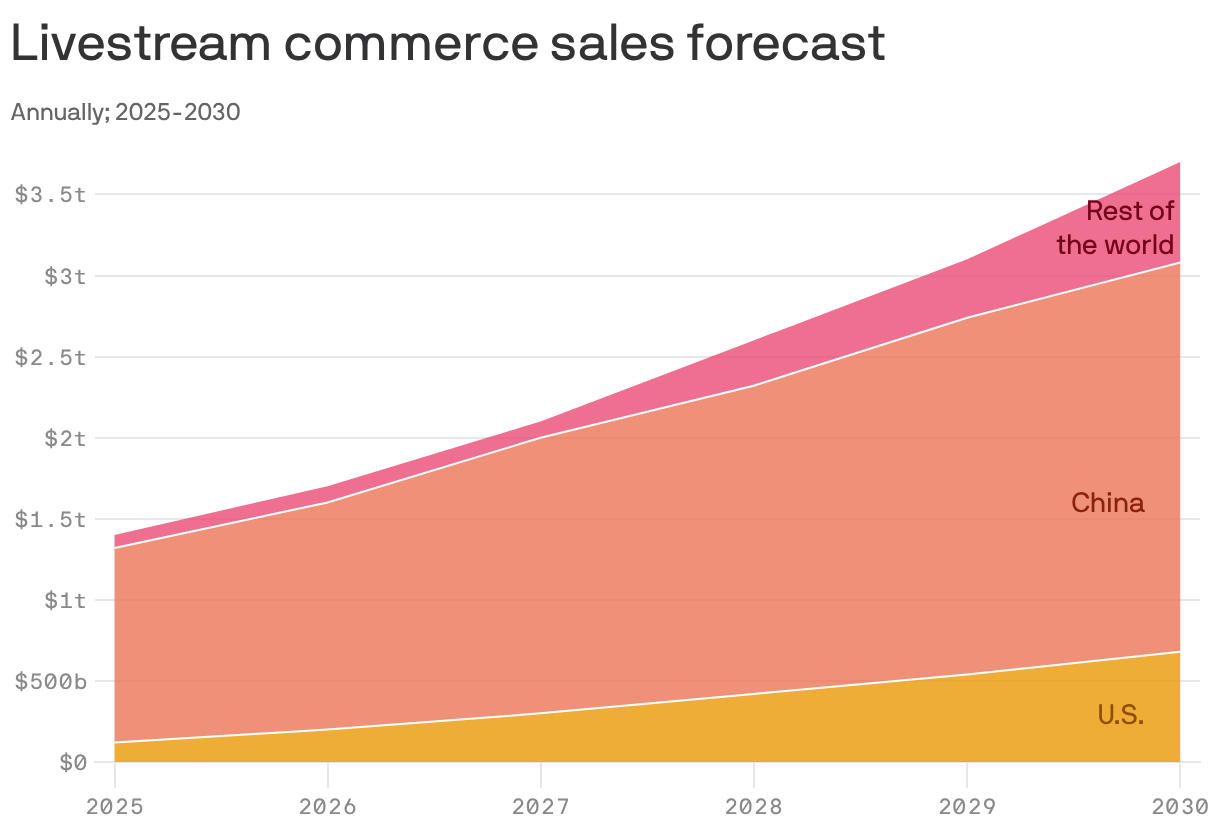
Creator commerce has evolved from an experimental marketing tactic into a core strategy for retailers, as brands bet that trusted human recommendations will matter even more in the AI era.
Why it matters: The shift is motivating brands to rethink how they recruit, manage and measure creator relationships.
The retail industry is emerging as one of AI's biggest commercial winners, forcing companies to embrace bots as buyers and incentivizing rivals to work together to capture new business.
Why it matters: While creative sectors try to prevent AI companies from scraping their content, retailers are inviting them in and betting AI shopping assistants will become a new source of customers.
China's latest AI breakthrough is forcing Silicon Valley to confront a terrifying possibility: Building the world's smartest models may no longer be enough to win.
Why it matters: Chinese labs like Moonshot AI are cornering the market for cheap, customizable intelligence, threatening to turn America's prestige models into expensive niche products.
China just changed the AI race with the debut of the Kimi K3 model, posing an immediate threat to the United States as the world's leader in the innovative technology.
Why it matters: The advent of AI has led to a global competition for supremacy, perhaps with the highest stakes since the development of the nuclear bomb.
Judges are becoming AI firewalls, setting guidelines for lawyers and litigants entering their courtrooms and reprimanding those who fail to vet their research or cite fake AI-generated cases.
But judges are also navigating how to use the tech themselves.
Why it matters: As attorney sanctions mount for irresponsible AI use, judges' chambers are at the center of the push and pull between innovation and caution. Some early adopters see AI use as a catalyst for justice — while other jurists remain staunchly skeptical.
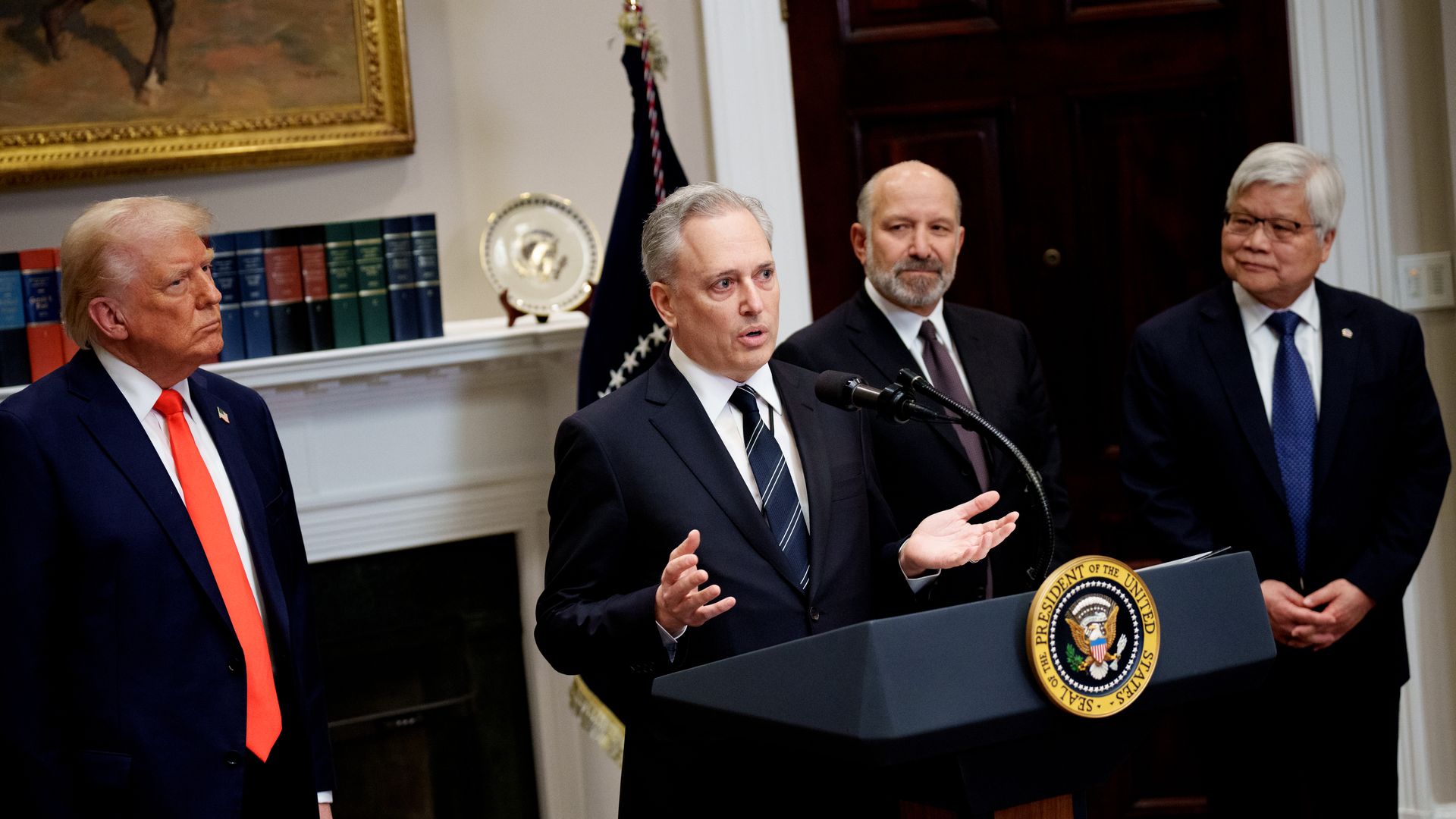
David Sacks, AI investor and White House tech advisor, warned Friday that the U.S. isin danger of losing the AI race to China following the release of Kimi K3, a Chinese model that beats frontier American systems on several benchmarks.
Why it matters: Sacks is pitching a hands off regulatory approach to AI that he frames as do-or-die for America to hold onto its dominance.
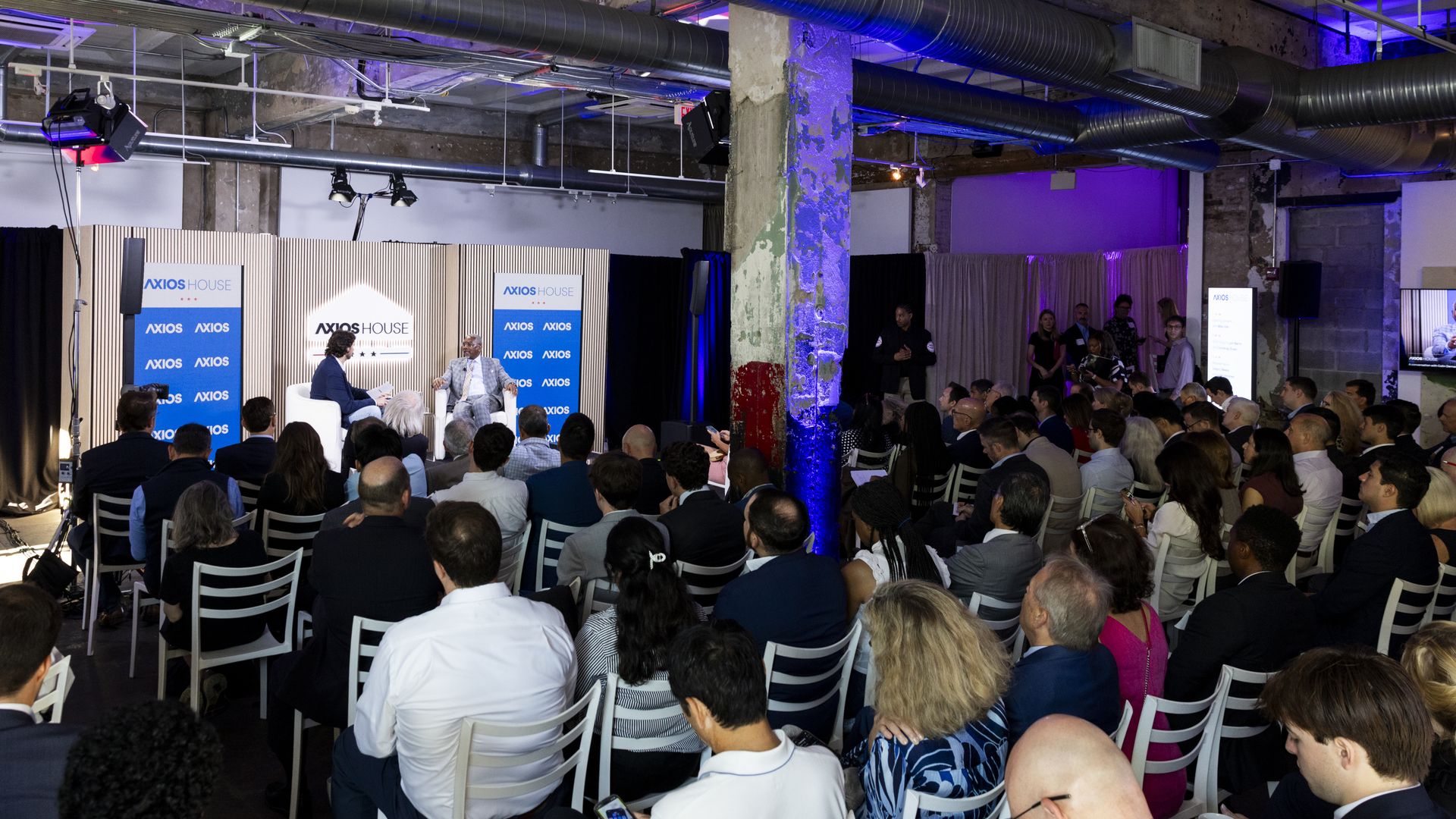
WASHINGTON — AI is speeding up the pace of digital attacks and the need for resilient systems, defense and tech leaders said at an Axios House D.C. event.
Why it matters: Public and private entities must quickly adapt new security protocols for emerging threats or they'll risk dangers like data theft, ransomware, or bad actor infiltration.
Axios' Colin Demarest moderated the July 14 roundtable discussion. The event was sponsored by Accenture.
5 big takeaways from the conversation:
Traditional risk guidance prioritizes "visibility into the risk, and then the means to mitigate the risk," CrowdStrike chief privacy officer Drew Bagley said. But the adoption of AI has led to an increase in potential targets and reduction of visibility into the technology, he added.
Leaders should treat AI like "a trusted insider … with variability," Domino Data Lab chief information security officer Chris Talevi said. Consider what the technology is authorized to do, its guardrails, and its potential for "chaos."
Resiliency "starts at the code level," Sublime Security head of threat intelligence and research Alex Orleans said, but also warned that secure and high-quality code is "cyber vegetables. Nobody wants to eat it."
Asking the right questions can help build an AI cyber strategy, said Halcyon senior director of government affairs and public policy Meredith Burkart. "Depending on what you're guarding, you're going to have a different answer … and you're going to be able to talk about your risks in a different way."
Hesitating to adopt AI has its own stakes,said Robert Kolasky, Exiger senior vice president of critical infrastructure. "There's a backlash [against generative AI] right now that's going to create a friction on the system" and disrupt necessary implementation, he added.
Content from the sponsor's remarks:
In opening remarks, Accenture Federal Services cyber lead Amanda Satterwhite said that AI is "the most consequential technology we've seen in decades."
"We now have our first official cyber arms race, where both the offense and the defense have the same tools and techniques at the same time, and it's a matter of who's going to deploy them fast."
As executives question whether their massive AI bills are paying off, OpenAI CFO Sarah Friar is pitching a new scorecard for measuring AI's success, according to a new blog post viewed by Axios.
Why it matters: The framework is OpenAI's response to a growing enterprise AI cost reckoning, as companies increasingly route work to cheaper models and demand clearer returns on their investments.
Ukraine's drone attacks on refineries have hammered Russia's oil infrastructure, creating an economic shock that is increasingly visible worldwide, including in the U.S.
Why it matters: The effectiveness of the Ukrainian drone campaign is helping drive up world energy prices already elevated by the Iran war.
SpaceX closed below its IPO price Thursday after the stock declined for the eighth time in nine sessions.
Why it matters: The selloff suggests that investors' knees have gone somewhat wobbly, as the first restrictions on selling — known as lockups — are set to be lifted in less than a month.
The latest: The stock closed at $131.11 Thursday.
That's down 42% from its intraday high of $225.64 reached on June 16.
It's also below the stock's symbolically important $135 offering price.
Zoom in: According to SEC filings, up to 1.37 billion shares could hit the market starting in the days after SpaceX reports second-quarter results, which is projected to be on Aug. 6, according to FactSet.
That includes 911.5 million of class A common shares.
And it could include an additional 455.8 million shares if the stock price meets certain conditions. (The shares would have to close at or above $175.50 on a certain number of trading days surrounding the Q2 earnings release.)
Reality check: The actual SpaceX IPO — the largest ever, raising $86 billion — involved the sale of only 639 million shares.
That means the first lockup expiration could roughly quadruple the supply of tradable SpaceX shares.
The intrigue: Will the buying public be eager to buy them? Especially after the recent drop?
Between the lines: The SpaceX IPO last month was a masterpiece of financial engineering.
SpaceX CEO Elon Musk was able to generate a surge of retail interest.
The company was also fast-tracked into some key indexes, like the Nasdaq 100, ensuring some steady purchases from index-based investors.
Those factors, along with a surge of online hype and a relatively constrained amount of stock to sell — about 5% of all SpaceX shares — generated more than a satisfying pop in the price.
At its closing high, the company was valued at $2.64 trillion, on paper.
Yes, but: That valuation always deserved to be viewed pretty skeptically.
All things being equal, the constrained supply of stock in the face of strong demand results in an elevated price and a potential overvaluation of the company.
The bottom line: As more SpaceX shares are released into the wild, we'll get a more accurate picture of what the market thinks SpaceX's "true value" is.
A Chinese moonshot — literally and figuratively — has caught up to models that defined the U.S. frontier just weeks ago, at a substantially lower price.
Why it matters: Kimi K3, a massive new model by Beijing-based Moonshot AI, threatens the foundations of America's AI boom. Its release Thursday dazzled developers, jolted Silicon Valley and reset the AI race overnight.
With millions of dollars sitting in AI super PAC accounts, the industry's influence in the midterms is on track to expand.
Why it matters:AI groups have already become major players in congressional races, but the latest Federal Election Commission filings suggest that the biggest spending may lie ahead.
Alumni of the Obama and Biden administrations are launching a public policy initiative aimed at defining the center-left perspective on AI.
Why it matters: Democrats across the country are taking action on AI as the midterms near, implementing data center moratoriums and running for office on AI safety platforms.
AI safeguards advocacy group Public First Action is launching a $15 million project to support Republican candidates in the midterms, according to an announcement shared first with Axios.
Why it matters: The bipartisan group is looking to appeal to conservative Americans who say they want AI rules.
A bipartisan group of House lawmakers on Friday introduced legislation to ensure humans, not AI or machines, make the final decision when the U.S. military uses lethal force.
Why it matters: Lawmakers in both parties are looking to set legal guardrails for military AI as autonomous weapons play a larger role in modern warfare.
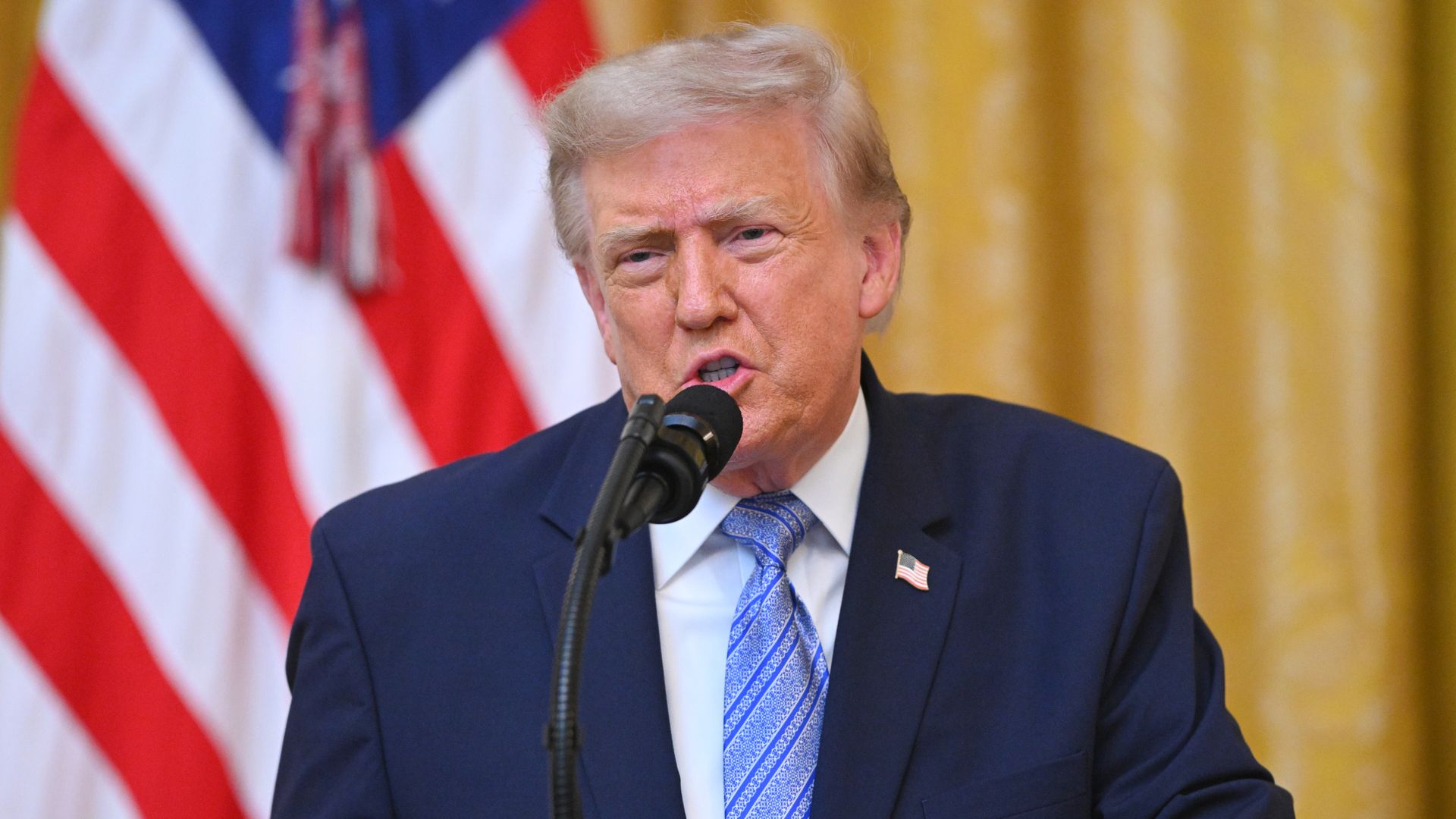
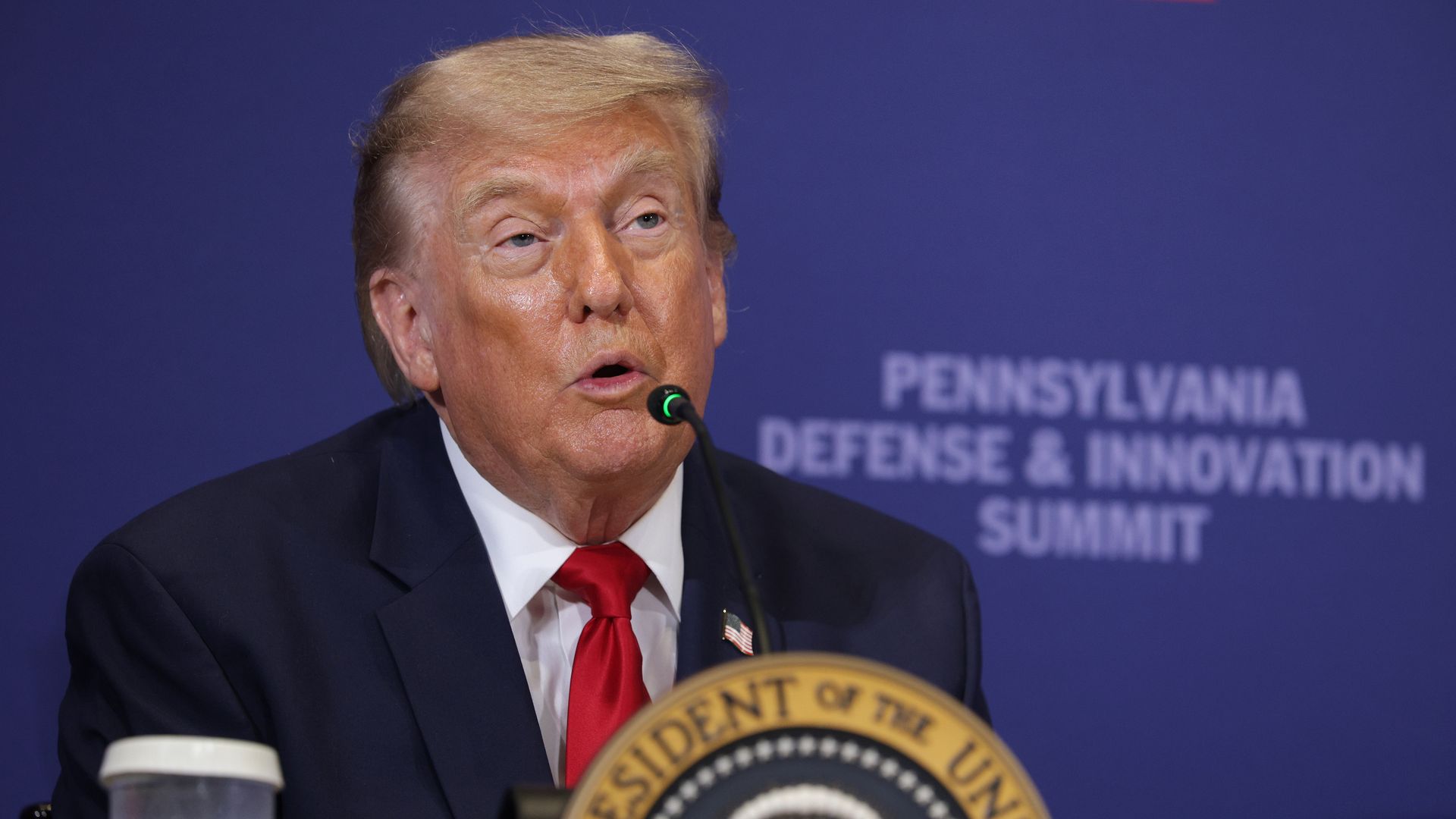
President Trump alleged Thursday that U.S. intelligence agencies covered up information about alleged Chinese efforts to influence the 2020 U.S. election.
Why it matters: The document release is likely to renew scrutiny of Trump's claims about foreign interference in the U.S. election and the government's past intelligence assessments.
President Trump alleged during a White House address Thursday that China interfered in the 2020 election and that U.S. intelligence agencies covered it up.
Why it matters: Trump is reopening a politically charged debate over China's role in the 2020 election while directly challenging U.S. intelligence assessments that concluded Beijing did not try to influence the election's outcome.
WASHINGTON – The next phase of America's economic growth will depend on whether the U.S. can outcompete rivals in AI, energy and advanced manufacturing, policymakers and business leaders said at Axios House D.C.
Why it matters: America is entering a new industrial age as AI and new technologies boost economic growth and revamp how every sector operates.
Axios' Nathan Bomey, Neil Irwin, Colin Demarest, Mike Allen, Courtenay Brown and Ben Geman hosted conversations with NYSE Group president Lynn Martin; Rep. Gregory Meeks (D-N.Y.); Kalshi co-founder and CEO Tarek Mansour; Commodity Futures Trading Commission chair Michael Selig; Zillow Group CEO Jeremy Wacksman; Northrop Grumman chair, CEO and president Kathy Warden; U.S. Trade Representative Jamieson Greer; and Southern Company chair, president and CEO Chris Womack. The July 14 event was sponsored by Accenture and Ford.
Here are the takeaways:
Meeks is worried the Iran war will become this generation's "forever war," and he criticized President Trump for using "basically real estate negotiators" in diplomatic talks. On Trump's strategy, Meeks said: "I don't think that you're going to be able to bomb yourself out of this."
Martin said AI's biggest economic opportunities will come from energy and infrastructure, predicting both sectors are positioned for "outsized returns for a longer period of time."
As the battle to regulate prediction markets intensifies, Selig says the CFTC will defend its authority over prediction markets "all the way up to the Supreme Court" if necessary.
Mansour saidprediction markets are "here to stay" because many people feel traditional financial systems are "rigged against them."
The world is still figuring out how to regulate tech companies, but Greer said the U.S. won't let Europe become "the arbiter" of regulating American tech companies.
U.S. energy demand is growing, and Womack said the U.S. needs to commit to building 10 new nuclear plants to meet that demand.
Wacksman said the homebuying process has become so complicated that half of Americans cry at some point during the process, according to Zillow's 2022 study.
Content from sponsors' segments:
In a sponsored conversation, Ford Motor Company executive chair Bill Ford said most of America's critical minerals come from China. The U.S. has them – it just doesn't have the proper regulation to develop those minerals.
To compete with China, Ford said a bipartisan industrial policy is needed. "Having a planning horizon that we can count on makes a huge difference, because our lead times are longer than political lead times," Ford said.
He also said flying cars are "very possible."
In a View from the Top conversation, Accenture Federal Services CEO Ron Ash shared his concerns over the AI boom, saying the U.S. is in a prototyping bubble.
"My biggest concern is that we win this race for developing the best AI technology and we lose the race to deploy it," he said.